How Miriam's Well Turned the Desert Camp Into a Garden
The well that followed Israel through the wilderness did more than quench thirst. It filled the camp with rivers, orchards, fragrant herbs, and healing water.
Table of Contents
 Click for full size
The Rock That Moved
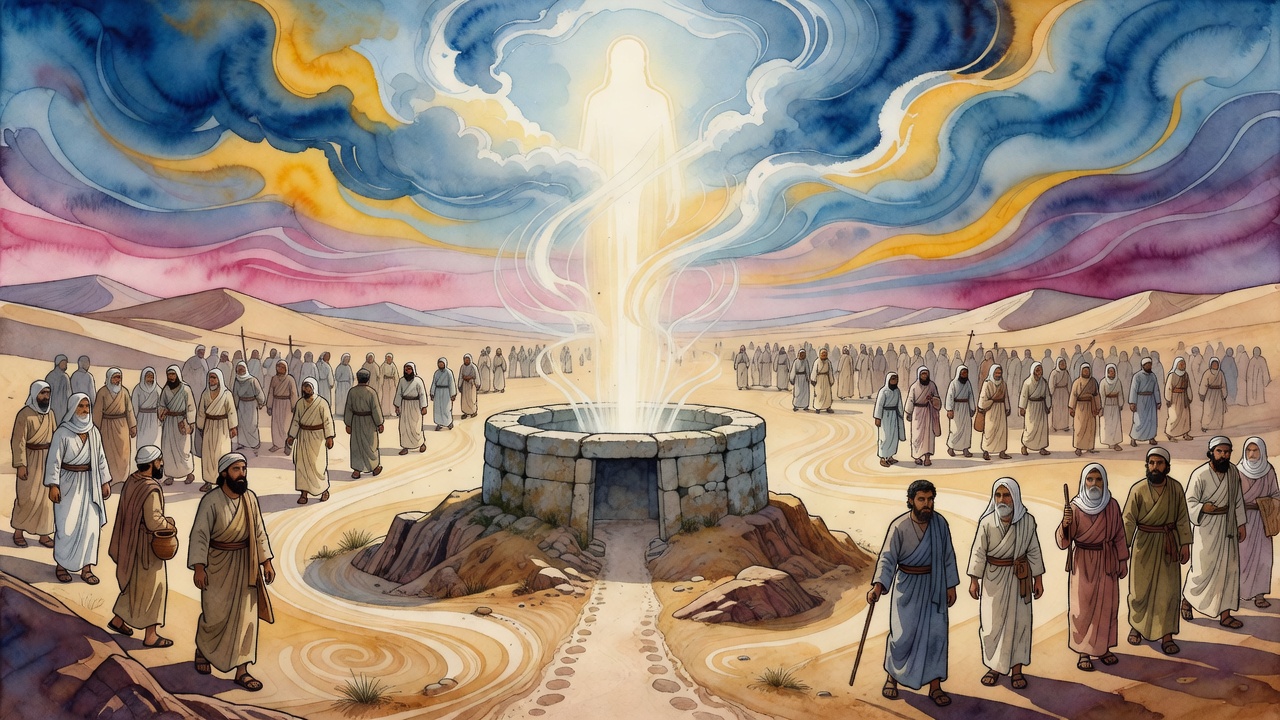
It was not a spring. It was not a cistern dug in the desert floor. It was a rock, shaped like a kind of hive, and it moved. When Israel camped, the rock came to rest in the camp's center. When Israel marched, the rock rolled along with them, following the tribe of Judah at the head of the column, and wherever it stopped, water came out. Not a trickle. Rivers.
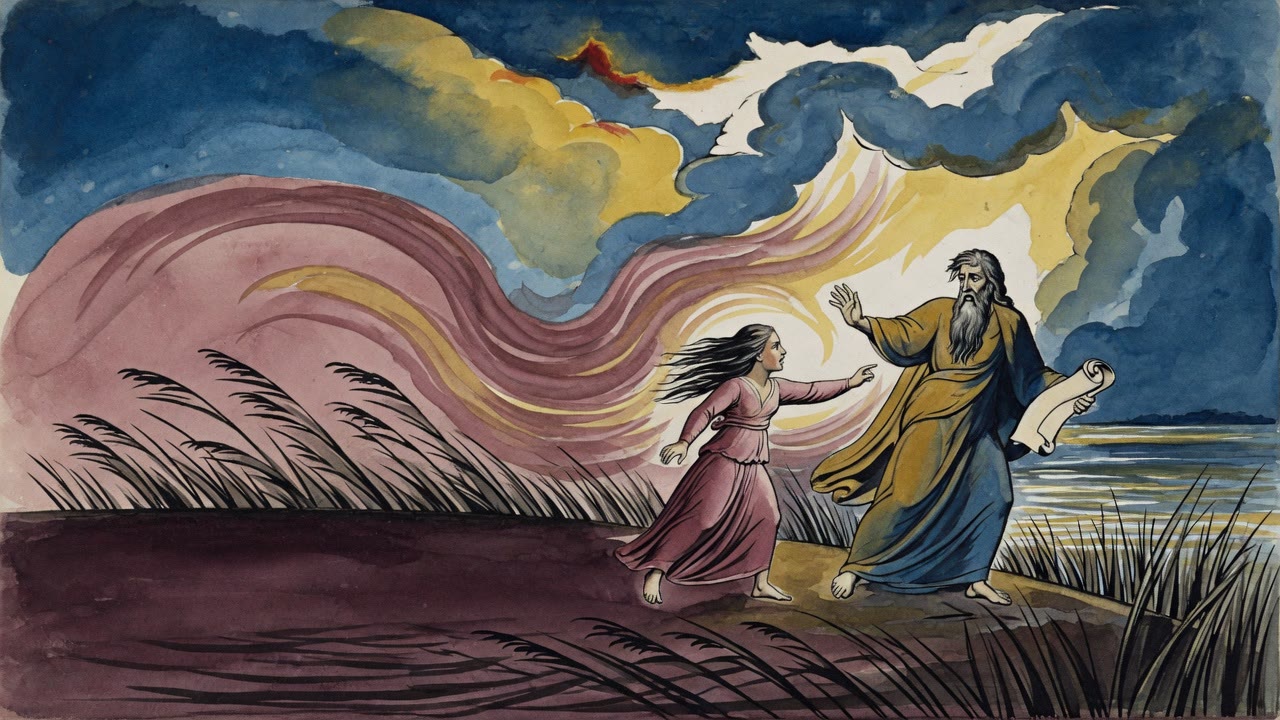
The tradition says the rock had been created at the end of the sixth day of creation, set aside for this purpose before the world's history began. From the moment Israel left Egypt, it traveled with them, unseen until it was needed, first made fully present in the wilderness when Miriam's merit called it forth. When Miriam died, the water stopped. The connection was direct. The well had been given to Israel in her honor, and when she was gone, it went with her.
The Camp Divided by Rivers
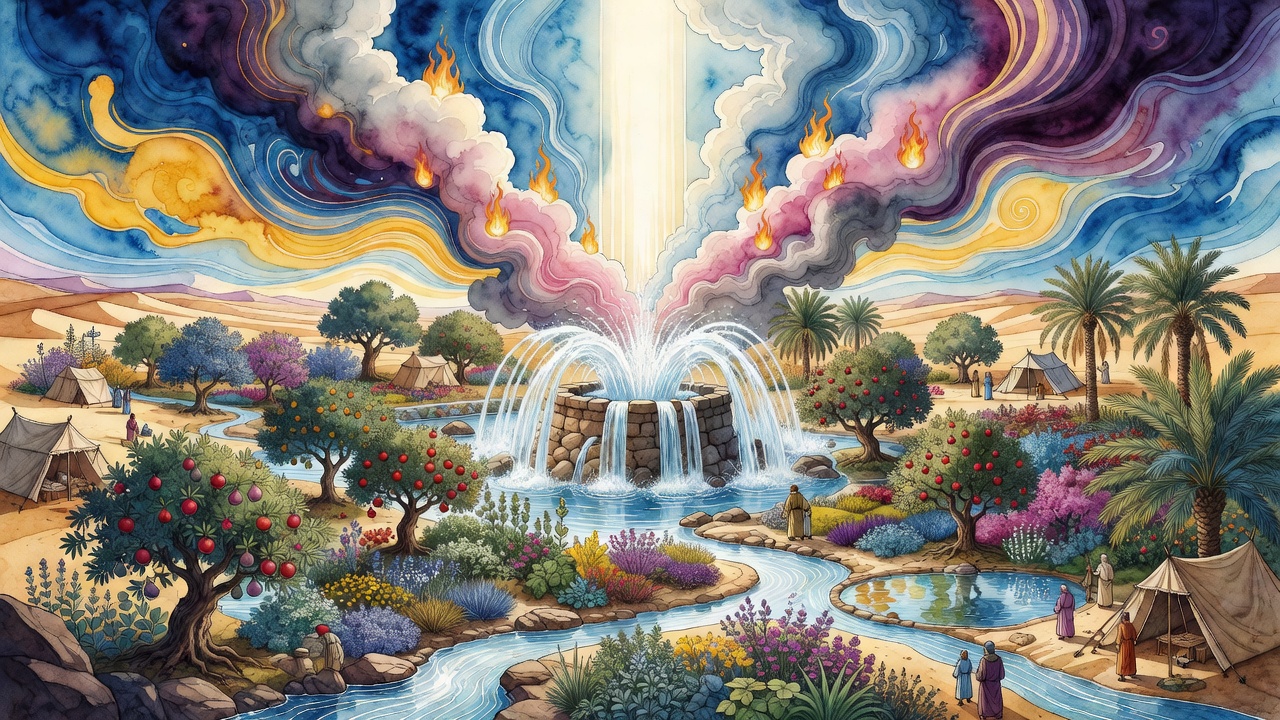
What the rock produced was not just drinking water. The water flowed outward from the center in rivers, and those rivers divided the camp of Israel into quarters. Each tribe had its section separated from the others not by fences or roads but by living water. When a woman wanted to visit a neighbor in another tribe's territory, she did not walk. She took a boat.
The picture is almost impossible to hold alongside the standard image of the wilderness: a flotilla of Israelite women sailing short distances across the organized quarters of their desert community, water lapping at the edges of their tents, the sound of rivers constant across forty years of travel. The tradition holds this image without embarrassment. The camp of Israel in the wilderness was not a bare encampment of dust and heat. It was a community shaped by abundance, organized with precision, divided by waterways that gave each tribe its own approach and its own space.
What Grew on the Banks
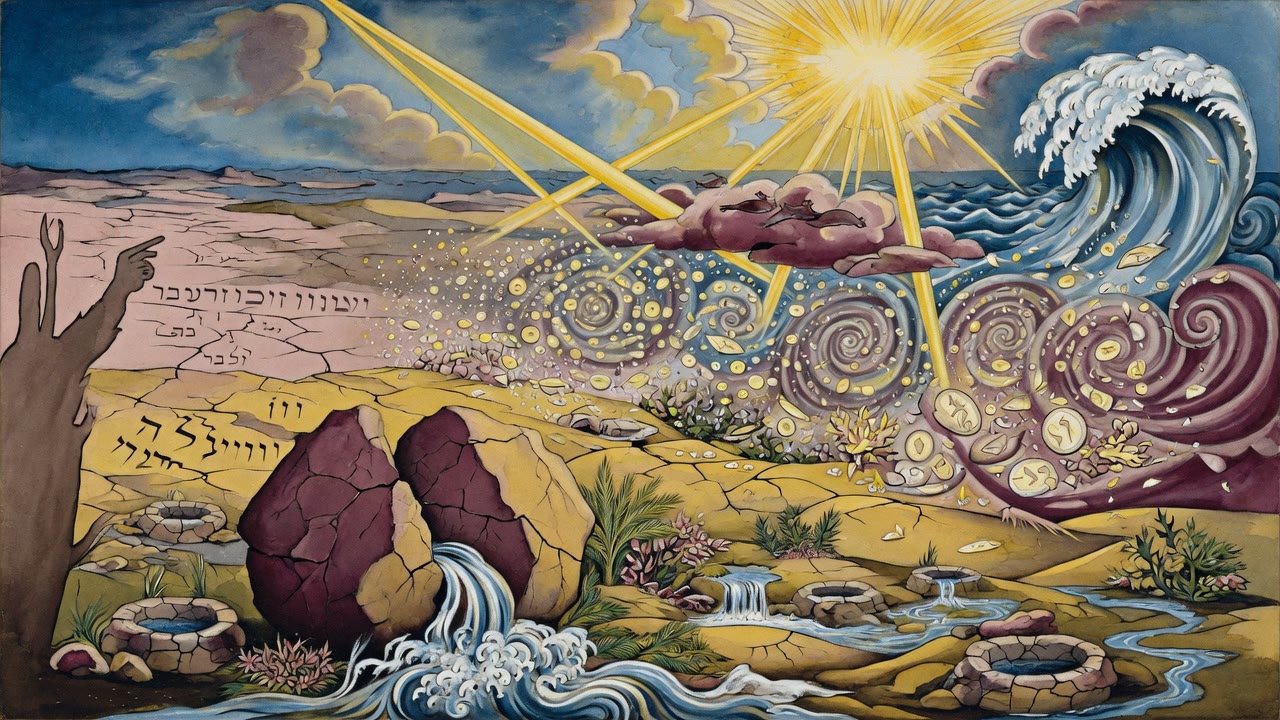
The rivers did not run through empty channels. On their banks, trees grew. The tradition names them: fruit trees of every kind, shade trees, trees that bore through the dry seasons of the desert because they were fed from a source that was not subject to the rules of desert rainfall. Fragrant herbs grew along the water's edge. Flowers bloomed between the roots. The women of Israel gathered herbs and flowers along their own tribe's riverbank and exchanged them with the women of other tribes across the water.
The herbs had properties beyond fragrance. The water from Miriam's Well carried healing in it. Bathing in the rivers that flowed from the rock could cure conditions that the wilderness itself caused, the skin diseases, the fevers, the ailments that forty years of harsh travel produced in a population of any size. The camp of Israel was, in this reading, a self-contained world with its own agricultural system, its own transportation network, its own pharmacopeia growing at the water's edge.
Where the Well Went After Miriam
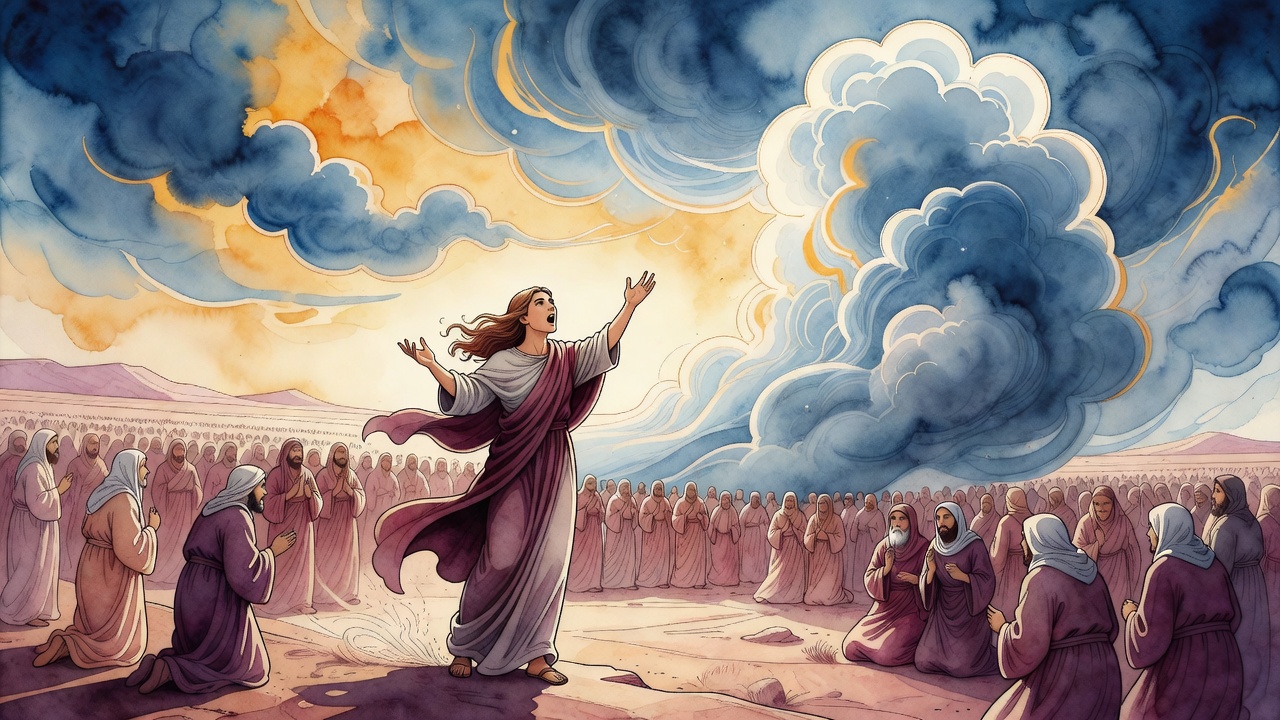
When Miriam died, the water ceased. Israel woke to a dry camp and the realization that the rivers and the trees and the fragrant banks had been a gift tied to one woman's presence among them. Moses struck the rock in frustration when the people cried out for water, and water came again, but something had changed. The miracle was now Moses's act rather than Miriam's merit, and the tradition reads the two differently.
After Israel entered the land and the wilderness wandering ended, the rock settled in the sea of Tiberias, the Kineret, where it rests according to the tradition to this day. A fisherman who knows where to look and what to look for can find it: a kind of hive-shaped rock rising from the lake bottom, still there, still containing the water that sustained a nation for forty years in the desert. The well did not disappear. It came to rest.
← All myths