Abraham's Fiery Test and the Repentance It Sparked
Nimrod threw Abraham into the furnace and Abraham walked out alive. What followed the miracle was the part the tradition cared about most.
Table of Contents
 Click for full size
Haran's Decision at the Furnace's Edge
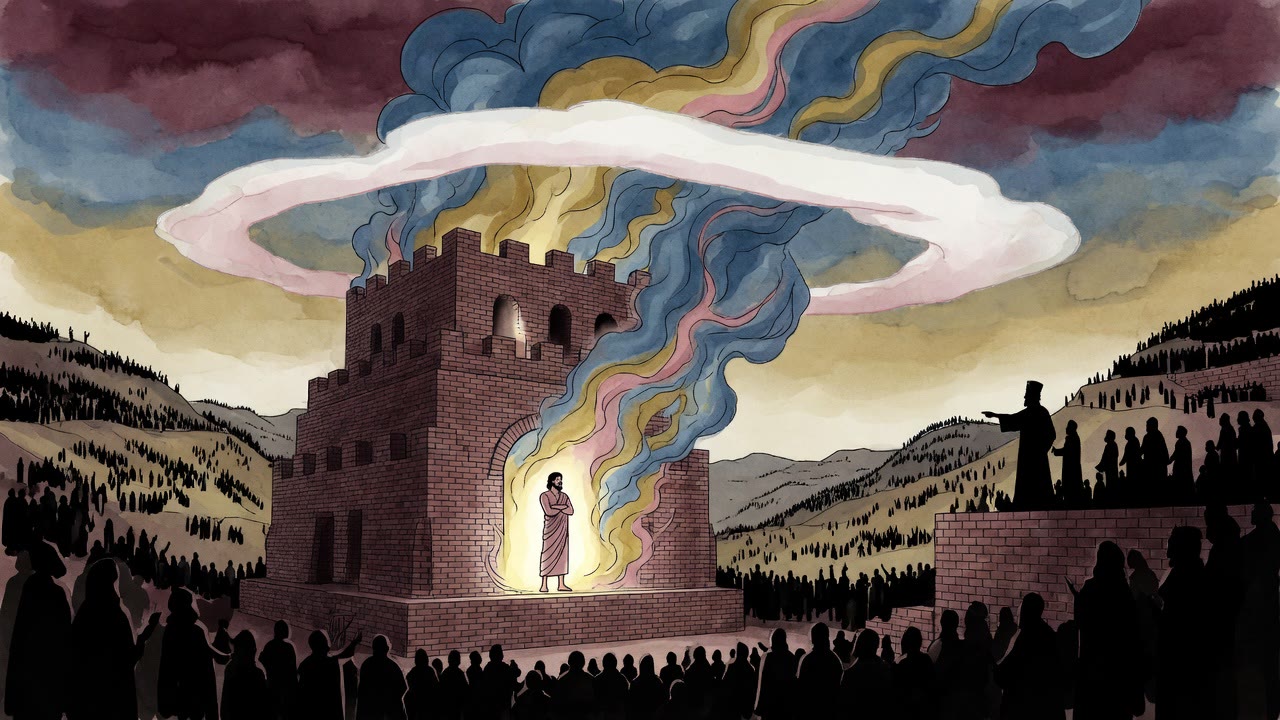
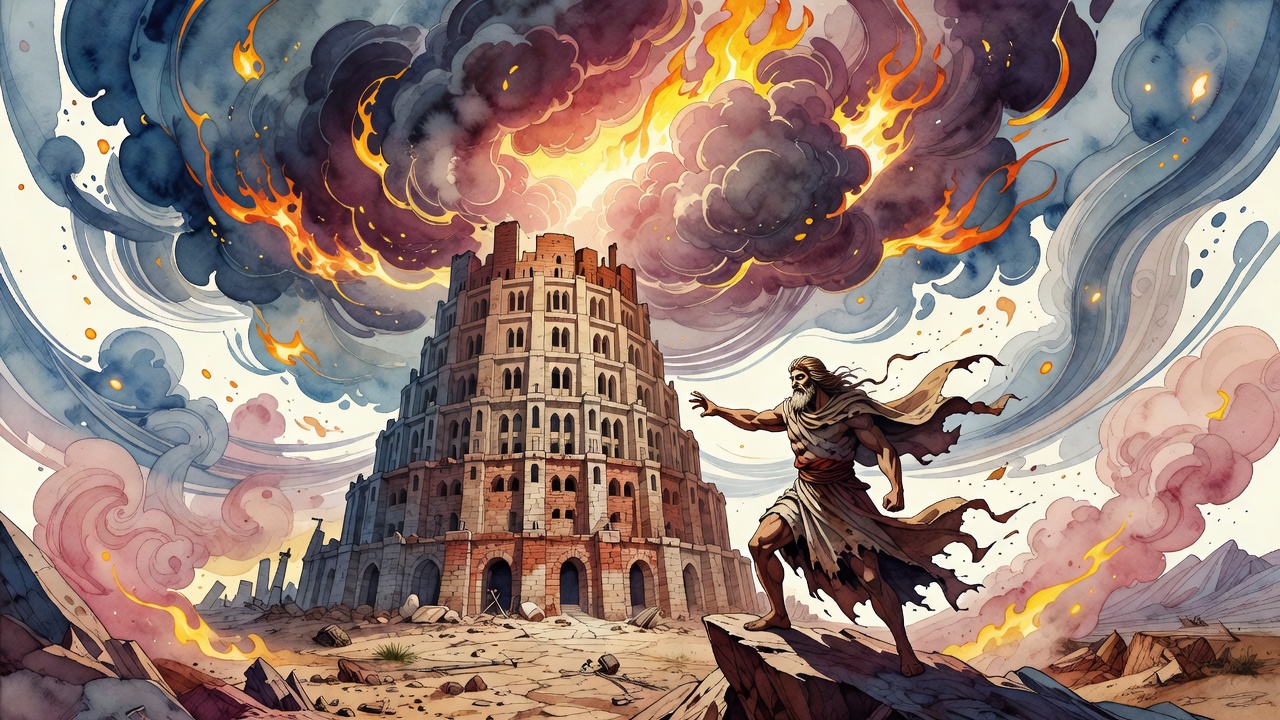
When Nimrod brought Abraham before the furnace at Ur Kasdim, Abraham's brother Haran was watching from the crowd. He had not yet decided what he believed. He was calculating, the tradition says, waiting to see what would happen to Abraham before committing himself. If Abraham survived, Haran would declare himself for Abraham's God. If Abraham burned, Haran would declare himself for Nimrod. He was hedging. He was trying to be on the winning side without risking anything to find out which side that was.
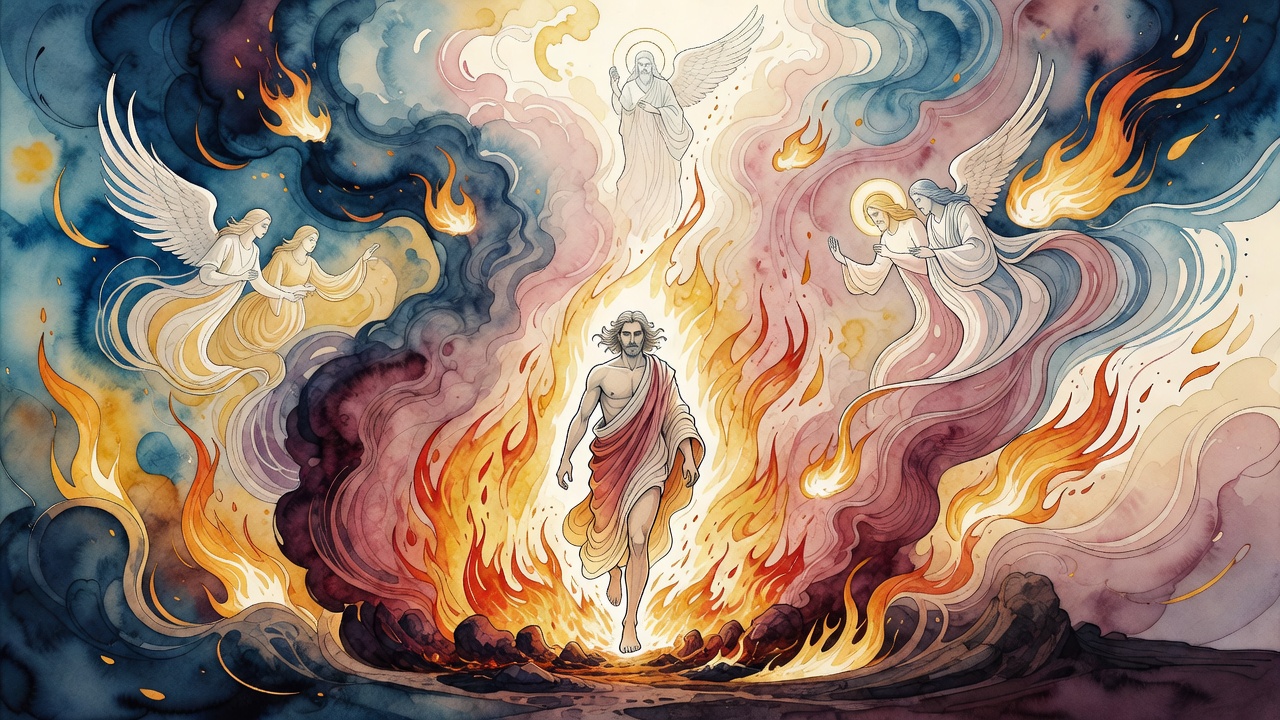
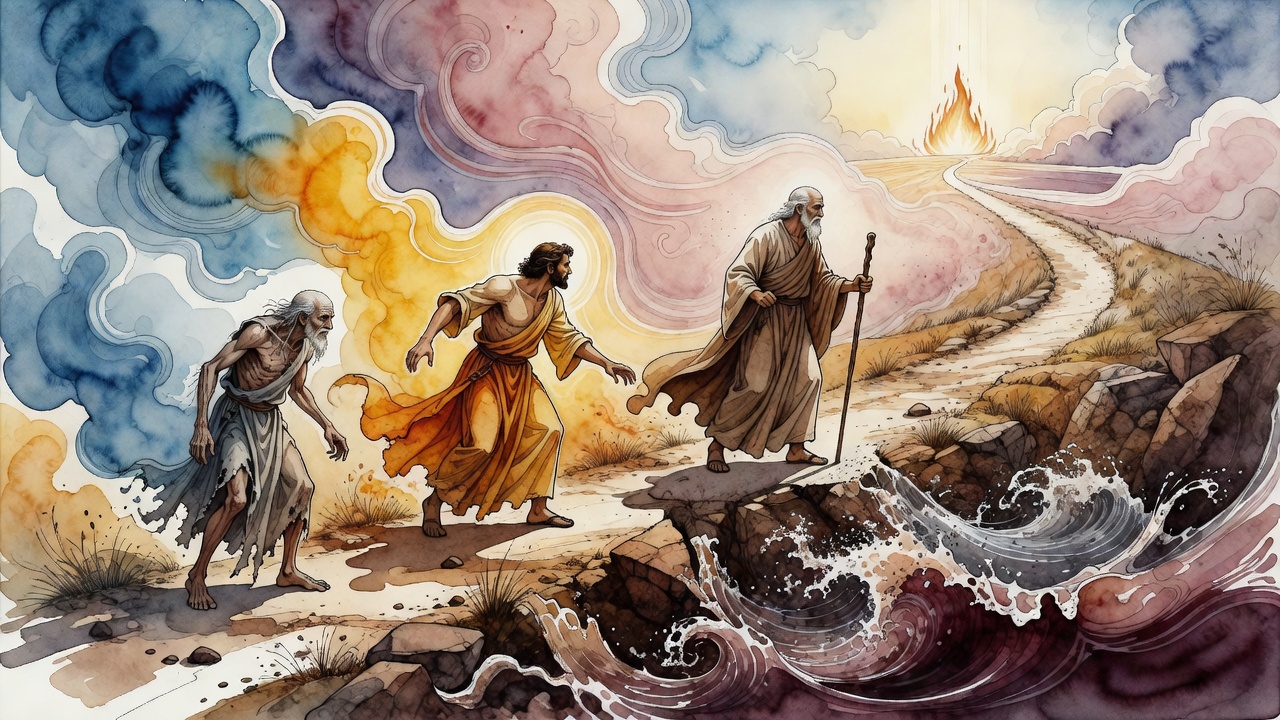
Abraham walked into the fire and came out unburned. Haran stepped forward and announced his conversion. Nimrod's servants threw him in. Haran did not come out. The Torah records his death without explanation: Haran died before his father Terah in Ur of the Chaldeans. The rabbis read the absence of an explanation as the explanation. A faith built on watching someone else's miracle survive the furnace had no power of its own.
What Nimrod Was Afraid Of
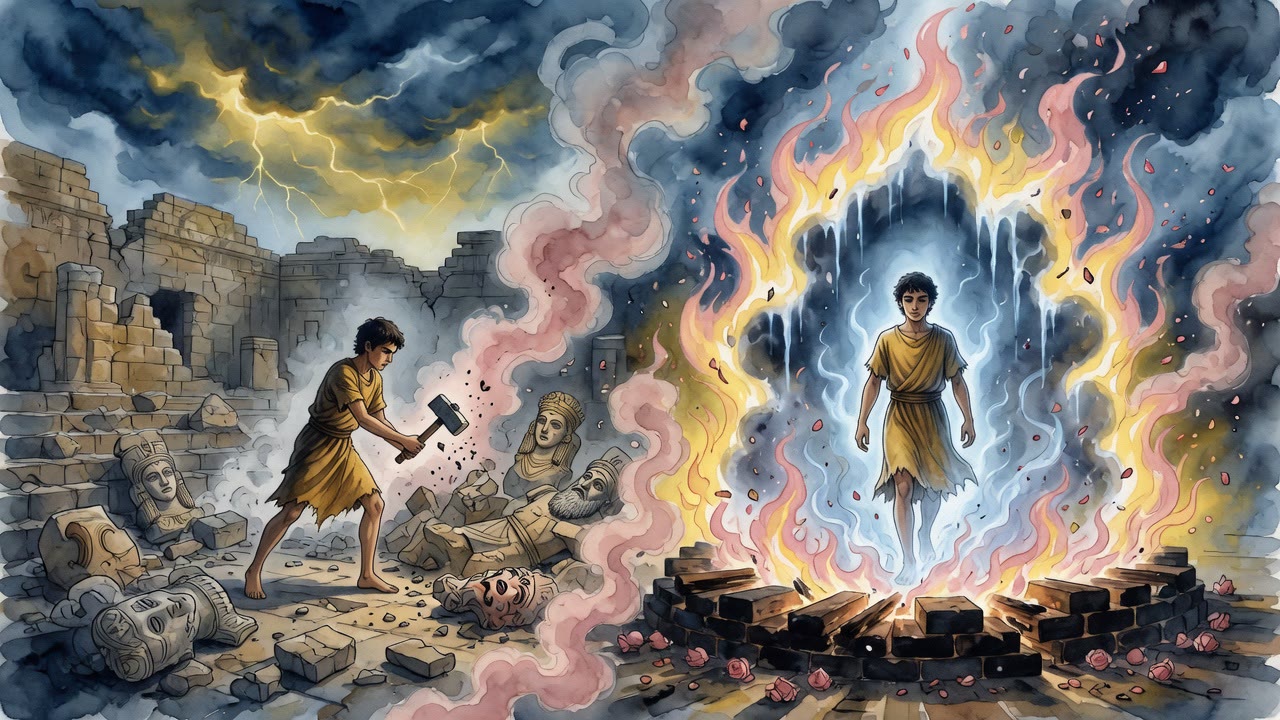
Nimrod did not decide to kill Abraham arbitrarily. His astrologers had told him years earlier that a child born in his kingdom would eventually overturn everything he had built. He had ordered the deaths of newborns. Terah, Abraham's father, had hidden his son. The child had grown up anyway and had begun his campaign against his father's idol shop: smashing the idols, leaving the hammer in the hand of the largest one, telling Terah that the big idol had attacked the others. Terah understood this was not the truth. Terah brought Abraham to Nimrod.
Nimrod offered Abraham a straightforward choice: worship fire or be thrown into it. Abraham said: should I worship water, which puts out fire? Should I worship the clouds, which carry the water? Should I worship the wind, which moves the clouds? Should I worship men, who breathe the wind? Nimrod chose fire. Abraham went into it without resistance. He had already decided that the outcome was not the point.
The Crowd That Watched Him Walk Out
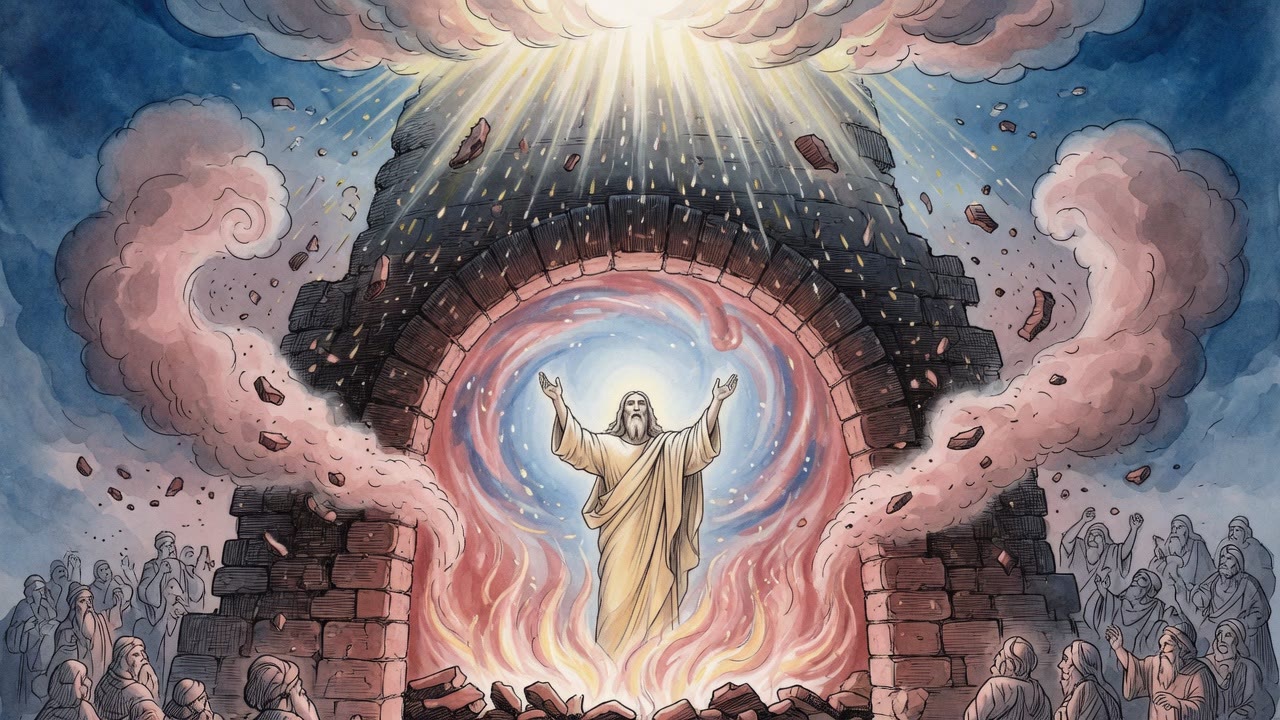
What the tradition preserves, in layers, is what happened to the people who witnessed the miracle. A fire that refused to burn a man it was supposed to consume is not a quiet event. It does something to the people watching. Those who threw Abraham in were consumed themselves by sparks that leaped out toward them. Angels came and walked beside him in the furnace so that those watching saw not one man walking in the fire but several figures, unhurmed, moving through what should have been fatal.
Some people in the crowd that day converted. Some fled. The tradition counts the number carefully because Nimrod's grip on his kingdom rested on the certainty that his power was absolute. A public miracle on behalf of someone Nimrod had condemned was not simply a theological event. It was a political crisis. Every person who walked away from that furnace believing something different than they had believed when they arrived was a crack in the edifice Nimrod had spent his entire career building.
The Slaves Nimrod Gave and the Tree Abraham Planted
Nimrod, unable to explain what had happened and unwilling to let Abraham simply walk away, tried to integrate the miracle into his own power structure. He gave Abraham gifts: a retinue of royal slaves, an acknowledgment in public that something significant had occurred. He presented it as a form of honor. Abraham accepted the slaves and left with them, and with a dignity that the tradition notes was not borrowed from Nimrod's recognition but had been there before he arrived at the furnace.
At the entrance to his tent, Abraham planted a tamarisk tree. The tree, the tradition records, had a remarkable property: it could detect the genuineness of a person's faith. When an idolater sat in its shade, the tree gave no fruit. When someone who had genuinely turned away from idolatry sat beneath it, the branches produced. Abraham used it as a teaching tool. The miracle at the furnace had drawn people toward him. The tree was how he tested whether the drawing had gone deep enough to matter.
← All myths