Hananiah, Mishael, and Azariah Walk Out of the Furnace
Ezekiel gave an uncertain answer about rescue. The three men declared they were ready to die regardless. That declaration was when the rescue became certain.
Table of Contents
 Click for full size
The Order That Could Not Be Refused
The decree went out across the entire empire: when the music plays, bow before the golden statue in the plain of Dura, or be thrown into the furnace. The music would be comprehensive, every instrument the Babylonian court could assemble, an orchestral command that no one who heard it could mistake. The statue was ninety feet tall. The furnace was already burning.
Hananiah, Mishael, and Azariah would not bow.
They had new names in Babylon: Shadrach, Meshach, and Abednego. Nebuchadnezzar's empire was systematic about such things, renaming exiles to pull them loose from their history. But what the new names covered was still there underneath. These three men had been raised in Jerusalem, had served in the Temple system, had been carried off as young men of quality when the first deportees were taken. They had spent years demonstrating their usefulness to the empire while maintaining every observance they could protect. Now the empire had arrived at the limit of what they would do for it.
What Ezekiel Said Before the Fire
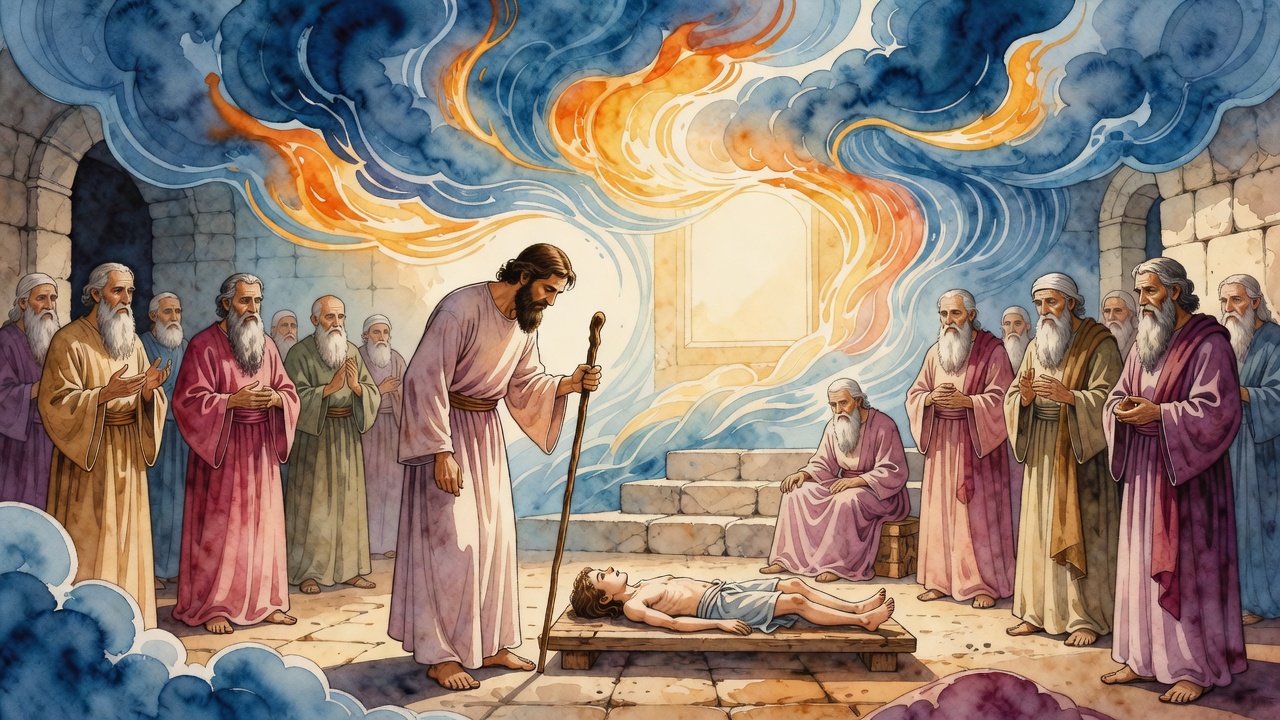
The prophet Ezekiel was asked whether God would save them. This was the question any reasonable person would ask before walking into a furnace: will we survive this? The tradition records that Ezekiel hesitated, or gave an ambiguous answer, or that God deliberately allowed the uncertainty to remain in what Ezekiel communicated. Whatever the precise mechanism, the three men heard something less than a guarantee.
And then they made a declaration.
They said: "it does not matter. If our God wishes to save us, he will save us. If he does not wish to save us, we will not bow. We will not bow regardless of the outcome, because there is no outcome that makes bowing the right answer." They were not being brave in the conventional sense, finding courage from certainty about survival. They were expressing something more considered: that the question of whether they would live through this was entirely separate from the question of what they would do in it.
The Fourth Figure
Nebuchadnezzar had the furnace heated seven times hotter than usual, a fever of vindictiveness, and the soldiers who threw the three men in were themselves killed by the heat at the door. Then the king looked into the fire and stopped.
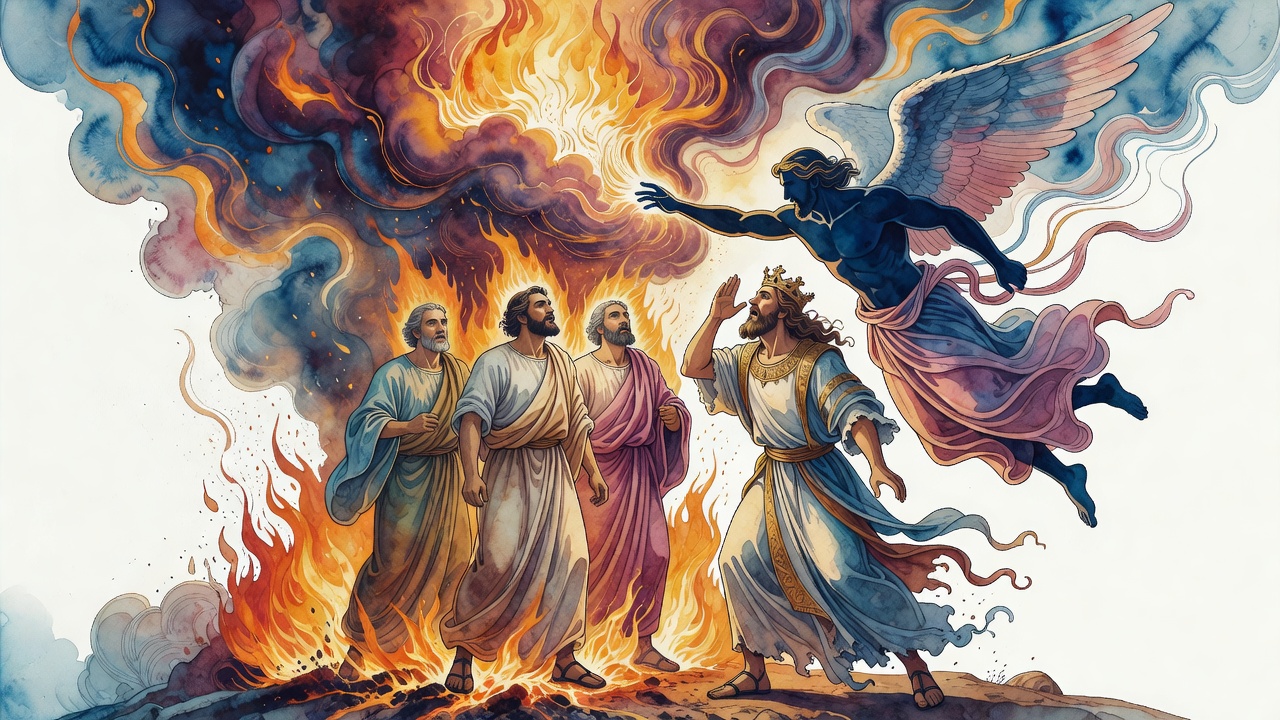
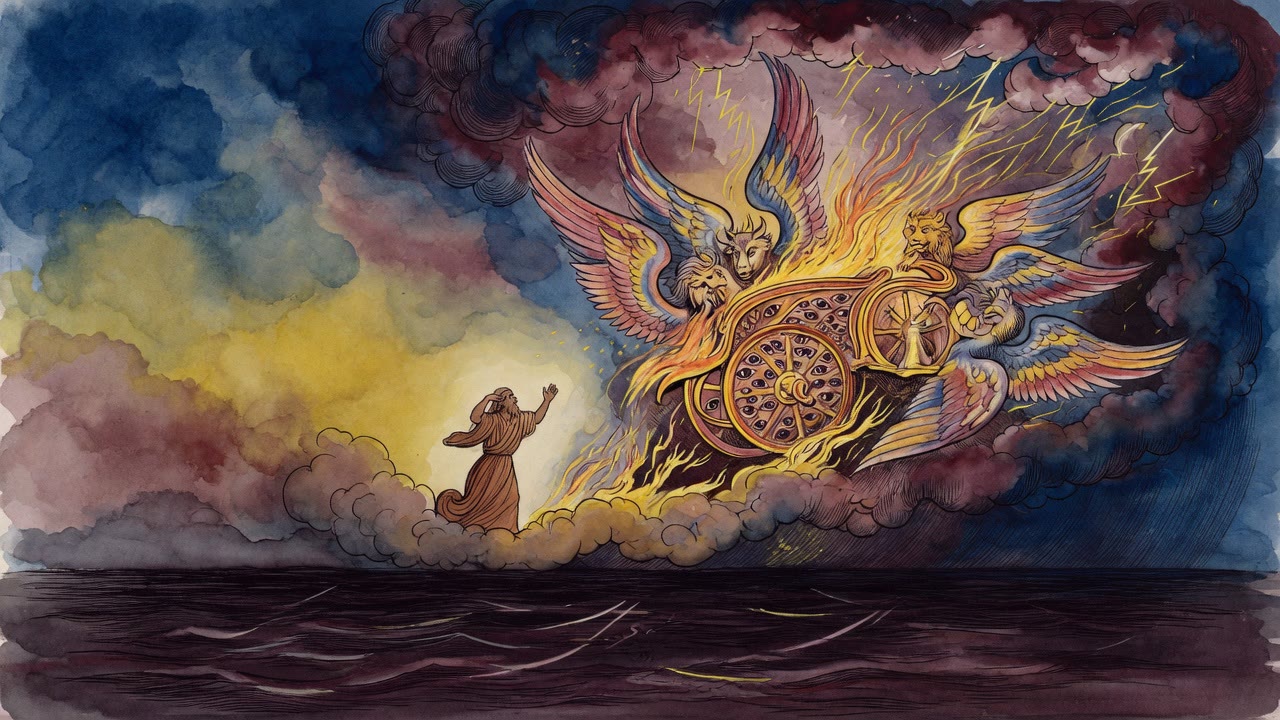
He counted four figures walking in the flames. He had put three men in. He was looking at four. He described the fourth to his courtiers: his appearance was like a son of the gods. A divine being, moving through the fire alongside the three men, and none of the four were burning.
The tradition identifies this figure variously as an angel, or as something more than an angel, present specifically because of the declaration the three men had made. Their willingness to enter the fire without a guarantee of survival had created the conditions for their rescue. Not their bravery alone, not the quality of their faith, but specifically the clarity of their position: we will do what is right regardless of what happens to us. That declaration, made in the face of Ezekiel's uncertain answer, was what the rescue answered.
Coming Out of the Furnace
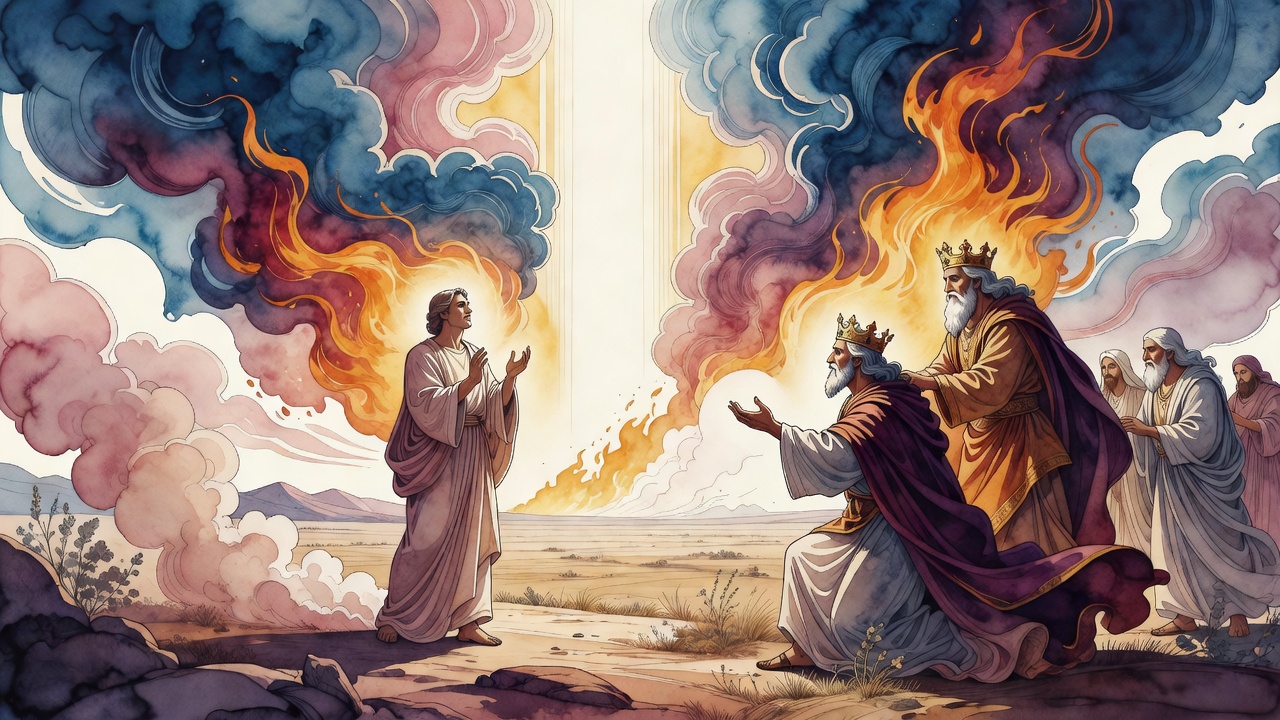
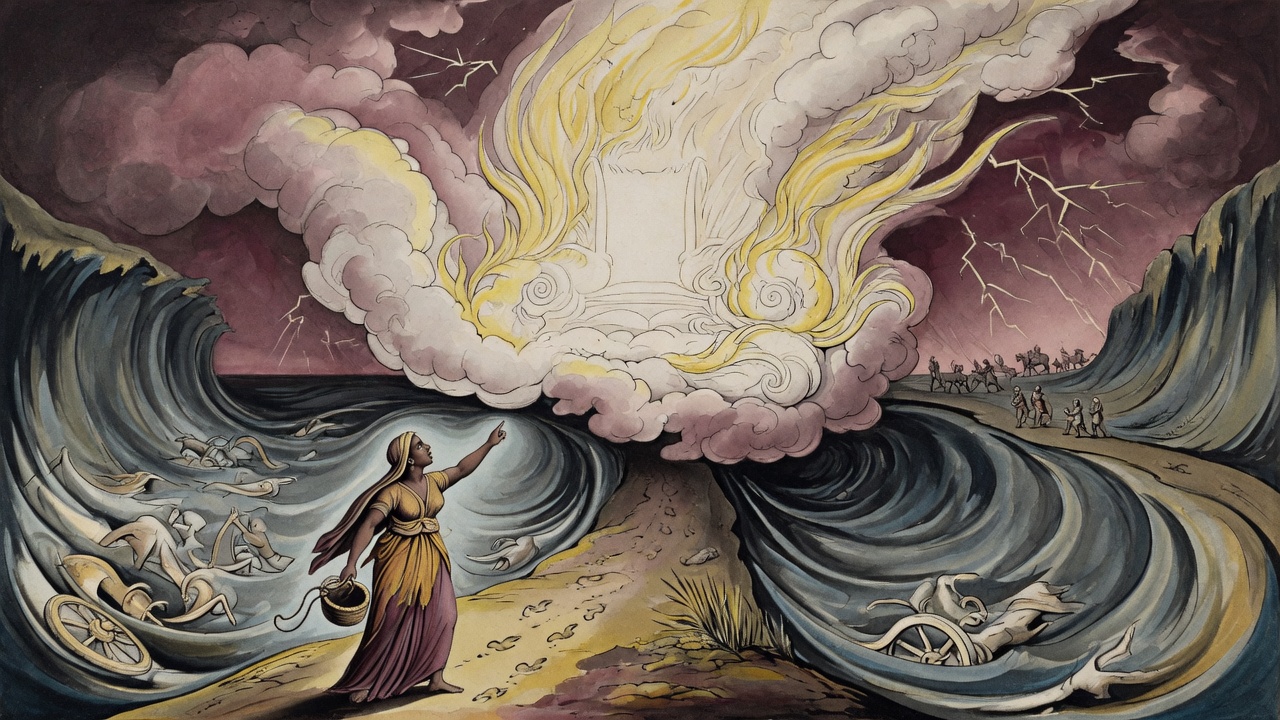
Nebuchadnezzar called them out by name, or rather by their Babylonian names, which no longer seemed quite so absolute after watching them walk through fire with a divine companion. They came out, and the officials who crowded around them found nothing: no singed hair, no smell of smoke, not a thread of their garments damaged. The fire had touched their bindings, had burned the ropes that tied them, but nothing else. They had walked in bound and walked out free.
The king made a decree protecting the God of Shadrach, Meshach, and Abednego, which was both inadequate and the best a Babylonian king could manage. He promoted them. He could not undo the furnace. He could not take back the statue or the decree. He could elevate the men who had refused him and survived, and he did.
← All myths