Moses Had All the Miracles and Still Had to Argue Every Day
Moses parted the sea, drew water from rock, and fed a nation on bread from the sky. The people ran out of faith again within days of each miracle.
Table of Contents
 Click for full size
The Faith That Would Not Hold
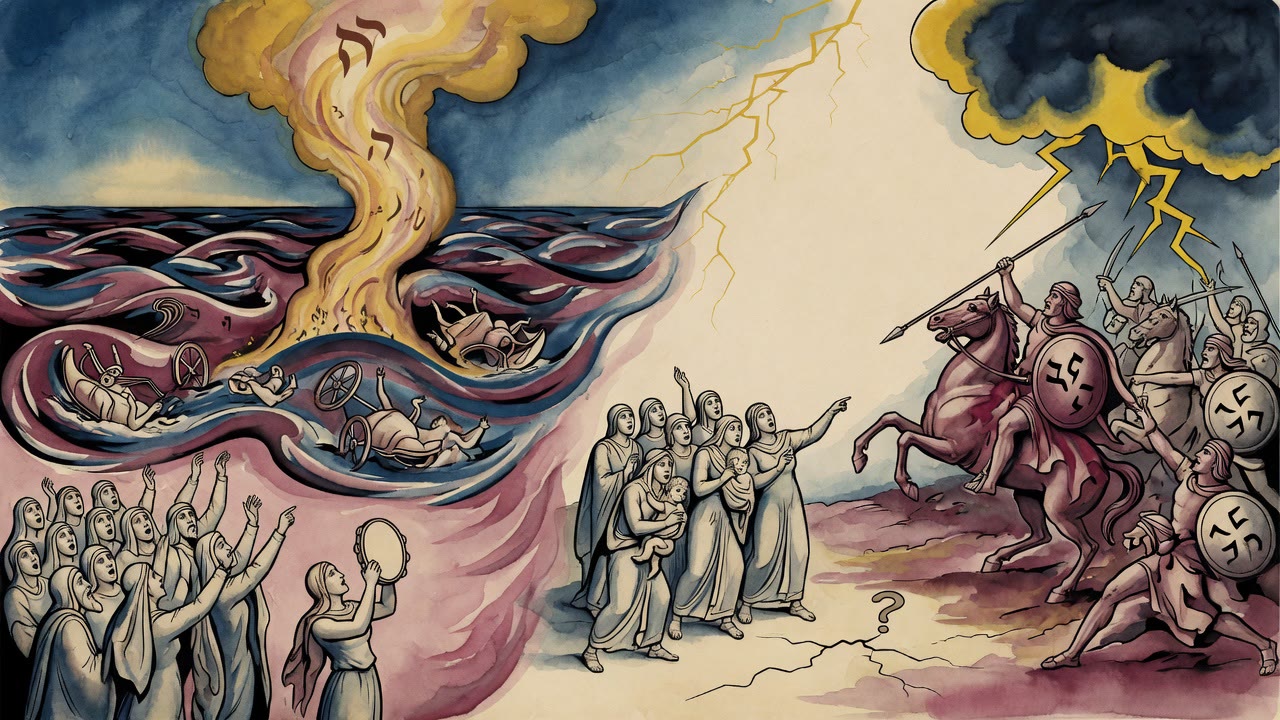
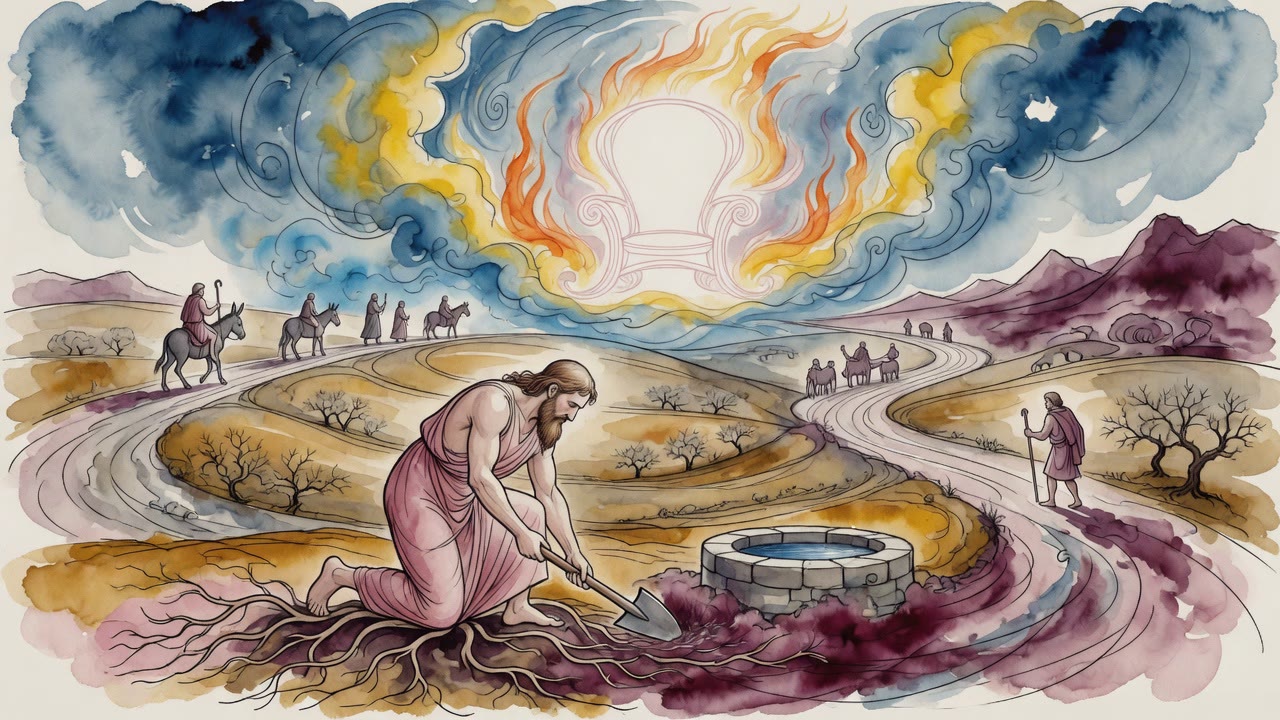
The water ran out, and the people turned on Moses. This was not the first time. It would not be the last. A few weeks earlier they had been standing on the far bank of the sea, watching Pharaoh's army sink, singing a song about God's triumph. Now they were thirsty and the song was gone and their complaint was exactly the same as it had been in Egypt: you brought us here to die.
Moses had done the ten plagues. He had split the Red Sea. He had drawn water from a rock once already. The people had eaten bread from the sky every morning since Sinai. The Legends of the Jews captures Moses's response to this pattern with precision. He was not surprised by any particular complaint. He was stunned by the structure of it: faith did not accumulate. Every miracle zeroed out at some point, and doubt reset to its original position as if nothing had happened. The people were not being deliberately ungrateful. They were, apparently, built this way.
The Mouth God Made
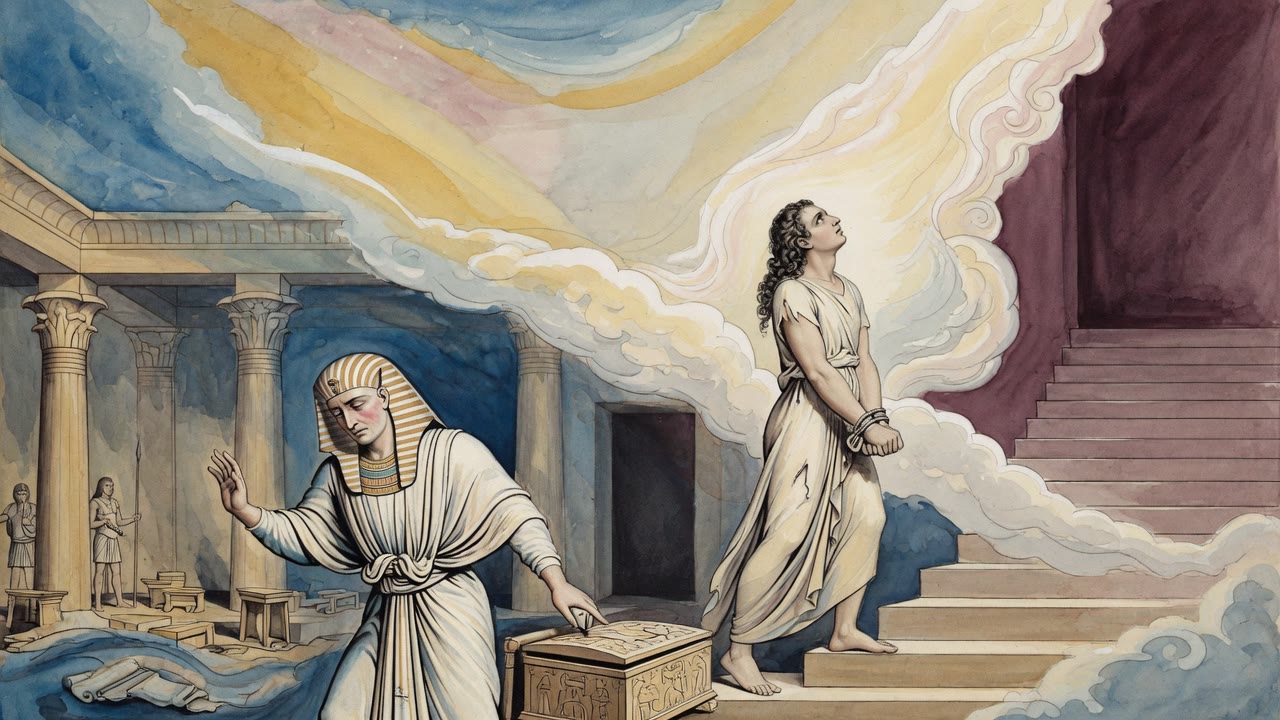
It had started at the burning bush. God told Moses he had been chosen to liberate Israel from Egypt. Moses's first response was to explain that he was not a good speaker. He had a slow mouth, a heavy tongue, a reluctance that was either genuine disability or something more complicated. God's reply, recorded in Shemot Rabbah, is blunt to the point of being funny: Who made your mouth? Who makes a person mute or speaking, blind or seeing? I did. Now go.
The argument did not resolve Moses's speech problem. It resolved the question of whether the speech problem was an obstacle. God was not interested in finding a more qualified candidate. He was informing Moses that the qualifications Moses thought he lacked were beside the point. Moses would speak, and Aaron would help him speak, and the plagues would come anyway, because the plagues were not Moses's production. Moses was a conduit.
Ten Plagues and What They Did Not Produce
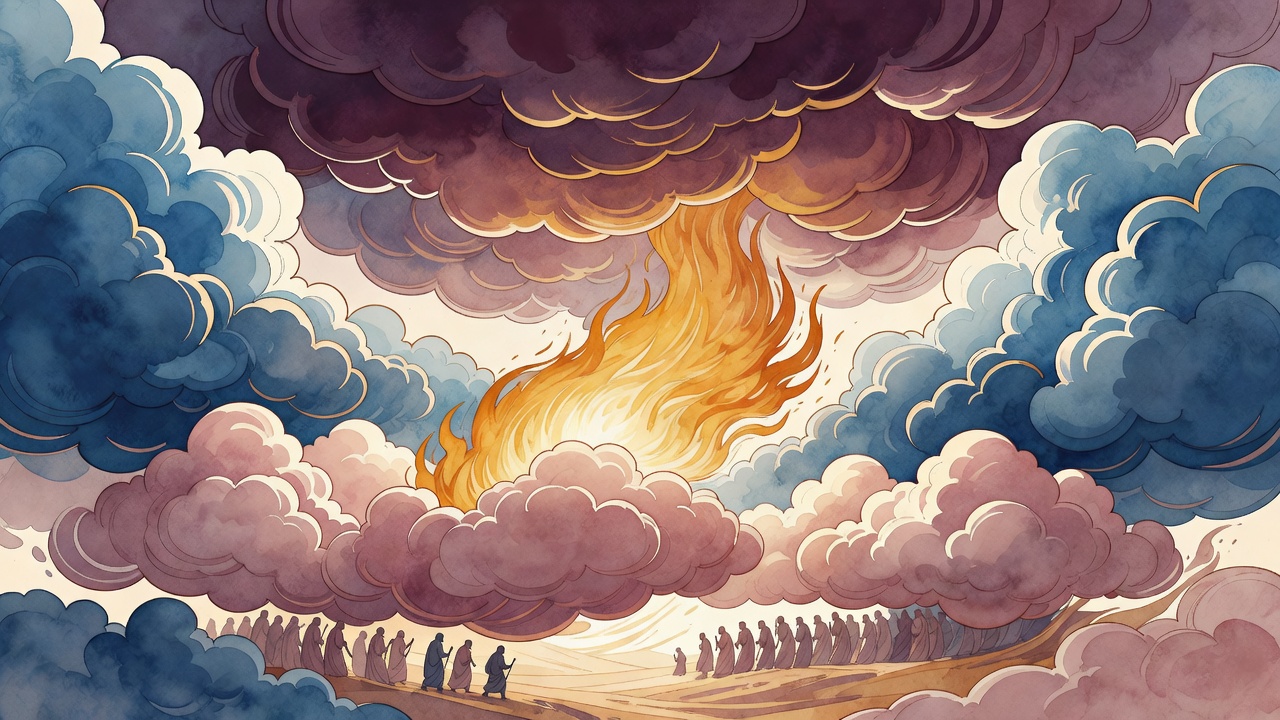
The ten plagues worked. Egypt released Israel. The sea parted. The bread fell. The pillar of cloud led by day and the pillar of fire by night, so that a nation of six hundred thousand people moving through a wilderness could navigate in the dark. The Midrash on Exodus catalogs all of this and then keeps going, because the tradition is not interested in stopping where the miracles look clean. It keeps tracking the people who had witnessed every sign and were nonetheless ready to elect a new leader and return to Egypt at the first report of difficulty in Canaan.
Moses witnessed a specific miracle that the Midrash preserves as an emblem of his position. It is not a plague or a parting. It is the moment he understood that the face God had given him, the luminous face that frightened the Israelites after Sinai, was both his authority and his isolation. The people needed a veil between themselves and what Moses had become when God spoke through him.
Why the Miracles Taught Nothing
The tradition's Moses is not a triumphant figure. He is a man who carries the weight of forty years of failed pedagogy. He performed the greatest demonstrations of divine power in Israelite history, and the people continued to be who they were. Faith, the Midrash concluded, is not something that can be installed through evidence. If it could be, the wilderness generation would have been the most believing people in history. They had more evidence than anyone before or since, and they spent a significant portion of it complaining about the menu.
Moses prayed for them anyway. Every time they failed, every time they threatened to stone him, every time they built an idol or demanded a king who was not God, Moses turned back to God and argued on their behalf. Not because they deserved it. Because that was his job, and he understood it better than anyone in the camp.
← All myths