Moses Said You Lacked Nothing. Children Begged for Bread
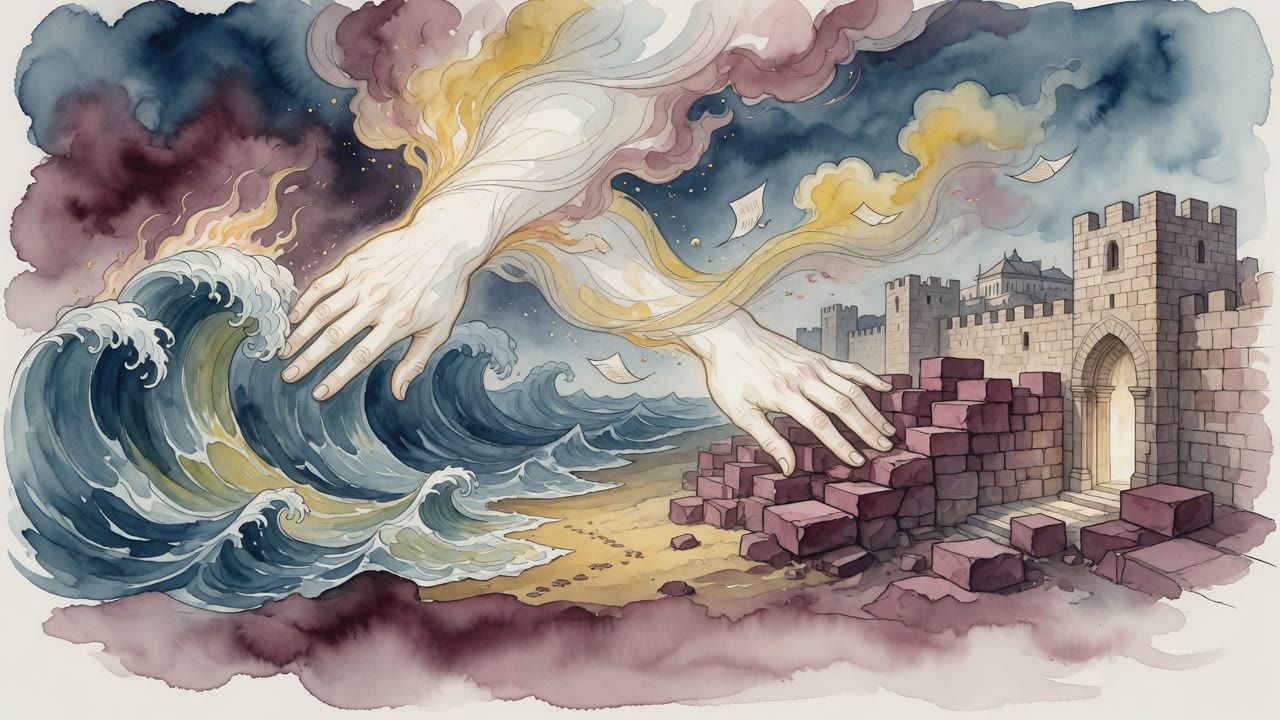
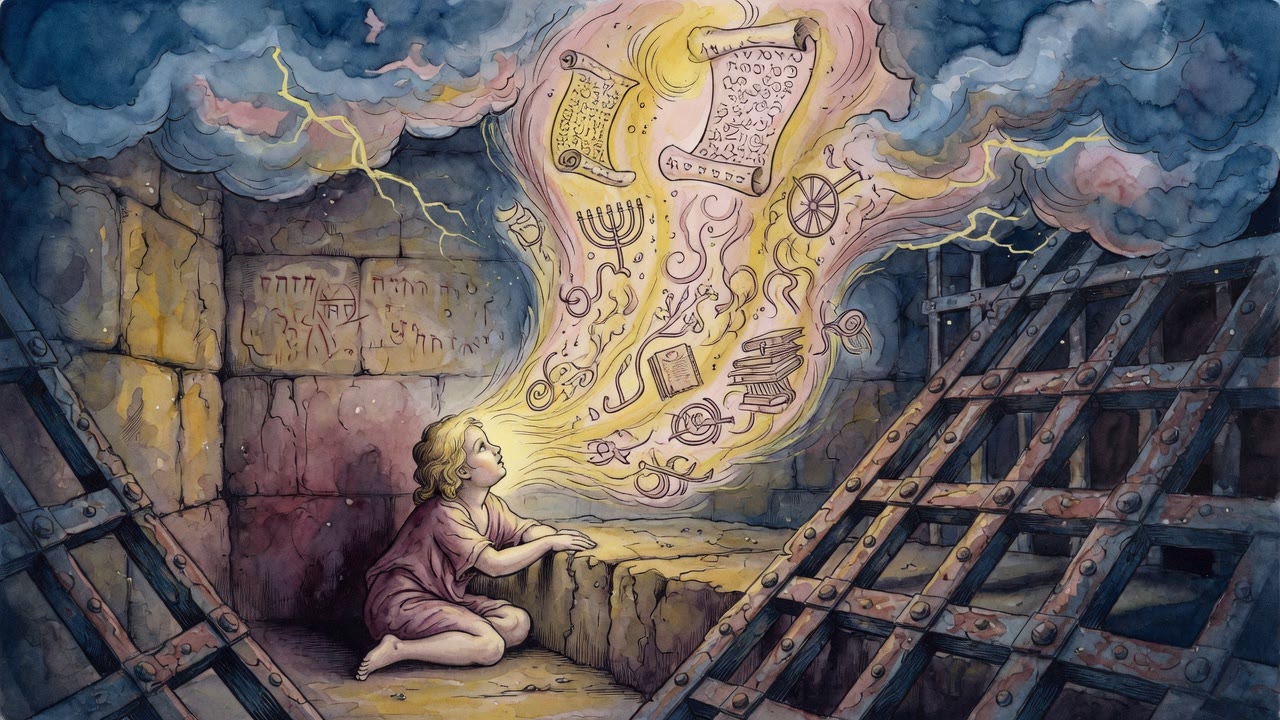
The grain from Egypt ran out in Canaan. Jacob's grandchildren pulled at his robe and asked for bread, and the tears that came to him were scorching.
Table of Contents
The grain ran out in the second year of the famine.
 Click for full size
Whatever the brothers had carried back from Egypt was gone, and the household in Canaan had nothing left to grind. The small children came to Jacob first, because he was the one who sat still. They pulled at him and said the thing children say when there is no food in a house. "Give us bread, that we die not of hunger before you."
Scorching tears came into his eyes. He had buried Rachel on the road. He had held out a coat soaked in goat's blood and decided Joseph was dead. Now his grandchildren were standing in front of him with their hands out and he had nothing to put in them.
Judah Would Not Let It Go
He called his sons and told them to go back down to Egypt and buy a little food.
Judah answered him. The man down there had sworn at them, he said, and the terms had not changed. You will not see my face unless your brother is with you.
Jacob turned on all of them. "Why did you treat me so badly as to tell the man you had another brother?" It was the one time in his life he spoke that way, complaining out loud with nothing behind it, and heaven heard him do it. God said, I am busy making his son the ruler of Egypt, and he stands there asking why they dealt so ill with him.
Judah did not back off. The Egyptian knew everything about them already, he said. "He knew the very wood our baby carriages are made of." Then he put the choice in front of his father in the plainest terms he could find. If Benjamin goes down with us he may be taken from us and he may not. That is doubtful. If he does not go down with us, all of us die of hunger. That is certain. Do not weigh a doubtful thing against a certain one.
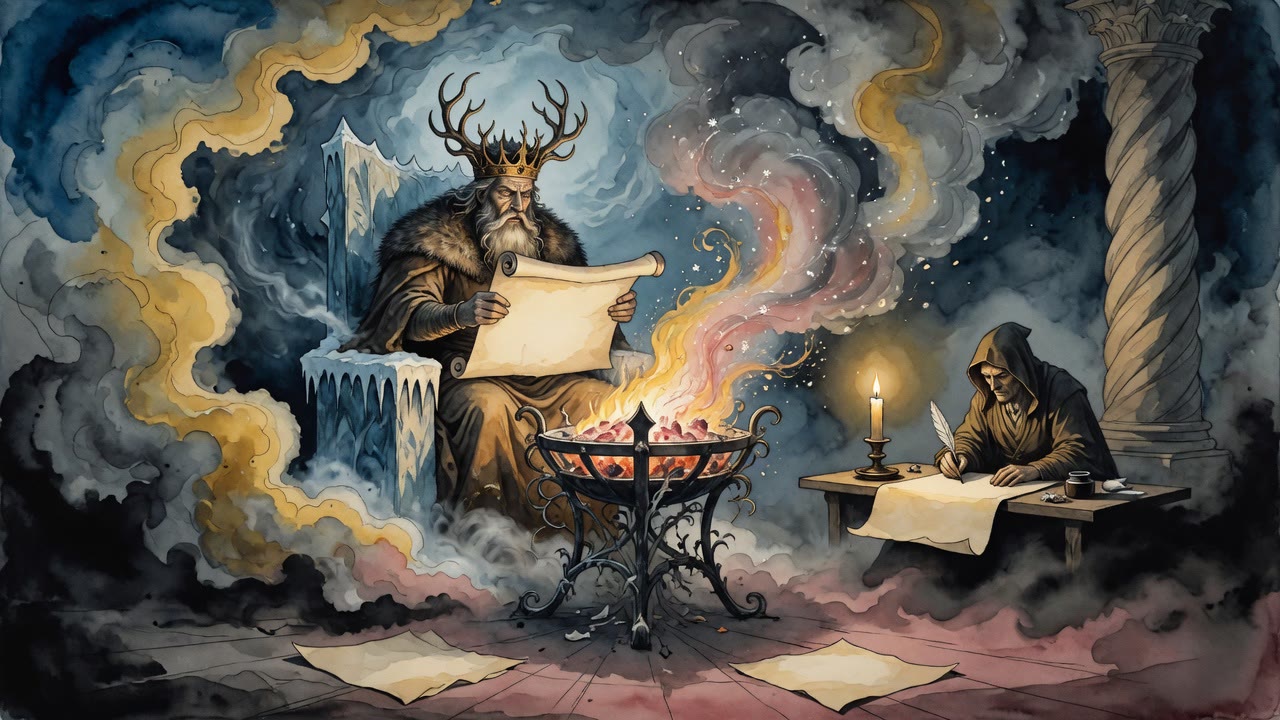
He kept going. Father, you have not seen that king on his throne with the crown on his head and his servants standing along the walls. You have not seen what happens to men in that room. We threatened him when we first came, and the second time we stood in front of him and not one of us could get a word out, great or small.
"Send the boy with us, and we will get up and go down and buy food, and not die."
Jacob let Benjamin go. It cost him the only thing he had left of Rachel, and he paid it for a sack of grain.
The Generation That Never Had to Ask
Four hundred years later their descendants walked out of Egypt into open desert with no supply line and started to panic about food inside of a month.
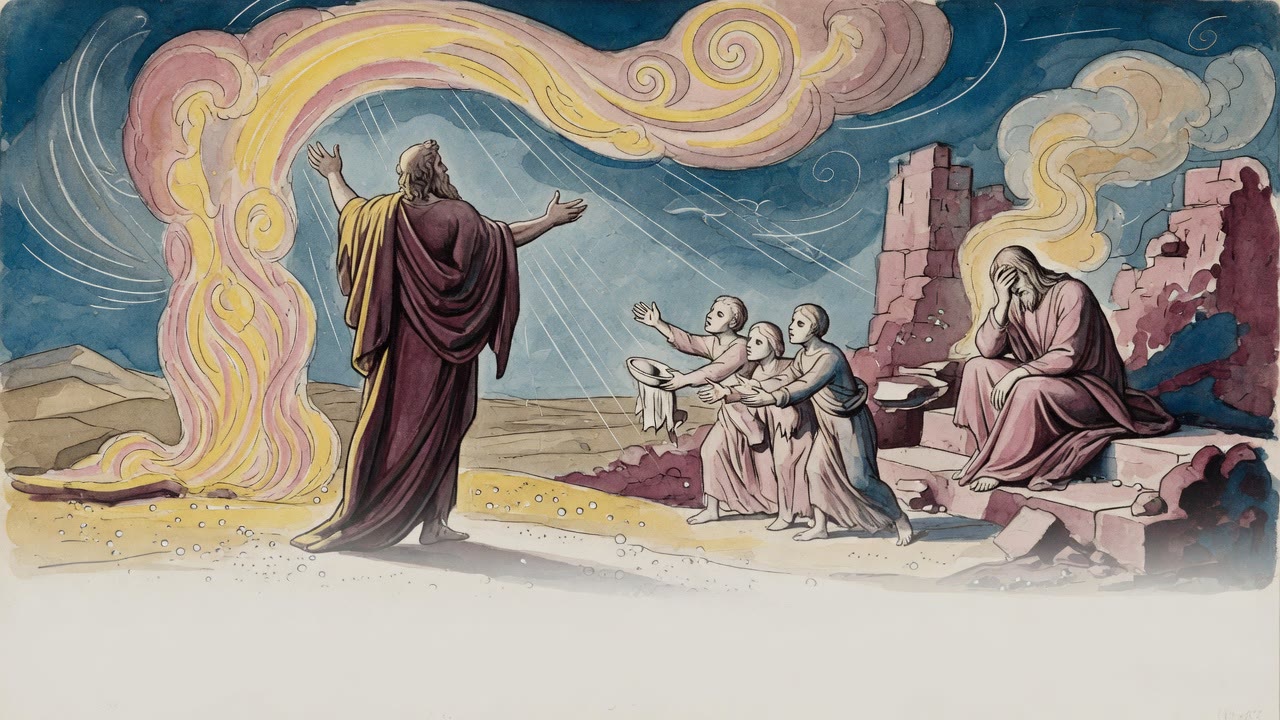
Moses and Aaron stood in front of the whole assembly and made a promise that must have sounded absurd. "In the evening you will know that the Lord brought you out of the land of Egypt." What they meant by it was this: while you are asleep in your beds, God will provide for you.
The next morning the ground was covered in it. Not earned, not requested in any decent way, delivered overnight to people who had spent the previous evening telling their leader they would rather have died beside the meat pots. It arrived again the morning after that, and every morning for forty years. Their clothes did not wear out on their backs. Their feet did not swell. No child in that generation ever stood in front of a grandfather with an empty hand.
The Last Speech on the Plain of Moab
Moses was in the final year of his life when he set it all in front of them, standing on the plain of Moab in sight of a river he had been told he would not cross.
He was talking to the children of the people he had led out. Most of them could not remember Egypt. "The Lord your God has blessed you in all the work of your hand. He has known your walking through this great wilderness. These forty years the Lord your God has been with you. You have lacked nothing."
Not enough. Not almost enough. Nothing missing at all, for forty years, in a desert.
The City That Could Not Feed Its Own
The other departure came out of Jerusalem.
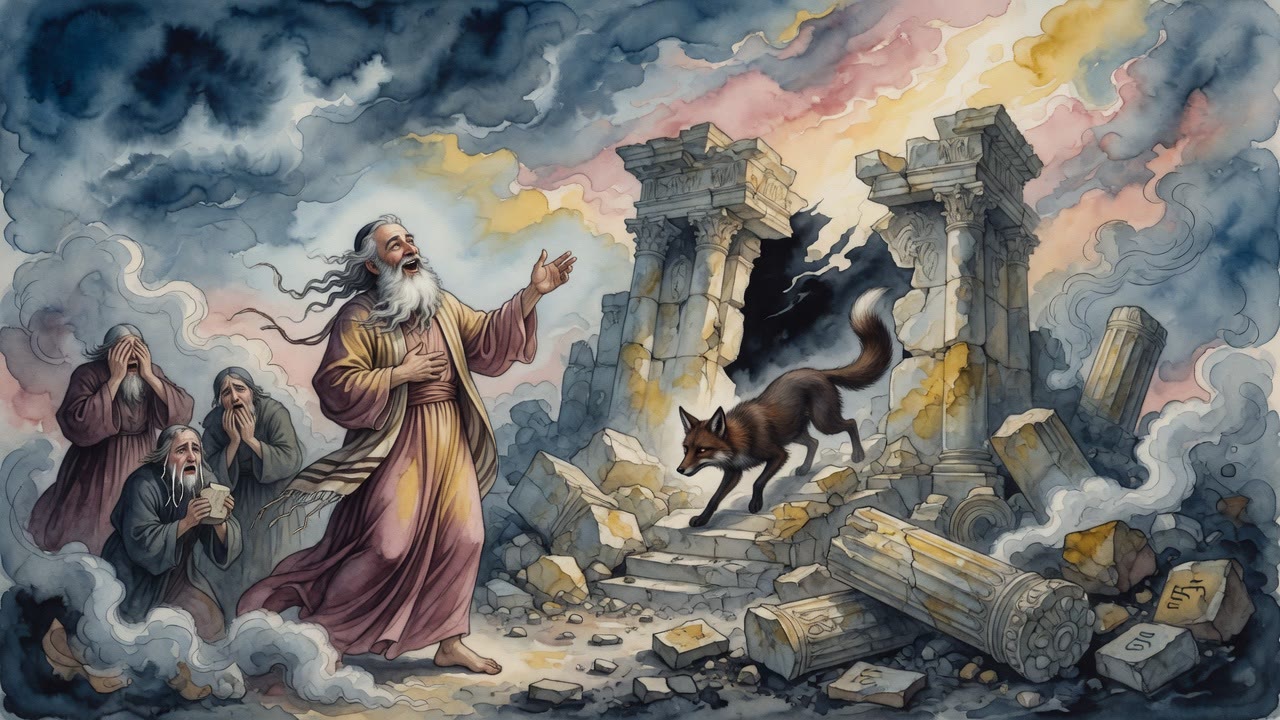
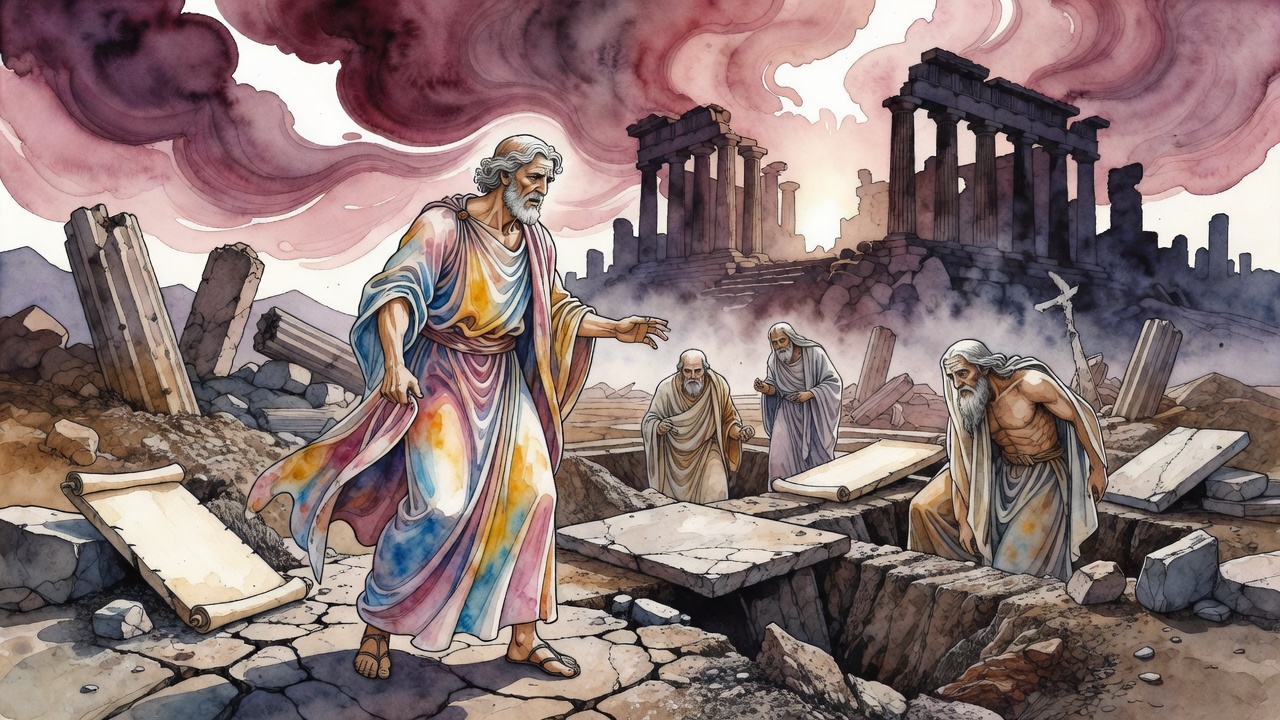
Nebuchadnezzar's army sat around the walls until the food inside was gone. When the city finally opened and the people were driven out along the road north, Jeremiah stayed behind in the ashes and wrote down what he had watched happen to the smallest of them. The tongue of the nursing infant sticks to the roof of his mouth for thirst. The young children ask for bread, and no one breaks any for them.
The same sentence the grandchildren had said in Canaan. The same open hand. This time nobody was left with a caravan to send, no viceroy at the far end of the road, no price to pay that would fix it. Two ways out of a country, four centuries apart, and the difference between them was whether anyone answered.
← All myths