Jeremiah Cursed the Alphabet Isaiah Had Healed
Jeremiah cursed grief from Aleph to Tav, but Eikhah Rabbah says Isaiah had already healed the letters before the wound was written.
Table of Contents
Jeremiah did not let grief spill randomly.
 Click for full size
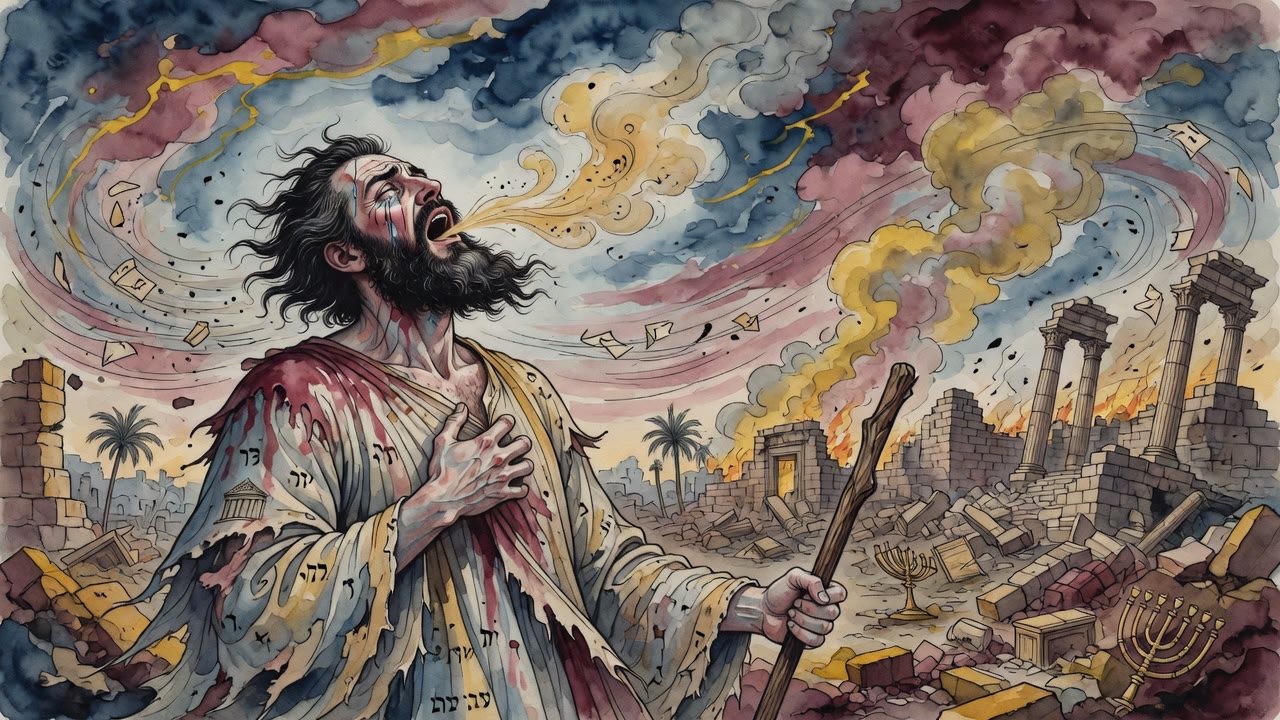
He ordered it. Aleph, Bet, Gimel, all the way to Tav. The ruined city received an alphabet of mourning because ordinary speech could not carry the destruction of Jerusalem. When the Temple burned and the people were driven out, the prophet made the letters themselves walk through the ash. Each verse took its place. Each letter held a wound.
Then Eikhah Rabbah placed another prophet beside him.
Grief Marched From Aleph to Tav
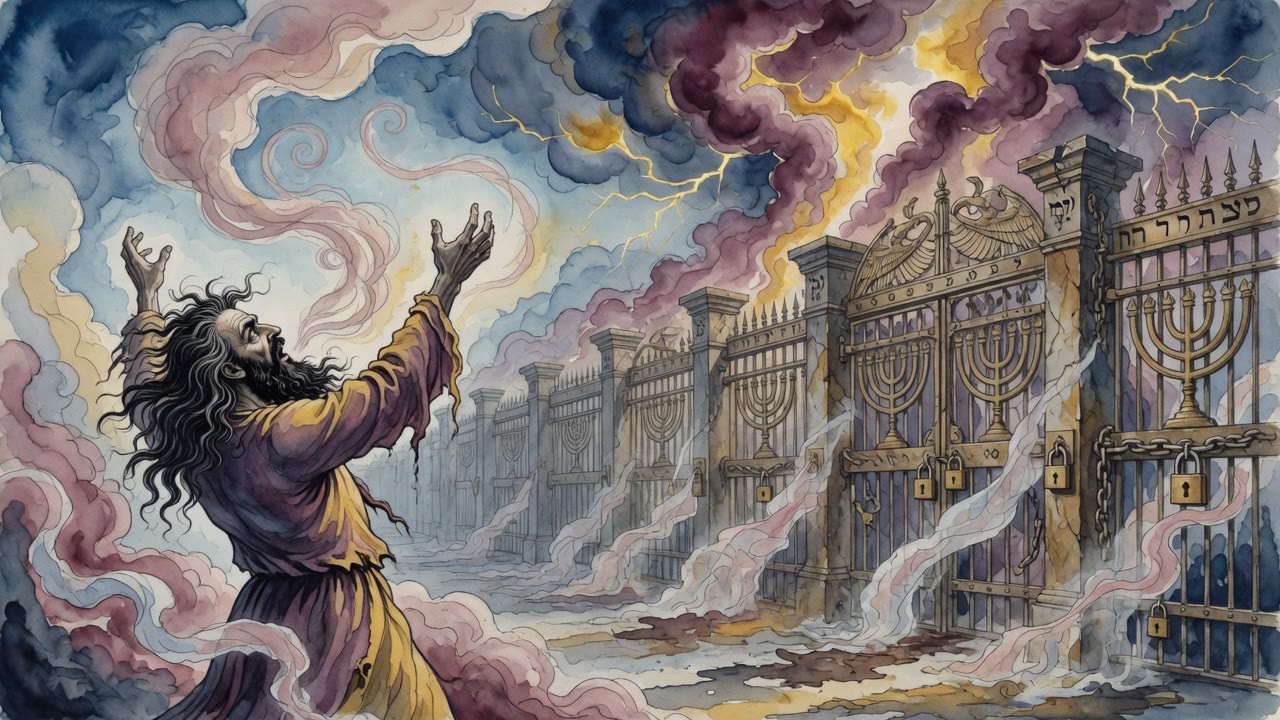
The acrostic of Lamentations is more than literary craft. It makes sorrow total. The devastation has a beginning, a middle, and an end, but it also refuses to leave any letter unused. Jerusalem's pain stretches across the full shape of Hebrew speech. The alphabet that once held Torah now holds burning gates, empty streets, hungry children, and a city sitting alone.
Jeremiah's order is frightening because it feels controlled. Chaos would be easier to dismiss as collapse. This is not collapse. This is lament disciplined into form. The prophet gathers disaster letter by letter so nothing can escape testimony.
Every letter has to look at what happened.
Isaiah Arrived Before the Wound
Rabbi Nehemya says Jeremiah's alphabetical curse was not the first alphabet heaven wrote into Israel's future. Isaiah came earlier, and Isaiah brought the remedies first. Before Jeremiah named the wound, Isaiah had already planted consolation into the prophetic record.
That order matters. The cure did not chase the disease in panic. Comfort was not improvised after the walls fell. In this reading, God placed healing inside Israel's language before the grief reached its fullest voice. Isaiah's promises waited like sealed medicine in a cabinet no one wanted to open.
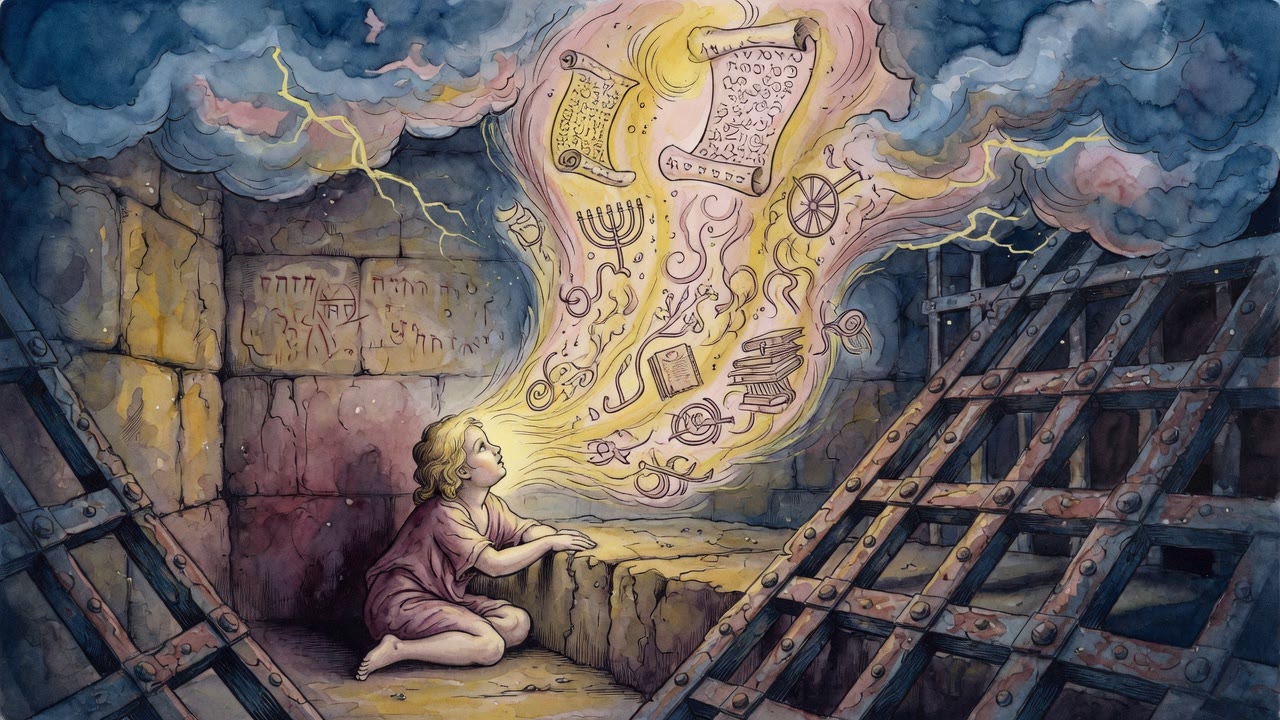
When Jeremiah finally spoke Aleph through Tav, the letters were not empty rooms. Somewhere inside them, older words of consolation were already breathing.
The Last Cry Waited for Judgment
The final verse of the first chapter of Lamentations is bitter. Let all their wickedness come before You, Jeremiah cries. Do to them as You did to me. The grief no longer asks only to be held. It asks that the enemies feel the same exacting hand.
Eikhah Rabbah does not flinch from that cry. Another passage lingers over it and hears Israel asking God to be exacting with the nations as He was exacting with Jerusalem. The demand is hard because the suffering has been hard. Infants were plucked. Heads were sick. The punishment had matched the sin with terrifying precision.
Consolation here is not softness. It is the promise that measure still exists, even after the city has become almost unrecognizable.
Absence Became a Promise
Another cry in Lamentations says Zion has no comforter. Rabbi Levi turns that absence into a pattern. Whenever Scripture says someone has none, the lack becomes the place where God later fills. Sarah had no child, and Sarah was remembered. Hannah had no children, and Hannah was remembered. Zion had no seeker, and a redeemer would come to Zion.
The alphabet of grief therefore does not end as a closed book. It becomes a field where older healing and future filling meet. Jeremiah writes the wound with every letter. Isaiah has already hidden remedies in the same language. The city says she has no comforter, and the very word no begins to tremble with the promise that absence will not remain empty forever.
The letters carried ruin. They also carried the way back.
Jeremiah cursed the alphabet by making every letter carry ruin. Isaiah healed it before the blow by giving those same letters an older future. The two prophets do not cancel one another. They stand on opposite sides of the same scroll, one naming what collapsed, the other keeping language from becoming only collapse.
So the alphabet does not belong to destruction, even when destruction borrows all twenty-two letters. The letters remain divine instruments after exile has touched them. Aleph can mourn. Tav can accuse. But the whole line of speech still waits for consolation already seeded before the city fell.
The comfort is not sentimental. It does not pretend the Temple still stands or that exile did not happen. It says something harder: even when every letter has been forced to speak grief, no letter has been surrendered permanently to grief.
← All myths