Joseph Made Egypt Carry His Family Back Home
Abraham's tent rushed to serve strangers, Judah learned the cost of a half-finished rescue, and Joseph forced Egypt to promise his bones would leave.
Table of Contents
 Click for full size
Abraham Ran Before the Guests Could Ask
Three strangers appeared at Abraham's tent in the heat of the day, and Abraham ran. He did not walk out slowly and assess their status. He did not call a servant and instruct the servant to call another servant. He ran to Sarah and told her to hurry. He ran to the herd himself and chose a calf. He pressed food into their hands before they had time to announce their hunger.
Bereshit Rabbah asked what the running meant. Hospitality performed slowly is not the same as hospitality performed with speed. The difference between walking and running to help someone is the difference between kindness as obligation and kindness as desire. Abraham ran because he wanted to reach the guest before the guest had to wait. The covenant he carried was first of all a covenant about what it meant to welcome a stranger, and welcome done at full speed is the only kind that fully counts.
Judah Saved Joseph Halfway and Paid the Full Price
When the brothers gathered around the pit where Joseph lay, it was Judah who spoke against killing him. He said: "what do we gain from killing our brother and covering his blood? Sell him," he said. "He is our brother, our flesh." The brothers listened. Joseph was pulled from the pit and sold to a passing caravan.
The rabbis did not praise this. Judah began a rescue and stopped it halfway. He saved Joseph from death and delivered him to slavery. A mitzvah (a commandment) started and abandoned, said the tradition, hangs on the one who started it like a debt. Judah would spend years not knowing what that debt looked like. He would lose two sons. He would come close to sending his third son after them. The cost of the incomplete rescue came due in installments, slowly, in ways he could not have predicted from the edge of the pit.
Joseph Played the Game Before Breaking It
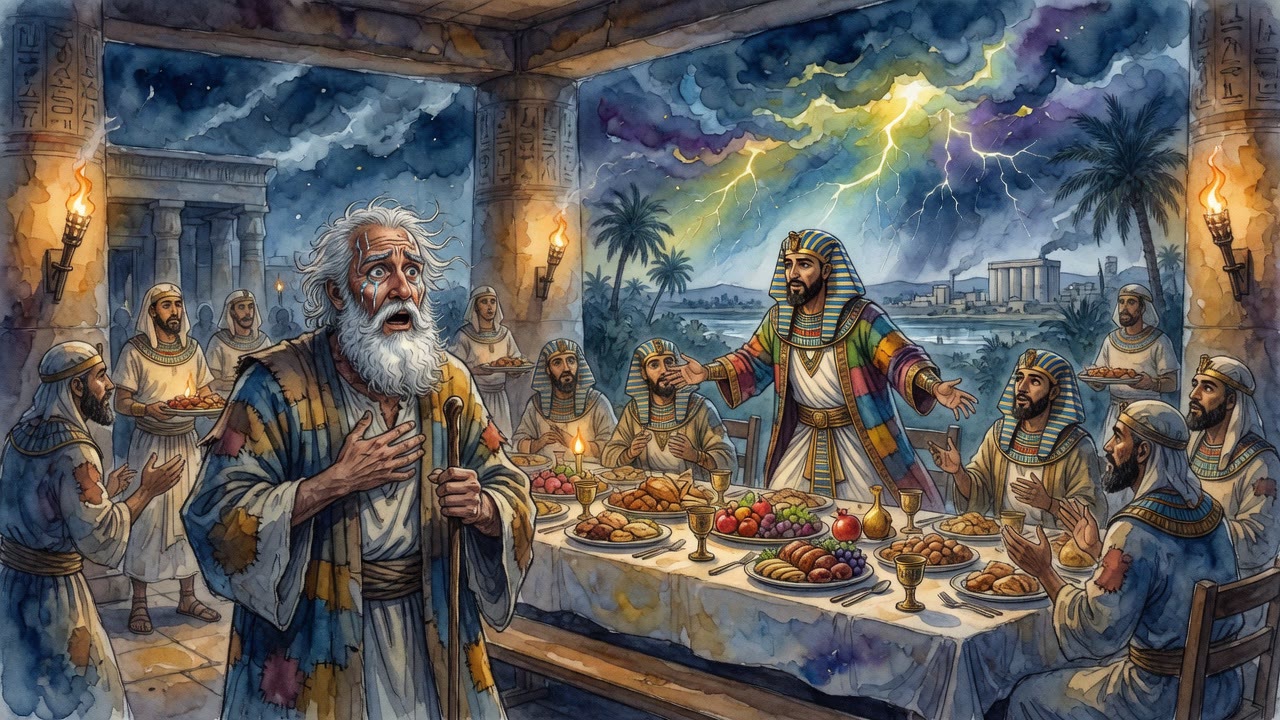
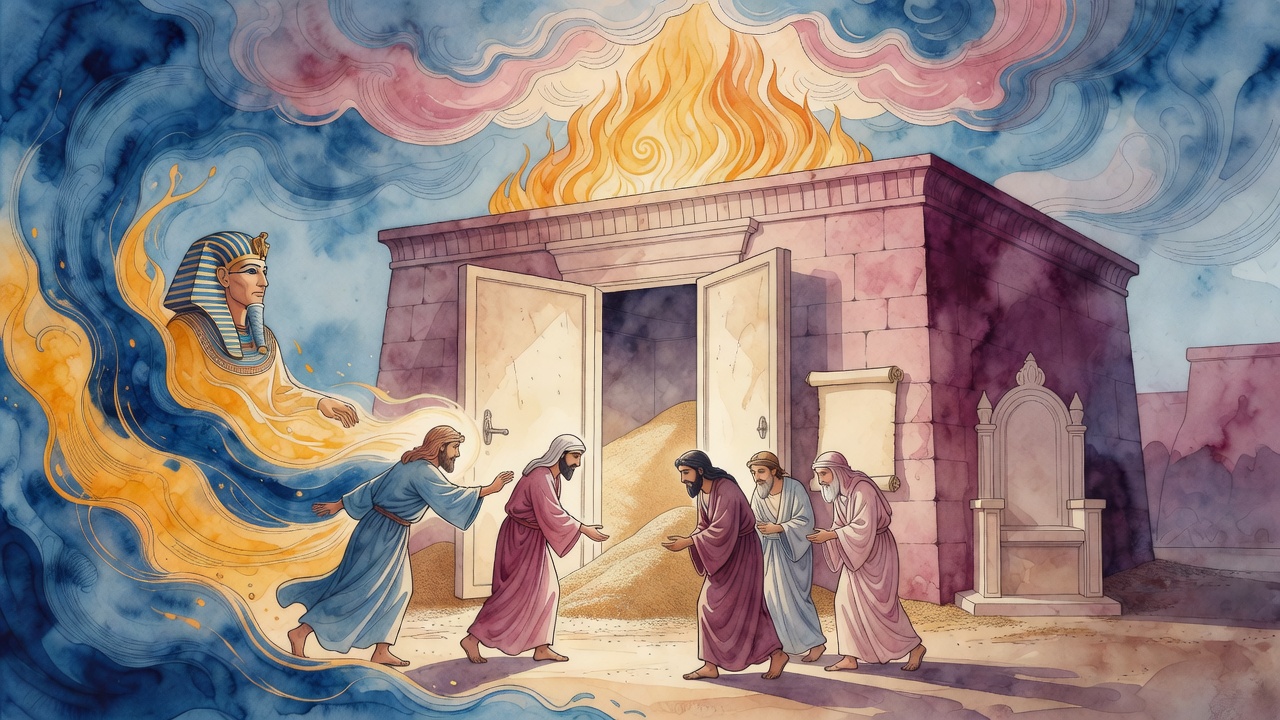
When his brothers came to Egypt for grain and did not recognize him, Joseph did not reveal himself immediately. He played a long game. He spoke harshly. He accused them of being spies. He took Shimon as a hostage and sent the others home with grain and with their silver returned secretly to their sacks. He waited to see if Benjamin, his full brother, the last son of Rachel, would be brought down.
The rabbis understood this as a test, but also as grief performing itself before it could be released. Joseph had not seen his brothers for more than twenty years. He had been sold as a boy and had built a life in Egypt that required him to become someone else, to speak another language, to dress as an Egyptian, to rule as an Egyptian official. The game he played with his brothers was the game of a man who needed to know whether they were still the people who had thrown him into a pit, or whether they had become something different.
Jacob Saw His Son's Face in a Vision Before He Left
When Jacob heard that Joseph was alive and ruling Egypt, his heart froze. He could not believe it. Then the wagons Joseph had sent arrived, laden with gifts from Egypt, and his spirit revived. He said: "enough. Joseph my son is still alive. I will go and see him before I die."
At Beersheva, at the border of the promised land, God spoke to Jacob in the night: "do not be afraid of going down to Egypt, for I will make you a great nation there, and I will bring you back up." The rabbis heard in this not only reassurance but instruction. The descent into Egypt was permitted, endorsed, required. Jacob did not wander into exile. He stepped into it with God's word behind him. The family story was entering its next chapter, the one that would end with a sea crossing and a mountain and a revelation, but not yet. First, Egypt.
Egypt Mourned Jacob for Seventy Days and Kept Its Promise
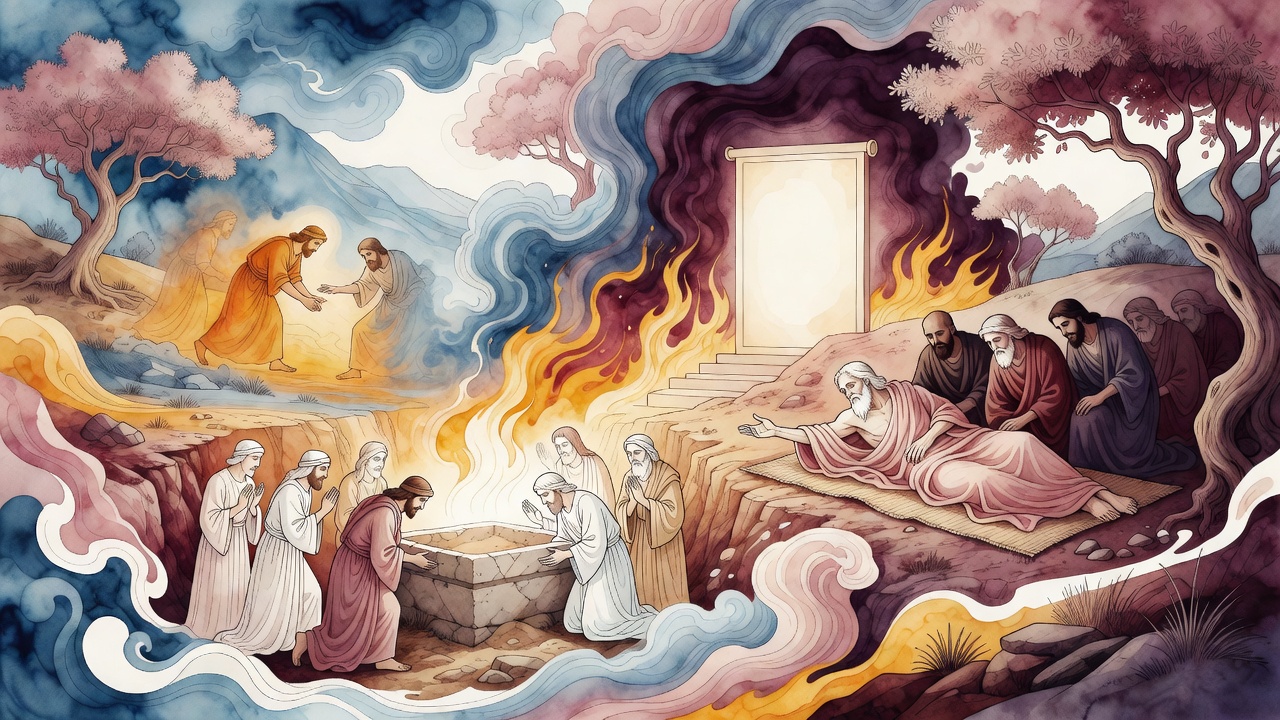
When Jacob died in Egypt at the age of a hundred and forty-seven, all of Egypt mourned him for seventy days. Pharaoh gave Joseph permission to carry his father's body to the cave at Machpelah, and a great procession left Egypt: chariots, horsemen, a large company of officials and servants. Egypt buried a Hebrew patriarch in Canaan and returned.
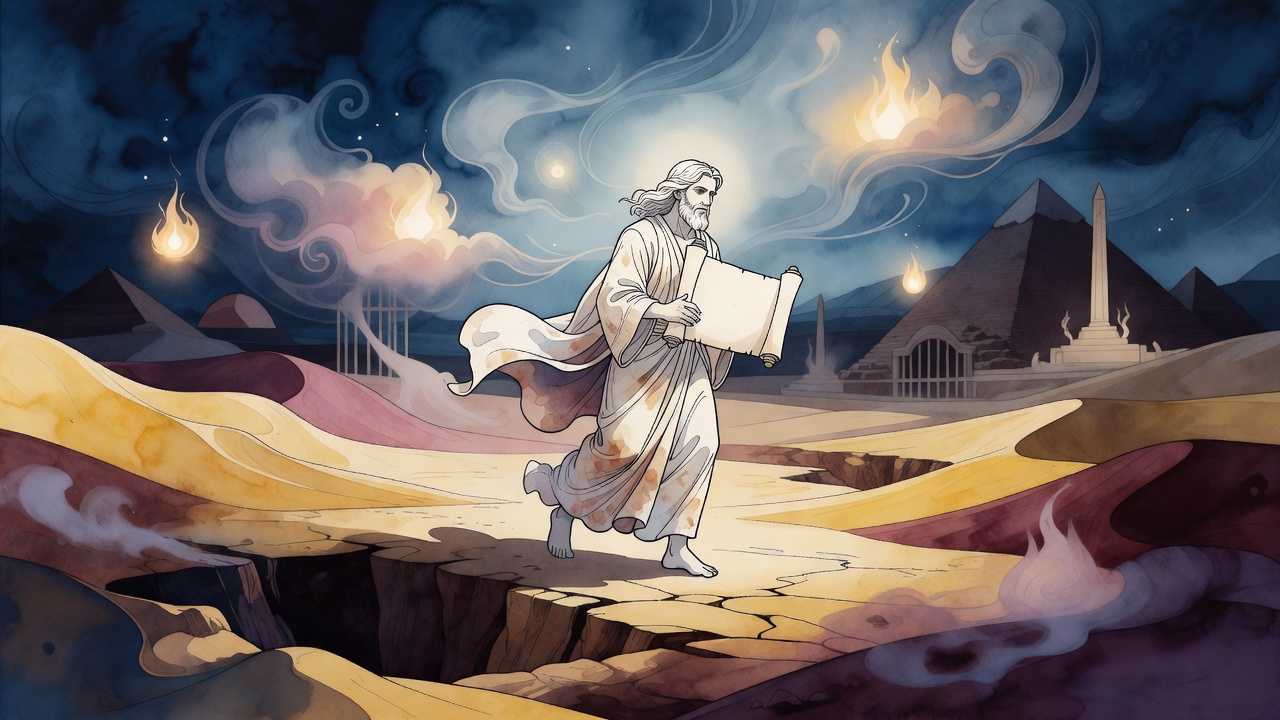
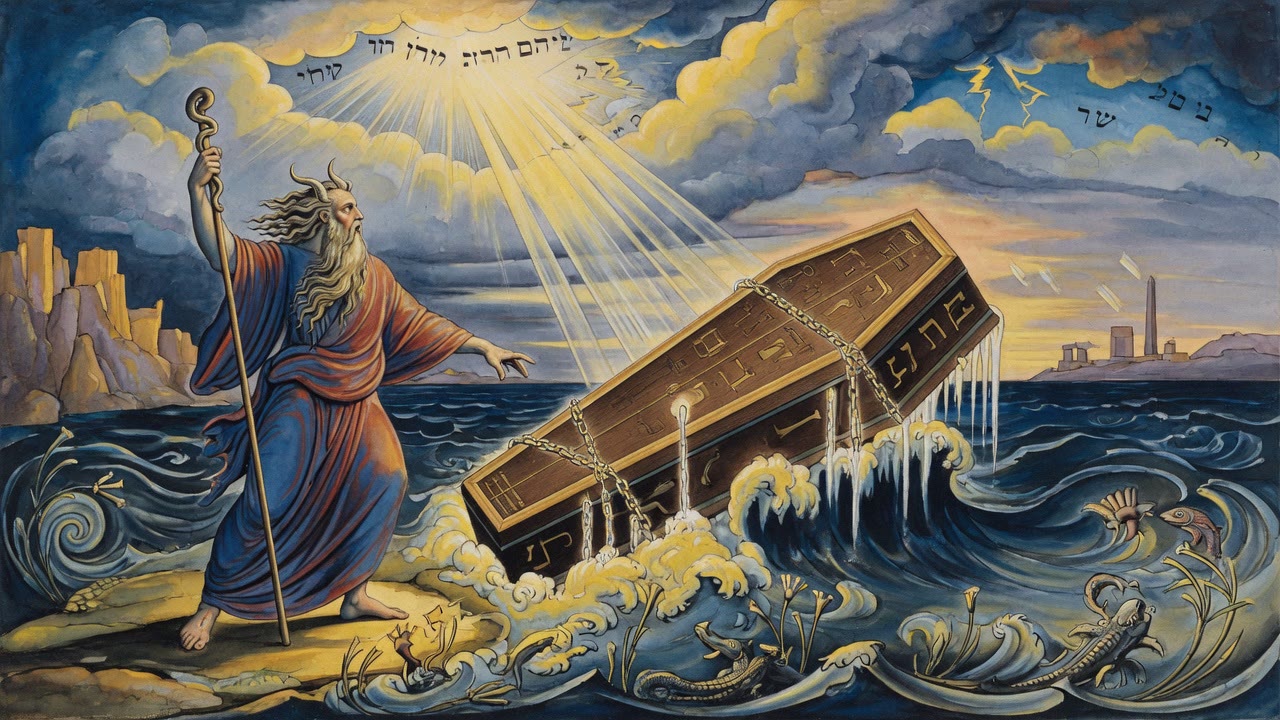
Joseph made his brothers swear that when God remembered Israel and brought them up from this land, they would carry his bones with them. He was not asking for a tomb in Egypt. He was asking to leave when the family left. The oath bound the future. Four hundred years later, Moses carried that oath out of Egypt on the night of the Exodus, walking through a ruined empire with the bones of Joseph in a coffin under his arm, keeping the word that had been given at a deathbed in a foreign country.
← All myths