Levi Died at 137 -- Oldest of All His Brothers
Judah's last words listed the lion he killed barehanded and the bear he flung off a cliff. Levi told his sons to teach their children to read the Torah.
Table of Contents
 Click for full size
The Last of Them
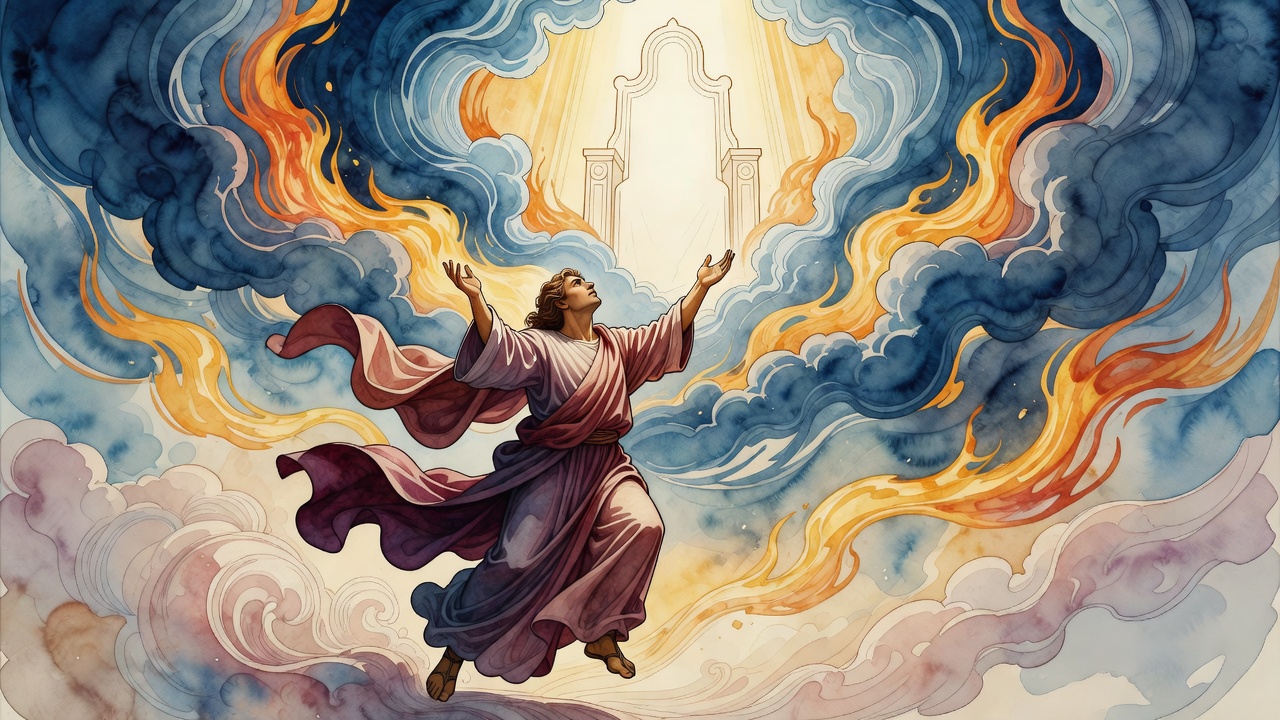
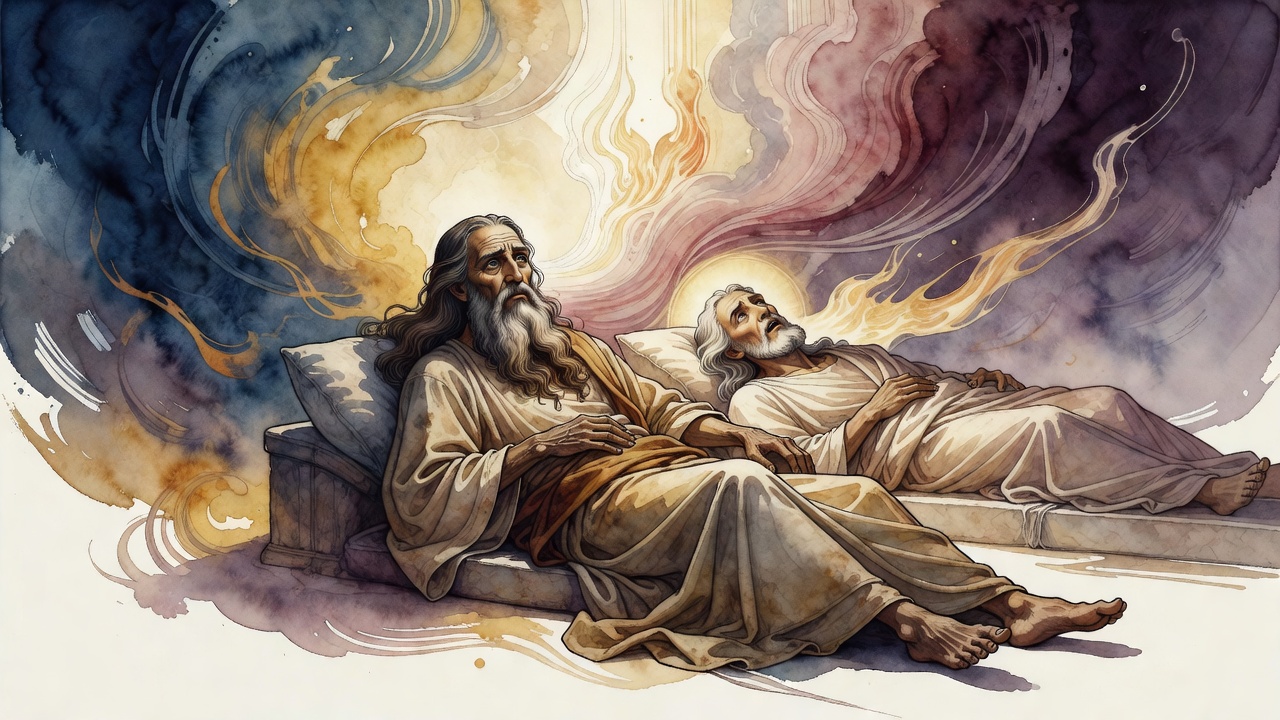
One by one, Jacob's sons had gathered their families and spoken their final words and died. Reuben went. Simeon went. Dan, Naphtali, Gad, Asher, Issachar, Zebulun, Joseph, Benjamin. Judah was near the end. And then Levi, the third son, who had been a shepherd in the fields of Abel-Meholah when the heavens opened over him, outlasted them all.
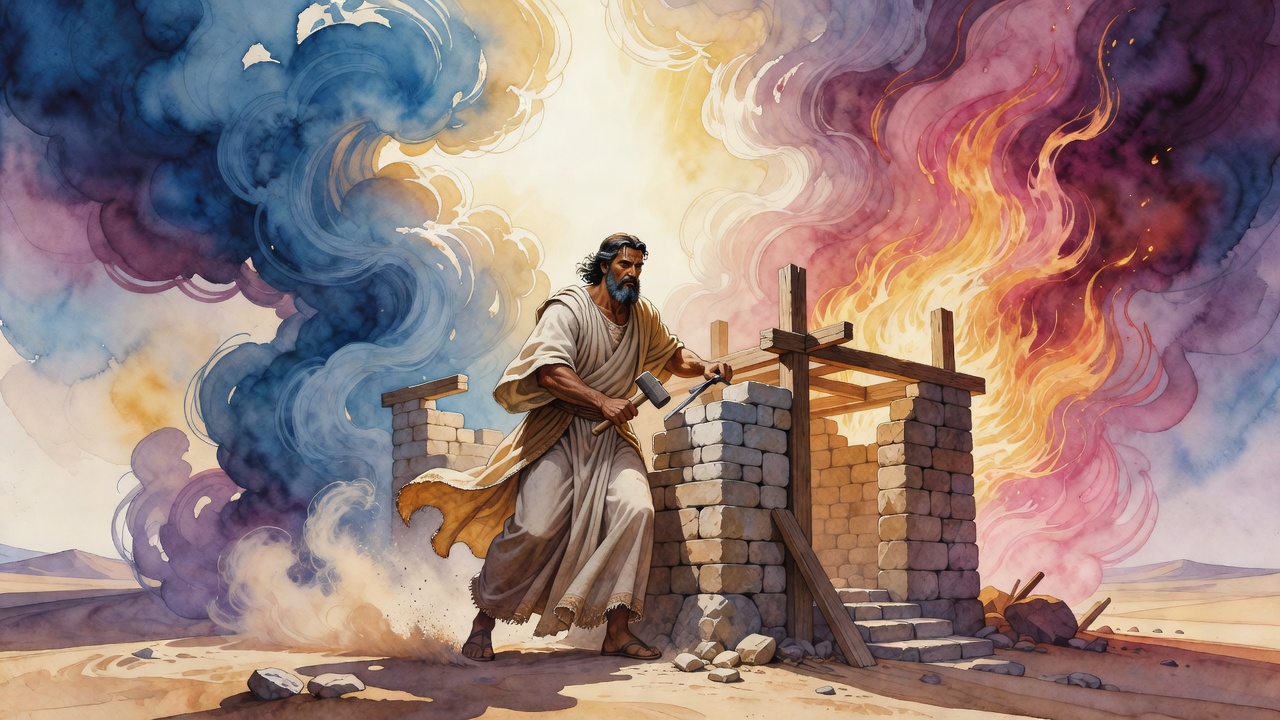
He was one hundred and thirty-seven years old when he died. The tradition understood this longevity as itself a kind of statement. The man who had drawn the most violent chapter of the patriarchal era, who had razed a city on the authority of a heavenly vision, who had received his father's anger and his father's sacred books in the same lifetime, was also the man who lived longest. His sons would outlive their cousins in the generations ahead. The tribe that had no land inheritance because God Himself was its inheritance would also be the tribe that carried the Ark.
Judah's Strength and Judah's Wounds
The tradition preserves Judah's last words as a catalogue of physical power, and it is worth sitting with that catalogue before turning to Levi. Judah had outrun a hind and caught it. He had seized a deer in full sprint and prepared it for his father's table. He had killed a lion with his bare hands, snatching a kid from its jaws before the lion could deepen its grip. He had caught a bear by the paw and flung it off a cliff. A leopard that sprang at his dog he held by the tail and hurled against the rocks. A wild boar he outpaced on foot in an open field. A man who came at him with a sword he struck dead with his fist.
This was not bragging. Judah was listing these things so that his sons would understand what wine and beauty had taken from a man who possessed them. The physical catalogue is the measure of the loss. He had been capable of all of that, and he had handed his staff and his signet to a woman at a crossroads because wine had bent his judgment and desire had finished the work. He told his sons exactly what each failure had cost him so they would recognize the price tags before they made similar purchases.
What Levi Charged His Children to Hold
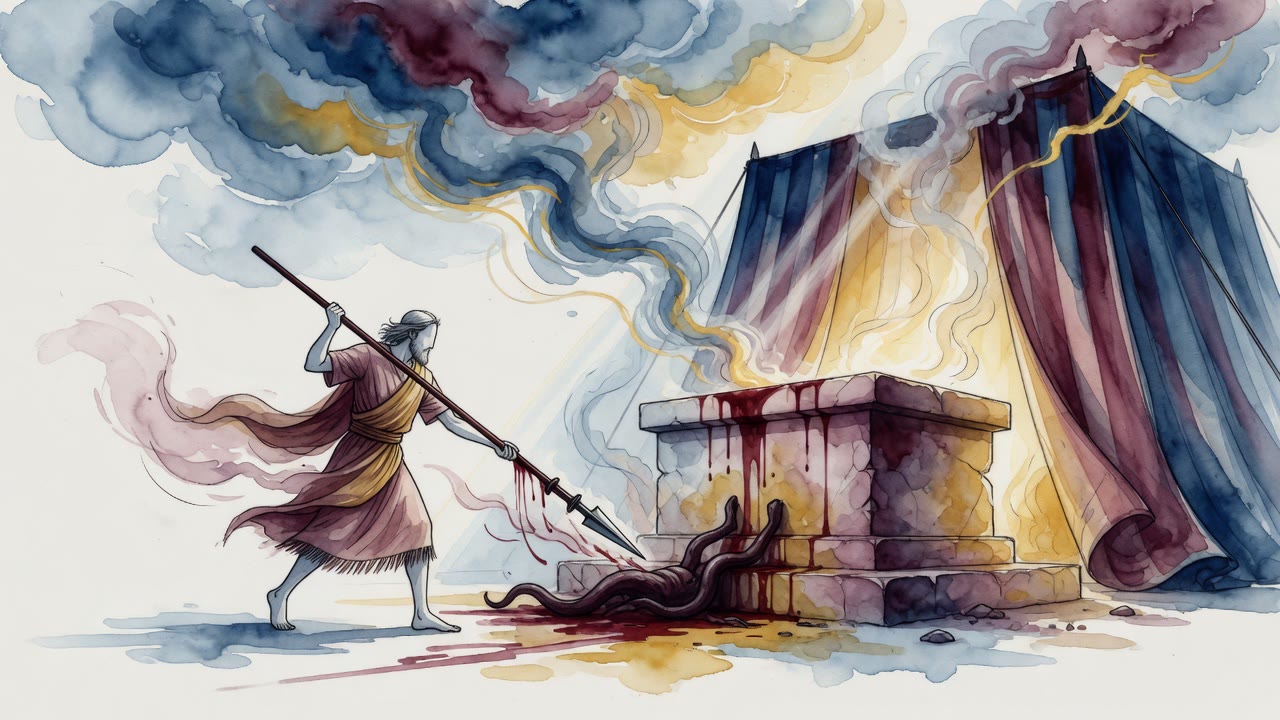
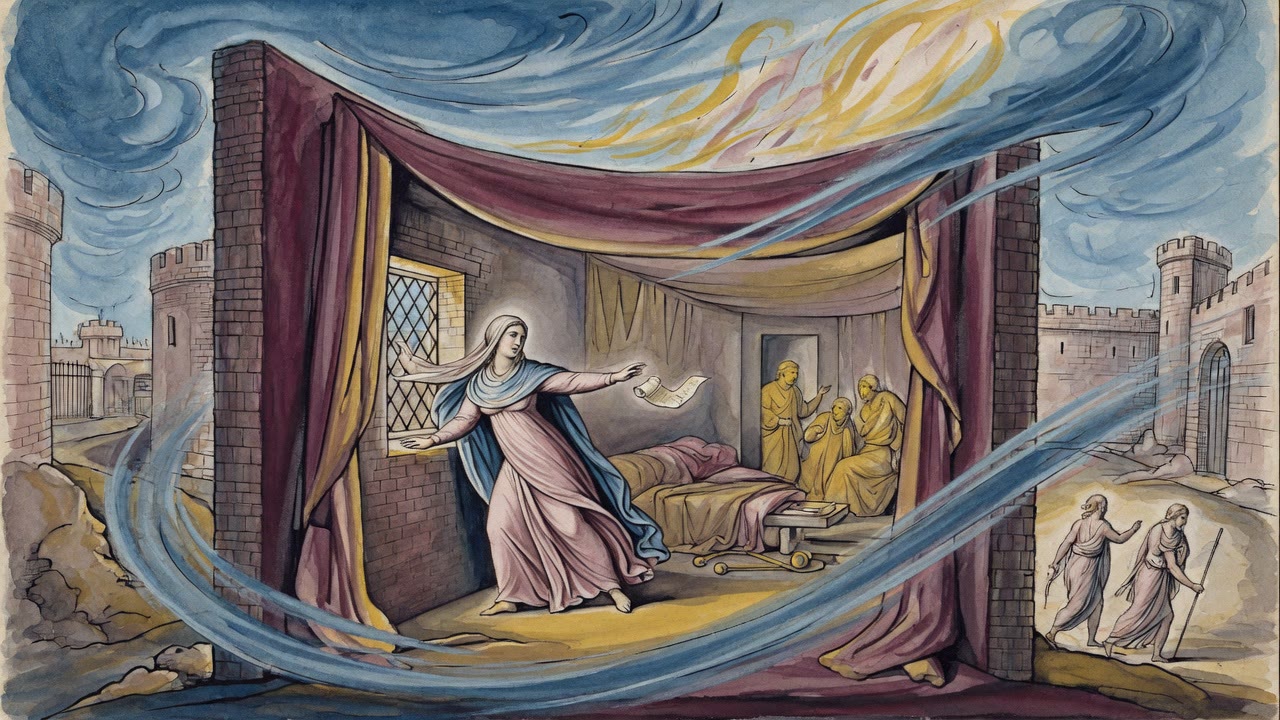
Levi's final charge was different in texture. He had already told his story many times: the vision over Abel-Meholah, the angel and the seven heavens, the brass shield on the road to Gebal, Shechem, Jacob's anger, and the long decades of priestly service that followed. He had seen in vision what his descendants would do to the priesthood before the tradition reached its end. He had wept over it in advance the way he had once wept over human wickedness from a hillside in the field.
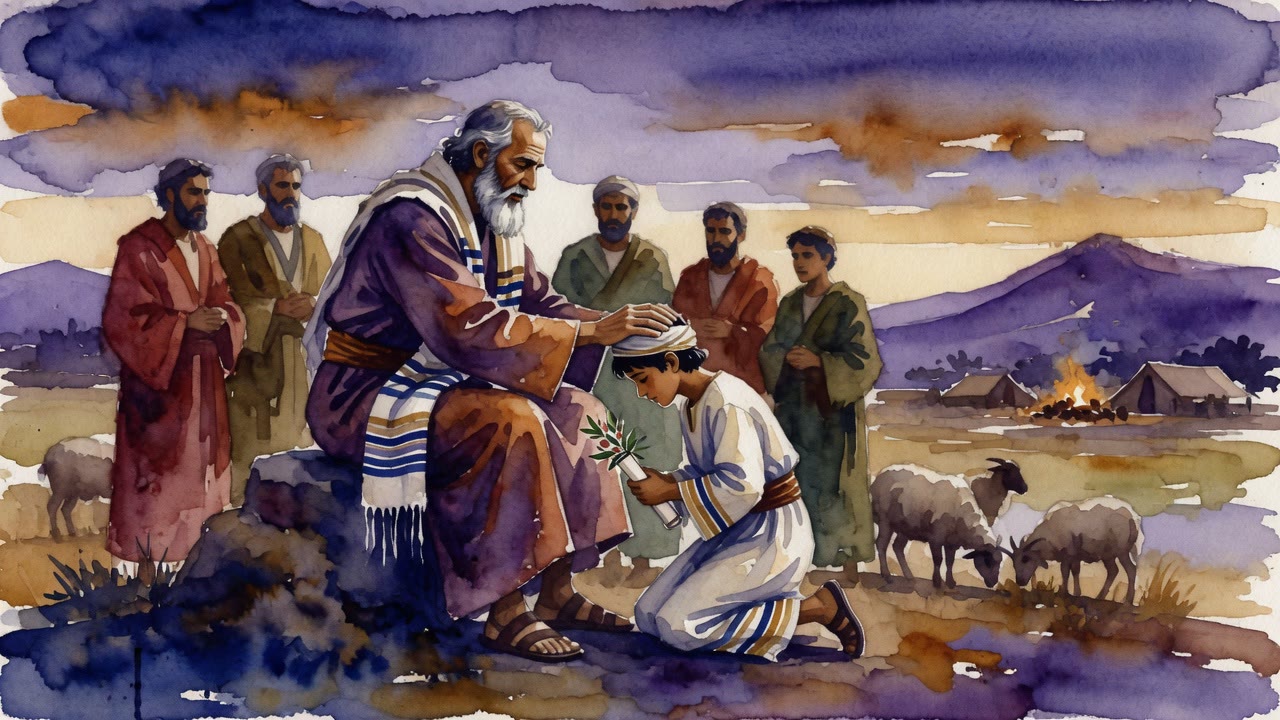
What remained for the deathbed was the charge itself. He told his sons to fear the Lord their God with their whole heart and to walk in His commandments. He told them to teach their children to read the Torah, because a man who is saturated in Torah will not easily be moved from his post when the pressure comes. He told them that wisdom and learning were the inheritance he was leaving, that silver and flocks were things the world could take but that a mind shaped by the law was harder to dispossess.
The Two Pillars
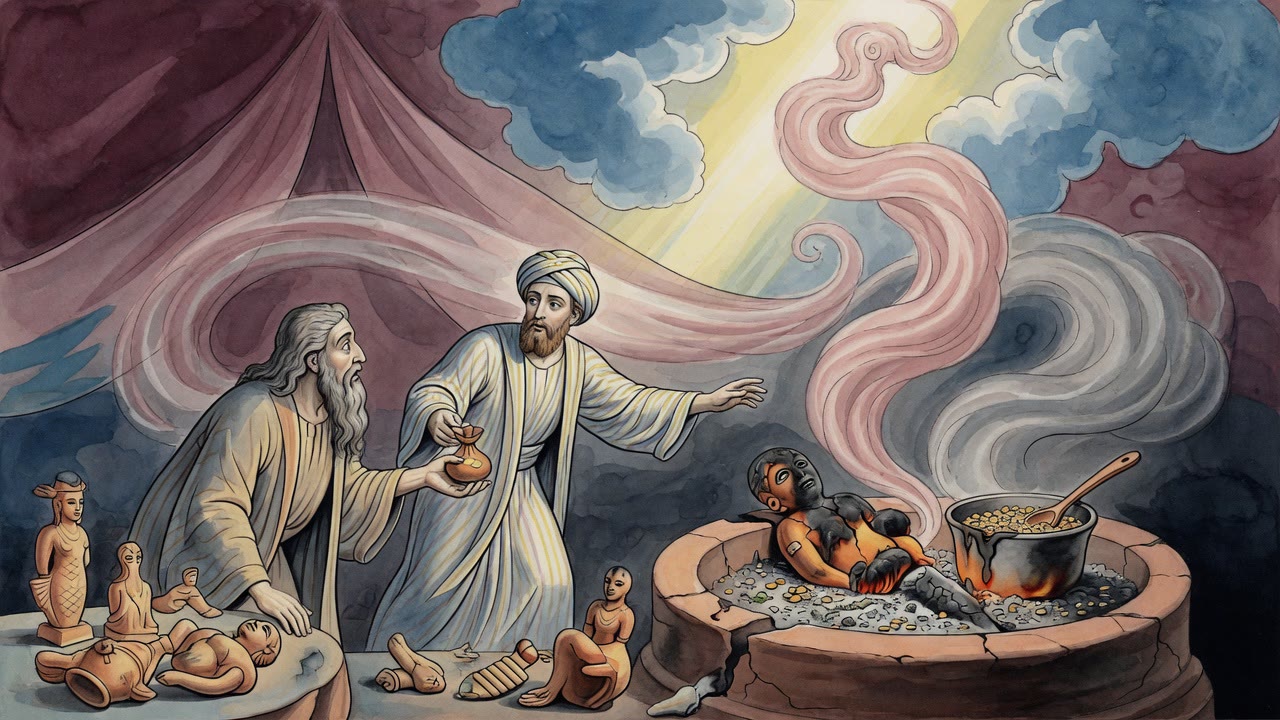
The tradition's decision to preserve Judah and Levi's final words as companion portraits was not accidental. Judah's tribe would carry the kingship. Levi's tribe would carry the priesthood. The two offices together formed the structure through which Israel would be governed after the founding generation was gone. The catalogue of Judah's physical power and the record of his personal failure made him the right ancestor for kings: a man who had been broken by his own strength knew what strength was actually for. The record of Levi's vision and his willingness to act on it, even at the cost of his father's blessing, made him the right ancestor for priests: a man who had stood in the heavenly court and had held the instruments of its service before he was invested in them on earth.
Levi was the last of Jacob's sons to die. His children buried him, as he had asked, in Hebron, beside his father and his grandfather, in the cave that Abraham had purchased at the beginning of the family's history in the land. He had outlived his brothers. He had outlived the era. And the priesthood he had been assigned in a field in Abel-Meholah, by an angel in a dream, before any of the events that would make the assignment necessary had yet occurred, was still standing when he was gone.
← All myths