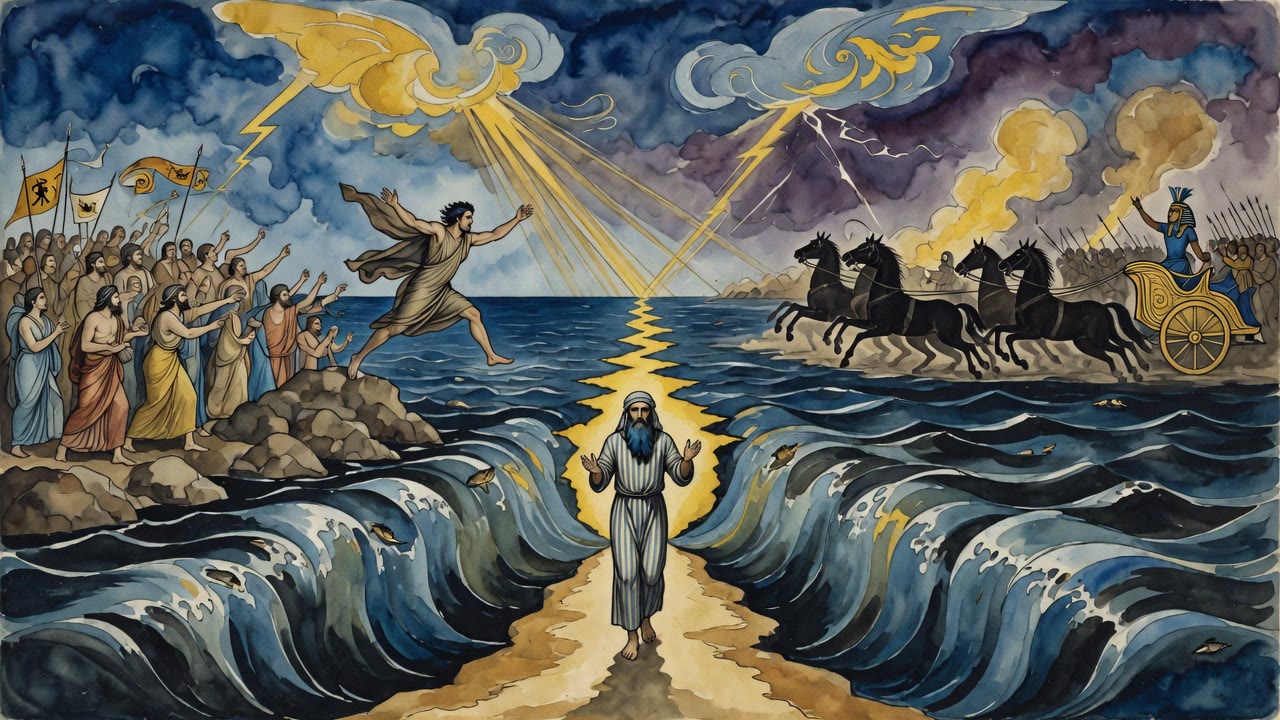
Tamar Chose to Burn Rather Than Name Judah in Court
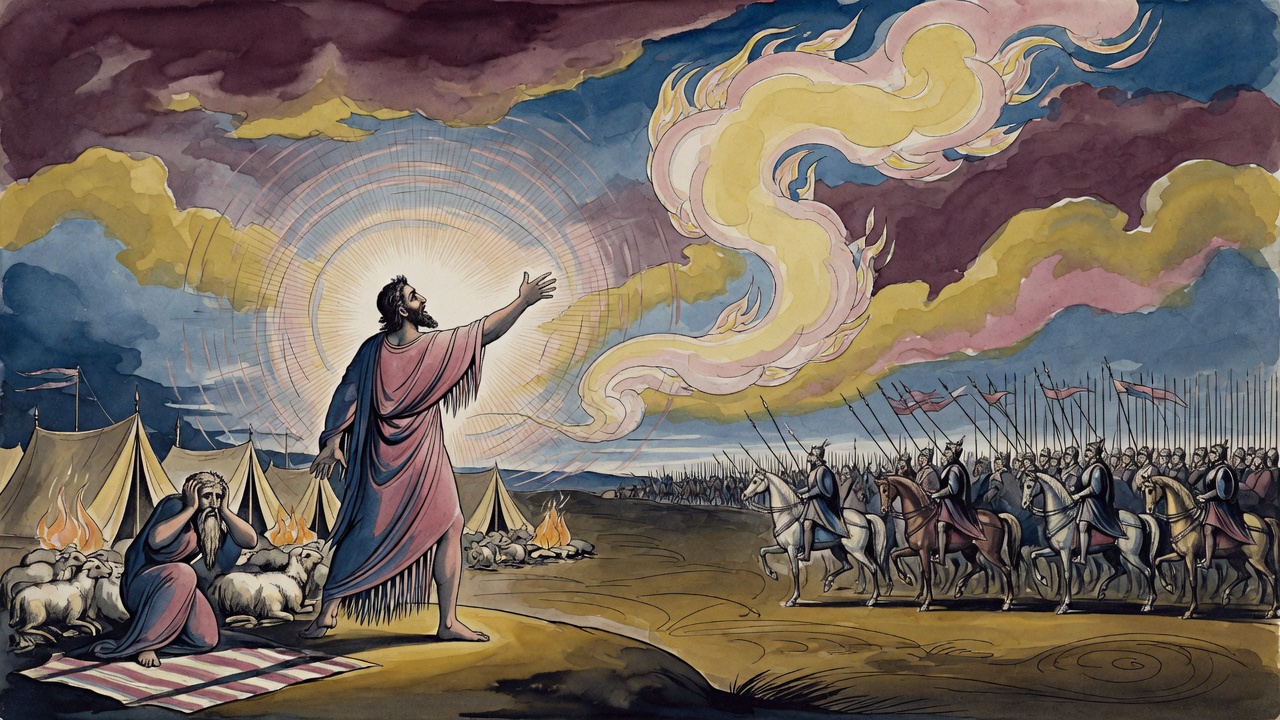
With fire prepared and the pledges gone, Tamar prayed instead of speaking. She trusted God to turn Judah's heart. An angel brought the pledges back in time.
Table of Contents
 Click for full size
The Wood Was Already Prepared
The sentence had been spoken. Tamar was being brought out to burn. She had been convicted by her pregnancy, and Judah's initial statement before the court had been a verdict of death. The fire was not a threat. It was an arrangement already in progress.
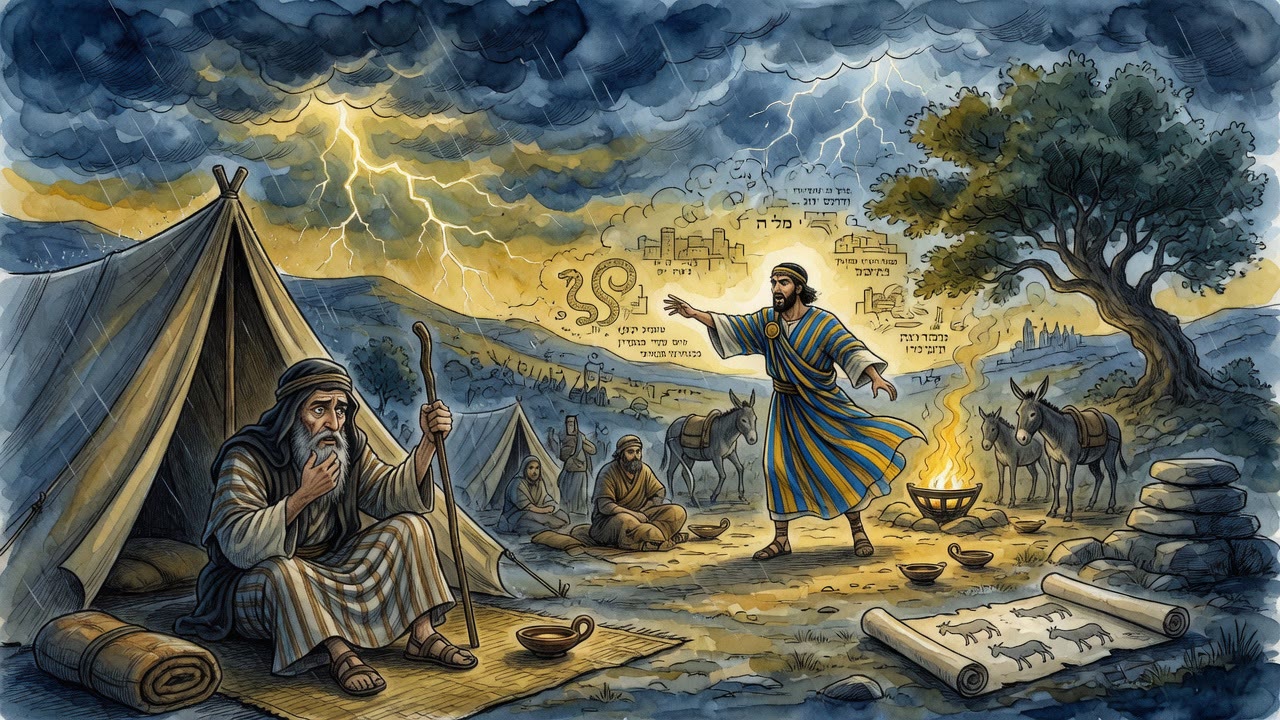
She could have named him. She had everything she needed: the signet, the mantle, the staff, three objects that were his alone, taken as pledges at the crossroads when he had gone in to her believing she was a cult prostitute from the region. She could have held those objects up before Isaac and Jacob and said, clearly, in front of the assembled court: the man who owns these is the father. The case would have reversed in a moment. Judah would have been the one facing judgment.
She refused to do it that way.
When She Searched and Found Nothing
In the tradition preserved in the Legends of the Jews, Tamar searched for the pledges before she was brought before the court and could not find them. The objects that could save her had disappeared. She stood at the edge of the fire without the evidence she needed, knowing what the evidence was and knowing it was gone.
At that moment she raised her eyes to heaven and prayed. Her prayer was precise. She did not ask simply to survive. She asked to live because of three descendants who had not yet been born: Hananiah, Mishael, and Azariah, the three men who would one day stand in Nebuchadnezzar's furnace in Babylon rather than bow before an idol. They would survive their fire for the sake of God's name. Tamar stood before her fire asking to survive for the sake of theirs, linking the fire prepared for her at the crossroads court to the fire prepared for her descendants in a Babylonian throne room centuries away.
The Angel Who Brought the Pledges Back
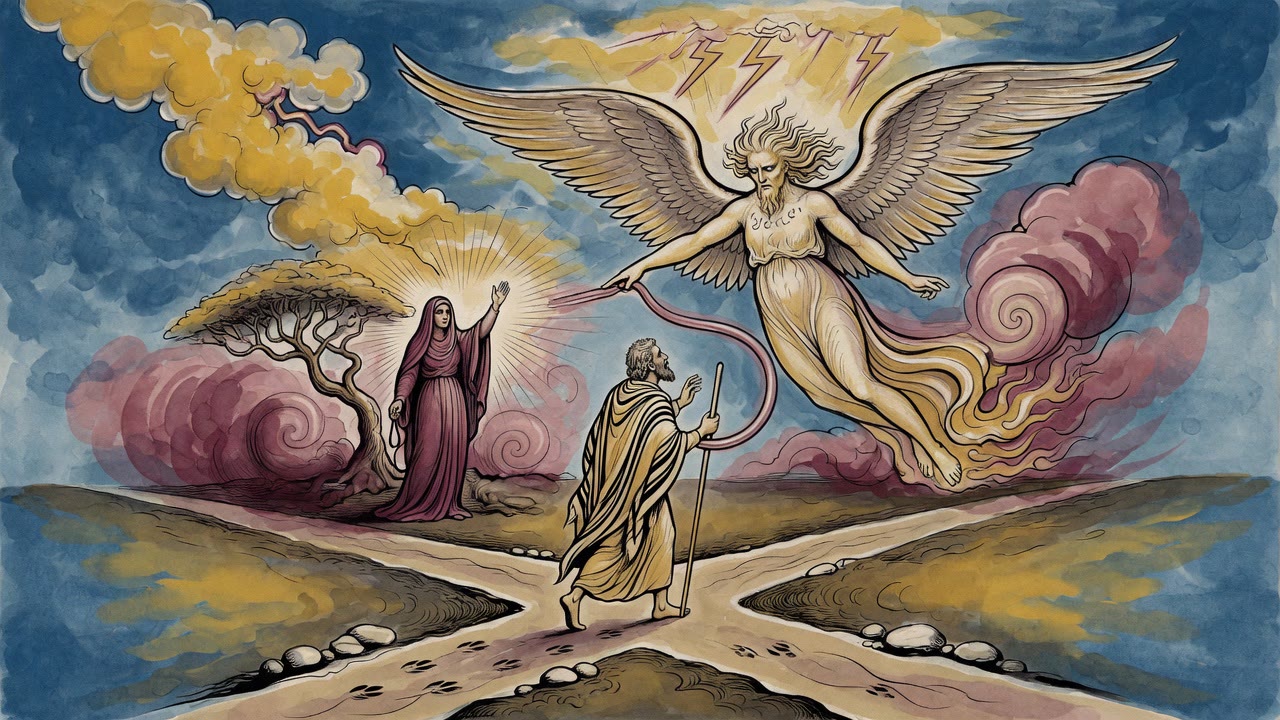
God heard the prayer. An angel brought the pledges to her hand at the moment she needed them. The signet, the mantle, and the staff reappeared. She sent them to Judah privately, not as a public accusation but as a message between the two of them: please recognize whose these are. She was giving him the chance to confess rather than forcing him to be accused.
This is the distinction the tradition emphasizes. Tamar could have shamed him publicly. She chose instead to give him a private moment of recognition before any public action was required. She trusted that God's intervention in returning the pledges was not merely a mechanism for her survival but a form of grace extended toward Judah, making room for him to do the right thing without being cornered into it.
The Holy Spirit in the Court
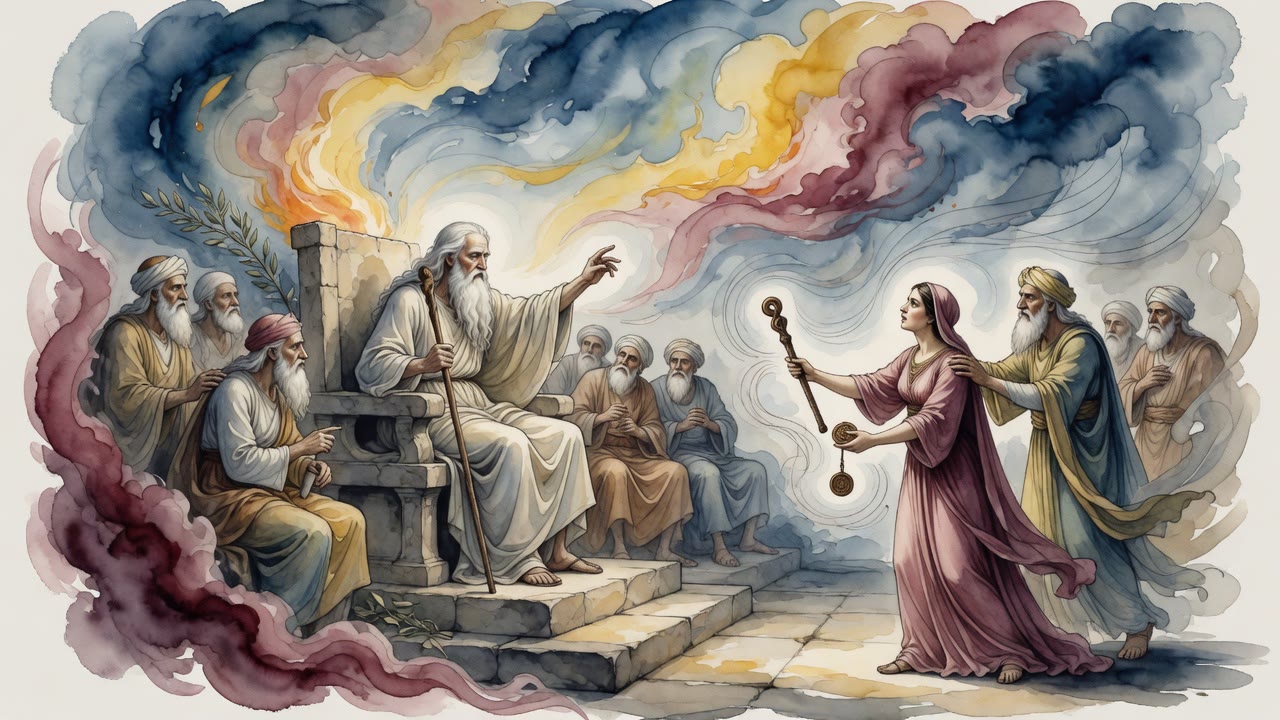
Judah stood before the court and confessed. He said: she is more righteous than I, because I did not give her to Shelah my son. He acknowledged her righteousness first and his failure second, and the tradition records that at that moment the Holy Spirit appeared in the court and declared that from this moment the hidden matters of the world went forth. The messianic lineage, the future of David and of the one who would come after David, was secured in the room where a man had stood up and confessed at mortal risk rather than say nothing while a righteous woman burned.
The tradition then adds a second consequence that runs in a different direction. Judah's public confession, made before his father and grandfather at the cost of his own standing, opened something in another man in the room. Reuben was present. He had been carrying his own private sin for years, the violation of his father's household, a transgression he had mourned in secret without ever bringing it before anyone. When he watched Judah confess in public at mortal risk, something gave way in him. The courage Judah demonstrated made Reuben's continued silence no longer tenable. If Judah could do this, Reuben could do this.
What Three Objects Secured
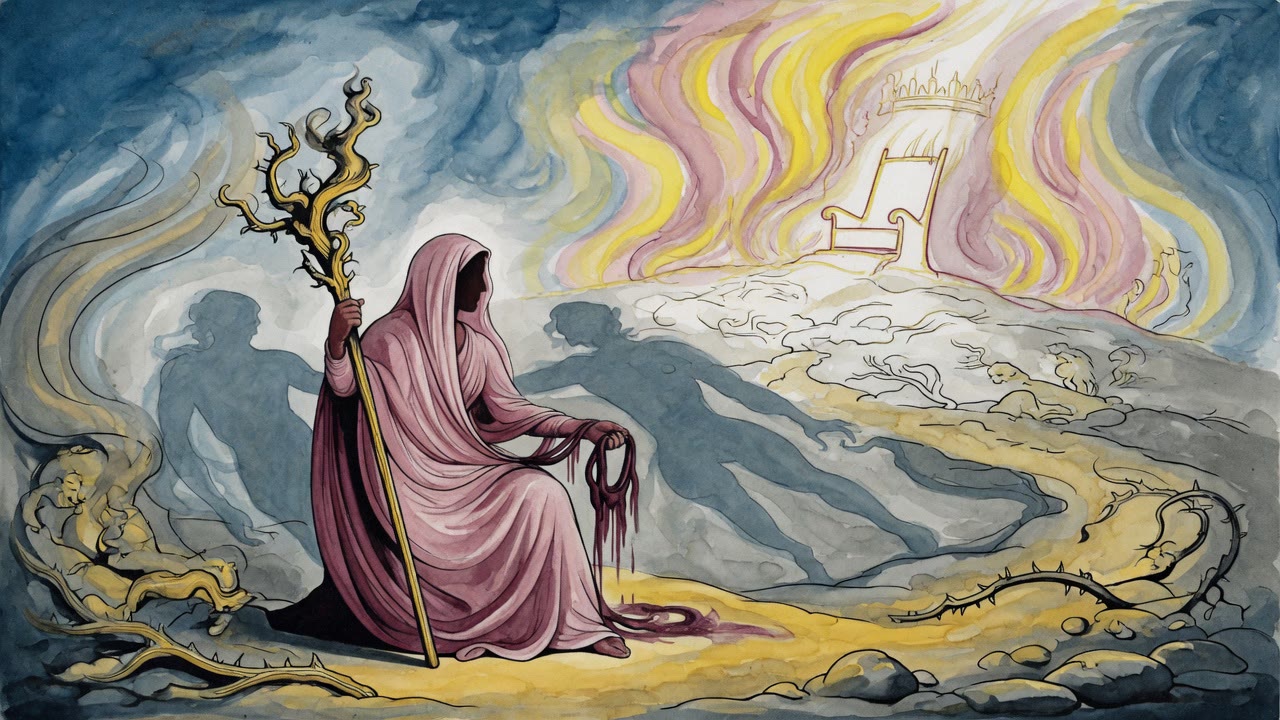
The signet, the mantle, and the staff reappeared at the edge of the fire. In the tradition's reading they were not simply pledges returned. They were the three symbols of what Tamar's children would embody: royal authority, judicial dignity, and the messianic scepter. The angel who placed them back in her hands was securing not just her life but the future those objects represented. The fire did not burn. The twins Perez and Zerah were born. Through Perez ran the line to Ruth, to David, and to the promise that would outlast every furnace the tradition placed between Tamar and its fulfillment.
← All myths