Judah Saved Joseph From Death but Would Not Finish the Rescue
Judah saved Joseph from murder but sold him into slavery. His years in Adullam, with dead sons and a dead wife, were the price of a half-done rescue.
Table of Contents
 Click for full size
The Rescue He Stopped Short Of
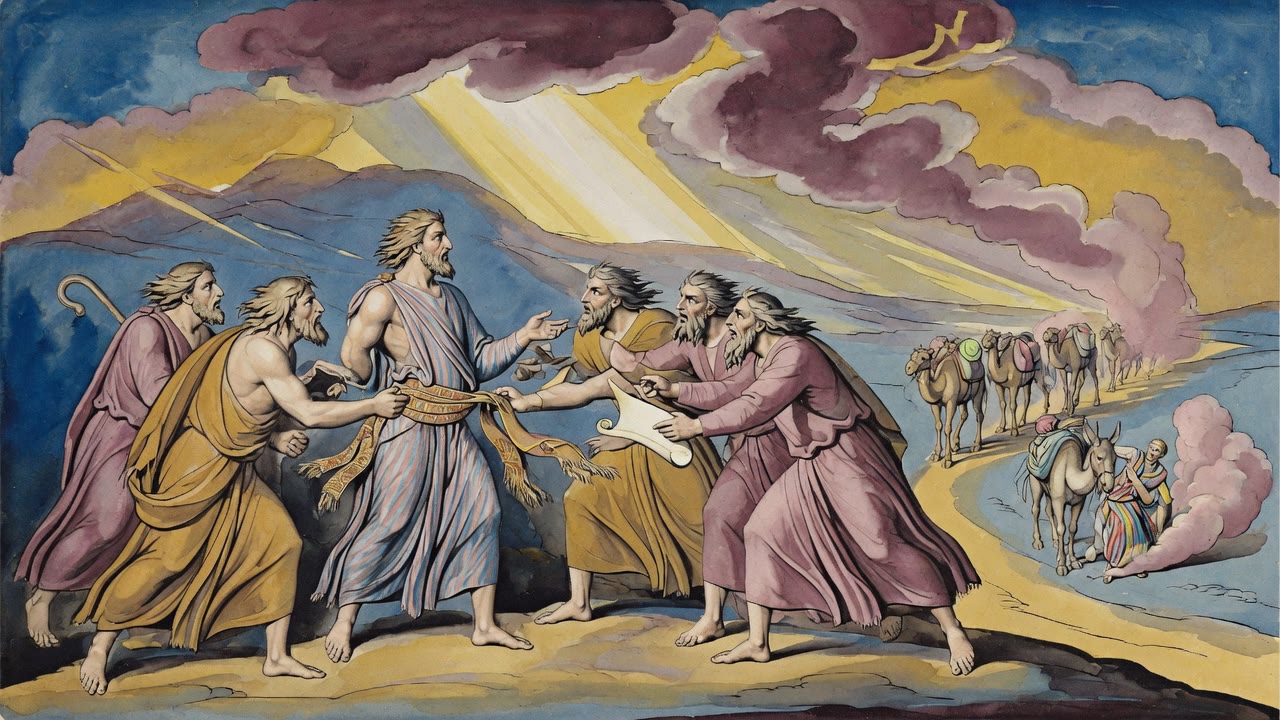
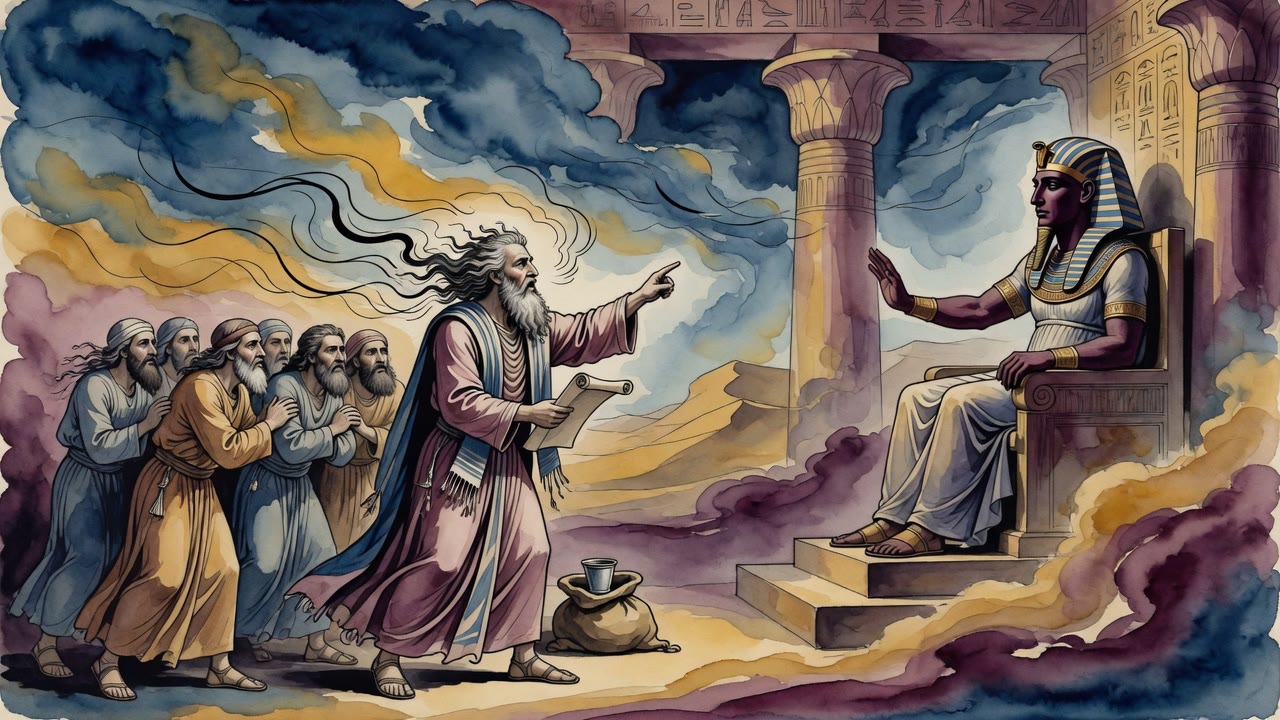
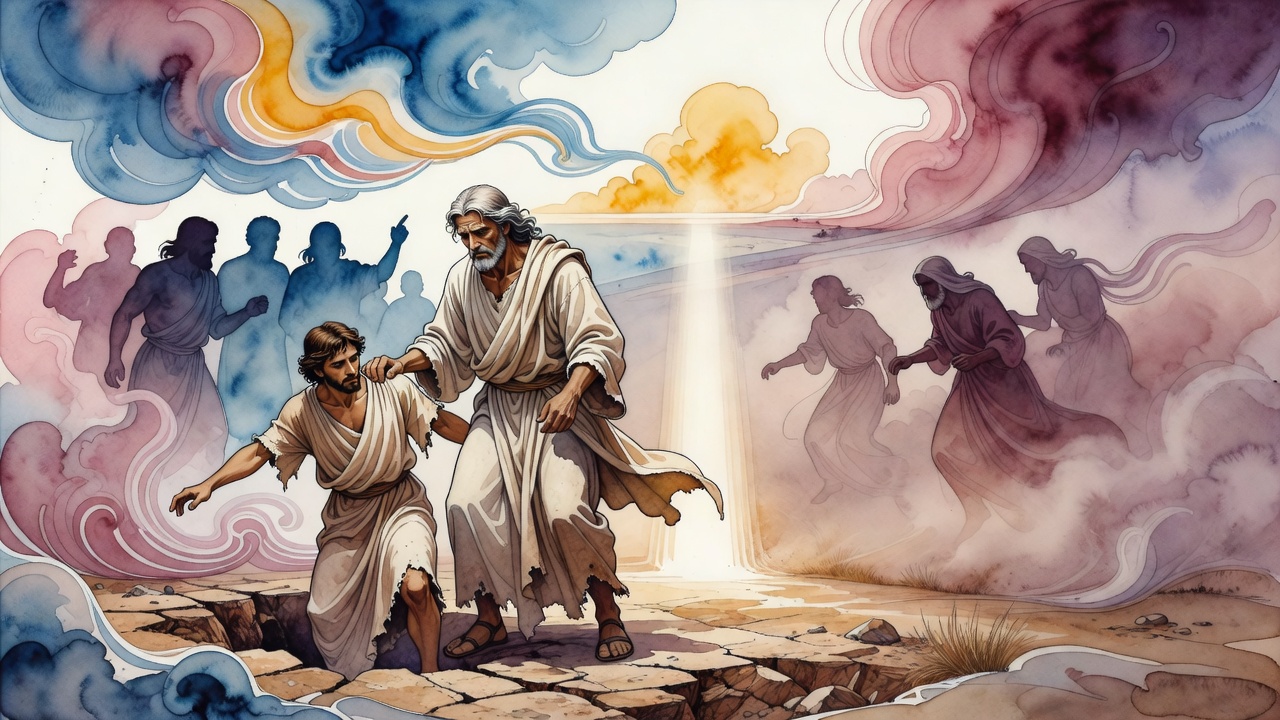
When Judah's brothers were arguing over what to do with Joseph in the pit at Dothan, it was Judah who proposed the alternative to murder. What profit is it if we slay our brother and conceal his blood? Come, let us sell him to the Ishmaelites, and let not our hand be upon him. It was a mercy of a kind. Joseph would live. He would just live in Egypt, not in Canaan, not near his father, not in any place that resembled the life he had occupied before his brothers threw him in the hole.
The tradition preserved in the Legends of the Jews is precise about what Judah could have done and chose not to do. He was the acknowledged leader of the brothers. When he spoke, they listened. When he proposed the sale, they accepted. The same authority that moved them toward the sale could have moved them further, toward the full rescue: not sell him but return him, not remove him to Egypt but bring him home to Jacob. The tradition says explicitly that if Judah had pressed that argument, his brothers would have followed it. They would have listened to him as they always listened to him.
He pressed as far as the sale and no further.
What Leaving a Good Deed Unfinished Costs
The principle the tradition applies here is one of the hardest in the rabbinic moral framework: a person who begins a good deed and does not complete it is accountable for the incompleteness. Not in the way a person who never begins is accountable. Not in the way a person who does active harm is accountable. But accountable nonetheless, in a specific way, for the gap between what they had the power to do and what they chose to do with that power.
Judah had the power to bring Joseph home. He used that power to send Joseph to Egypt instead. The caravan disappeared over the horizon and Jacob received a coat covered in goat's blood and began the years of mourning that the tradition says were never fully healed until Goshen. All of that was downstream of the gap between what Judah could have done at Dothan and what he actually did.
The Years in Adullam
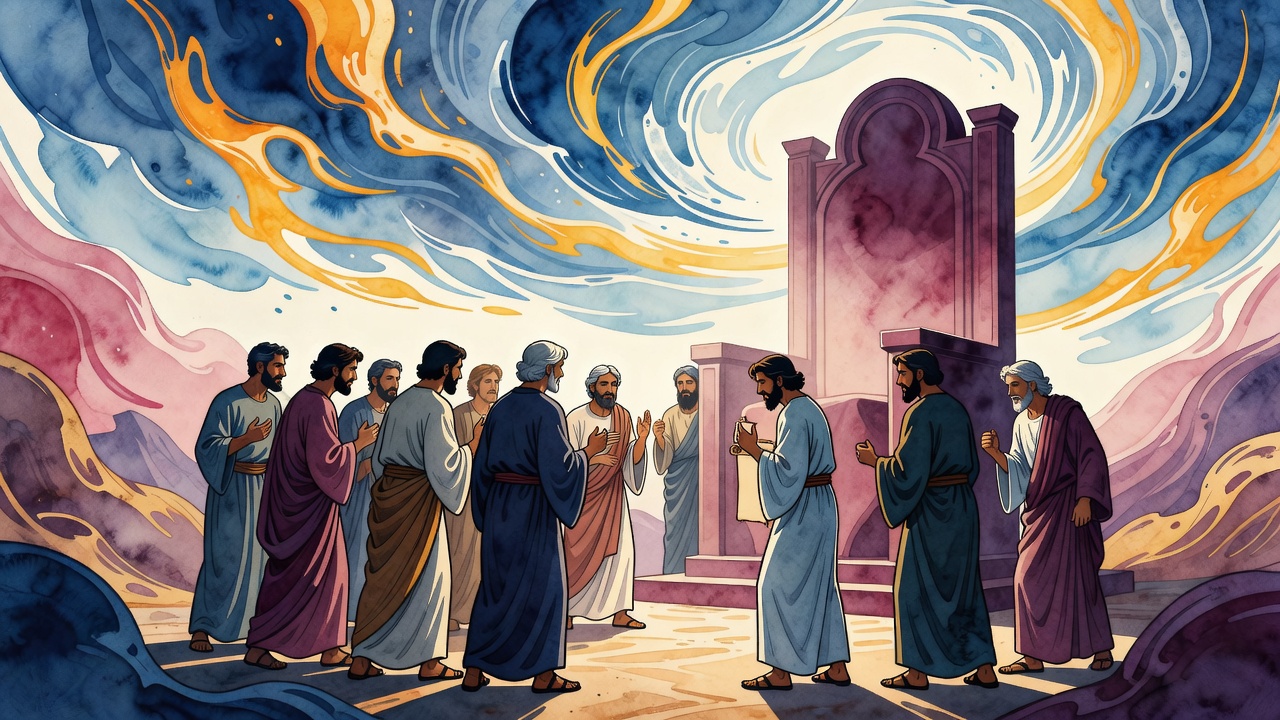
After Joseph's sale, the brothers stripped Judah of his leadership. He left Jacob's household and went down to Adullam. He made friends there with a Canaanite merchant named Hirah, married the merchant's daughter Bath-shua, and built a separate life at a distance from everything he had damaged at Dothan.
His oldest son Er married Tamar and died on the third day after the wedding, killed by an angel for reasons the Torah records obliquely. His second son Onan refused his levirate duty to Tamar and died for the refusal. His wife Bath-shua also died. Three deaths in Adullam: two sons and the woman he had married there. The house he had built at a distance from Jacob's tent fell apart around him faster than he had built it.
The Pride That the Tradition Named
The source text preserved in the Legends names something specific about Judah's character that made the incompleteness at Dothan possible and that followed him into Adullam: pride. Not the arrogant pride of a man who does not know his limits, but the quieter pride of a man who knows his authority and uses it up to the edge of personal cost and stops there. Judah did not bring Joseph home because bringing Joseph home would have required him to lead his brothers against their rage, to hold a position that cost him their fellowship, to use his authority not to give them what they wanted but to refuse them. The sale was the option that let him be both merciful and acceptable. The rescue would have made him something different: a man willing to be disliked for the sake of doing the thing fully.
The tradition says he confessed this later. He acknowledged that pride had led him to stop where he stopped, that the failure at Dothan was not a failure of awareness but a failure of courage at exactly the point where courage would have been most expensive. The Adullam years, with their dead sons and dead wife and stripped leadership, were the form that cost took in a life.
The Road Back
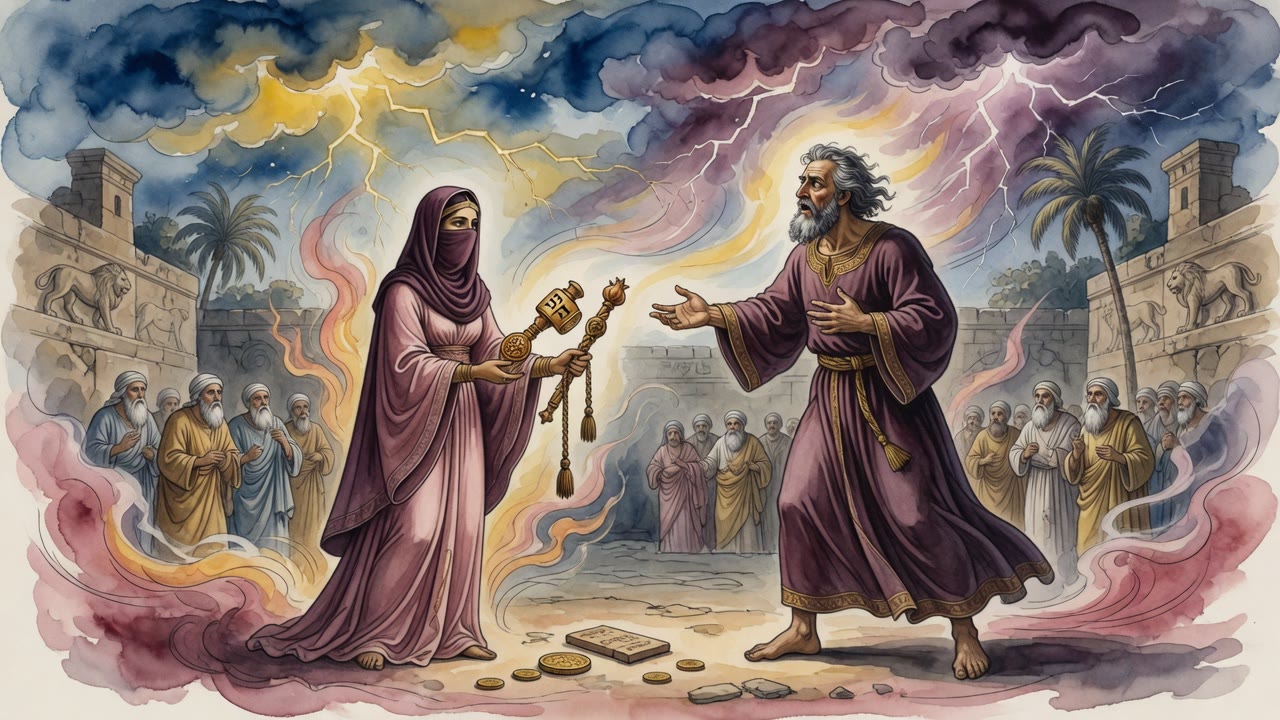
What the tradition builds in Judah, across the arc from Dothan to Egypt, is a man who learns to finish what he begins, at whatever the completion costs. The confession at Tamar's trial was one completion: a public acknowledgment he could have avoided, made in front of his father and grandfather at mortal risk. The offer of himself as a slave in place of Benjamin in Egypt was another: the full use of the authority he had withheld at Dothan, deployed this time all the way to the end of what it could reach. He had once used that authority to move his brothers halfway toward a rescue and stop. In Egypt he used it to offer his own freedom for his brother's, which is the version of that authority that does not stop until there is nothing left to give.
← All myths