Judah Was the Fourth Son and the Blessing Stopped at Him
Reuben lost it. Simeon and Levi burned through it. When the blessing reached Judah it arrived at a man already broken open by what he had done.
Table of Contents
 Click for full size
Isaac Stands and Roars
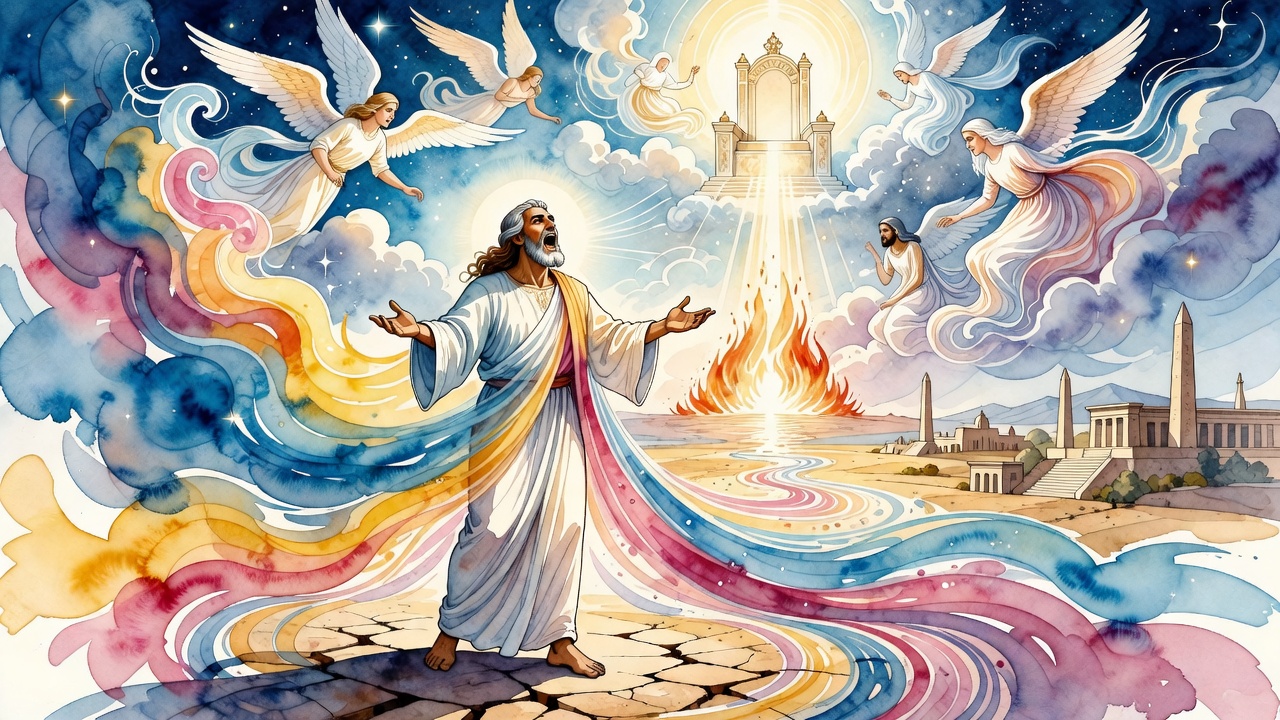
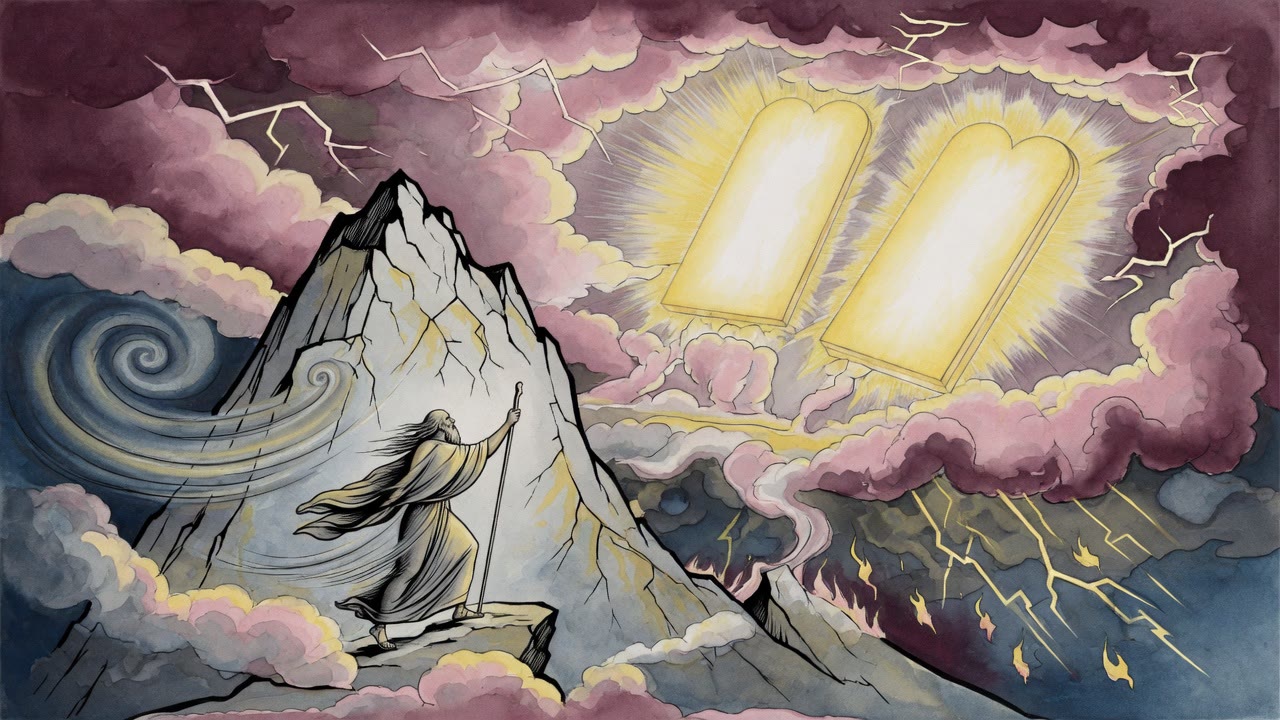
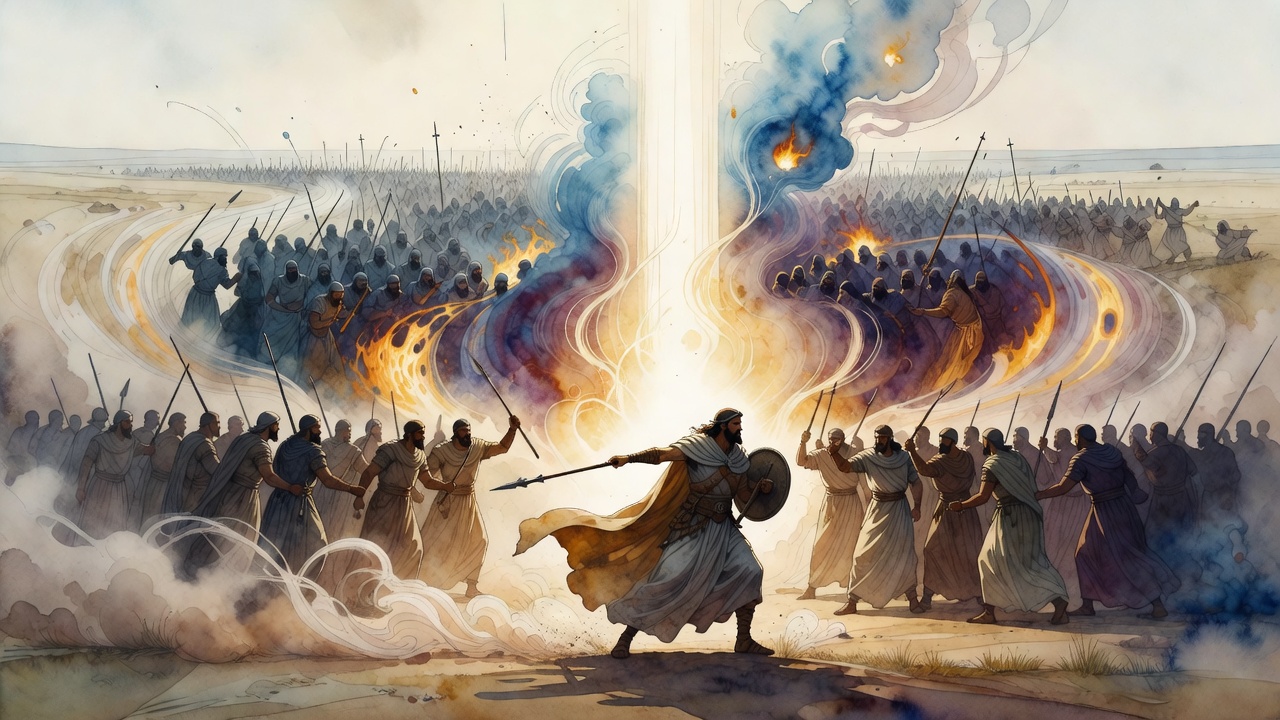
Isaac was old and nearly blind when he called his grandsons to him. He had something to give, something that needed giving before he died, and what he gave Judah landed like a command from a battlefield. The Book of Jubilees records the blessing Isaac gave Judah in chapter 31, and it does not sound like the tender words of an old man distributing property. It sounds like an installation. A warrior king receiving his commission from the general who trained him. Jacob stood to the side and watched his father give his fourth son something the first three had lost or burned or never been considered for.
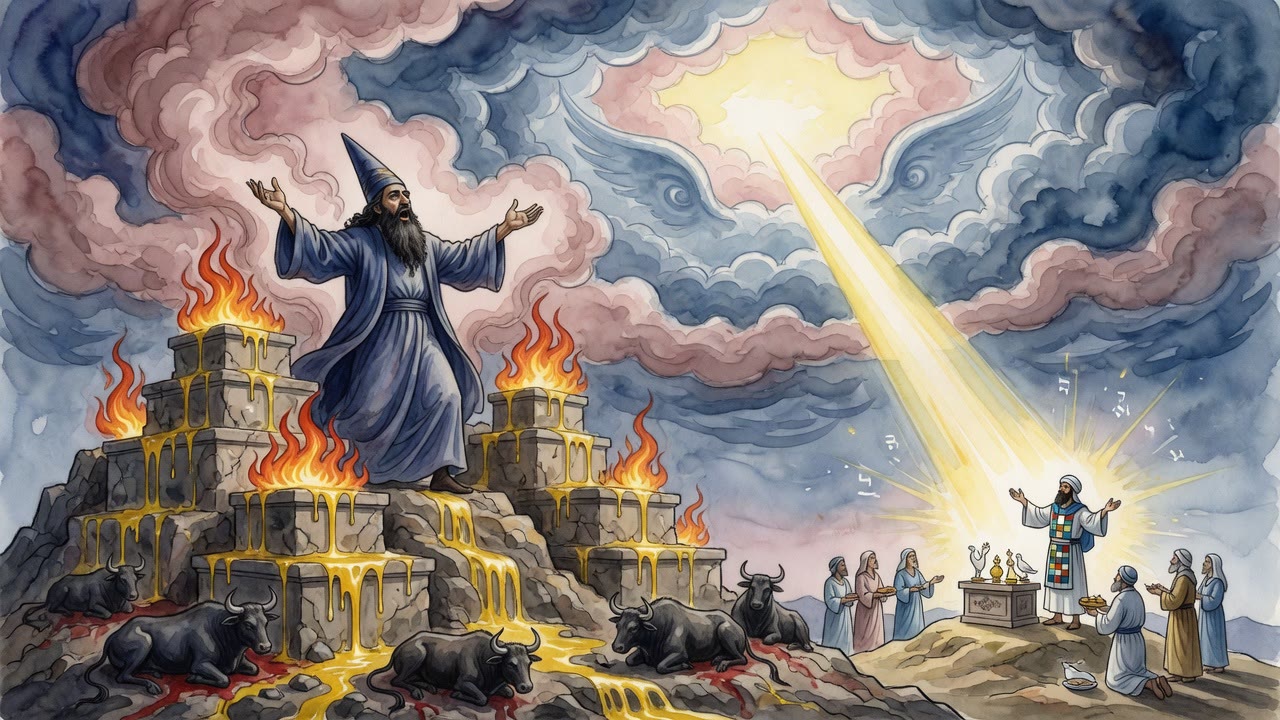
Reuben had the birthright and squandered it. Simeon and Levi had power and turned it against the men of Shechem, killing an entire city in vengeance for their sister. Violence as a solution, righteous and catastrophic at once. Jacob had told them they made him stink among the inhabitants of the land. The blessing did not stop at either of them. It moved.
What Made Judah Eligible
Judah was not innocent when the blessing reached him. He had participated in selling Joseph. He had taken a Canaanite wife against the family's practice. He had withheld his son Shelah from Tamar, his widowed daughter-in-law, condemning her to a life of suspension. He had slept with a woman he took for a prostitute and then ordered her burned for the pregnancy he had caused. He was not a clean candidate.
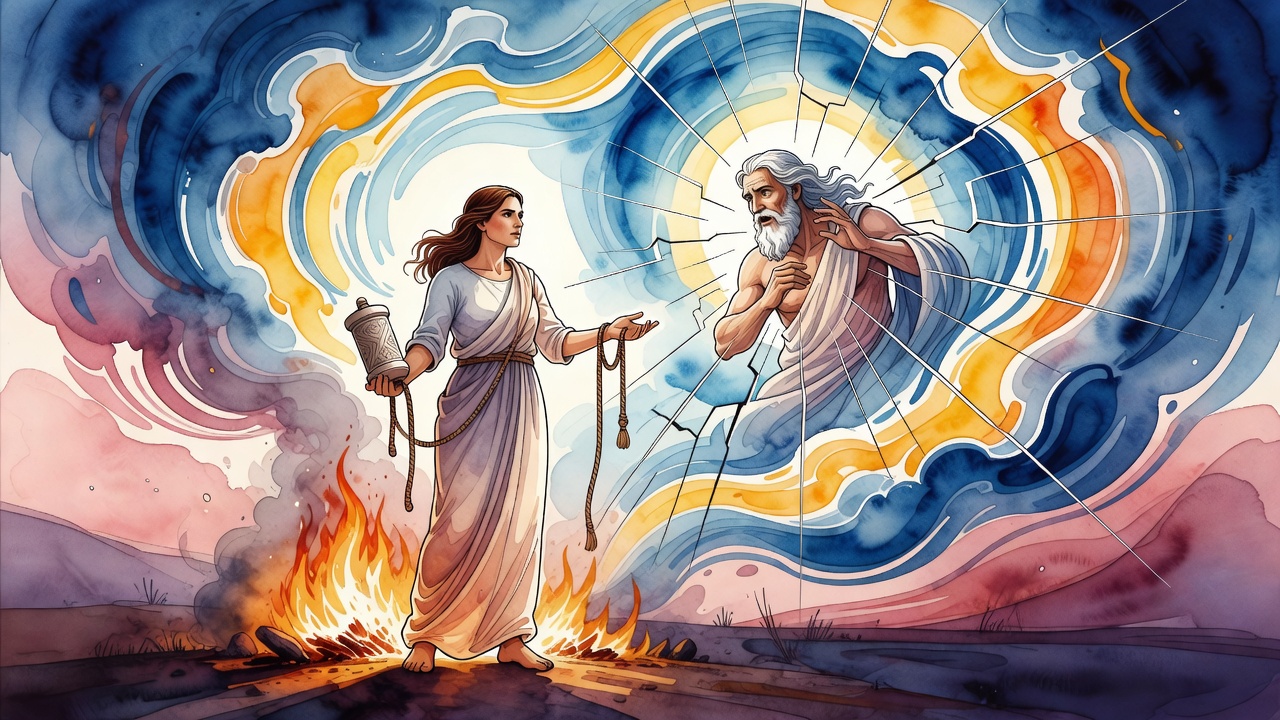
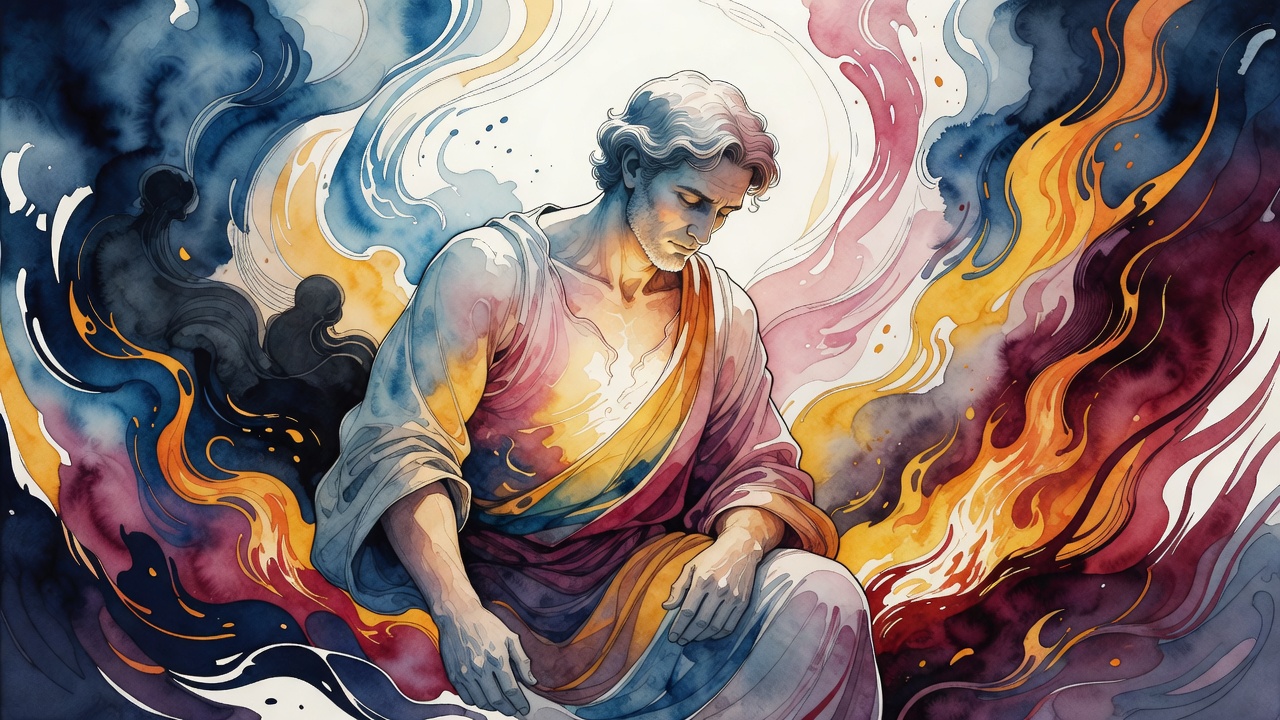
What he had done, finally, that the others had not: he said the words that cost him everything to say. When Tamar produced his seal and his staff and his cord and held them up as evidence, Judah looked at them and said she is more righteous than I. He did not deflect. He did not call for an investigation. He did not protect himself with his power. He stood exposed and named the truth, and the naming of the truth was what changed him. The Chronicles of Jerahmeel, preserving its own layer of the tradition, understands this moment as the pivot on which the royal line turns. Power can pass through Judah because repentance has already passed through him first.
The Roaring Blessing
Isaac's blessing comes in images of force and permanence. Judah will bow down before no enemy. His hand will be on the neck of those who hate him. The scepter will not depart from Judah nor the ruler's staff from between his feet until the one to whom it belongs comes, and to him shall be the obedience of peoples. The language reaches past Judah's lifetime, past David's throne, past the divided kingdom, toward something that has not yet arrived.
Jacob understood what he was hearing. He added his own blessing. He saw the whole line running forward: the lion crouching, the vineyards so fertile that a man could wash his garments in wine, the eyes darker than wine, the teeth whiter than milk. The images pile up in abundance. This was not a blessing for one man. It was a blessing for a dynasty that had not yet begun.
Judah Studies What He Will Teach
The tradition in the aggadic material on Judah is consistent about one thing: he was not only a warrior and a king. He was also a student. He studied Torah. He was sent ahead of the family into Egypt not merely as a scout but to establish a house of study before the others arrived. The royal line needed a scholar at its root, not just a warrior. The blessing required someone who understood what the blessing was for.
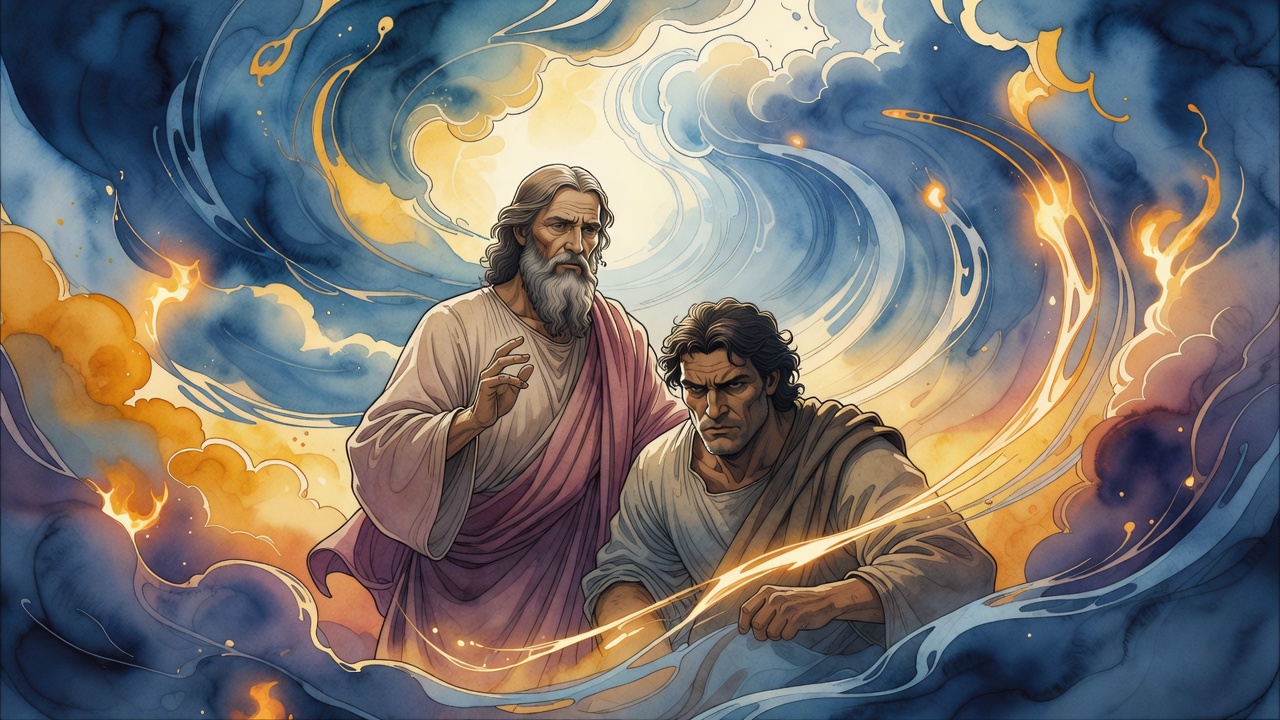
This is the argument the tradition makes about why the royal line runs through Judah rather than through the eldest. The eldest had priority. Reuben had the birthright. But priority is not the same as readiness, and readiness requires having been broken and having come through the breaking changed. God's plan for the world, as one midrash puts it, failed until repentance was invented. Repentance was invented before the world was made, precisely because the world was going to need it. Judah found it before the others did, not because he was better than them but because he fell harder and had to look up from the ground at what he had done.
← All myths