73 myths · Page 2 of 3
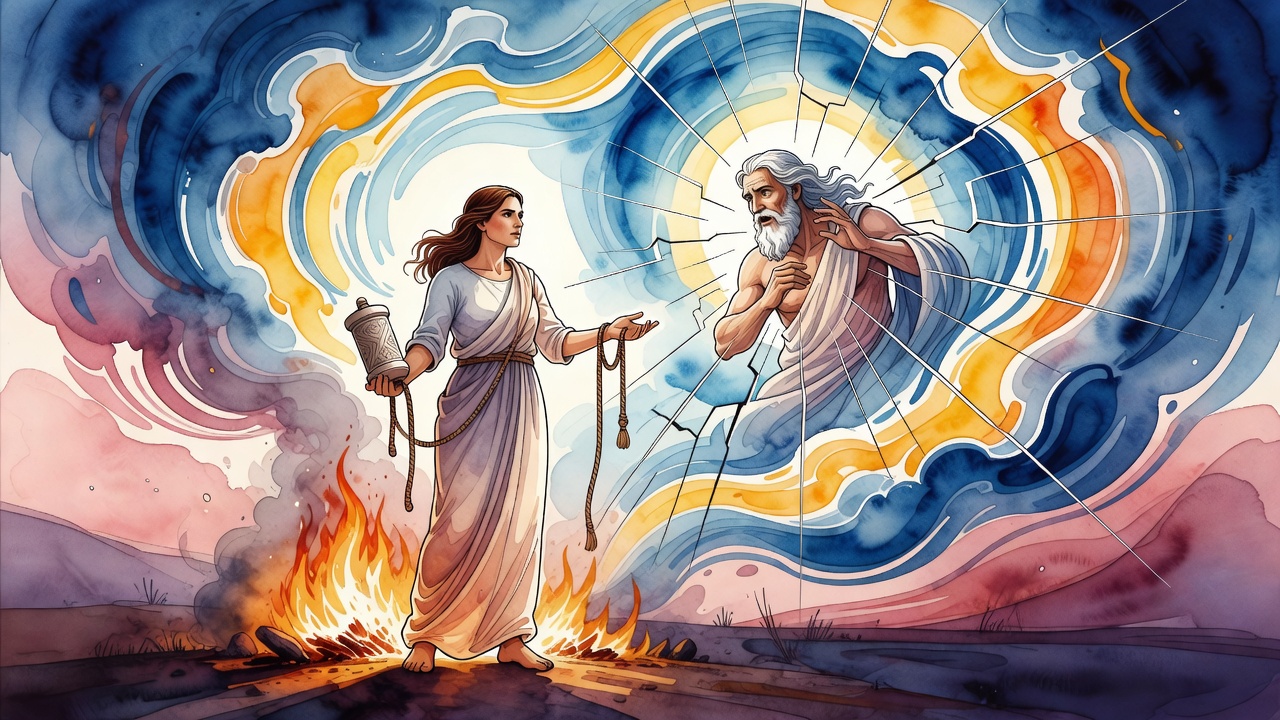
Tamar stood by the stacked wood with Judah's seal in her sleeve. She sent it privately. She did not shout his name into the fire.
Agag was still breathing when the voice came down. Do not be more righteous than your Creator. Years later the same mouth ordered priests killed.
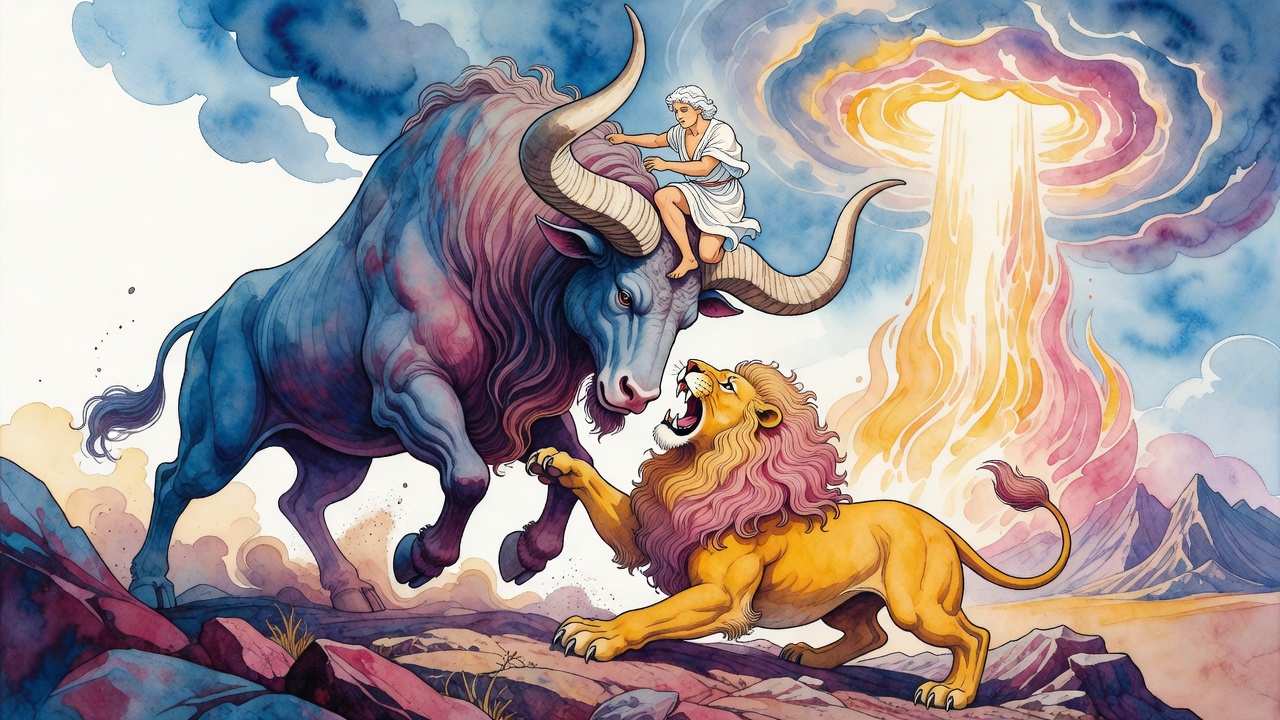
The hill had no flowers and no rocks. The tree at the top was horn. David sat at its foot to see what would happen if he stayed.
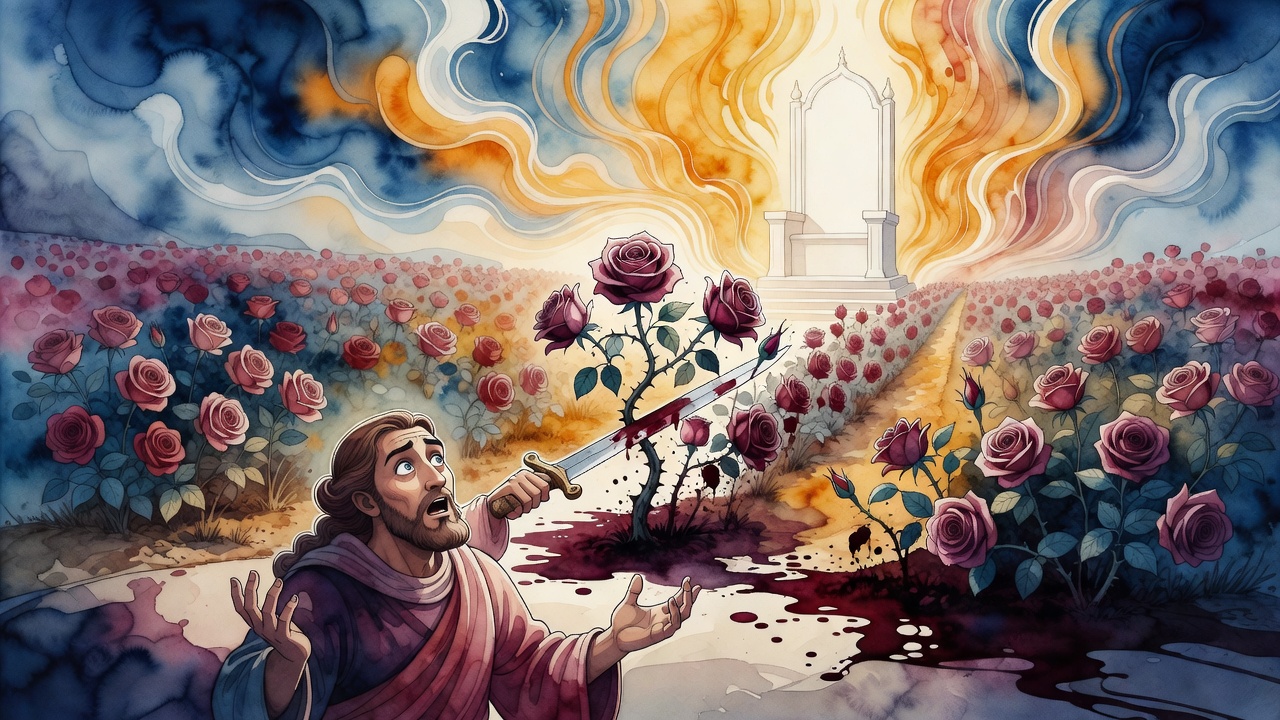
A Persian king dreamed of a rose garden soaked in innocent blood, saw one rose tree survive his blade, and woke to find the heir he could not kill.
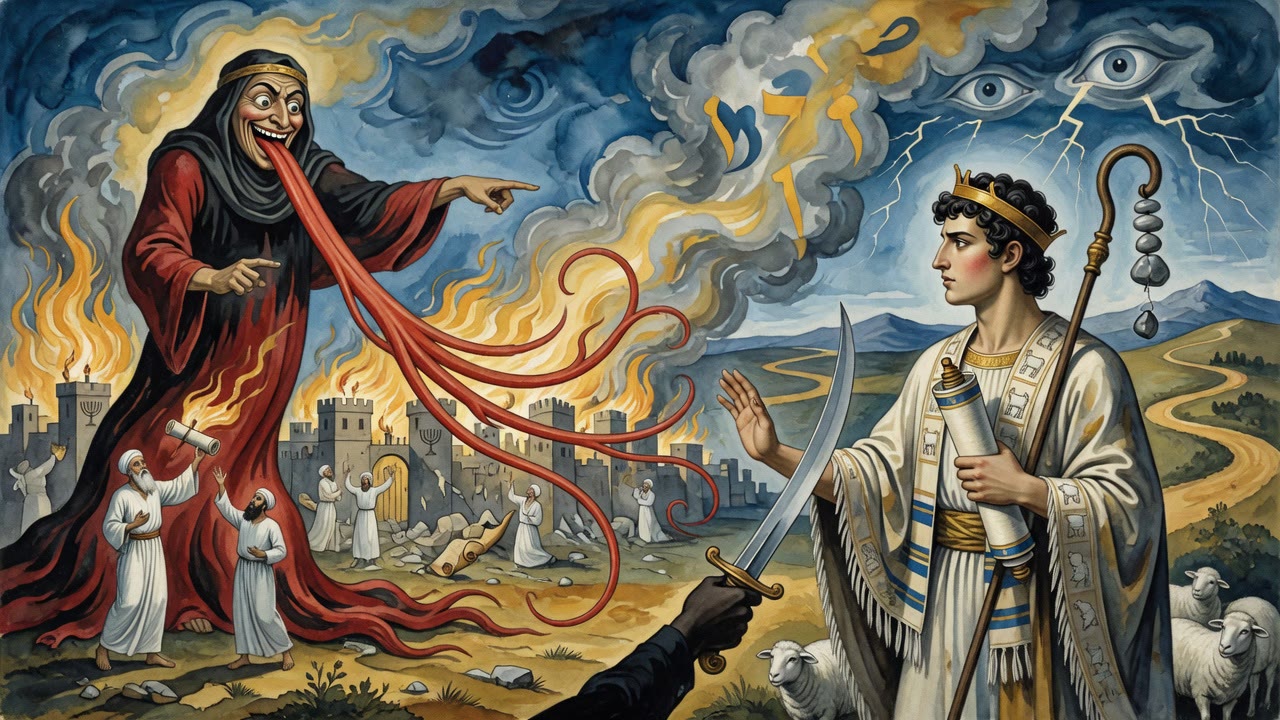
Doeg uses his tongue to destroy a city of priests, but David, trained as a shepherd, guards Torah and refuses to act in anger.
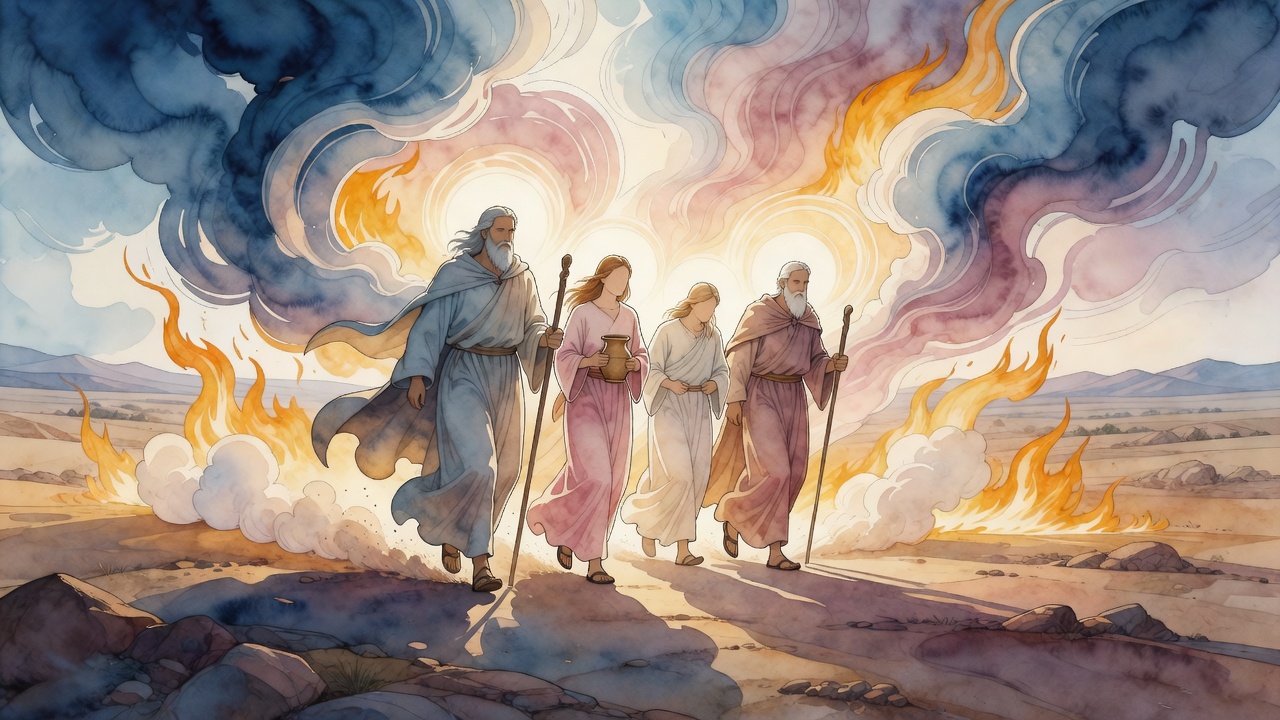
Abraham was seventy-five when he walked away from his father's house toward a land he had not seen. Isaac sowed in a famine year and reaped a hundredfold.
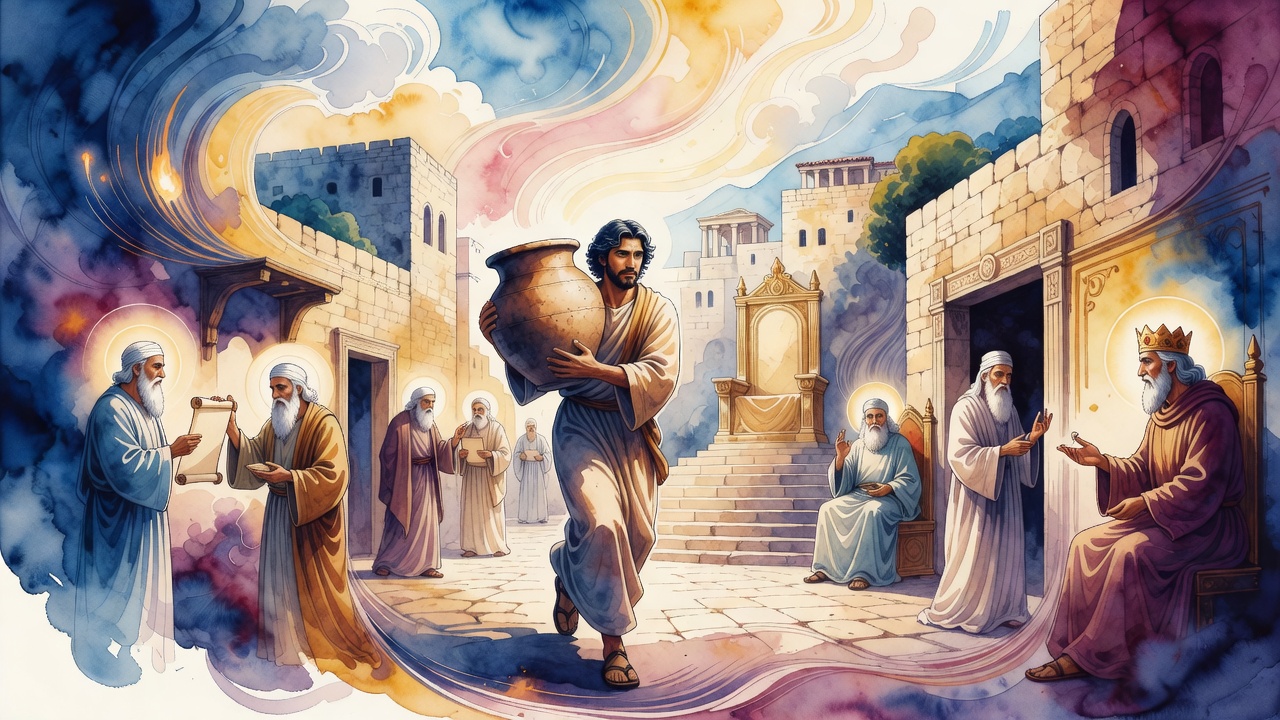
Solomon's hidden name means gatherer. He carried a clay jar through Jerusalem collecting one Torah line per sage, one trait per visit, one warning per king.
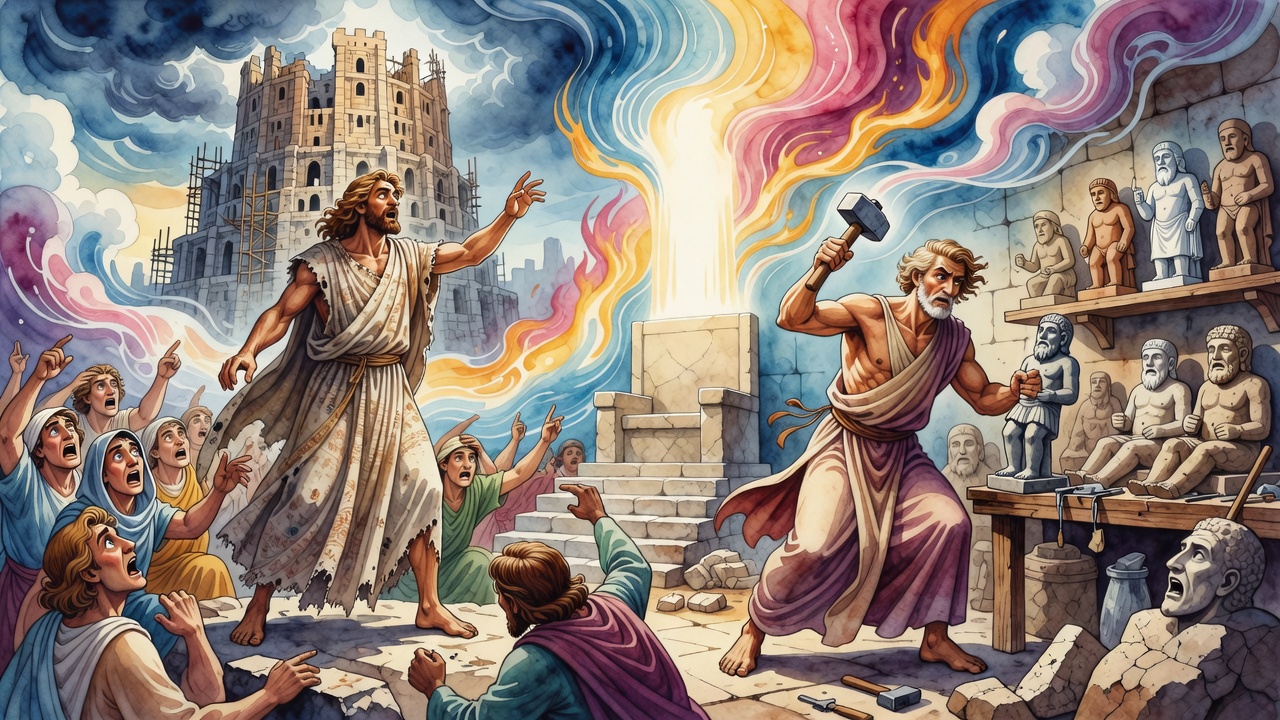
A brick fell off the tower and the whole work line sat down and wept. A man fell the same morning and nobody turned his head.
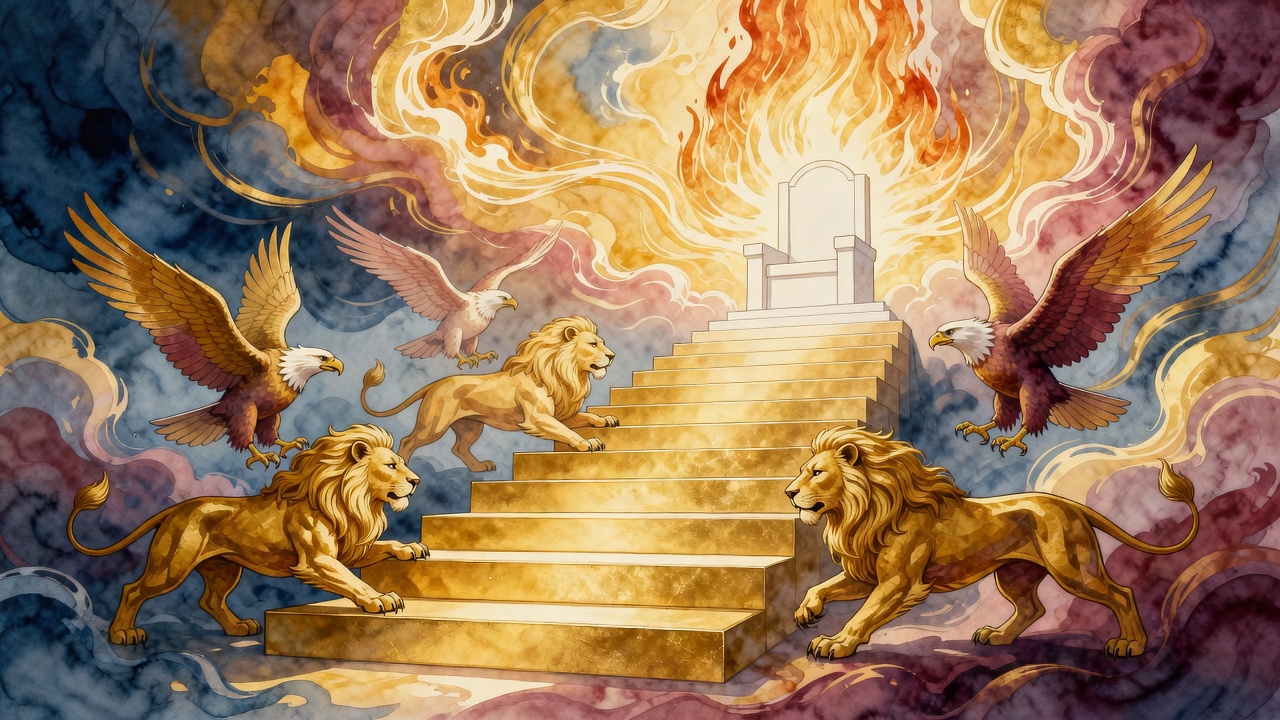
Thirty-three steps of gold, lions and eagles that moved, and six steps of justice that tested whether a king deserved to sit and judge at all.
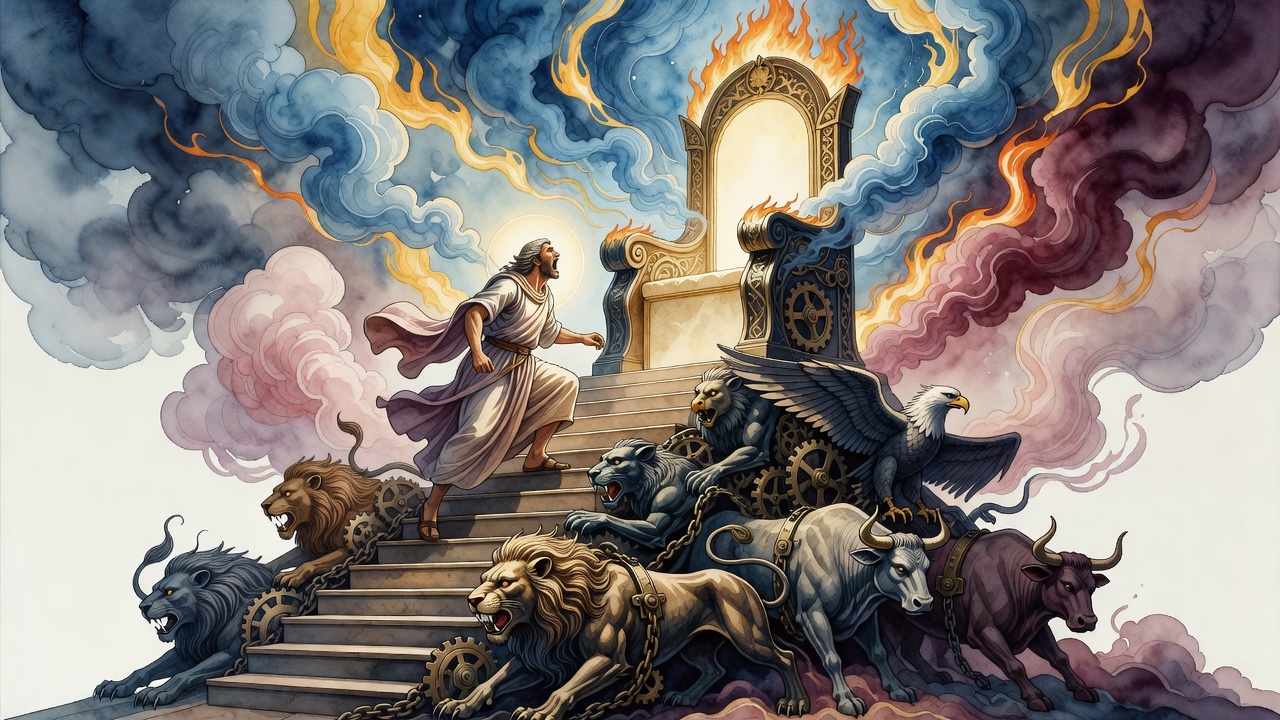
Solomon's golden throne was a machine of restrained beasts, and a herald cried a forbidden law at every step he climbed toward judgment.
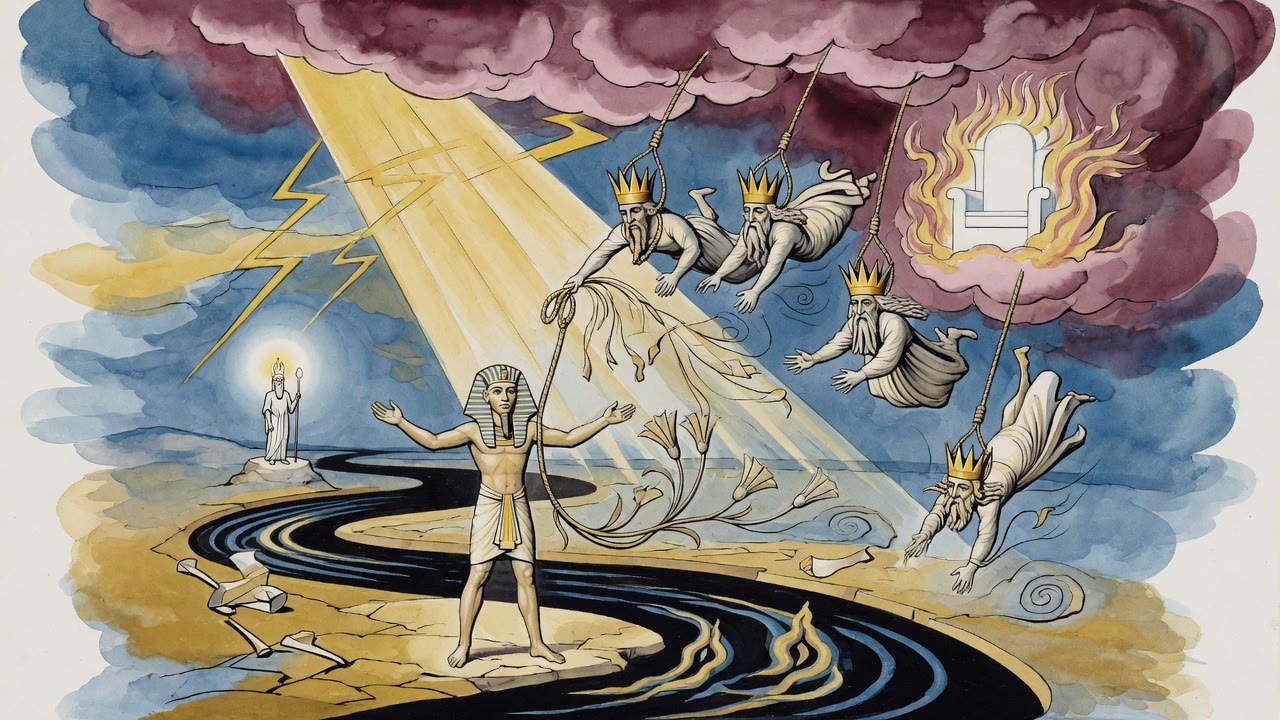
Nebuchadnezzar wanted the heights of the clouds. He got grass. His hair matted, his nails curled into claws, and the beasts bit him as one of their own.
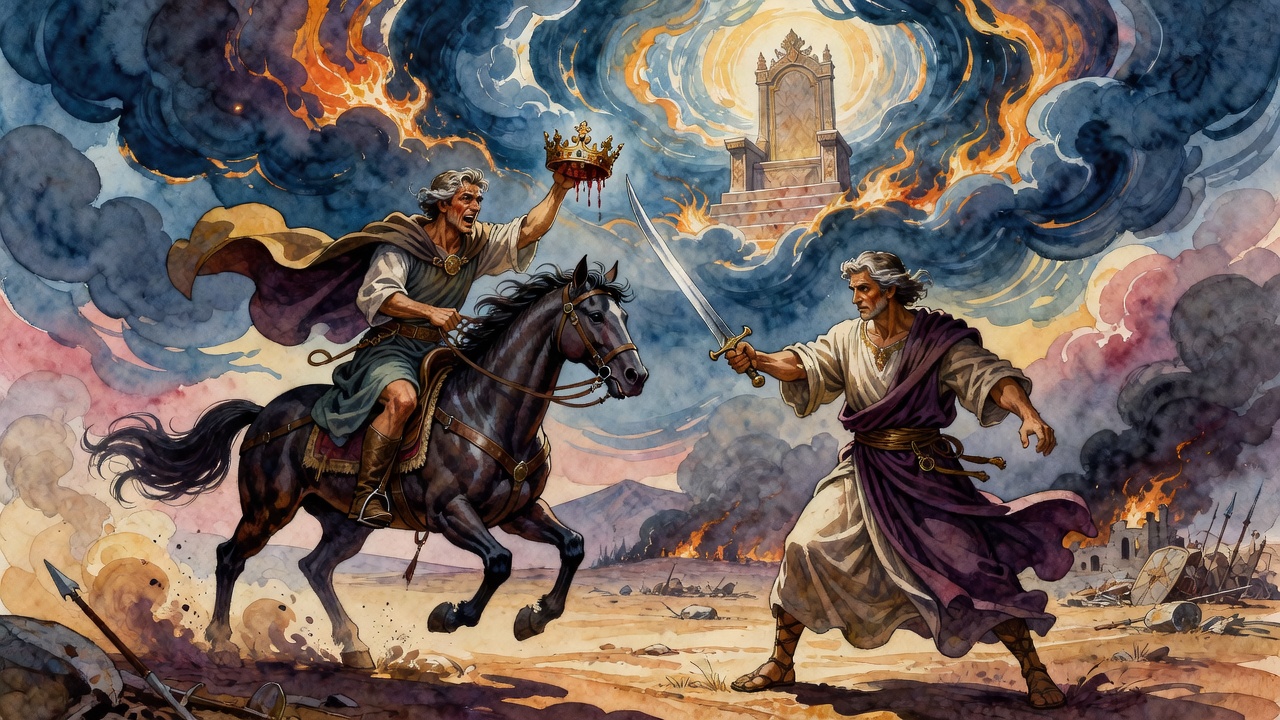
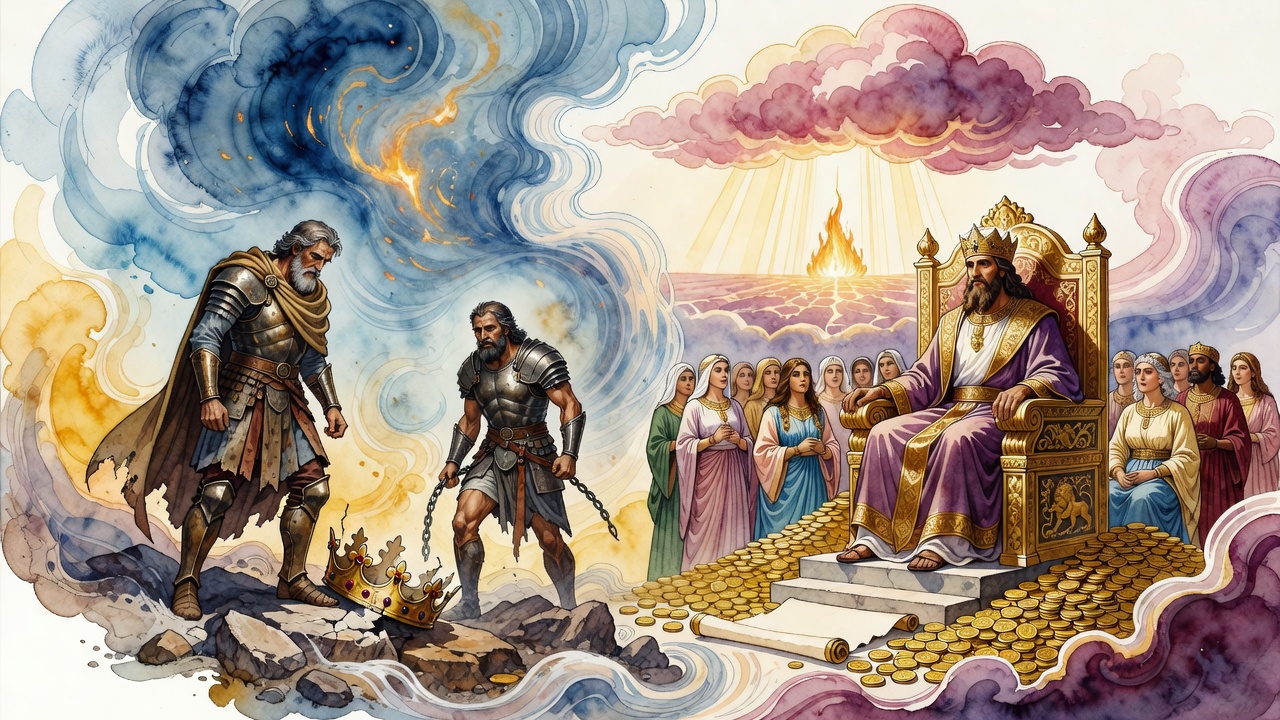
An Amalekite rode into Ziklag with Saul's crown, expecting a reward for finishing the wounded king. David had him cut down where he knelt.
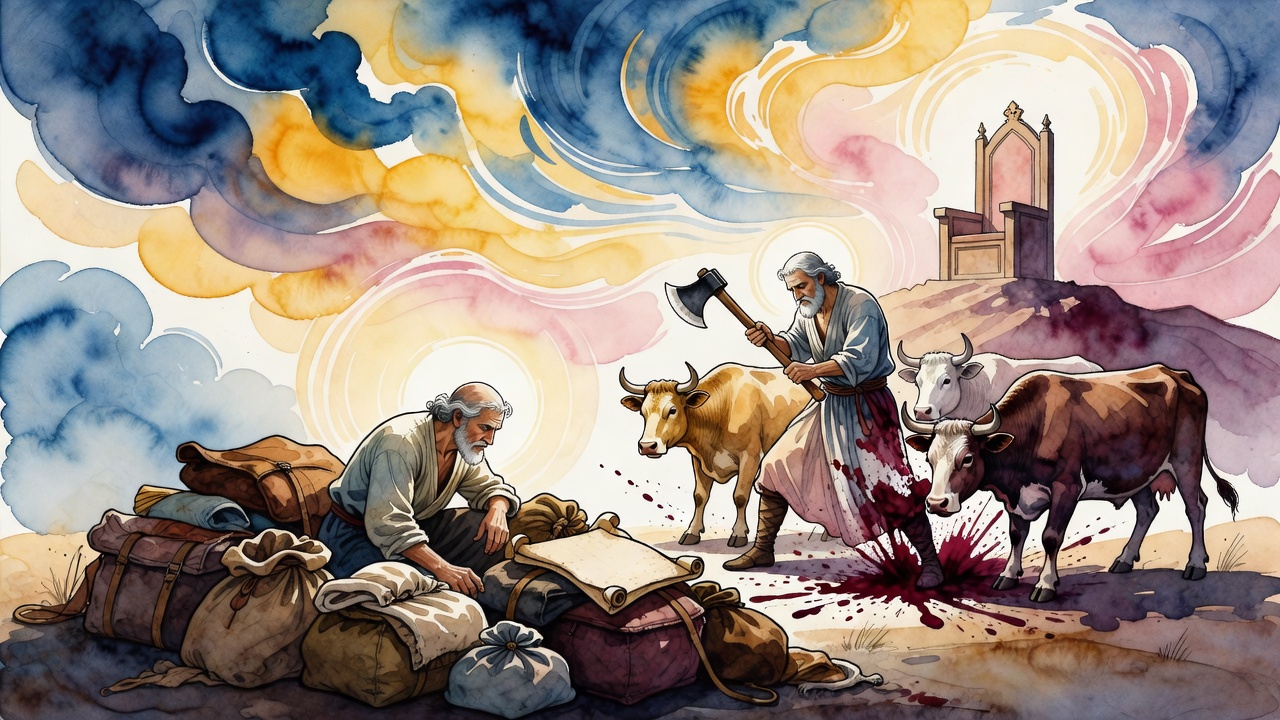
Samuel could not eat the night the elders demanded a king. God told him they were rejecting heaven, not the old judge at Ramah.
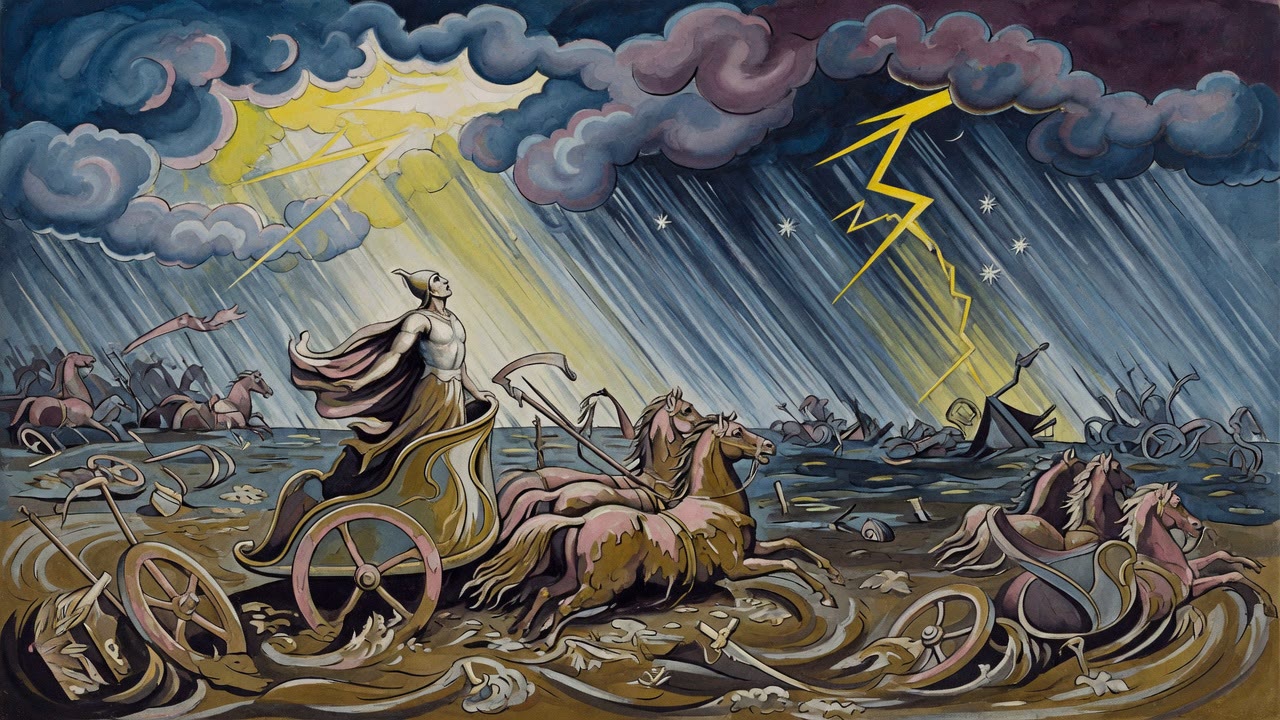
Solomon multiplied wives, horses, and gold against the king's law. Heaven sent an angel wearing his face, and the real king ate grits.
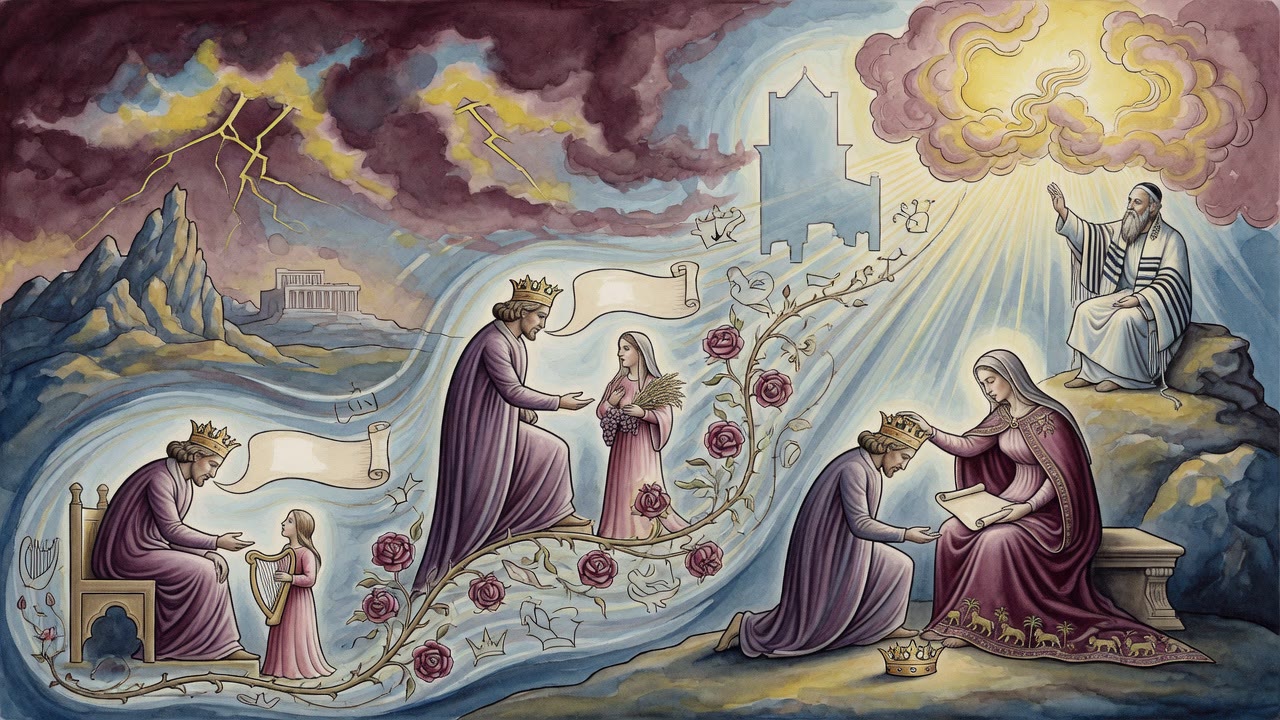
The army leaked into the hills on the seventh day. Saul put fire on the altar where no king belonged, and Samuel walked in on the smoke.
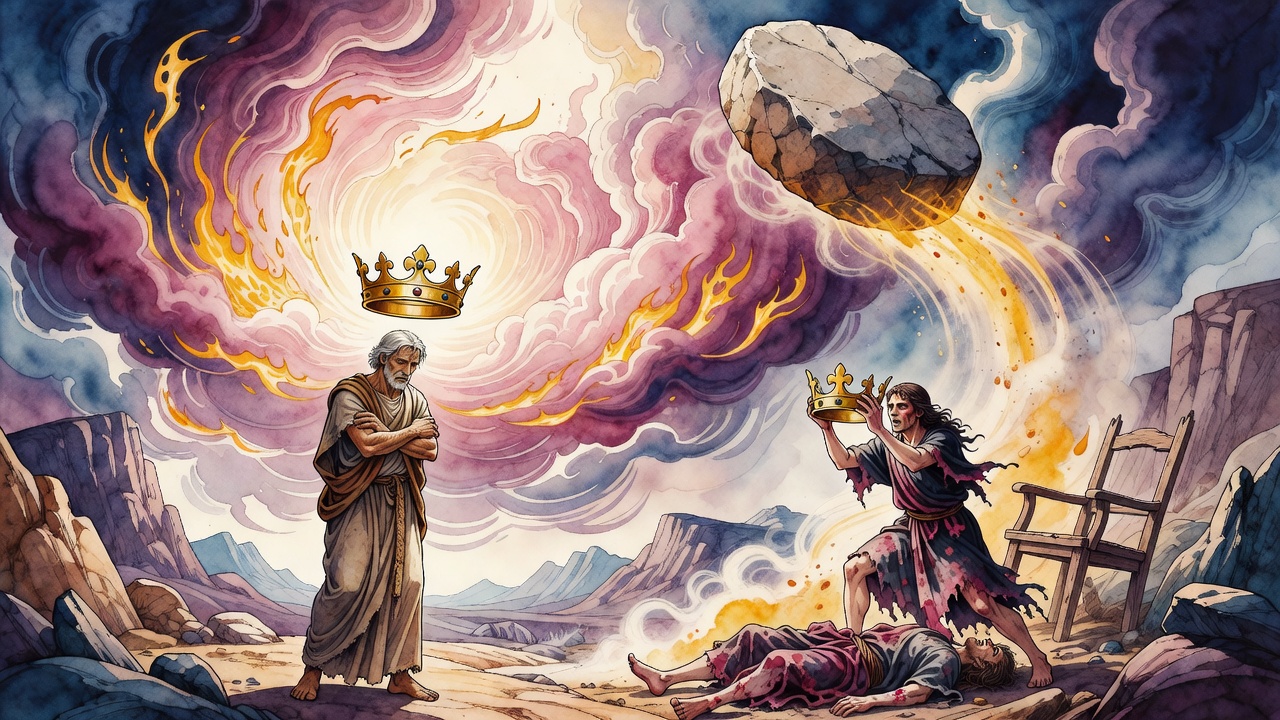
They offered him a dynasty after Midian broke. He said no three times. A son of a Shechem concubine took by murder what the father would not touch.
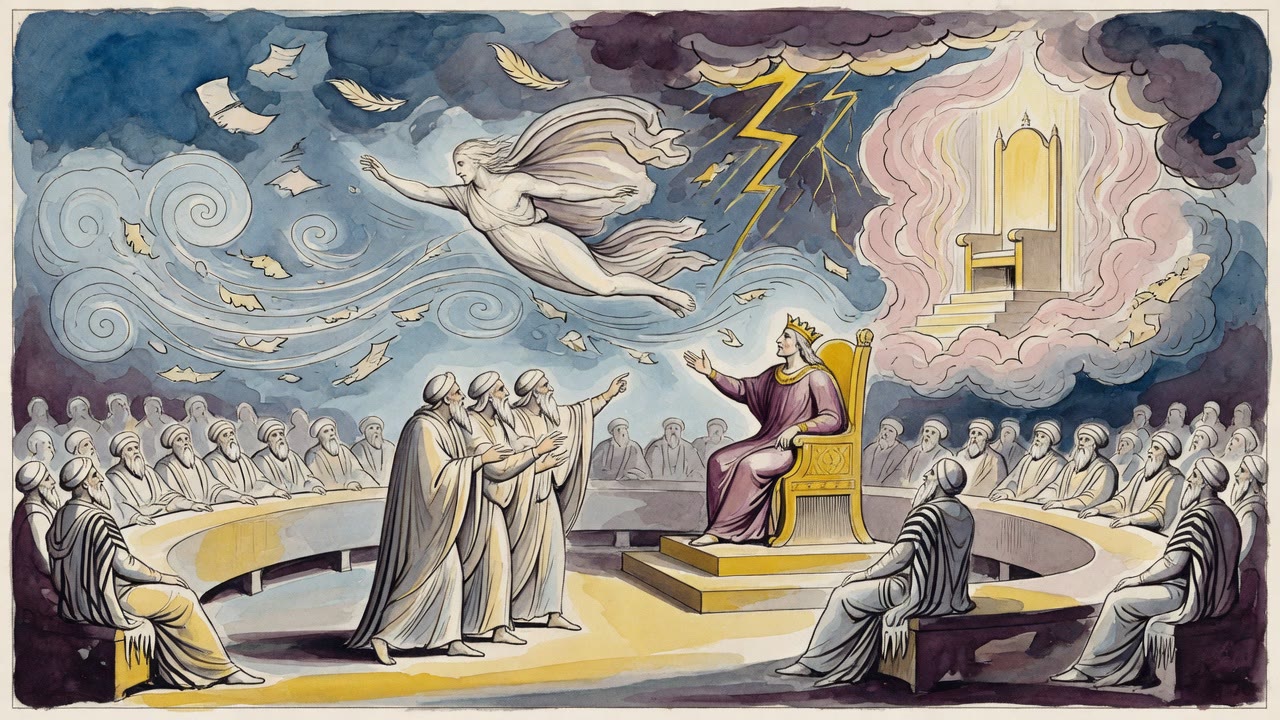
At the royal banquet Jewish elders taught the king pity for suffering men, sober rule, and that dream-flight is not real power.
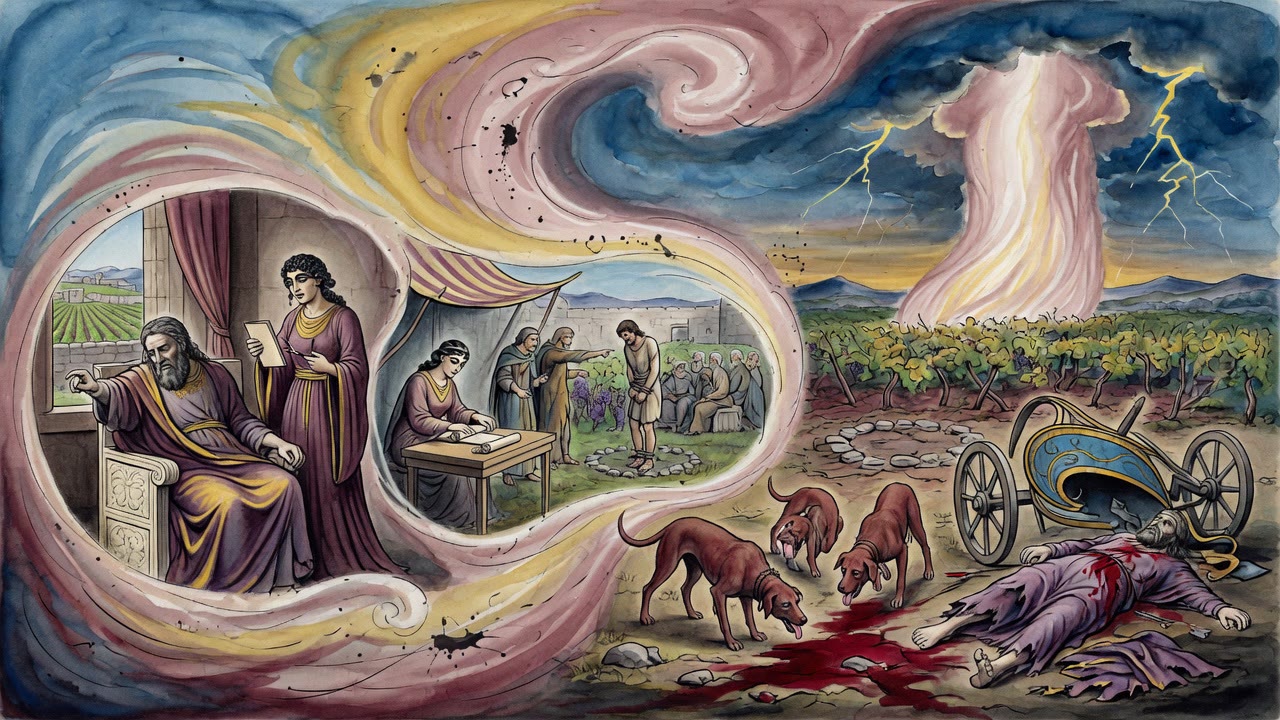
Naboth would not sell the vineyard that pressed the palace wall. Ahab turned his face to the wall and left the bread.
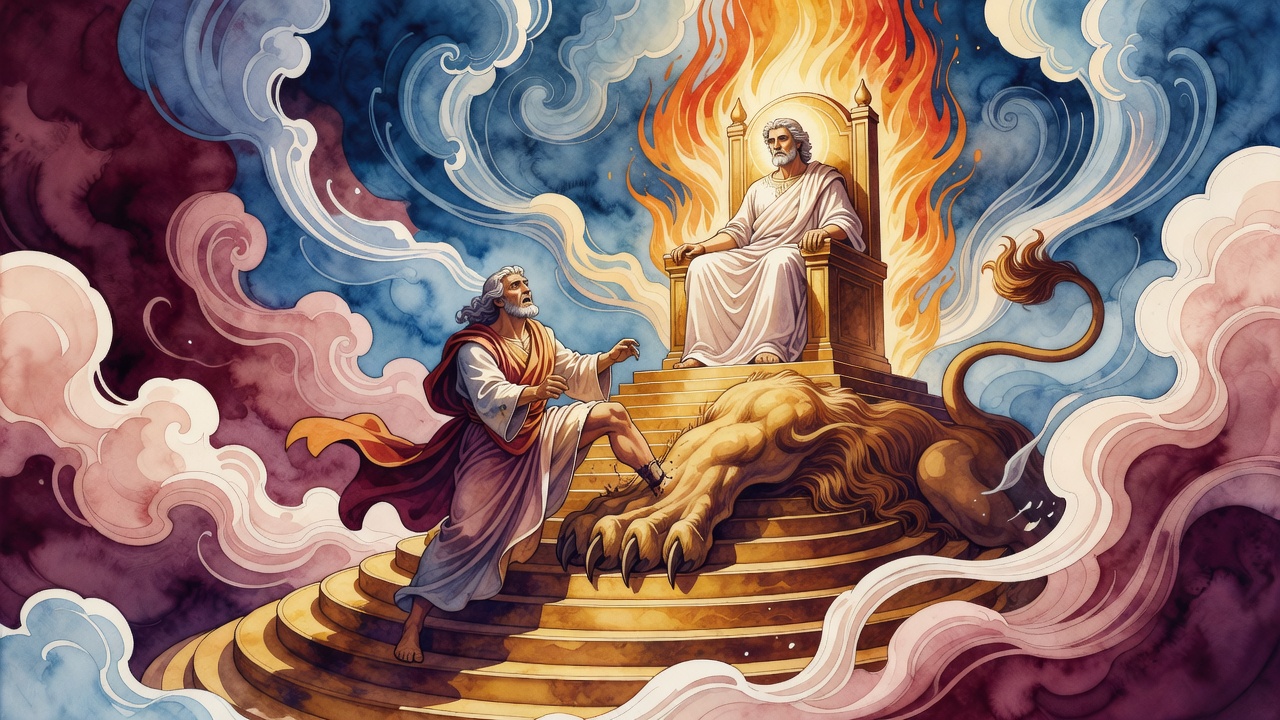
Nebuchadnezzar climbs Solomon's golden steps and a lion paw shatters his thigh. Only Cyrus sits whole on the seat that once judged beasts.
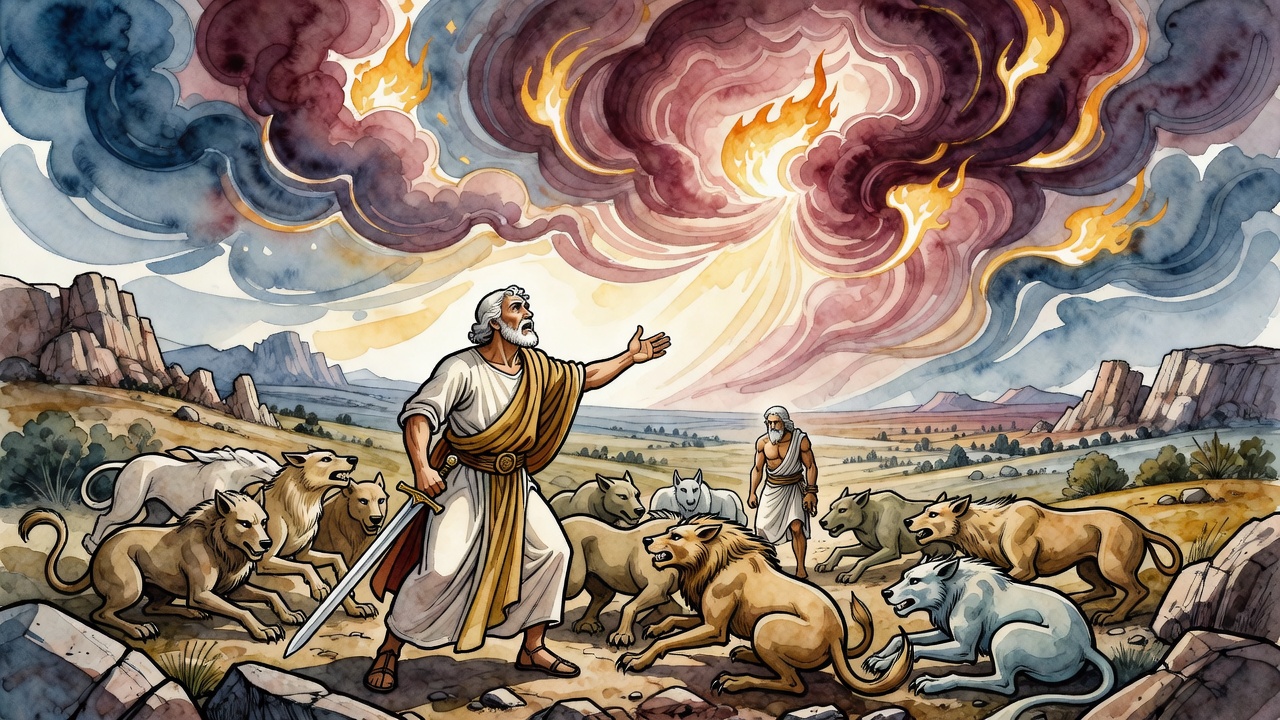
In the valley before Amalek Saul argues that beasts have not sinned. Heaven answers. He spares Agag. The sword he withheld later finds him.
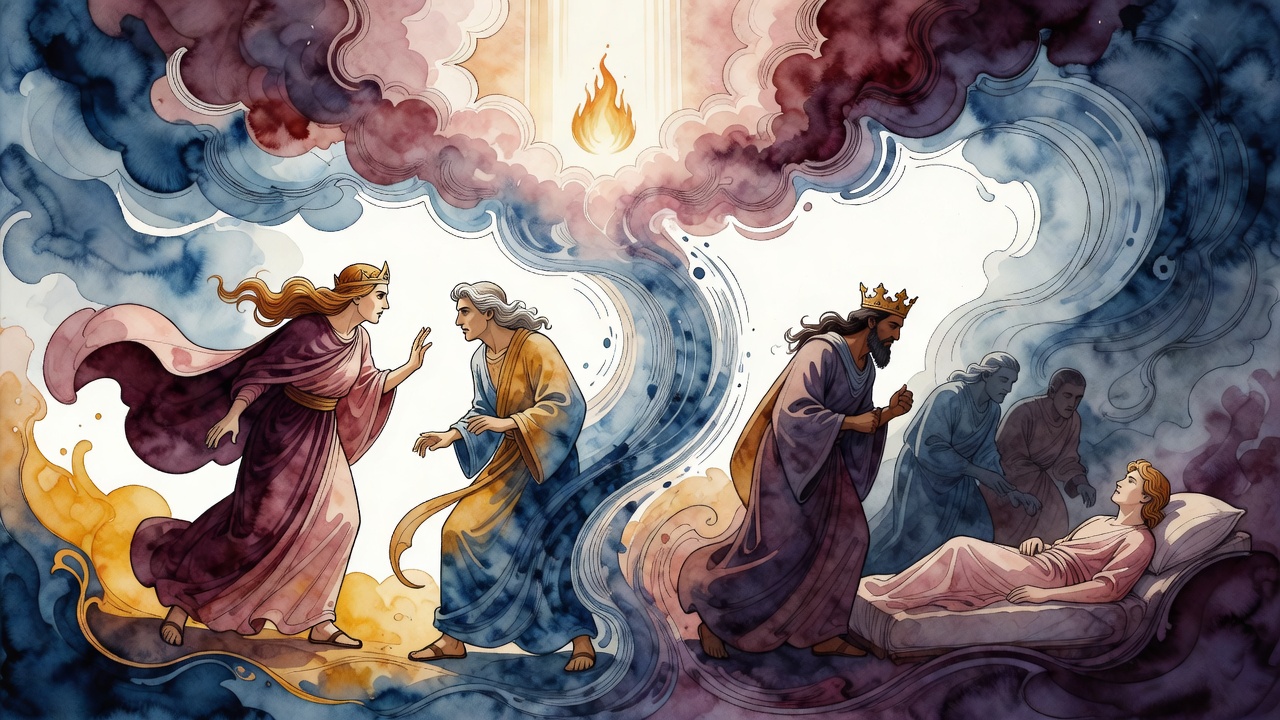
Jezebel warns Elijah of the hour she will kill him. Saul sends men to Davids bed in silence. The anointed king falls short of a cruel queens courtesy.
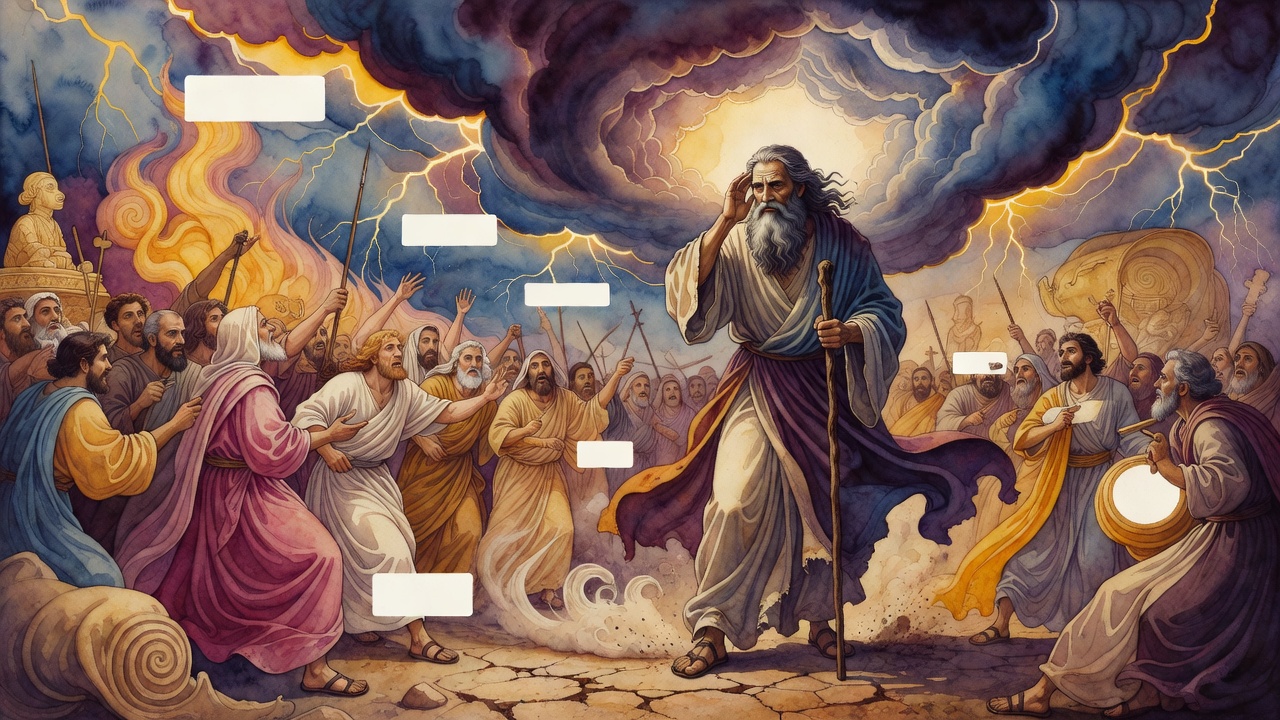
The elders wanted a man on a horse. Samuel heard other altars under the request. God told him to listen, and the oil waited for morning.
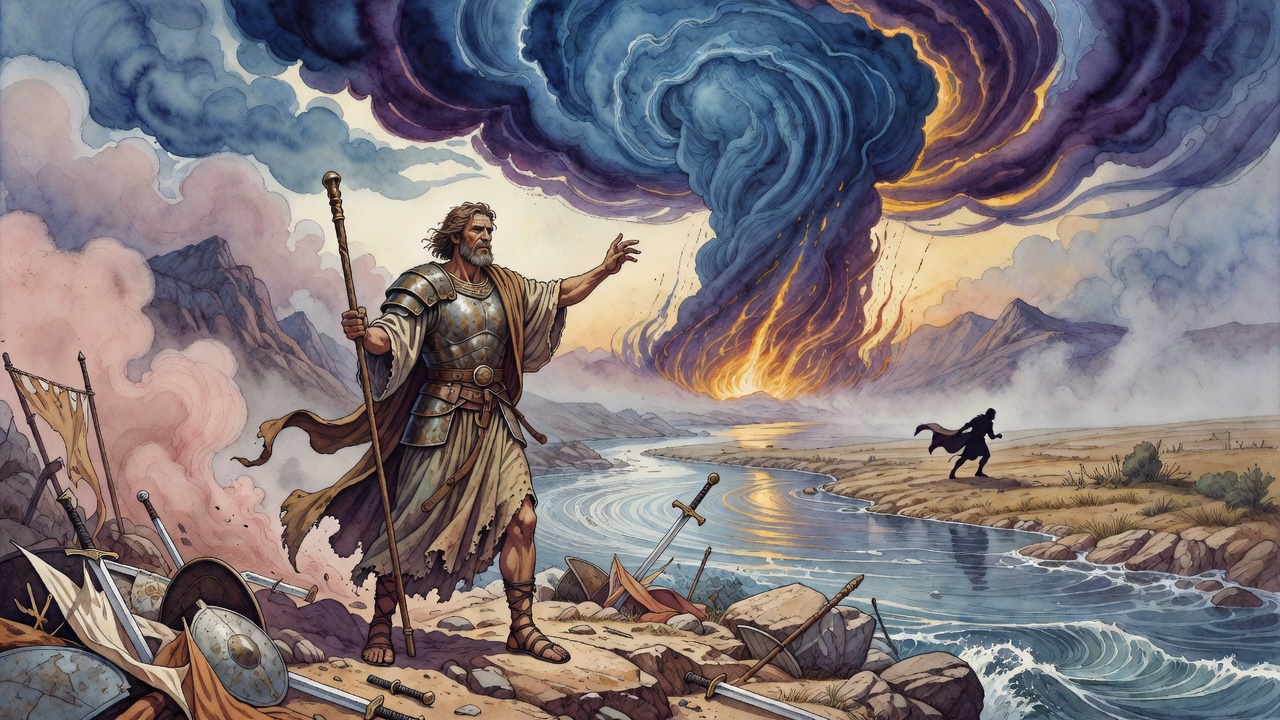
Joshua crossed the Jordan, struck thirty-one kings, and won a loyalty Moses never heard. He still died without a son, while Saul fled a crown that chased him.
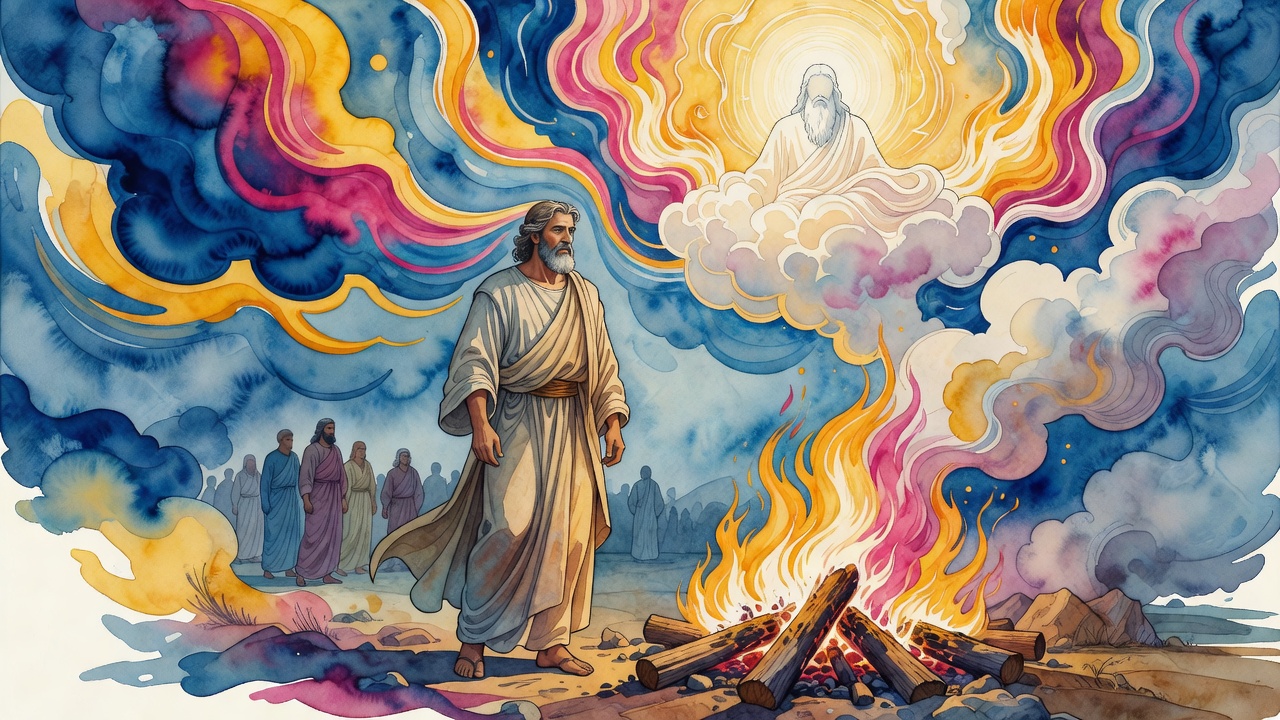
Judah left his brothers after Joseph's sale. At Tamar's pyre he said she was more righteous. That confession bought the tribe its crown and lion name.
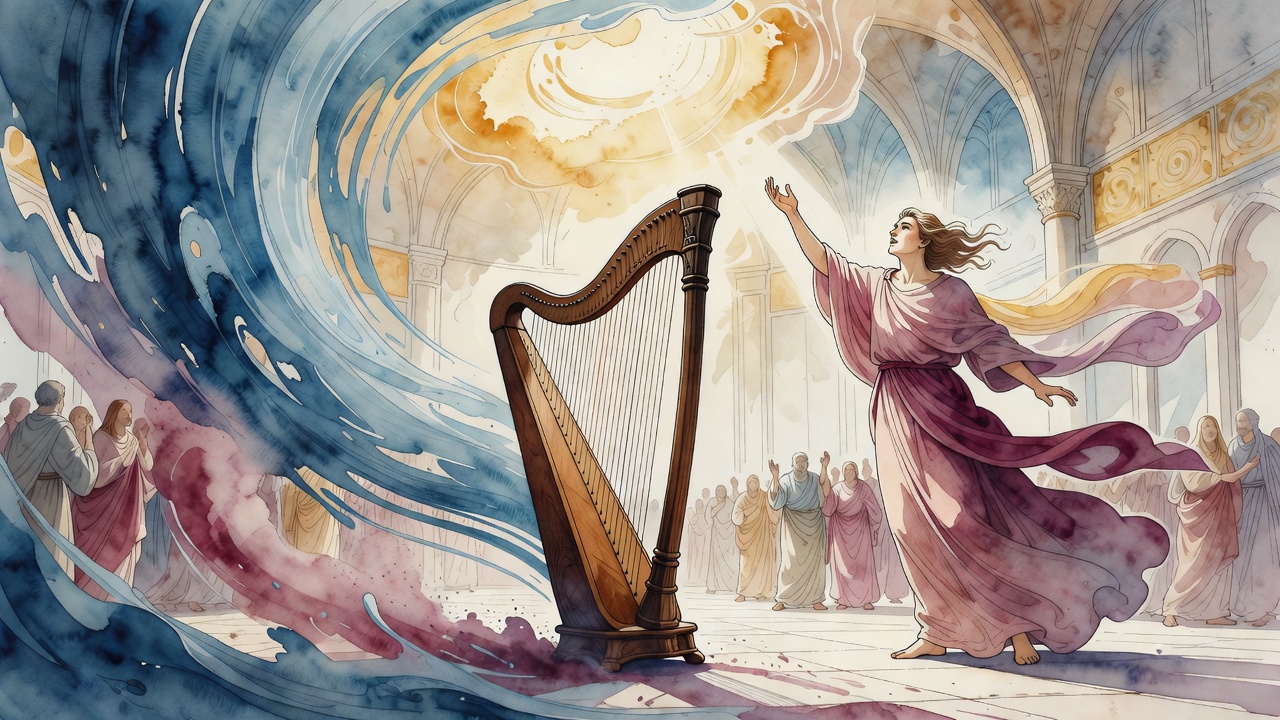
At midnight the north wind played the harp above David's bed. Ten melodies began with Ashrei, and even a frog claimed to out-sing the king.
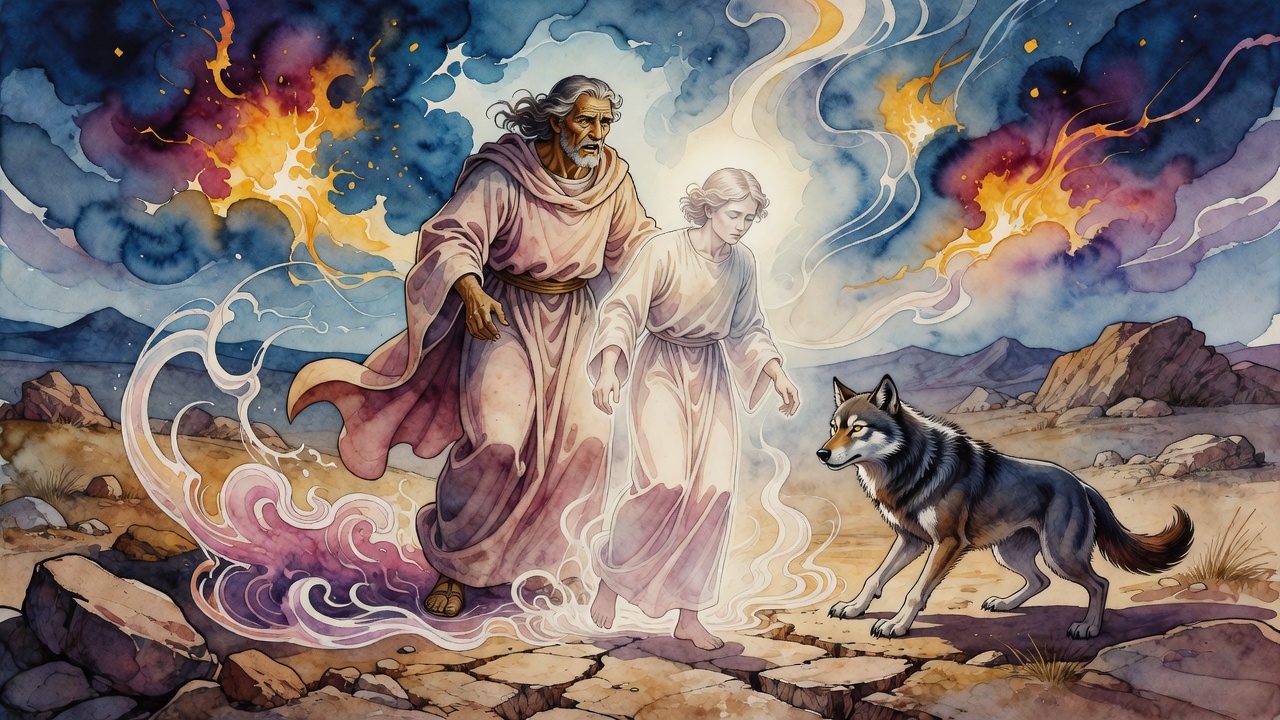
King Saul bans ghosts, then hunts one by night at En-dor. Samuel rises in his childhood robe and tells the wolf of Benjamin that morning has ended.
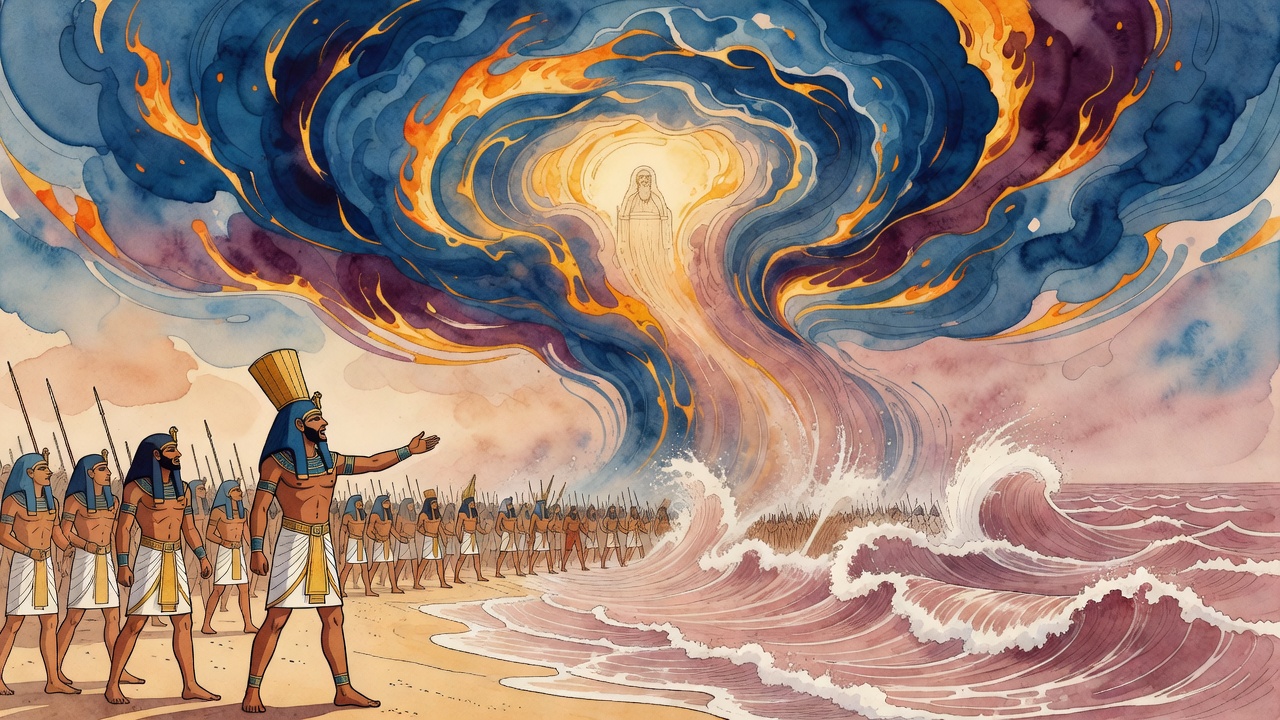
A tyrant lists what he will do to the king's son. God hears every word. At the sea a single breath of wind closes the water over his army and his boasts.
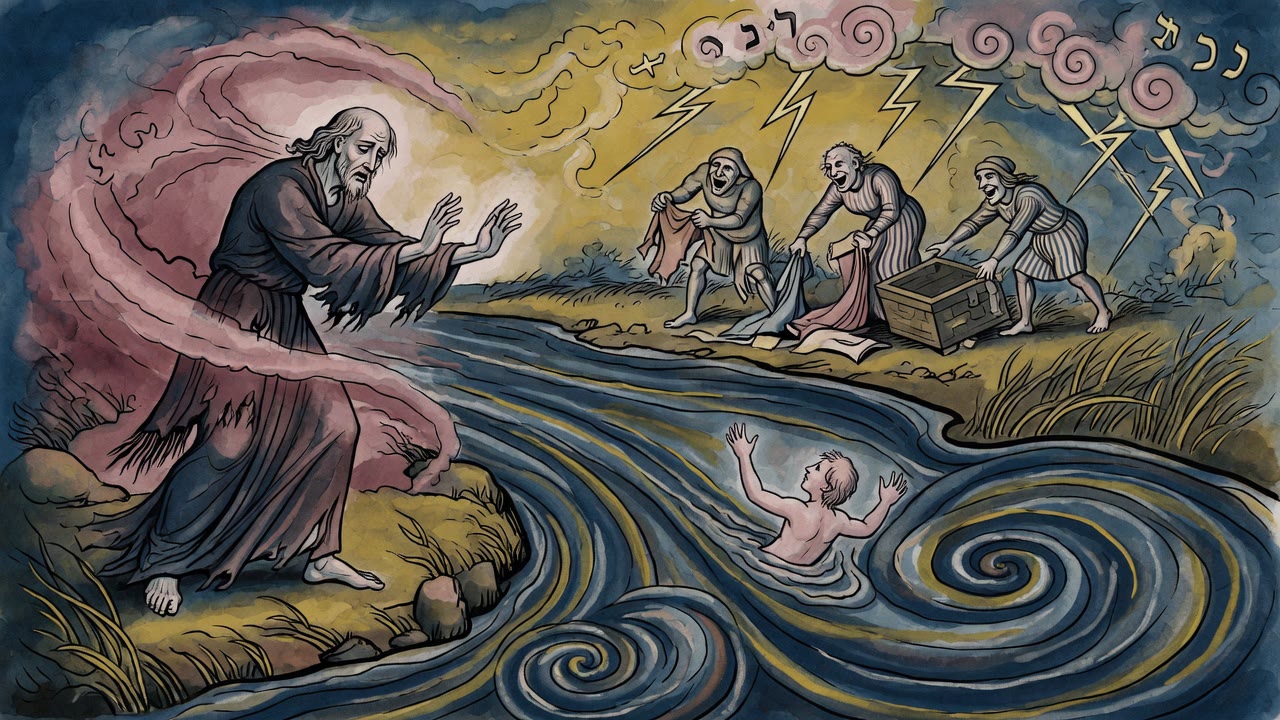
A creditor claimed a single dinar. He would not swear to it, so the prison door shut, and his wife washed linen for coin until her hands cracked.
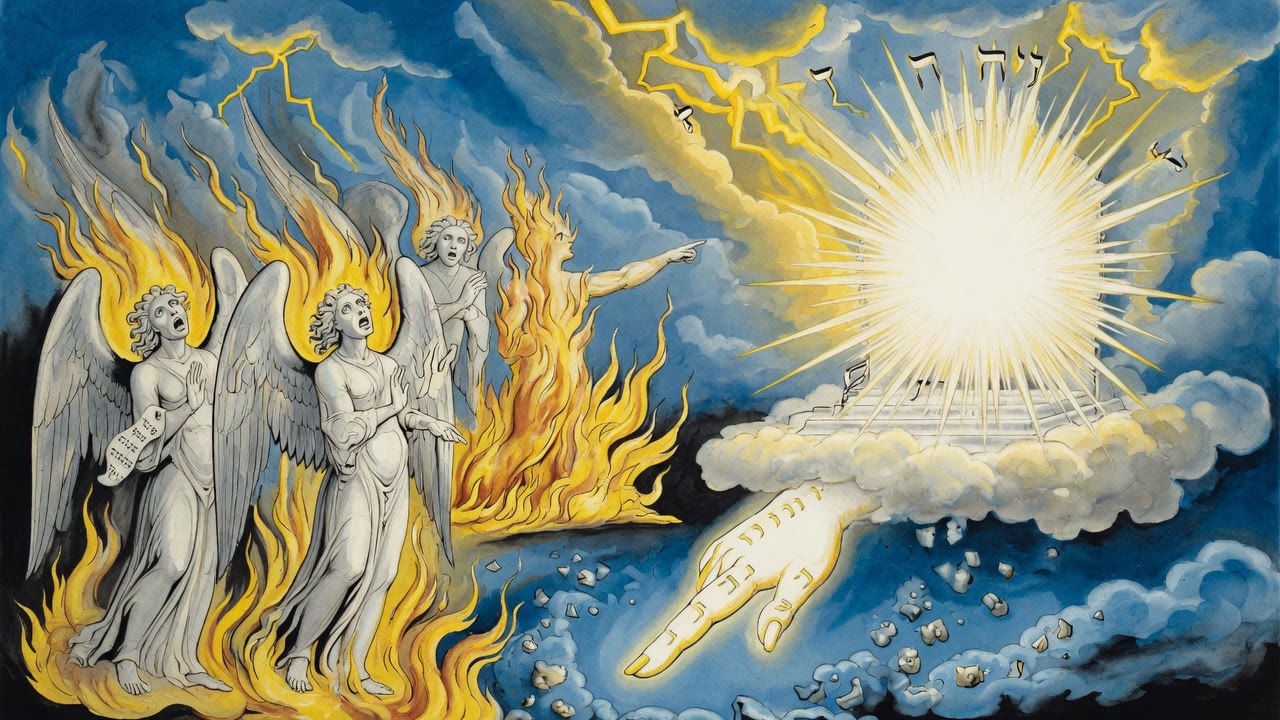
Unlike jealous kings, the King of Glory shared staff, whirlwind, throne, and even name, binding Israel to Heaven through Moses the joiner.
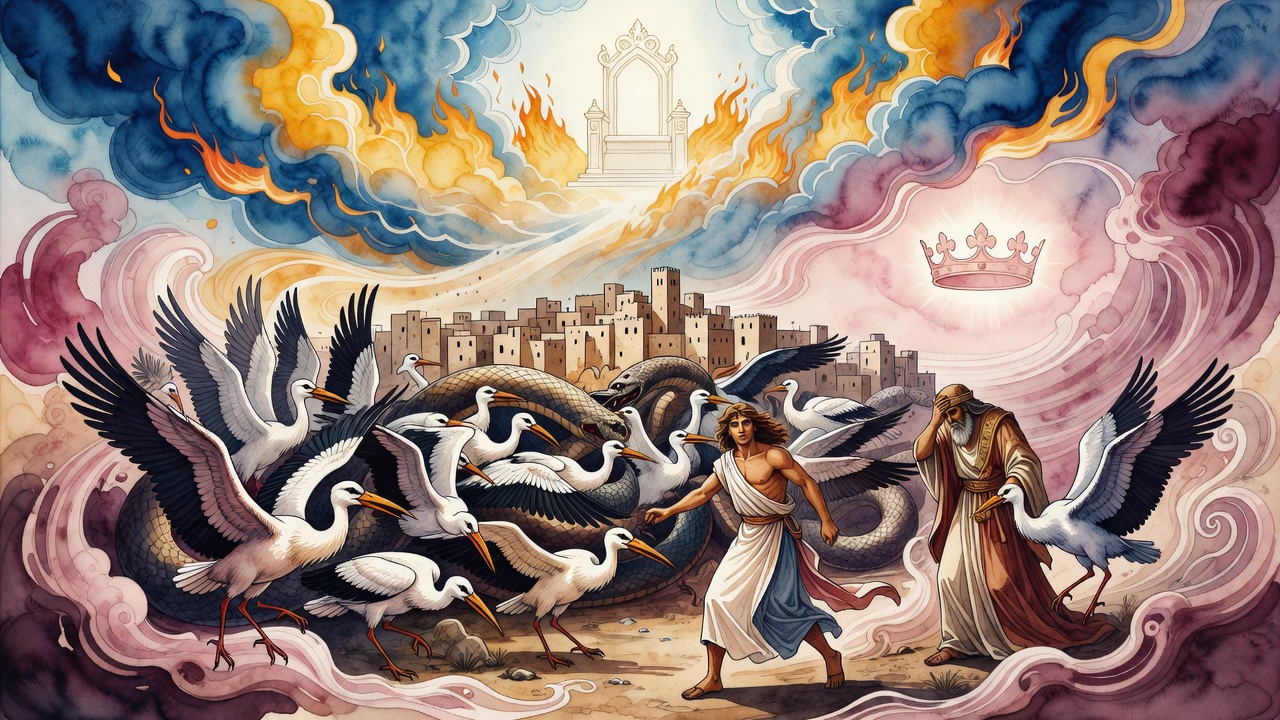
The king of Kush died in the camp. His army crowned a Hebrew of twenty-seven and asked how to take a city ringed with serpents.
