The Prophetic Spirit Left Deborah in the Middle of Her Song
Israel fasted seven days before heaven moved, and heaven did not move for their sake. Deborah won the war. Then the gift went out of her mid-verse.
Table of Contents
 Click for full size
Seven Days Without Bread on the Mount of Judah
They went up the mountain and said it out loud, all of it, in front of each other.
Not a delegation of elders confessing on the nation's behalf. The whole assembly, standing on the Mount of Judah, naming what they had done and asking for help. Then they called a fast, and the fast ran seven days, and it took in everyone: the men and the women, the old and the young, nobody excused on account of age or usefulness. Seven days of a country with nothing in its stomach and Jabin's chariots still parked in the valley.
The Reason Heaven Moved
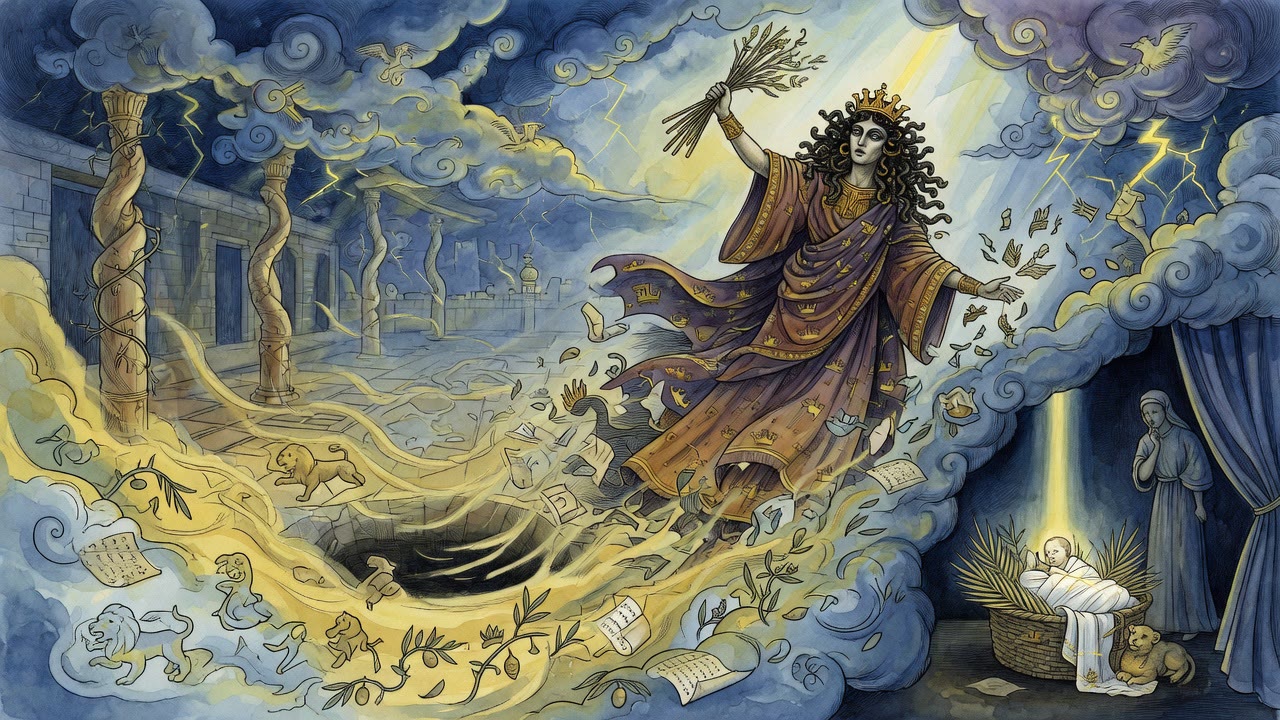
Heaven decided to save them, and the reason had nothing to do with the fast.
God had sworn an oath to Abraham and to Isaac and to Jacob that He would never abandon their seed. That oath was still standing, and it was the whole of the argument. Not their repentance, not their hunger, not the week of confession on the mountain. A promise made to three dead men held the door open for the living ones, and the living ones never knew the difference.
So He sent them Deborah.
The Woman Who Made the General Come to Her
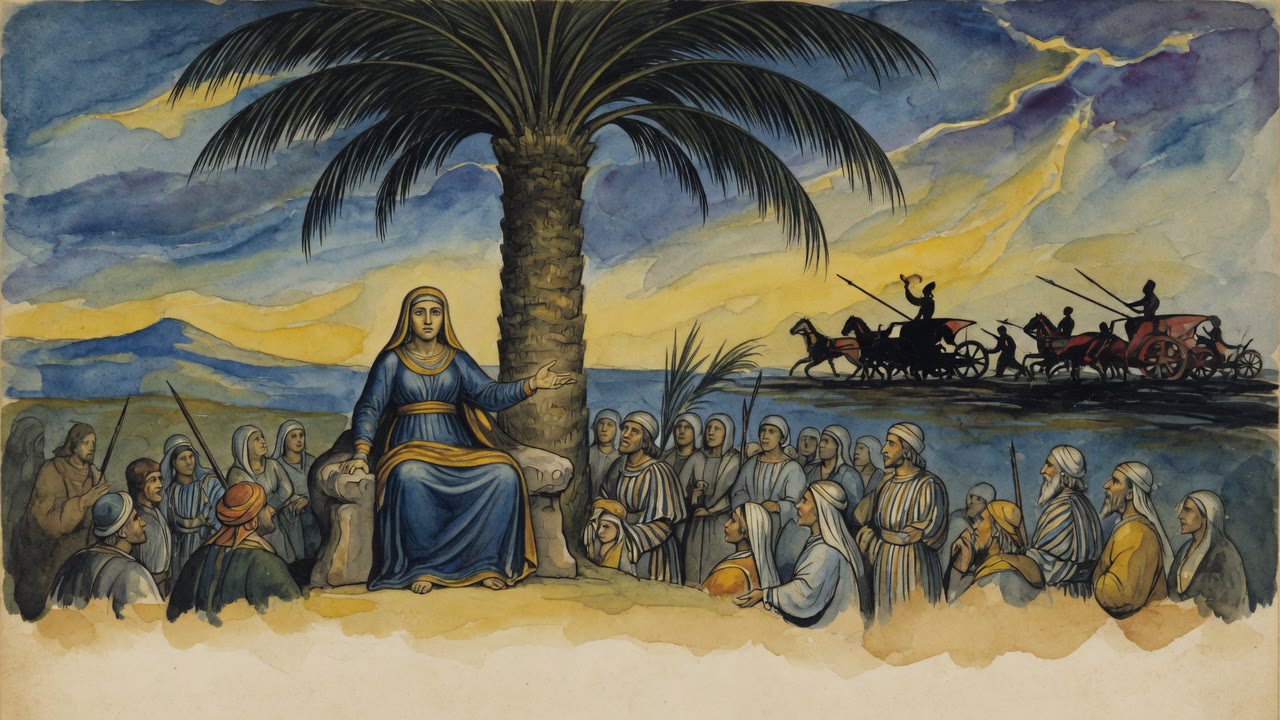
She held court outdoors, under a palm between Ramah and Beth-el, because it was not thought fitting for men to walk into a woman's house to have their disputes settled. So she sat in the open where anyone could see who came and who went, and Israel brought its quarrels up the road to her, and she judged them, and they took her rulings.
When the time came to move against Sisera, she did not go down to Barak.
She sent for him.
He came, and he stood in front of the palm tree with everyone watching, and she told him to take ten thousand men to Mount Tabor. He said he would go if she went with him and would not go otherwise. She went. Heaven noted the summons and kept it.
The Water Took What the Swords Did Not
Sisera brought nine hundred iron chariots down onto the plain and Israel had none, and the men who came off Tabor came down on foot.
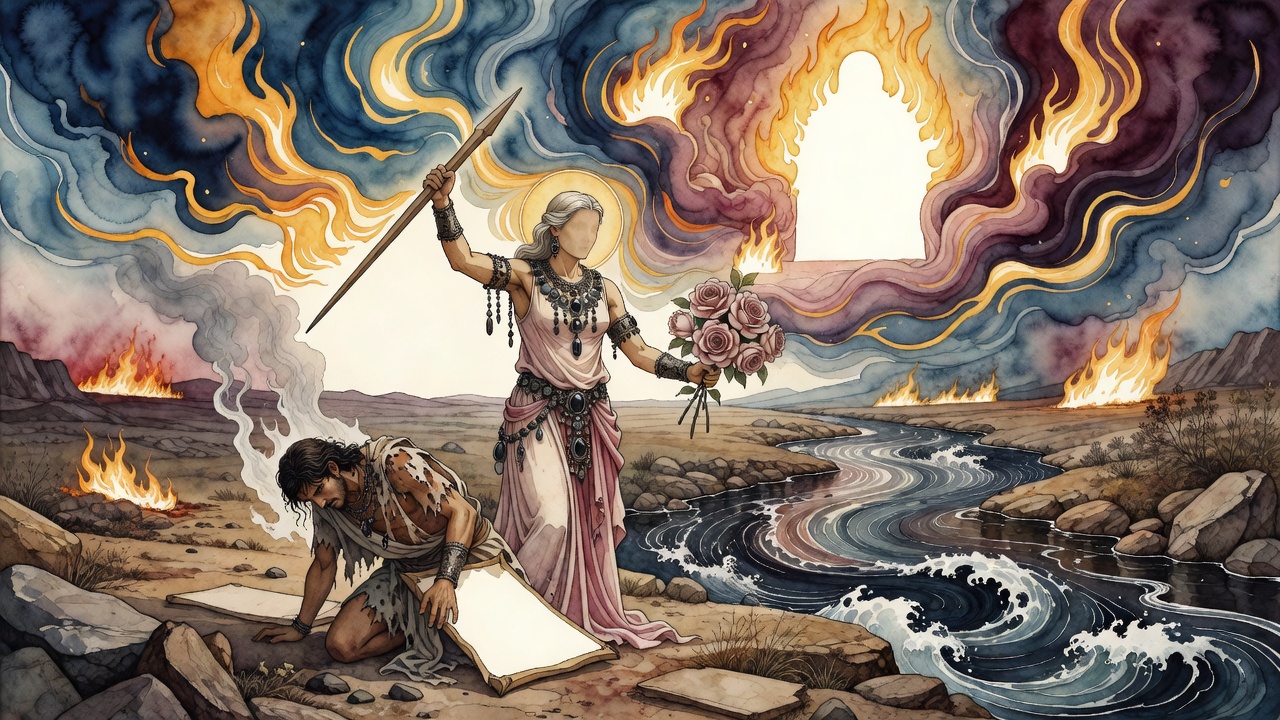
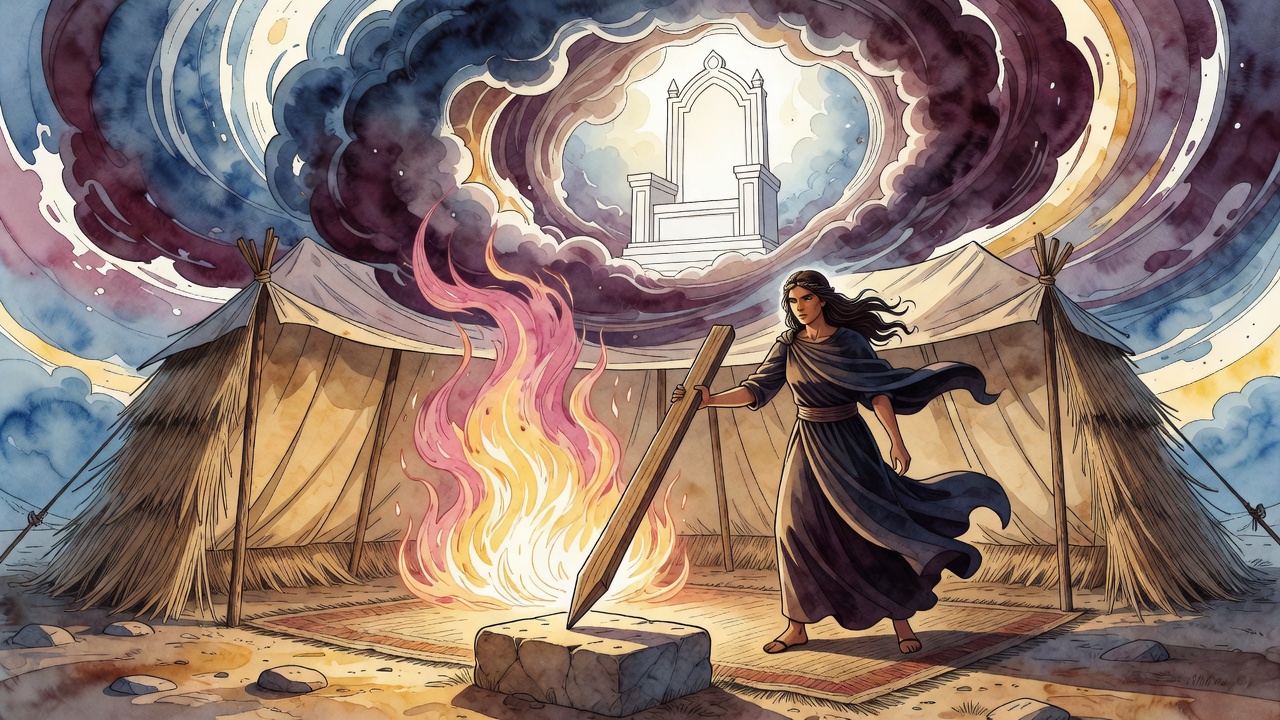
Then the sky opened on the Canaanites. Fire came out of heaven against them and drove them off the plain toward the only cool thing in the landscape, and the Kishon rose while they were still in it. The river carried away what the swords had not finished. Sisera got clear of the water on foot and ran until he found a tent that looked friendly, and he lay down in it, and a woman drove a peg through his head while he slept.
By evening it was finished. Deborah stood in the middle of a victory that nobody had thought possible three months earlier.
The Verse Where the Gift Went Out
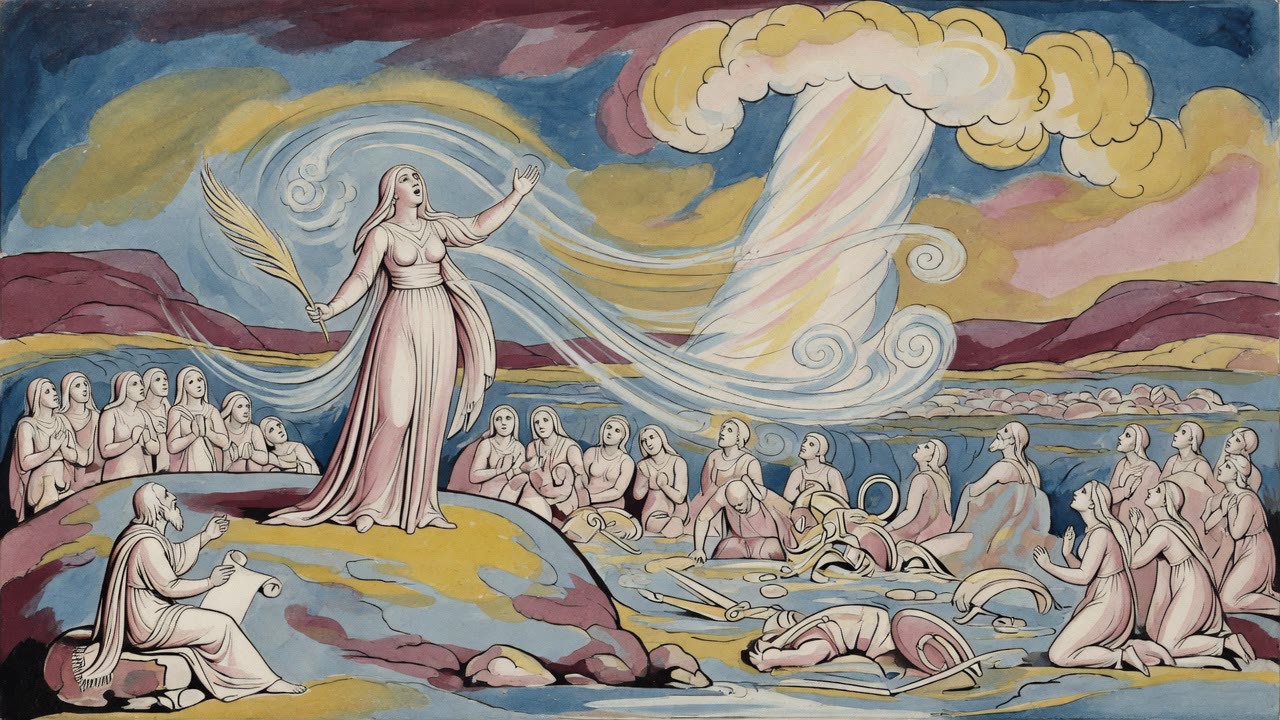
She began to make the song that afternoon, on the field, with the chariots still lying where the water had left them.
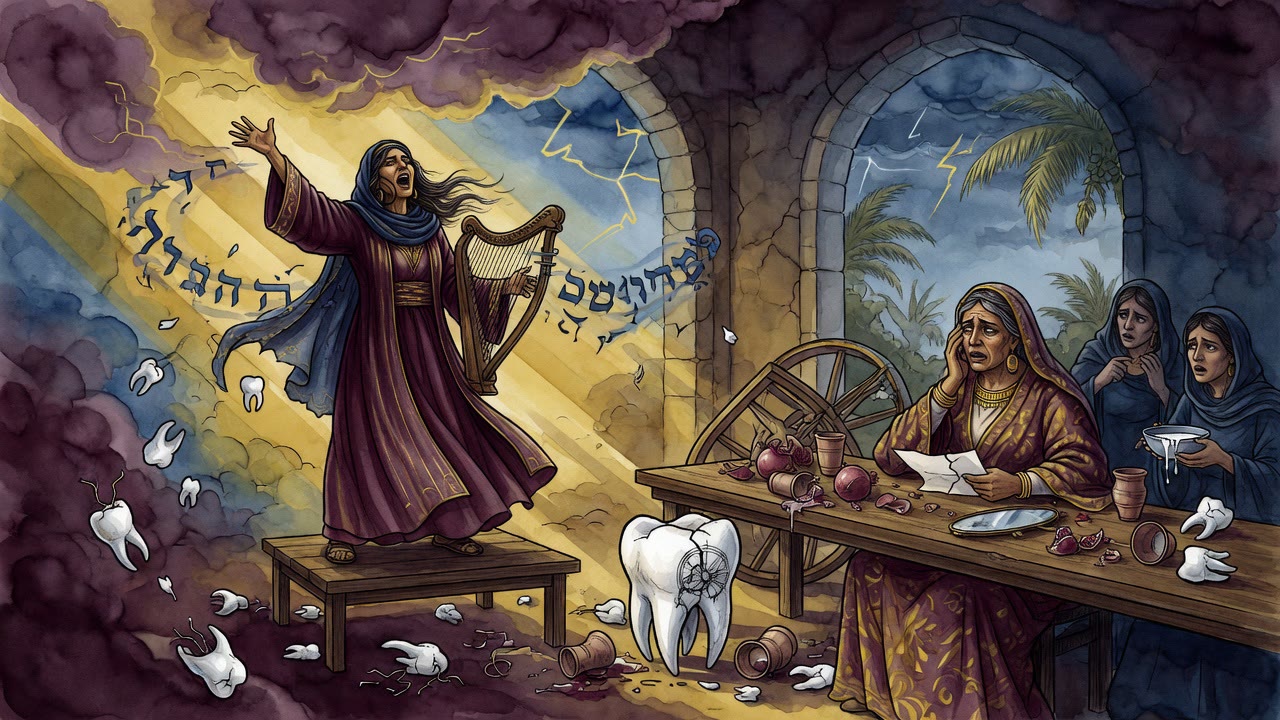
She sang the mountains melting and the stars fighting from their courses and the mother of Sisera at her window counting the hours until a chariot that was never coming. It is some of the oldest Hebrew anyone has. And somewhere in the middle of composing it she began to sing about Deborah.
Not much. A line here, a placement there, herself a little nearer the center of the account than the account strictly required. She had earned it twice over and no one on that field would have grudged it to her.
The prophetic spirit went out of her anyway.
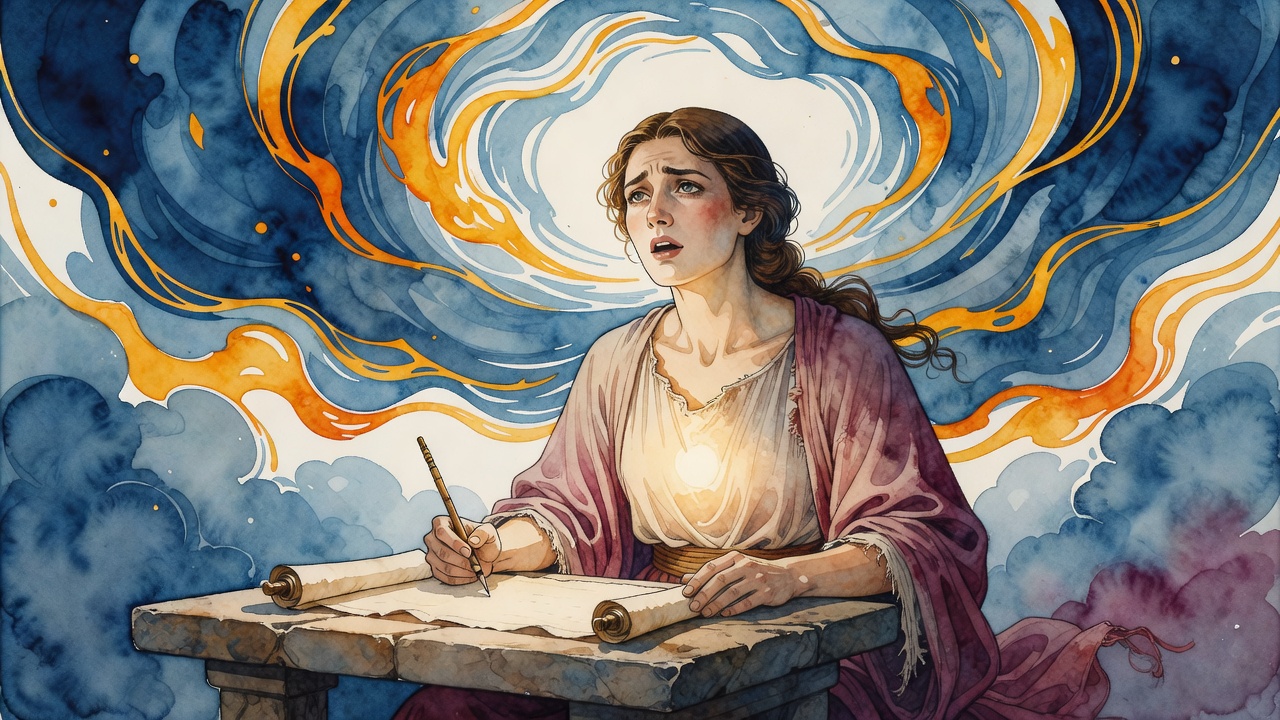
It left in the middle of the work, without warning and without explanation, and she went on singing. She finished the song. Every word of it survived and Israel sang it for centuries and it stands in the Book of Judges where anyone can read it. She just finished it in her own voice, alone, the way any gifted woman finishes anything, and the thing that had been standing behind her since the day she was sent came back only after the last line was out of her mouth.
← All myths