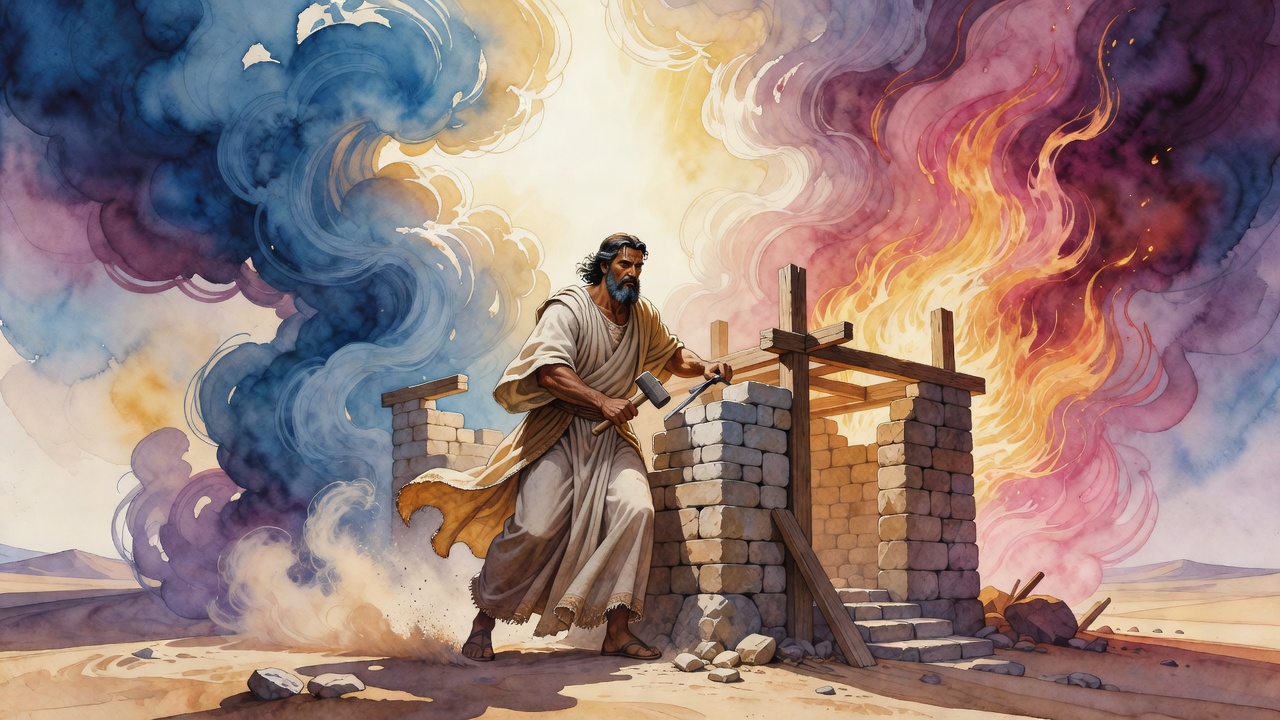
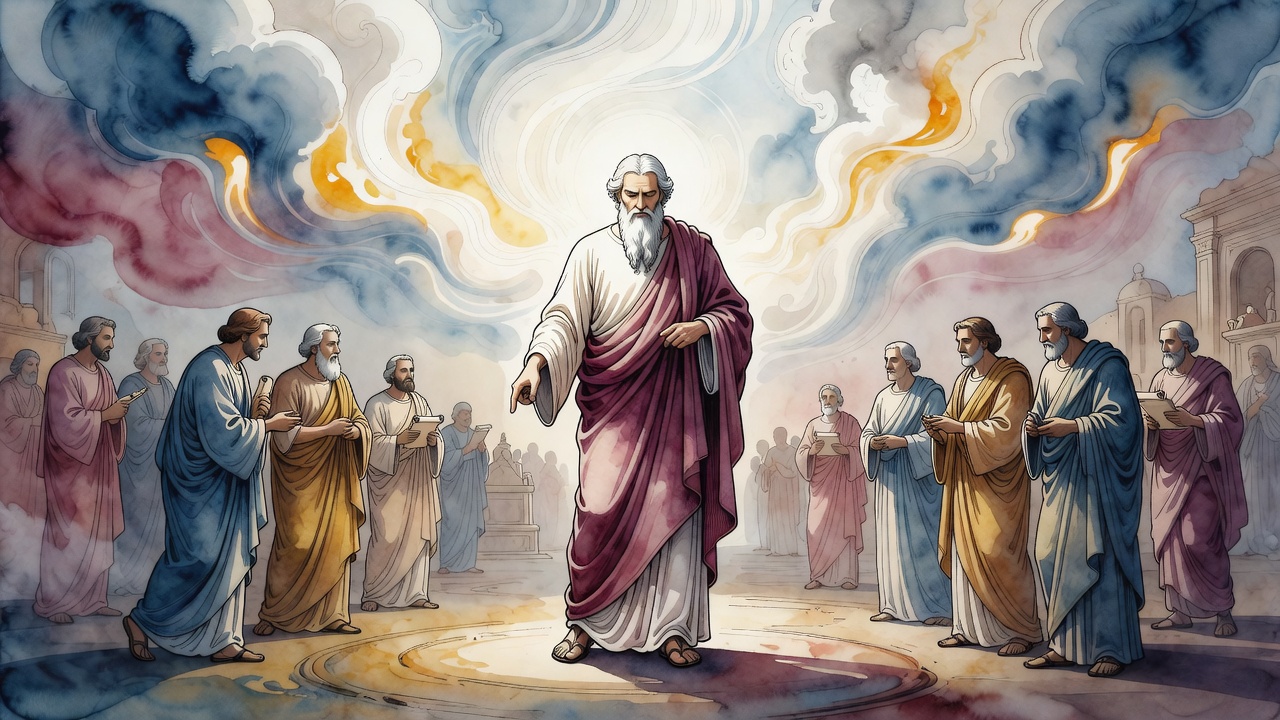
Joseph, Akiva, and the Man on Horseback in Midrash
A Roman eunuch mocked Rabbi Akiva walking barefoot. Akiva replied and the man died. Kohelet Rabbah traces the same pattern to Joseph sold to Ishmaelites.
Table of Contents
 Click for full size
Servants on Horses, Princes on the Ground
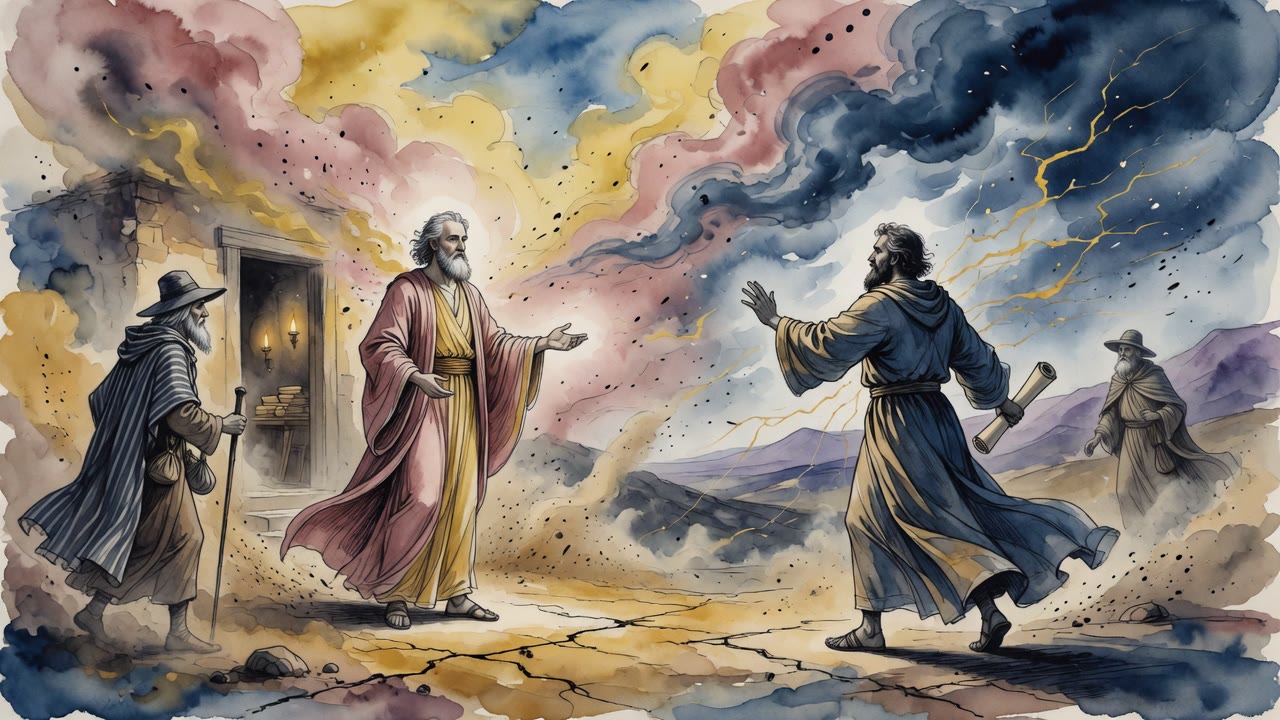
Ecclesiastes makes an observation that sounds like bitterness: I have seen servants upon horses, and princes walking on the ground like servants. The world upside down. The people who should be mounted are on foot. The people who should be on foot are riding. The arrangement makes no reference to worth or lineage or what anyone has done to deserve their position.
Kohelet Rabbah 7:1, the early medieval rabbinic commentary on Ecclesiastes, opens the verse and finds two stories inside it. Both are about what happens when the servant-on-horseback encounters the prince-on-the-ground and does not understand what he is looking at.
Joseph, the Prince Bought by Slaves
The first story goes back to Egypt. The servants on horses are the Ishmaelites, and the identification is genealogical rather than moral. Rabbi Levi traces their descent through a line that carries, in the rabbinic reading, the mark of servitude from the curse of Canaan. They are on horses. They are prosperous, trading between Gilead and Egypt, carrying spices and balm and myrrh, looking like exactly what they are: successful merchants moving through a profitable route.
The prince walking on the ground is Joseph. Literal prince, son of Jacob, beloved of his father, the boy with the coat and the dreams. His brothers sold him to these same Ishmaelites for twenty pieces of silver. A free man was purchased by people whose own genealogy is tangled with servitude. He was resold in Egypt to the house of Potiphar. The world had been completely inverted, and the midrash names it without flinching: a prince walked because servants rode.
The inverted arrangement was temporary. Joseph's story ends with him on the highest horse in Egypt, second only to Pharaoh, the men who bought him bowing before him in a famine they had not anticipated and could not survive without him. But the midrash does not tell the ending here. It holds the image of Joseph in the caravan walking, because what matters to Kohelet Rabbah is the moment of inversion itself, the gap between what a person is and where the world has put them.
Akiva and the Eunuch's Three Boasts
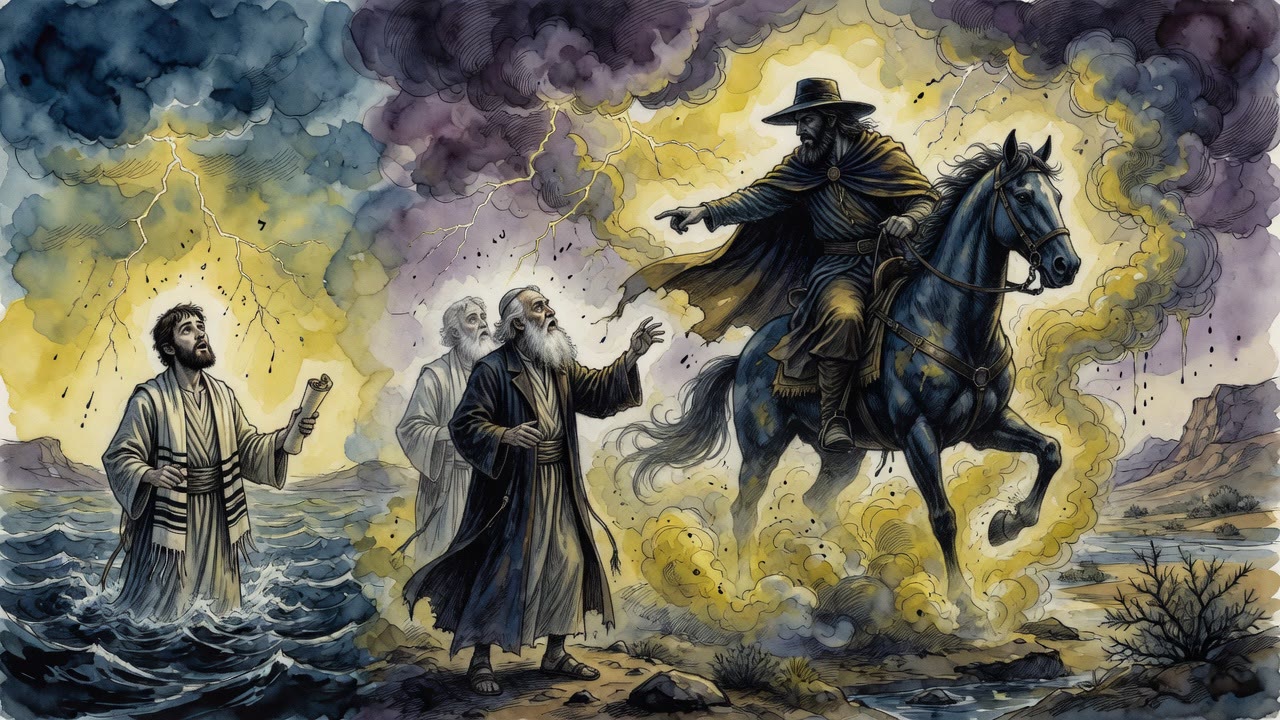
Centuries later, Rabbi Akiva was walking to Rome on a public fast day. He was barefoot, as the custom required, and apparently some distance was involved, because a Roman court eunuch on horseback encountered him on the road. The eunuch had three things to say.
First: your village is destroyed. Rabbi Akiva said: may your message be a good omen. Second: your Beit Midrash is burned. Rabbi Akiva said: may your message be a good omen. Third: your teachers are dead. May your message be a good omen.
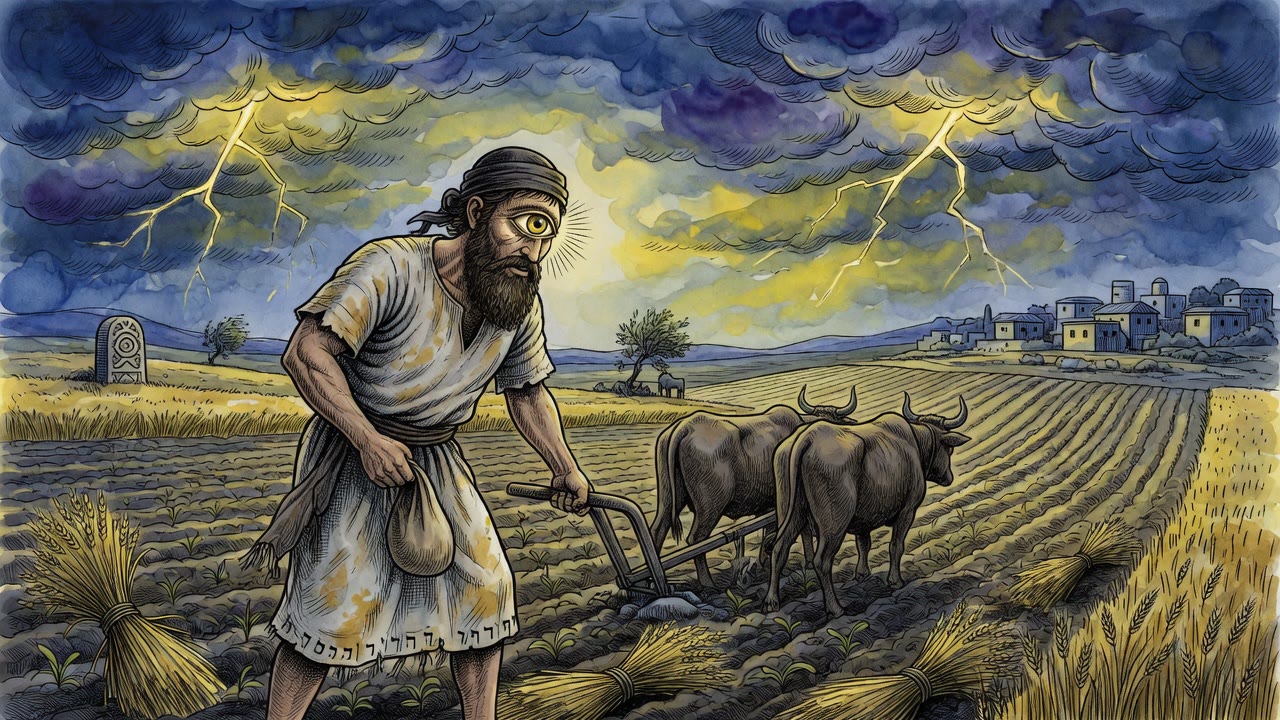
The eunuch could not process this. Why are you saying good omen to everything terrible I am telling you? Rabbi Akiva explained. I have taken my comfort from the verse from Micah: because of you Zion shall be plowed as a field. And because that prophecy has been fulfilled, I know the other prophecy from Zechariah is also certain: there shall yet sit old men and old women in the streets of Jerusalem, and the streets of the city shall be full of boys and girls playing. The fulfillment of the bad prophecy is the guarantee of the good one.
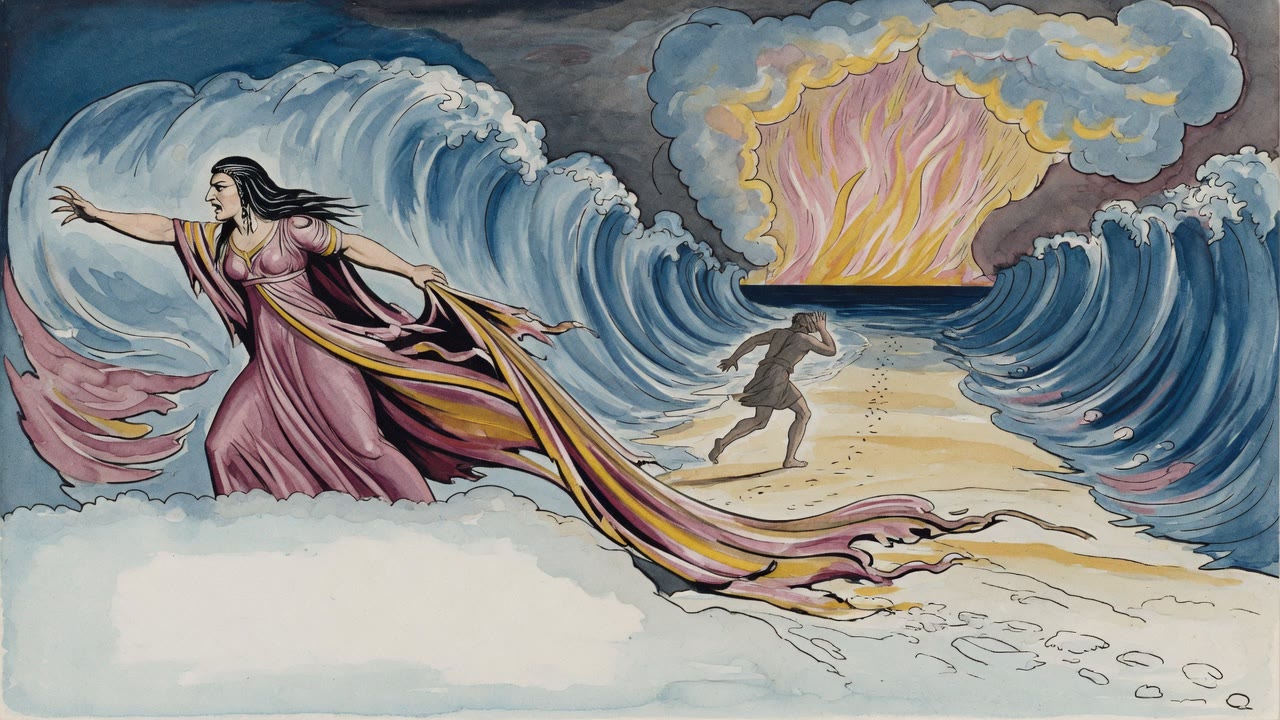
The eunuch, the midrash says, took the answer poorly. He drove his horse into a rock and died. The servant on horseback, mocking the prince walking barefoot, had chosen to taunt someone who could read the architecture of what was happening to him. The encounter cost the eunuch everything and cost Rabbi Akiva nothing.
What Joseph and Akiva Shared
The two stories are separated by more than a thousand years of history but share an identical structure. In each case, someone with horses and power encounters someone who has neither, does not recognize what they are looking at, and the encounter resolves badly for the one who was mounted. Joseph's captors did not understand that the prince they had purchased would eventually hold their lives in his hands. The eunuch on horseback did not understand that the rabbi walking barefoot was operating from a position of stability so deep that nothing the eunuch was describing could touch it.
Ecclesiastes identified the pattern: servants on horses, princes on the ground. The midrash adds: the inversion is always temporary, and the person who uses their temporary advantage to mock the prince walking is the one who ends up paying for it. Not because God arranges immediate retribution, but because the person who mistakes the current arrangement for the permanent one has misread the nature of what they are dealing with.
← All myths