45 myths · Page 1 of 2
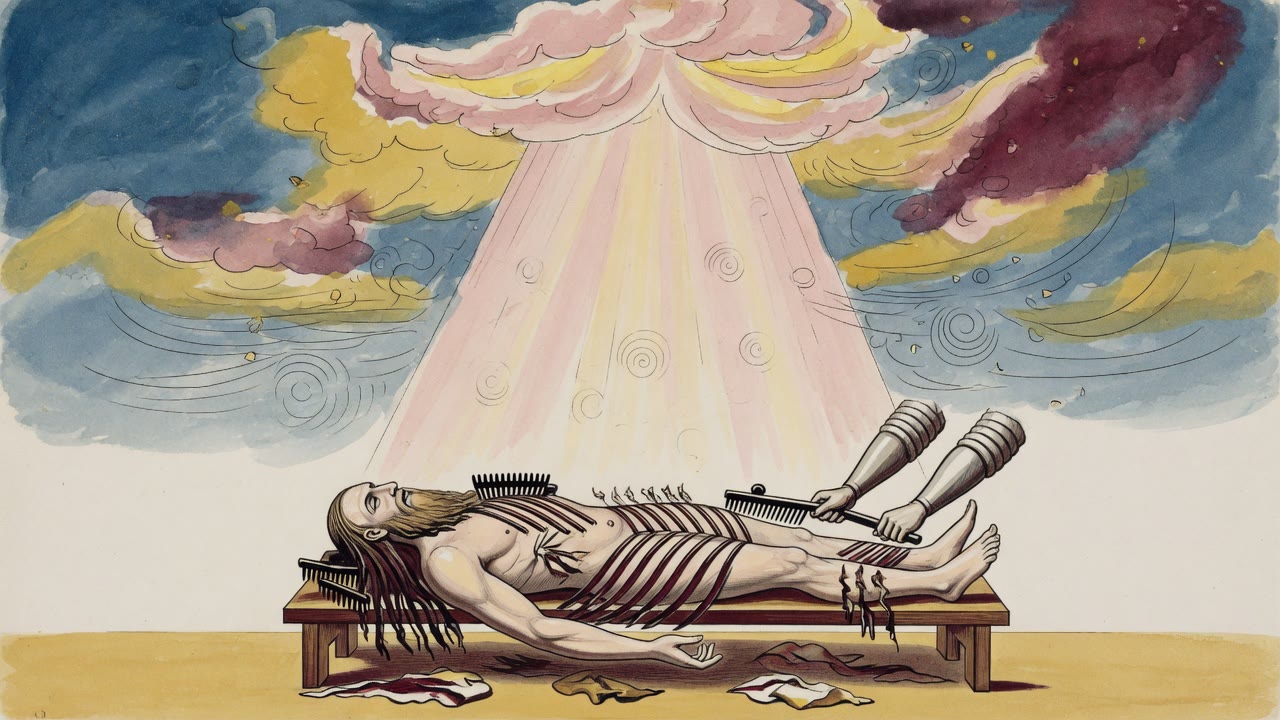
The Romans tore Rabbi Akiva's flesh with iron combs while he smiled. He had been waiting his whole life to love God with everything he had.
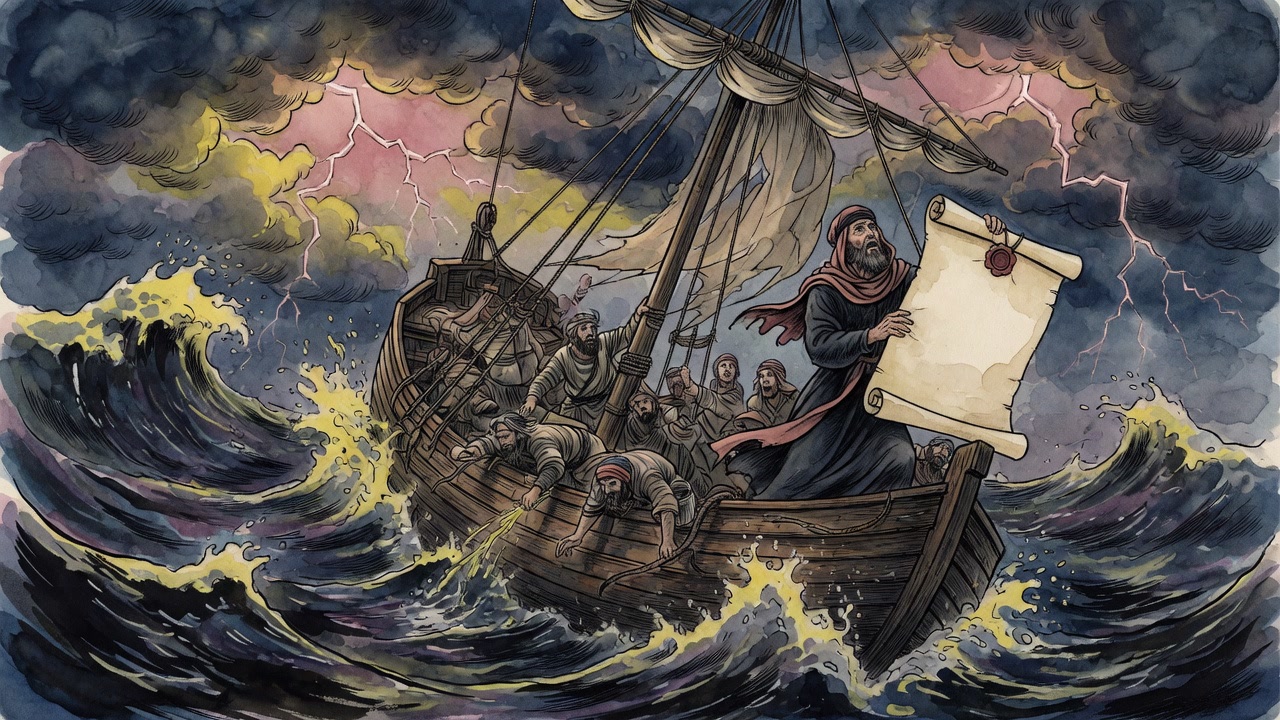
A prophet pays for passage in the wrong direction, planning to drown rather than let Nineveh's repentance shame Israel before God.
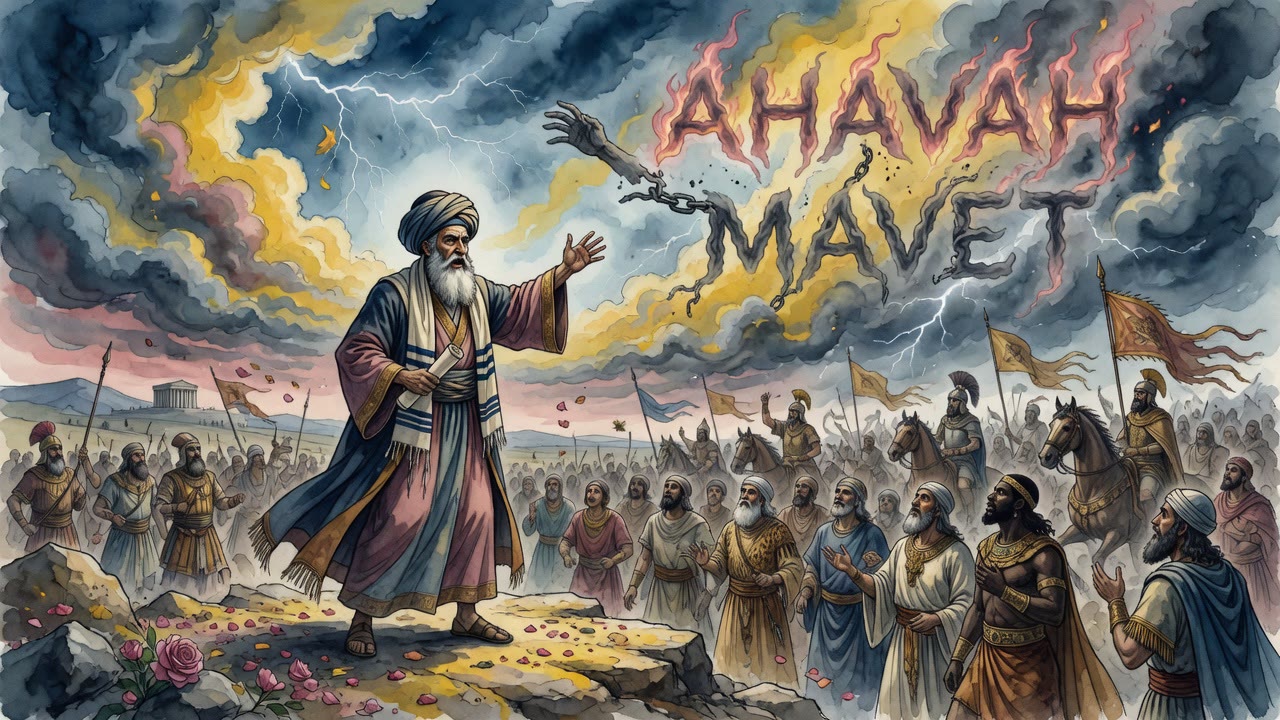
The nations asked Rabbi Akiva why a beautiful, strong people would die for an invisible Beloved. He answered from a love poem, reading one word as above death.
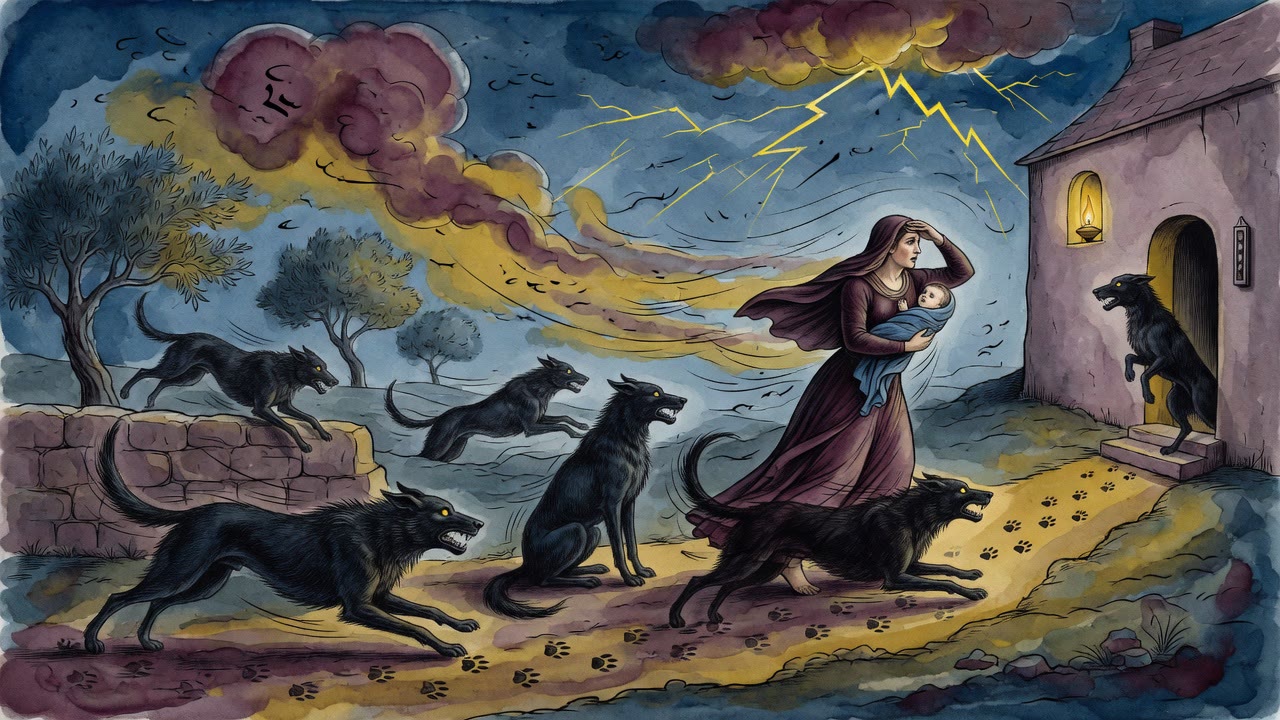
The water was cold the eighth time. She had already been in it seven times that night. At the door, a man wore her husband's face.
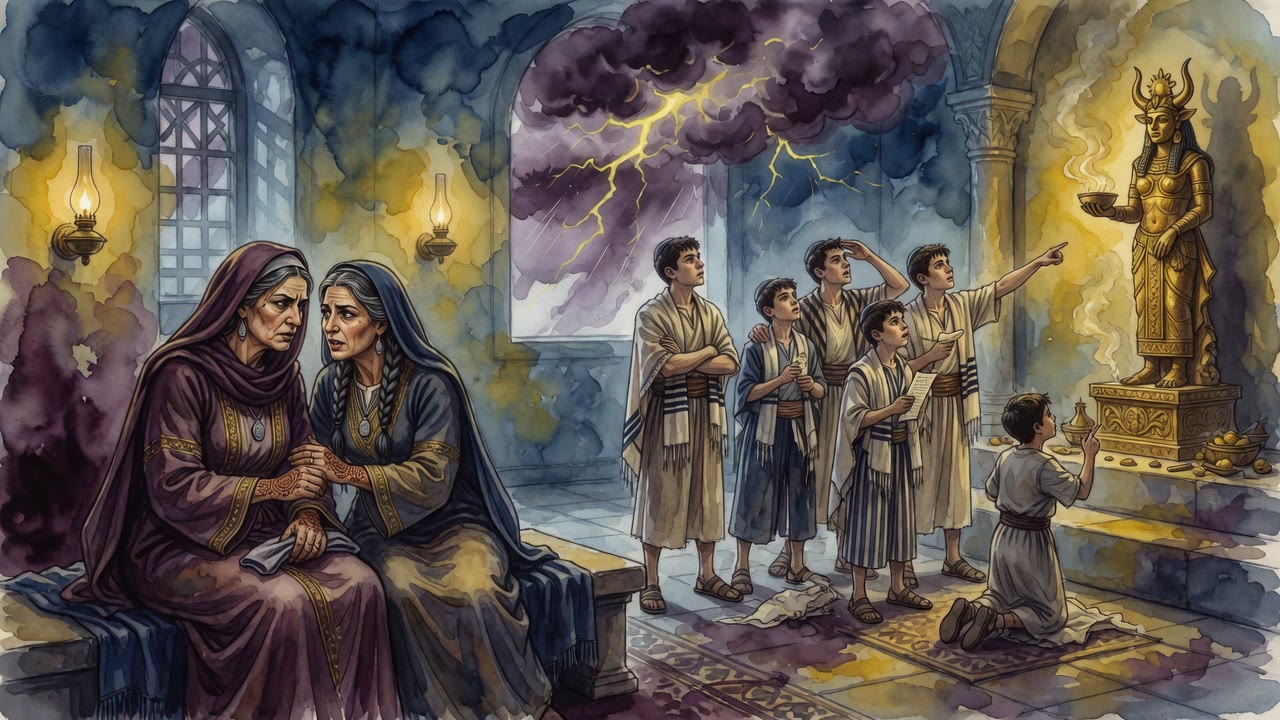
A tyrant killed seven sons one by one for refusing an idol. Their mother answered Abraham with seven altars before heaven replied.
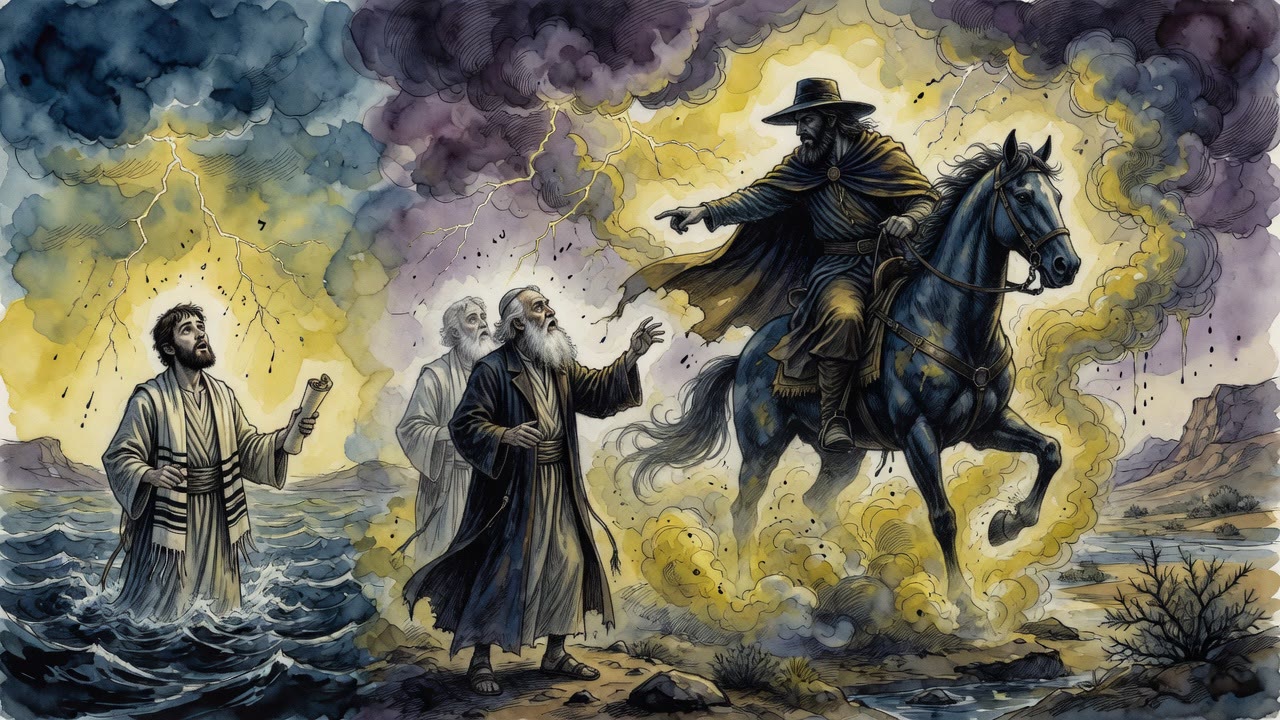
A Roman eunuch mocked Rabbi Akiva walking barefoot. Akiva replied and the man died. Kohelet Rabbah traces the same pattern to Joseph sold to Ishmaelites.
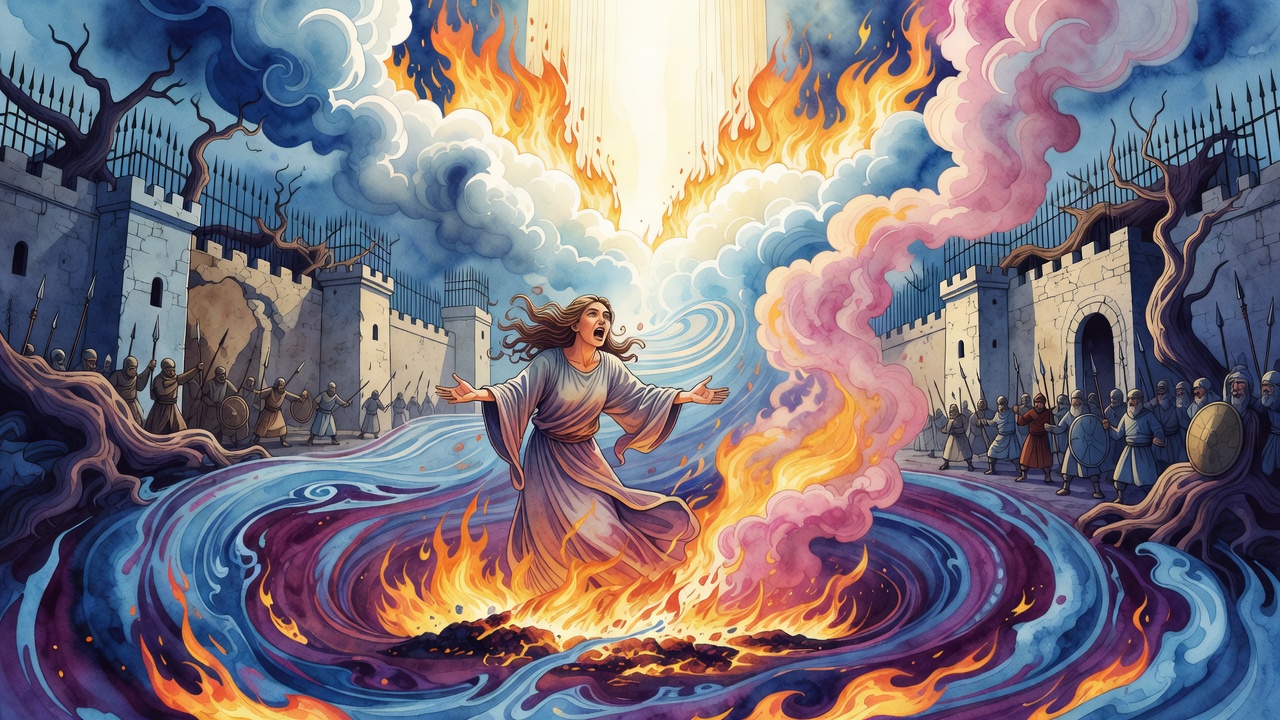
Peletith hid bread in her water bucket and carried it to the starving man in her street. Sodom burned her for feeding him.
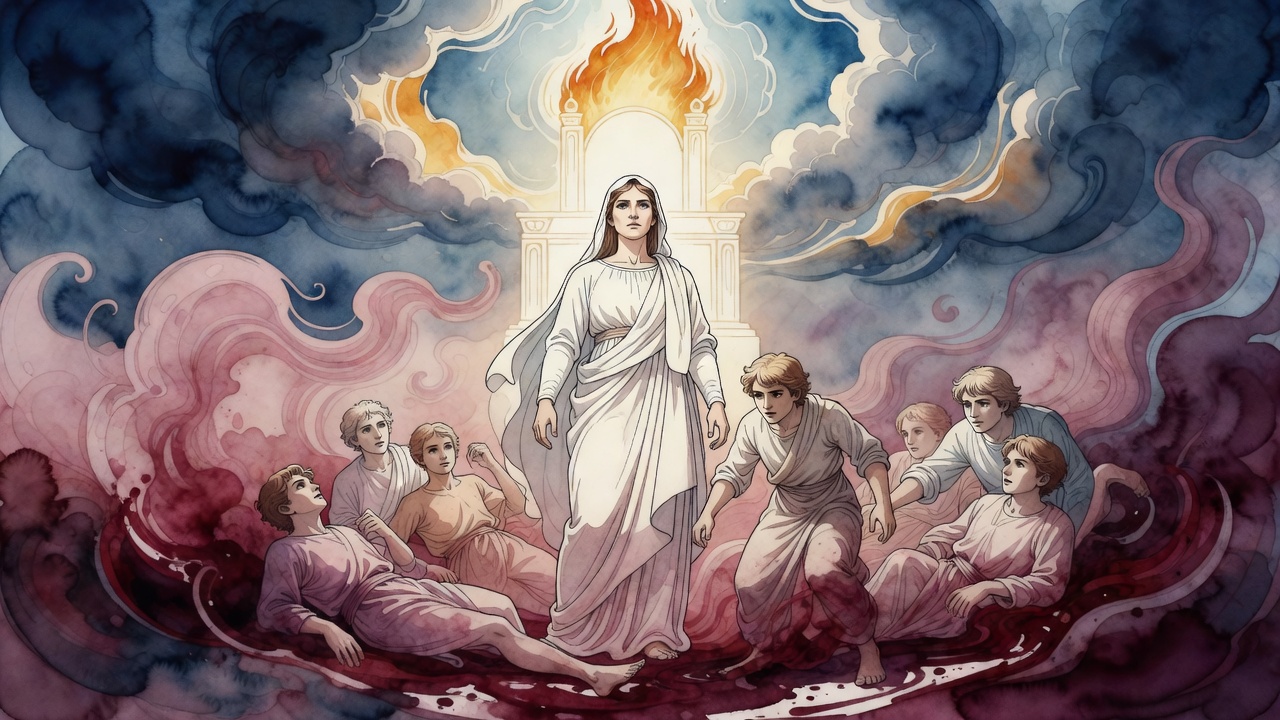
Antiochus tortured six sons in front of their mother and she watched each one die. Then she told the youngest not to let the king touch him.
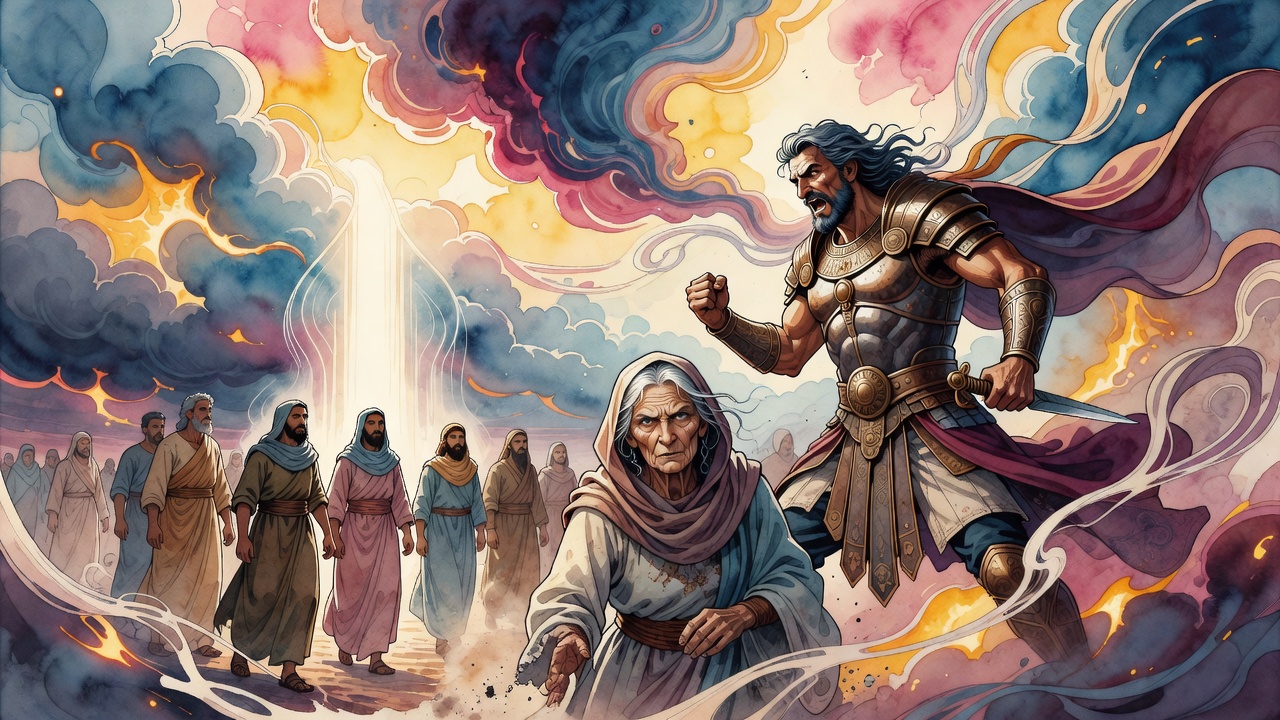
When an old woman told Nimrod to his face that he was a liar who denied God, she was executed. But the people kept following Abraham's teachings anyway.
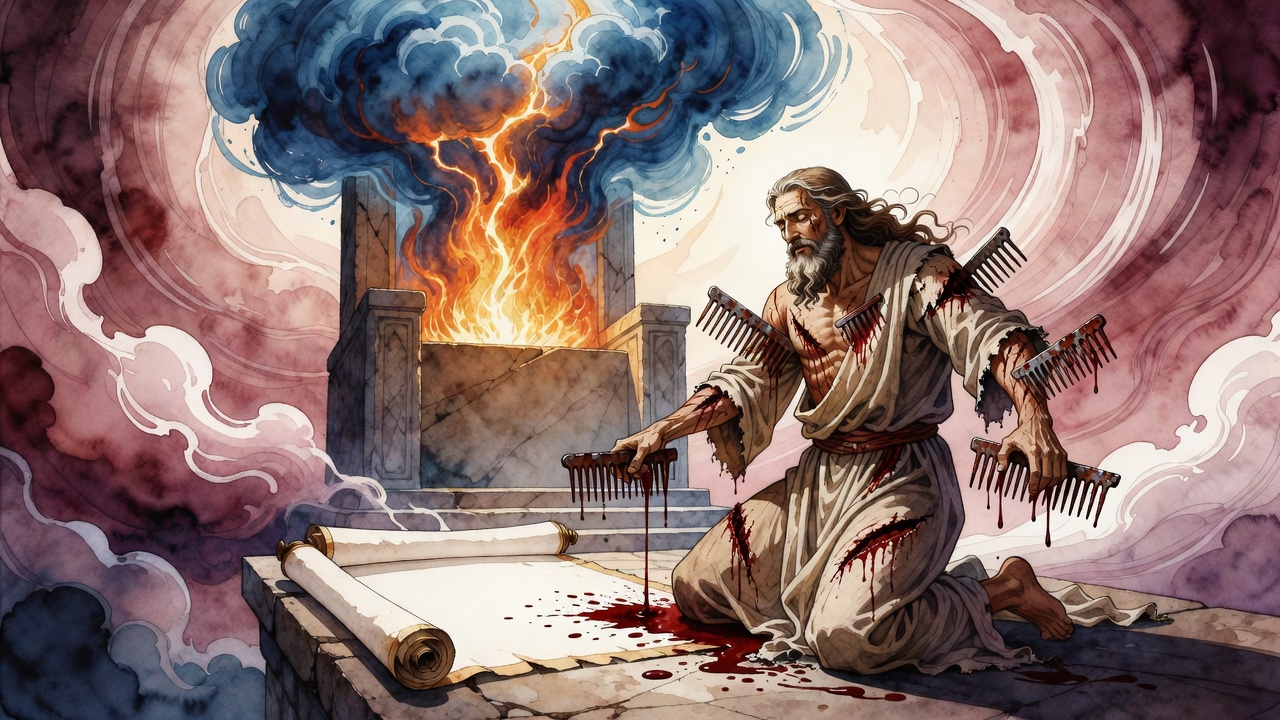
Iron combs tear Akiva's flesh while he finishes the Shema, Hear O Israel, and heaven records his blood as a legal claim not yet settled.
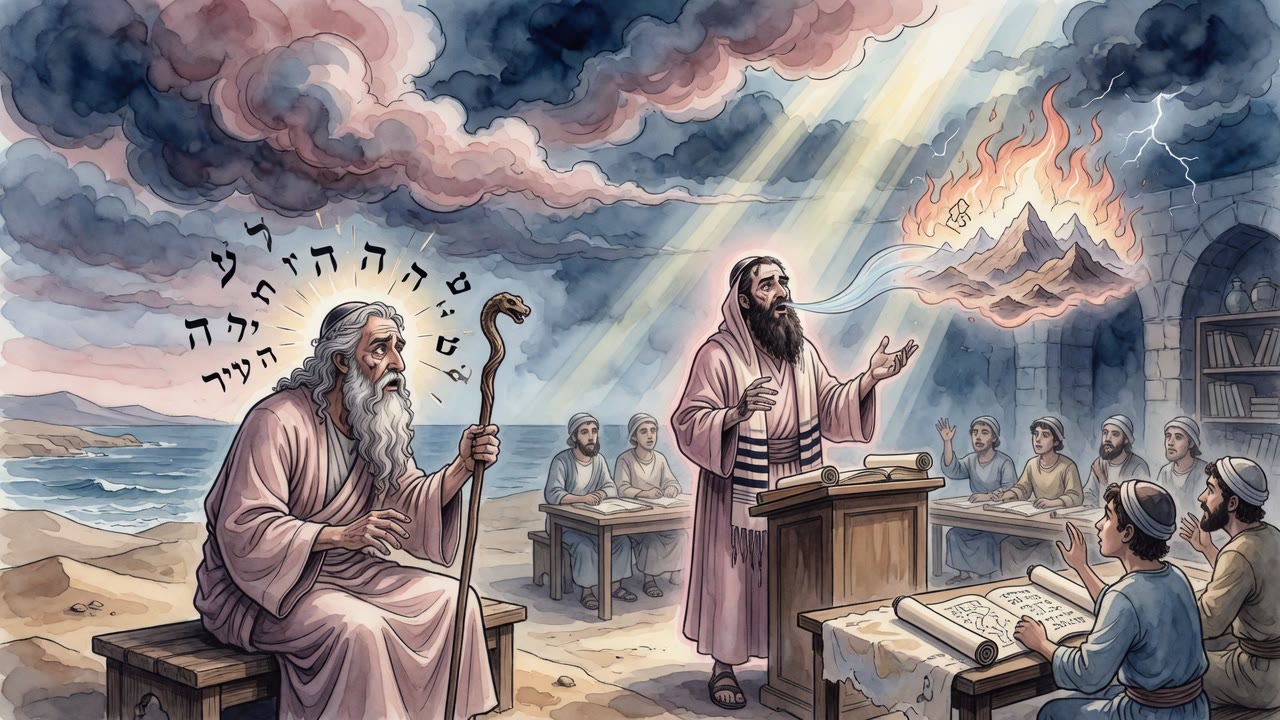
Moses sits in Rabbi Akiva's classroom and cannot follow the lesson. Then a student asks the source of the ruling, and Akiva says: Sinai.
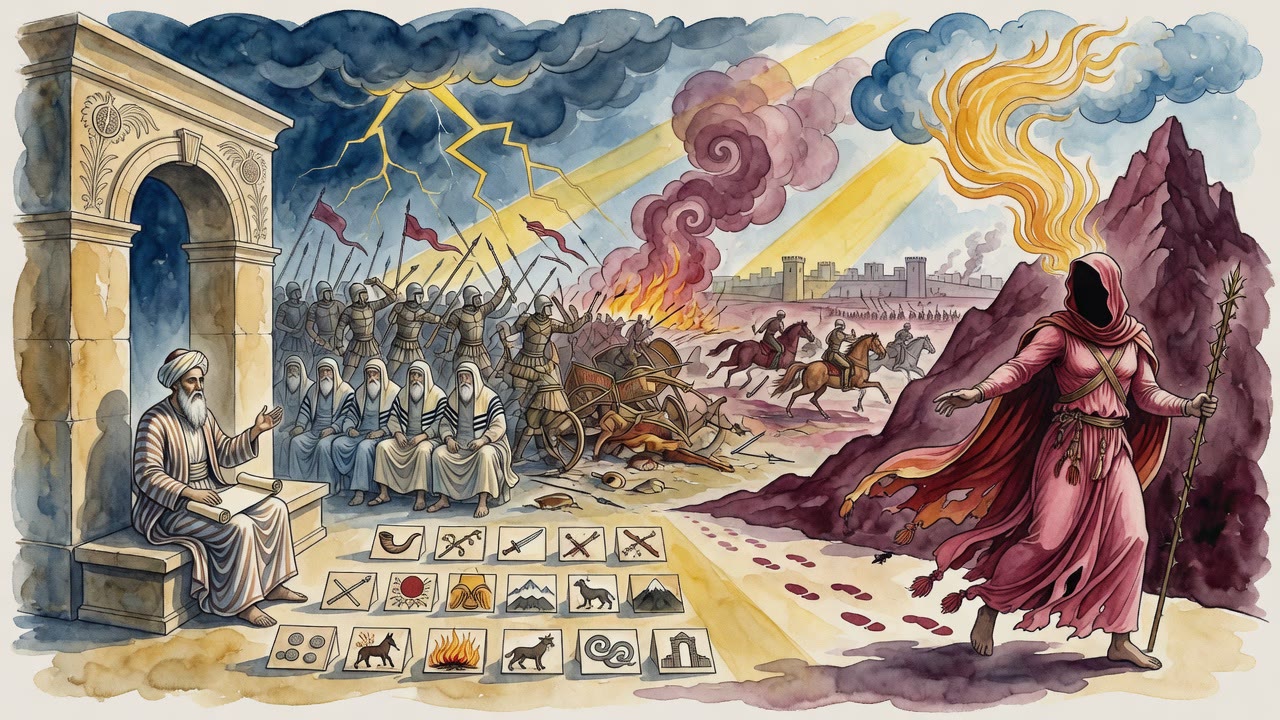
The news named him among the four. He skipped the magistrate. He went down to the Chariot and asked who had signed the names.
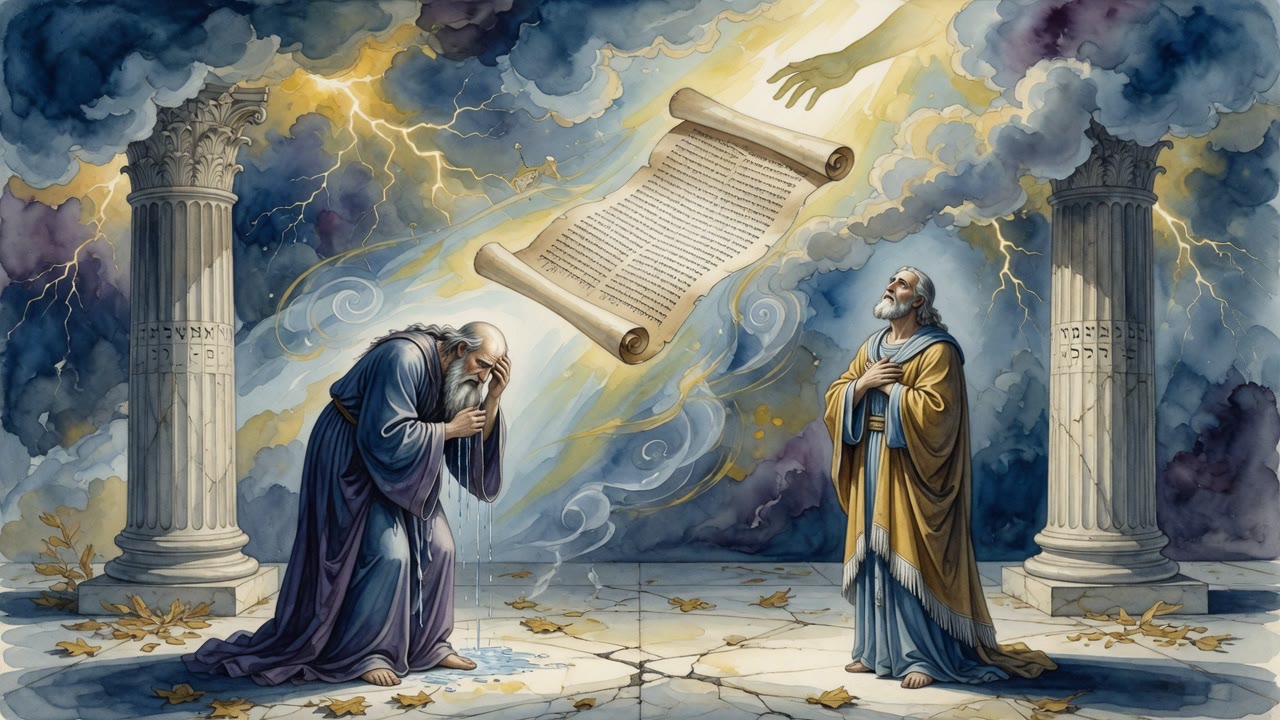
Rabban Shimon walked in Roman chains and wept because he could not name his sin. Rabbi Ishmael, bound beside him, told him to listen.
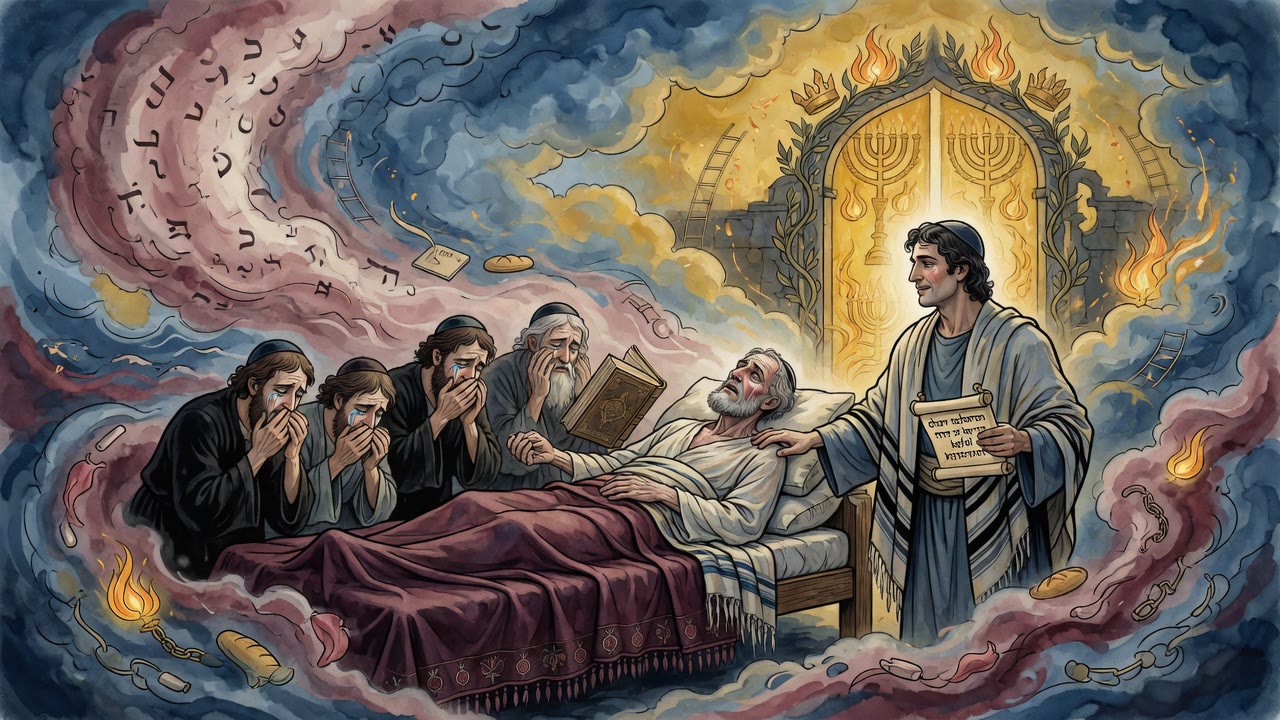
Moses visited Akiva's academy and understood nothing. Then a student asked where the teaching came from and Akiva said: a law given to Moses at Sinai.
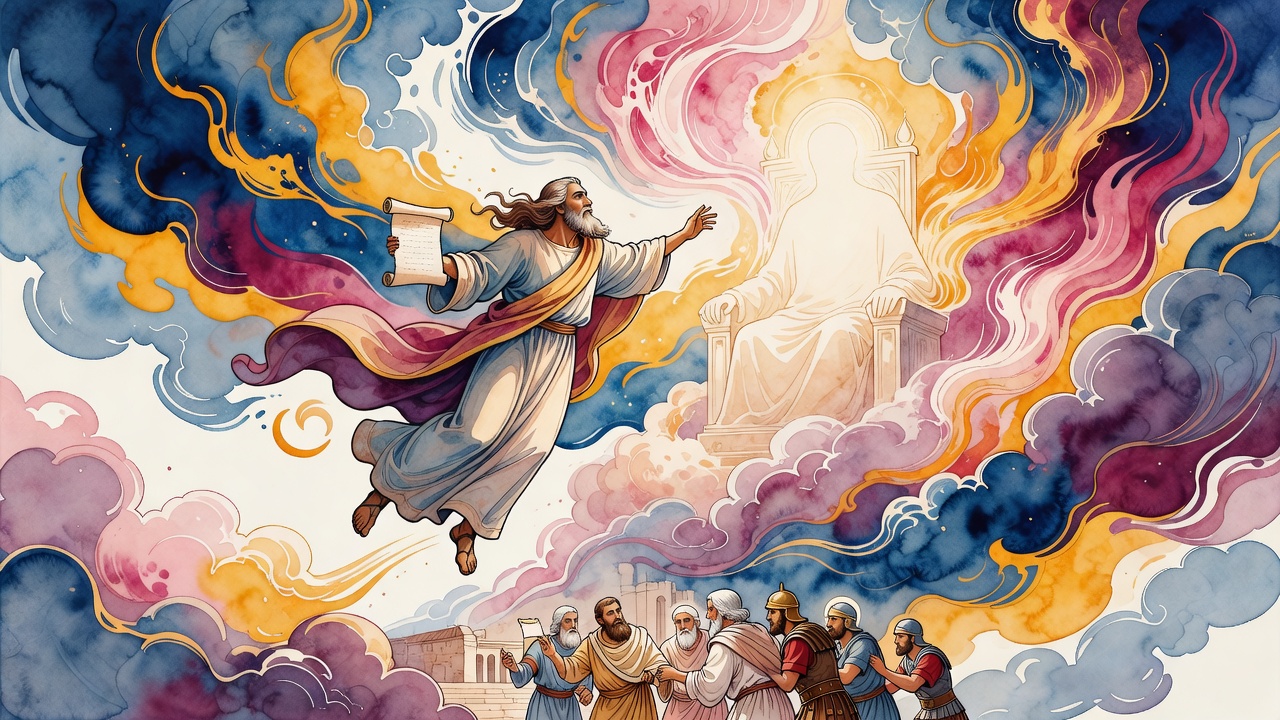
The news reached them on a Thursday. Rome had four of the great sages and wanted eight thousand students of Jerusalem as the price of their release.
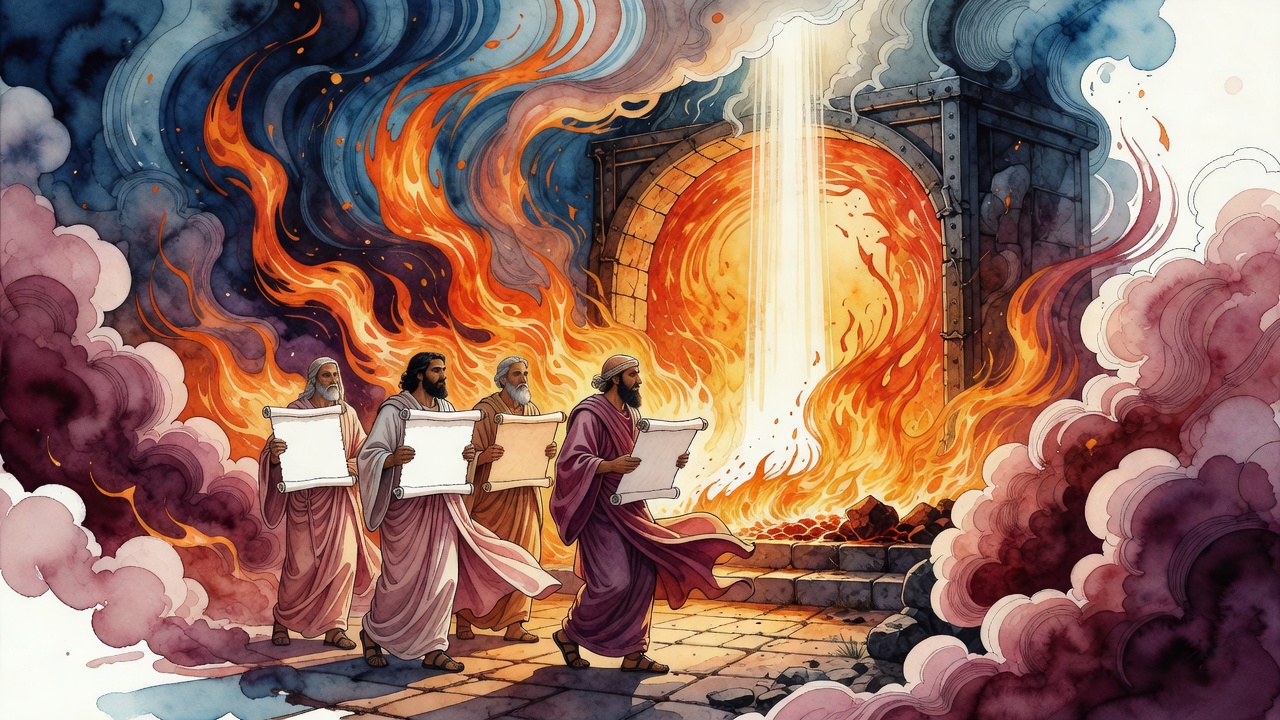
The king gave them three chances to bow. They told him their God might not save them, and that it made no difference to what they were going to do.
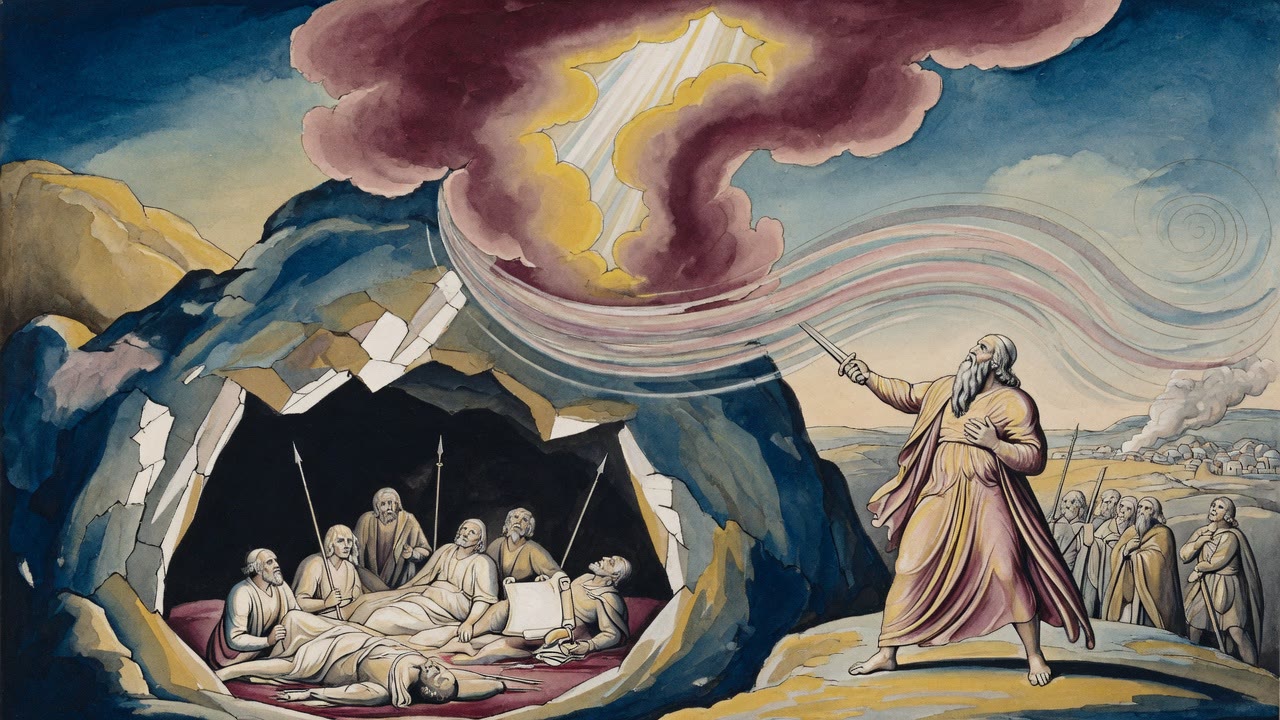
The officers offered Eleazar a way out. Bring your own food, they said, and only pretend to eat what the king requires. He was ninety, and he said no.
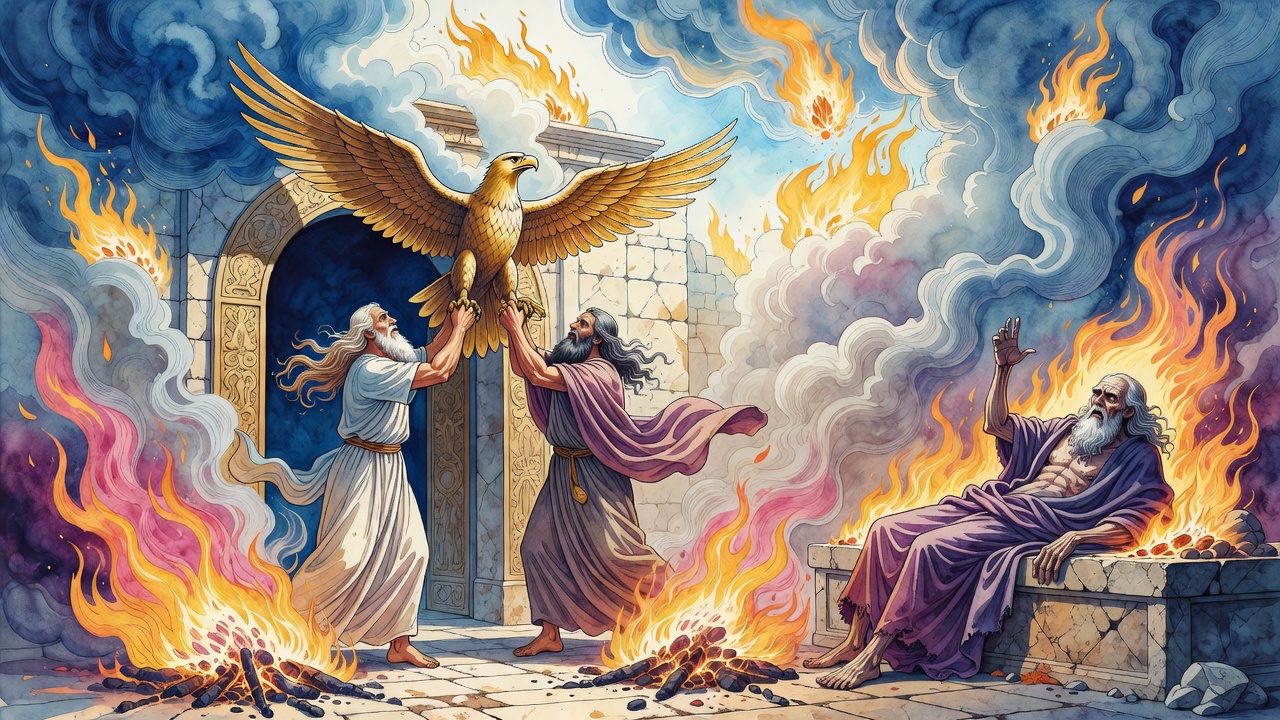
Two lecturers heard the king was dying and sent their students up the Temple gate with axes. Forty of them stayed when the soldiers came.
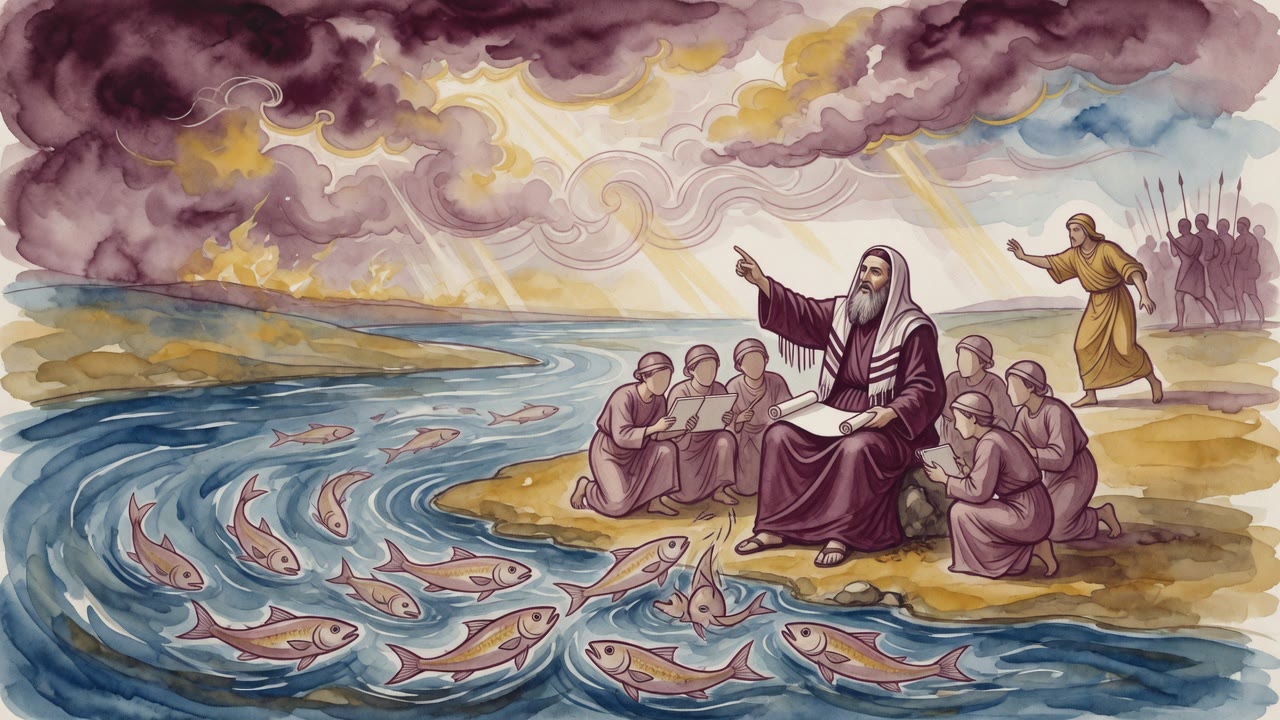
Pappos found him teaching in the street after the ban. The fox's offer sounded kind. The fish knew dry land was a faster death.
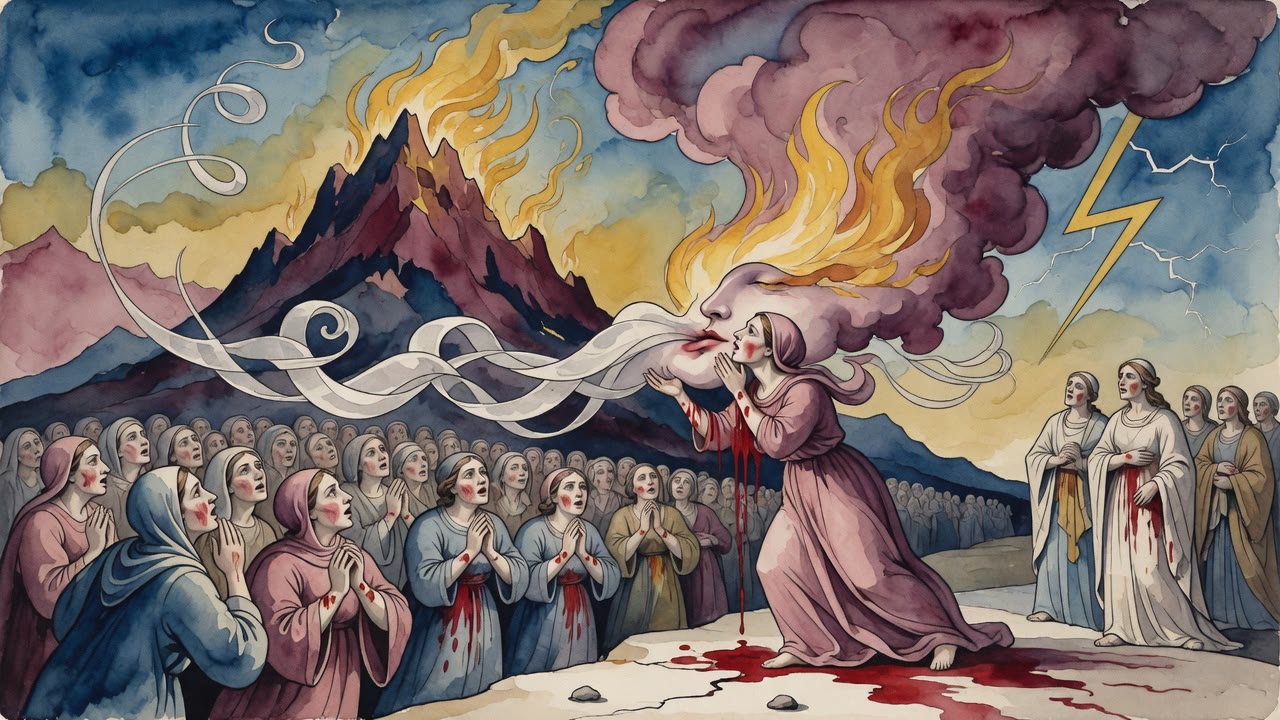
The angel stopped at one man, not a tribe. He listed the punishments inside the word and waited. The kiss came only after the second yes.
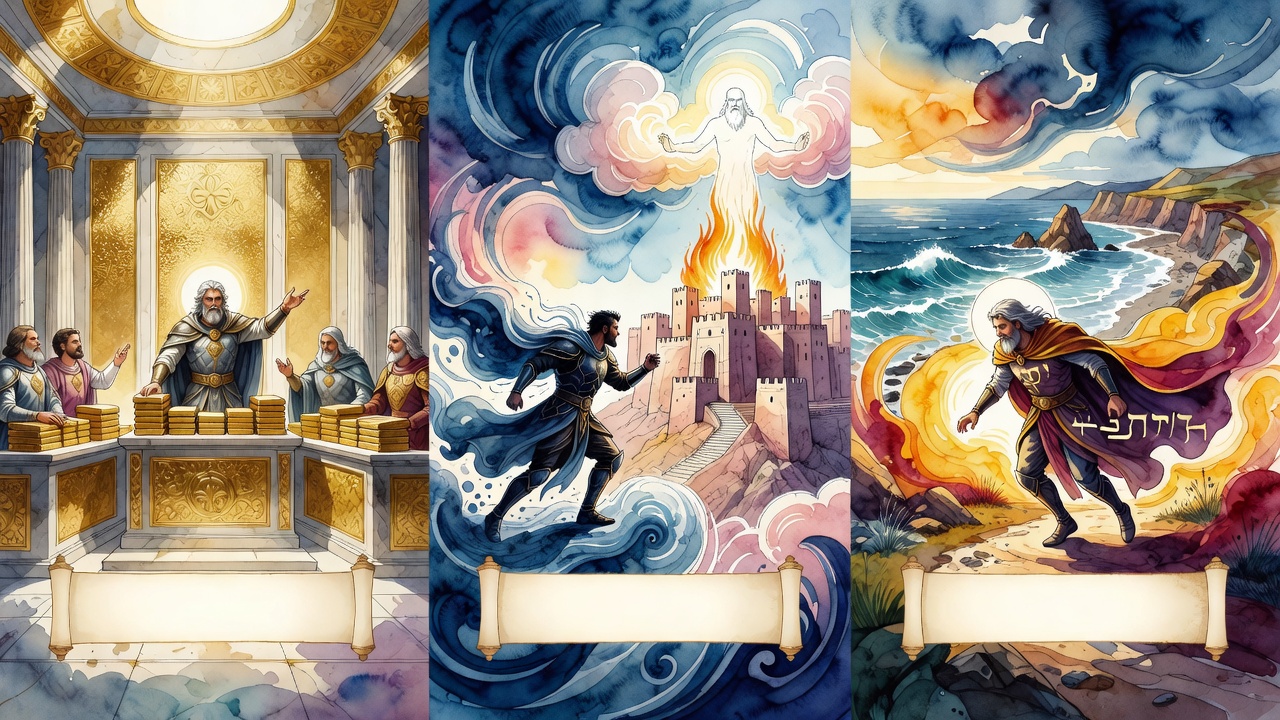
He let the silence stretch before he spoke. Gold at every collar. A people in Jerusalem who would not sacrifice to his gods.
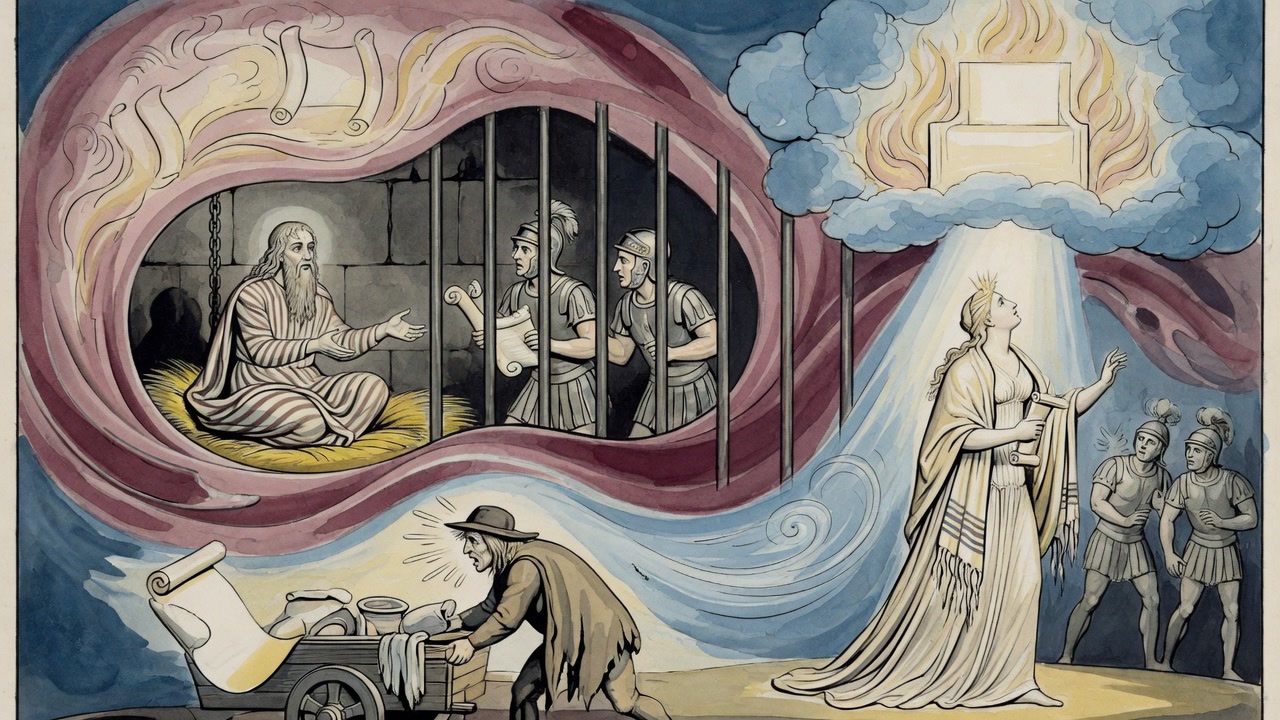
She came into the cell to break the old man on the floor. He kept the fasts the prison could not stop. She left belonging to his God.
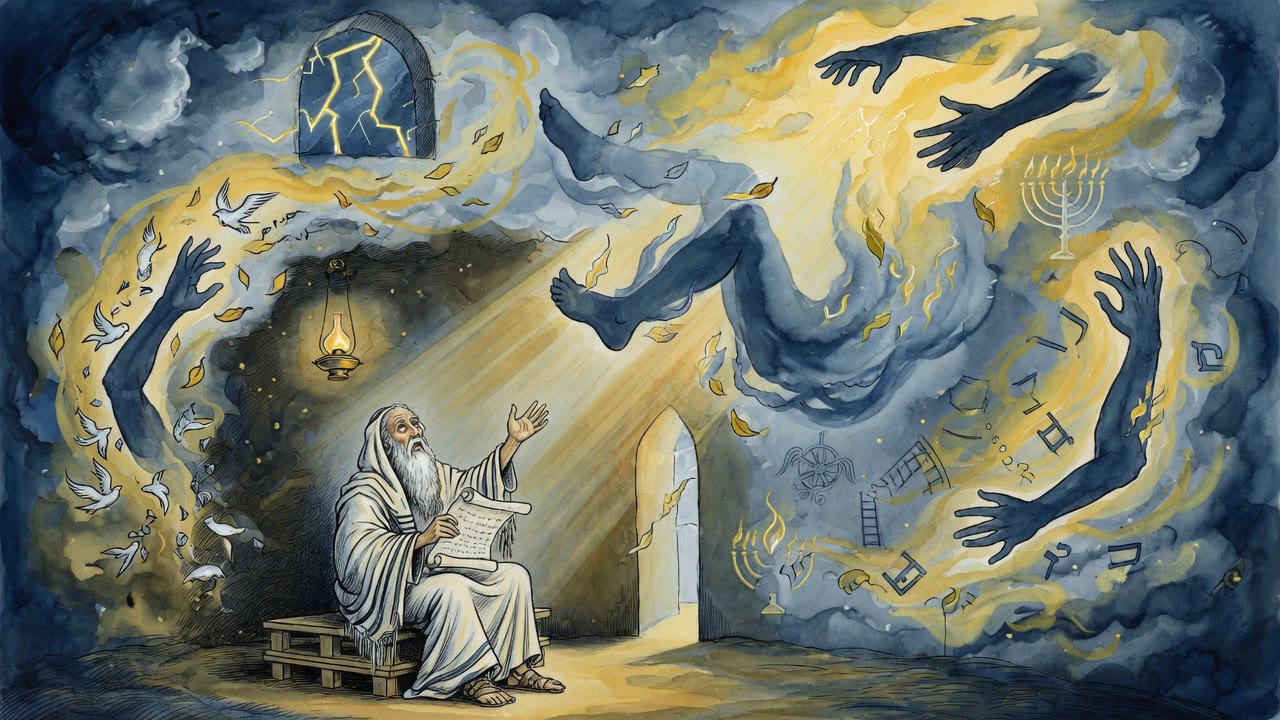
A hidden scroll in Jerusalem held one line no one would say aloud, that King Manasseh dragged the prophet Isaiah to trial and had him sawn apart.
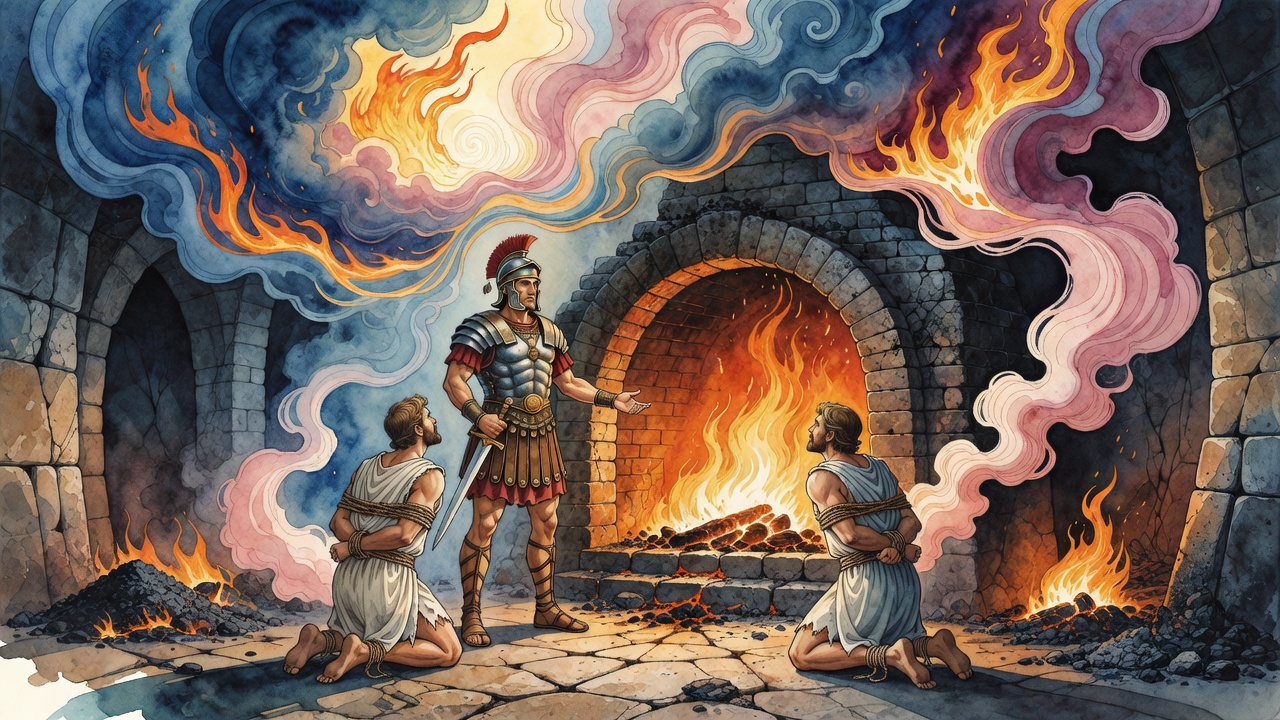
Trayanos told the two bound brothers to beg God for a rescue like the one in Nebuchadnezzar's furnace. They said no. They were not that righteous.
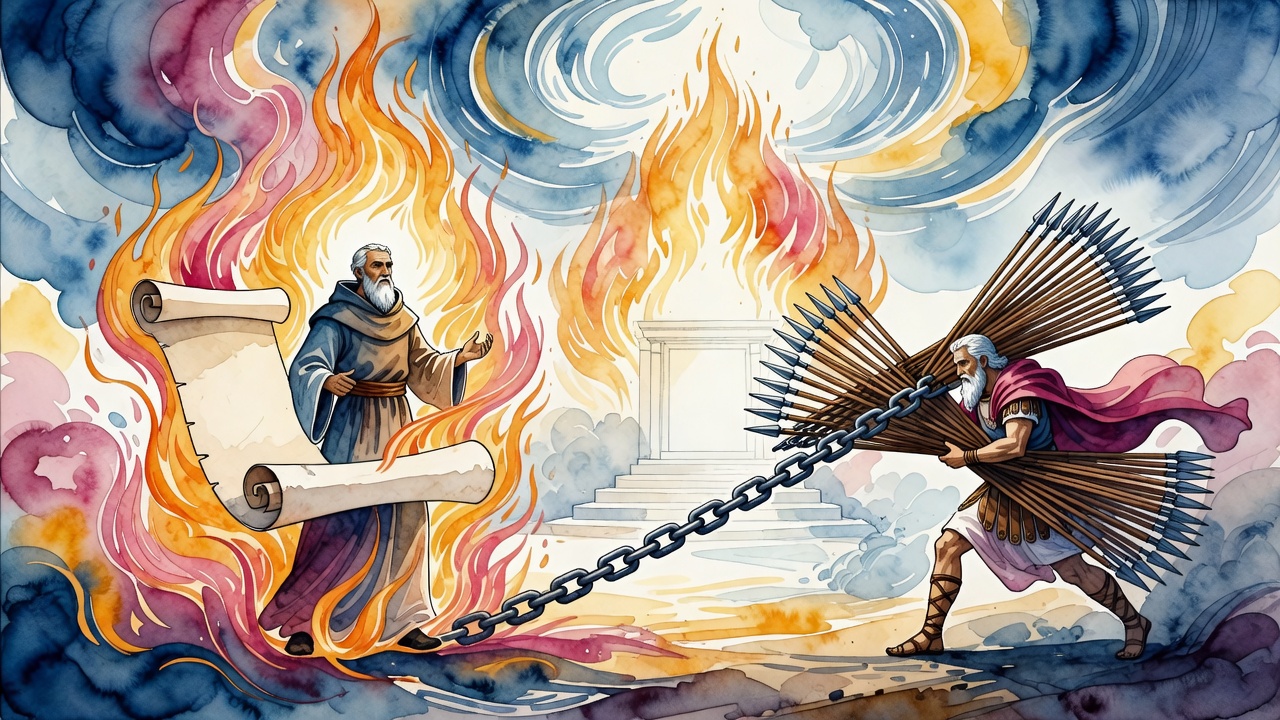
Rome decreed teaching Torah was death, so one rabbi taught in the open and burned in the scroll, and one took three hundred spears to save the chain.
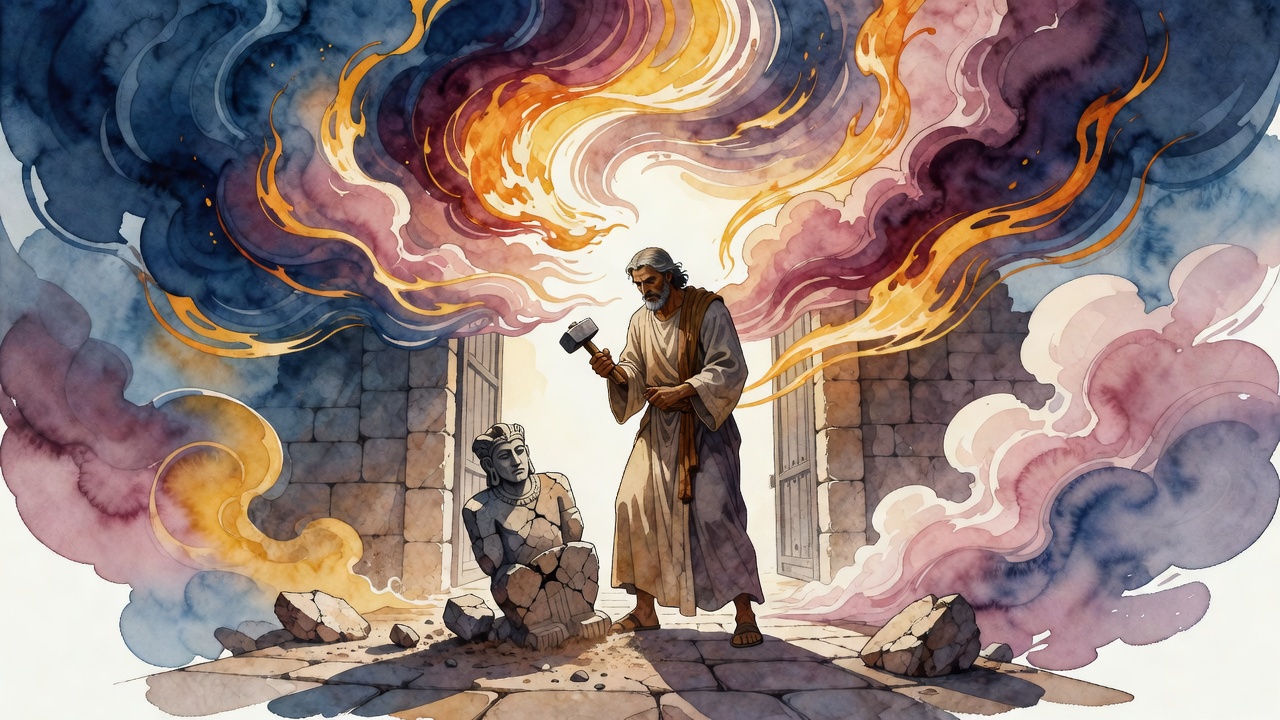
An archangel woke King Jobab in the dark and told him the idol his people fed was the tempter's handiwork. He took fifty men up and broke it.
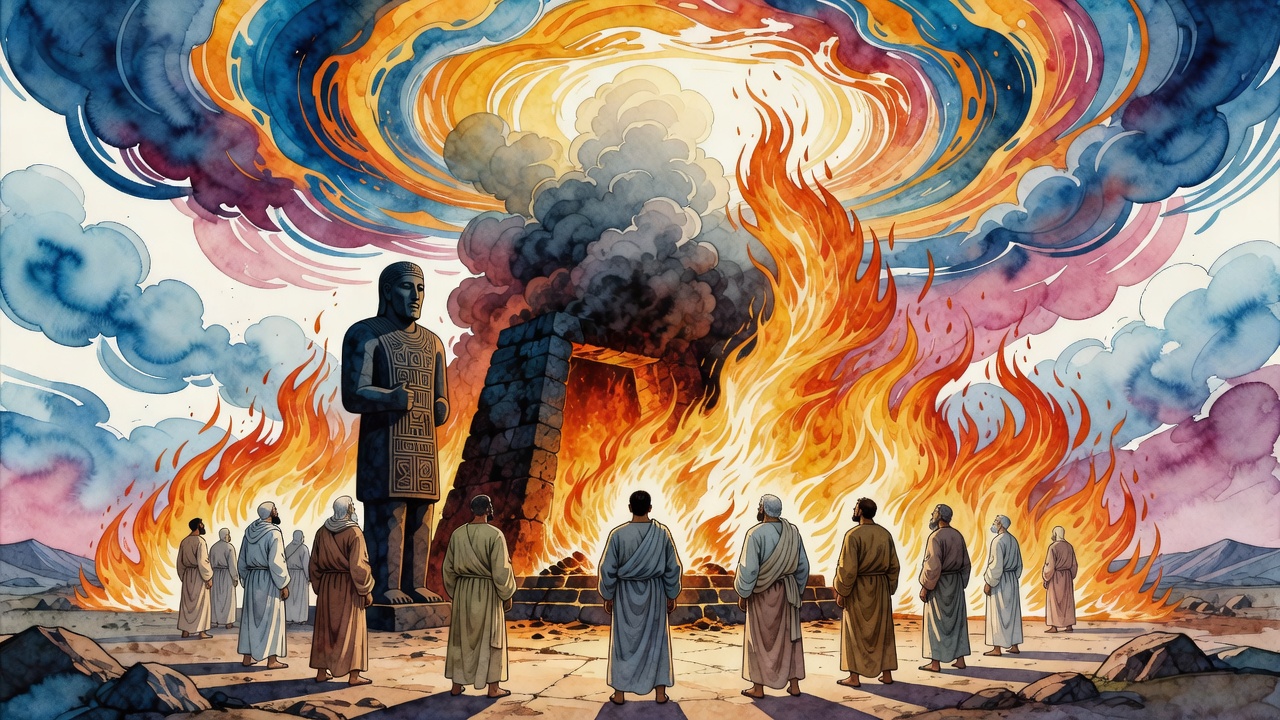
An idol, a furnace, and seven men who would not bow, until heaven sent the lord over fire to turn the tyrant's flames back on his own servants.
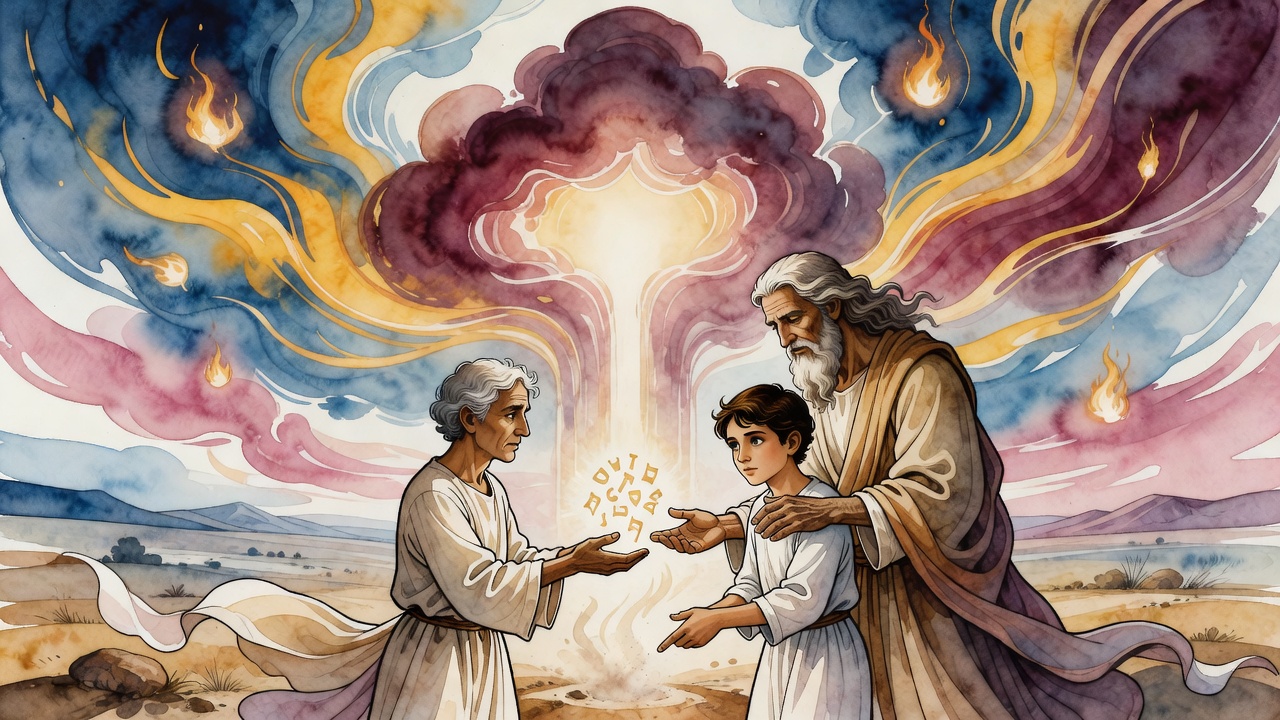
A martyr's grandson is handed the letters that made the world and told to raise God's house, then corrects Moses on where the building begins.
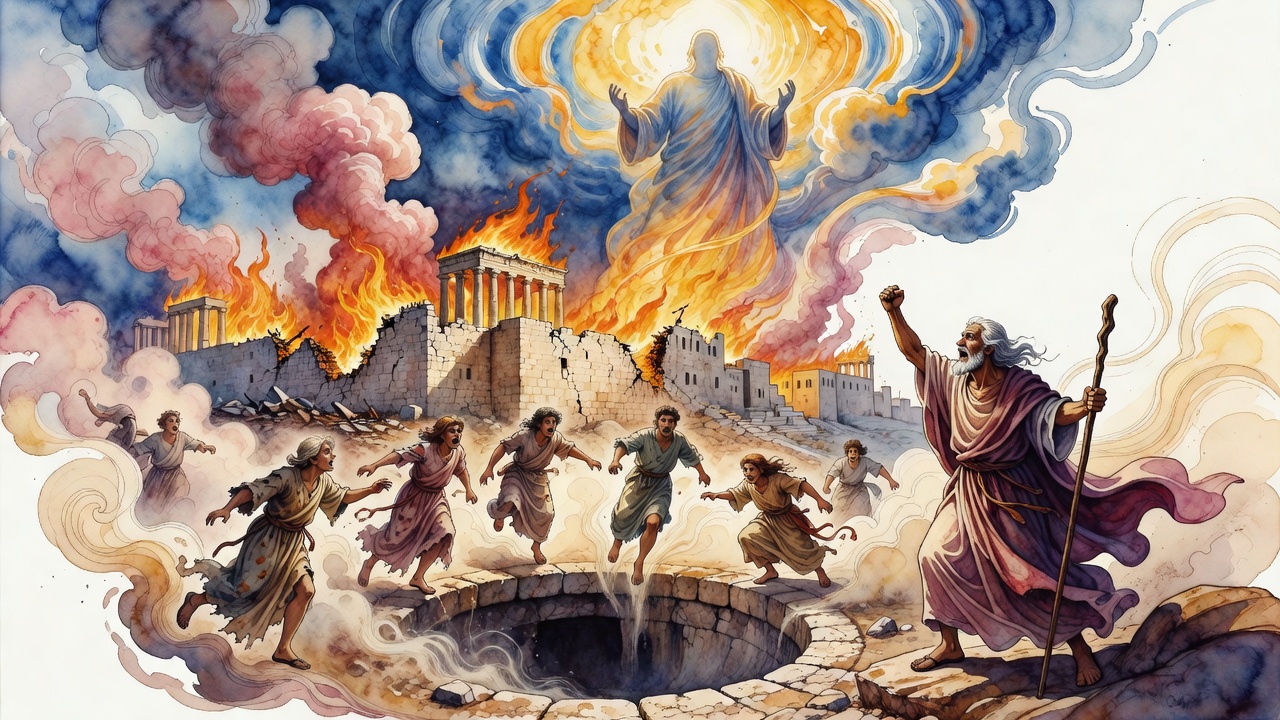
Jerusalem burns, the young leap into a hidden well rather than face the sword, and Moses is roused to see the ruined House and challenge heaven's silence.
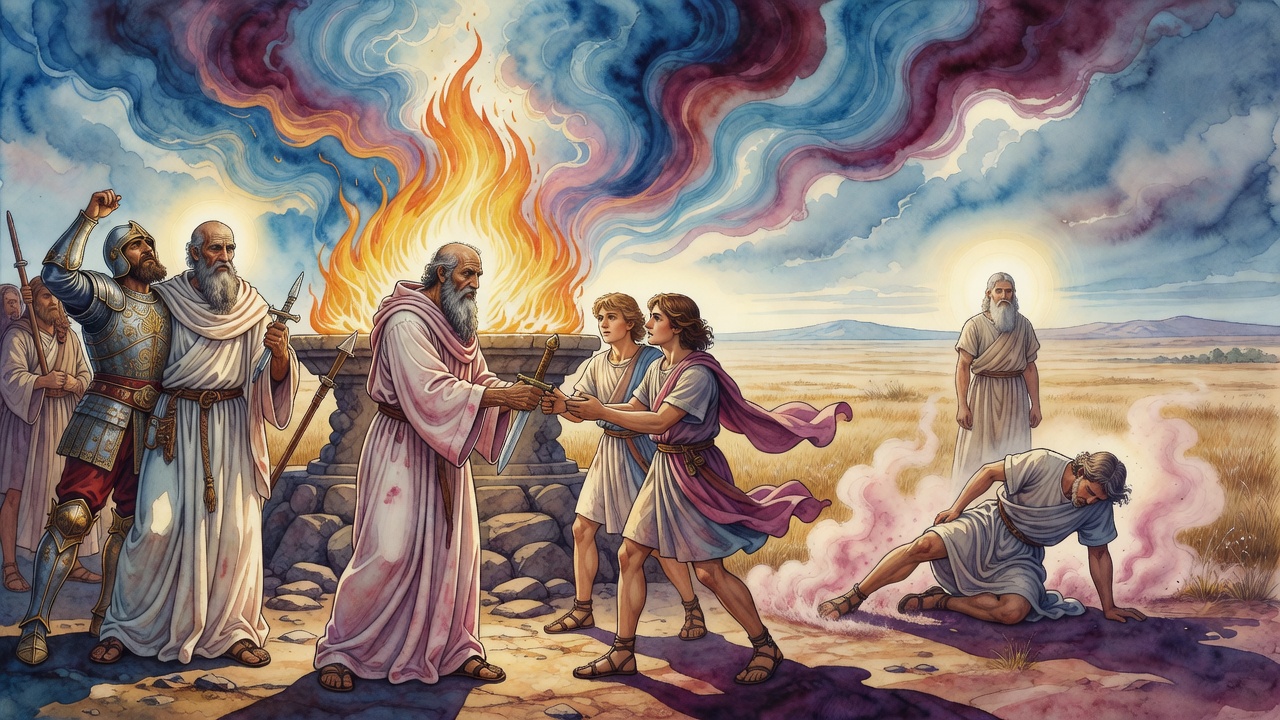
An old priest strikes the king's officer at Modin and hands his sons a war no army can win, and one son frees Judea only to fall on a deserted field.
