Rabbi Ishmael Asked Heaven Why Rome Seized the Sages
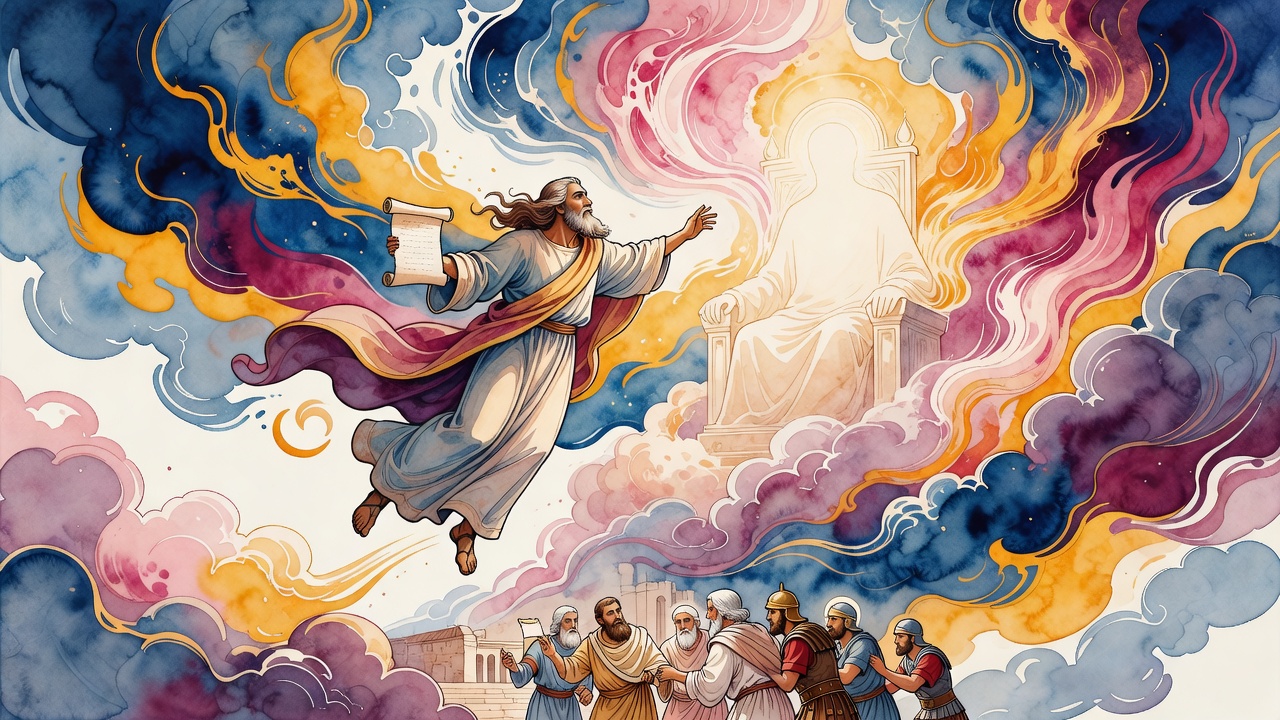
The news named him among the four. He skipped the magistrate. He went down to the Chariot and asked who had signed the names.
Table of Contents
 Click for full size
Four Names Came Out of Rome
The fifth day of the week still looked ordinary when the word arrived. Rabbi Ishmael ben Elisha heard it the way a man hears a sentence already written on him.
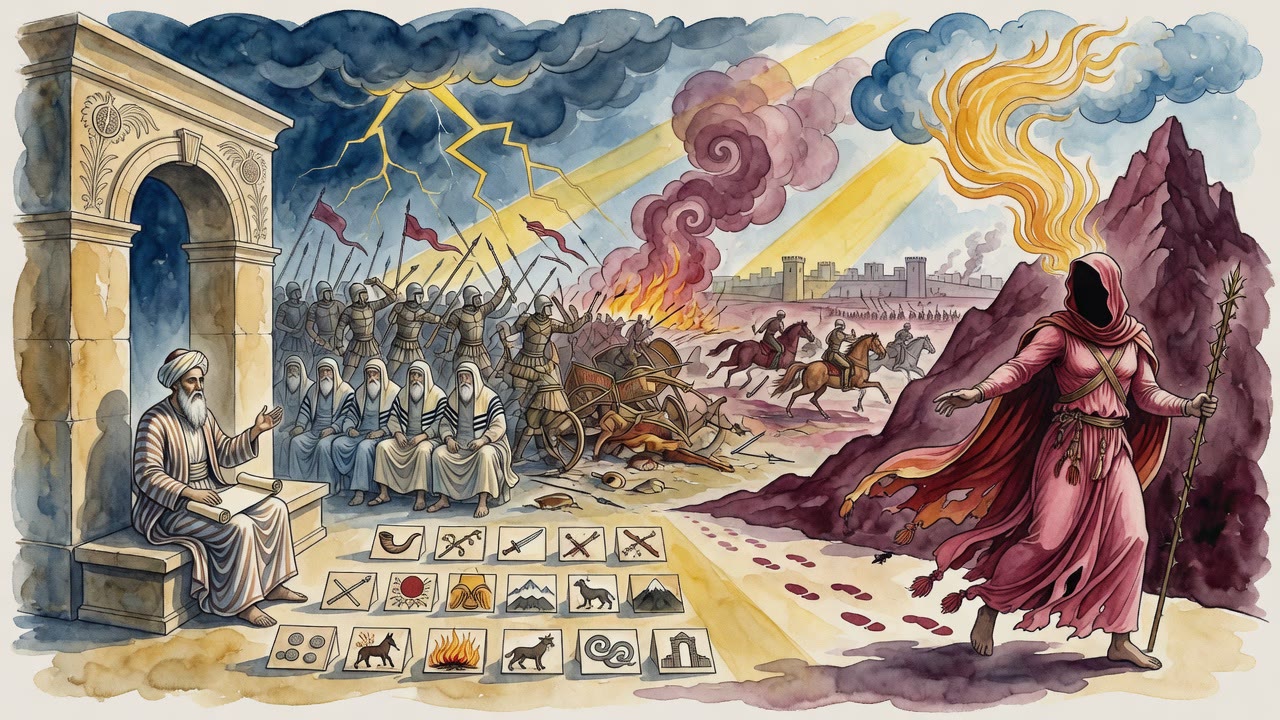
Four of the mighty of Israel had been seized in the great city of Rome. Rabbi Simon ben Gamaliel. Rabbi Ishmael himself. Rabbi Elazar ben Dama. Rabbi Judah ben Baba. The ransom named with them was eight thousand students out of Jerusalem.
He did not go to a magistrate. He did not look for a patron in the city. Rabbi Nehunya ben Hakkanah saw the decree and sent him down at once. Down to the Merkabah (מרכבה), the Chariot. The only court left that could tell him who had signed the names.
He Questioned the Prince of the Presence
The palaces did not grow kinder because the news was bad. He went anyway. Gatekeepers stood where they always stood. He reached Surya, Prince of the Presence, and put the Thursday in front of him.
Surya did not soothe him.
"Ten men did the heavenly court write down," he said, "and they gave them to Samael the wicked, the genius of Rome. Go out, they told him, and destroy from the mighty of Israel every good member, thigh and shoulder."
The charge Samael was carrying was older than Rome. "He that stealeth a man and selleth him, or if he be found in his hand, he shall surely be put to death" (Exodus 21:16). The sons of Jacob stole Joseph and sold him. The court did not wait for a better generation. It handed Samael ten of the mighty in their stead.
A vengeance against him was laid up until the day God would punish the host of the high ones on high. Then Samael and the princes of the kingdoms would be cut down and cast on the earth like goats on the day of atonement.
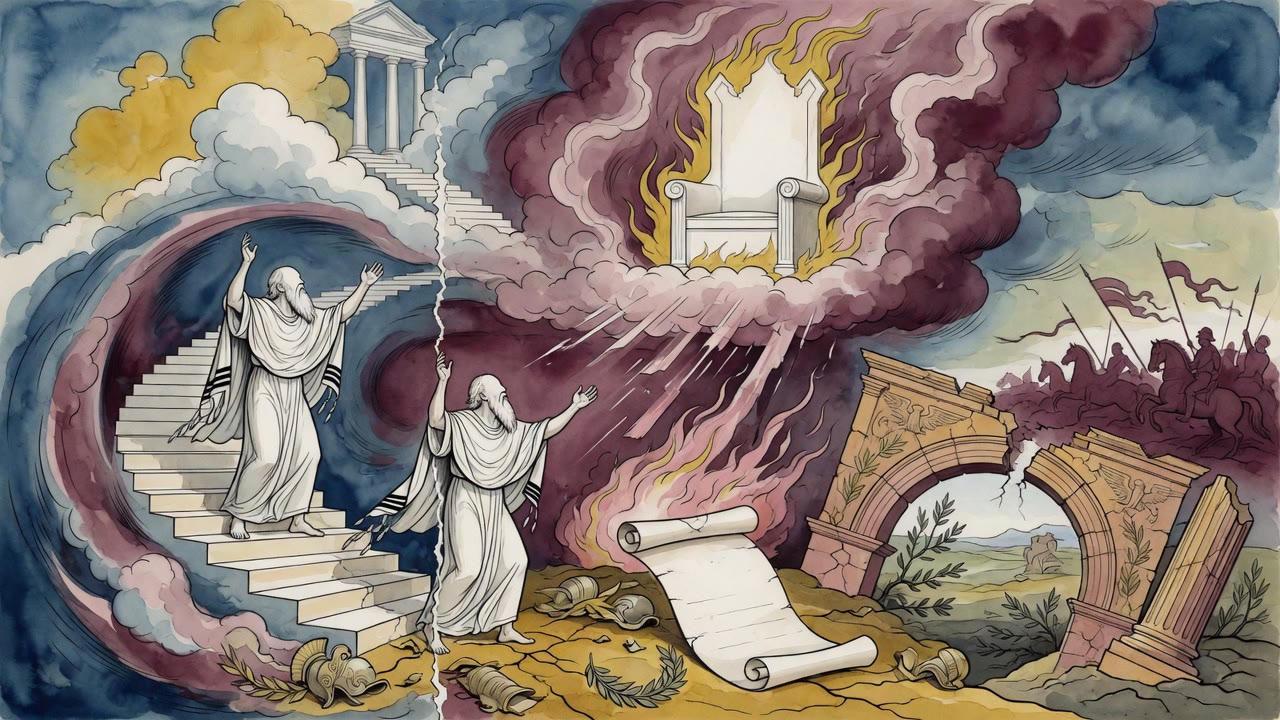
Ishmael came back knowing the seized names were not Rome's idea. Rome was the hand. The ledger was older.
He Named Three Wars After Rome
He did not stop at the ten. He spoke of what comes after the last empire of this age, the wisdom the palaces would not let him unsay, the shape of the end times once Rome had spent its allotted years.
The sons of Ishmael, Abraham's first son, would wage three wars of trouble on the earth in the latter days. One in the forest of Arabia. One on the sea. One in the great city which is in Rome, more grievous than the other two.
"For they fled away from the swords" (Isaiah 21:15). He heard swords as wars. The drawn sword was the forest. The bent bow was the sea. The grievousness of the war was Rome itself.
From that third war the Son of David would flourish. He would see those destructions, then come to the land of Israel. "Who is this that cometh from Edom, with crimsoned garments from Bozrah?" (Isaiah 63:1).
Rome was a stage. The wars after Rome were already on the page.
The Boy Abraham Sent Away
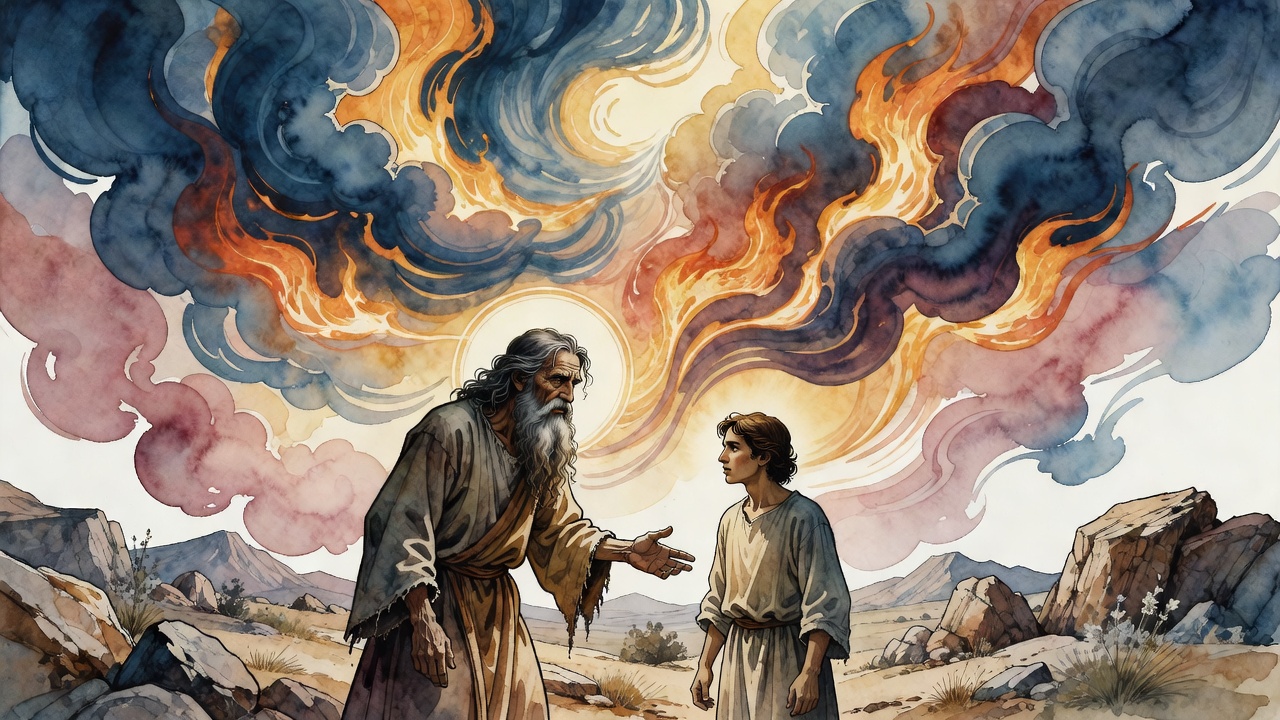
The line of those wars began in a house, not on a battlefield. Isaac grew. Quarrels broke out over the first-born's portion. Ishmael, used to the bow from youth, aimed his missiles toward Isaac and said he was only jesting.
Sarah was not jesting. She told Abraham to make over everything to Isaac, and to send Hagar and the boy away, so there would be nothing in common between them, in this world or in the world to come.
Of all the trials Abraham had to bear, this was the hardest. God came that night. Sarah had been appointed his wife from her mother's womb. Hagar had not been named his wife. What Sarah spoke was truth. Let it not be grievous because of the lad.
Abraham rose early. He gave Hagar her bill of divorcement. He bound a rope about her loins so all would see she was a bondwoman, and sent her out with her son. Sarah's glance had made the boy sick and feverish. Grown as he was, she had to carry him. He drank the bottle dry.
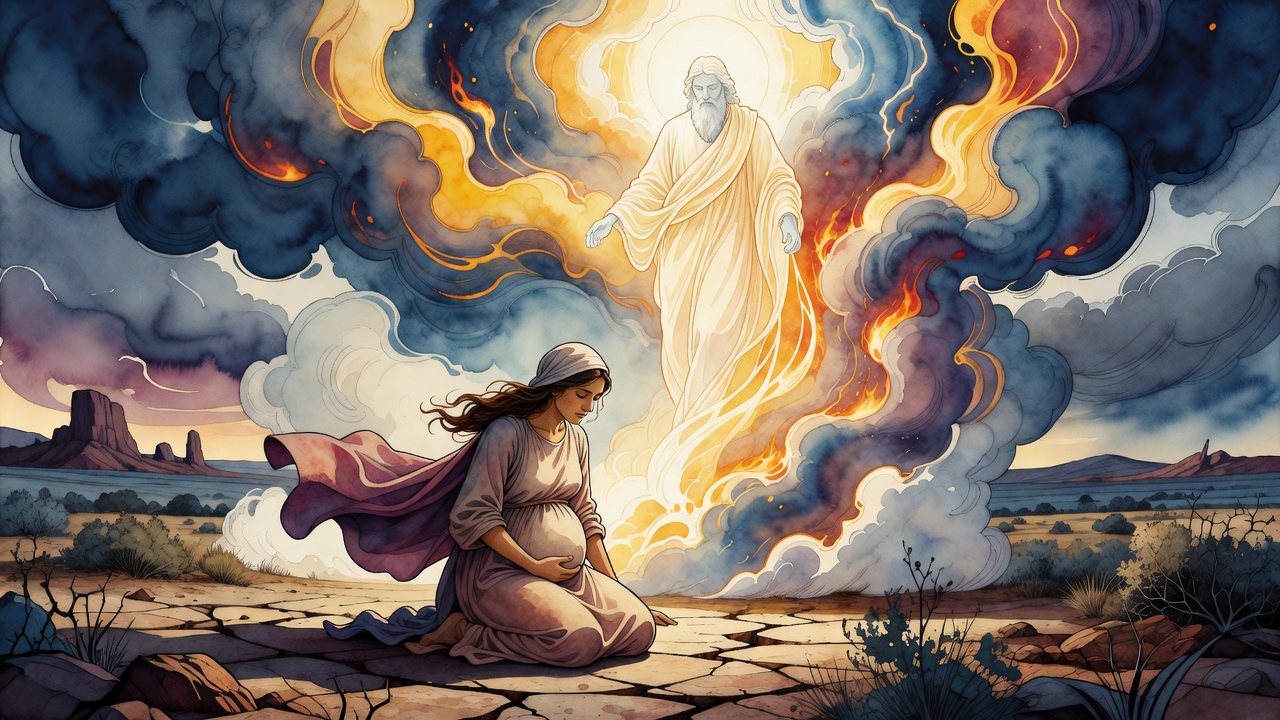
She set him under the willow shrubs on the same spot where angels had once told her she would bear a son.
"Yesterday Thou didst say I will multiply thy seed," she said, "and today my son dies of thirst."
Ishmael cried out. The angels appeared against him. His prayer and Abraham's merits brought them help anyway. The boy lived. The line lived. Centuries later a sage who shared his name stood in the Chariot and named the three wars that line would still have left to fight after Rome.
← All myths