80 myths · Page 1 of 3
A rabbi enters a Roman prison to test a captive child with a verse, and what the boy answers changes the course of a life.
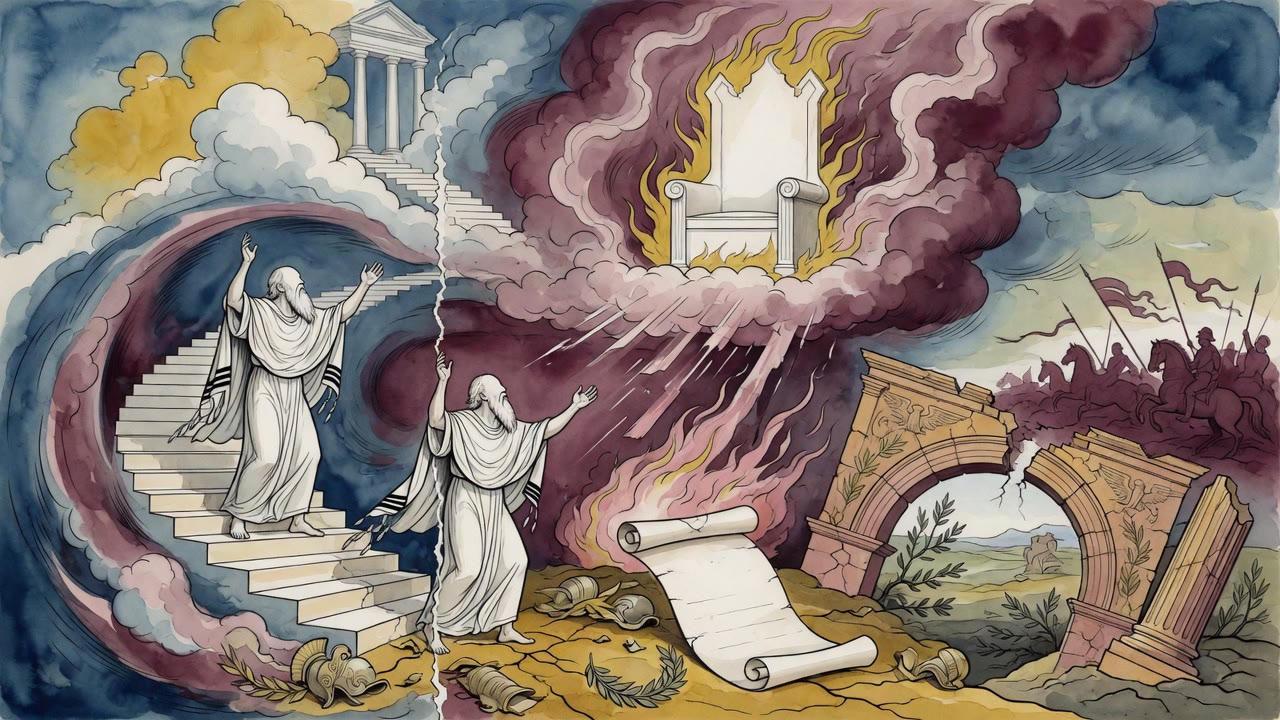
He sat the Sanhedrin at the Temple's third door. Fire hung in webs between them. He spoke of a walk out of Edom in red.
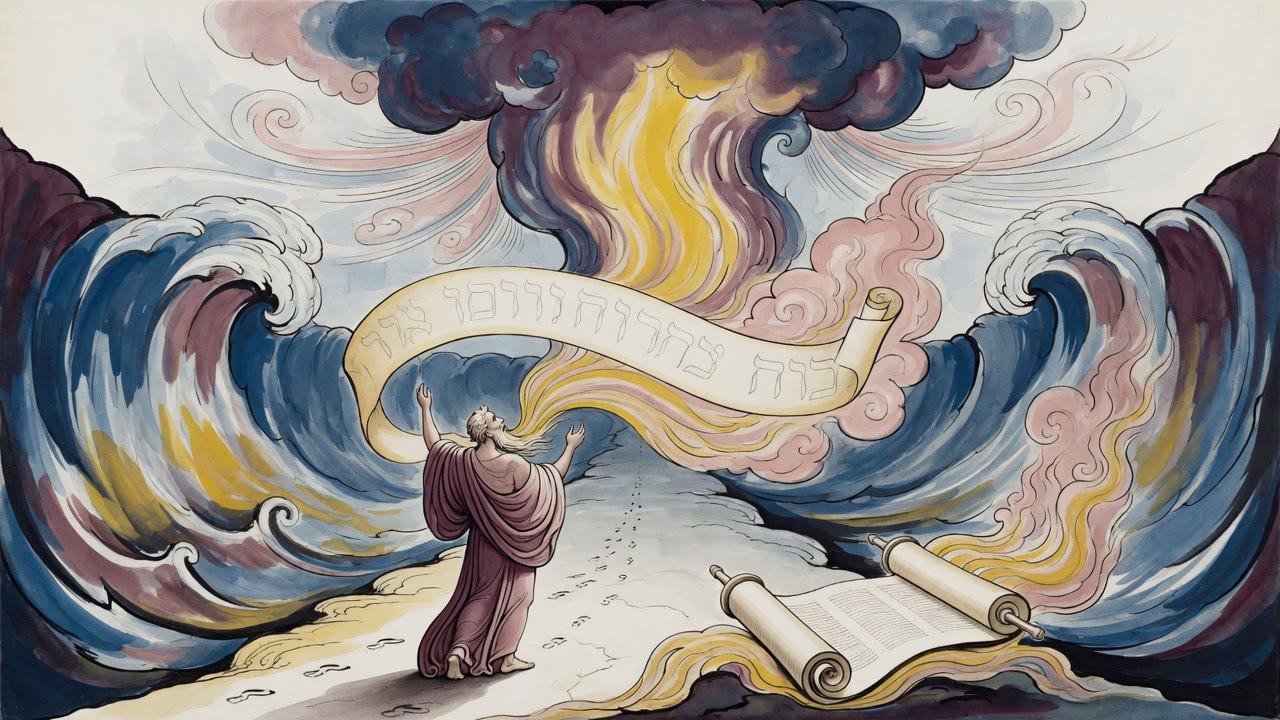
The Emperor's daughter mocked the rabbi's God as a builder. Days later she was sealed in a tent she could not leave, and God would not take it back.
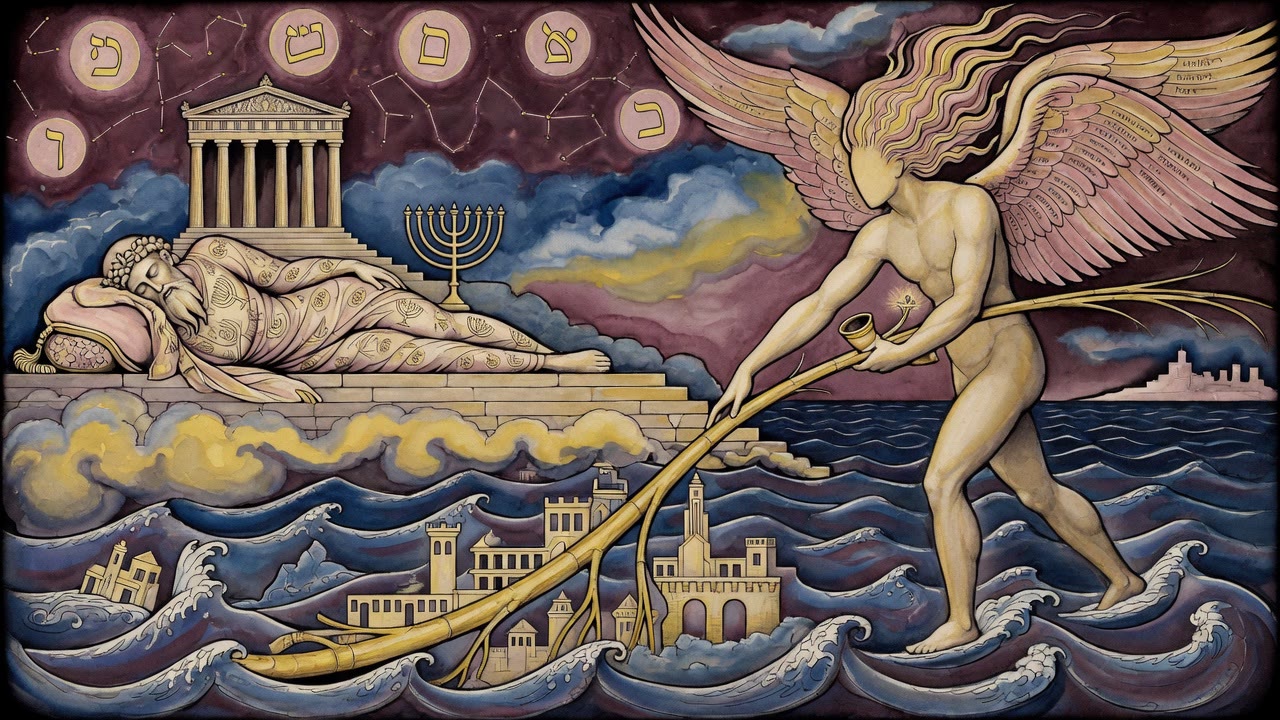
Pharaoh's daughter hung jewels over the bed until they looked like stars. Solomon lay back. The morning offering waited in the court.
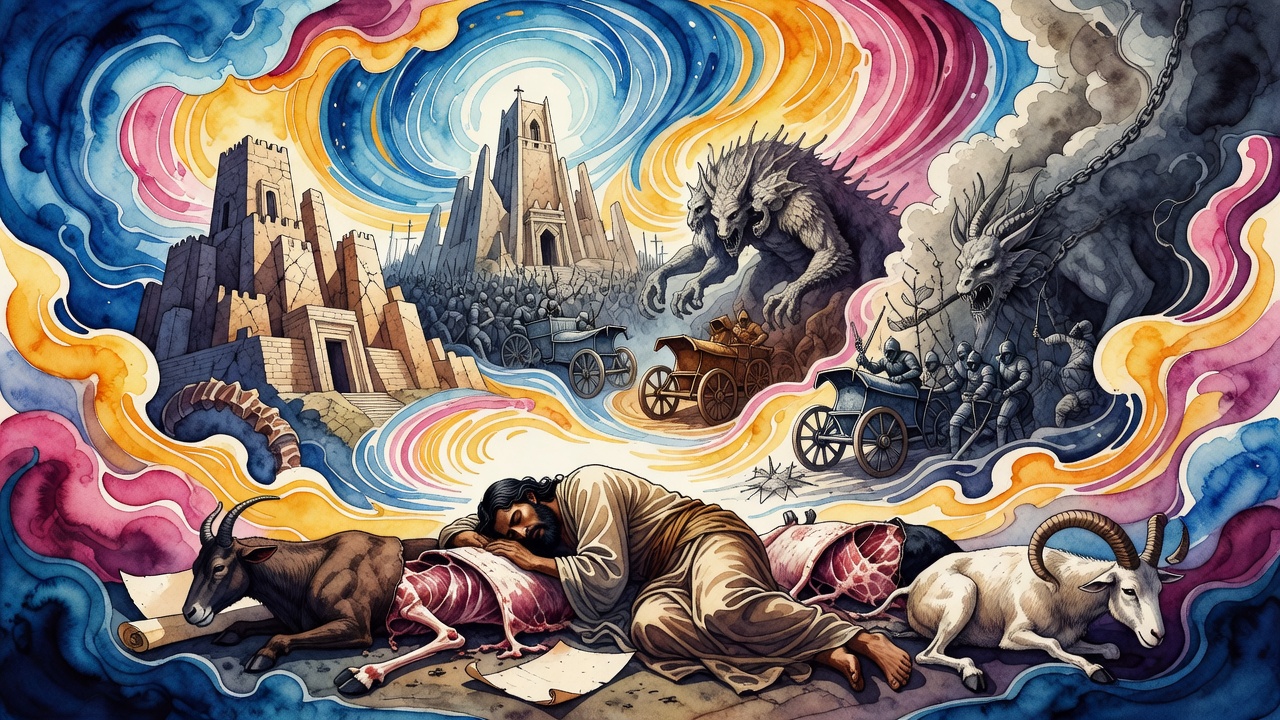
The furnace smoked. The torch burned. God asked Abram to choose Gehinnom or the stranger's rule for every child after him.
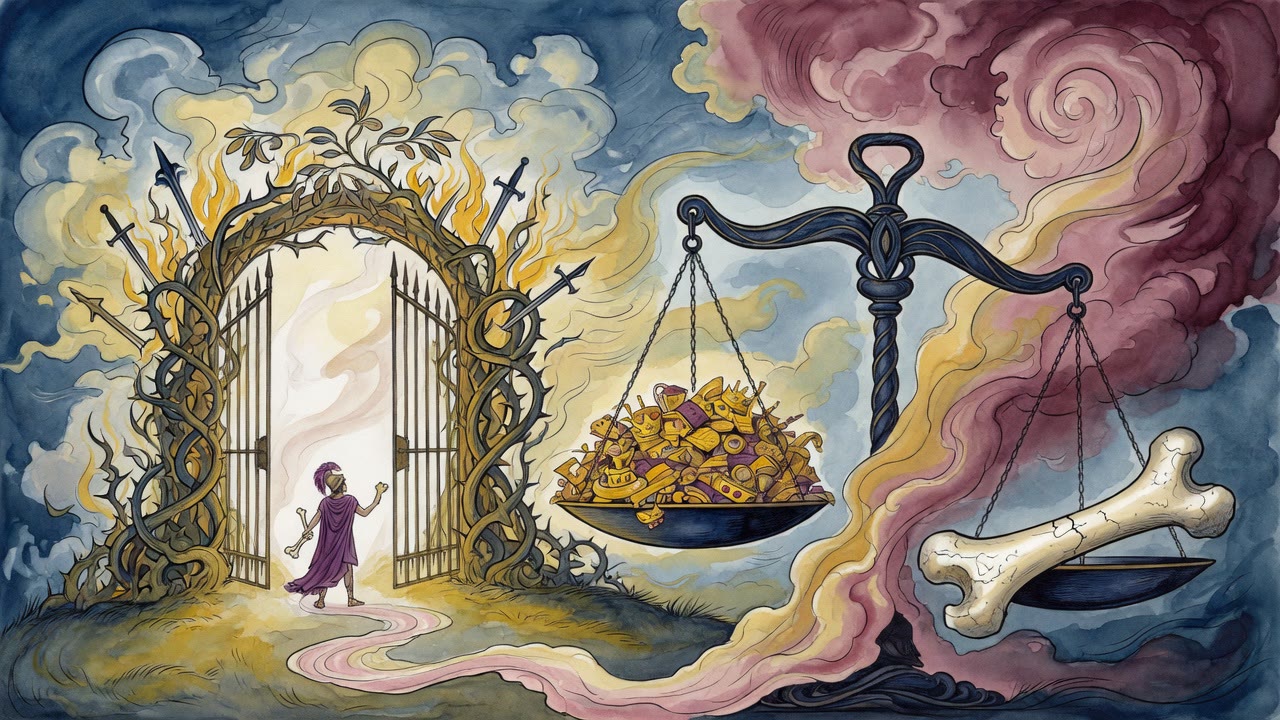
He had silenced the earth, lifted his heart, and taken the ends of the world. Then he fell into bed in Babylon and gave everything away.
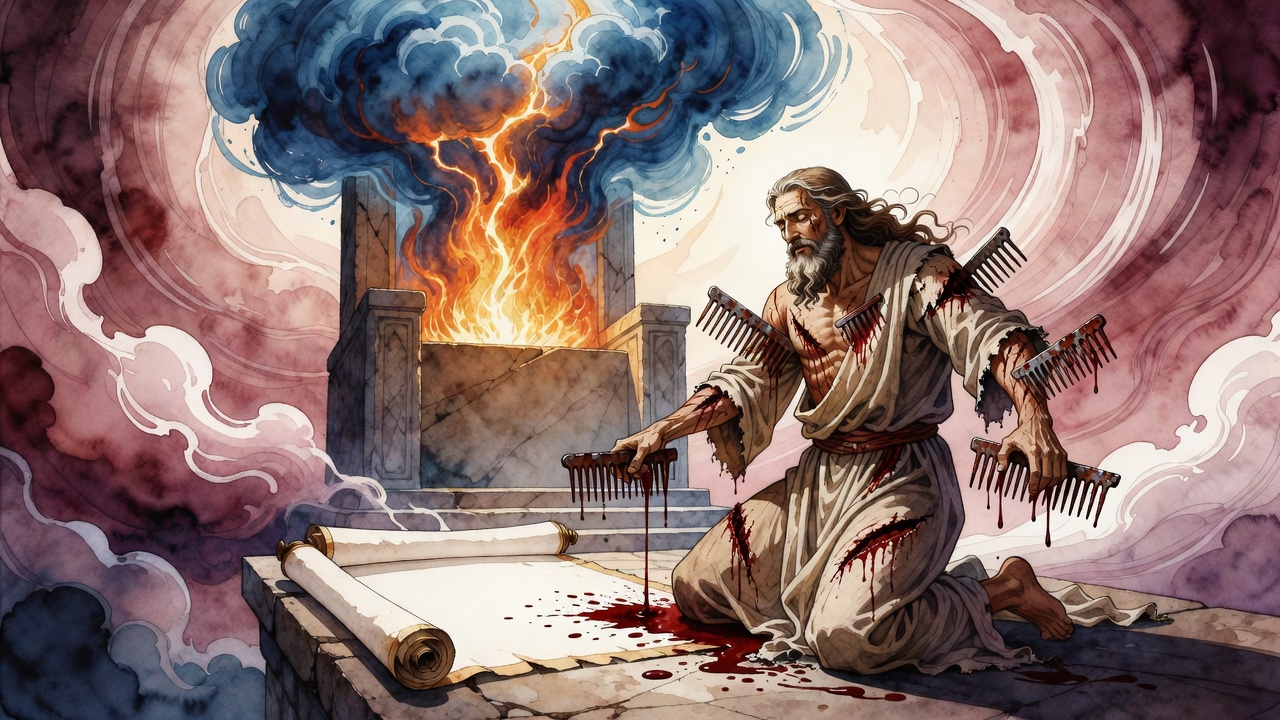
Iron combs tear Akiva's flesh while he finishes the Shema, Hear O Israel, and heaven records his blood as a legal claim not yet settled.
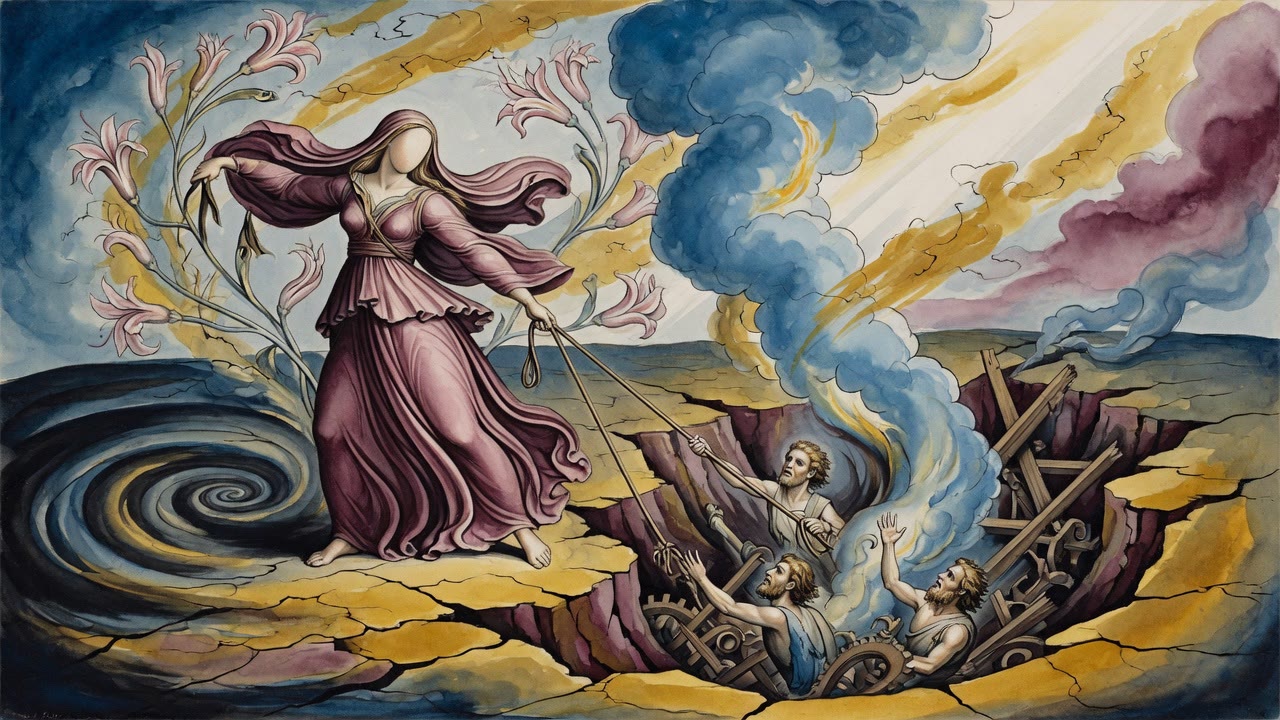
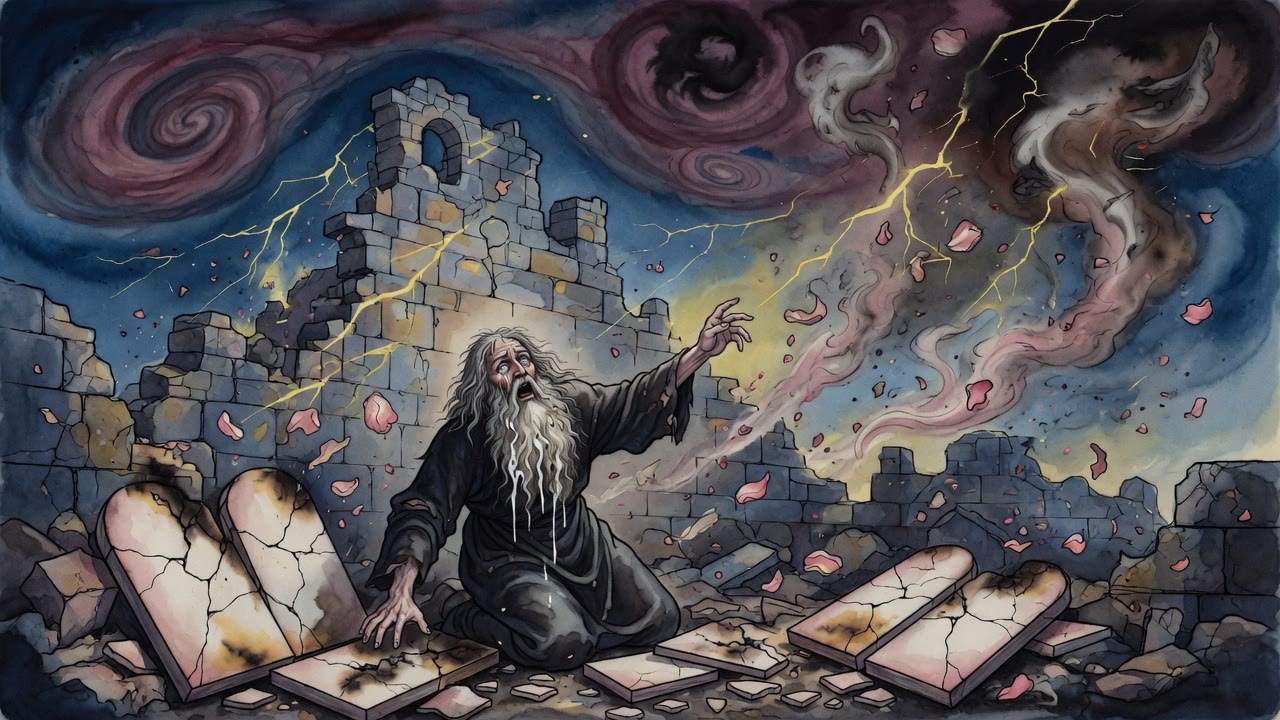
The earth opened under Korah. His three sons sat on a pillar in the fire and sang. A noblewoman in Rome would not let three men die.
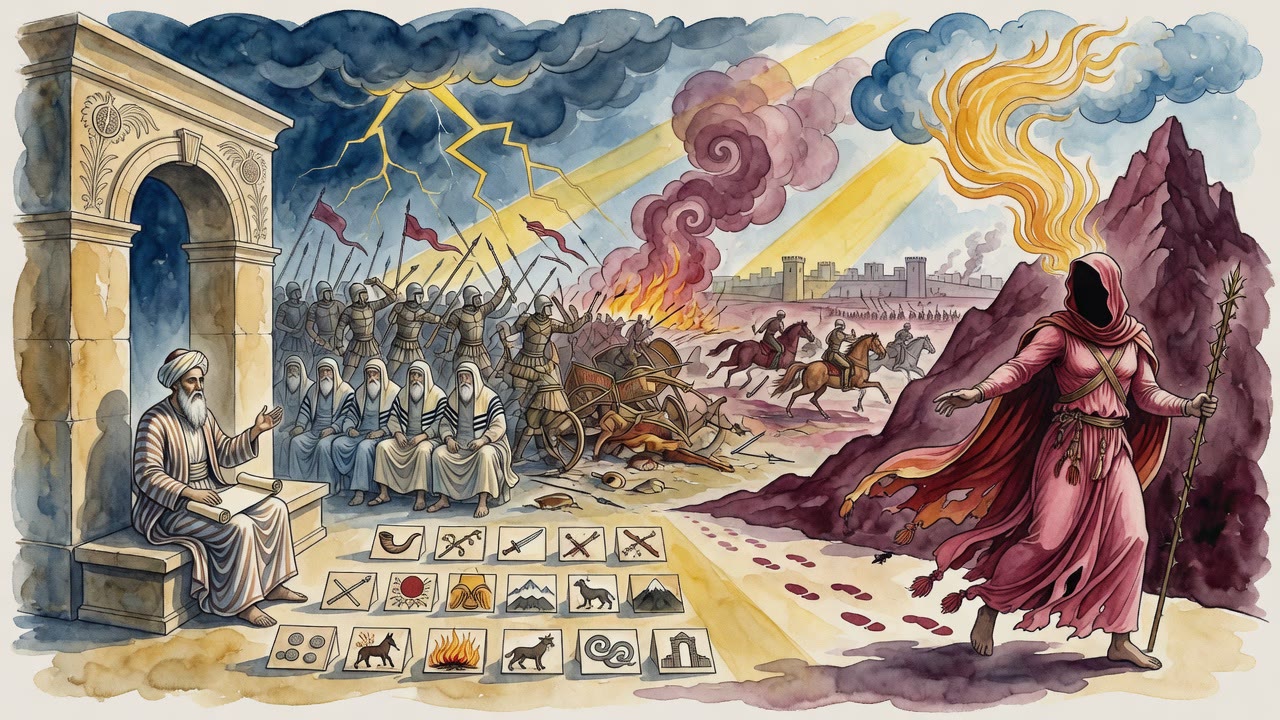
The news named him among the four. He skipped the magistrate. He went down to the Chariot and asked who had signed the names.
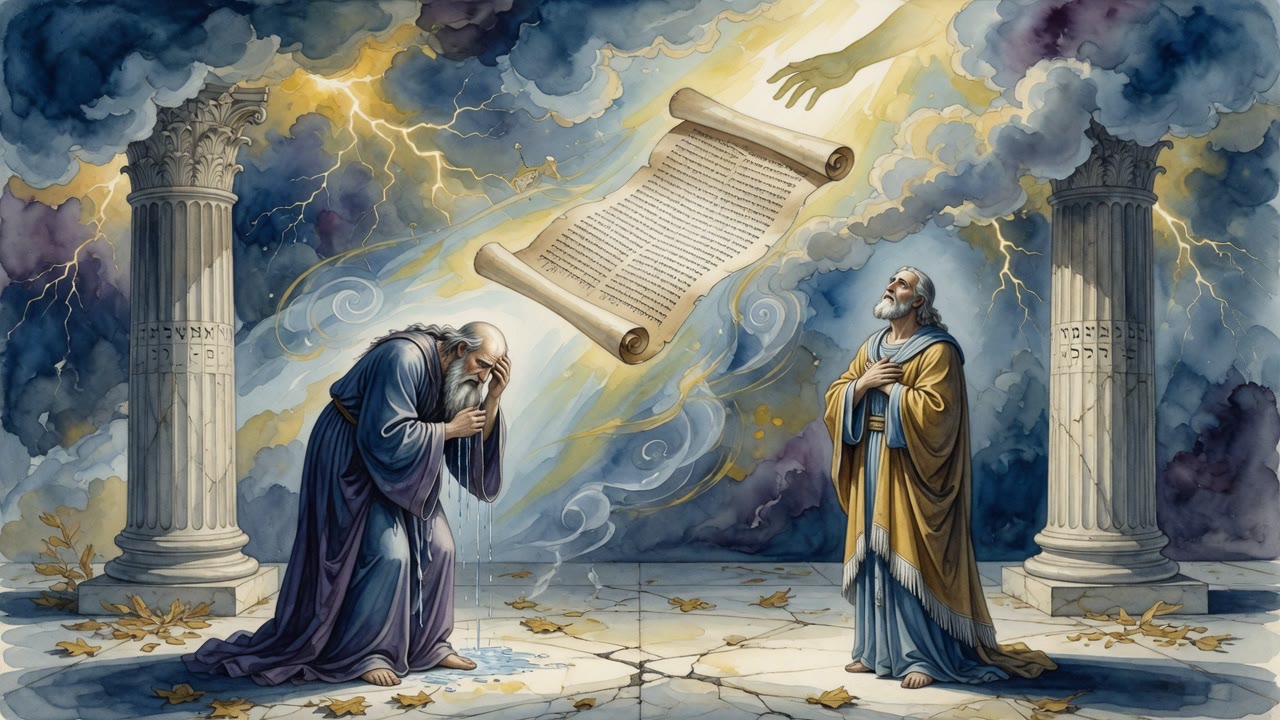
Rabban Shimon walked in Roman chains and wept because he could not name his sin. Rabbi Ishmael, bound beside him, told him to listen.
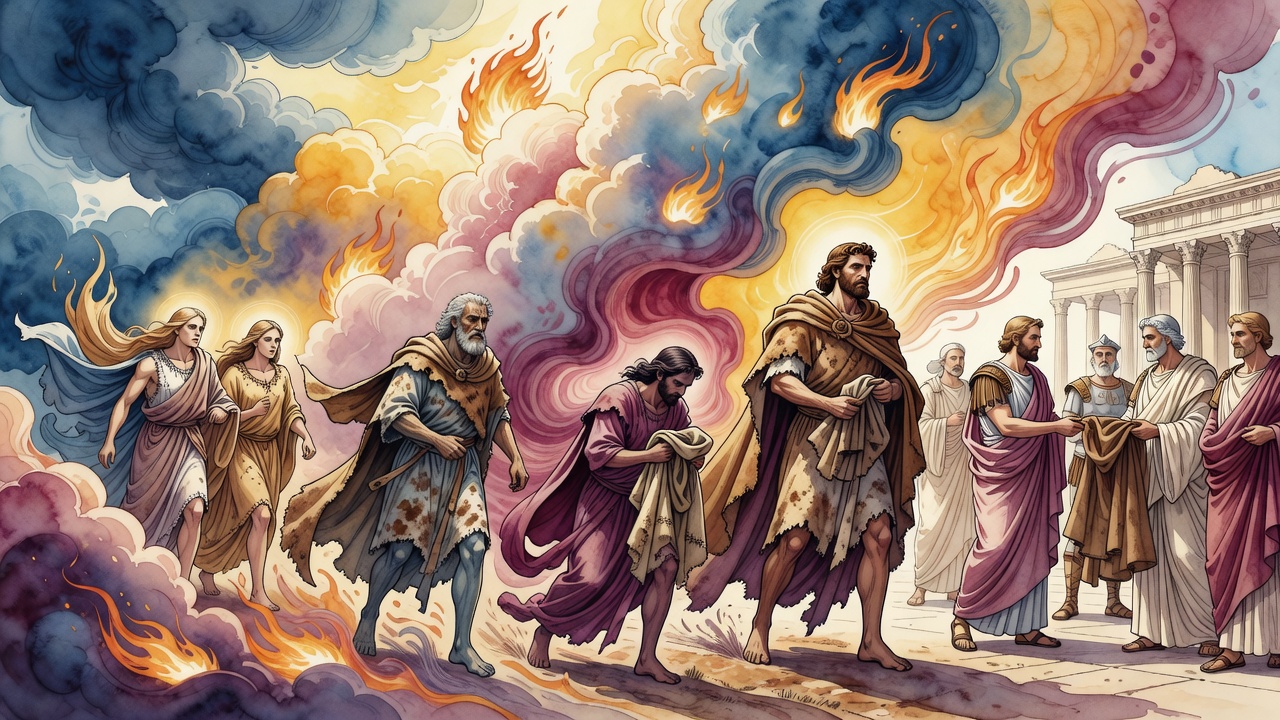
When Nimrod put on Adam's garments, the animals stood still for him. Esau killed him for them and stripped them off the body in the field.
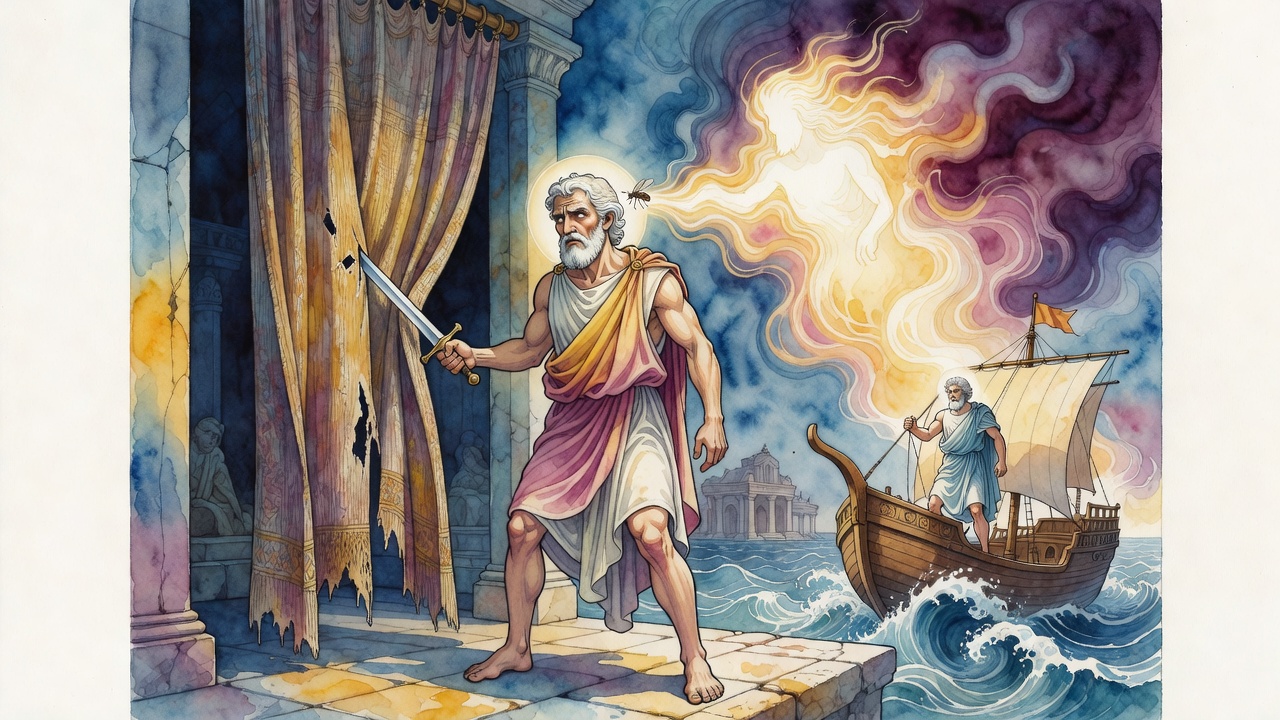
Titus defiled the Holy of Holies, stabbed the curtain, and sailed home victorious, but God sent a gnat into his nose that gnawed at his brain for thirty years.
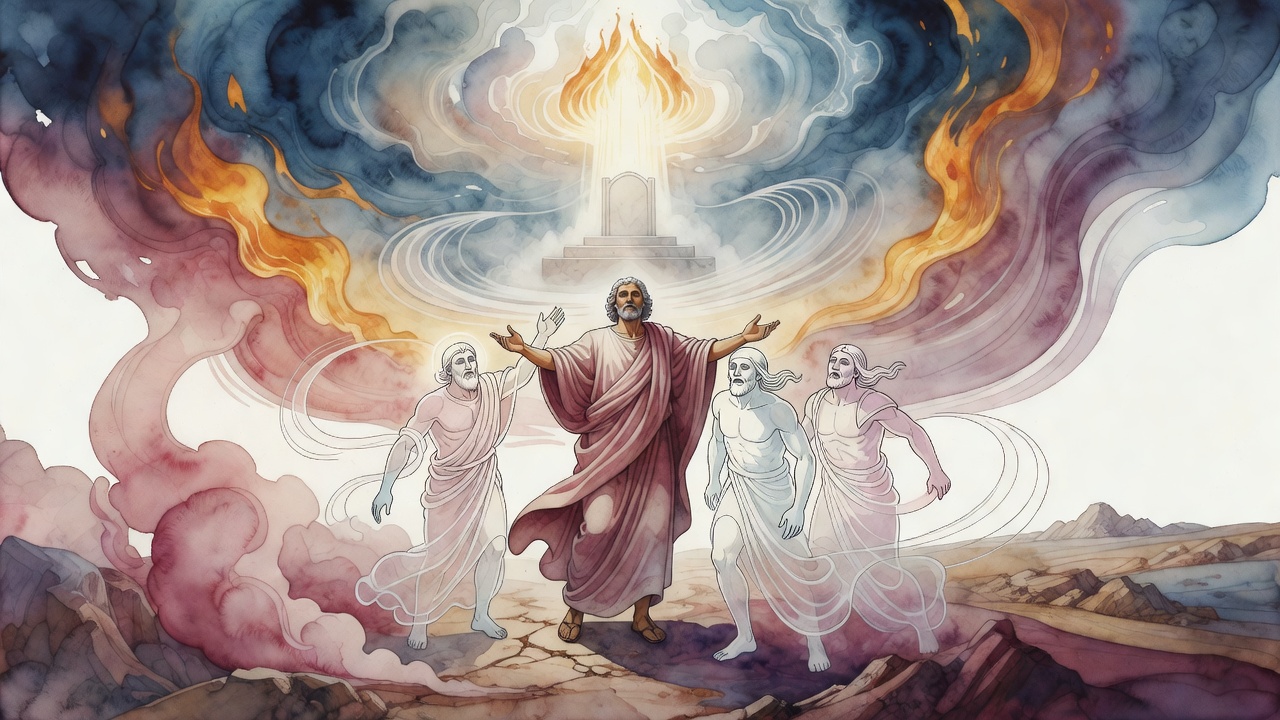
The emperor's nephew called Titus and Balaam up from the dead. He asked which nation is honored in the world to come. Both enemies said the Jews.
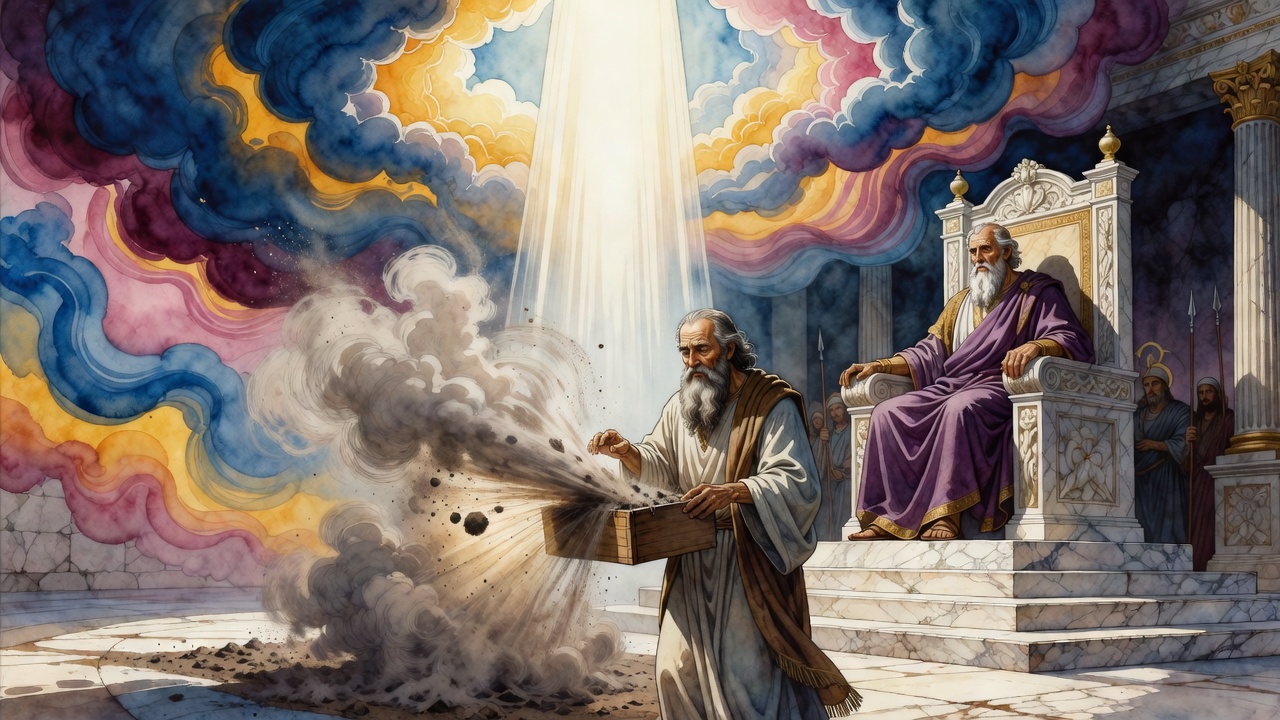
Innkeepers swapped the jewels for dirt. In the palace he said the sentence he always said, and Elijah walked in as a court man.
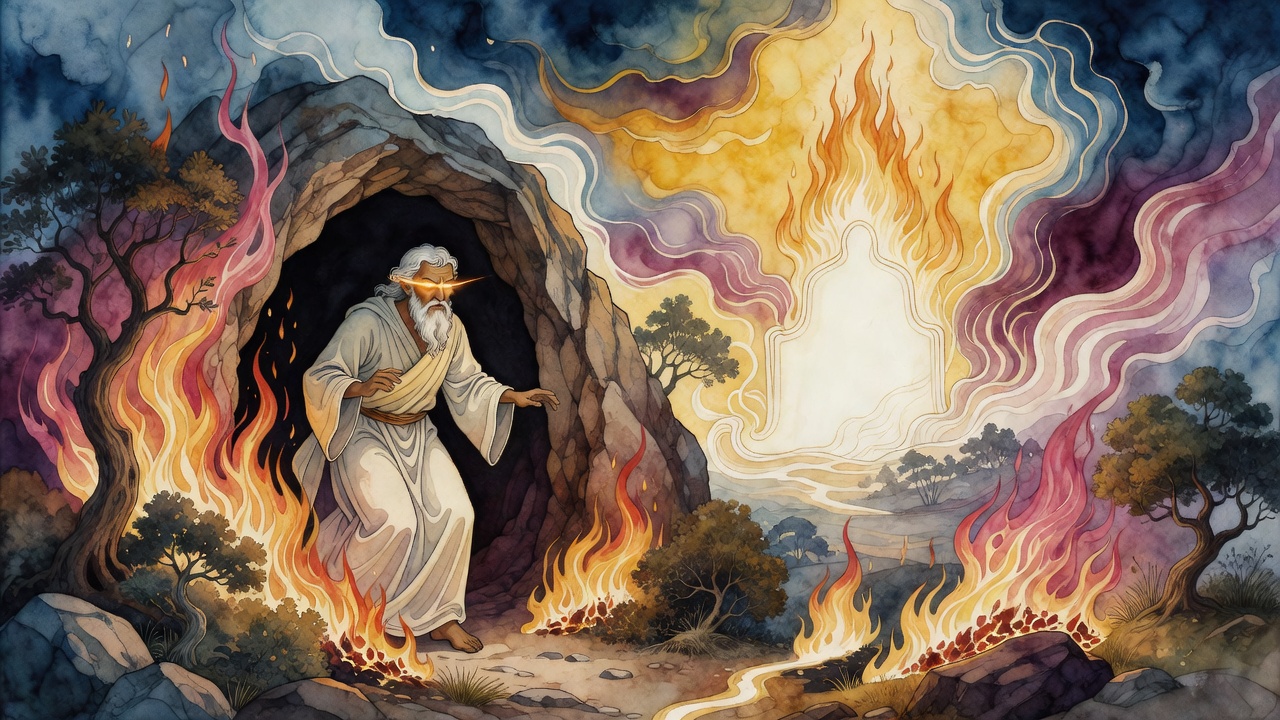
They buried themselves in sand up to the neck so the cloaks would last. When they walked out, a plowed field caught fire under one look.
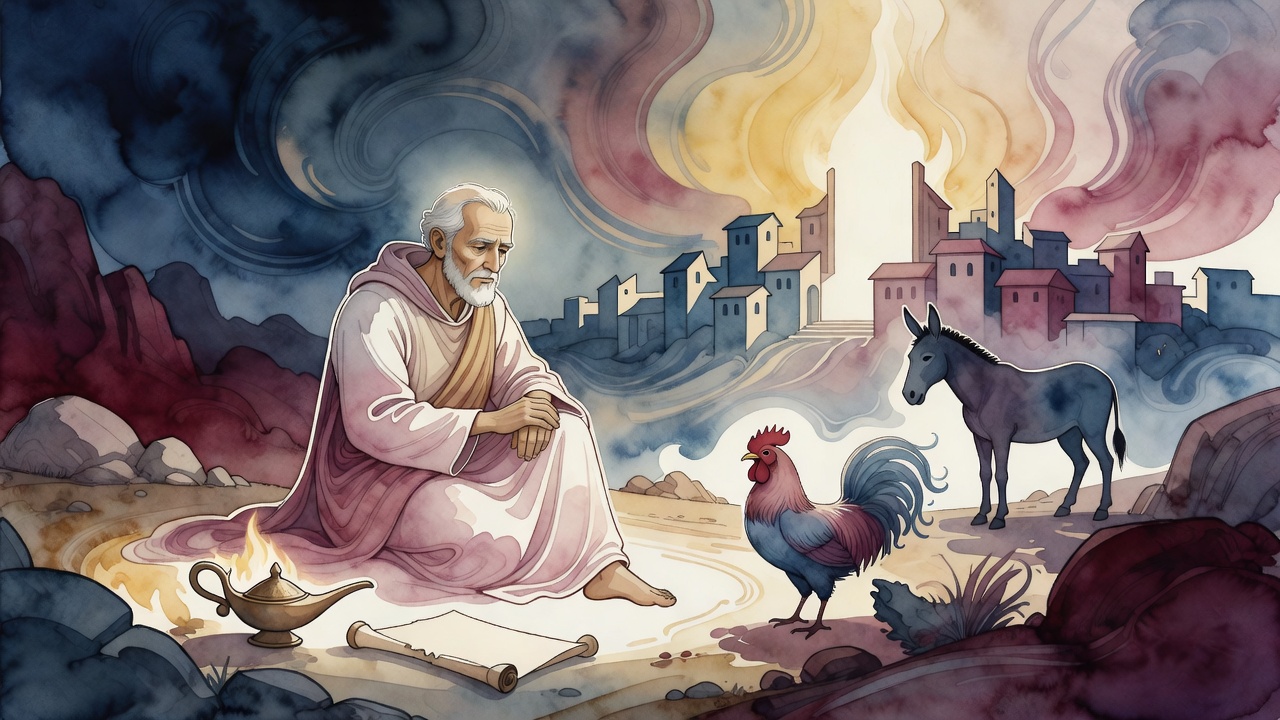
Three losses in a single night left Rabbi Akiva in darkness outside a hostile town, and the next morning he understood why each one had saved him.
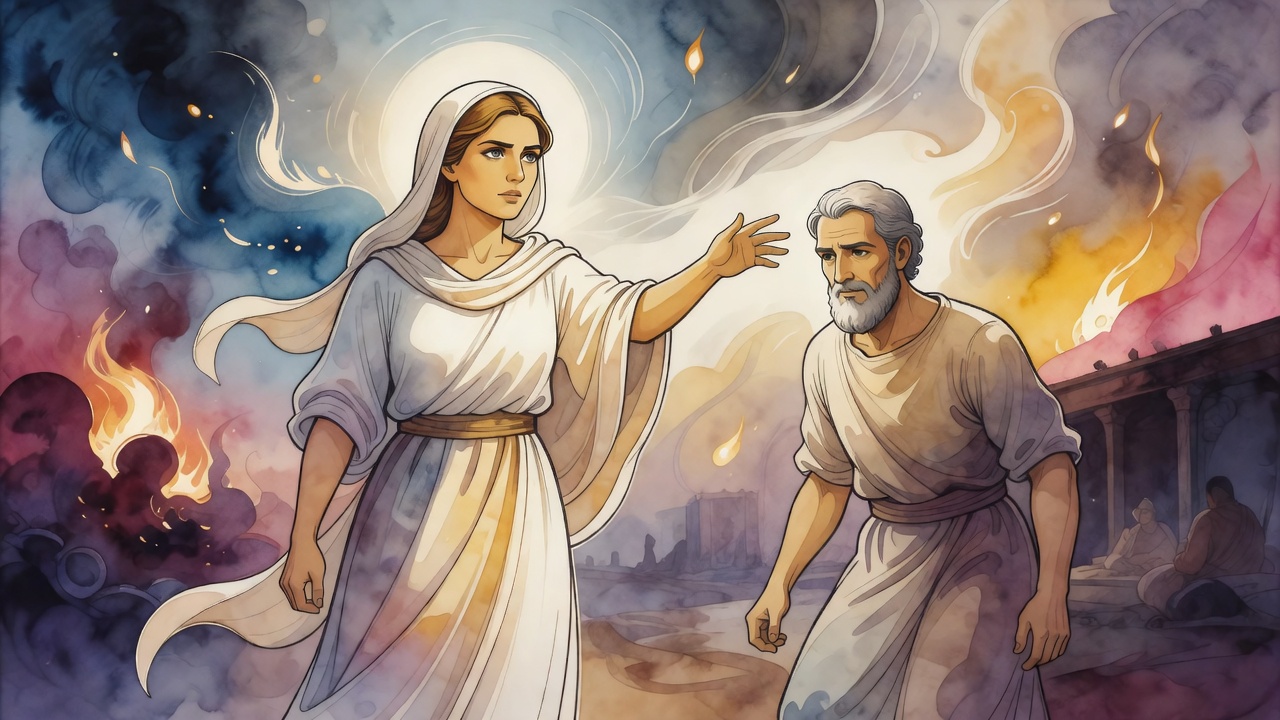
Romans burned her father in a Torah scroll. Beruriah did not ask Rabbi Meir to sit with her. She told him to take gold and bring her sister home.
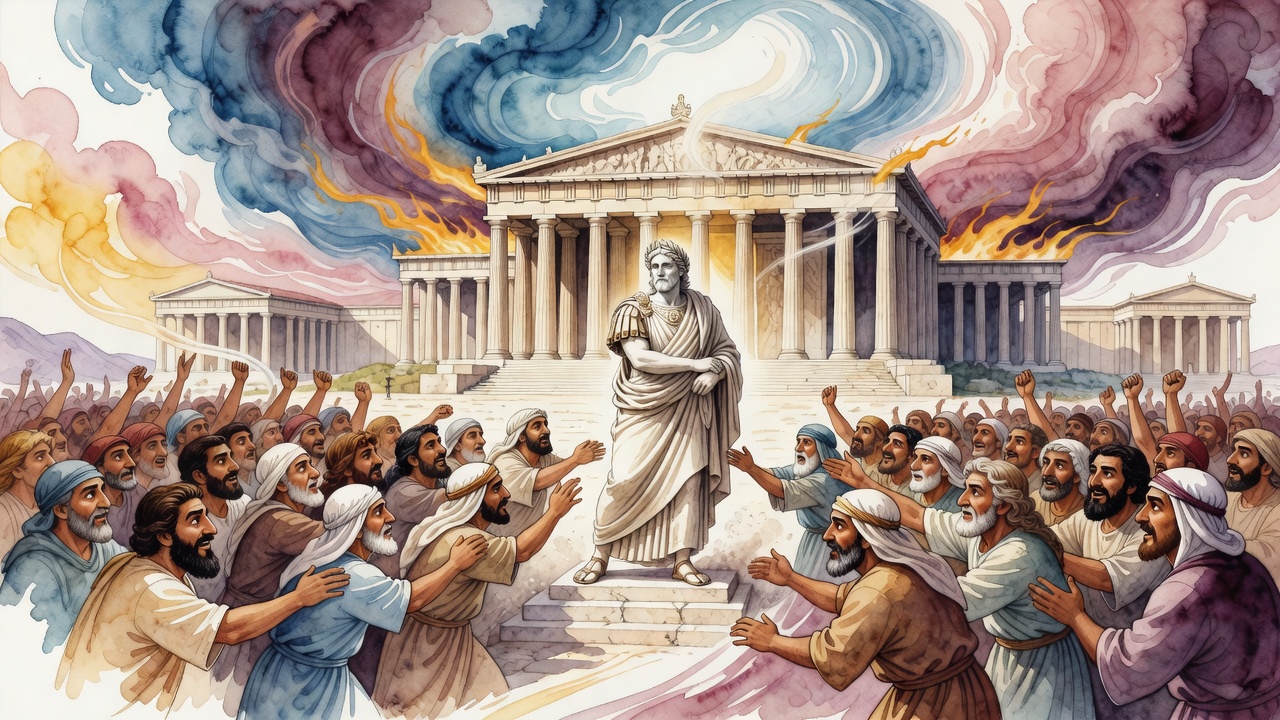
Pilate set Caesar's portraits over Jerusalem in the dark. The crowd walked to Caesarea, lay down in front of him and bared their necks.
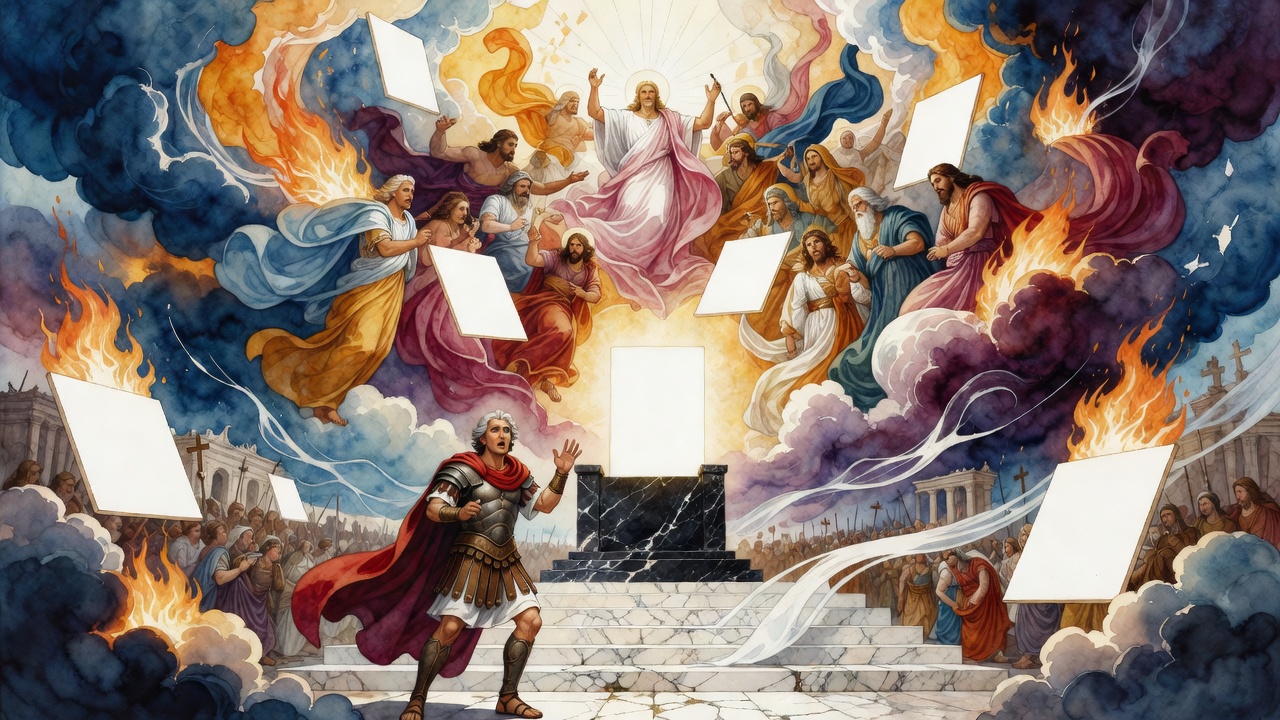
Rome commands armies but cannot command the record kept above, where Lupinus Caesar is summoned, named, and judged before he knows it.
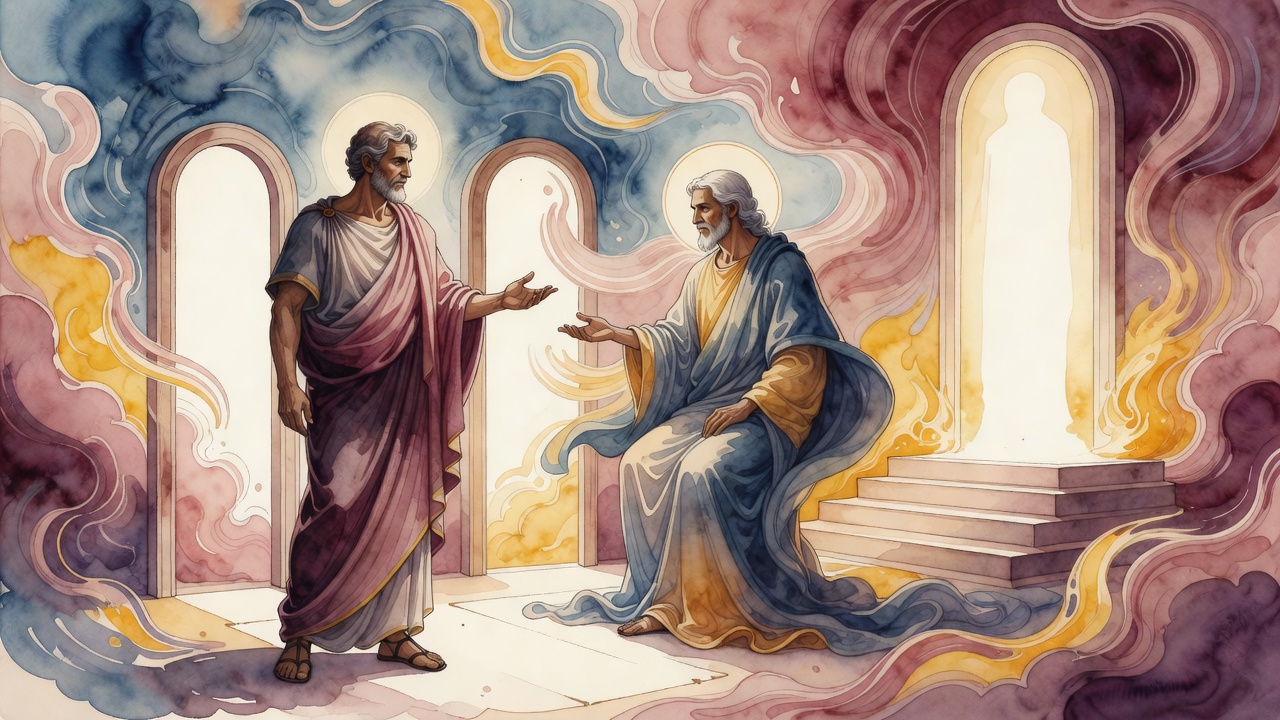
The Roman sent for his father's grave on the seventh day. The smoke would not rise. On Sunday the dead man answered him, unwilling.
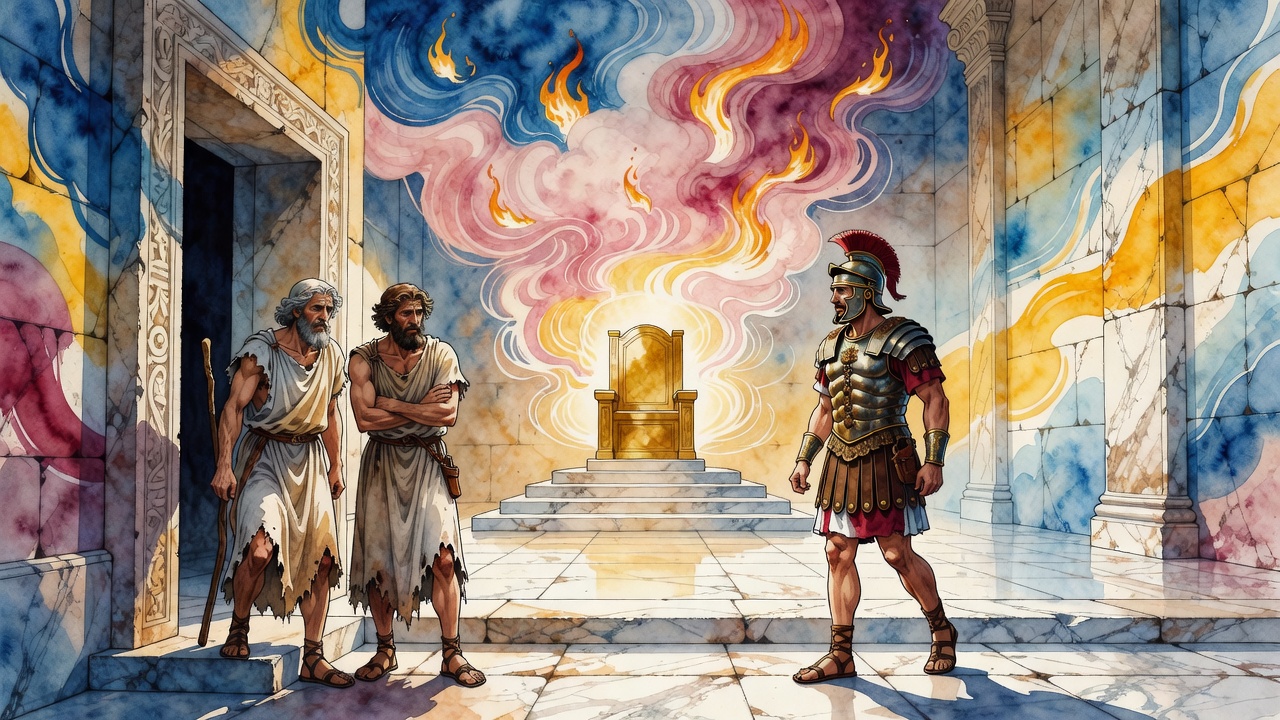
Two Hasmonean brothers each asked Rome to settle which of them should rule. The Romans built their siege ramp on Sabbaths, when nobody threw.
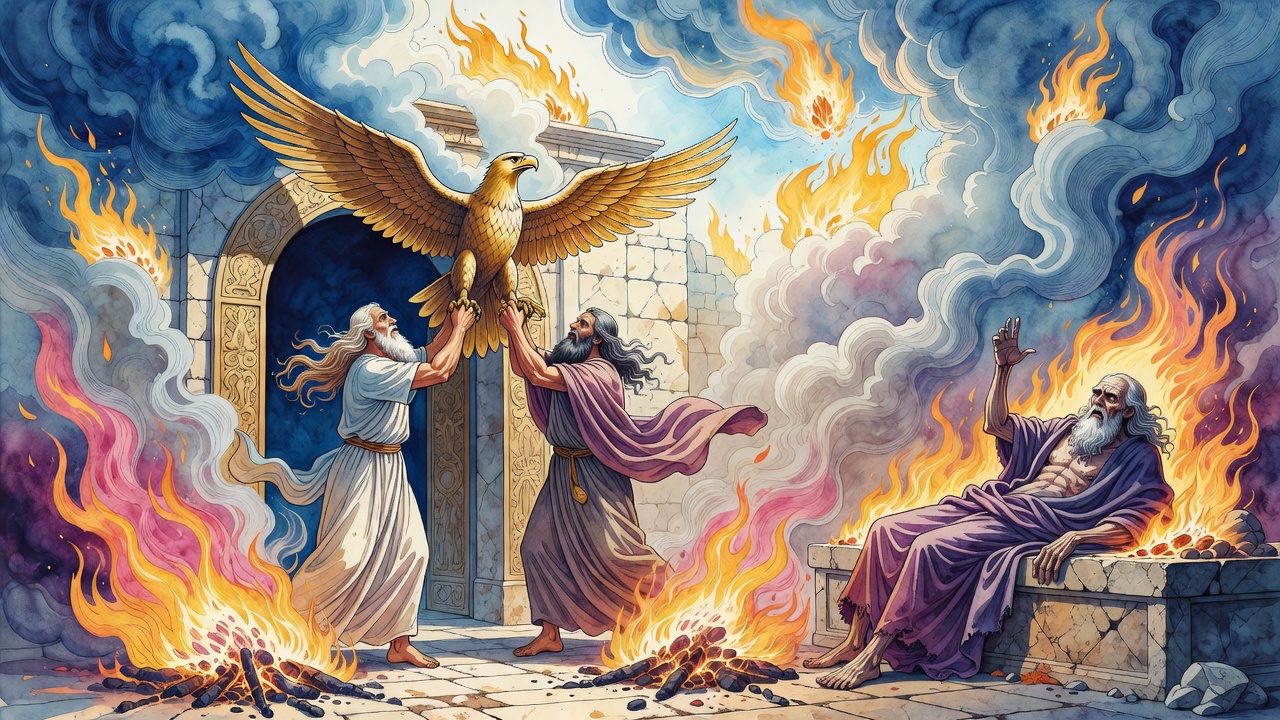
Two lecturers heard the king was dying and sent their students up the Temple gate with axes. Forty of them stayed when the soldiers came.
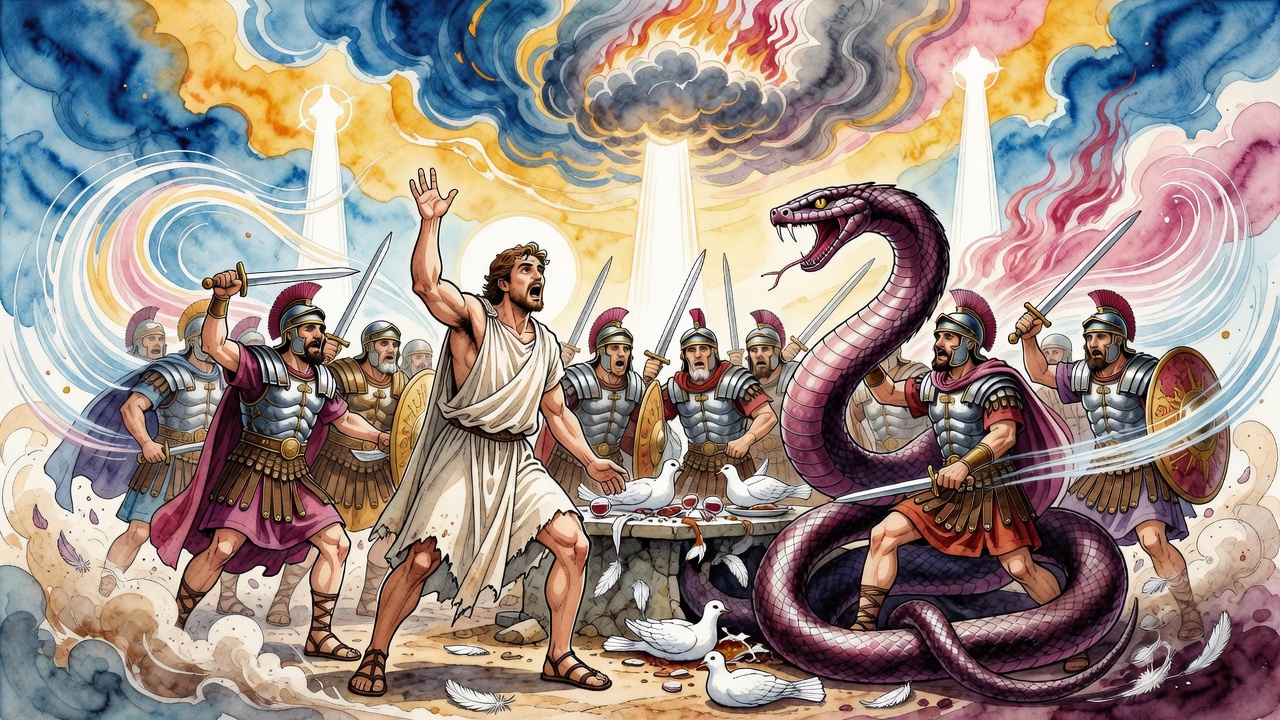
A hen and a rooster stood for a new marriage. Roman soldiers ate them. The defender who leapt a mile said God had forgotten the town.
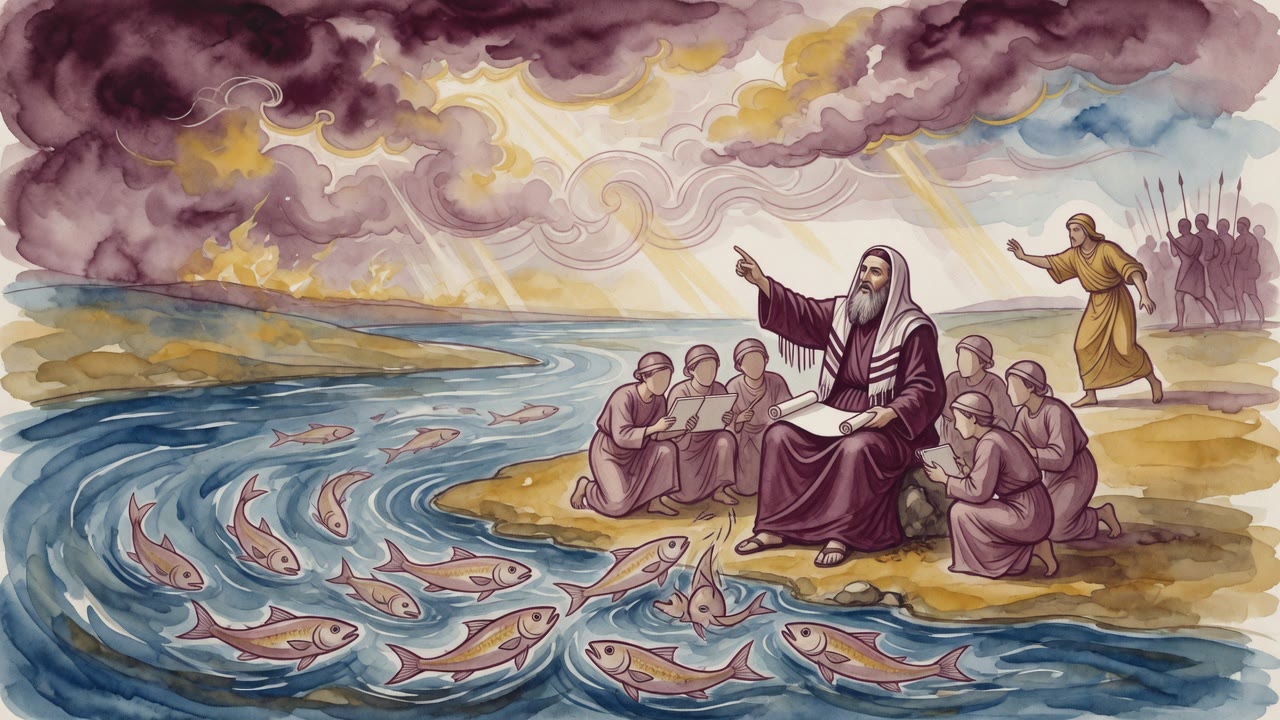
Pappos found him teaching in the street after the ban. The fox's offer sounded kind. The fish knew dry land was a faster death.
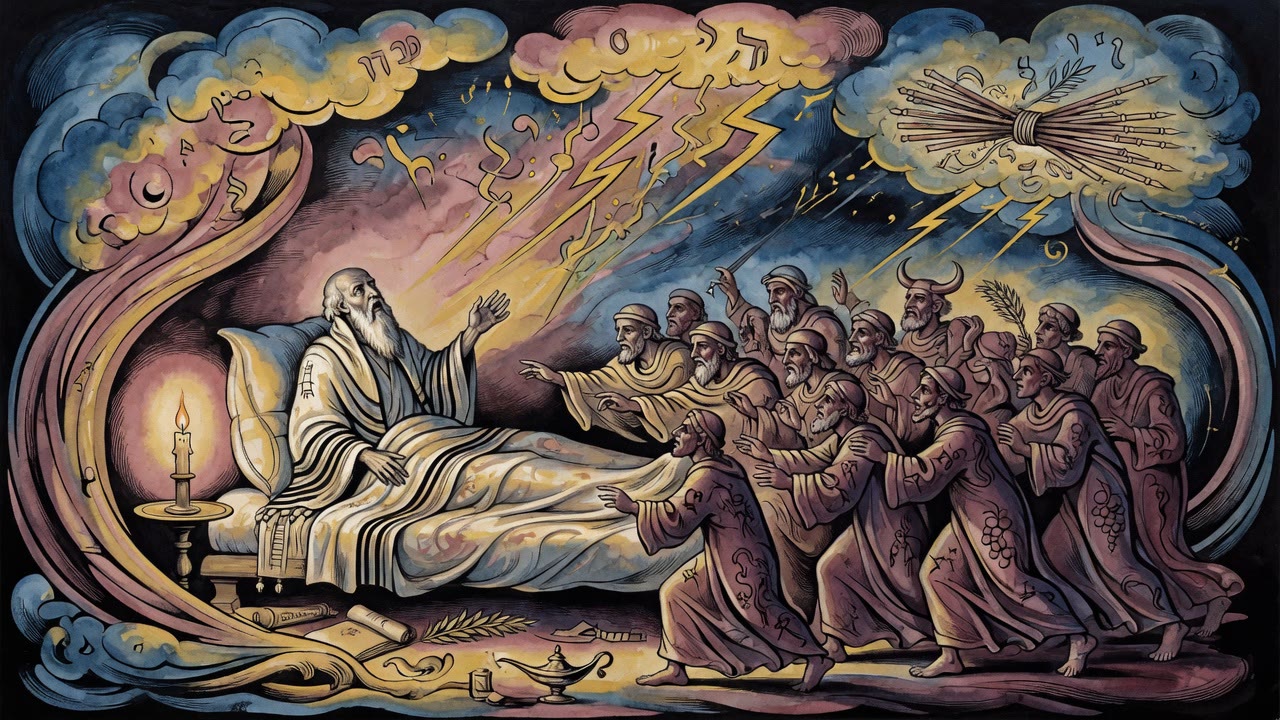
His wife looked at the ring and told him to suck it. Thirty days of mourning would cancel the edict. He died with the Shema in his mouth.
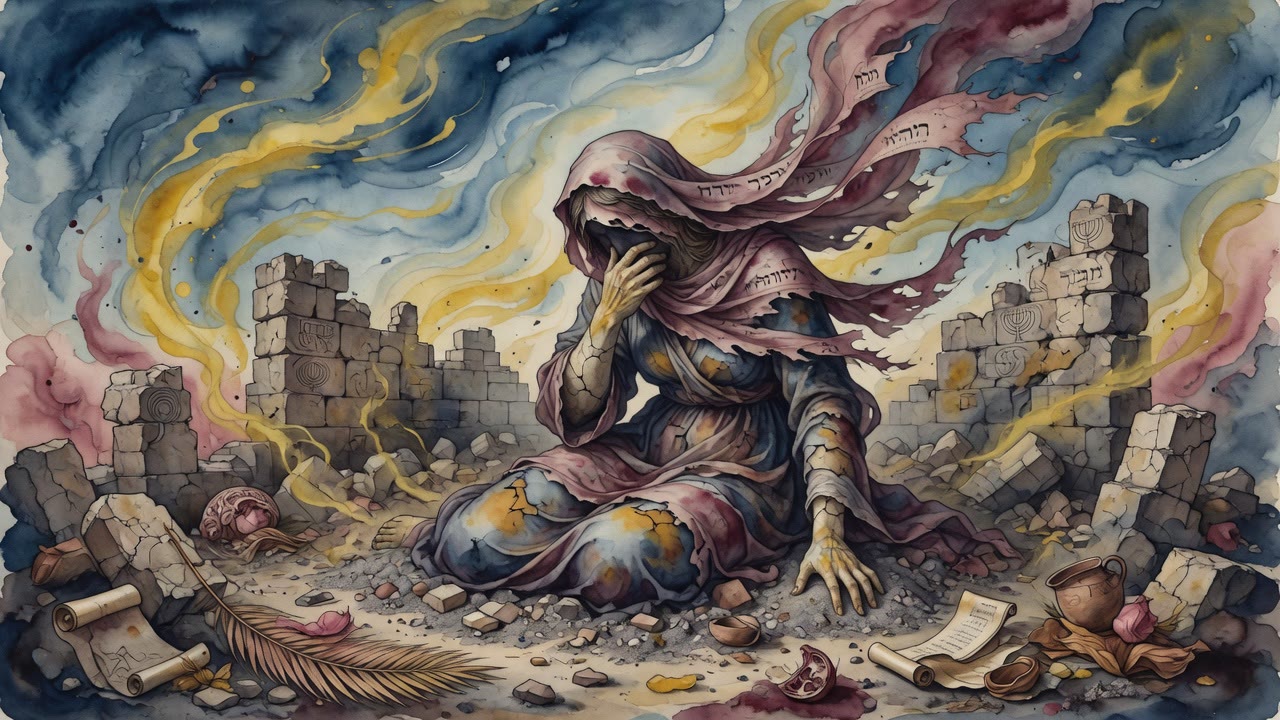
They heard Rome from a hundred and twenty mil and wept. Akiva laughed then too, long before a fox walked out of the Holy of Holies.
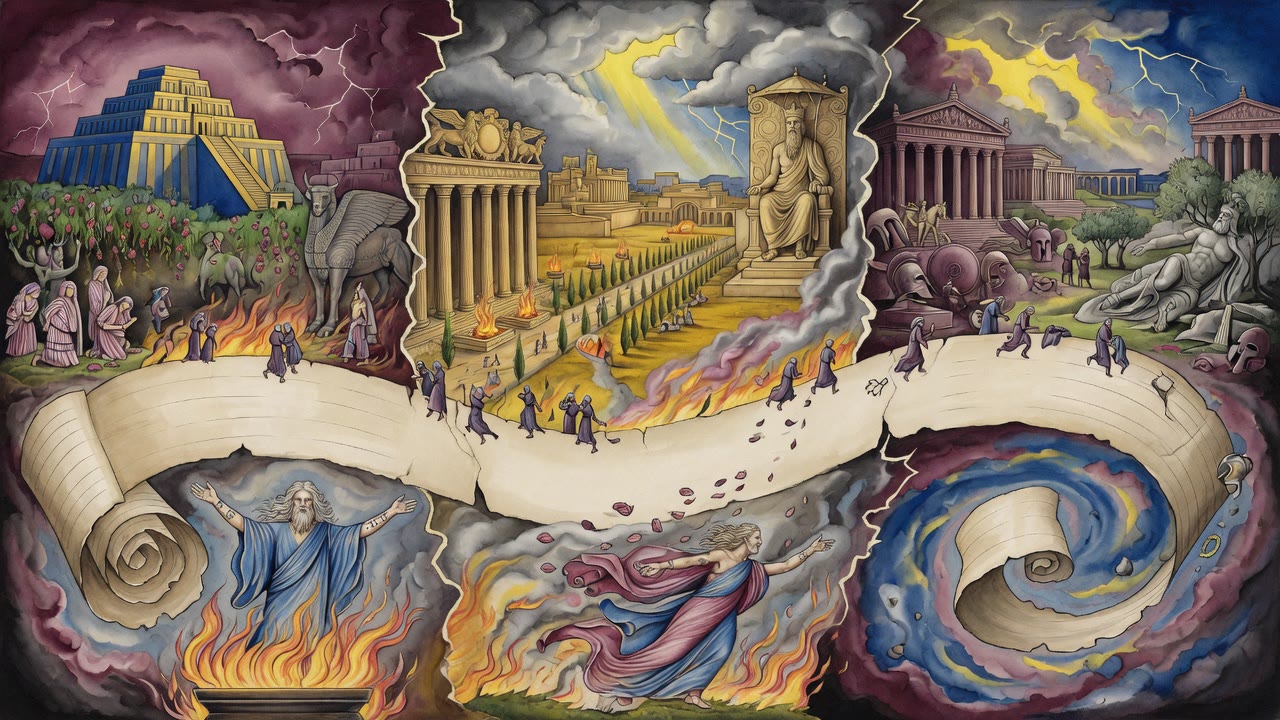
Alexander offered gold for a statue of himself between the sanctuary and the Holy of Holies. The High Priest offered him a generation of children instead.
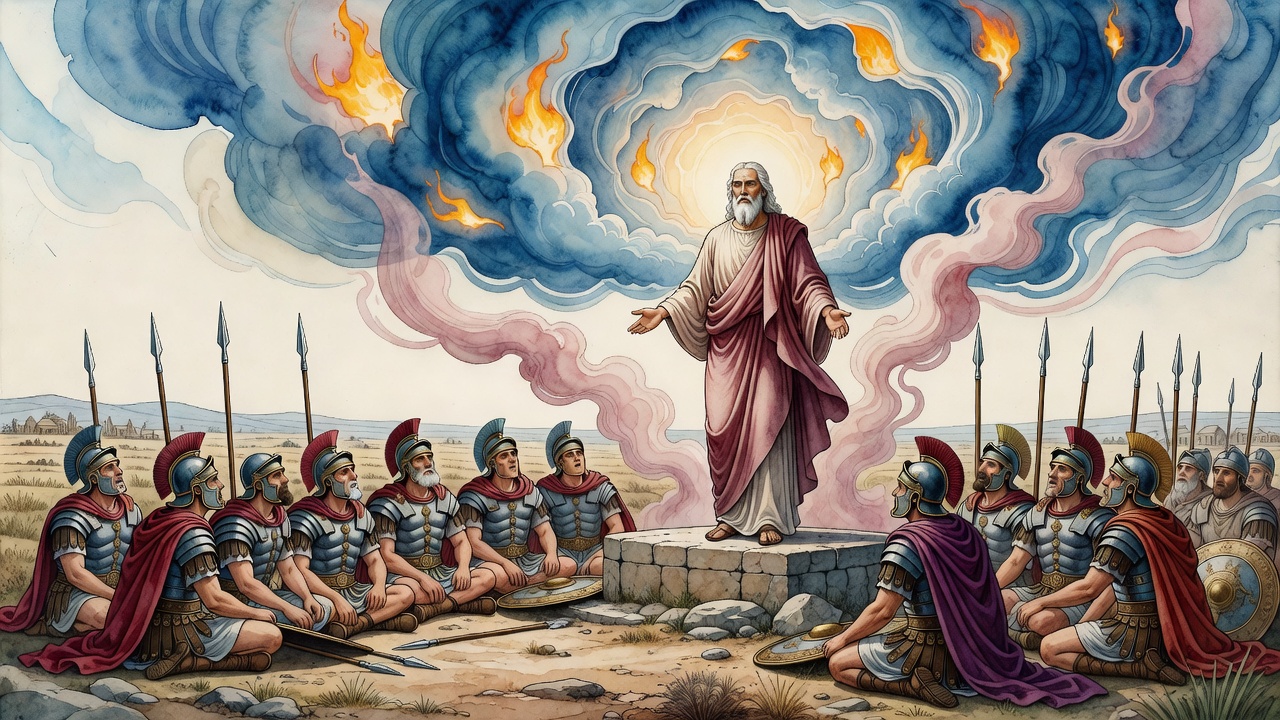
The first cohort came for chains. They sat at his table and never marched home. Rome sent a second company anyway.
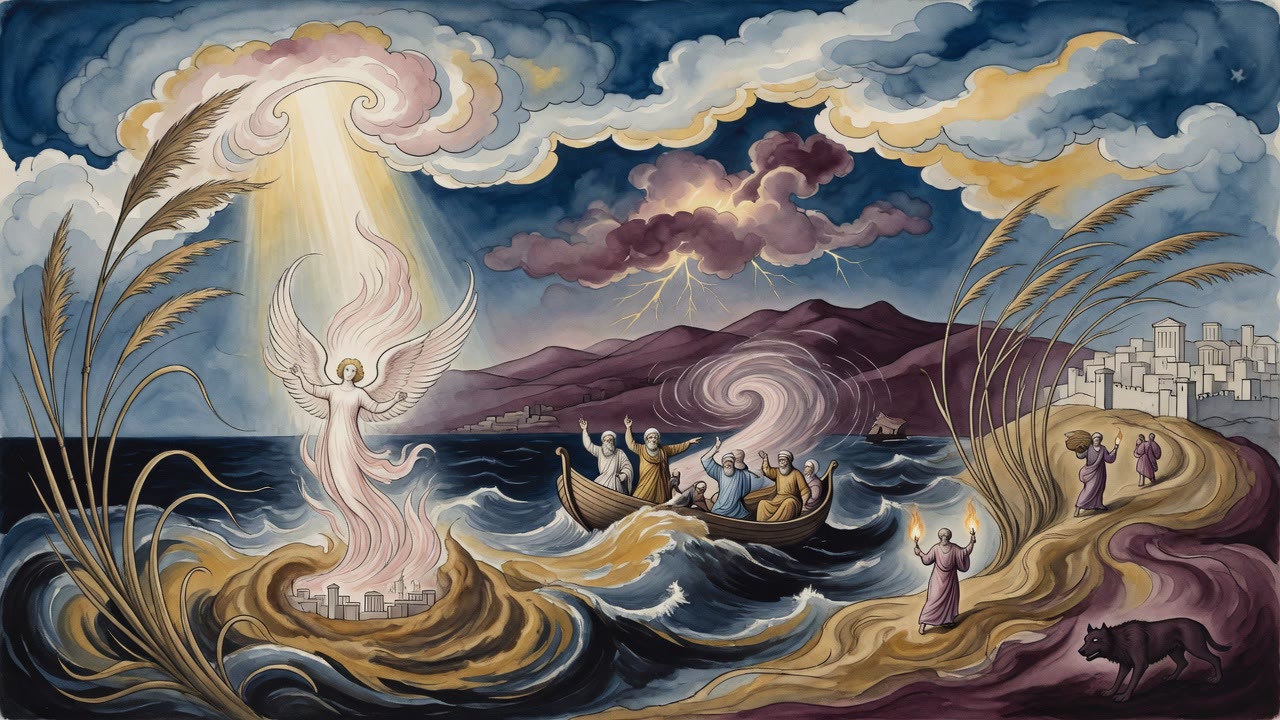
On the night Solomon weds Pharaoh's daughter, an angel plants a reed in the sea, and the silt that gathers will one day burn Jerusalem.
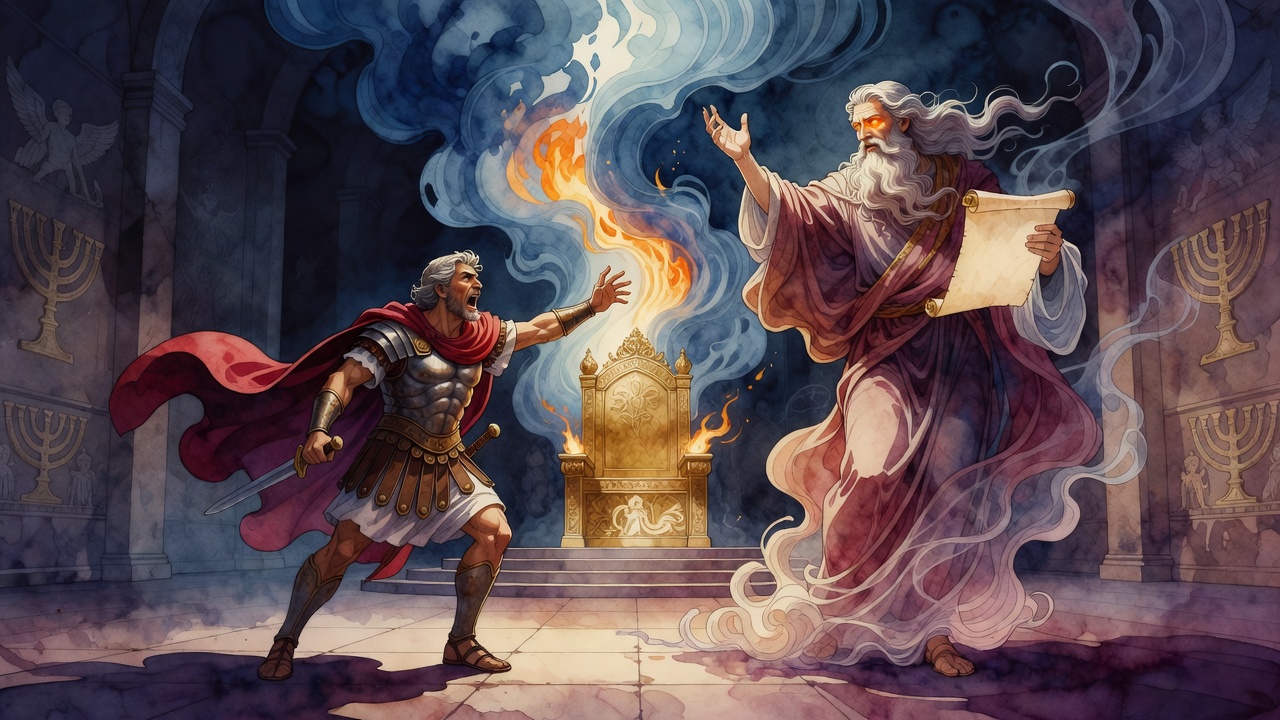
Hadrian strides into the Holy of Holies to revile God to His face, and a king dead a thousand years rises from the psalms to answer him.
