The Day Two Great Rabbis Were Sentenced to Die for Joseph's Sale
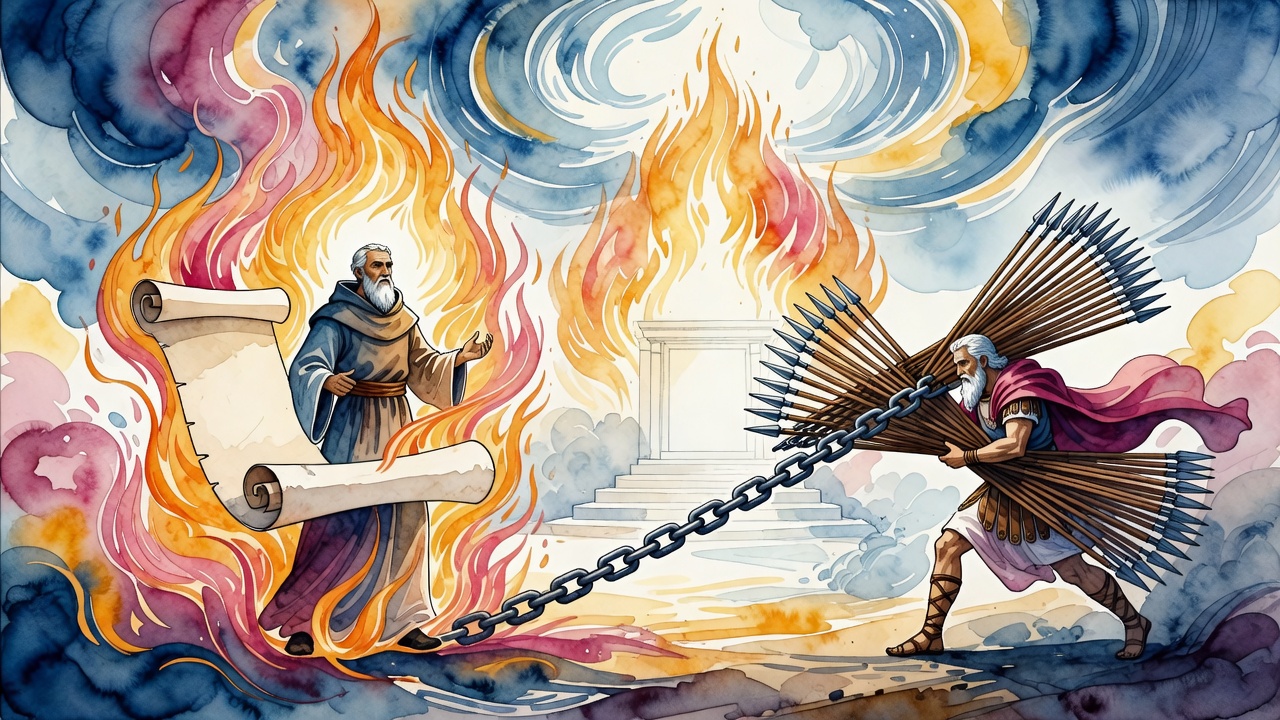
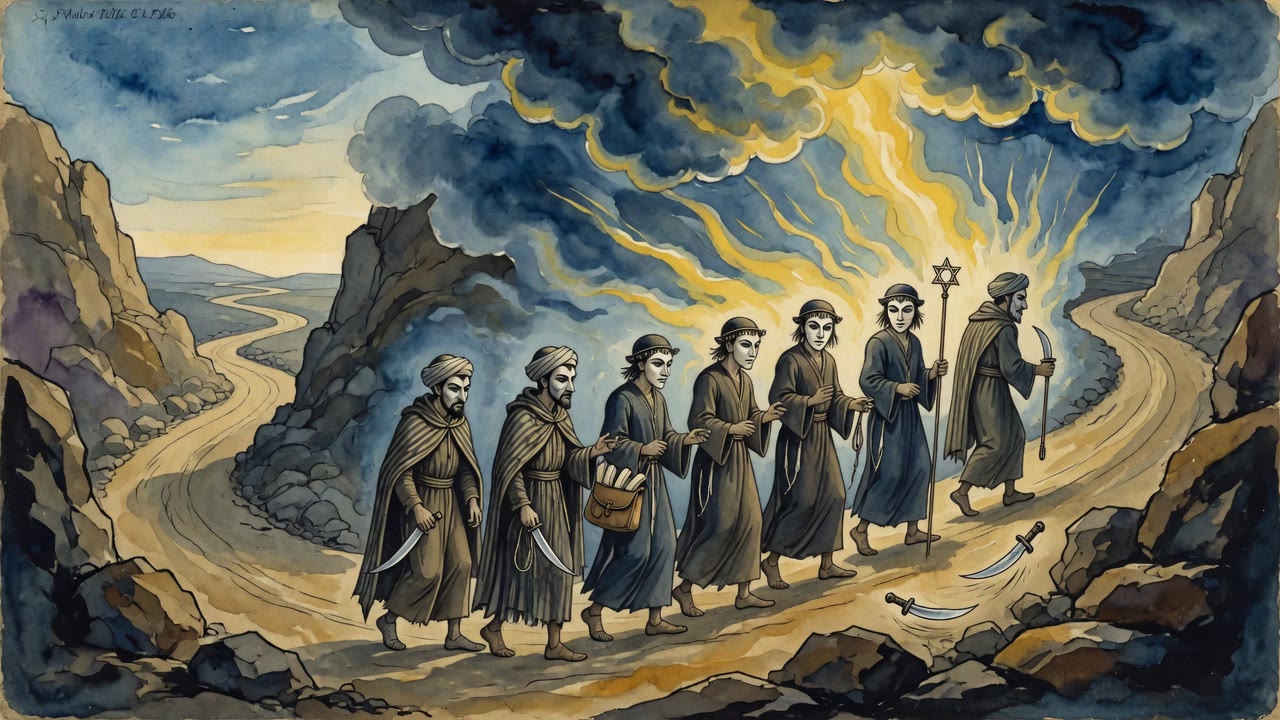
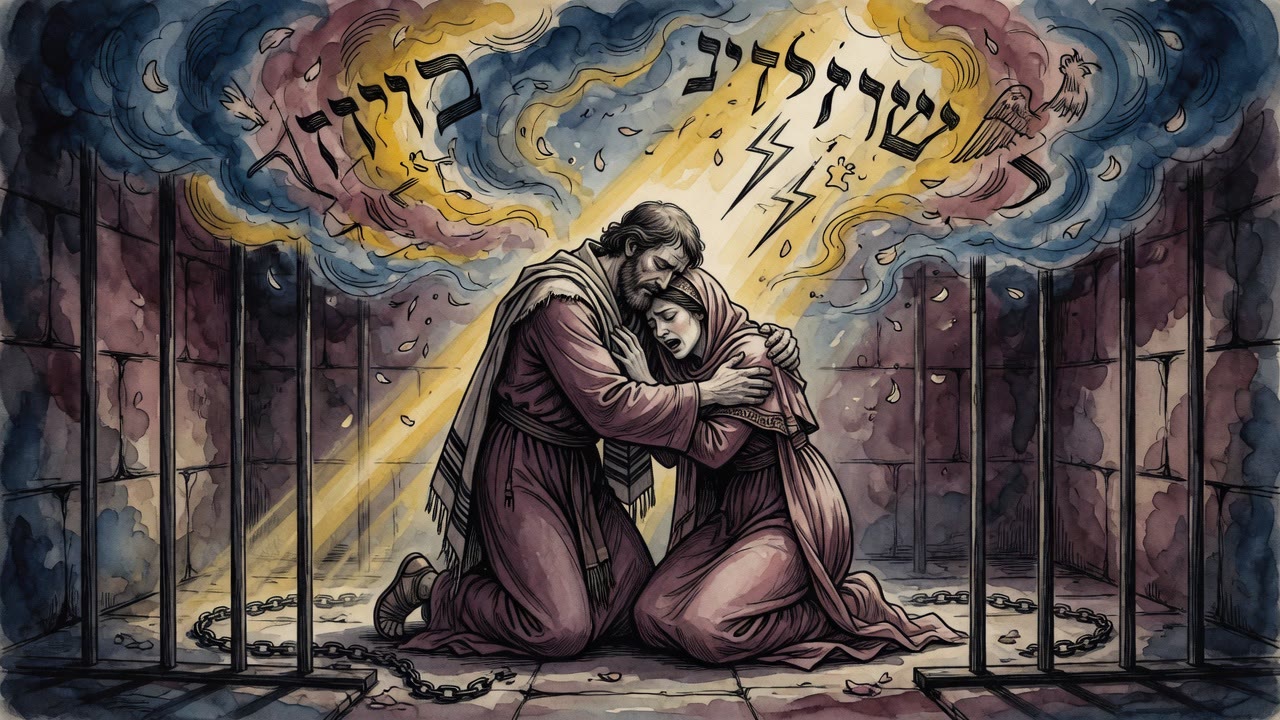
Rabban Shimon walked in Roman chains and wept because he could not name his sin. Rabbi Ishmael, bound beside him, told him to listen.
Table of Contents
 Click for full size
Chains on a Man Who Knew the Law
Rabban Shimon ben Gamliel, the Nasi of the Sanhedrin, walked toward his execution in Roman chains and could not make the numbers work. He was not a murderer. He was not a thief. He had spent his life in the study and application of Torah, had led Israel under occupation with as much care as a man can manage, had been scrupulous in his own conduct. He wept. Not from fear. From the specific confusion of a man who believed in a moral universe and was watching something happen in it that violated every rule he had used to understand the world.
Rabbi Ishmael ben Elisha walked beside him. The High Priest. Also in chains. Also walking toward the blade.
"Why are you crying?" Rabbi Ishmael asked.
Rabban Shimon said, "I cry because I am about to be executed like a murderer and a profaner of the Sabbath, and I cannot understand what I have done to deserve this."
A Sandal, a Cloak, a Cup of Wine
Rabbi Ishmael asked him a smaller question first. "Did it ever happen that someone came to you for a judgment, and you made them wait while you finished your drink, or tied your sandal, or put on your cloak?"
Even a moment of delay, making a petitioner wait while a great man attended to himself, could be counted as affliction. The Torah does not wait for a second cruelty before it names the first. Rabban Shimon searched his memory. He could not swear the answer was no. He fell silent. The rebuke was sharp enough to stand on, and still the tears did not fully stop. Rome had named him a criminal. A sandal did not feel like enough of a crime for a sword.
Ten Brothers, Ten Sages
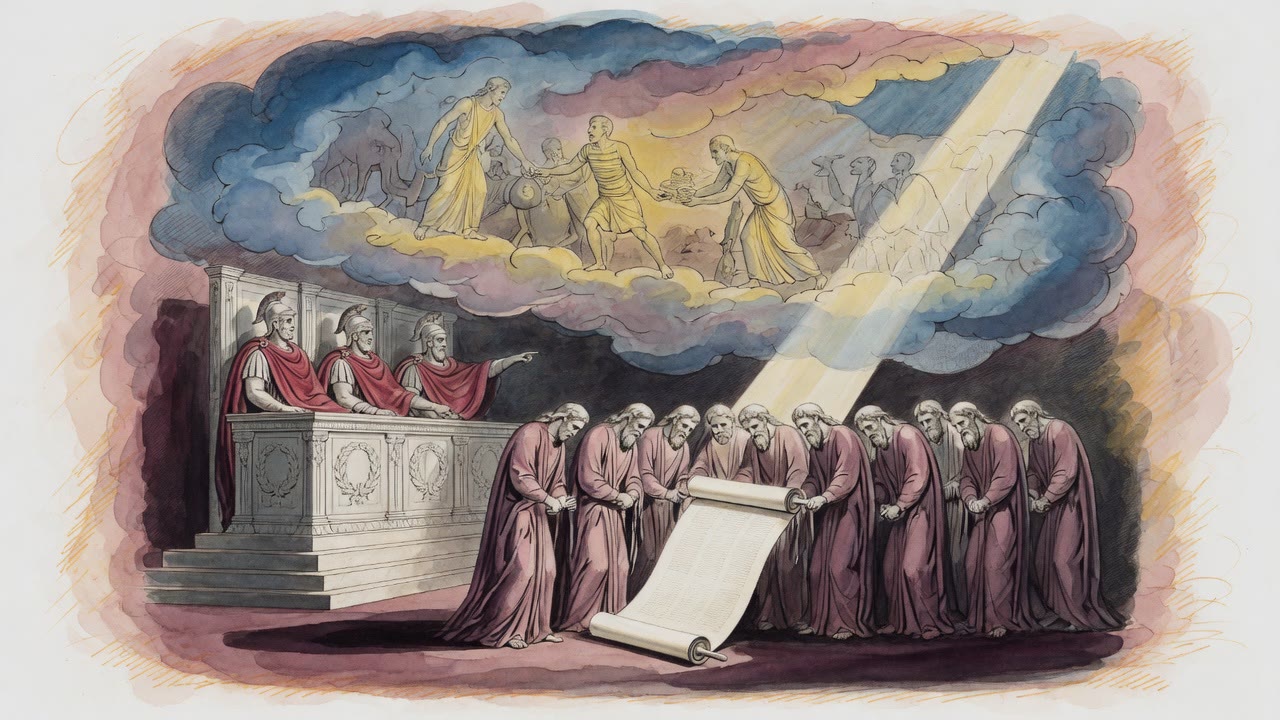
Rabbi Ishmael then told him the older account he had been carrying. The ten brothers who sold Joseph into slavery had committed a crime for which no earthly court had ever convened. Joseph had forgiven them. Jacob had not demanded blood. The brothers had lived out their lives. The punishment had been deferred. It was still on the books. The heavenly court, which tracks these accounts across time, had designated the ten great sages of this generation as the ones through whom the debt would be paid.
Ten brothers had sold one man. Ten sages would die in their place. The correspondence was exact. This was not random Roman violence, however it looked from the road. It was a settling that had been waiting since the pit at Dothan.
Rabban Shimon stopped crying. He said, "You have consoled me."
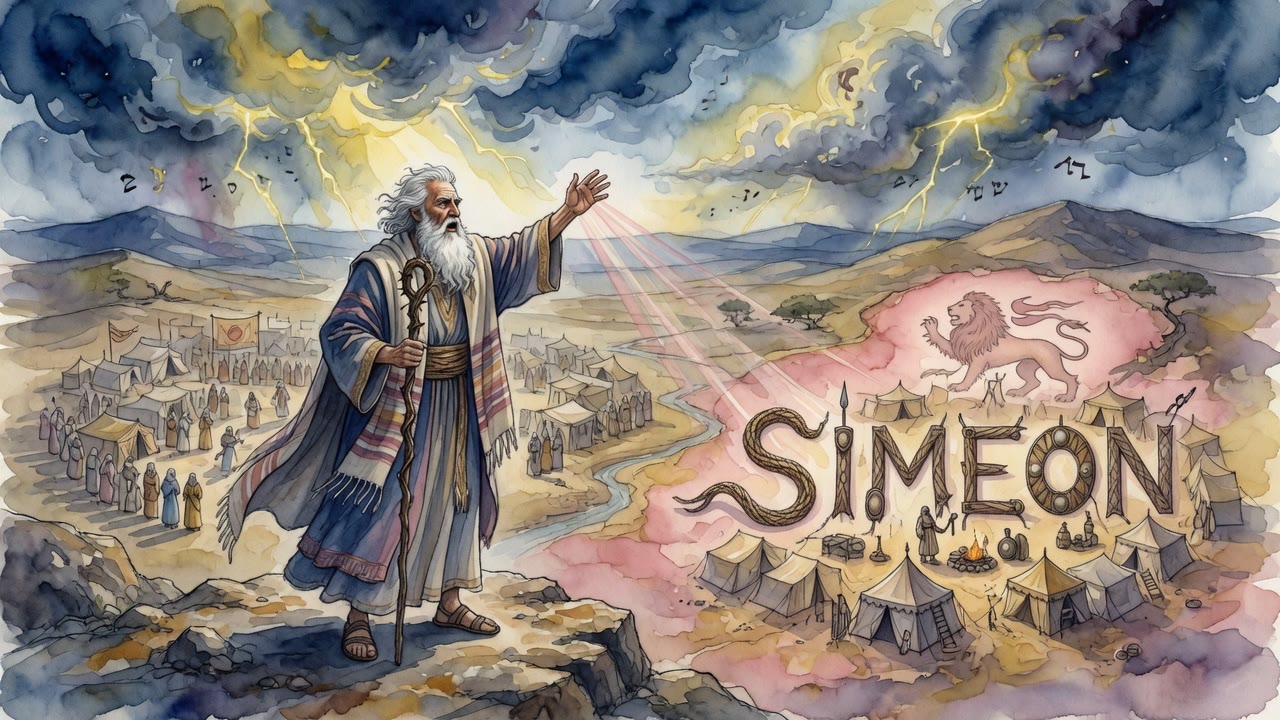
A tribe named Simeon had gone unblessed once, when Moses passed over it in his last words and folded its need into Judah's prayer. A sage named Shimon now walked to pay a bill older than that silence. He accepted the theology. He went to the blade with a reason he could hold.
The Head Against His Chest
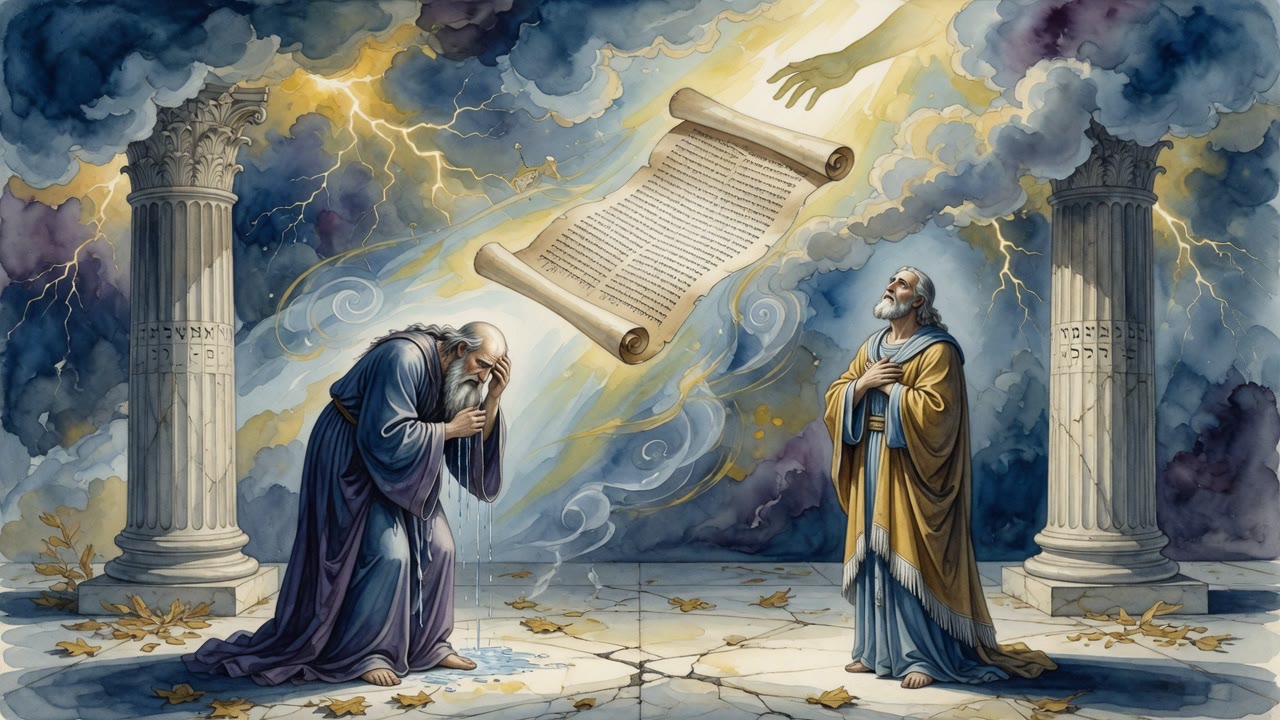
Rome beheaded Rabban Shimon first. Rabbi Ishmael lifted the severed head, held it to his chest, and wept into the mouth that had just comforted him. "O holy mouth. O faithful tongue that spoke words of Torah. Now you lie in the dust, and who will gather the ashes?"
The man who had spoken calm on the road now broke. He pressed his face against the dead man's face. Holy lips, he cried, lips that had spoken pearls, now licking dust. His own execution followed. The accounts were being settled according to a decree that had been sealed, and the settling was ugly, and the world absorbed it.
A daughter of a Roman official had seen Rabbi Ishmael's face and desired it. She appealed to her father to have the skin preserved rather than destroyed. The request was granted. Heaven convulsed. The divine throne trembled. A voice called out: shall I destroy the world for this? The answer was no. The martyrs had accepted the theology. The angels had not yet found their footing with it.
The Horse His Master Rode Him On
There had been an earlier death of this shape. Jose ben Yoezer of Tzreda was executed by the Greeks during the Seleucid persecution, hanged on a cross. His nephew Yakim, who had collaborated, stood beneath him and mocked. "Look at the horse your master rides you on."
Jose ben Yoezer, dying, answered with a teaching. "If this is what happens to those who do God's will, what will happen to those who transgress?" Yakim heard it, and the mockery went out of him. He administered to himself the four death penalties of the court and died before the day was over. The martyrdom converted his executioner.
In Lod, Pappos and Lulianos stepped forward for a crime they had not committed, so the city would not be wiped out for a murdered soldier no one could name. Rome killed them without hesitation. When Rabbi Akiva heard, he said no creature could stand in the place reserved for them in the World to Come. He also told his students, after Shimon and Ishmael were slain, to brace. If anything good had been coming to their generation, these men would have lived to receive it first. That they were taken meant worse was on its way, and they had been gathered away before it struck.
Rabban Shimon had wanted a sin that fit the sword. He got one older than his own life. He stopped weeping, and then the sword came anyway, and the man who had given him the reason had to carry his head.
← All myths