The Garments God Made in Eden Traveled to Rome Through Blood
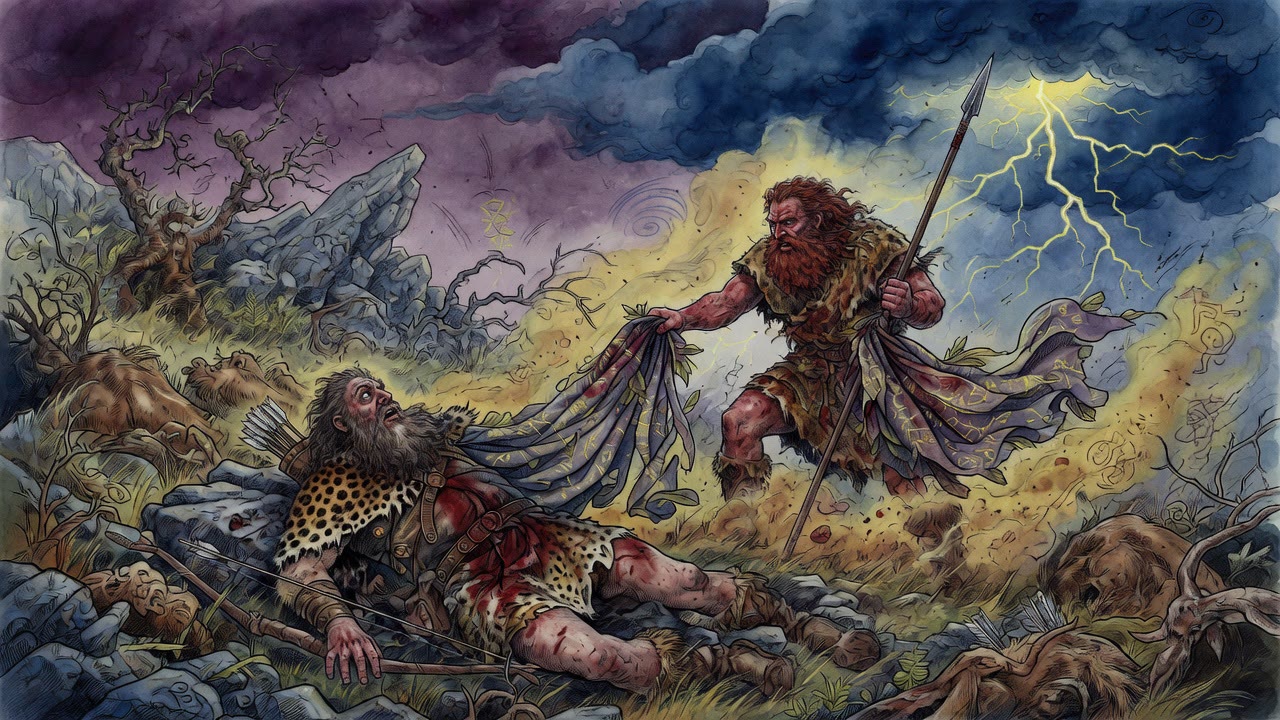
When Nimrod put on Adam's garments, the animals stood still for him. Esau killed him for them and stripped them off the body in the field.
Table of Contents
 Click for full size
Four Words That Could Not Be Left Alone
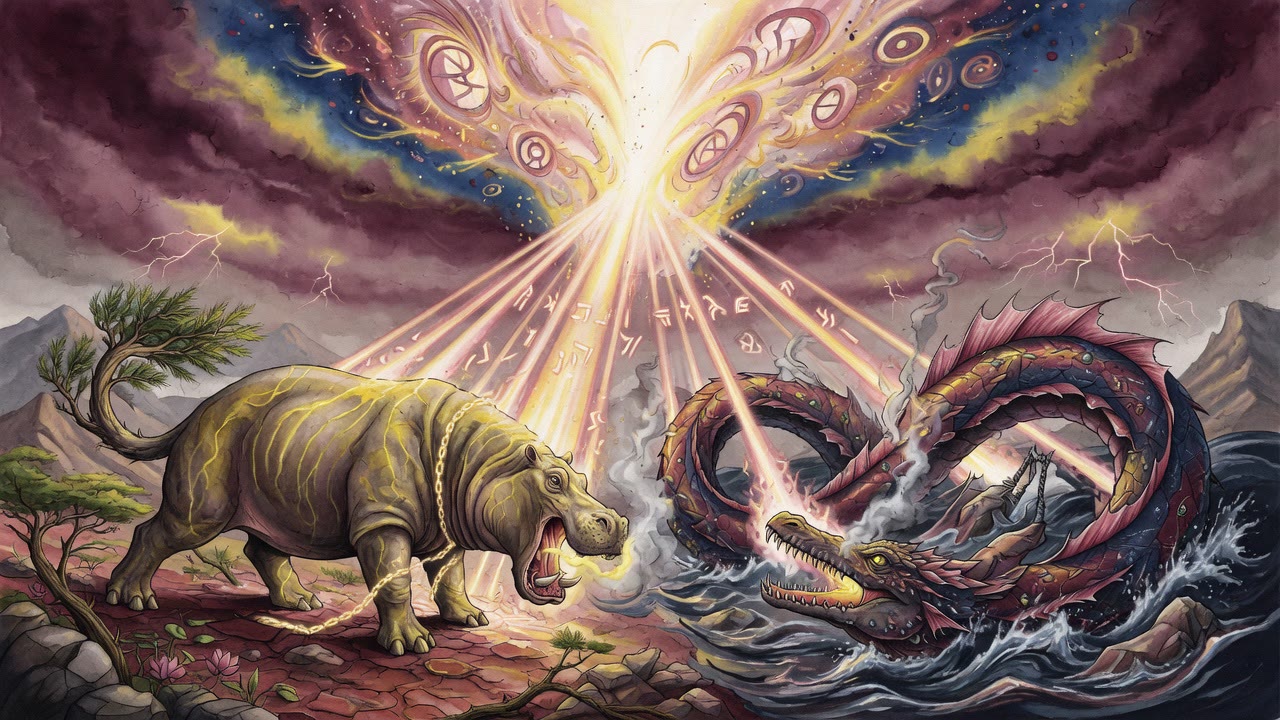
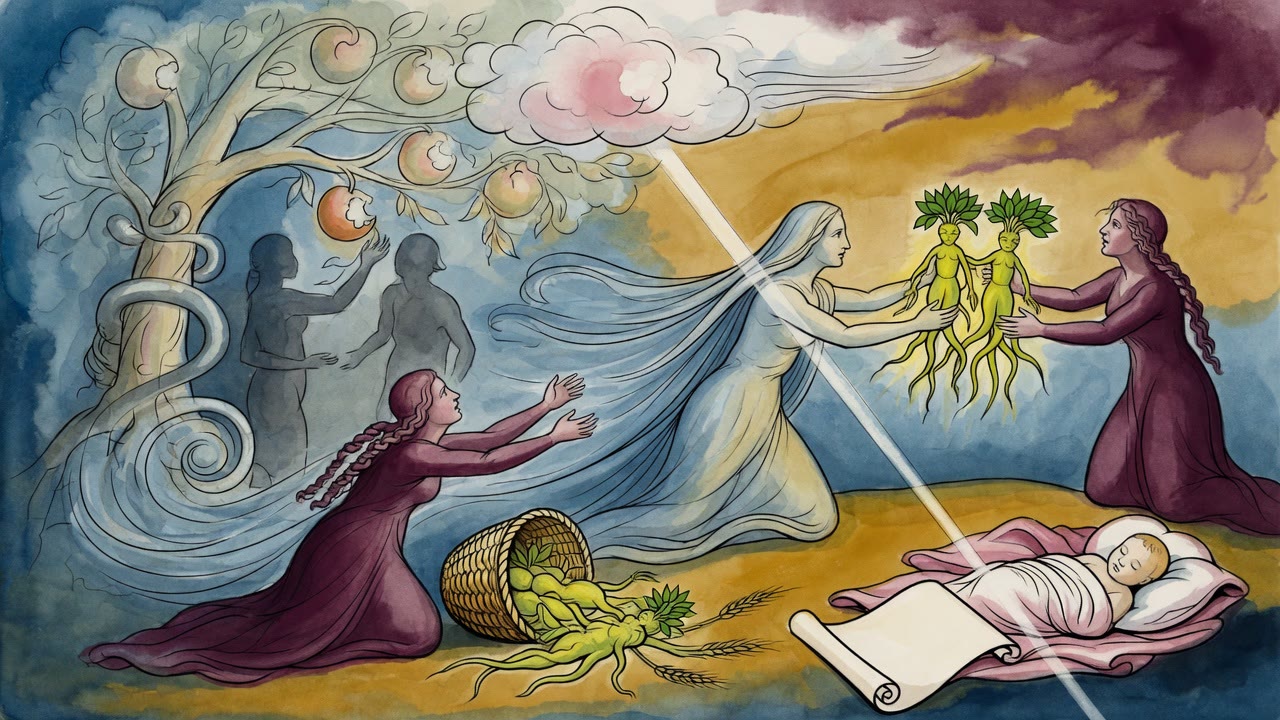
Genesis says it in four words: God made them coats of skin. It appears at the end of the expulsion account, right before the locked gate and the flaming sword. Easy to read as a kindness, a divine farewell gift, and move on. The tradition did not move on. The questions were too large. What skin? From what animal? Did God Himself do the sewing? And most urgently: where did those garments go?
Some of the earliest readers of the Hebrew understood the word differently. The coats were not or, skin, but or, light. A single vowel mark changed the meaning entirely, and several ancient sources preserved the reading: what God made for Adam and Eve at their expulsion were not leather coats but garments of radiance, the same light that had clothed them before the transgression, now condensed into a wearable form. Either way, skin or light, they were made by the divine hand in the final moments of Eden. They were not ordinary cloth.
Stolen From a Drunk Father's Tent
The garments passed through the antediluvian generations, handed down from Adam through the righteous lineage, until they reached Noah, who brought them onto the ark. When the flood ended and Noah planted his vine and drank and lay uncovered in his tent, his son Ham entered. The tradition says Ham did not merely see his father's nakedness. He took something. The garments of Eden, the coats God had sewn in the garden, went with Ham out of the tent.
This is the tradition's deepest explanation for the curse of Canaan. The sin in the tent was not a glance. It was a theft of sacred inheritance. Ham walked out carrying the most powerful garments in human history, and he passed them to his son Canaan. From Canaan they passed to Nimrod, the great-grandson of Noah, the mighty hunter before God, the man who would build Babel and make himself ruler of all the post-flood world.
Nimrod and the Power of the Hunt
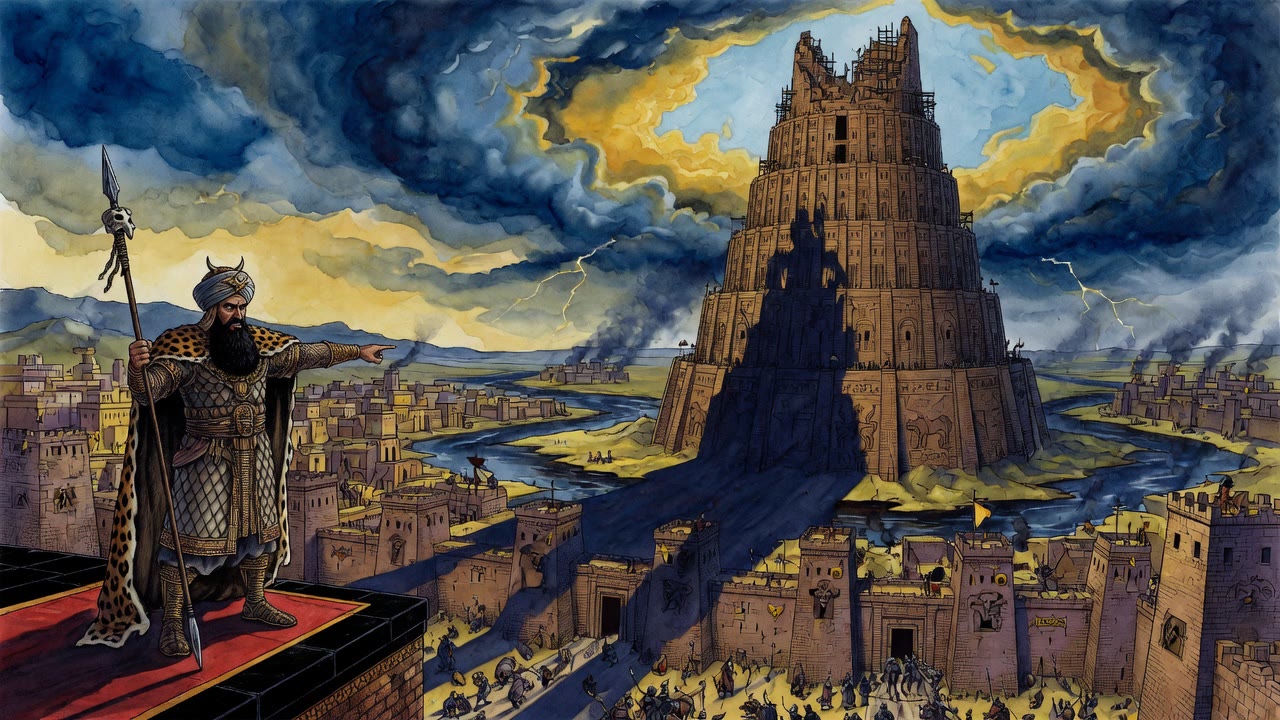
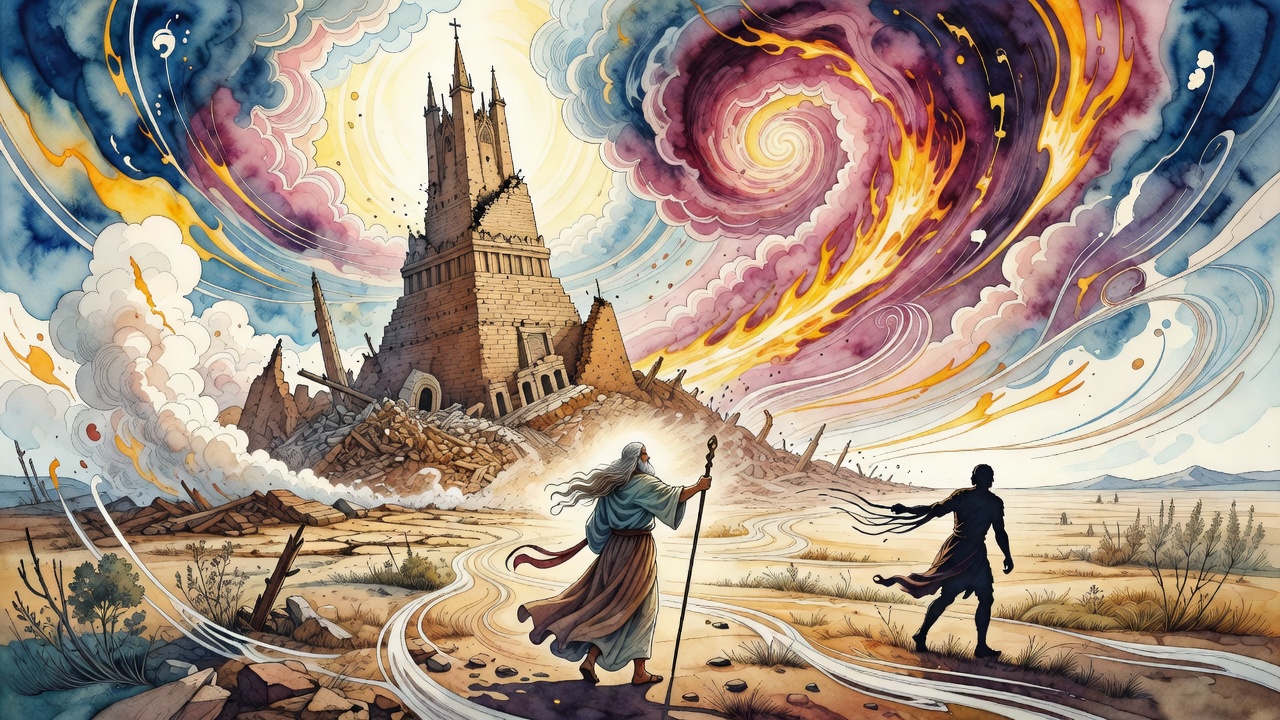
When Nimrod put on Adam's garments, something happened. The animals of the field became still before him. They came to him willingly, or fled too slowly to escape. Every hunt succeeded. Every expedition returned laden. The tradition says this was the garments' doing: they had been made for the first man, who had been given dominion over all living things, and whoever wore them inherited that dominion in a distorted form. Nimrod became the greatest hunter who ever lived not because of his skill but because he was wearing Eden's authority around his shoulders.
With that power he built his empire. The same garments that had clothed Adam's dignity in the Garden were now worn by the man building the tower to storm heaven. The inversion was deliberate in the telling: what God had made as a mercy at the moment of expulsion had become, through theft and murder, an instrument of rebellion.
Esau and the Smell of the Field
When Esau killed Nimrod, he took the garments. The tradition says this was not a random robbery. Esau had heard of them. He had hunted alongside Nimrod, watched the animals come willingly, understood that the source of Nimrod's uncanny power was the clothing he wore. On the day he ambushed Nimrod in the field, Esau stripped the garments off the body before anyone could reach them.
These are the garments that Rebekah would later put on Jacob when she sent him in to deceive his father Isaac. When Isaac smelled Jacob and said the smell of my son is like the smell of a field, he was smelling Eden. The garments carried the fragrance of the original garden. Isaac was nearly blind by then, could not see his sons clearly, but he could smell what those clothes carried, and what he smelled convinced him he was in the presence of his firstborn. The blessing that changed everything flowed from a deception, but the deception was possible because of garments that had traveled from the Garden through Nimrod through Esau to Rebekah's hands.
The Road to Rome
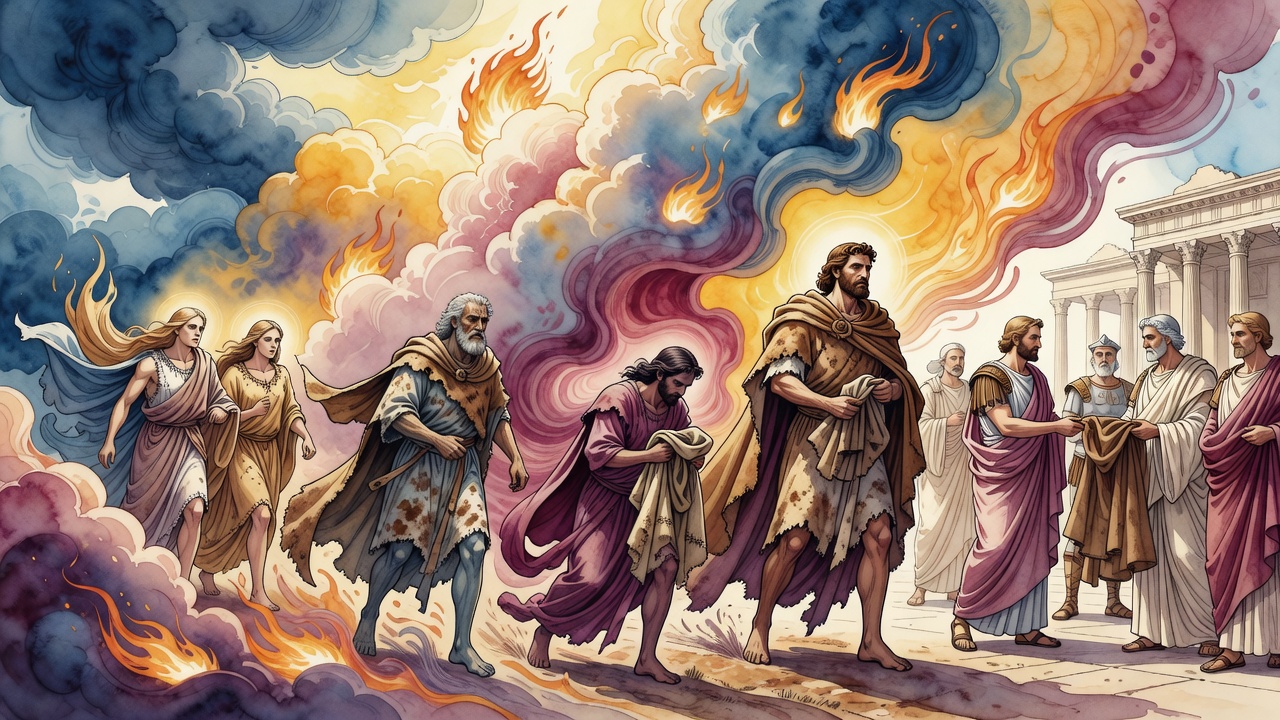
The tradition does not end with Jacob. Esau, cheated of his blessing and his garments both, went to his son Eliphaz and commanded him to kill Jacob on the road. Eliphaz caught Jacob but could not kill him, settling instead for taking everything Jacob carried, leaving him with nothing. The garments by this point had passed through generations of violence, each transfer a theft or a killing or a deception.
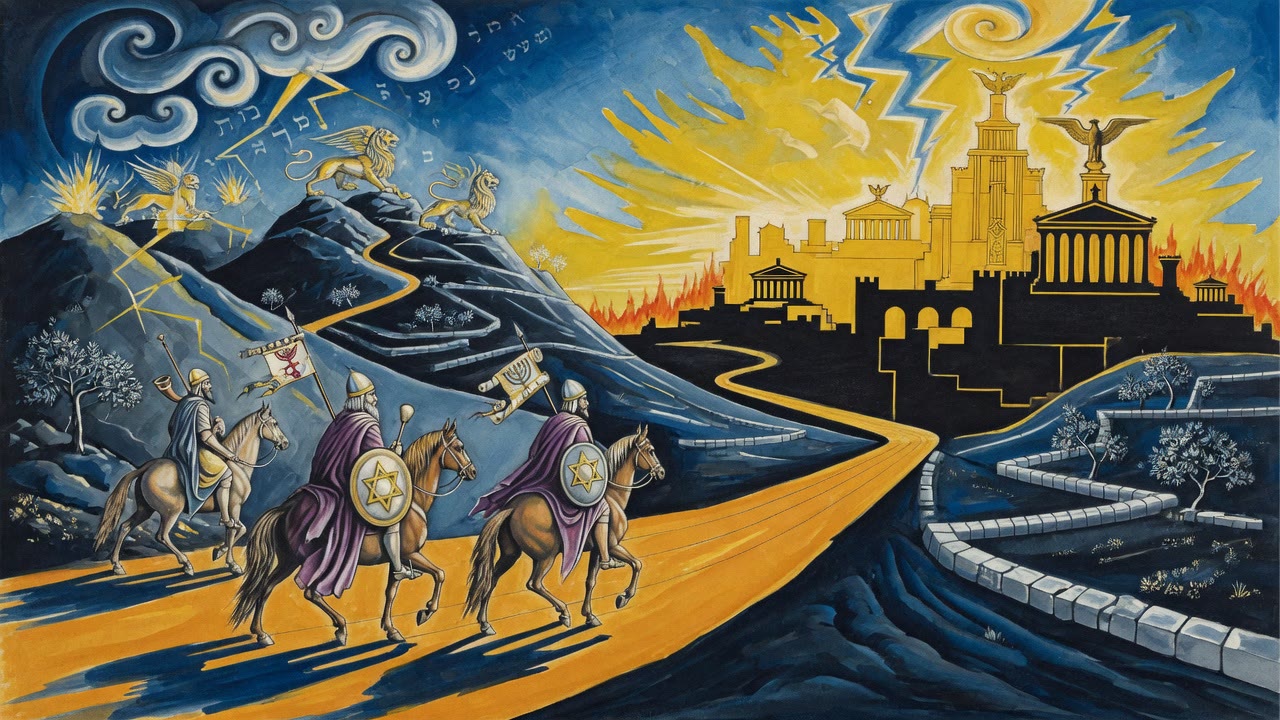
Esau's descendants built Rome. The tradition that traces this lineage says the sacred garments traveled with them, entering the imperial treasury, worn eventually by the line of rulers who would descend from Esau's stock. The same coats God sewed in Eden, the coats that had clothed the first human beings in their expulsion, ended up inside the empire that would destroy the Second Temple and scatter Israel into exile. The tradition finds this unbearable and inevitable. The stolen property of the righteous empowers the wicked until the account is settled.
← All myths