80 myths · Page 2 of 3
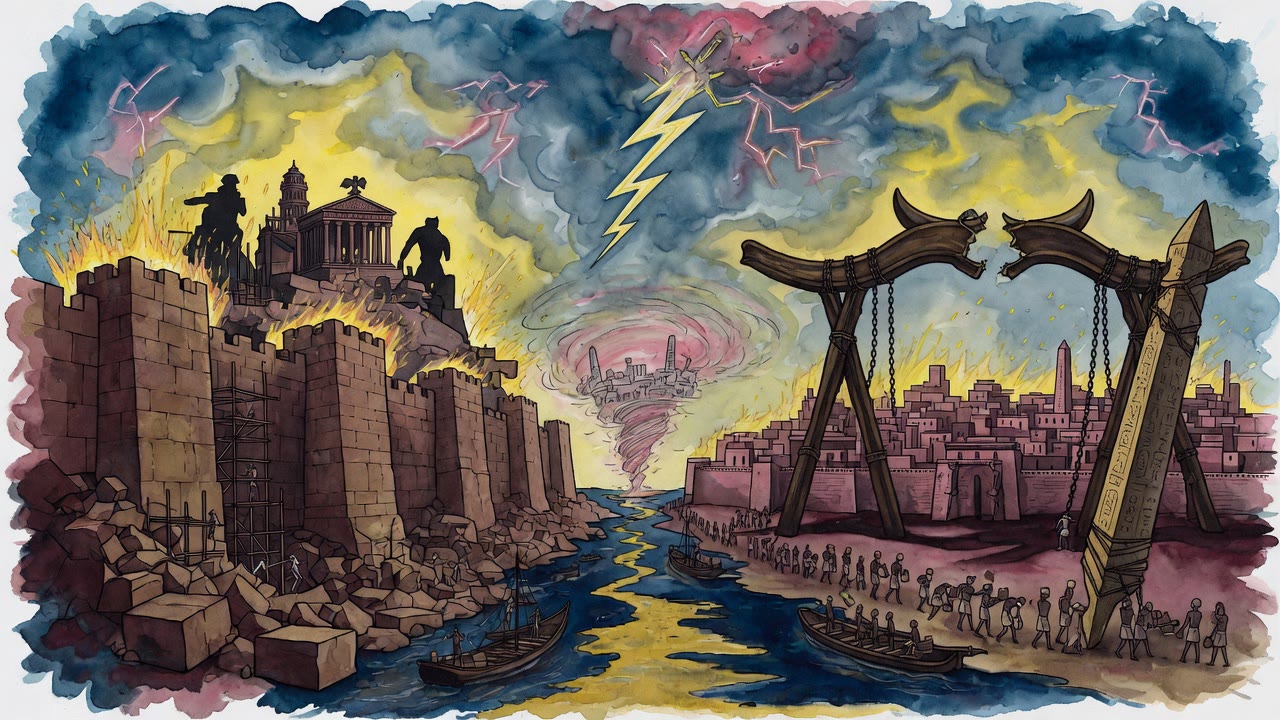
A she-wolf fed two boys on a hillside in Jotham's reign. South of there, Hebrew women laid infants in the furrows and left them.
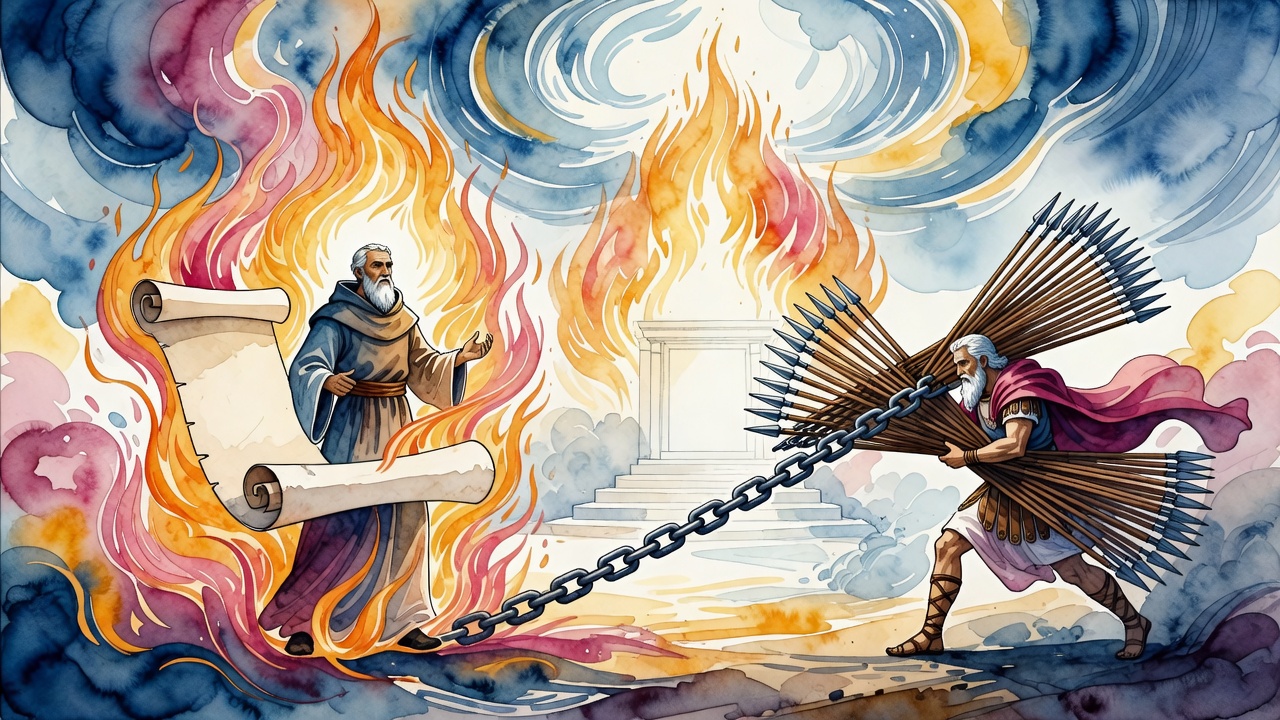
Rome decreed teaching Torah was death, so one rabbi taught in the open and burned in the scroll, and one took three hundred spears to save the chain.
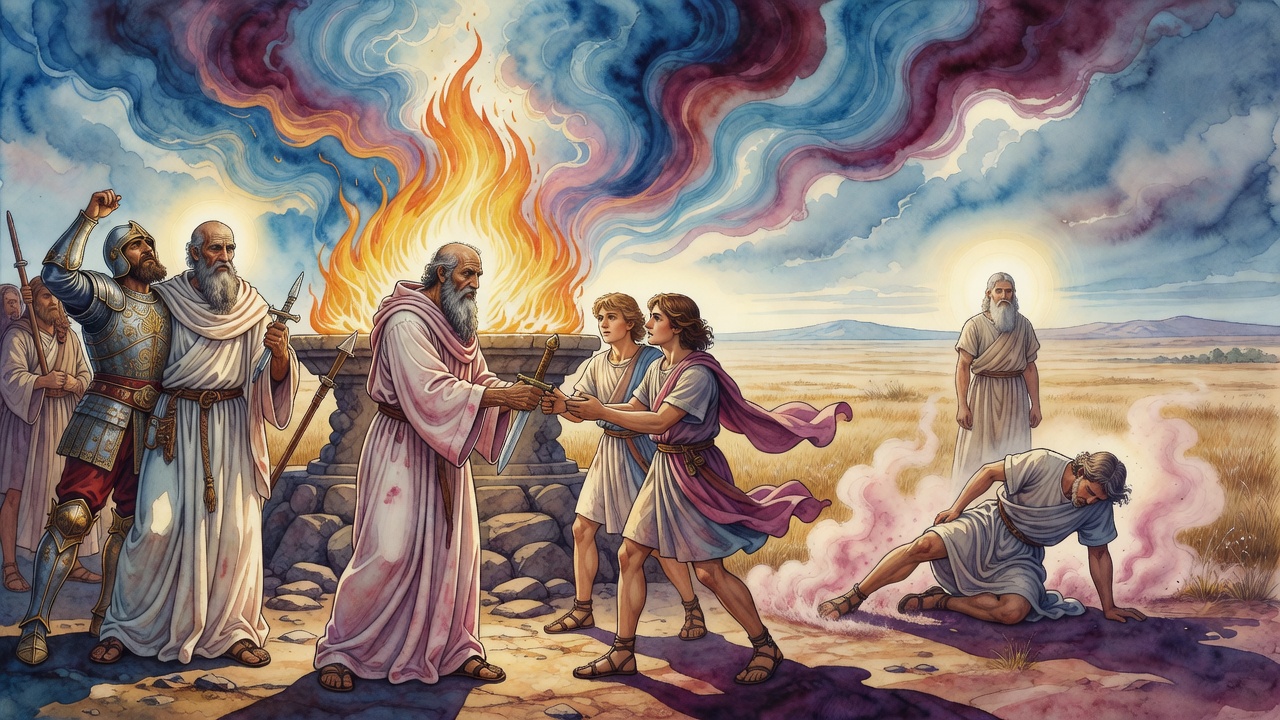
An old priest strikes the king's officer at Modin and hands his sons a war no army can win, and one son frees Judea only to fall on a deserted field.
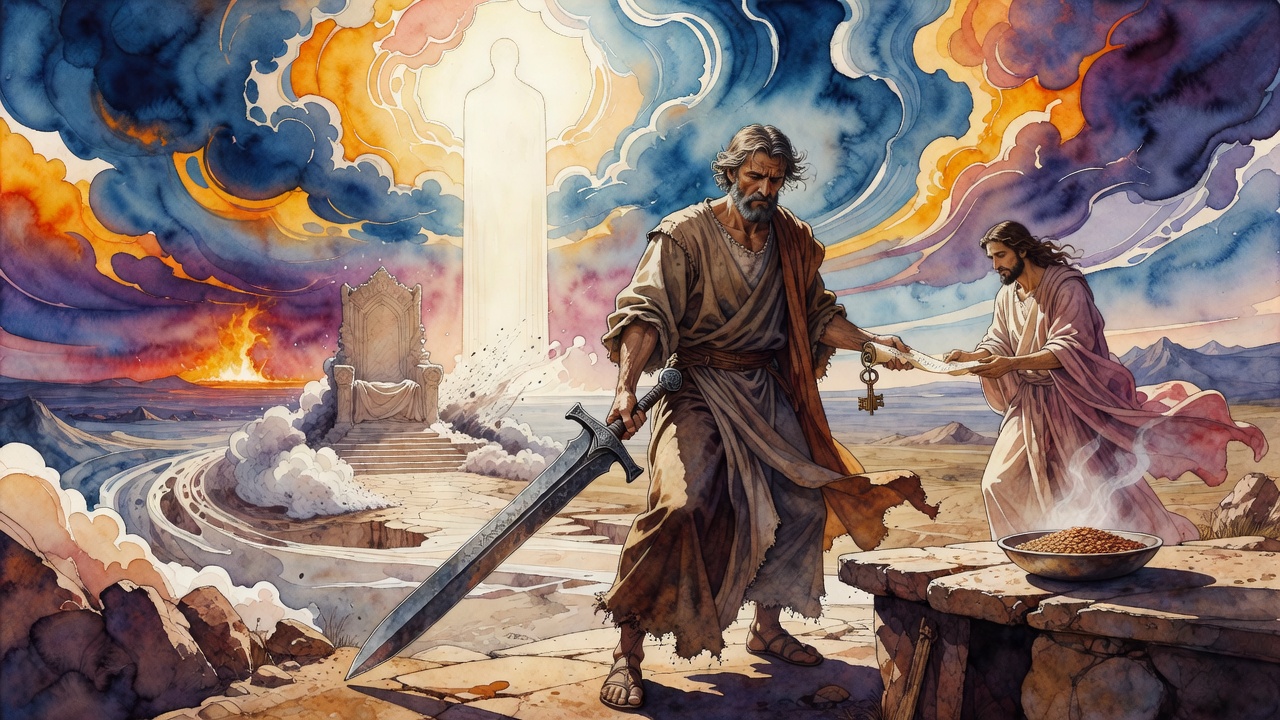
Esau sold the birthright for lentils and Methuselah's blade, then deeded the land and Machpelah to Jacob. Heaven repaid him with provinces ending at Rome.
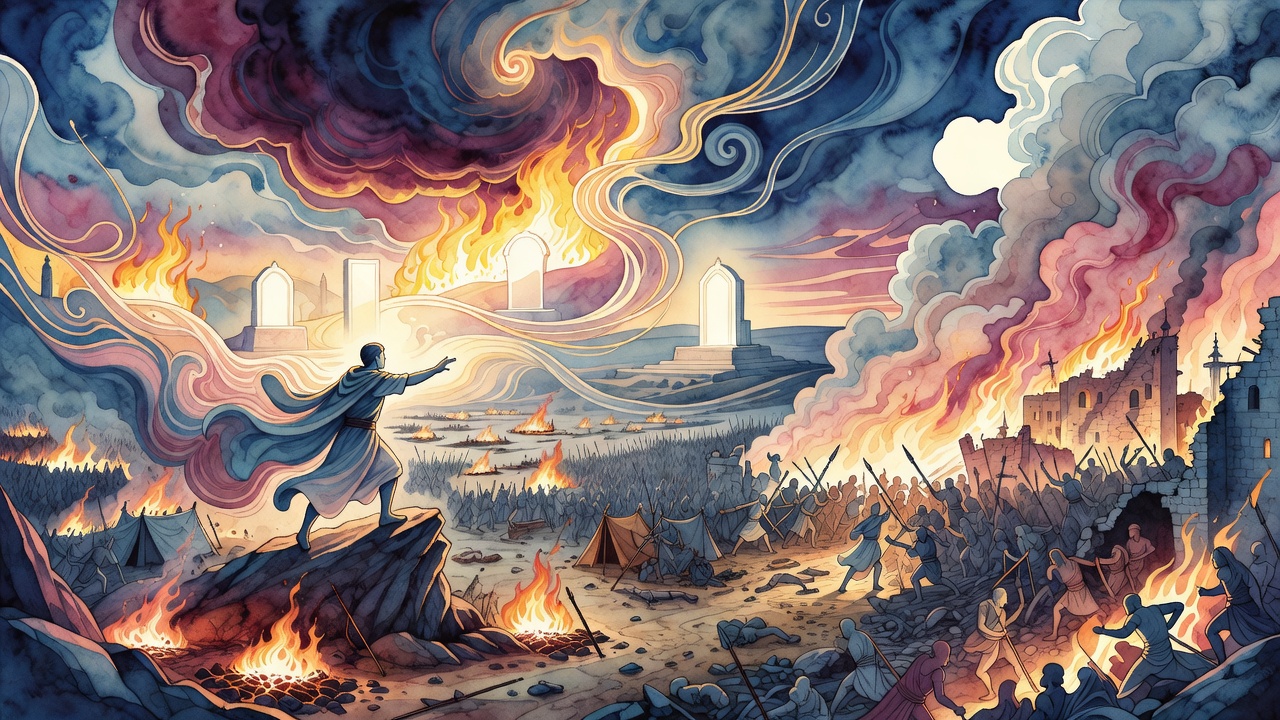
Enemy camps lit fires and fled before dawn. Jonathan struck the Zabadeans instead, and elsewhere his men stormed a city with massive slaughter.
Josephus had a simple reply. Egyptian priests avoid pork and get circumcised too. Then he told how Apion died after his own circumcision.
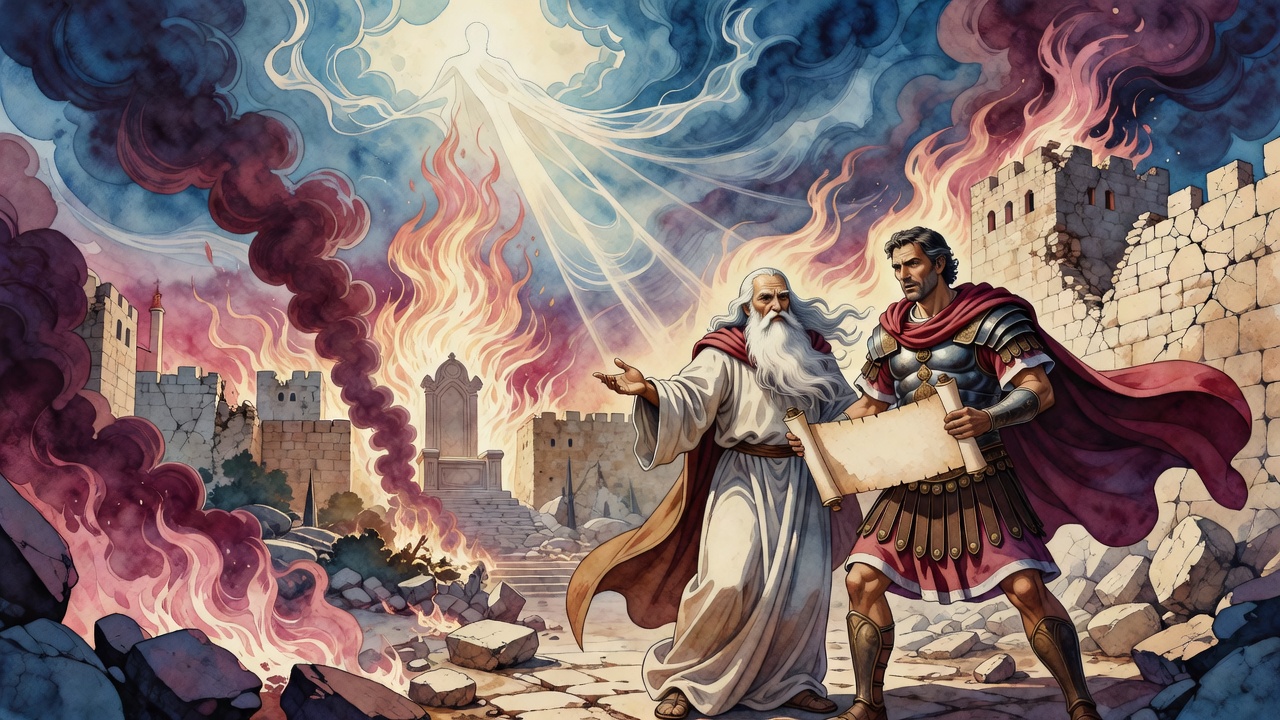
Vespasian told the rabbi he had earned death twice over: once for the title, once for not offering it sooner. Yochanan opened Isaiah instead.
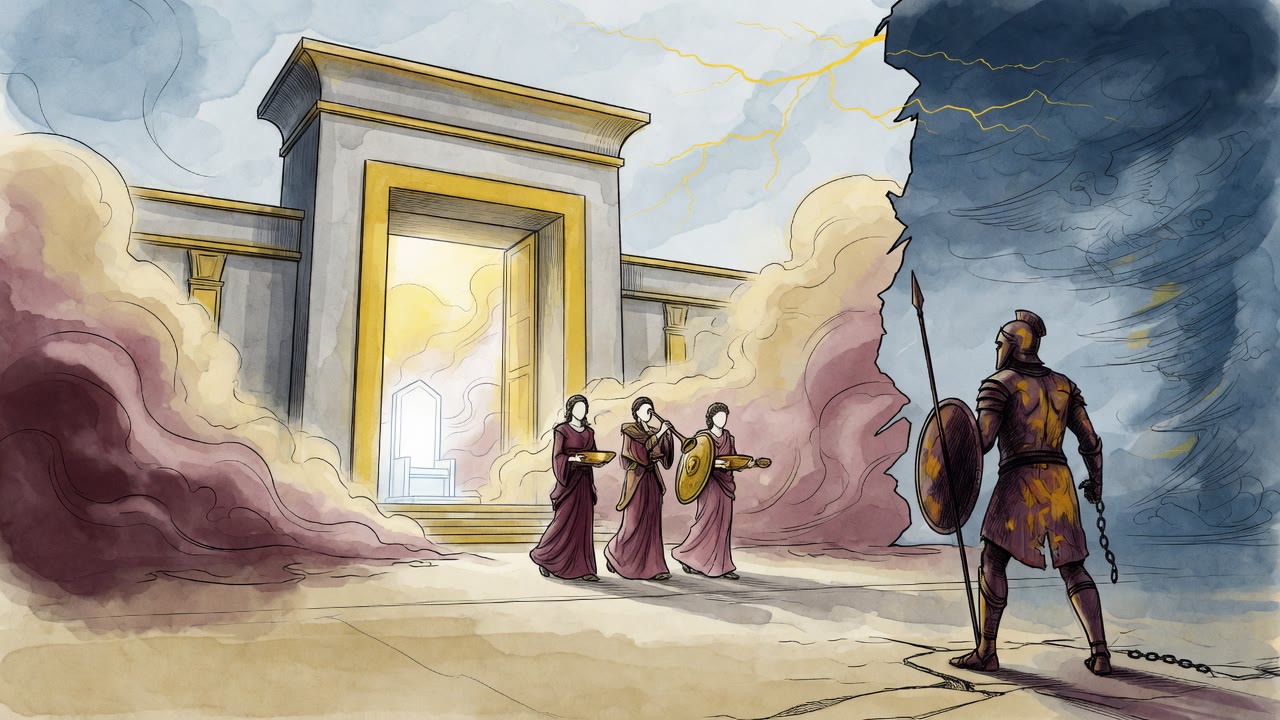
An overseer caught a smith's wrist before iron touched the Tabernacle. Gold could enter the sockets. Rome's metal stayed in the yard.
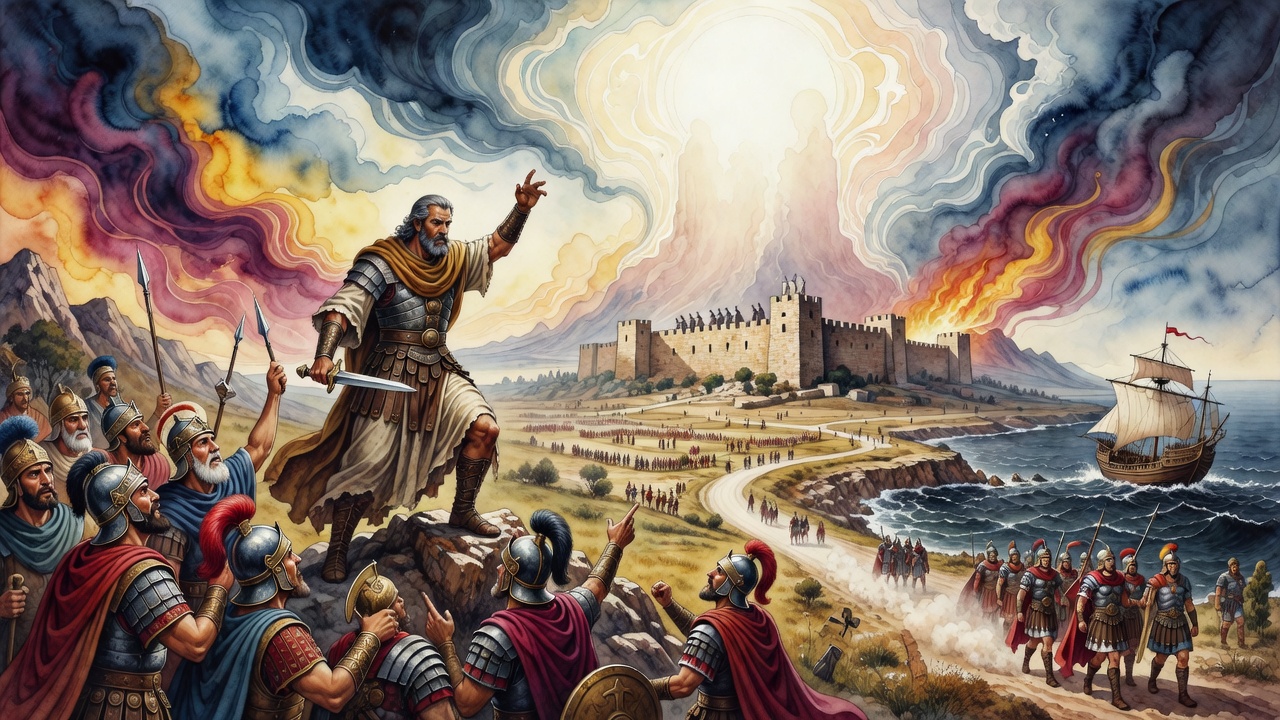
Seleucid officers dared Judas to leave the hills for their plain. In Jerusalem the Akra held traitors while Rome wrote Demetrius a threat by sea and land.
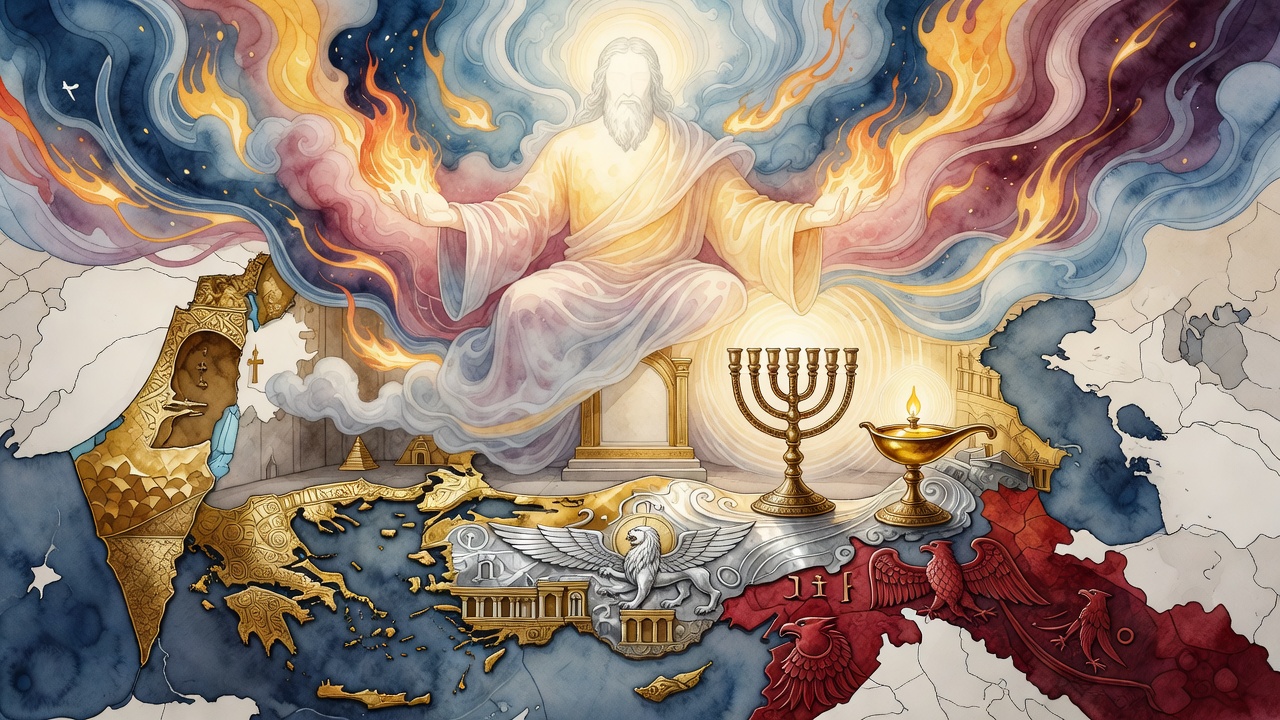
Gold, silver, brass, and red skins in the sanctuary map Babylon, Persia, Greece, and Rome, while oil for the lamp still promises a future light.
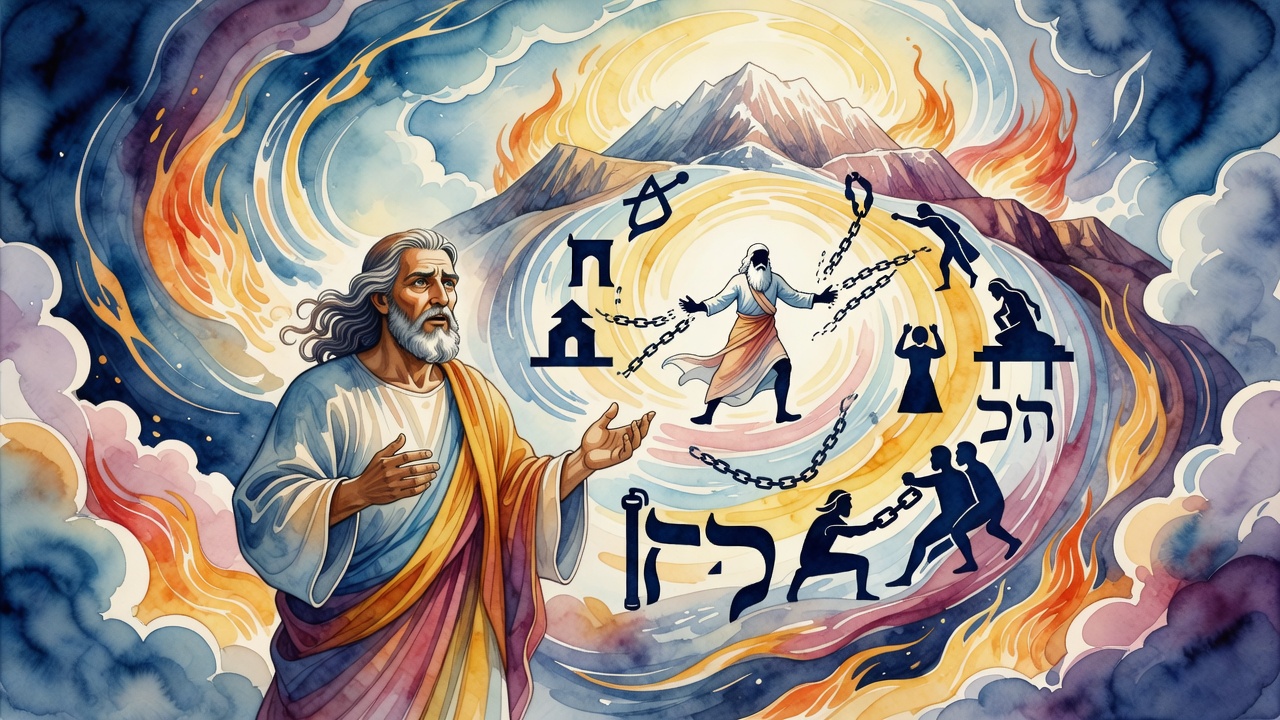
At Sinai Moses fears Israel will be sold into exile, so God opens with a servant freed in the seventh year, six kingdoms of bondage already counted.
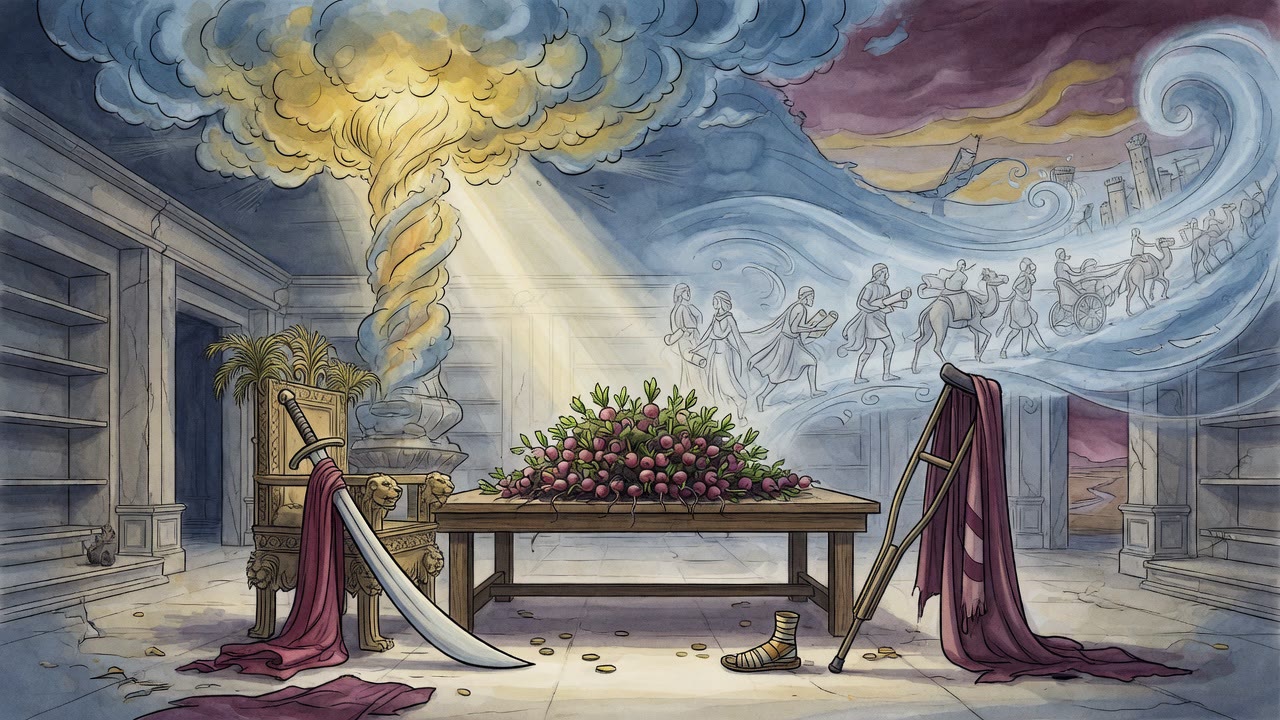
The messenger came back empty-handed. Rabbi had said nothing in the orchard. He had only pulled large radishes and set small ones in the holes.
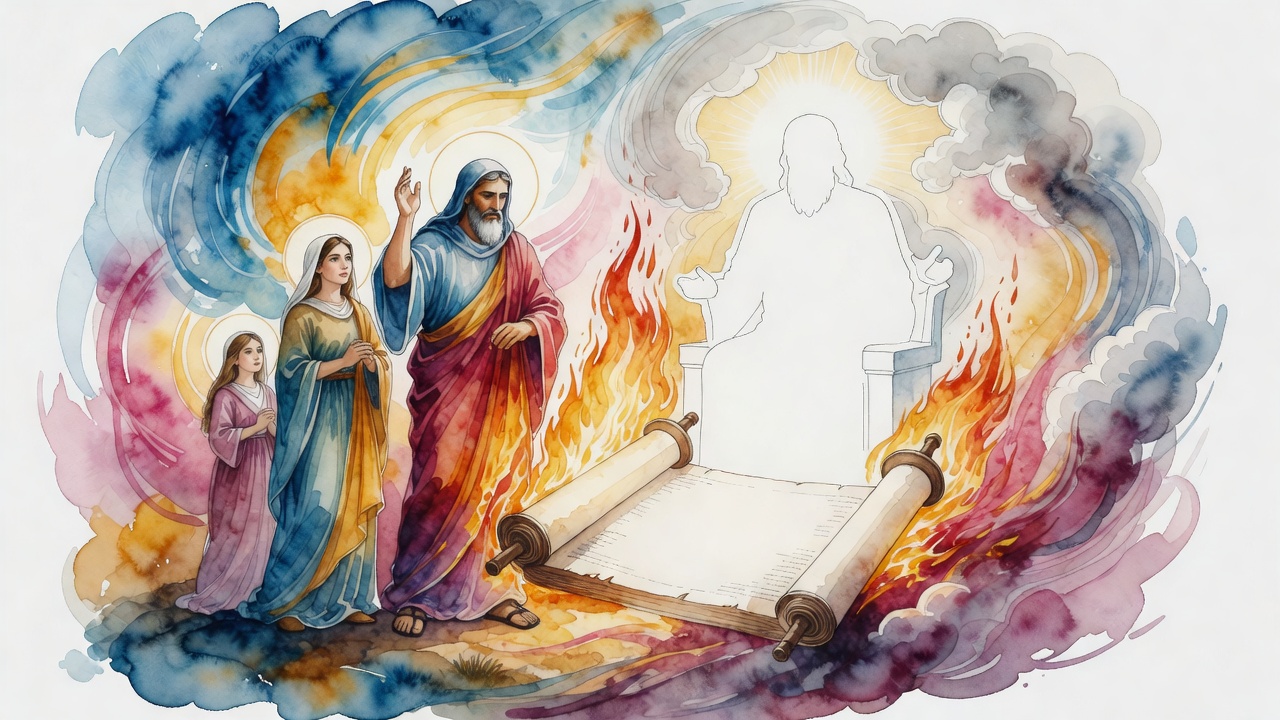
They stacked the wood while the parchment was still against his ribs. His wife answered first. A stranger asked to share the same fire.
For six months Rome set tables along a river. One wind took every loaf. Joshua said those were only scouting angels.
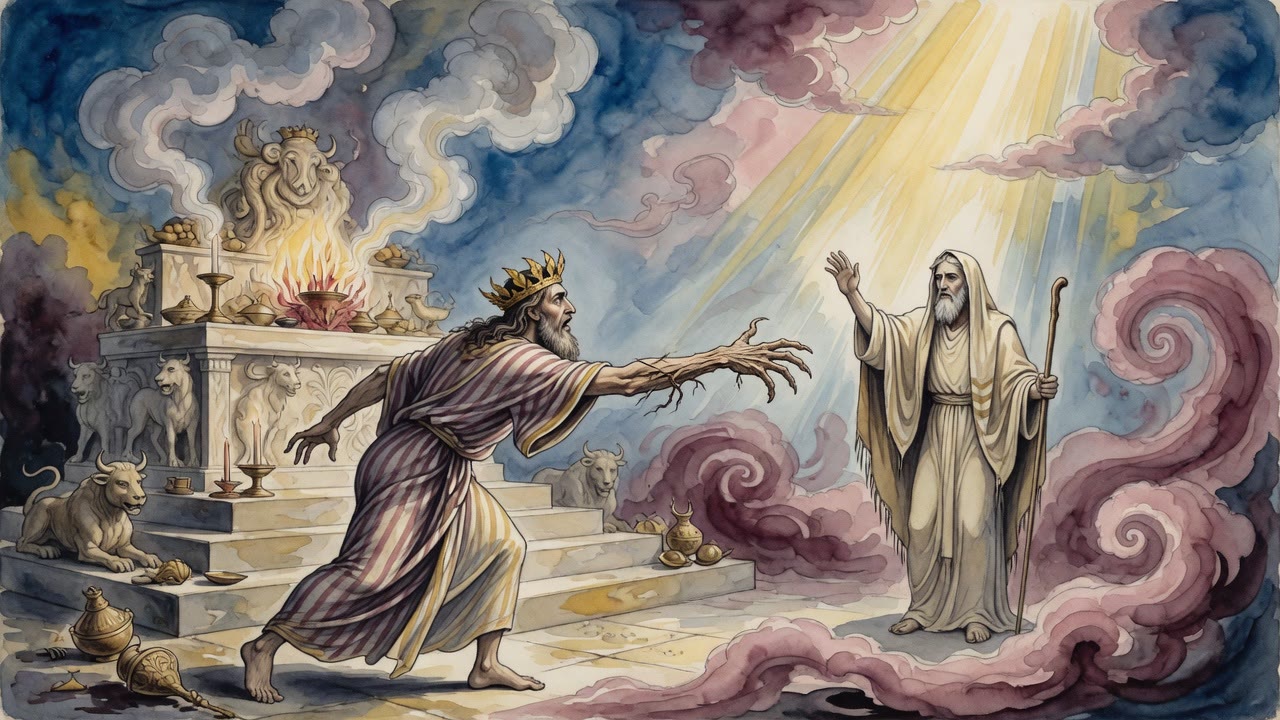
Asahels name broke Davids casualty list. Pharaoh's daughter broke Solomons list of loves. That wedding day Gabriel planted a reed in the sea, and Rome rose.
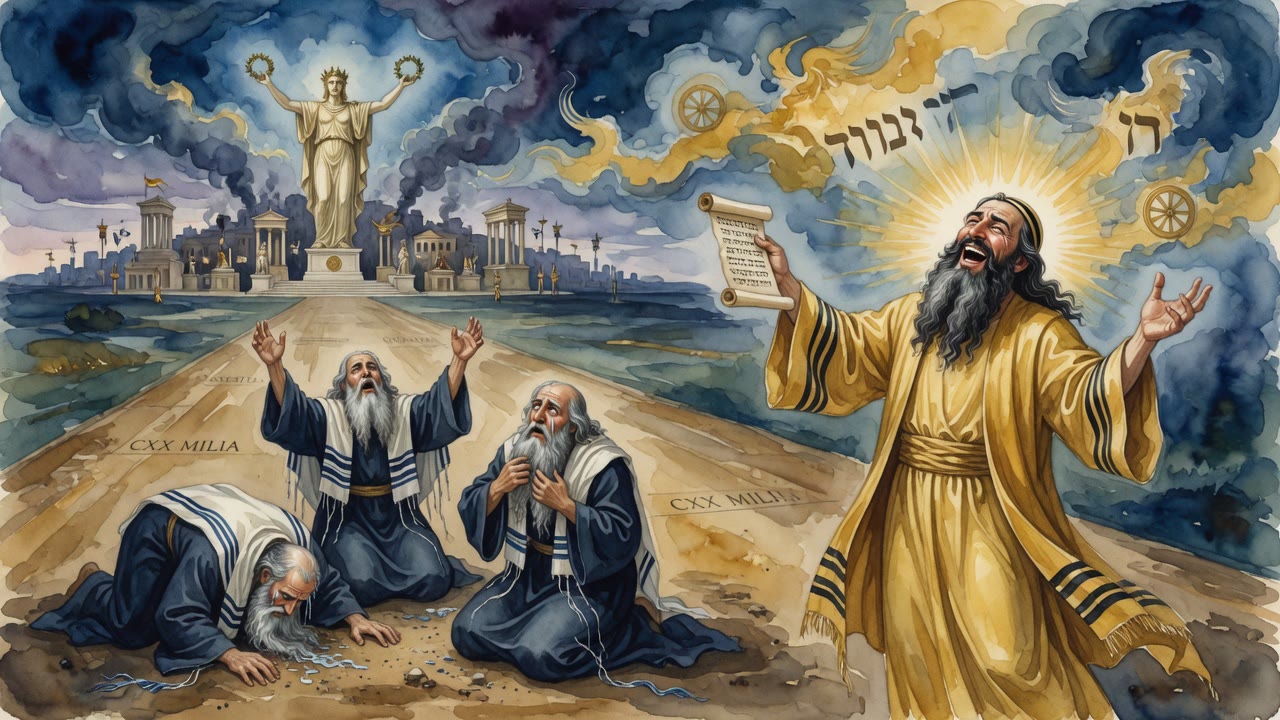
Gamliel stopped on the road. Rome's roar had already arrived. Yehoshua covered his face. Akiva laughed and would not take it back.
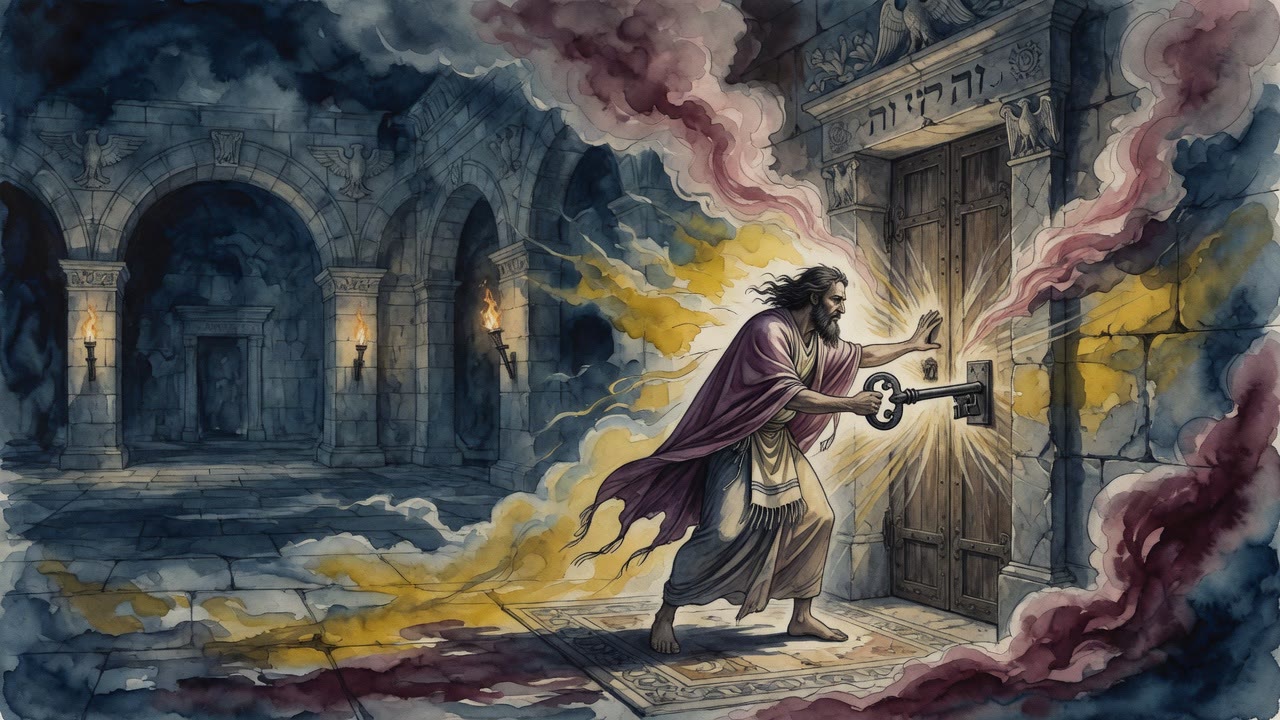
In Rome, Rabbi Joshua locked himself in with a matron, then walked Hadrian past temples and latrines to explain God's missing Name.
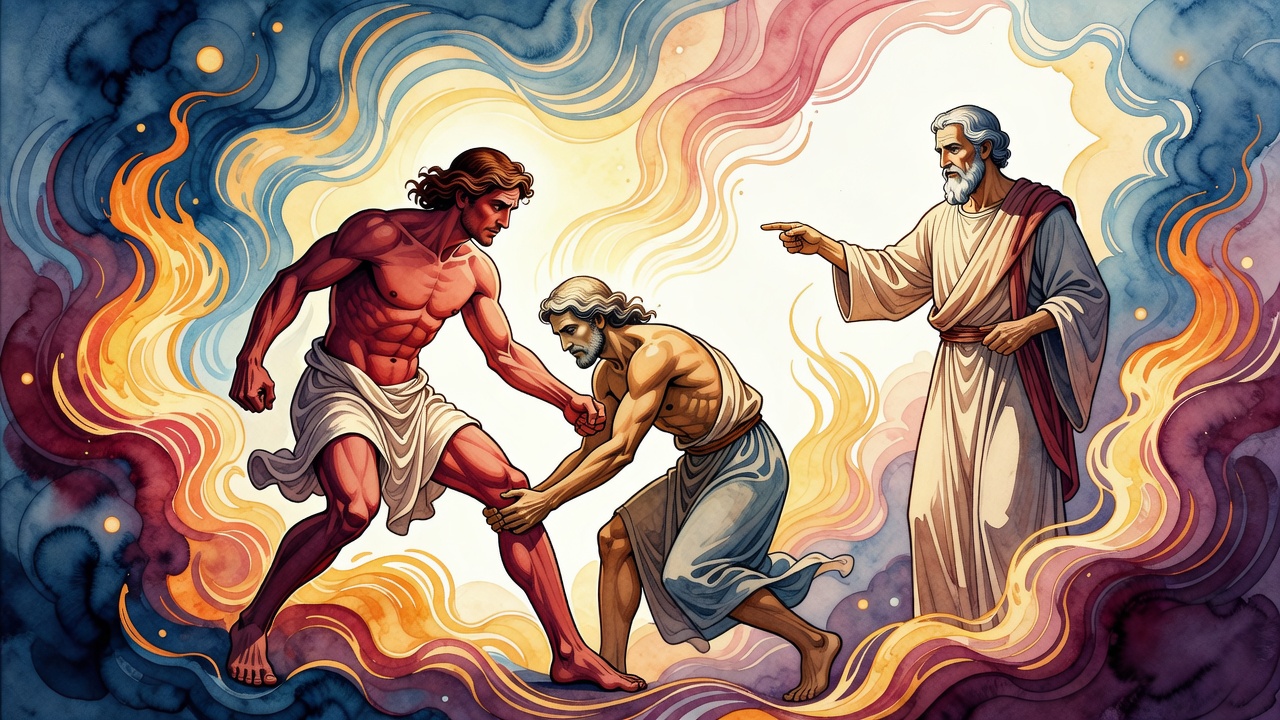
Esau arrived already marked by blood-hunger. Jacob's hand locked on his heel, and centuries later Rabban Gamliel showed Rome that verse as its fate.
Because I circumcised my son, the first one said. The next was going to the fire for reading Torah aloud. A third had eaten matzah.
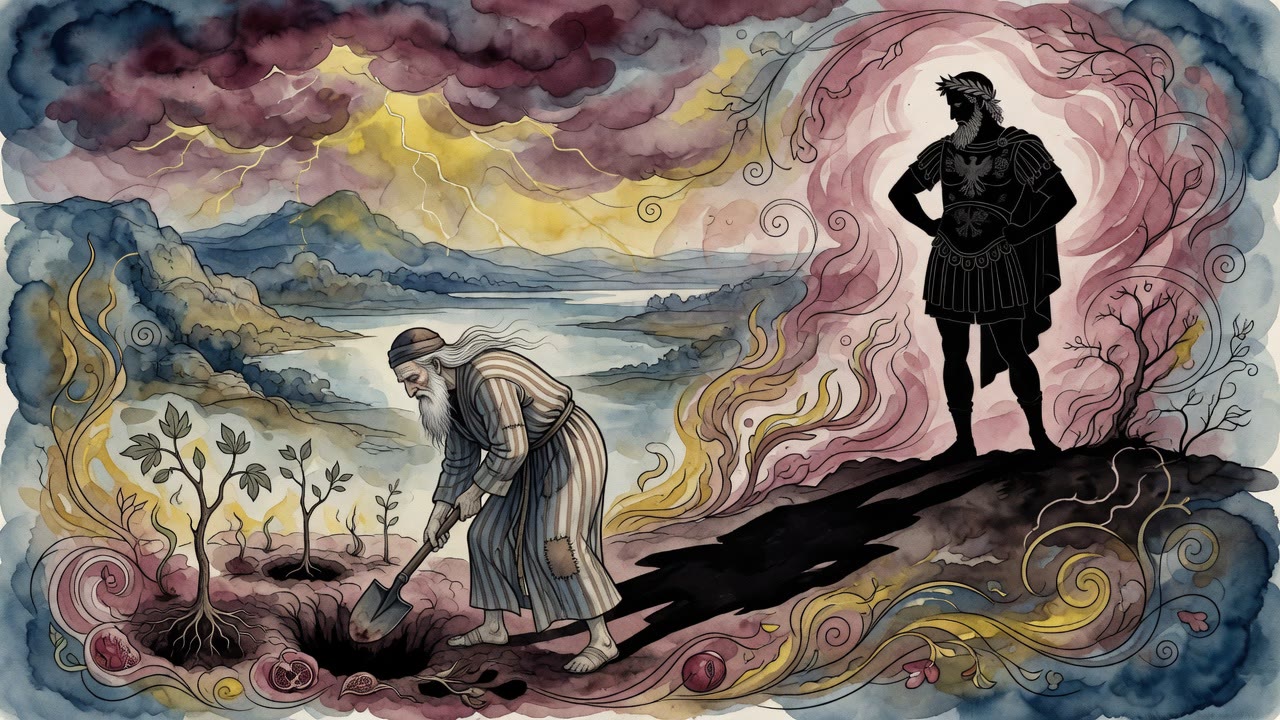
Near Tiberias a hundred-year-old man digs holes for trees he may never taste. Hadrian mocks him, then fills his fig basket with gold when fruit arrives.
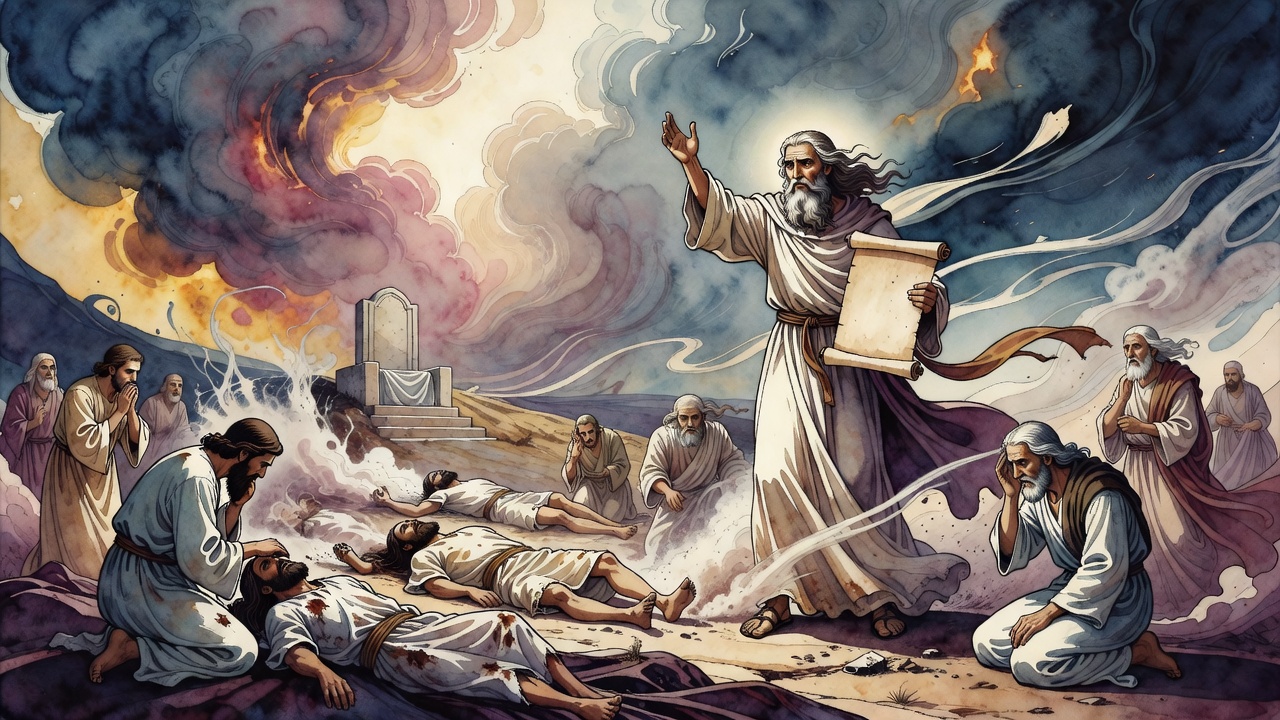
Rome had just killed Rabbi Shimon and Rabbi Yishmael. Akiva told his students the two were taken early so they would not see what was coming.
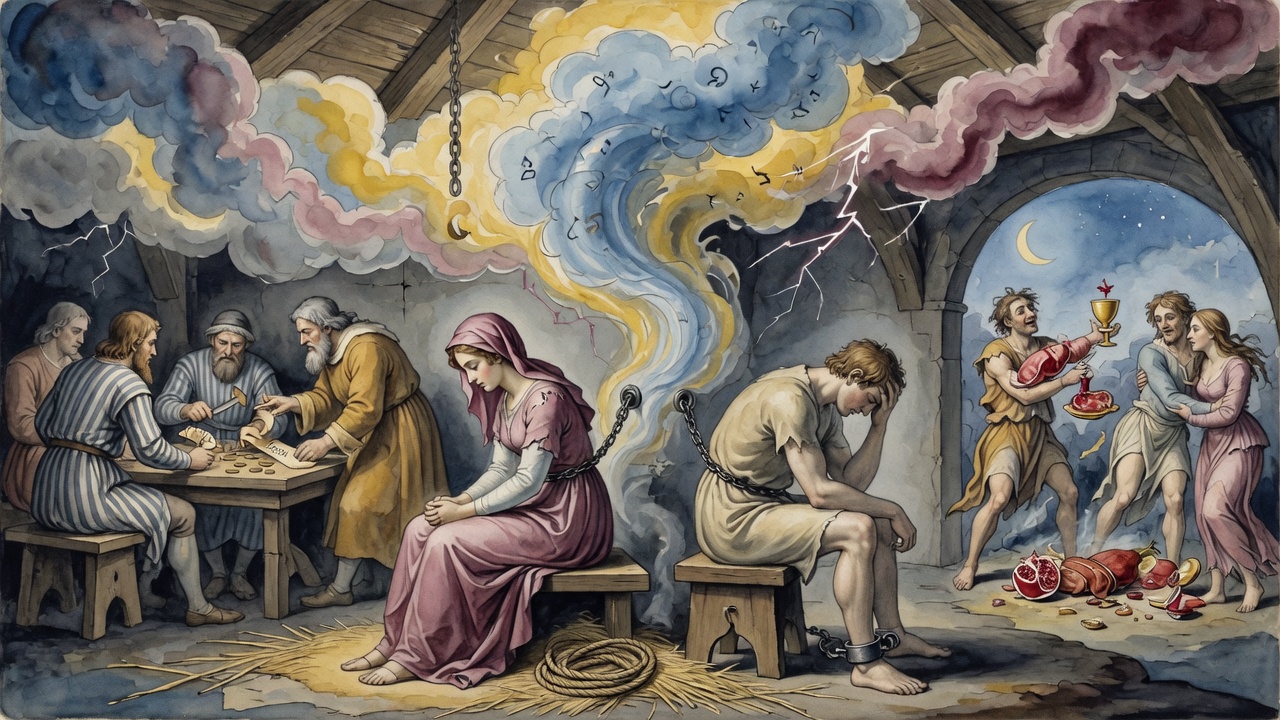
Two boys, tied to a Roman bed, hunted a verse for the rope on their wrists. One and a half columns. They had almost reached it.
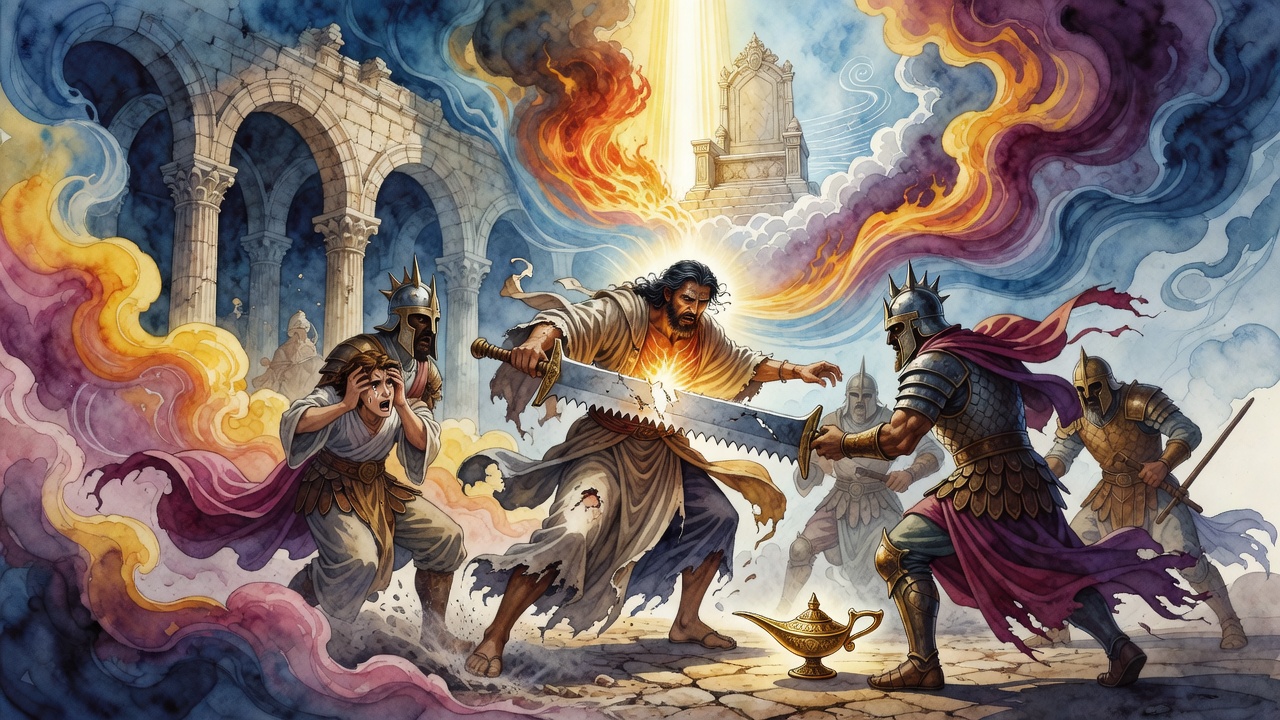
The candlestick was still warm in his hands when they snatched it. A private man, they said, has no right to such gold. The door stood open.
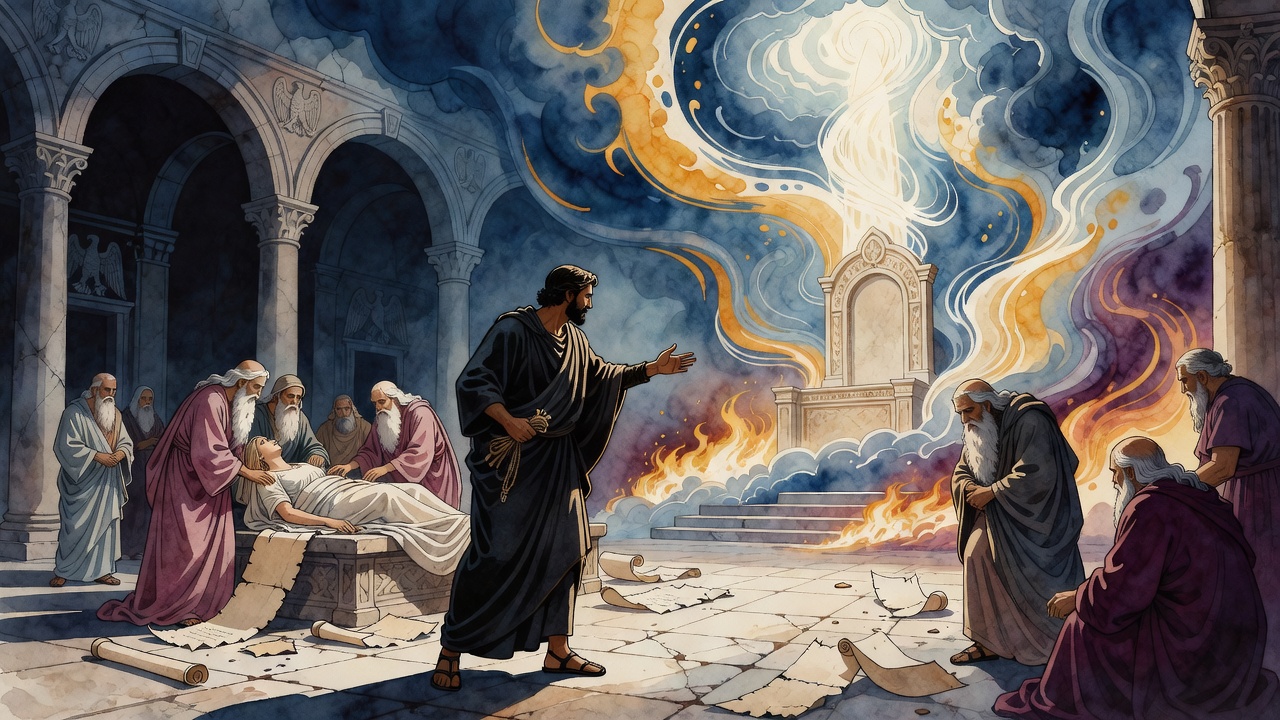
The counselor's robe was not his. Under it he argued that Sabbath, the knife, and purity were injuries Rome should keep.
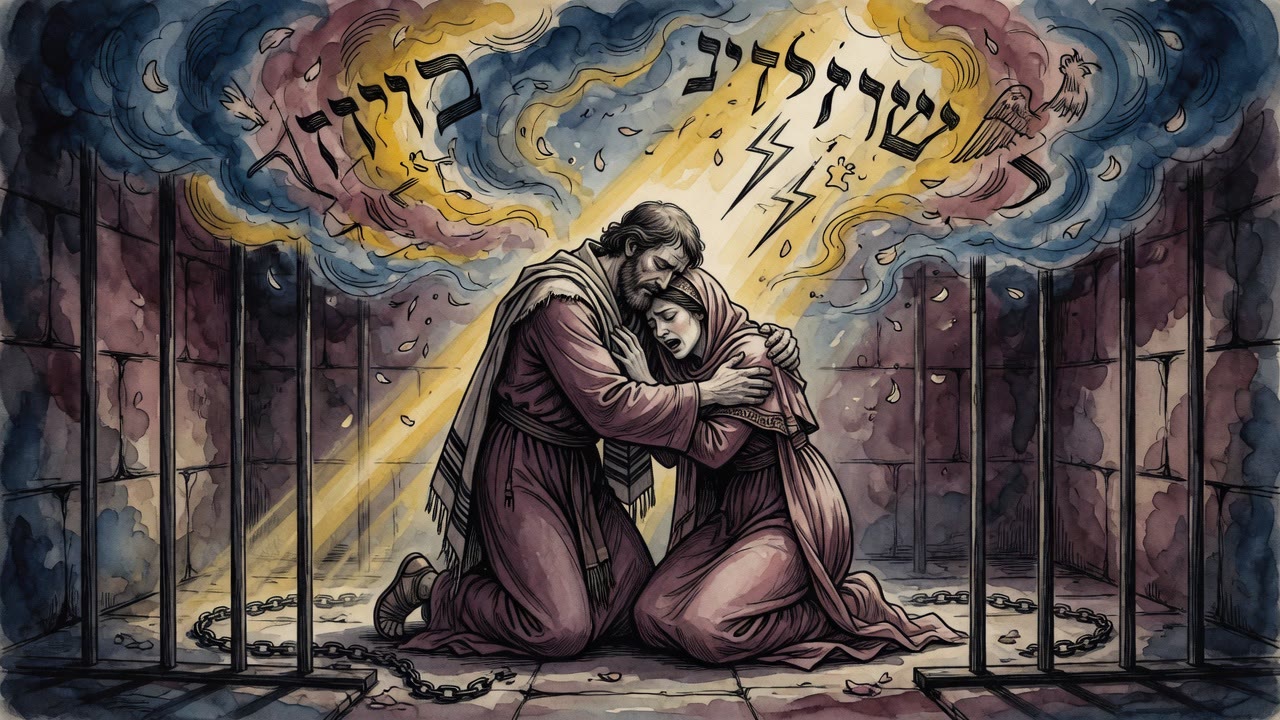
Two masters compared their most beautiful slaves and struck a business arrangement. Neither of them knew the boy and the girl came out of one house.
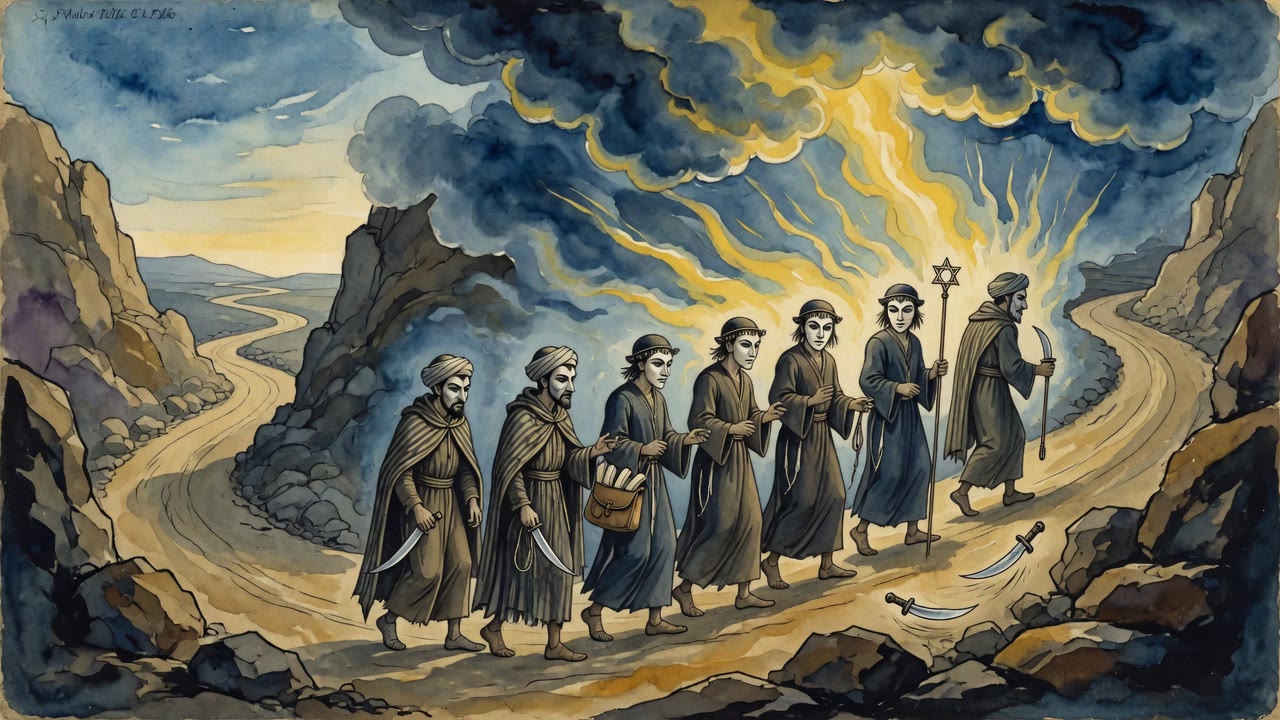
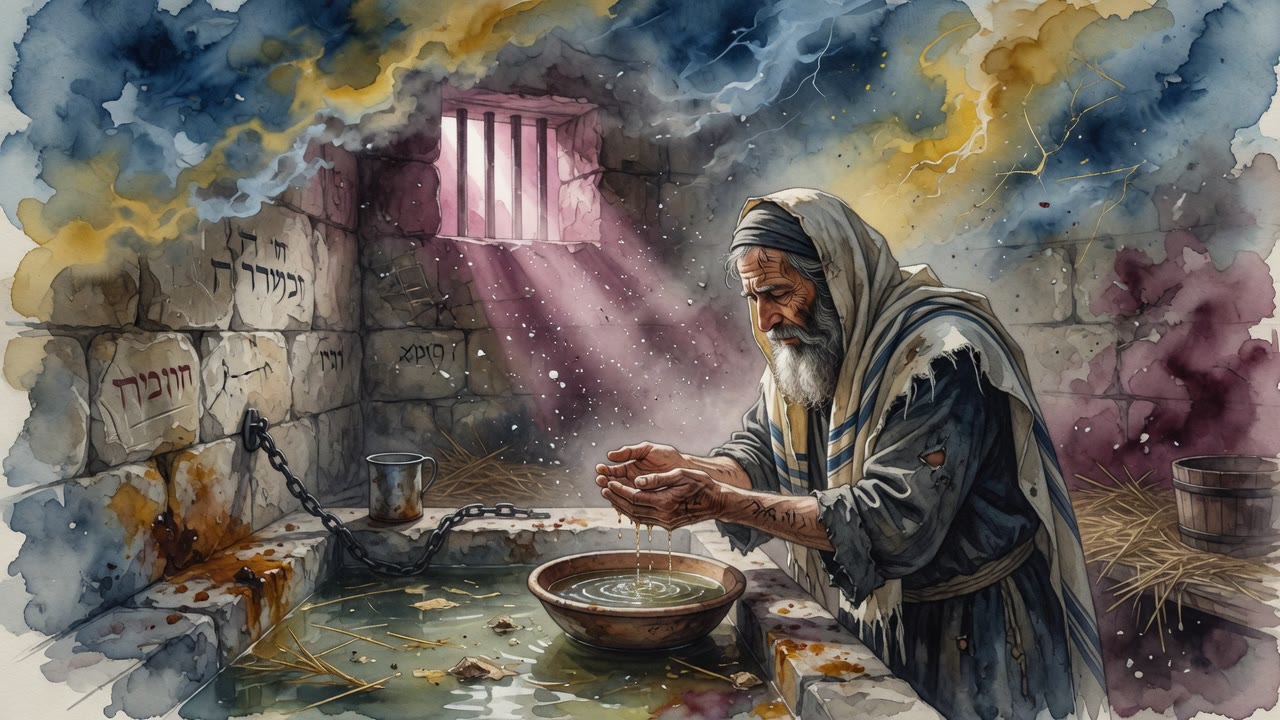
The guard left one small cup of water in the cell. Akiva poured half of it over his hands and ate his bread, then went thirsty the rest of the day.
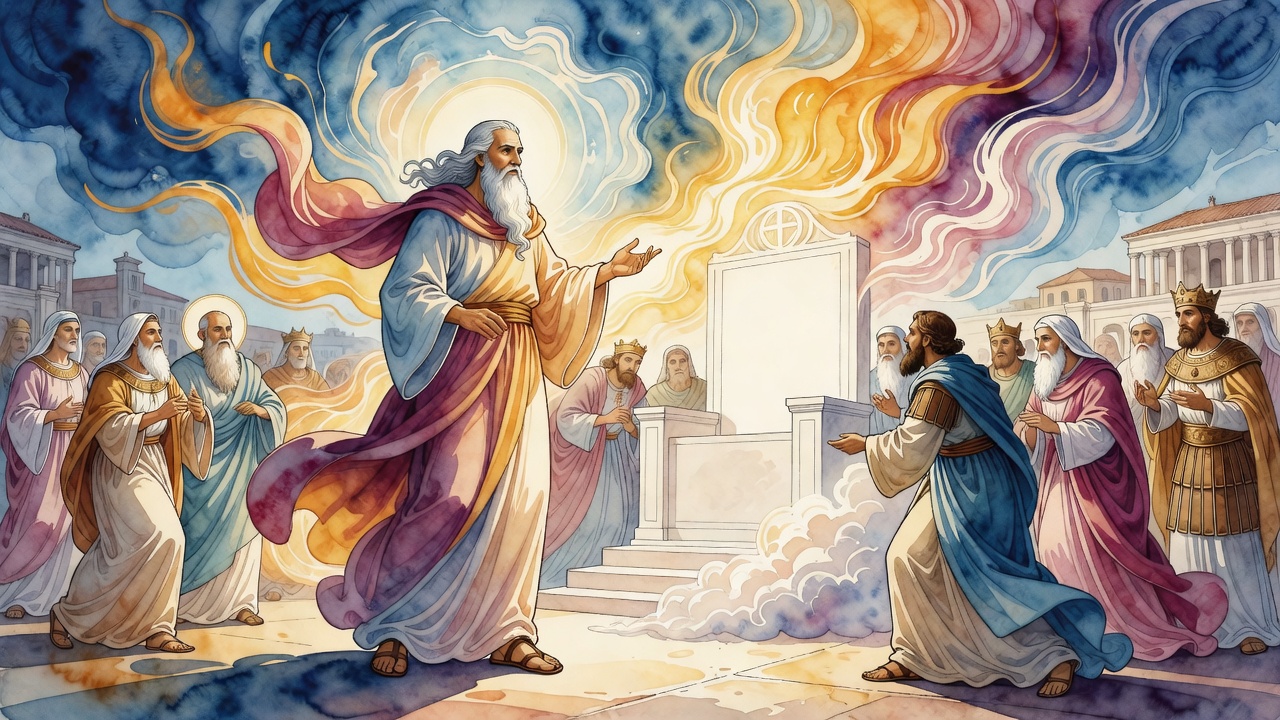
Rome demanded a luminary and asked about pigs. Meir answered with profit and purity, while other sages faced matronas and royal courts.
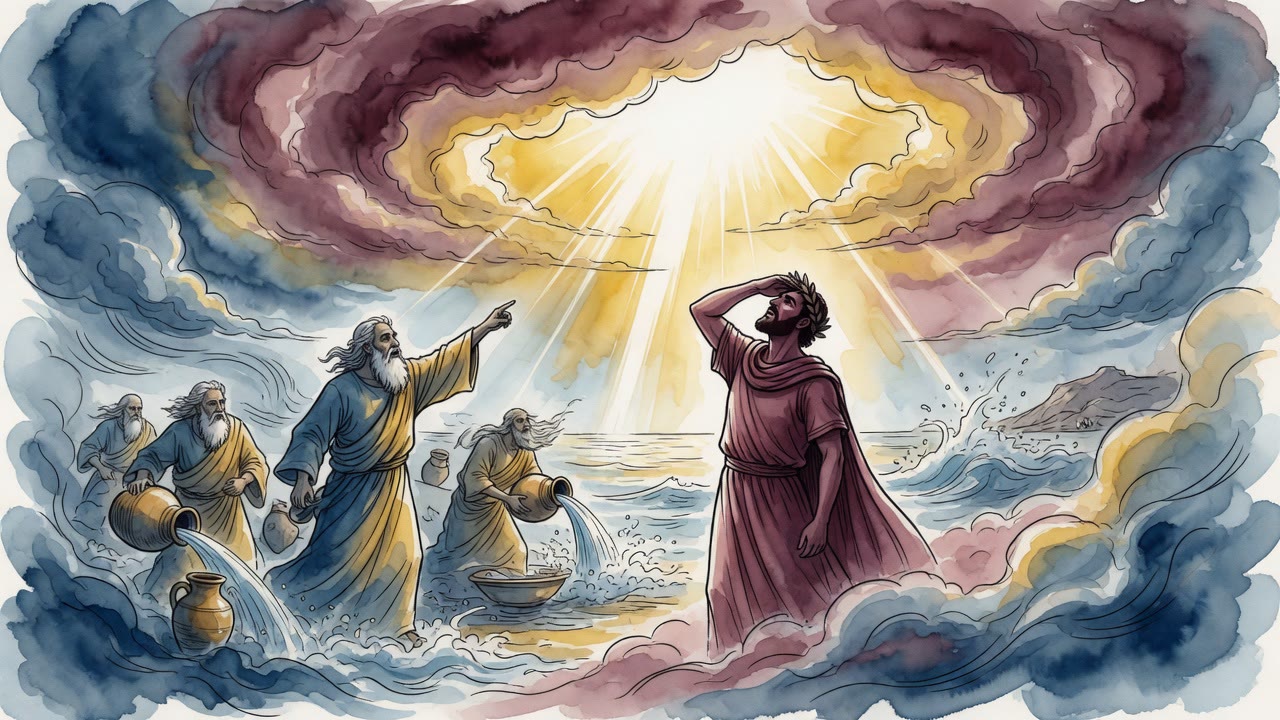
Storm-driven sages poured ocean water that never overflowed, and Rabbi Yehoshua told Hadrian to look at noon light he could not bear.
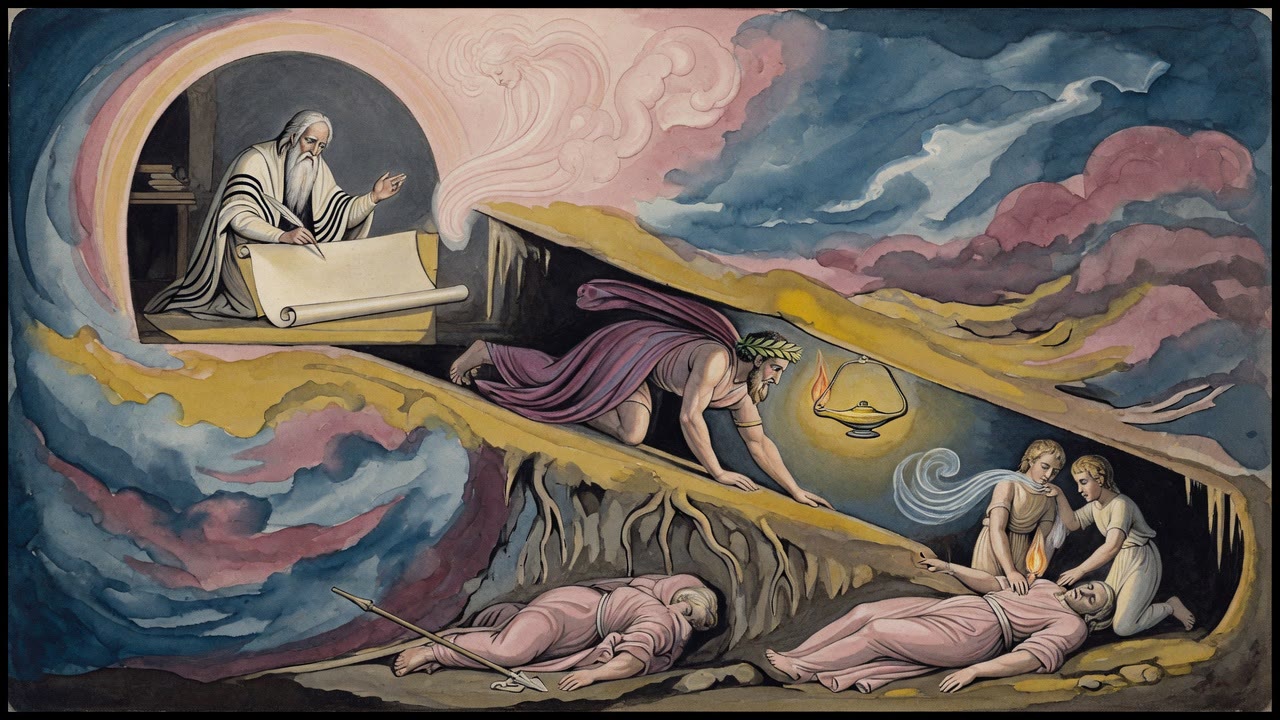
An emperor crawled an underground passage to visit the redactor of the Mishnah in secret. Servants died for the friendship, and a disciple raised one back.
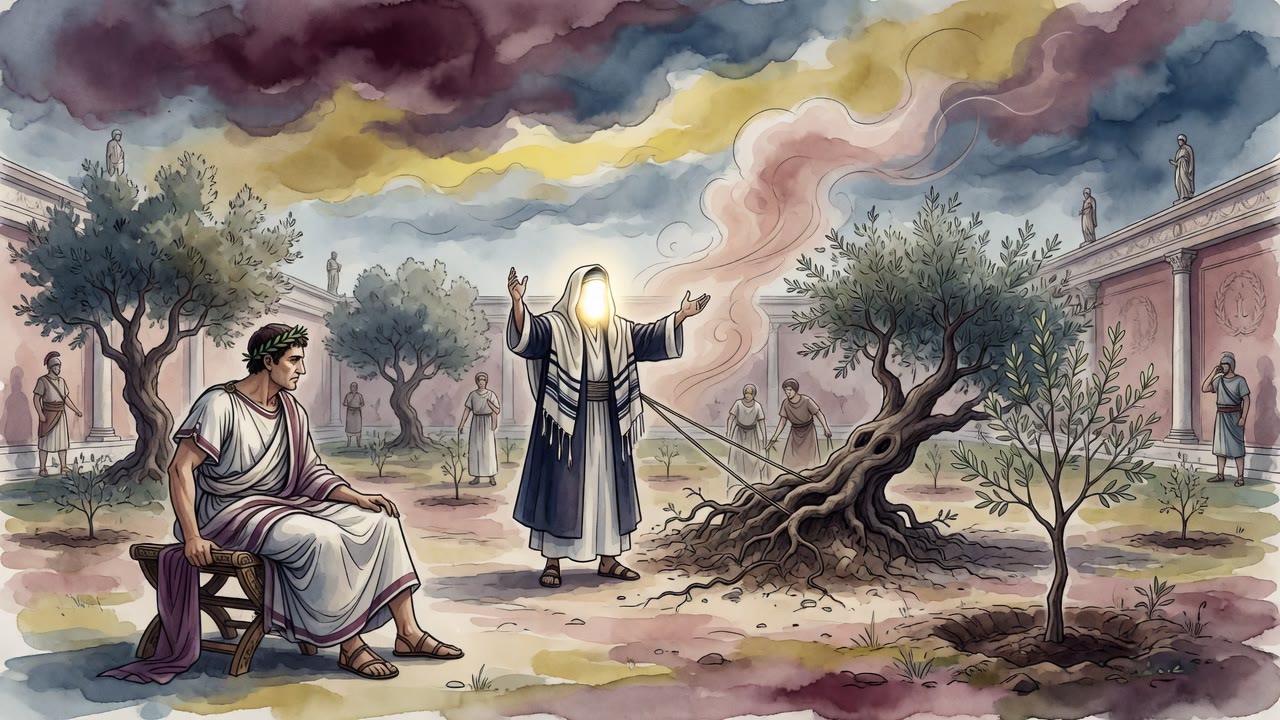
Palace corridors had listeners. Rabbi Yehudah ha-Nasi put his hands in the soil and let the emperor read the roots himself.
