17 myths
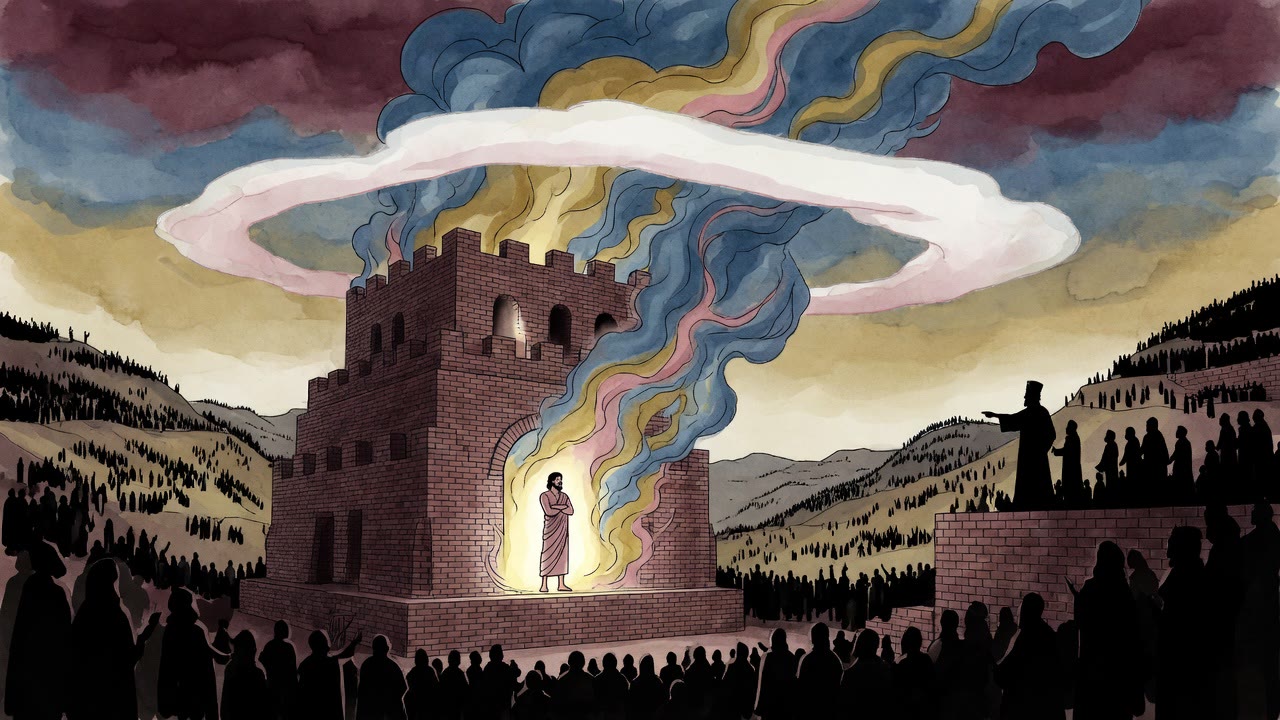
Terah told the king it was Haran who had advised the swap. It was a lie to save himself, and it put his own son in front of the fire.
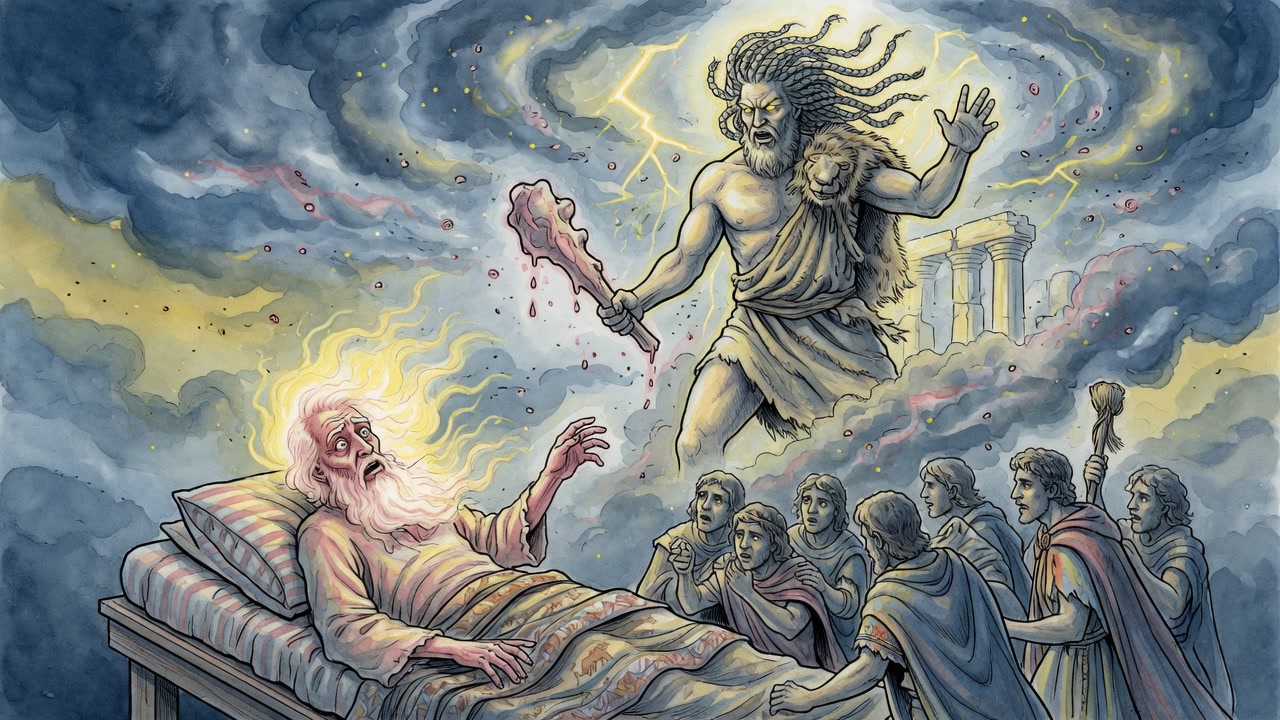
On his deathbed Jacob blessed Dan and saw Samson fighting alone, and for one breath he believed the Messiah had finally come to Israel.
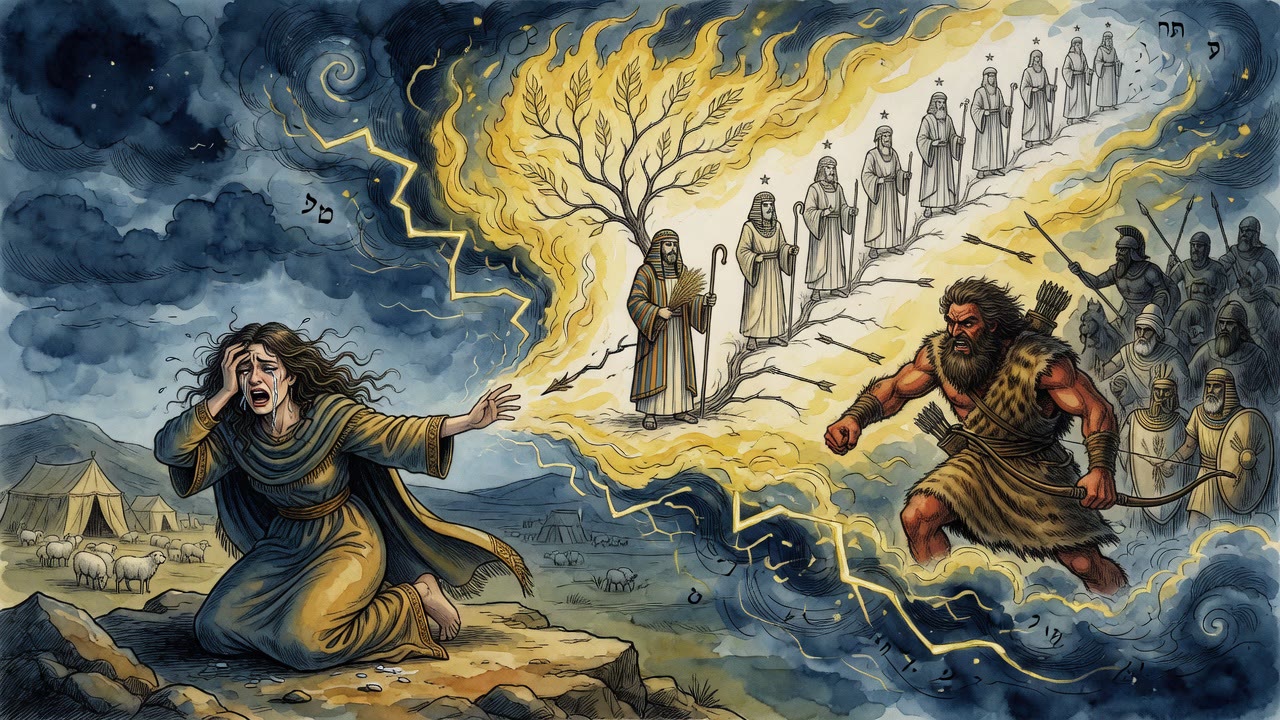
Amalek hit the back of the column first, where the old and the footsore walked. Moses passed over every fighting man and called one young man from Ephraim.
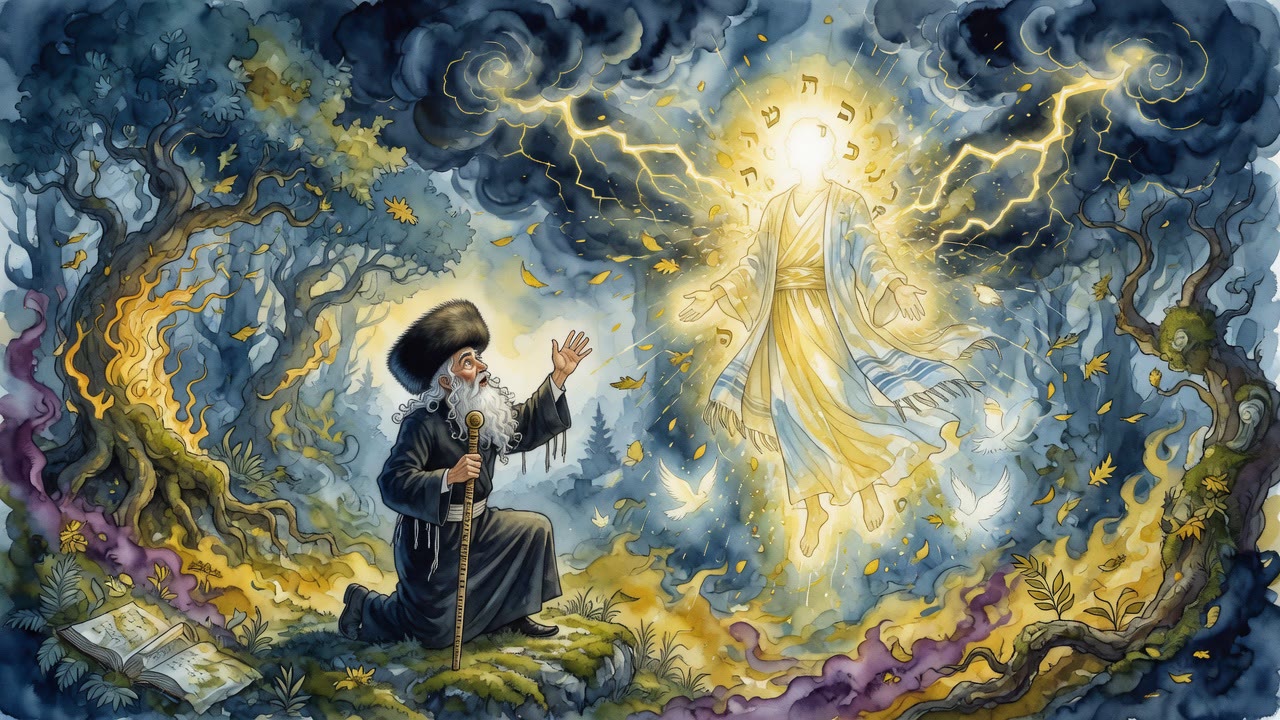
He once prayed so long his Hasidim drifted out one by one. The last man let the door slam behind him, and the ladder of letters collapsed.
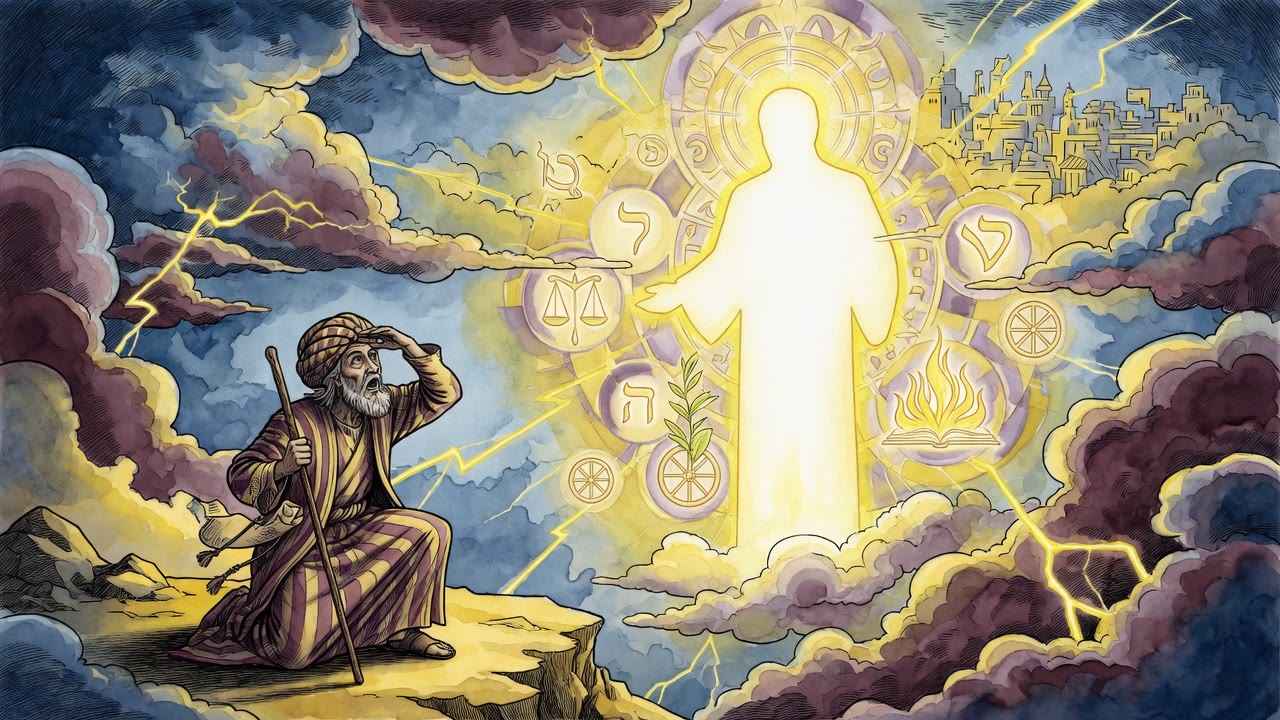
An unclean bird landed on the split carcasses and told Abraham to run before the fire took him. He stayed, and learned how long the age had left.
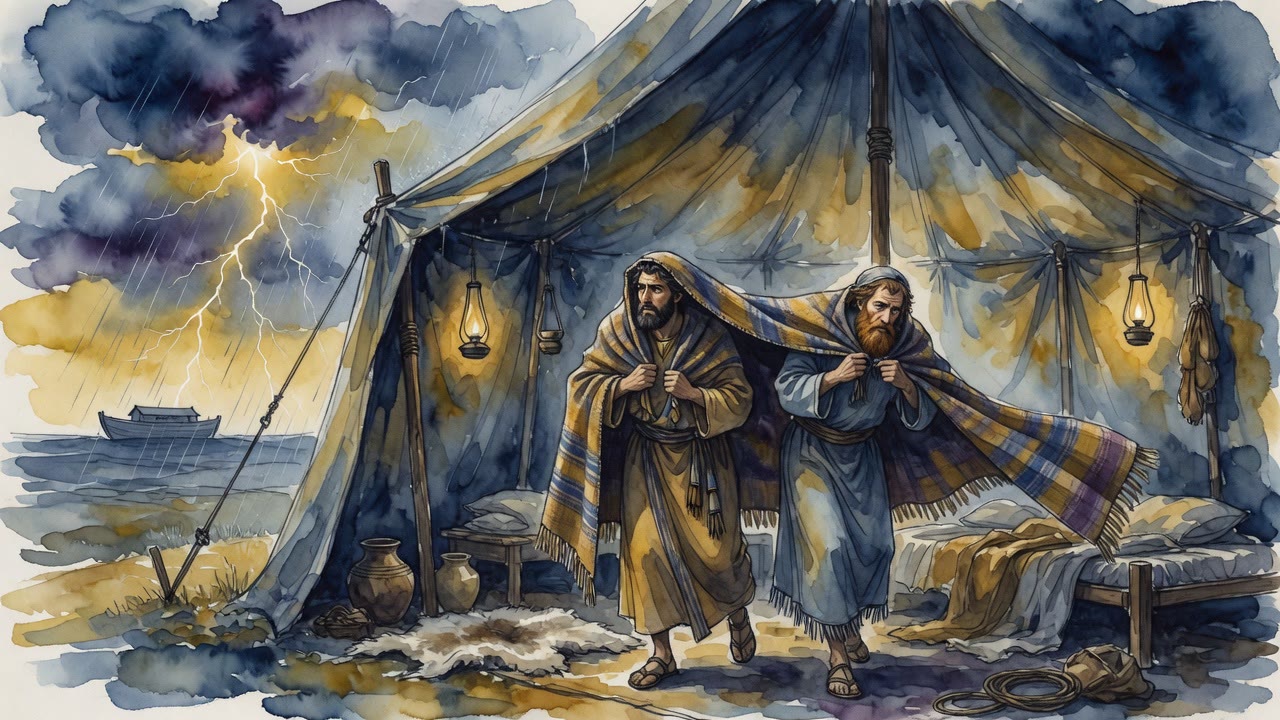
Noah lay uncovered in his tent. Ham laughed and called his brothers. Shem lifted a cloak and walked in backward, his face turned away.
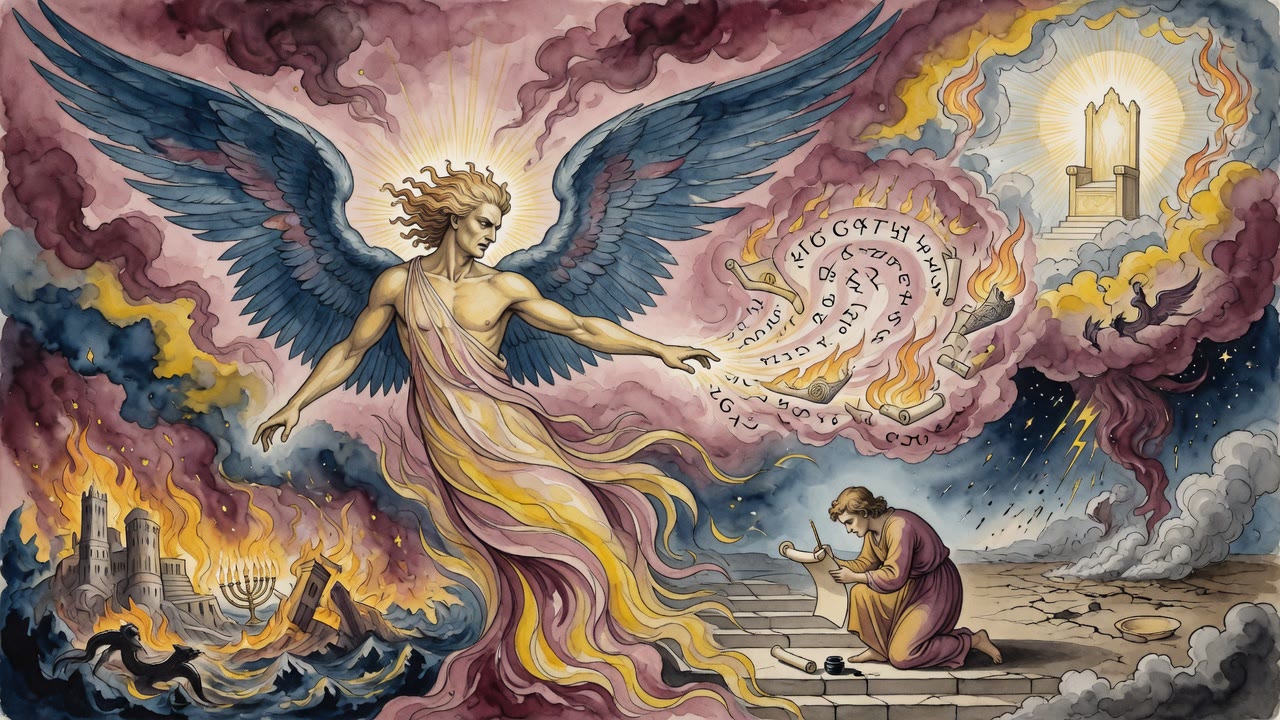
The angel gave him three jobs instead of an answer. Weigh the weight of fire. Measure out a measure of wind. Call back the day that is past.
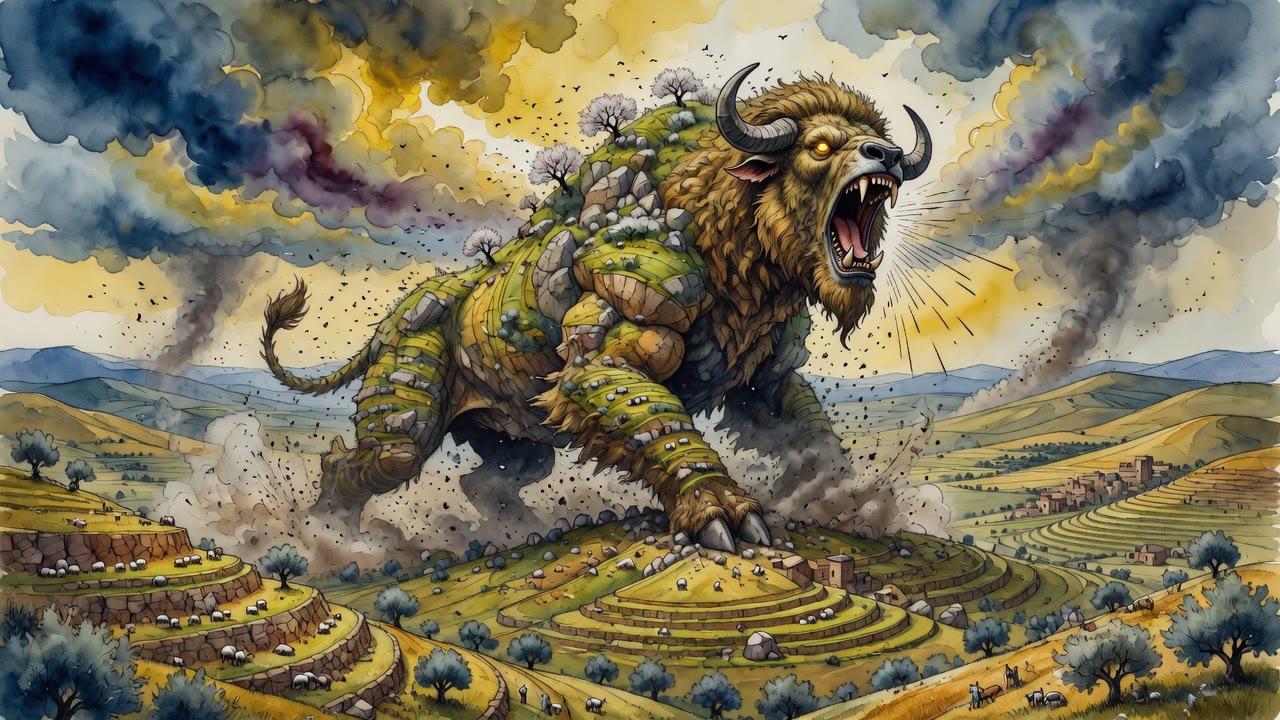
A beast sprawls across a thousand hills, drinks a river that circles the earth, and roars once a year in Tammuz to silence every animal alive.
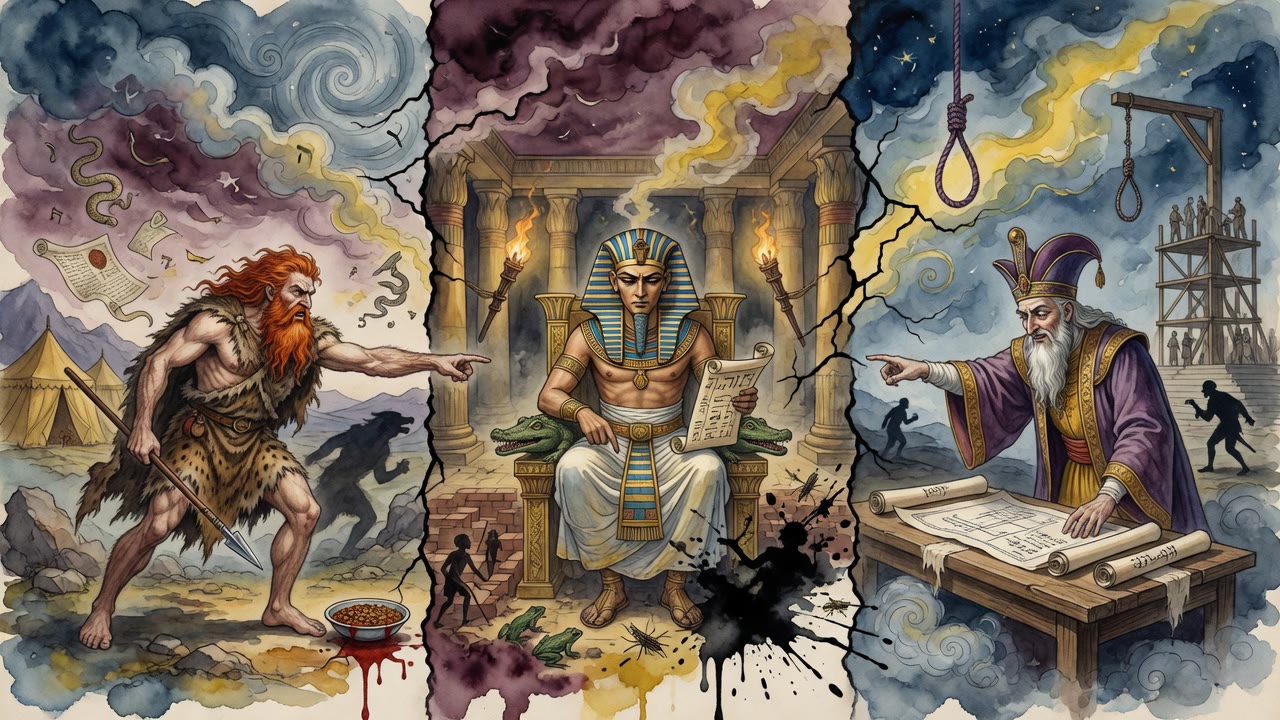
Esau waits for his father to die. Pharaoh counts a swarming people. Haman seals a letter to kill every Jew in one day. Each plot is smarter. Each fails.
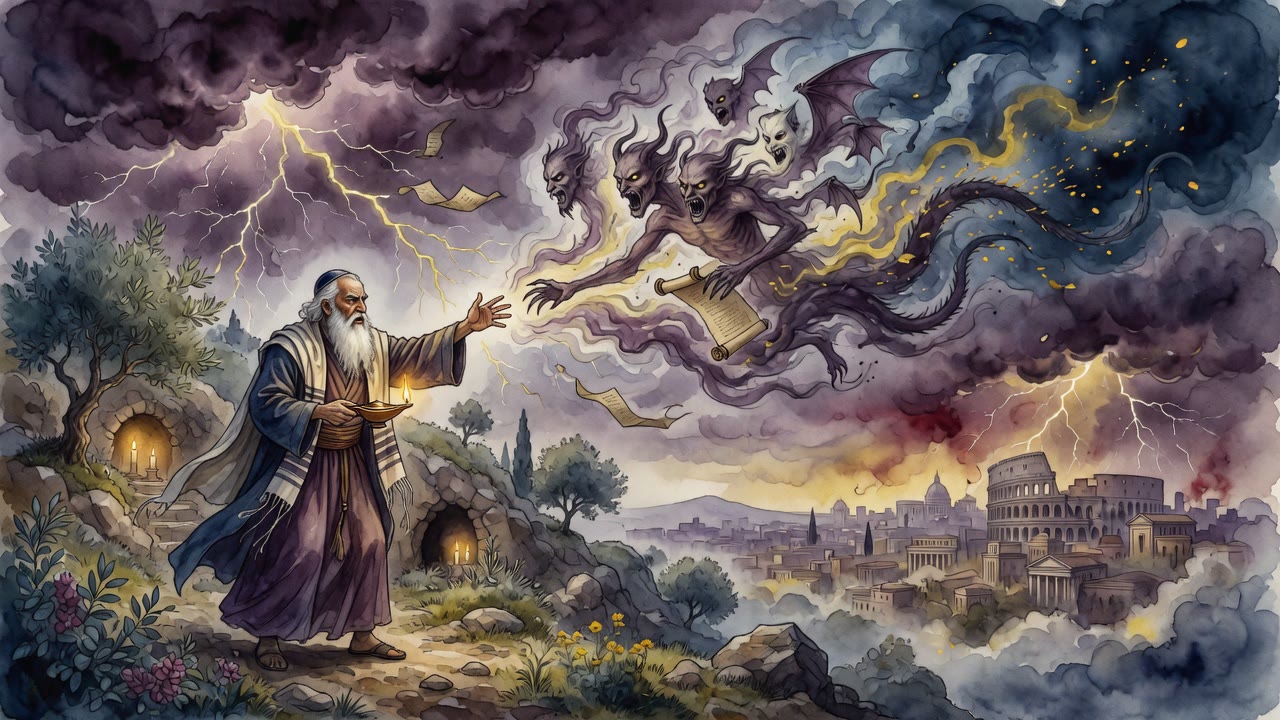
A Roman counselor found a way to repeal every decree against the Jews without losing face. He argued that the Sabbath would keep them poor.
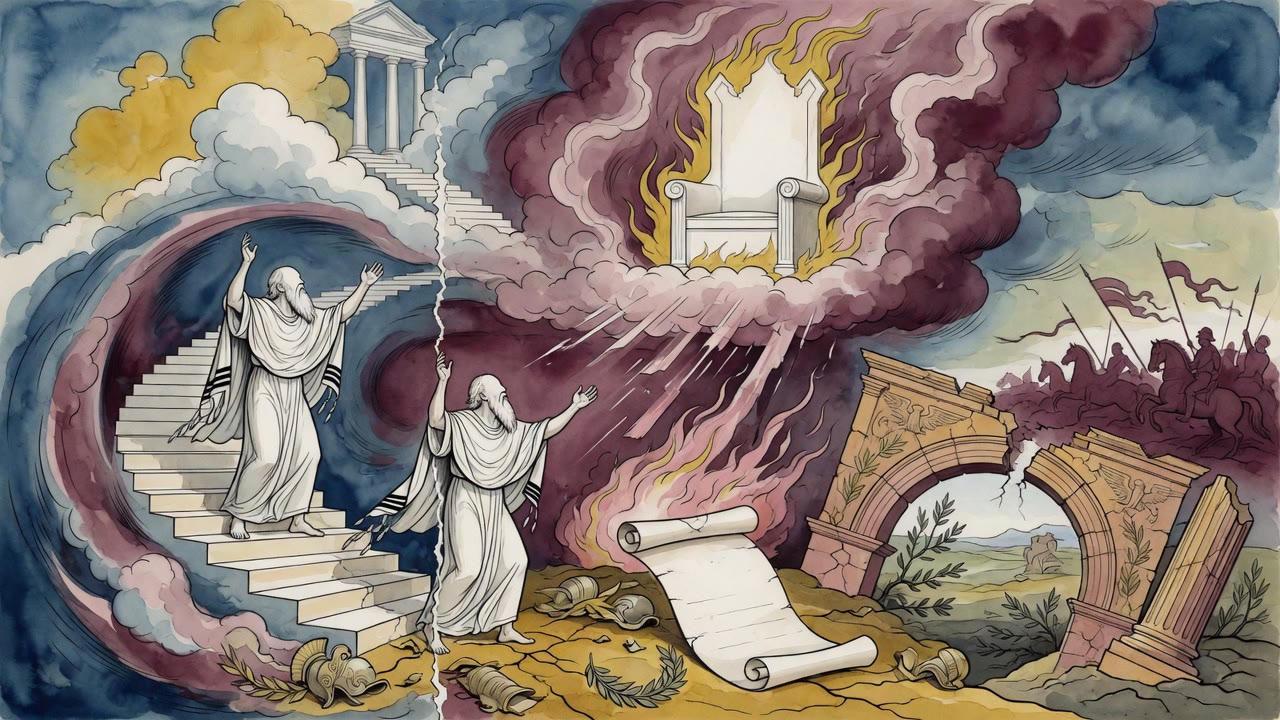
He sat the Sanhedrin at the Temple's third door. Fire hung in webs between them. He spoke of a walk out of Edom in red.
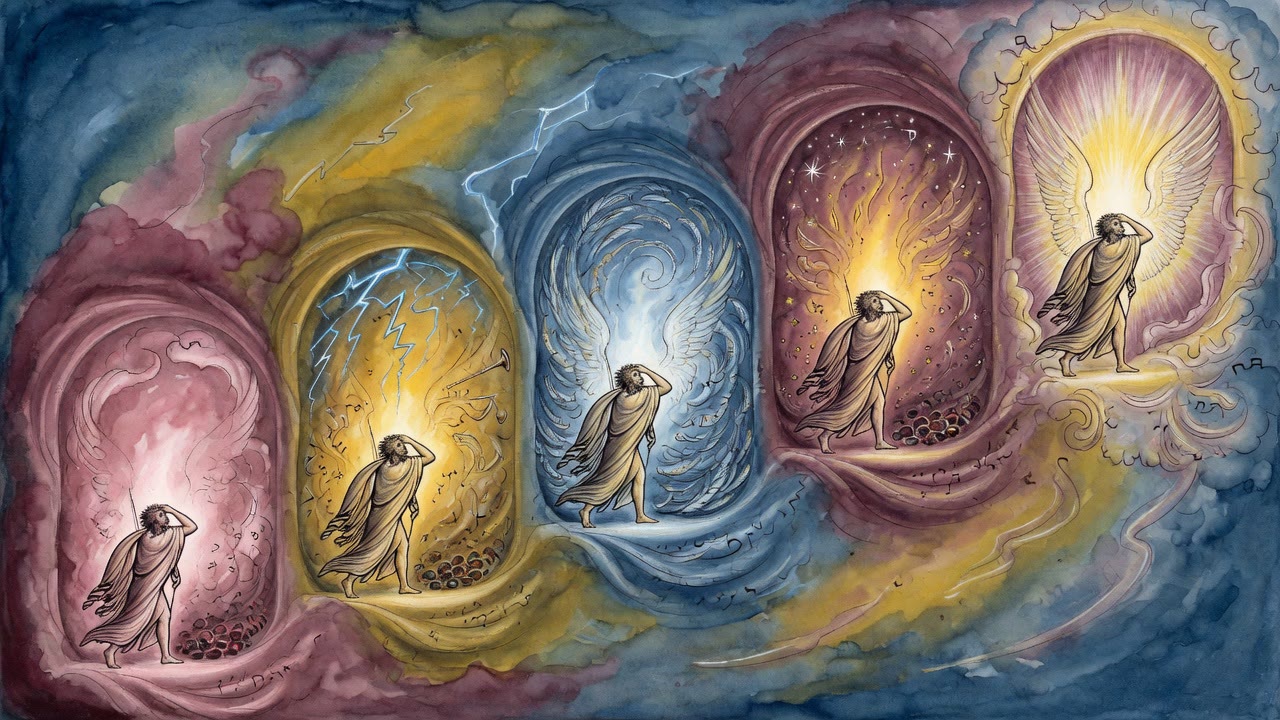
The first division drank the Jordan dry. The last kicked dust. Hezekiah spread the letter on the Temple floor and waited.
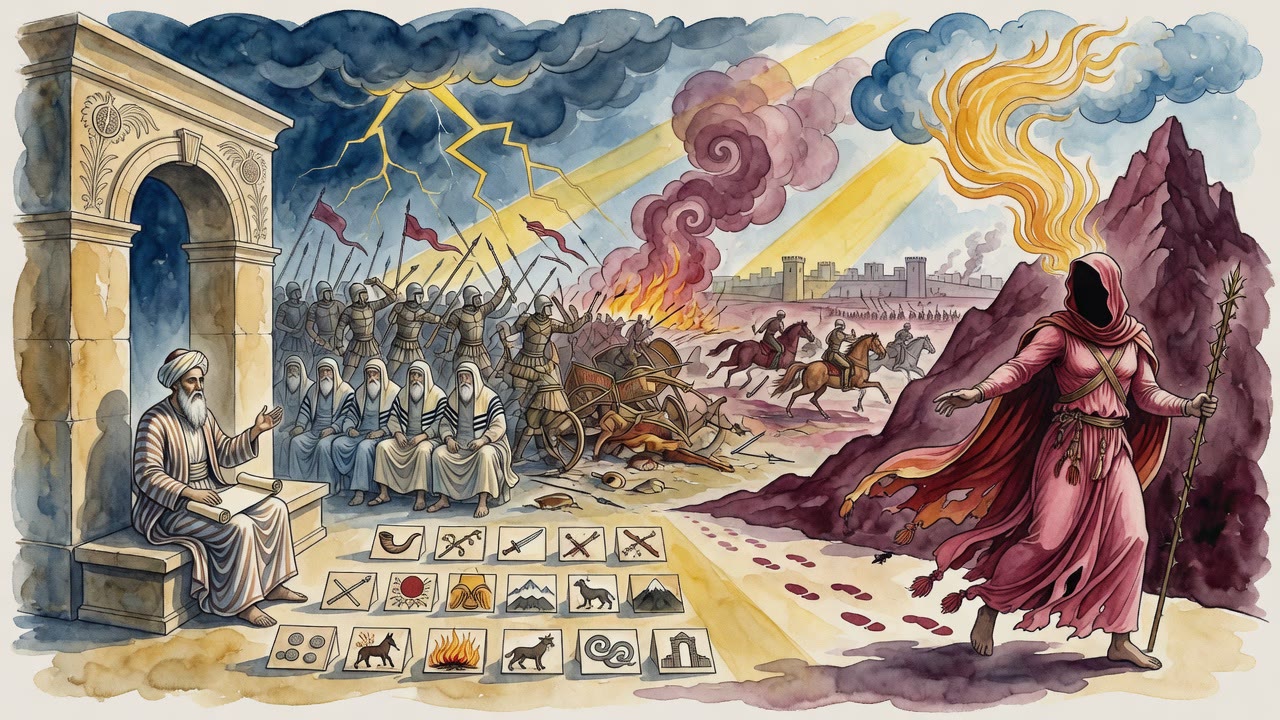
The news named him among the four. He skipped the magistrate. He went down to the Chariot and asked who had signed the names.
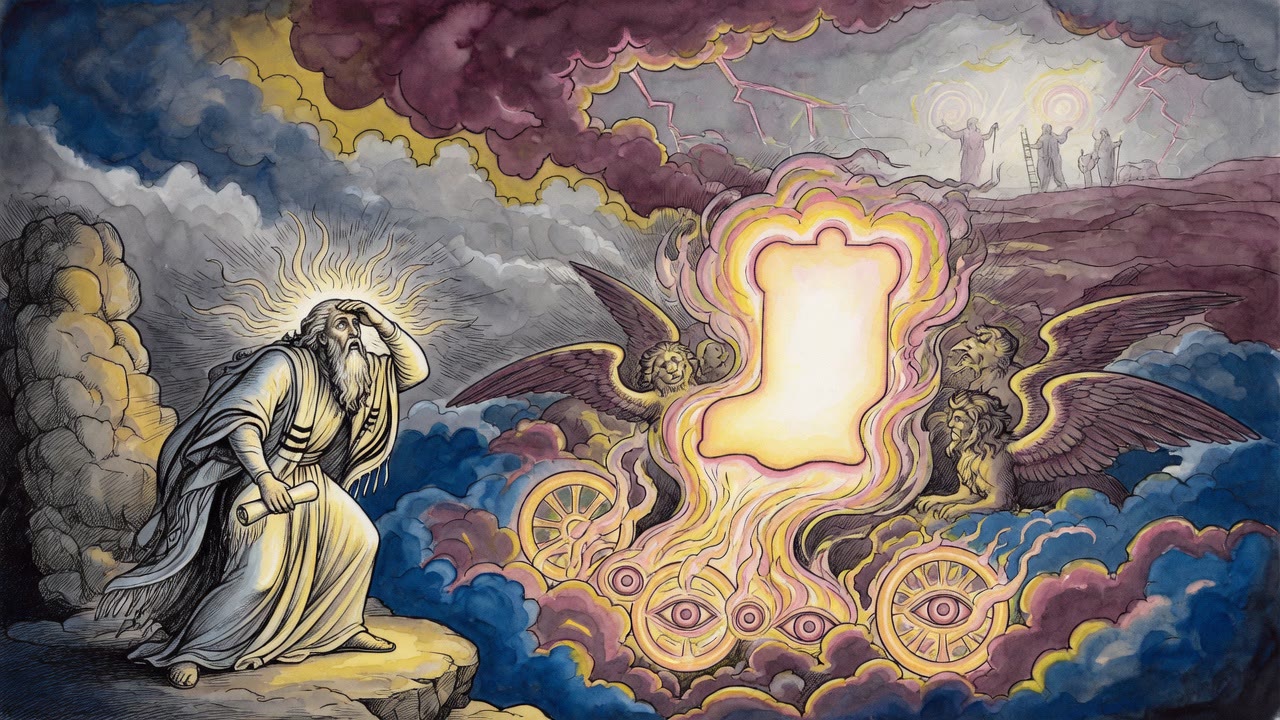
Moses sang about divine arrows drunk with blood on the edge of Canaan. Six centuries later, Ezekiel announced that the day Moses described had finally arrived.
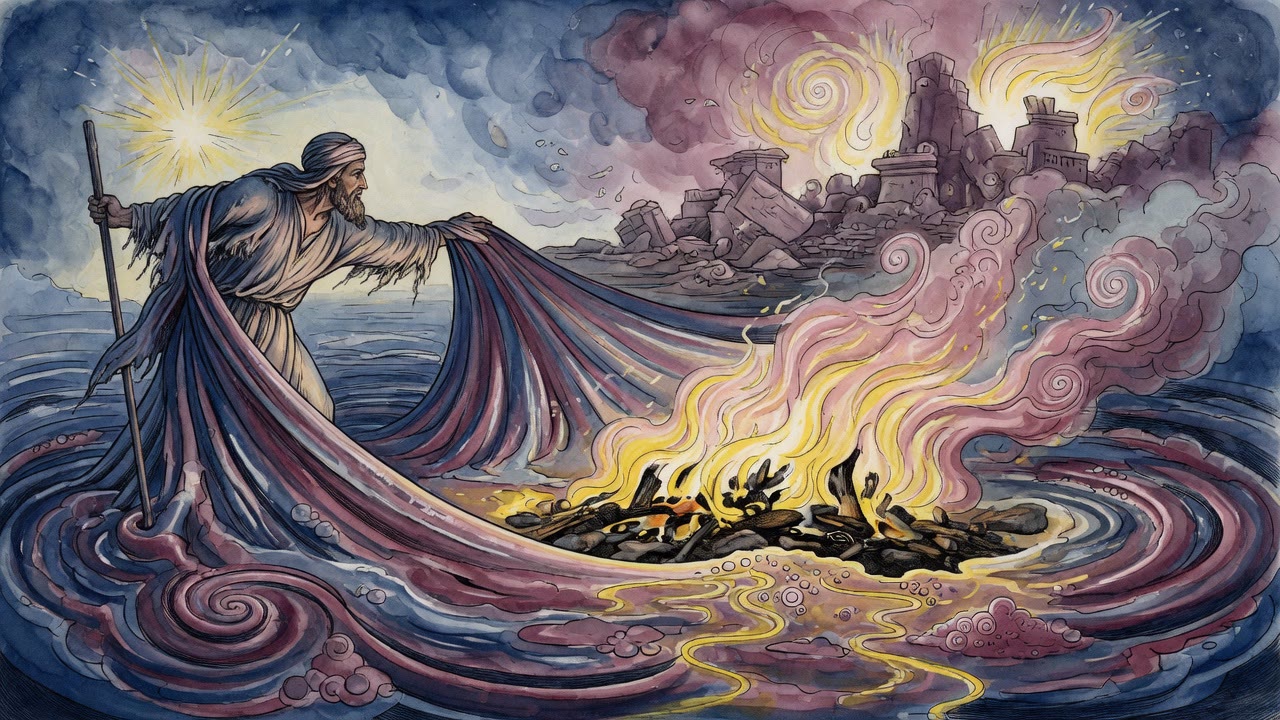
Ezra sat in a field and ate only flowers for seven days. A woman in ash became a city. Then the sea gave up a man.
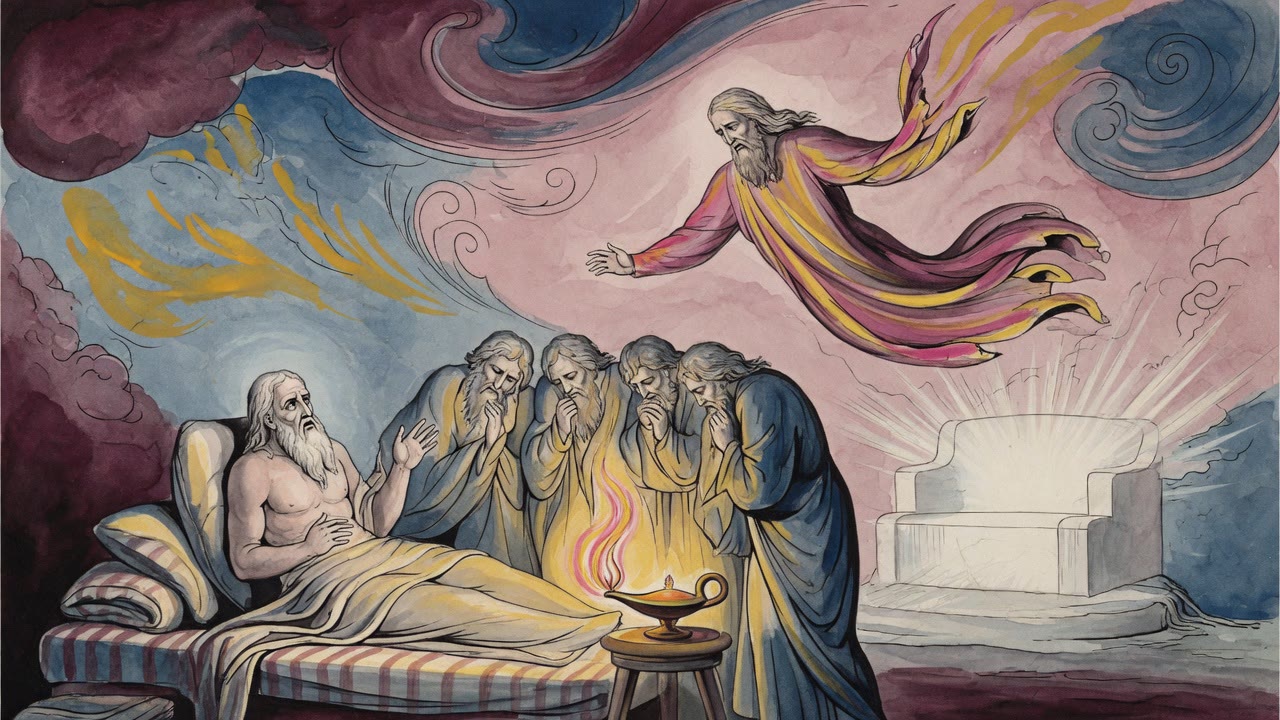
Rabbi Yehoshua found him among the wounded at Rome. One bandage was off. The rest stayed bound, in case the call came before night.
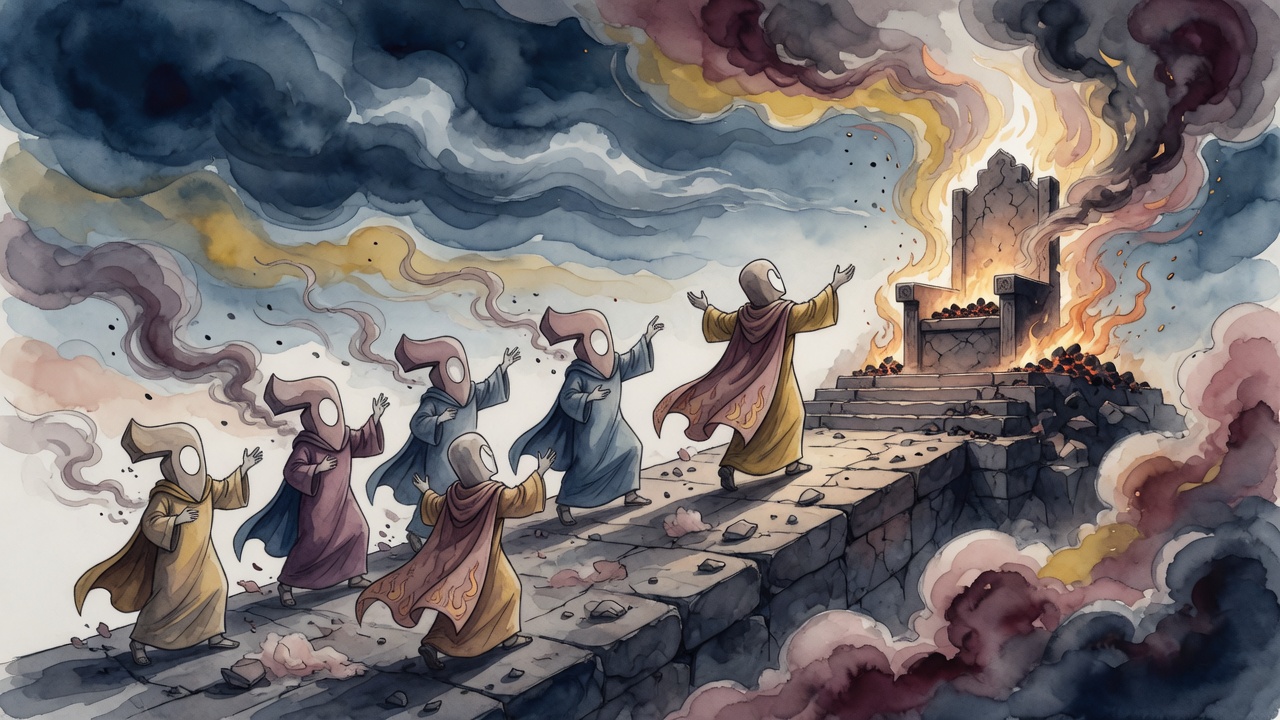
God burned the angels who doubted man, then folded a pure light beneath His Throne for the Messiah and a star to time the end.
