Rabbi Shimon Sent a Demon Into the Emperor's Palace in Rome
A Roman counselor found a way to repeal every decree against the Jews without losing face. He argued that the Sabbath would keep them poor.
Table of Contents
 Click for full size
A Voice in a Dream on the Way to Rome
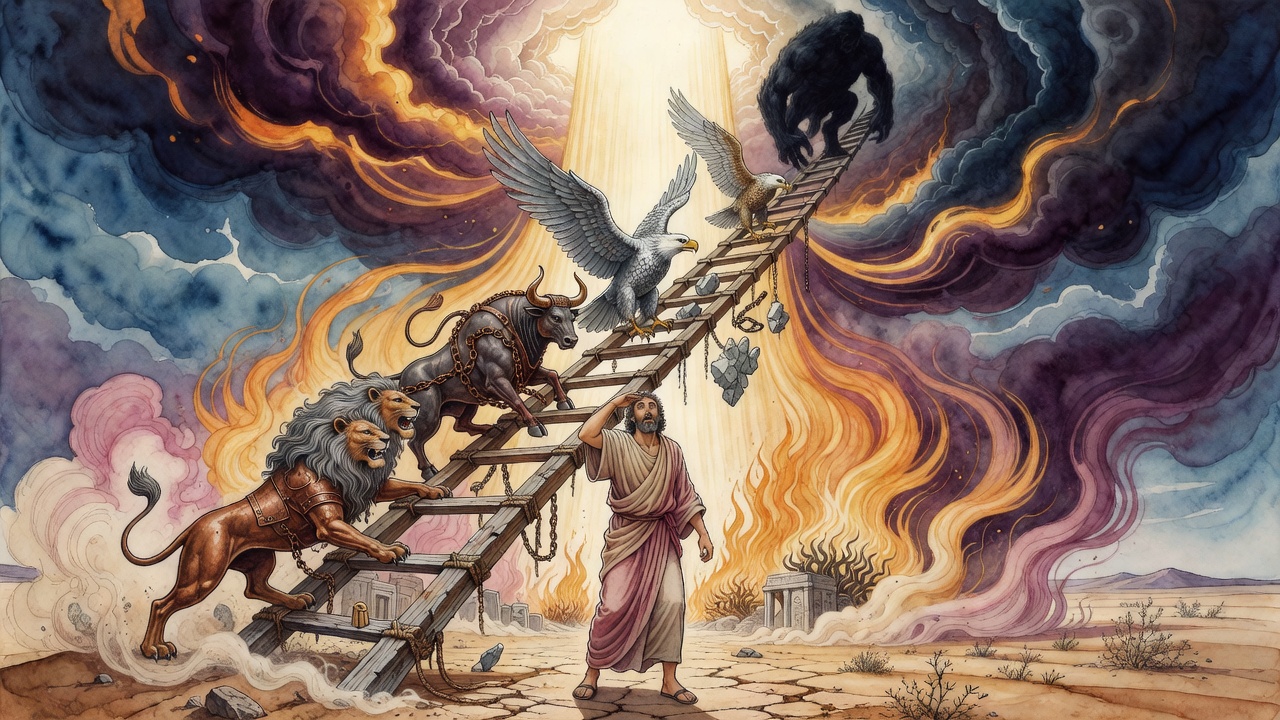
The decrees had made ordinary Jewish life illegal. No circumcising sons, no keeping the Sabbath, no keeping the laws that governed a marriage. Rabbi Shimon bar Yochai was sent out of Jerusalem to the emperor to get them lifted, and he went by sea.
On the ship, asleep, he was approached. "Ask," the figure said. "What shall I do for you?"
"Who are you?"
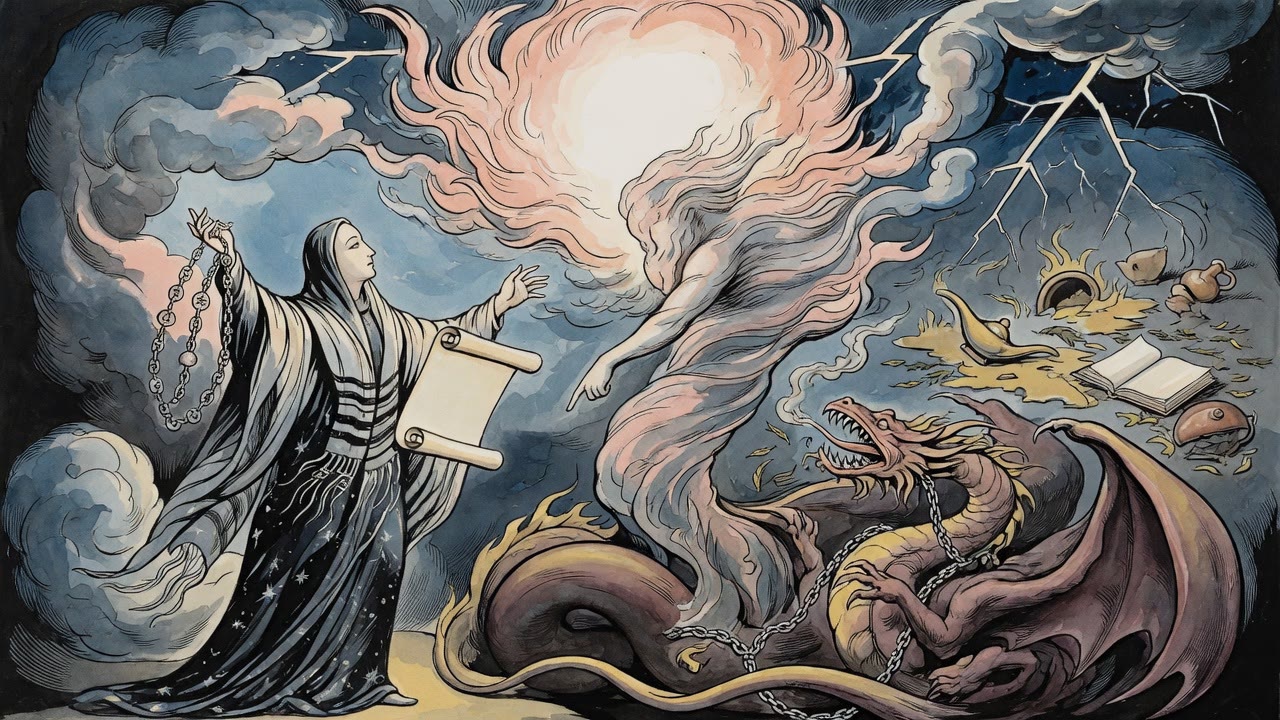
"I am Ashmedai, king of the demons. The Holy One sent me to do a miracle for you."
Rabbi Shimon turned his face up and complained to the ceiling of his own dream. Master of the world. To Hagar, a servant woman in the wilderness, you sent a heavenly messenger. To me you send the prince of demons.
Ashmedai was not insulted. "Wherever the miracle comes from, whether it comes from an angel or from me, your business will get done." Then he explained how. He would go into the emperor's daughter. He would scream Rabbi Shimon's name out of her mouth until the palace had no choice but to send for him. And when the rabbi ordered him out of the girl, he would refuse, and go on refusing, until every decree against Israel had been struck.
The Girl Who Broke Every Dish on the Table
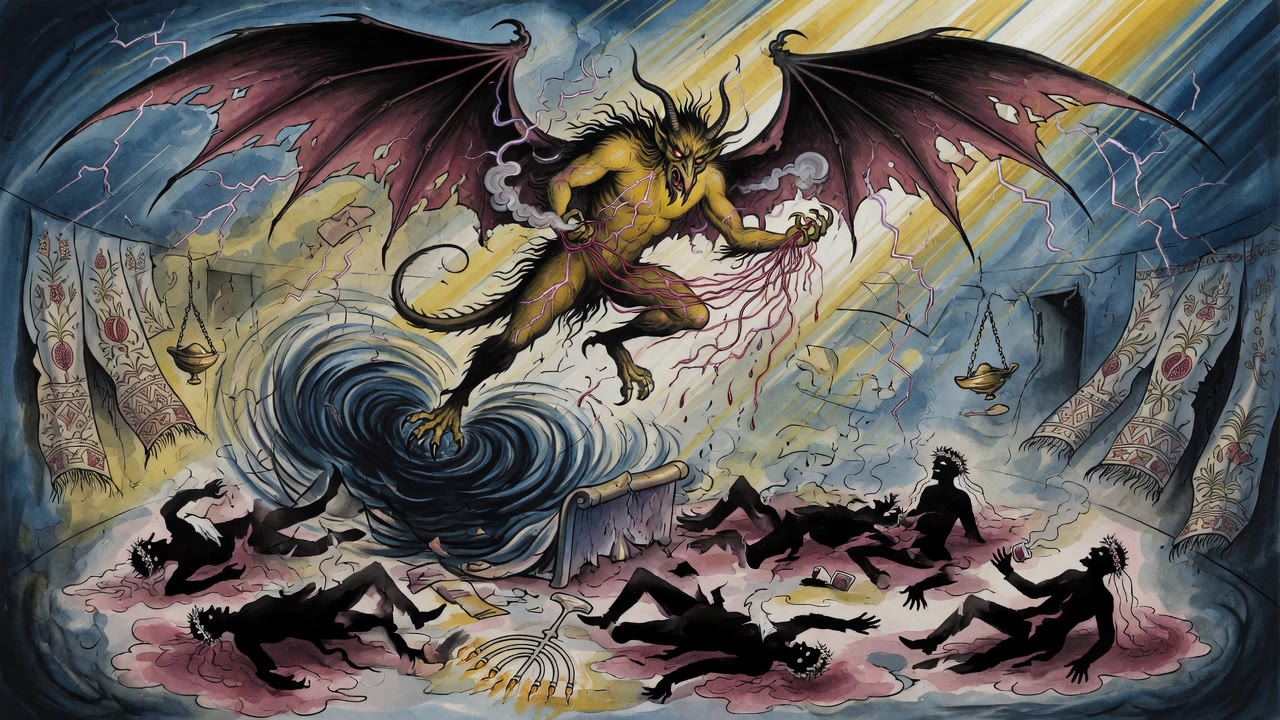
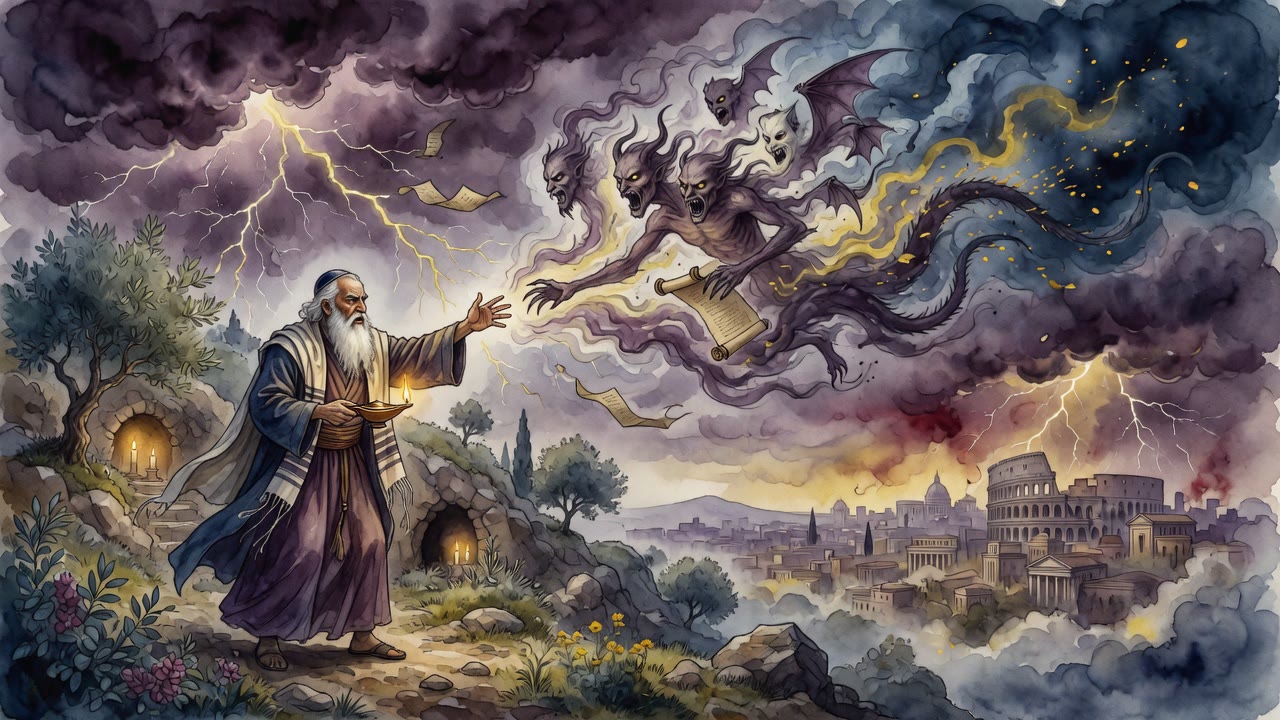
He went in while the household was at dinner. The emperor's daughter came off her seat and put her hands through every dish on her father's table, and then she started shouting a name that nobody in the room had ever heard.
Shimon ben Yochai. Shimon ben Yochai.
She did not stop. Days went by with the palace listening to a name it could not place, and then a ship came in and somebody in Rome finally recognized it, and the emperor went down to the harbor himself.
The Emperor Has No Other Heir
"What do you want?" the emperor said. "The Jews in Jerusalem will live a generation on your account."
"I do not accept anything from you and I do not want anything from you. Take this demon out of my house. There is no one to reign after her. I have no other seed."
They went in to the girl. Rabbi Shimon called the demon by name and told him to get out.
"I will not leave until everything you came for is done."
He told him again. He told him several times, in front of the emperor, and got the same answer every time, which was the point.
The Counselor Who Argued for the Sabbath
The emperor sent for his elders and ministers and laid the problem out. There is a demon in my house. We have decreed that the Jews may not circumcise their sons, may not keep their Sabbath, and that their wives may not keep the laws of their marriages. And it is the custom of this kingdom that a decree once passed is never reversed. A king who reverses one loses the kingdom. That is the law of the Medes and the Persians.
One of the counselors stood up. "My lord the king, I can tell you something that will heal your daughter and carry out your decrees at the same time, because this decree is bad for us as much as it is bad for them."
He started with a question. If a man has an enemy, does he want him poor or rich?
Poor, the emperor said.
Then give them back the Sabbath. The Jews work all week and bring in money, and on Friday they spend every coin of it to honor the Sabbath. Forbid the Sabbath and they will keep their earnings, and a people with savings rebels. Return it and they will spend themselves into the ground week after week.
Give them back the Sabbath, the emperor said.
The counselor asked his second question. If a man has enemies, does he want them many or few?
Few.
Then give them back the circumcision. They cut their sons on the eighth day. For every one that lives, a hundred die.
Give it back, the emperor said.
And the marriage laws, my lord. If their women keep them, they count seven days of blood and then clean days after, and there will be less seed in that nation, not more.
The emperor gave back all three, and then turned to the rabbi and said he had done what was asked of him and would like his daughter now.
Rabbi Shimon put the order on Ashmedai, and Ashmedai came out of the girl, and the room went quiet. The emperor returned the gift the rabbi had brought and added a large one of his own, and wrote out a letter of authority for the officer Shimon dealt with in Jerusalem. He went home with the decrees cancelled and his heart in good order.
Forty Days in the Cave
He had been shut in a cave once, hiding from that same empire, and had spent forty days and nights in it praying. What he had asked for there he asked for again now that Rome had given him a reprieve that Rome could take back whenever it liked.
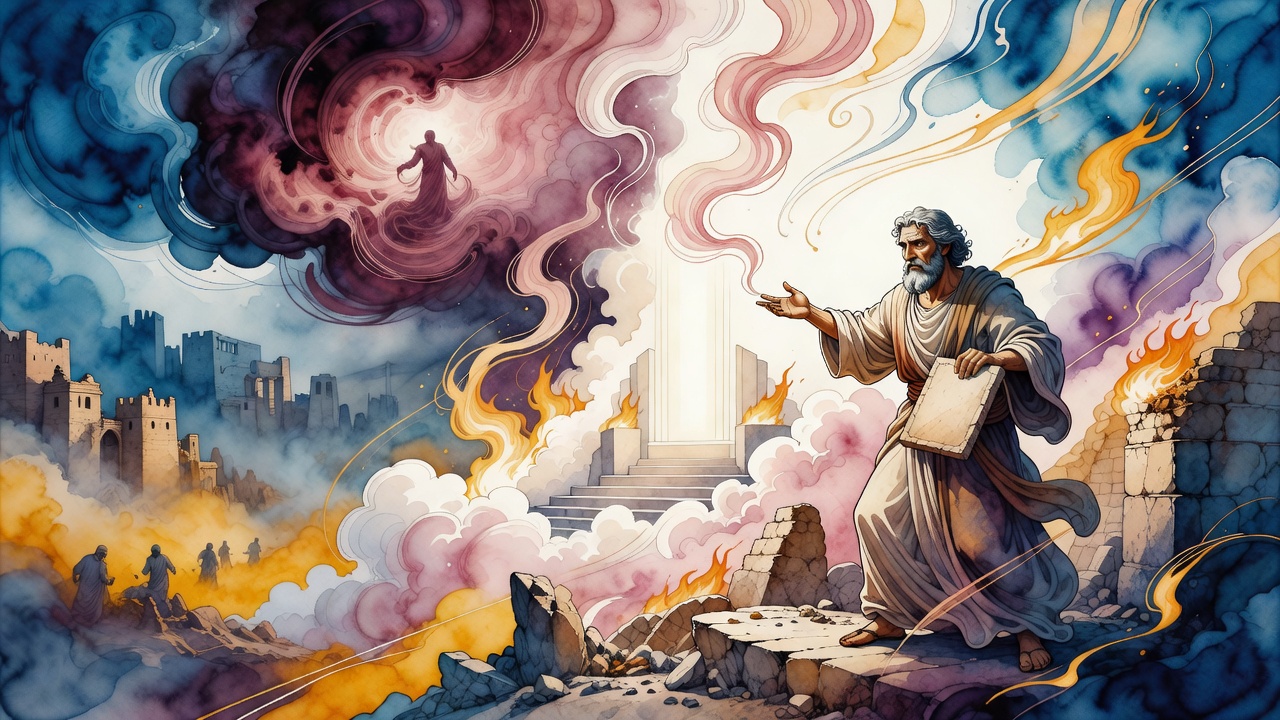
Open the gates of prayer for me. Send me an angel who will tell me when the son of David is coming, and how the scattered will be gathered, and how many wars come after the gathering, and when the wonders end.
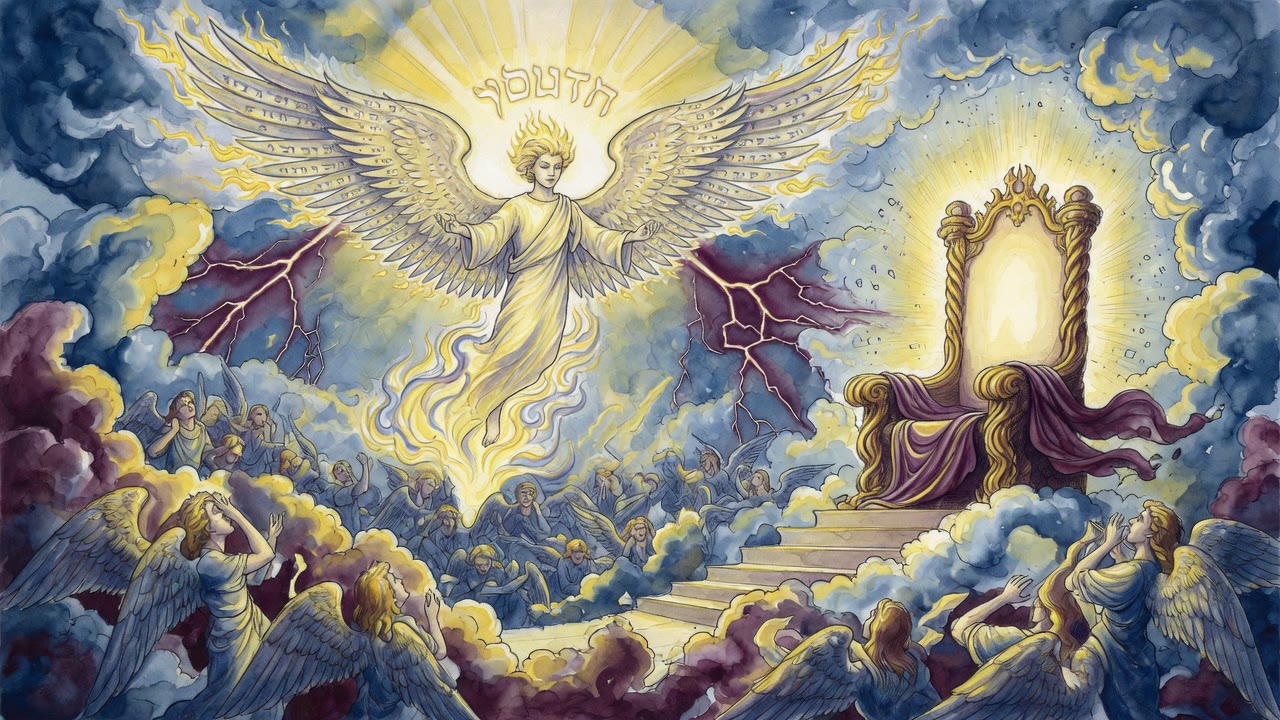
The gates opened. A voice said, "Shimon. Shimon." He asked its name and was told not to ask, because the name is wonderful. Then the angel Metatron put a hand on him and woke him the way a man is woken out of sleep, and he stood up shaking. This was the angel they call Youth in the upper heavens, though he is older than the Flood, because he was Enoch son of Jared before he was ever called anything else.
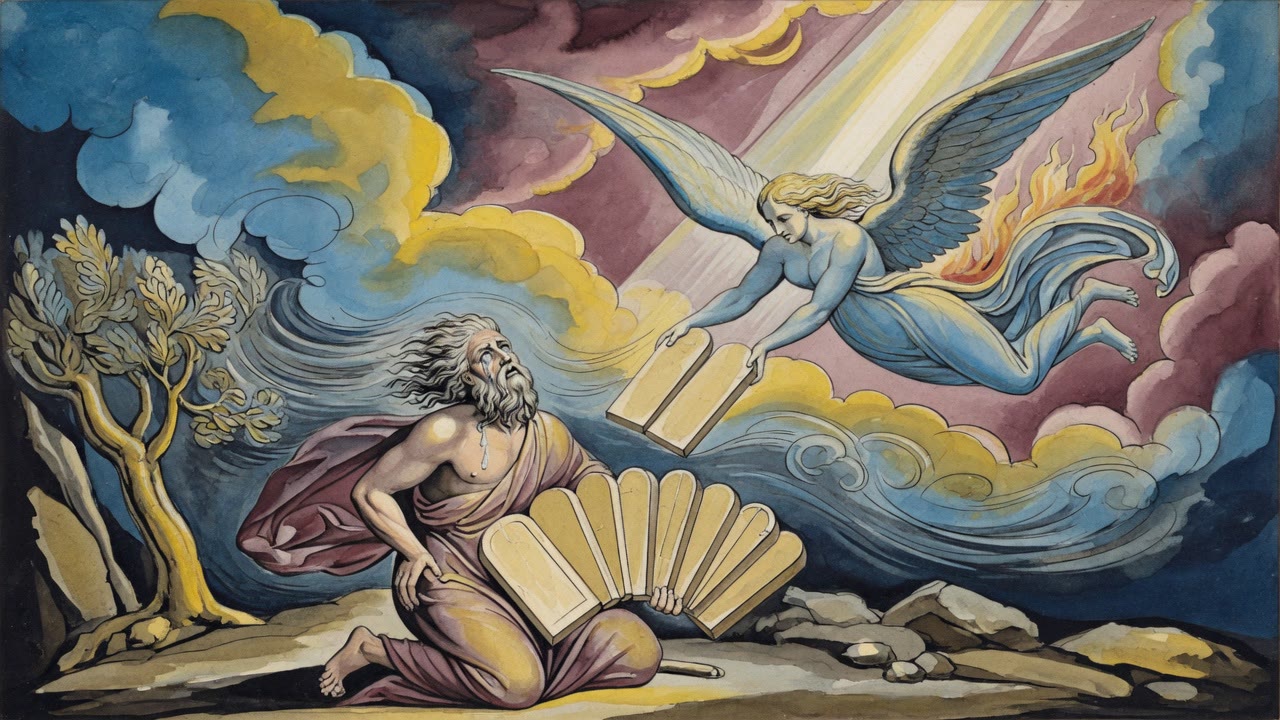
Metatron showed him the kingdoms, one after another, coming and going over the same land, and Rabbi Shimon began to cry and could not stop. He asked whether the sons of Abraham, Isaac, and Jacob would have anywhere to run in those days.
"It is a hard thing," the angel said. "If you set meat on a fire you cannot keep clear of the smell. But whoever gets into the room and hides will come out of it alive."
← All myths