Rabbi Ishmael Crossed the Firmament to Appeal a Death Sentence
The news reached them on a Thursday. Rome had four of the great sages and wanted eight thousand students of Jerusalem as the price of their release.
Table of Contents
 Click for full size
The Fifth Day of the Week
The news came out of Rome on a Thursday, and Rabbi Ishmael remembered which day it was for the rest of his life.
Four men had been seized. Rabbi Simon ben Gamaliel, the head of the court. Rabbi Elazar ben Dama. Rabbi Judah ben Baba. And Rabbi Ishmael ben Elisha, which was to say himself.
The price on the four of them was eight thousand students out of Jerusalem.
Rabbi Nehunya ben Hakkanah saw the decree and did not go to a magistrate or a patron or anyone in the city. He turned to his student and sent him down.
Down to the Chariot
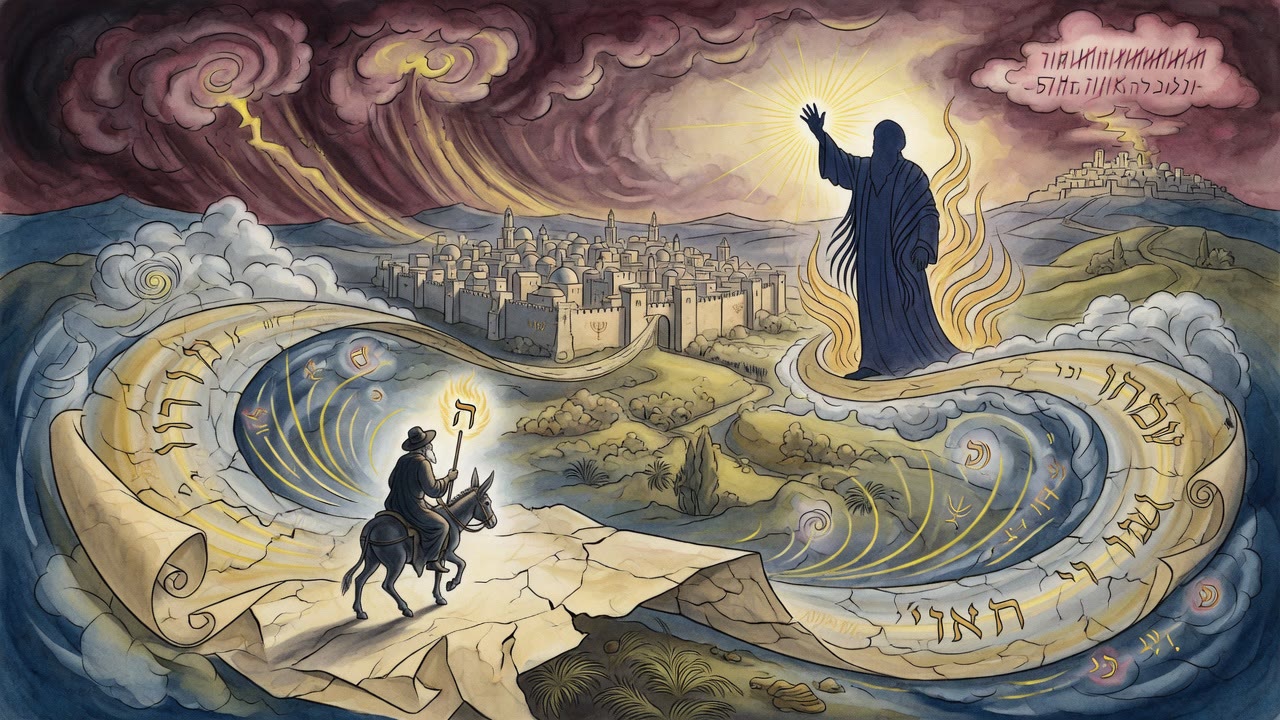
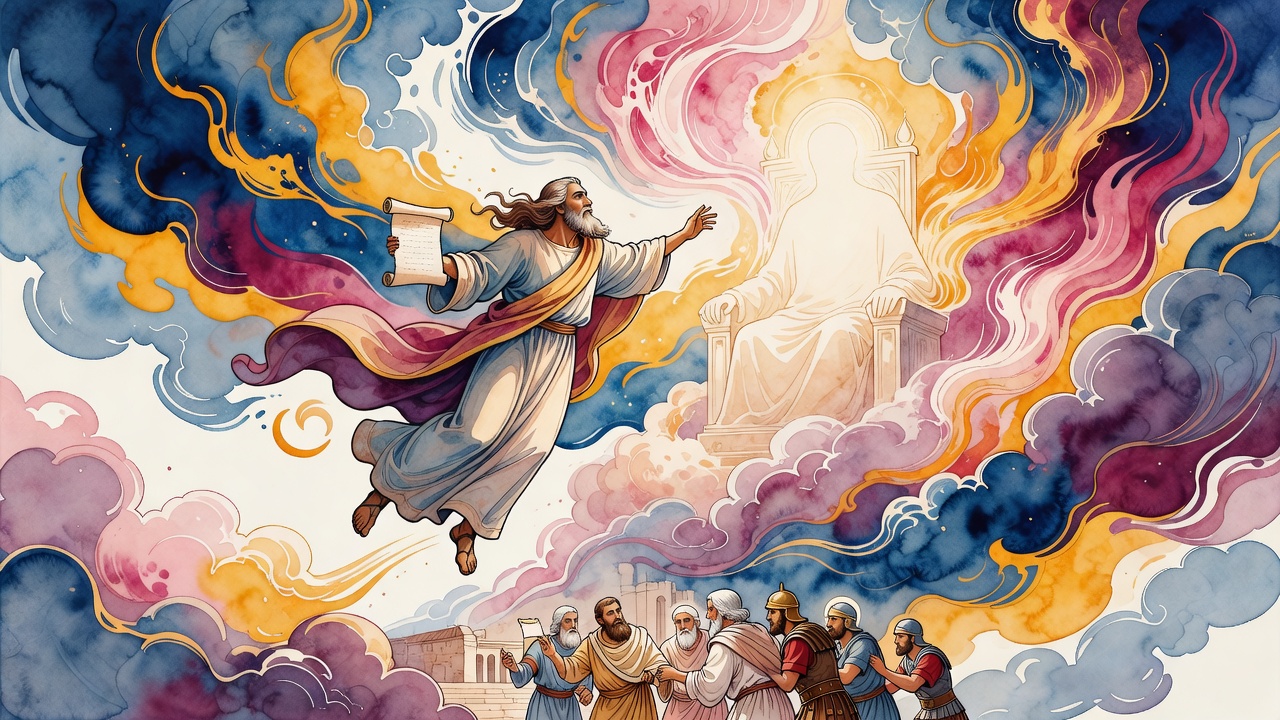
They called it going down, though it went up past every firmament there is. A man who wanted to look at the chariot learned which songs to sing to go down in peace and come back up in peace, and if he had the names of the gatekeepers wrong he did not come back at all.
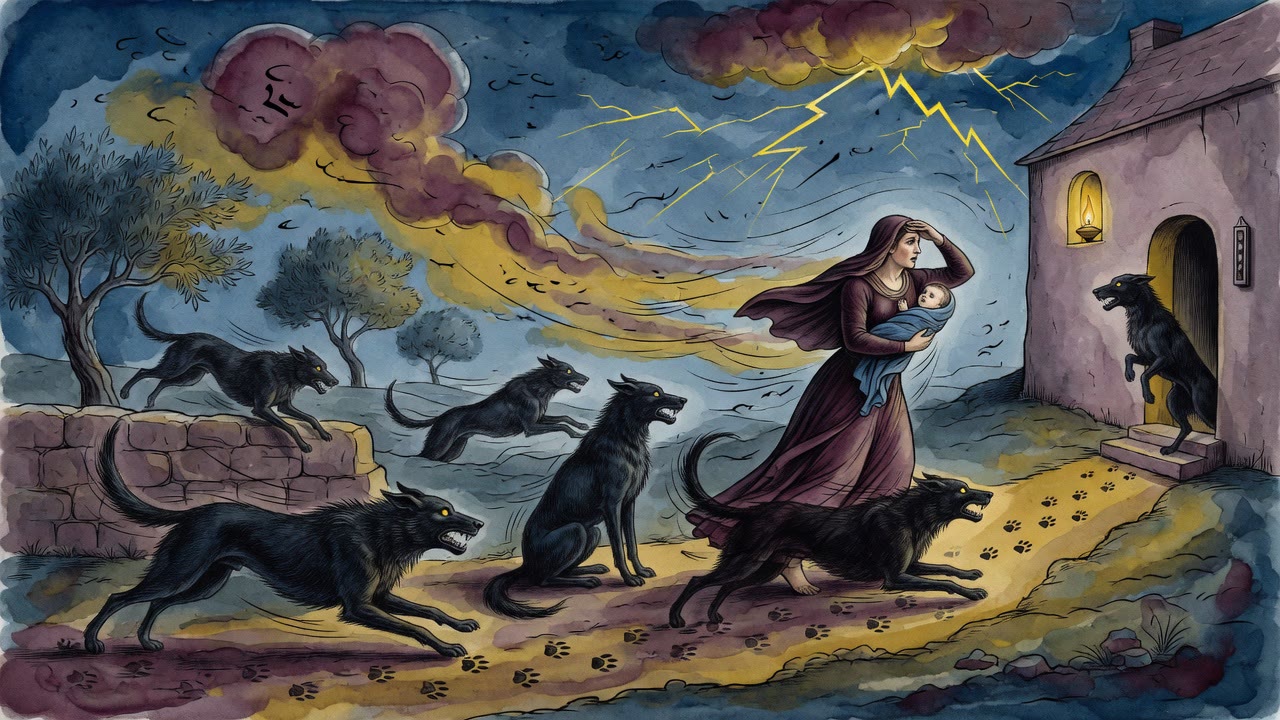
Ishmael had been the obvious candidate since before he was born. His parents had gone childless for years. His father told his mother that after she came out of the ritual bath she was to watch the road, and if anything unclean crossed in front of her she was to turn around and immerse again. A black dog crossed her path. She went back. It crossed again. She went back again, eight times over, and God, watching a woman walk that road eight times in one night, sent Gabriel down in her husband's shape to meet her at the bathhouse door and take her home. The child born of it was so beautiful that people said he looked like an angel, and they were closer than they knew.
What a man got, if he made it, was worth the risk. He would be stood in front of the throne of glory and told what was coming in the world: who they would raise and who they would push down, who they would make poor and who rich, who they would kill and who they would keep alive, who would lose an inheritance and who would be handed one, who would be given Torah and who would be given wisdom. He would look at any human being and know what that person had done, whether he had committed adultery, whether he had killed. He would recognize every kind of sorcery on sight. Anyone who raised a hand against him would come away wearing leprosy. Anyone who slandered him broke out in sores.
And afterward he was never fully a citizen again. A man who had been down there was not allowed to stand up for anybody: not for a general, not for a rich man, not for a crowd. Only for a king, for a high priest, or for the Sanhedrin with the Patriarch sitting in it. If he rose for anyone else, his blood was on his own head, because standing shortened his days.
What Surya Told Him
Ishmael put the question to Surya, the Prince of the Presence, and Surya answered it as an official reading out a docket.
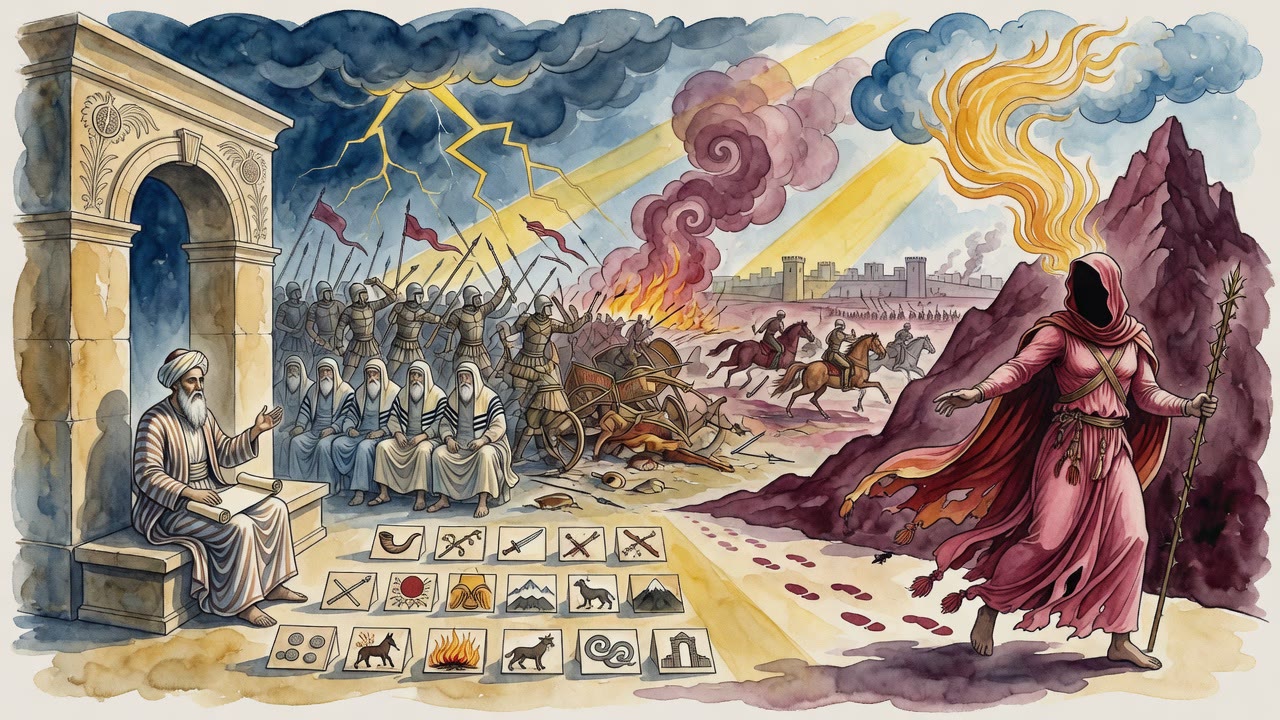
The court above had written down ten men. It had handed the list to Samael the wicked, the prince who runs Rome, with an order attached: go out and destroy from among the great of Israel every good limb, thigh and shoulder, until the decree is satisfied.
The decree was old. Whoever steals a man and sells him shall be put to death. The sons of Jacob had stolen their brother Joseph and sold him, and nobody had ever paid for it. Ten brothers, ten men.
Then Surya gave him the rest of it, which was not a reprieve. A vengeance is being stored up against Samael himself. When the time comes, the Lord will punish the host of the high ones on high, and Samael will be cut down and thrown to the earth, he and every prince of every kingdom up there with him, like the goats driven out on the Day of Atonement.
Bringing the Teacher Back Down
Nehunya was still up there, seated in front of the throne of glory, watching the thing that happens there three times a day and has happened every day since the world was made.
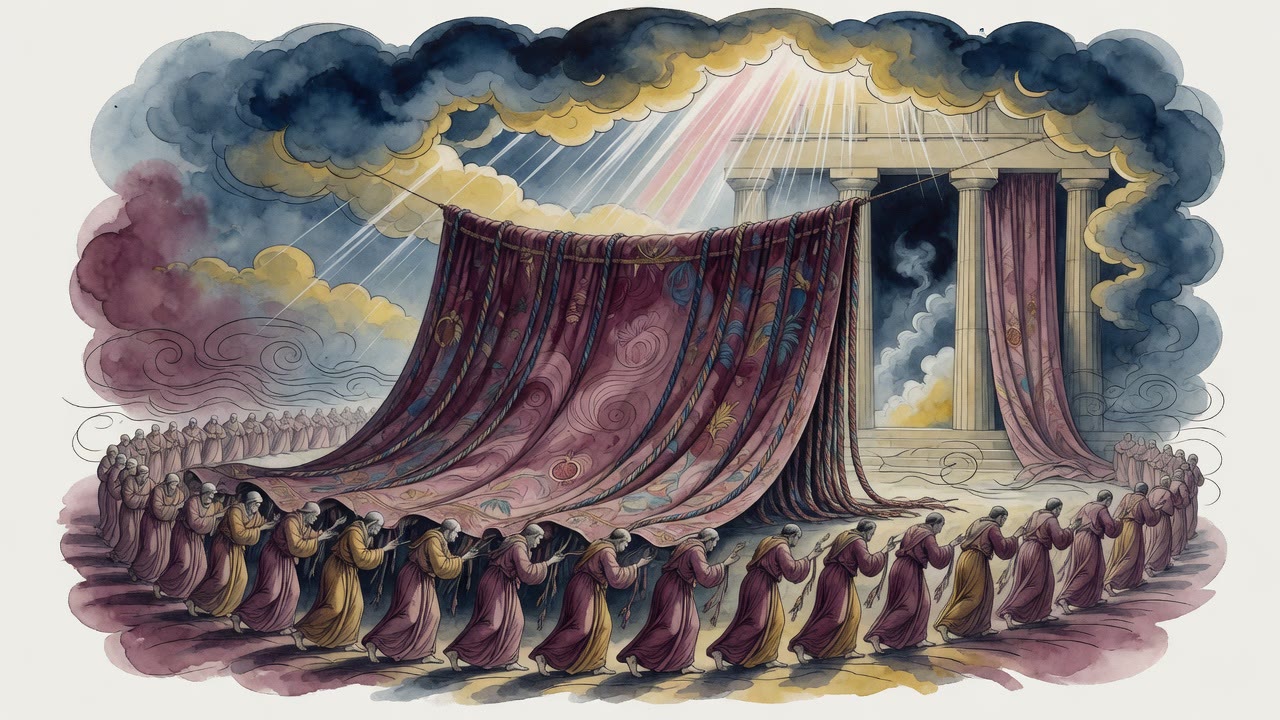
They needed him back, and there is no shouting into that place. So they took a cloth, and Ishmael lifted it on a bough of myrrh soaked in oil of spikenard that had been kept in clean balsam, and they laid it across Nehunya's knees. It was barely unclean. It was just unclean enough. The throne let go of him and he came back into the room.
The Feast
Ishmael came back and testified to what he had been given in front of the throne, and his colleagues did not sit in silence over it. They made that day a day of eating and drinking.
The Patriarch himself called for the instruments. "Bring in every kind of music, and we will drink wine to it, because Zoharariel, the Lord God of Israel, is going to take his revenge on the wicked city of Rome and do wonders there, and wonders of wonders, and we will be glad with the harp and the flute."
The four men were still under sentence. The eight thousand students of Jerusalem were still the asking price. Nothing in Rome had changed by so much as a line.
They played anyway, because a man had gone up and asked the highest court in existence, and the answer that came down was yes, the decree stands, and the one carrying it out will be thrown off the roof of heaven like a goat driven into the desert.
← All myths