Moses and the Daughters Who Taught Him a New Law
Before God chose the wilderness generation above all nations, five daughters of Zelophehad taught Moses a law he had never heard.
Table of Contents
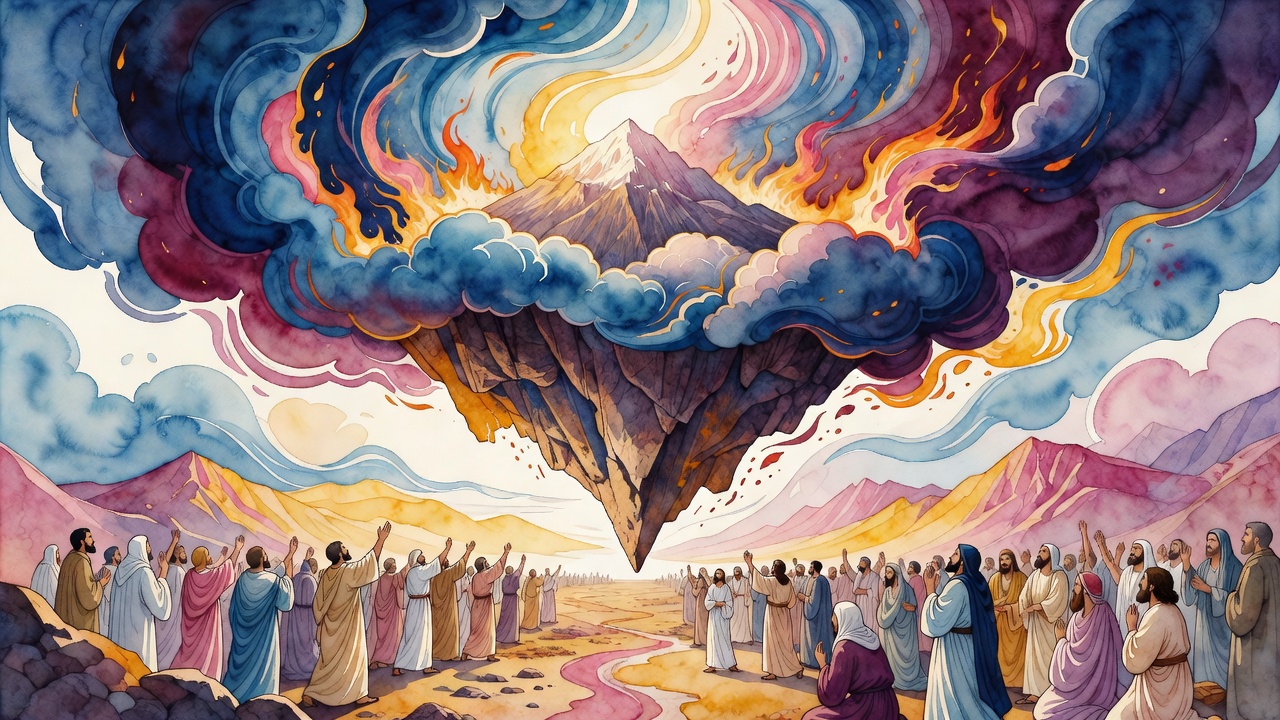
Before the first word of Torah reached any human ear, God stood and surveyed the earth (Habakkuk 3:6). Nation by nation, mountain by mountain, city by city. Every nation received scrutiny. None was found worthy of the Torah except the wilderness generation, the cracked-sandaled, water-hungry company stumbling through Sinai behind Moses. Every mountain was measured. None was worthy of the revelation except one low, unremarkable peak in the desert. Every city was weighed. None was worthy of the Temple except Jerusalem. The choosing was not passive. God looked, assessed, and decided.
 Click for full size
The Lawgiver Who Did Not Know
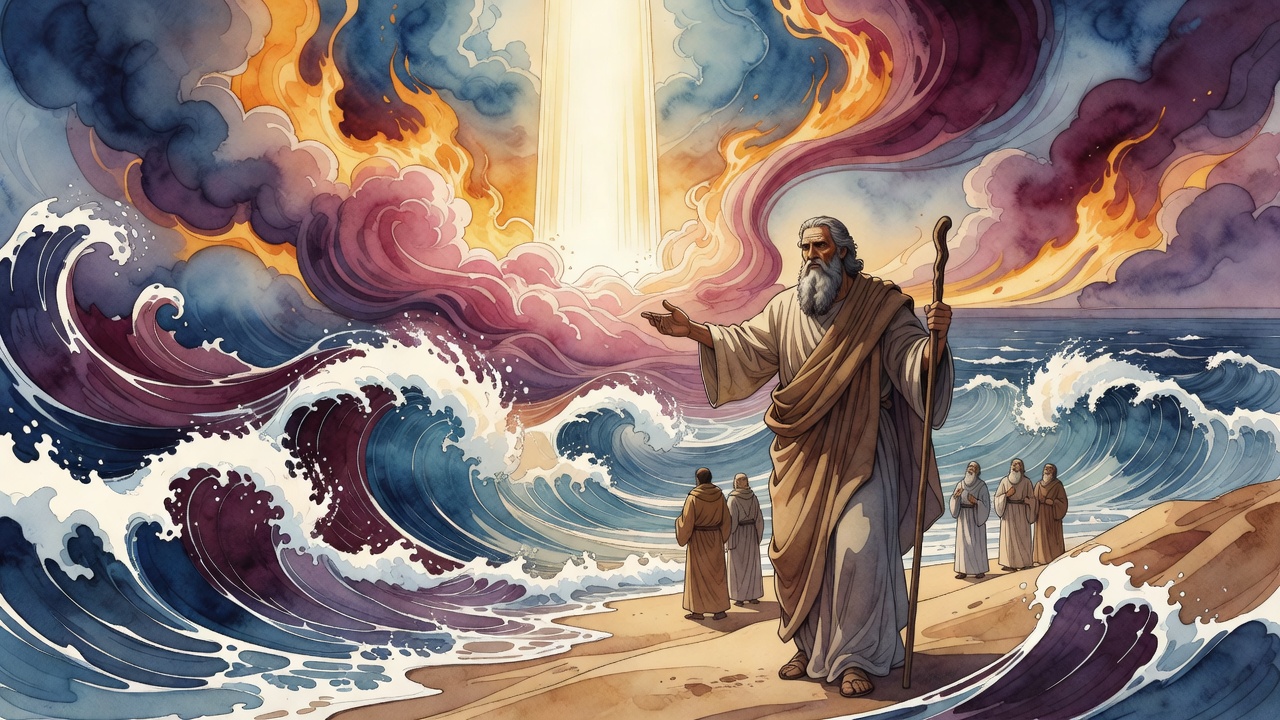
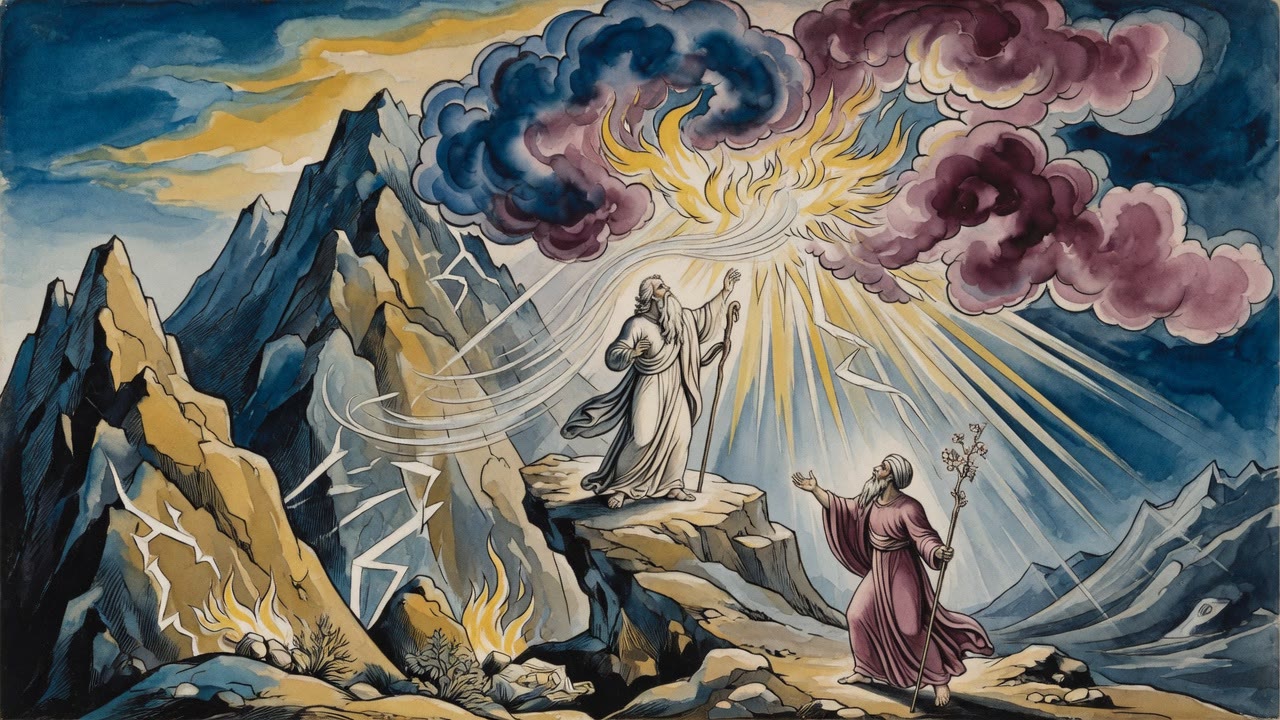
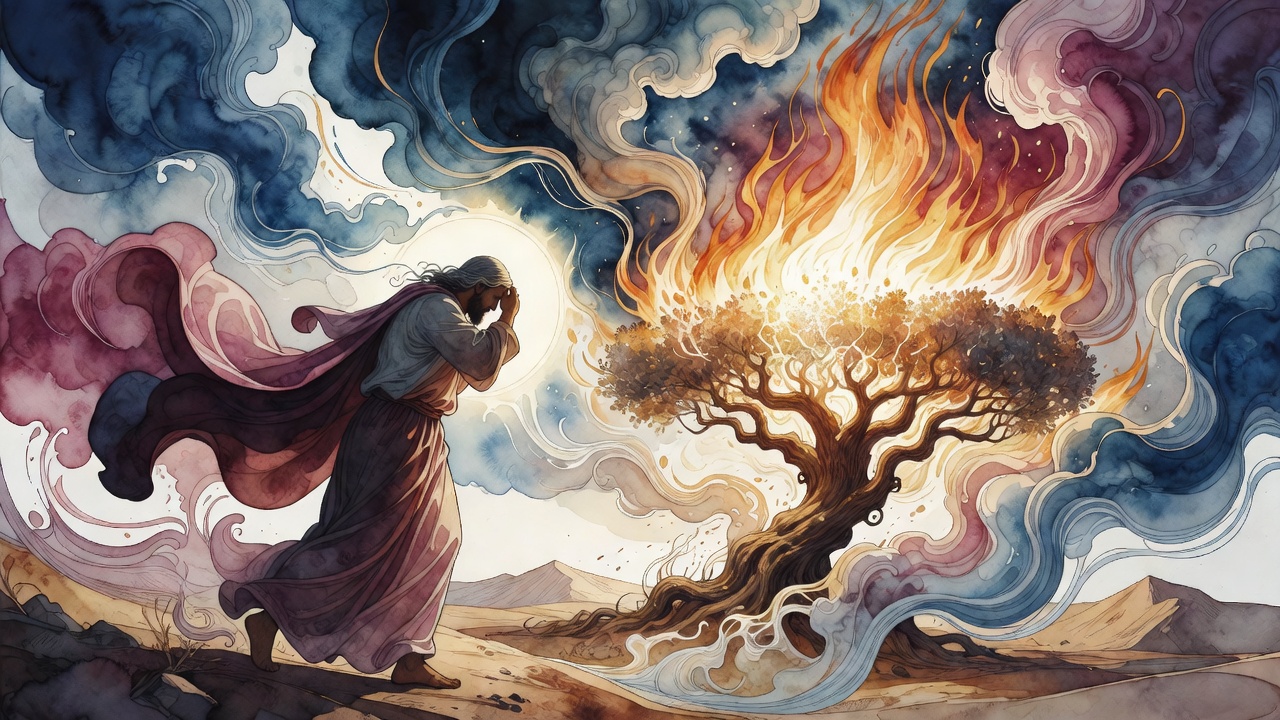
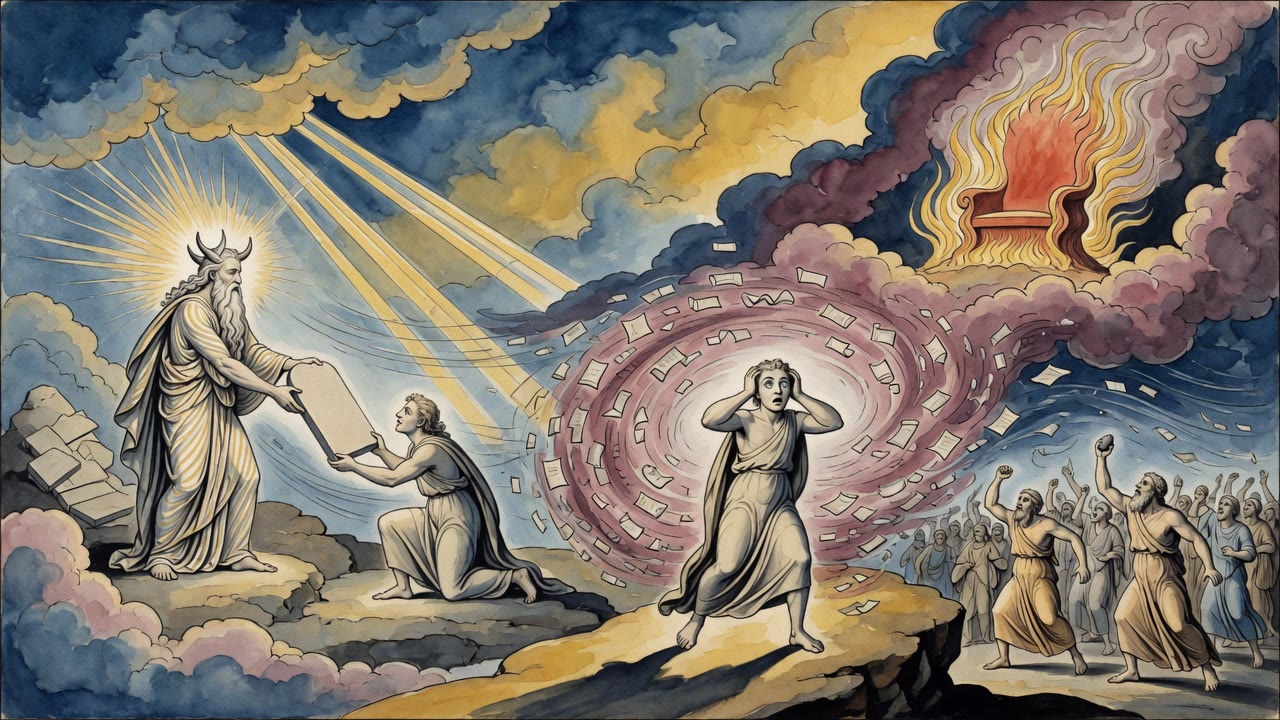
The man chosen to carry this law to this chosen generation was Moses. He had climbed into the cloud. He had held the tablets. He had heard the voice that no other living person had heard. He had argued with God when the people sinned and persuaded God to relent. There was no living authority above him, and no precedent he could not settle.
Or so it seemed, until five women walked to the front of the assembly.
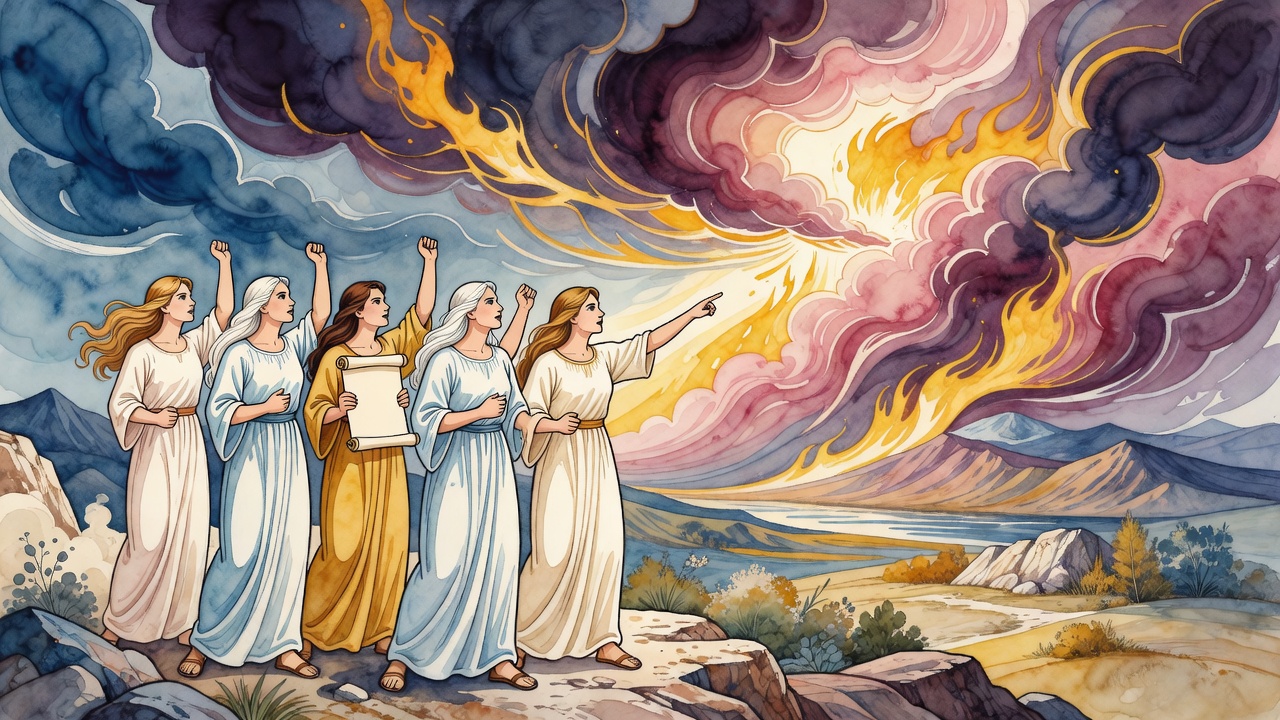
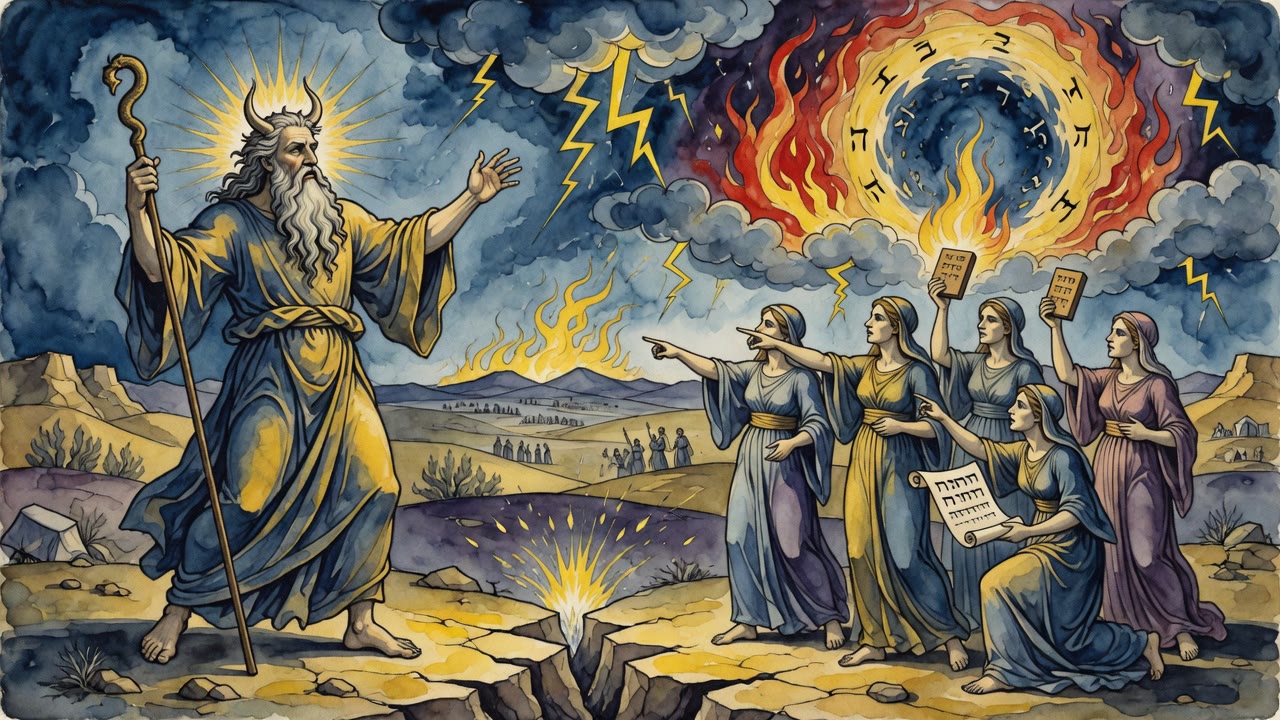
Their father was Zelophehad, dead in the wilderness without sons. Under the law as it stood, his land would pass to his brothers. His name would vanish from his family's portion in Canaan. His daughters, Mahlah, Noah, Hoglah, Milcah, and Tirzah, would inherit nothing. They stepped forward anyway. They came before Moses, before Eleazar the priest, before the princes, before the entire congregation assembled at the tent of meeting. They spoke plainly: our father died without a son, and his name will be cut off from his family if we receive nothing. Give us a possession among his brothers (Numbers 27:1-4).
The Case Moses Could Not Answer
Moses heard them. He had no ruling to give.
This was not ignorance of Torah. He had carried it down the mountain twice. The difficulty was something else: no one had ever asked this question before. The law had not contemplated daughters as heirs. There was no precedent, no prior case, no ruling from Sinai to extend by analogy. Five women had brought a situation the law had not yet reached.
Moses brought their case before God.
The tradition remembers this moment carefully. Some teachers said God had withheld the ruling from Moses deliberately, the way a teacher withholds an answer so the student will find the path. Others said that men who become proud in the performance of a mitzvah (commandment) sometimes find their clarity dimmed, so that the wisdom can arrive another way. Whatever the cause, Moses stood before God holding a question from five sisters, and God answered it.
Five Names Written Into Law
The ruling came back without ambiguity. The daughters of Zelophehad were right. When a man dies without a son, his inheritance passes to his daughters. Moses announced the ruling before the congregation. The five women received their father's portion in Canaan. Their names entered the text of Torah (Numbers 27:7), not as background figures or casualties of an unjust default, but as the source of a law. Mahlah, Noah, Hoglah, Milcah, and Tirzah asked the question that created the ruling. The ruling became permanent.
Elsewhere in the tradition, Moses described his own role in the revelation differently: not as a lawgiver above the people, but as a witness among witnesses. You yourselves have seen, he told the assembly. The miracles in Egypt, the fire on the mountain, the voice from the cloud, none of it was secondhand. Every person present shared what Moses had shared. He was not above them in that experience. He stood with them.
Among Them and Elevated Above Them
Both things were true at once. Moses had climbed where no one else climbed. He had spoken face to face. He had argued and prevailed and descended twice with tablets in his arms. The weight of mediation fell on him alone. A leader who forgets he is among the people loses the authority that elevated him. A leader who forgets he is elevated loses the ability to carry what only he can carry. Moses held both conditions without collapse.
But on the day the daughters of Zelophehad stood at the tent of meeting, Moses was simply the man who did not know the answer. He took their question to God. God gave the answer. The sisters received their inheritance. Their five names stood in the record.
A Torah Built to Be Completed
The wilderness generation had been chosen above all others. The mountain had been chosen above all mountains. The law given on that mountain had been delivered by the most prepared human being alive. And still, the law arrived incomplete, waiting for five women to bring the case that would finish it.
Their names did not vanish when Zelophehad died. They were written into the law instead.
← All myths