198 texts · Page 2 of 5
Rabbi Gidel was a sage of the third century CE, a disciple of Rav in Babylonia, known for his rigor in halakhah. He also had a peculiar habit. He used to sit at the door of the wom...
Rabbi Joshua ben Chanania, one of the greatest sages of the first and second century CE, used to say: In my whole life, no one has ever bested me in argument, except a widow, a chi...
A band of robbers once stopped a group of travelers and demanded to know who they were. Disciples of Rabbi Akiva, the travelers answered. The robbers lowered their weapons and said...
A man once wagered his friend four hundred zuzim that he could make Hillel the Elder lose his temper. Win and keep the money, lose and pay it out. The bet made him inventive. It wa...
The Talmud and midrashim collected thousands of pithy sayings, the pitgamim that teachers would fire off at students to make a point stick. Here is a short bouquet, preserved in Ha...
There is an old rabbinic legend about Alexander the Great that the Ma'aseh Book and other medieval collections loved to retell. The sources are summarized in the 1924 anthology The...
A heathen once pressed Rabban Gamliel with a question he thought would trip up the Rabbi. Why, he asked, did the God of Israel reveal Himself to Moses out of a bush? There are ceda...
Rabban Gamliel II, grandson of Hillel and head of the Sanhedrin at Yavneh in the generation after the destruction of the Second Temple in 70 CE, was a brilliant man with a hard str...
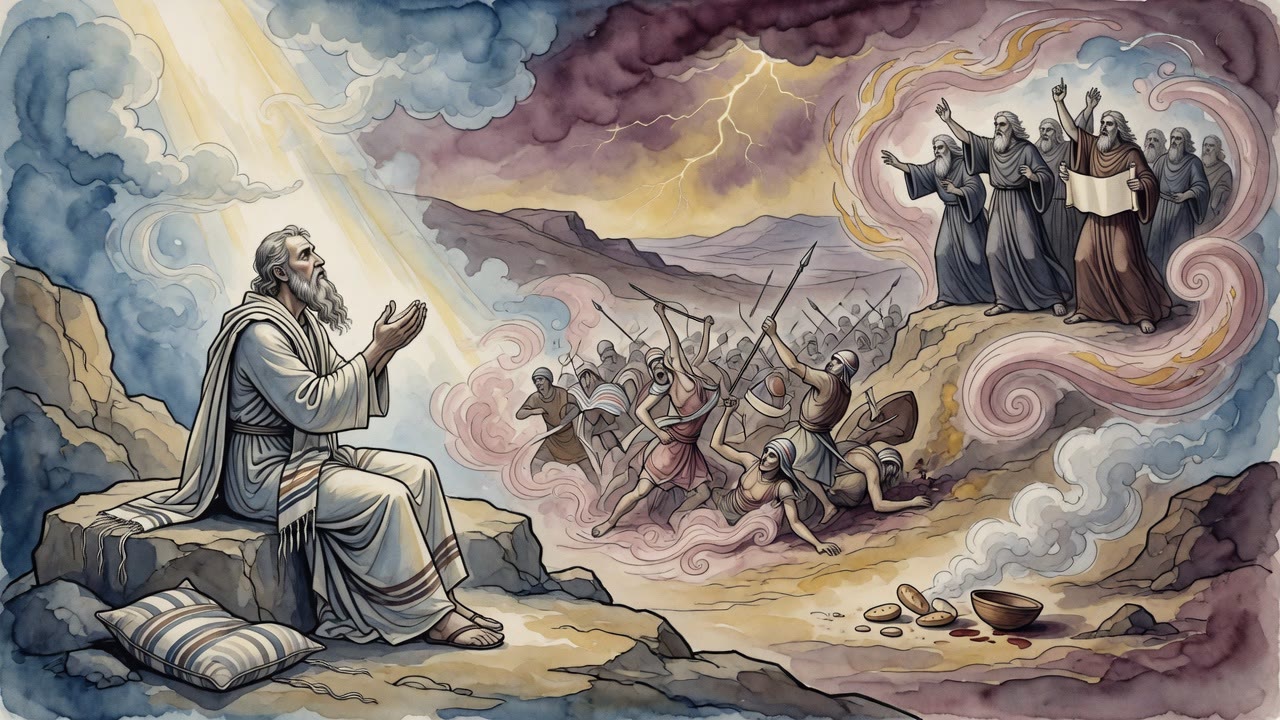
A drought gripped the land, and the wells were drying. The Rabbi of the town sat in sackcloth and prayed. Prayer yielded nothing. Then a bat kol, a heavenly voice, came to him with...
At the very tail of Moses Gaster's 1924 Exempla of the Rabbis, tucked in among the short sayings that the editor gathered from the diverse Gaster manuscripts, comes a single senten...
Rabbi Eliezer ben Hyrcanus was twenty-two years old when he defied his father and walked to Jerusalem to study Torah under Rabbon Yochanan ben Zakkai. His family were wealthy lando...
Rabbi Yochanan ben Elazar owned a tree whose branches had grown out over his neighbor's field. The neighbor had never complained — rabbinic scholars were generally given deference ...
Rabbi Tarfon — a first-century Sage of the generation after the destruction of the Second Temple, one of the voices in Pirkei Avot — was famous among his colleagues for the extreme...
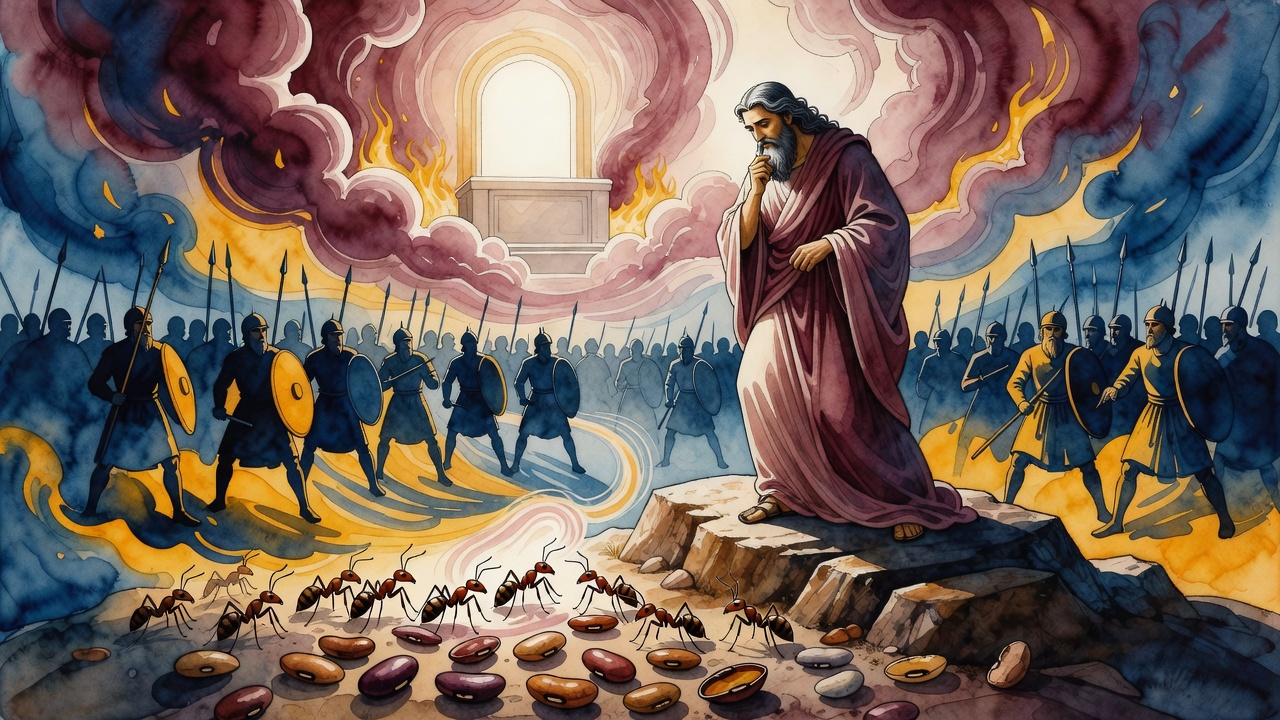
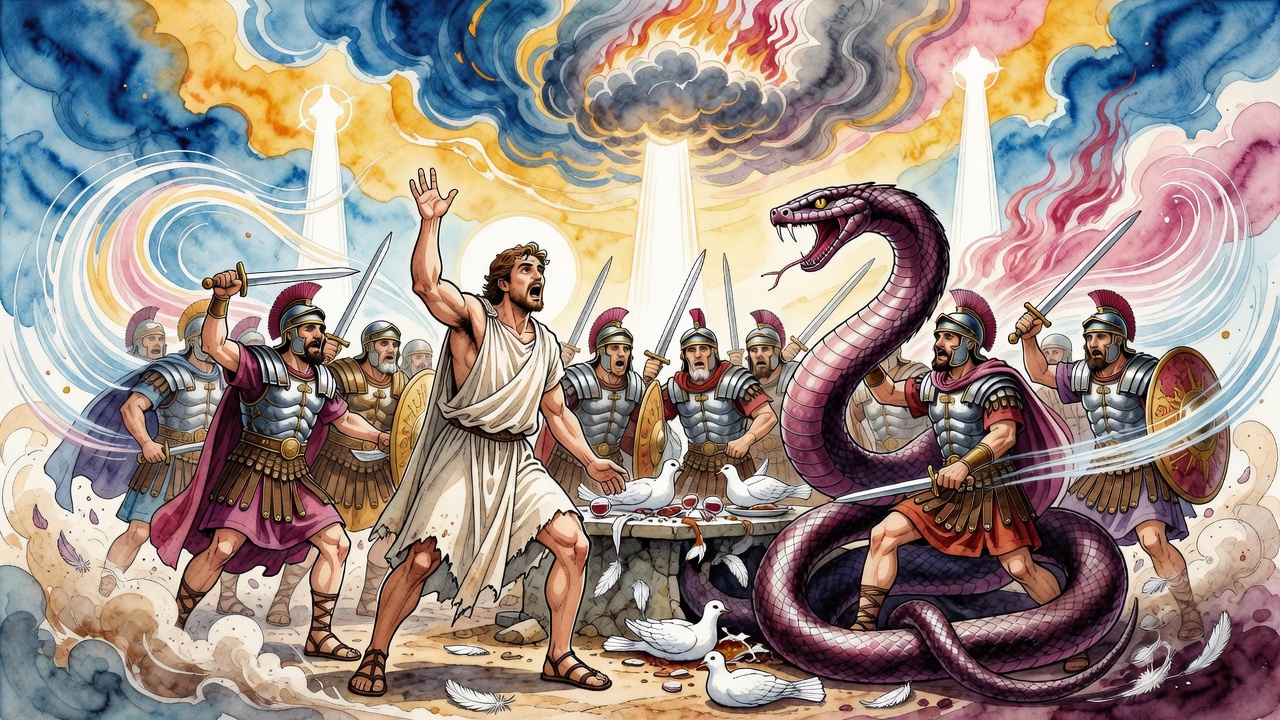
King Solomon — master of seventy languages, including the speech of birds and insects (1 Kings 4:33) — was boasting. He had spent an afternoon detailing to his court the strength o...
A king — the exempla does not name him, which is part of the point — walked into a Jewish school one afternoon. He was doing what kings do: inspecting his realm, accepting the obei...
There was a man named Yochanan who served as High Priest for eighty years. Eighty. Longer than most men live, longer than any priest before or since had stood between Israel and th...
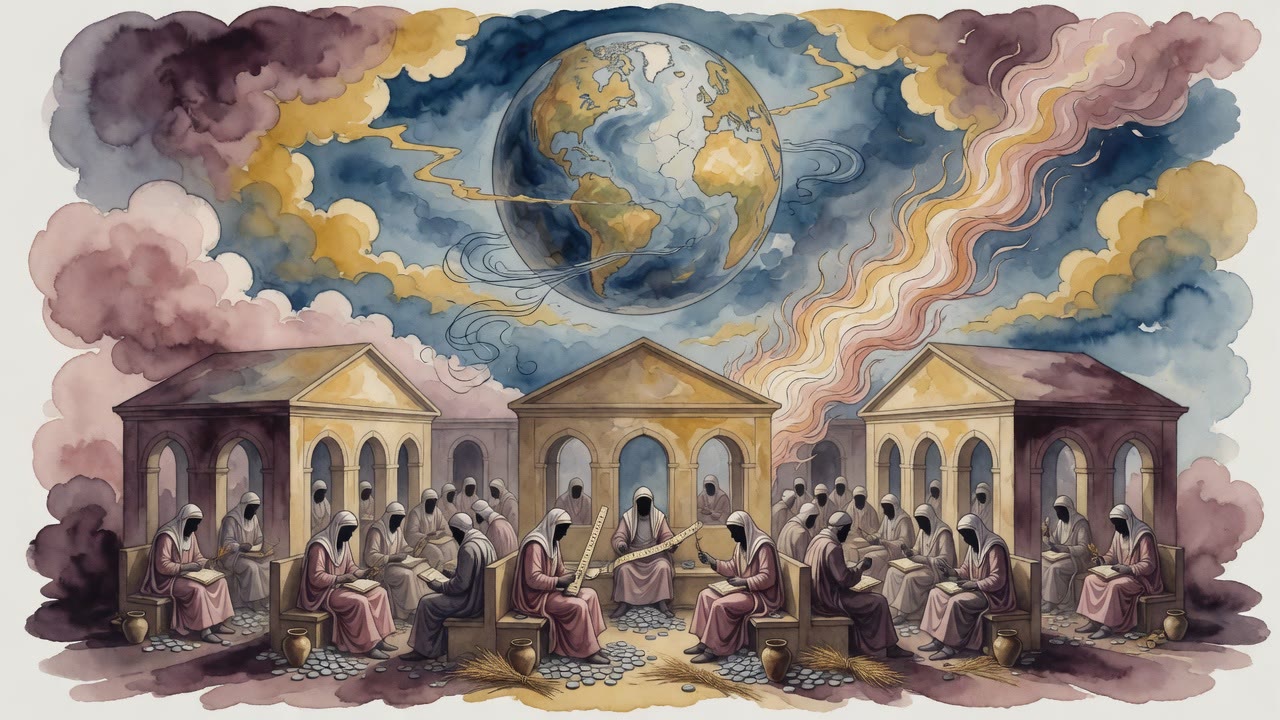
Rava said something that rabbis are not supposed to say. "Life, children, and sufficient livelihood," he taught, "do not depend on merit. They depend on mazal — on the star under w...
For three years the house of Shammai and the house of Hillel stood locked in argument. Each claimed the law, the halacha, belonged to them. Both schools were sharp; both were pious...
The sages loved short sayings that carried a whole theology in a line. Here are a handful gathered from rabbinic tradition. Cold water morning and evening is better than all the co...
Gaster's Exempla (1924), No. 191, preserves one of the strangest stories of filial piety in rabbinic tradition. Rabbi Ishmael's mother came to him with a request. She wanted to was...
When Moses blessed the tribe of Asher at the end of his life, he said, "Let him dip his foot in oil" (Deuteronomy 33:24). The rabbis of the Talmud took the blessing literally. Ashe...
Rabbi Hananyah taught a puzzle that his students were expected to unravel. "Some children feed their parents badly," he said, "and still go to Paradise. Others feed their parents w...
Rabbi Nehemiah was a humble man and a simple eater. He kept a plain table. He served plain food. One day he invited a man to share his meal, and the man accepted. The guest was a g...
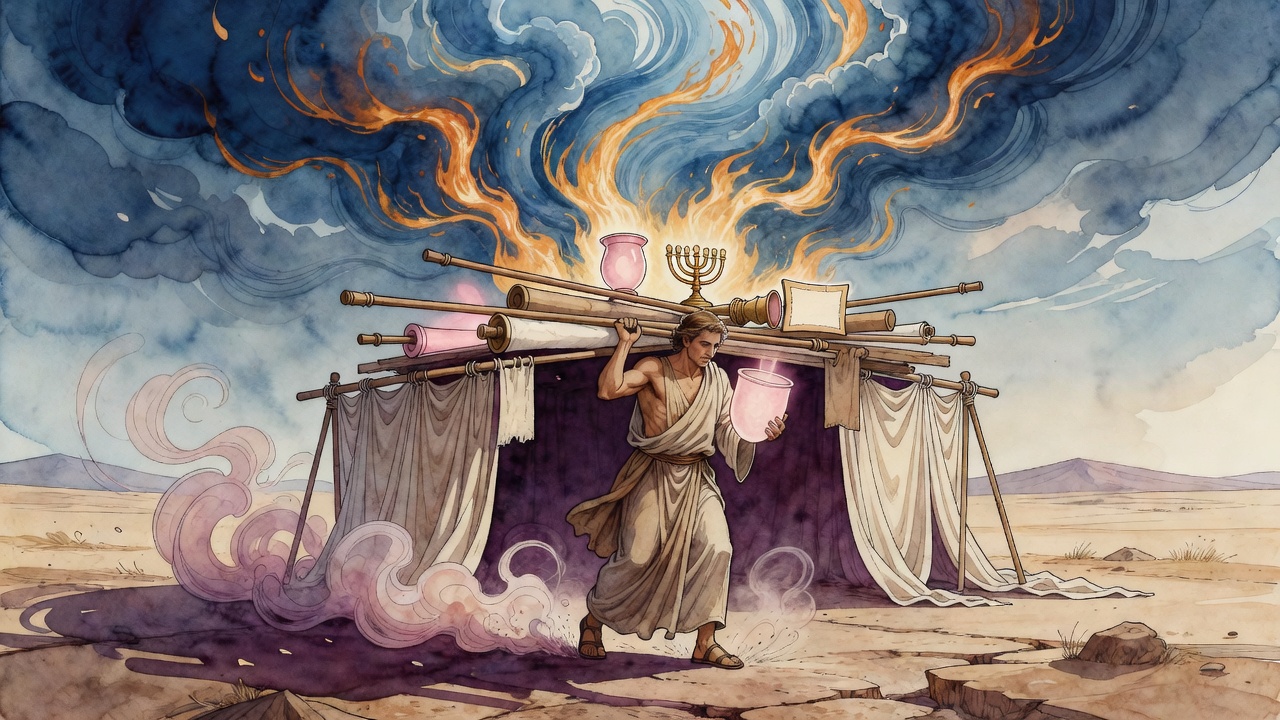
In one Jewish town, the leaders of the community had developed a custom of carrying a Torah scroll with them when they went to meet the king on ceremonial visits. The Torah in its ...
There are three, the sages teach, whom the Holy One, blessed be He, singles out by name and calls virtuous. The first is the unmarried man who lives in a great city and does not si...
A Roman emperor once boasted to Rabbi Joshua ben Chananiah that he wished to throw a banquet large enough to entertain the God of Israel. The rabbi looked at him gravely and said, ...
A gentile heard about the honor paid to the High Priest in Jerusalem and decided he wanted the office for himself. He came first to Shammai and asked to convert on the condition th...
The workers of Rav Nachman bar Yitzchak were clearing a small mound on the edge of a field when the earth gave way beneath their spades and a man sat up from the soil. He was fully...
Sarah, Rebecca, and Rachel all went through seasons of barrenness before they bore children, even though each was promised a great nation through her womb. The sages asked why the ...
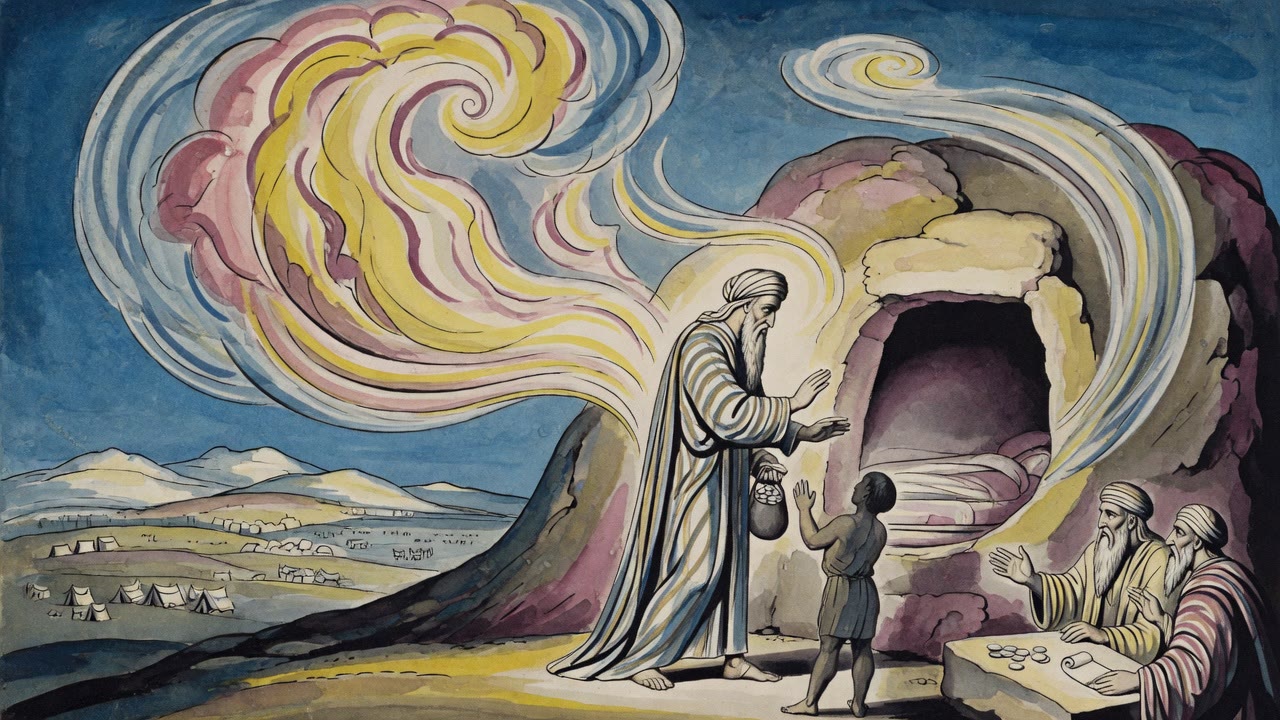
The prophet Elijah once appeared to a pious but struggling man and handed him four gold dinars. The man was astonished. Four dinars was enough to start a modest trade. It was a pro...
Abaye, one of the greatest sages of the Babylonian Talmud, had a vision of the world to come. He learned who his neighbor in Gan Eden would be, and the neighbor turned out to be a ...
A beggar once came to Rava's door asking for a meal. The story is told in tractate Ketubot (folio 67, column 2), and it is really about the difference between charity as surveillan...
The Talmud and early midrashic collections preserve rabbinic mishlei, proverbs, in loose clusters — one-line teachings meant to be memorized and turned over slowly. Here is a sampl...
Mar Ukva, a fourth-century Babylonian sage and exilarch, was famous for his habit of secret charity. Every day he would pass by a certain poor man's house and drop a small purse of...
Gaster's exemplum No. 258 preserves a story that has startled every generation of Talmud students, because it involves Rabbi Akiva following his teacher Rabbi Yehoshua into the bei...
Gaster's exemplum No. 438, drawn from the Gaster Hebrew manuscripts, tells the story of a stubborn merchant who decided to prove that a person can lose his property any time he wan...
Rabbi Shimon ben Halafta was a sage of the late second century, a younger contemporary of Rabbi Yehudah HaNasi — known simply as "Rabbi," the compiler of the Mishnah around 200 CE....
Once Solomon had chained the demon king Ashmedai, he held him captive until the Temple was completed. When the work was done, the king grew curious. "What is your superiority over ...
When Sennacherib the Assyrian emperor came against Jerusalem, his pride was as tall as his army. The midrash tells how God humbled him in a sequence of ordinary-seeming errands. Fi...
A woman attended the lectures of Rabbi Meir and came home late. Her husband, furious, demanded to know where she had been. When she told him she had been listening to Torah, he gav...
Rav Hisda was one of the leading sages of Babylonian Jewry in the third century, and in his prime he was also one of the wealthiest. One day, late in life, after his fortunes had c...
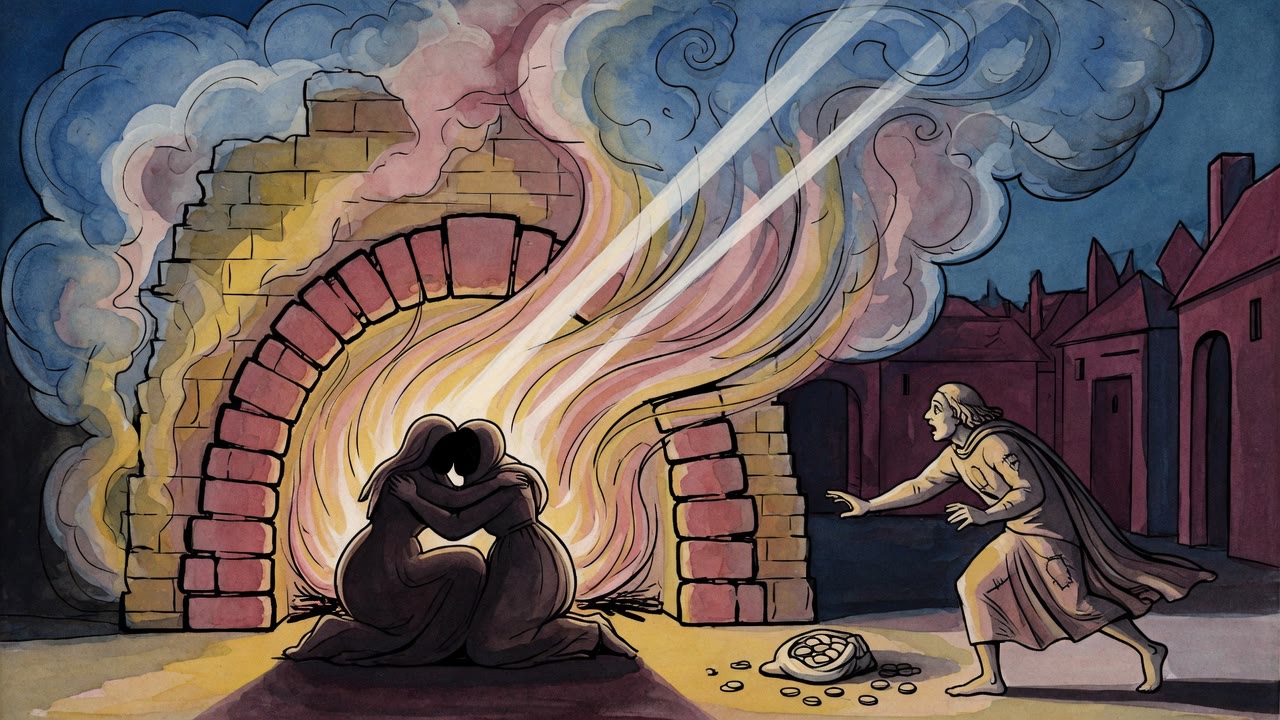
Mar Ukba was a wealthy Babylonian Jew known for his discreet tzedakah. He used to leave coins under a neighbor's doorsill each night, never waiting to be seen. One day he learned t...
A man should not be hasty, and above all he should not be angry. The sages held up Hillel the Elder as the standard against which every temper was measured — and his wife's behavio...
Rabbi Judah the Prince — redactor of the Mishnah around 200 CE — and his colleague Rabbi Chiya once found themselves stuck on a point of halakhah. They had forgotten a teaching, or...
A student once stood before Rabbi Chanina in prayer and reached for every adjective he could find. O God — who art great, mighty, formidable, magnificent, strong, terrible, valiant...
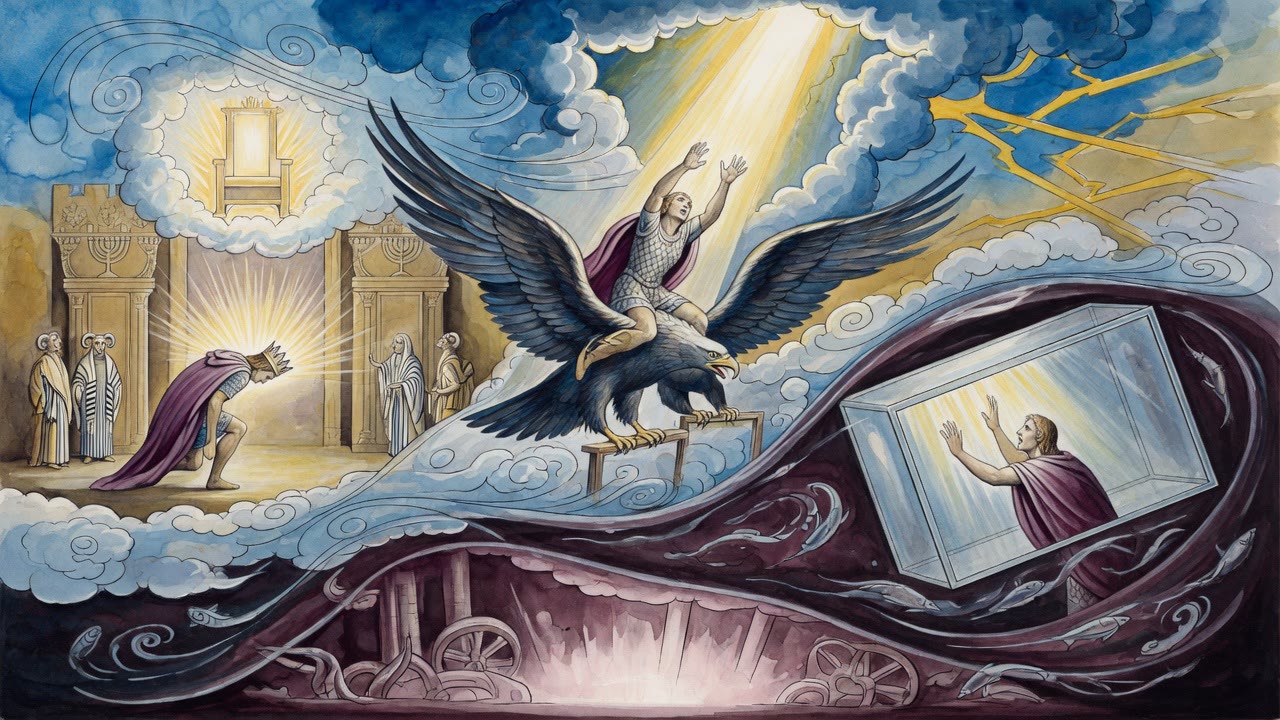
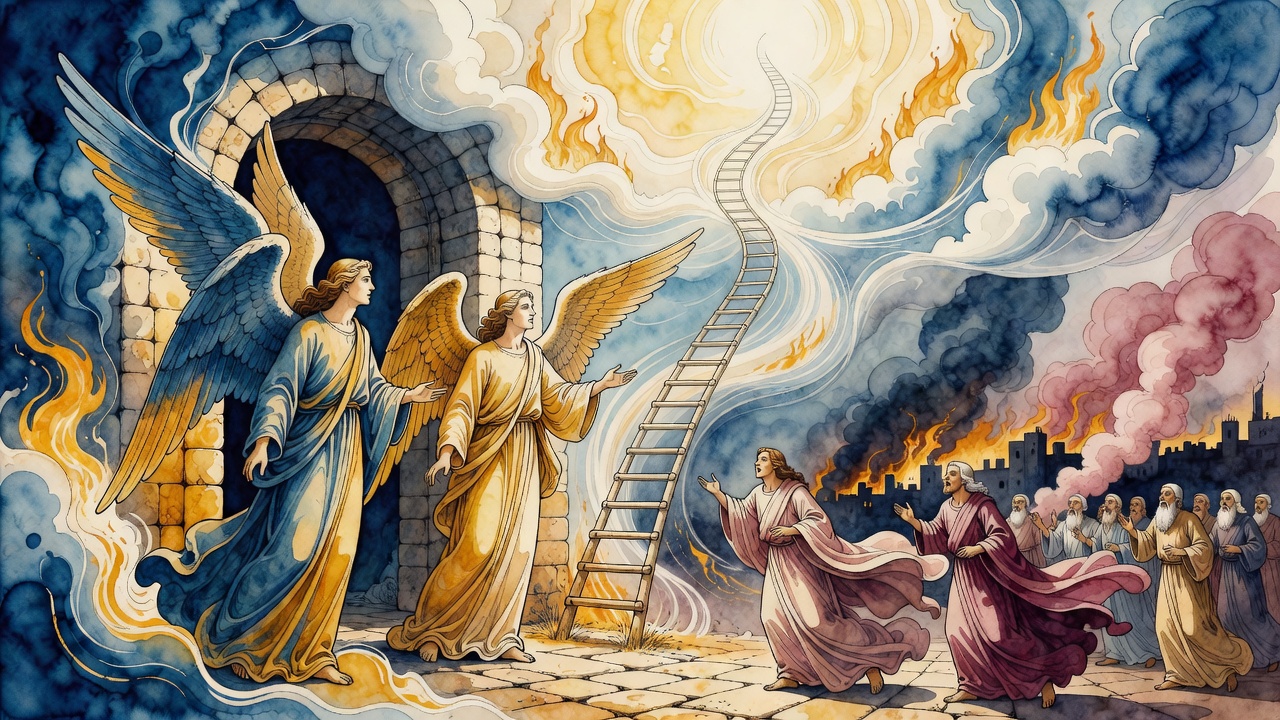
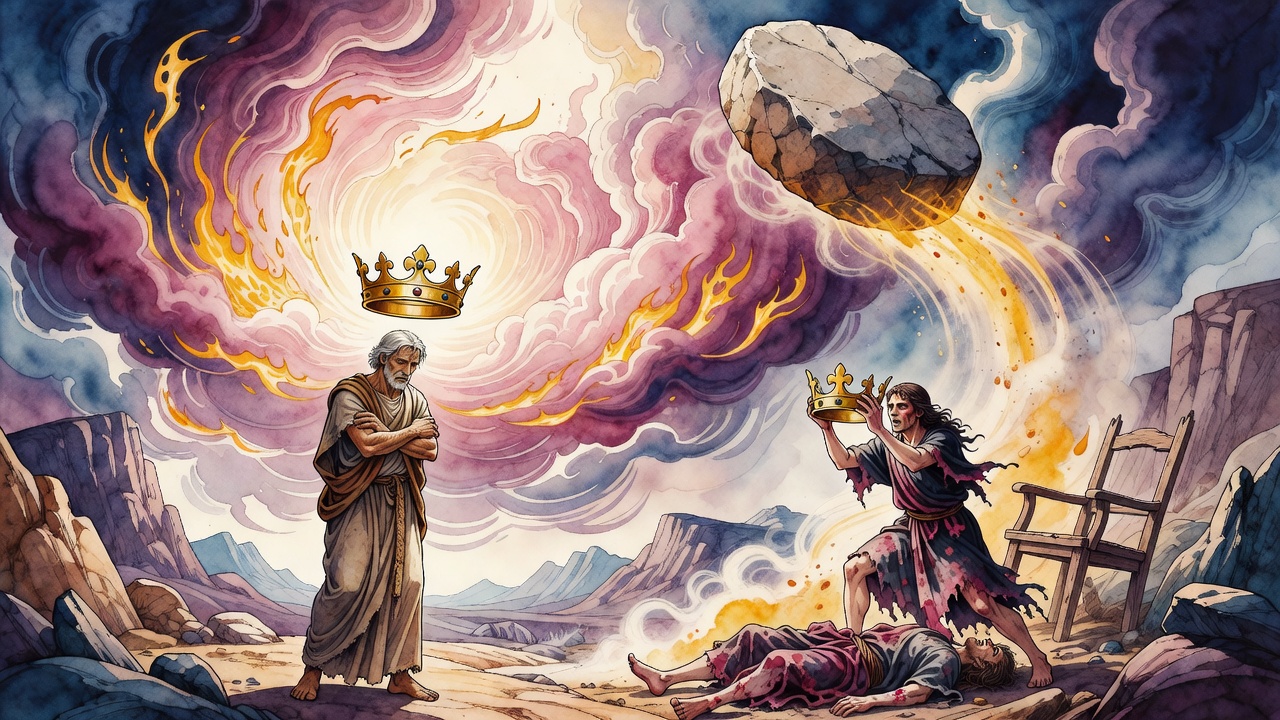
When Solomon completed the First Temple and prepared to carry the Ark of the Covenant through the main gates, he opened his mouth to sing the words of Psalm 24: Lift up your heads,...
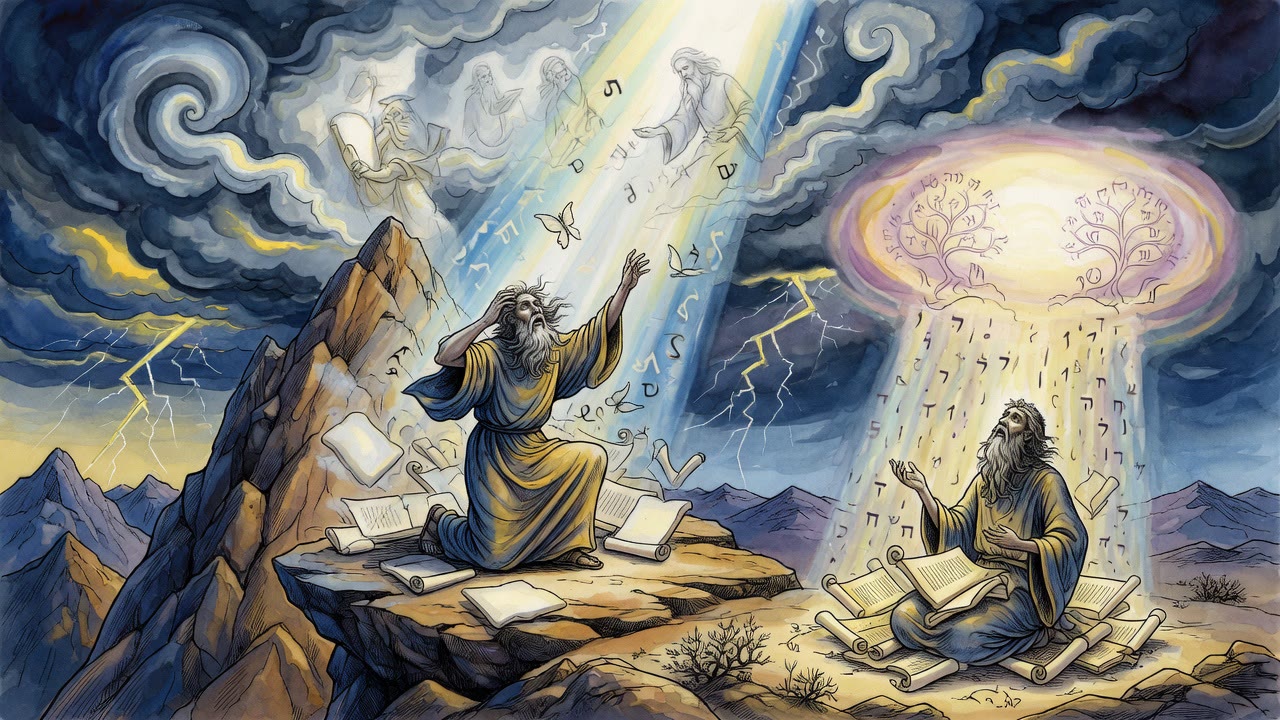
The kabbalists posed a problem that sounds simple until you sit with it: no one is truly perfect unless he has observed all 613 mitzvot. And yet — who has ever done so? Not even Mo...
Two prominent rabbis, Rav Huna and Rav Chisda, once refused to return the greeting of a colleague named Gniba. Perhaps they considered him insufficiently respectful, or perhaps the...