198 texts · Page 3 of 5
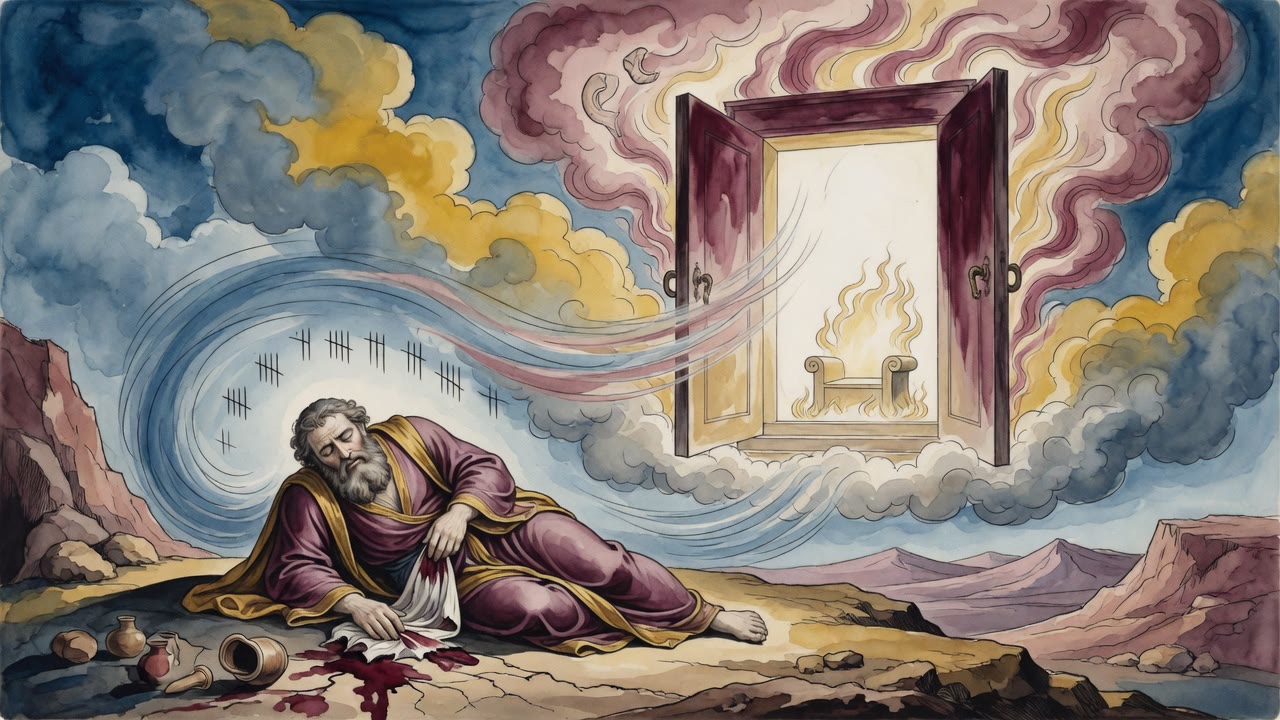
Elazar, son of Shimon bar Yochai, had inherited from his mystical father not only the secrets of Torah but a body of extraordinary strength. The Talmud says his belly was so large ...
Rabbi Tarfon was walking through his own vineyard one day when his farm supervisor — who did not recognize him — assumed he was a trespasser and gave him a beating. Tarfon said not...
A student once came to Rabbi Preida and asked him to teach a particular passage of Mishnah. Rabbi Preida sat with him and went through it slowly. The student did not understand. Th...
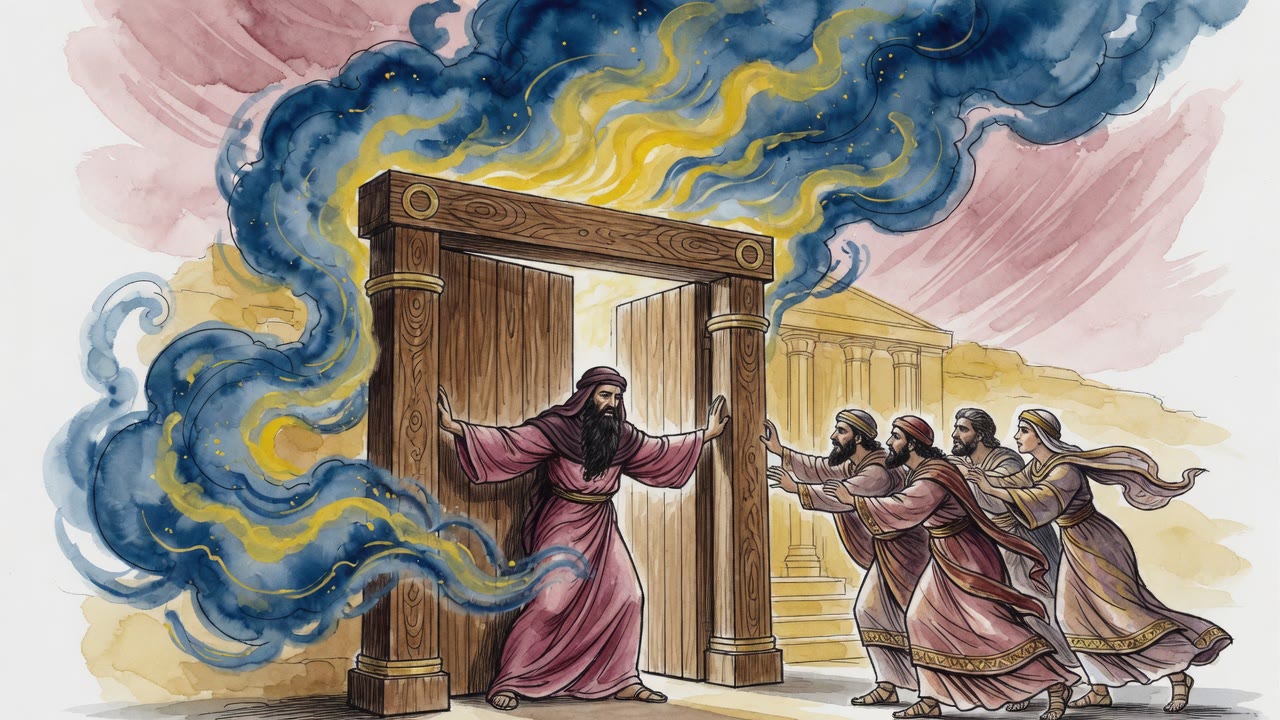
The story takes two breaths. Hillel the Elder was returning from a journey and walking the final miles toward his home in Jerusalem. As he approached the city, he heard loud noise ...
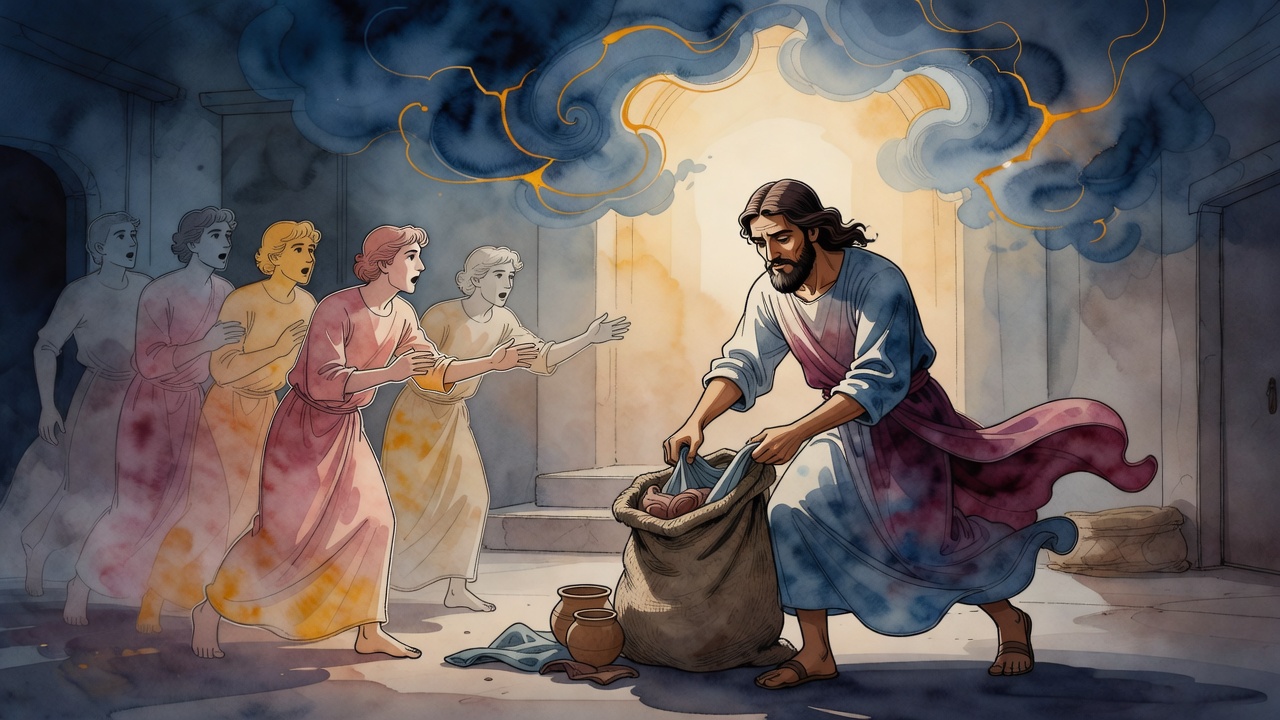
A merchant left his young wife at the start of a long trading voyage. She was pregnant at his departure, though he did not know it. He was gone many years — so many that the infant...
The Talmud returns often to a gentile from Ashkelon named Dama ben Netina, whom the sages held up as the gold standard of the commandment to honor father and mother. They told his ...
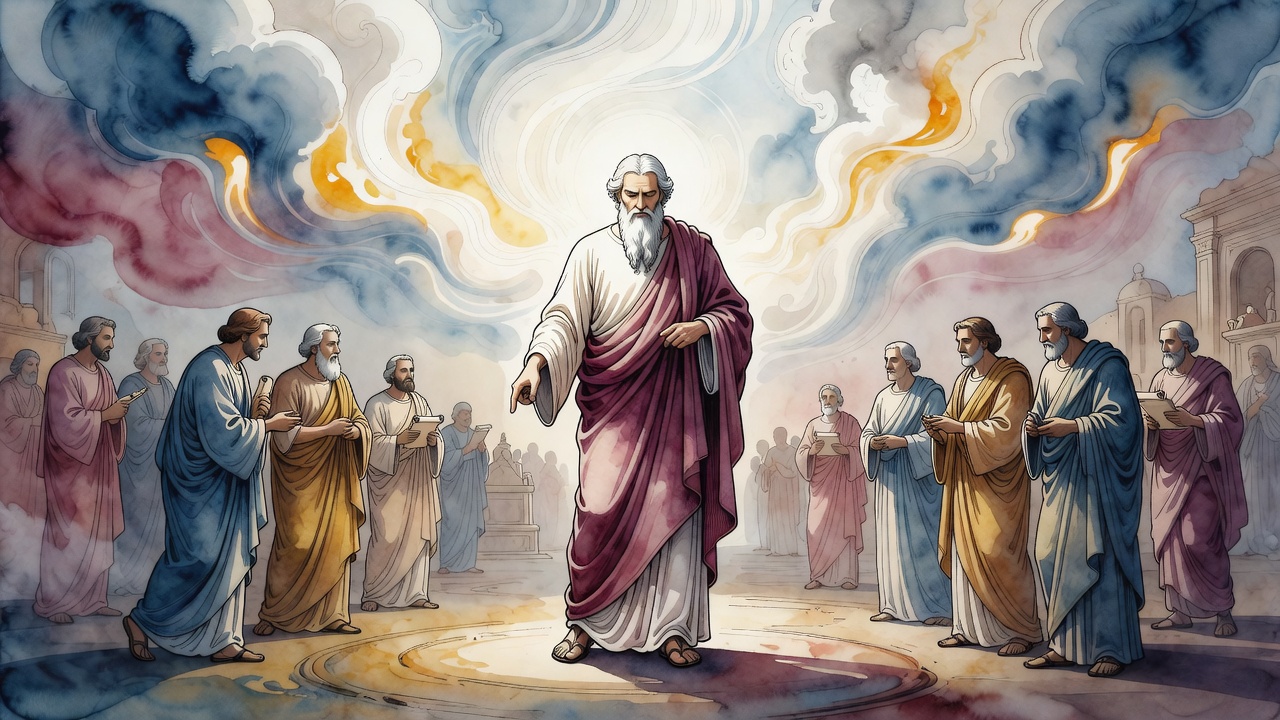
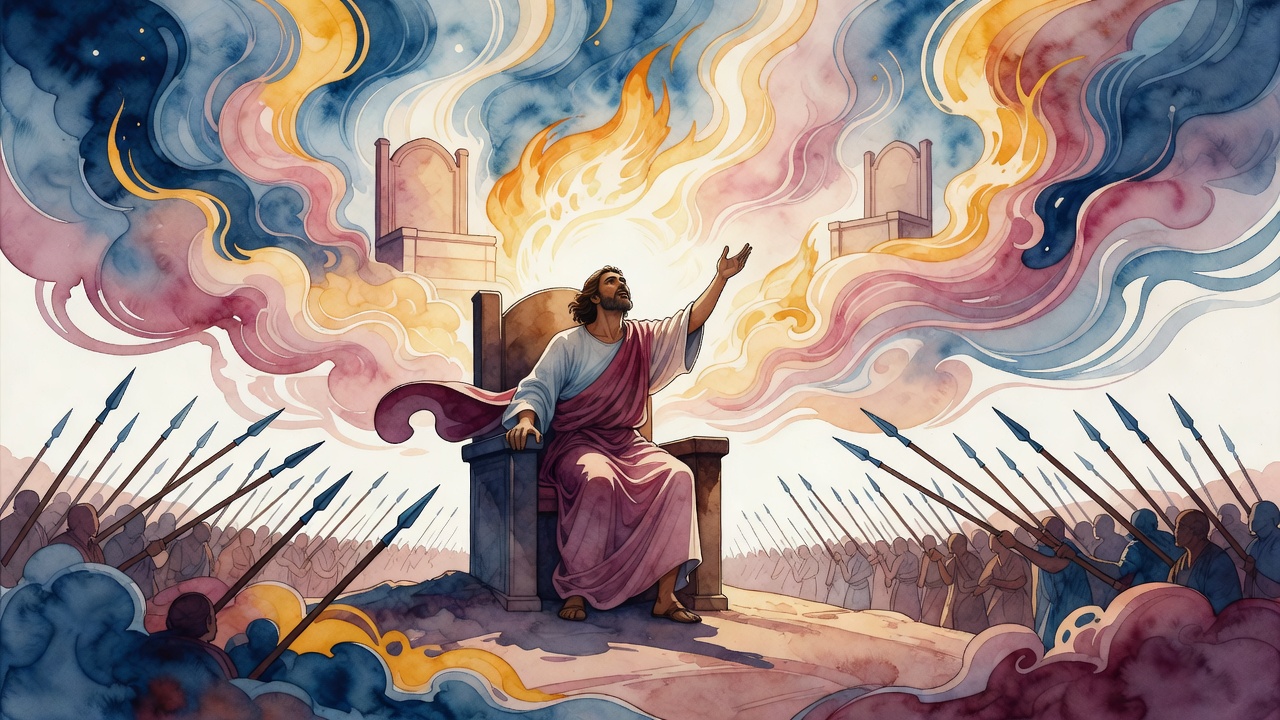
The last conversation between Moses and Joshua began as a gift and ended as a rebuke. On the day Moses was to enter Paradise, he turned to his closest student and said, "If any dou...
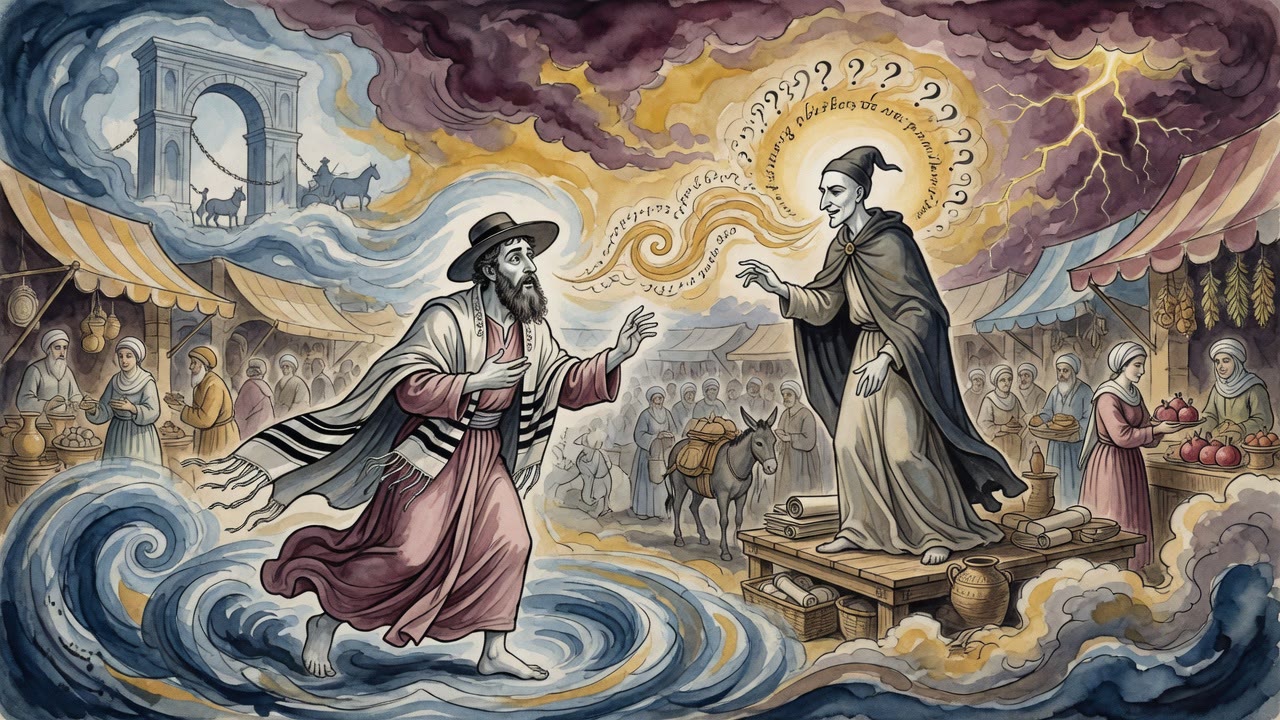
Rabbi Zeira bought a field one morning in the marketplace. A fair price. A closed deal. He walked home satisfied. Then he learned what he had not known when he made the purchase: R...
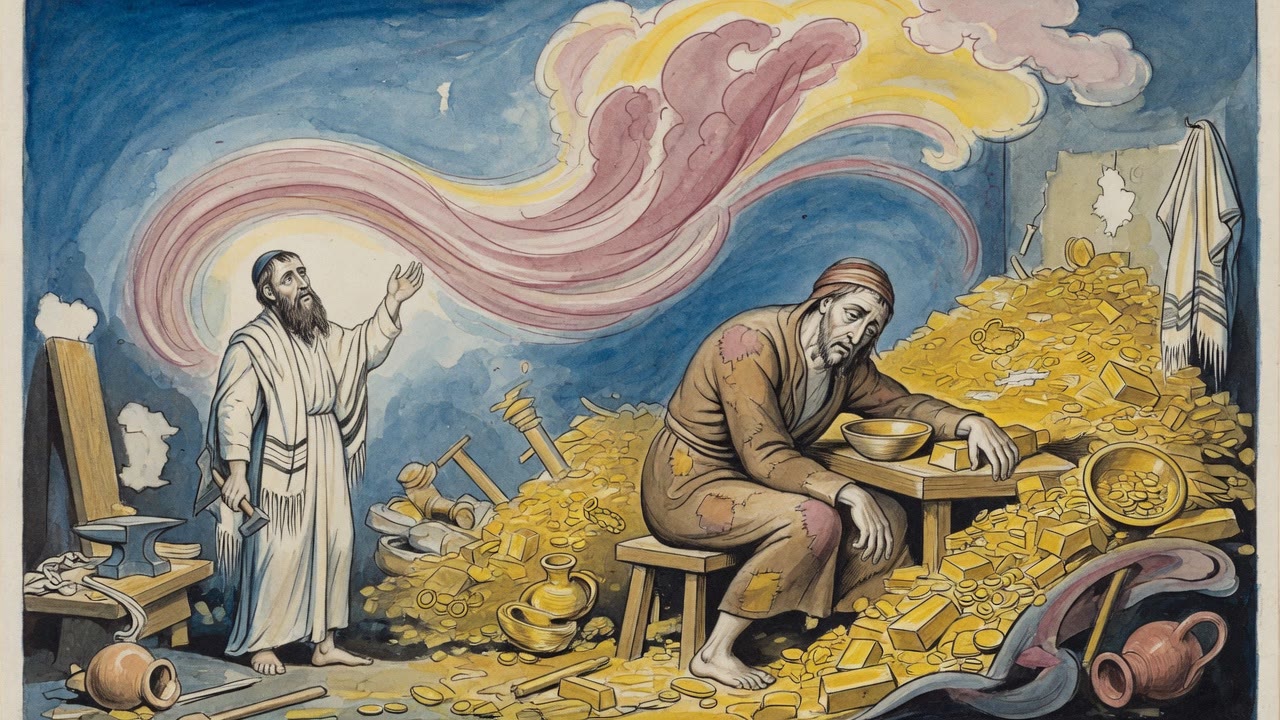
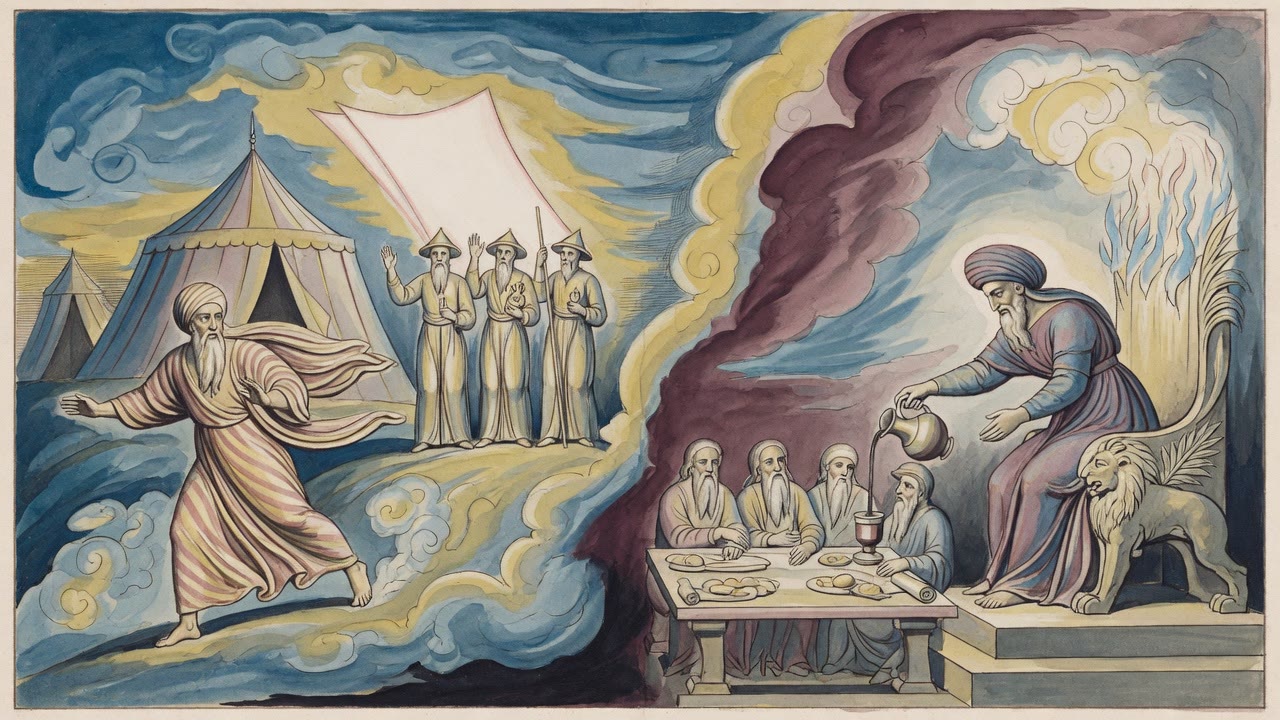
When King Solomon was stripped of his throne — cast out by Ashmedai, the king of the demons, and forced to wander his own kingdom as a beggar — he discovered that hospitality has t...
In the study hall, who rises for whom is not a small matter. Standing signals reverence. The Rabbis watched very carefully whom they chose to honor in this way. Rabbi Zeira was onc...
A student was walking behind Rabbi Ishmael ben Yose. Another student was walking behind Rabbi Hamnana. Both students were following their teachers closely, learning by watching. Th...
The old rabbis were poets of the short sentence. Here is a small anthology of proverbs preserved in the Midrash — each one a stone you can carry in your pocket. On speech: Op...
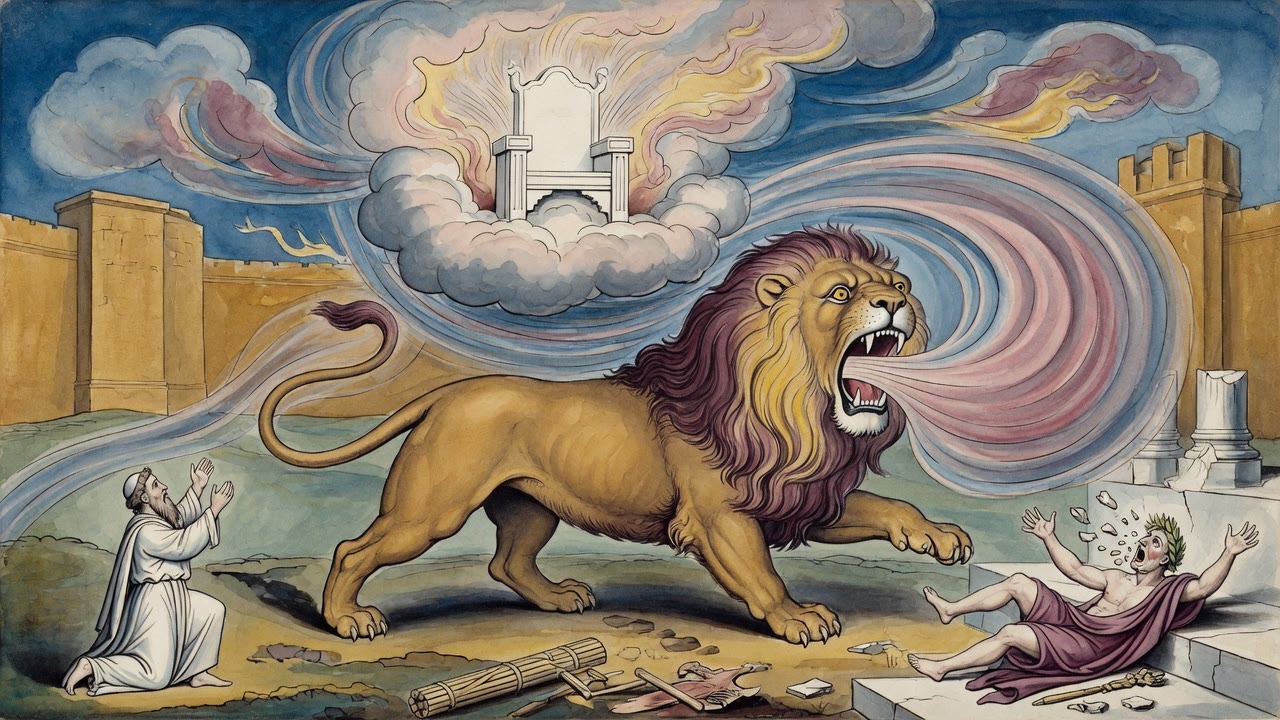
There was once a custom in a Jewish town that newlyweds were greeted with a hen and a rooster, symbols of fruitfulness. One day Roman soldiers marched through the town, saw the bir...
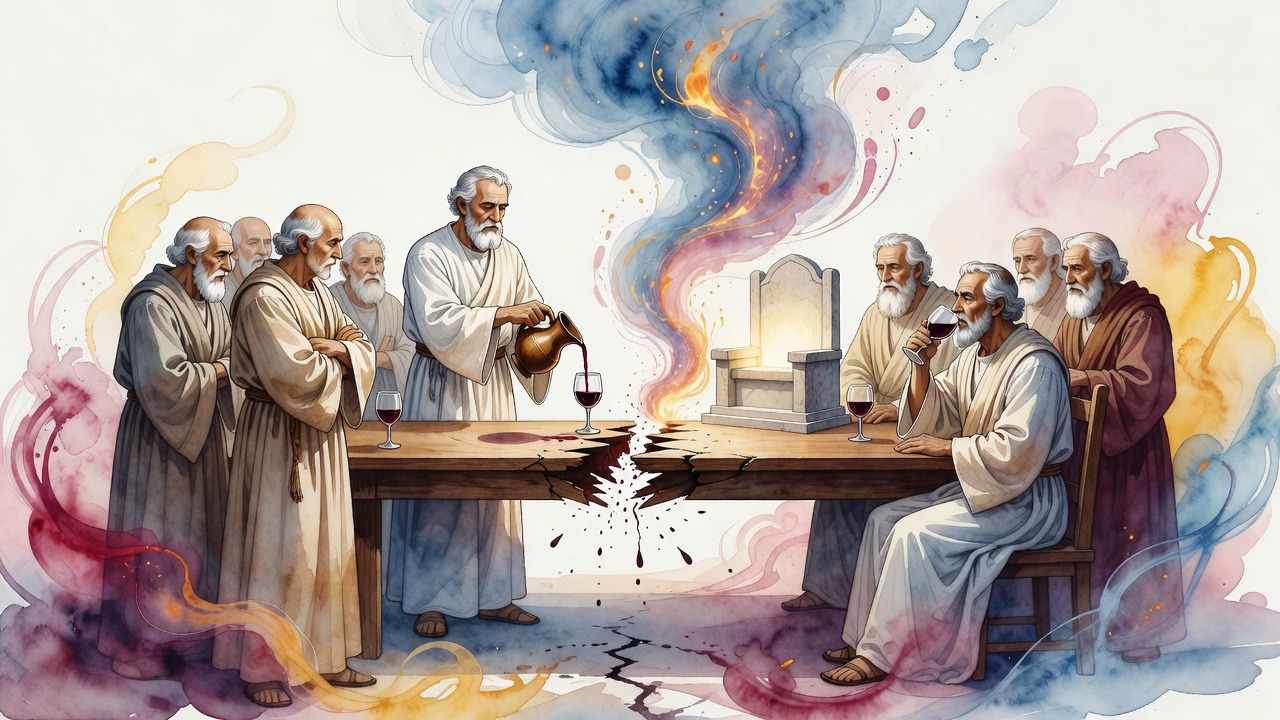
The rabbis preserved a small, cutting anecdote about a wealthy pagan whose appetite had outgrown his reason. He sat down one evening at his fine marble dining table, which had been...
The Talmud in Gittin tells one of the strangest stories about King Solomon. The king, in his pride, once compelled Ashmedai, the chief of demons, to serve him. Through a chain of t...
The strangest word in the Torah's creation account is "us." "Let us make man in our image." The rabbis have spilled rivers of ink explaining who God was talking to. Targum Pseudo-J...
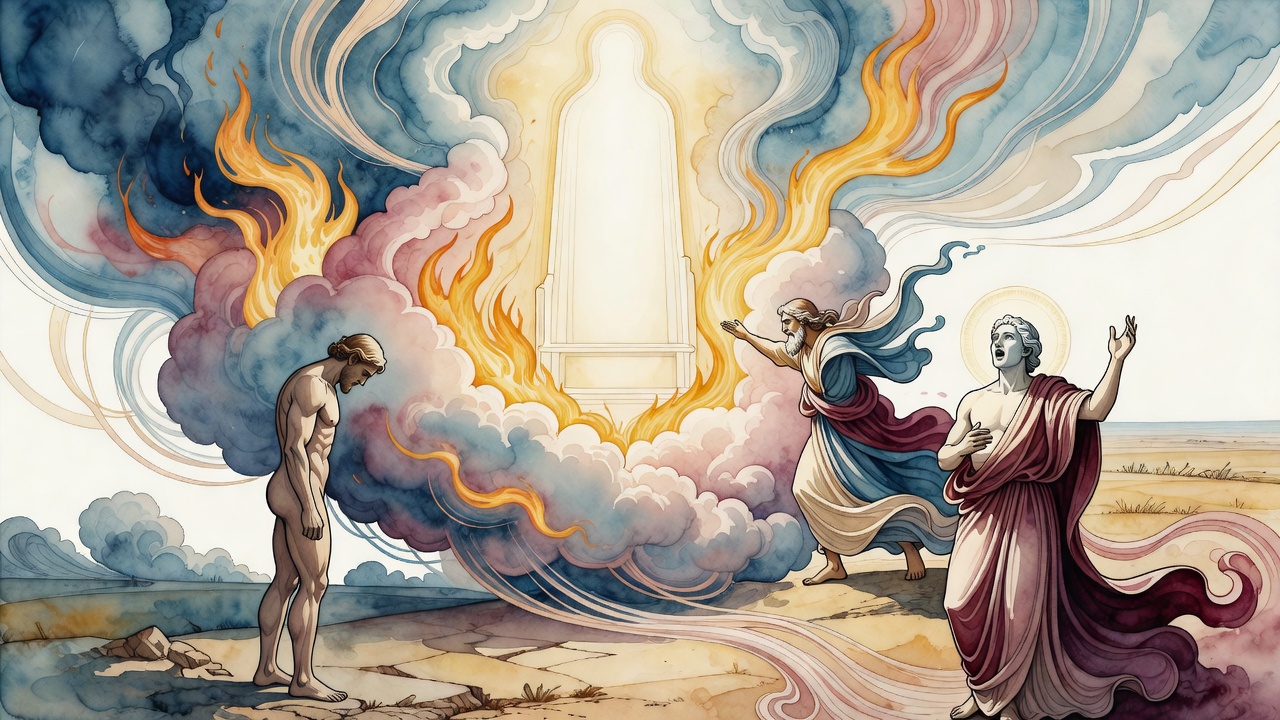
Adam's answer, in the Torah, is evasive: "I was afraid because I was naked." Targum Pseudo-Jonathan on (Genesis 3:10) lets him say more. "The voice of Thy Word heard I in the garde...
The curse of thorns and thistles arrives, and for the first time in the story, Adam argues back. Targum Pseudo-Jonathan on (Genesis 3:18) has Adam pray: "I pray, through mercies fr...
Targum Pseudo-Jonathan on (Genesis 9:23) captures one of the quiet, careful acts of love in Torah. After Noah has fallen asleep in the shame of the wine, Shem and Japhet took a man...
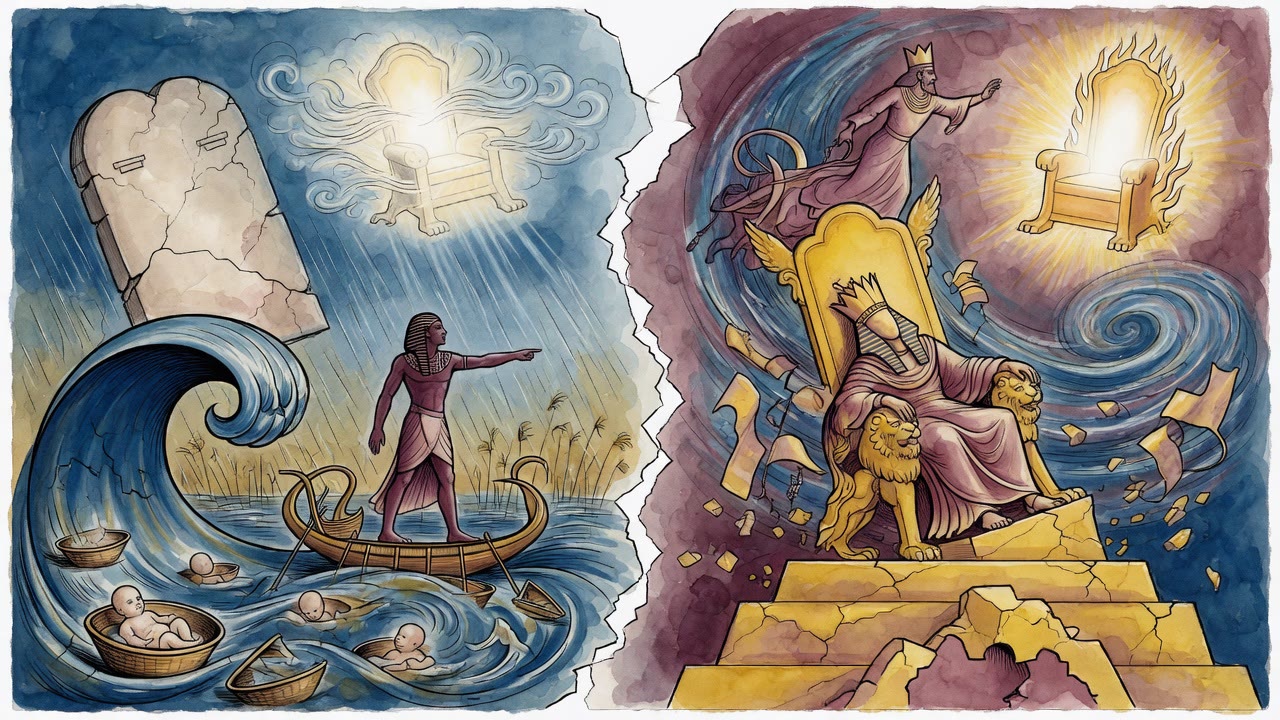
Targum Pseudo-Jonathan on (Genesis 10:9) gives us the first great villain after the Flood. He was a mighty rebel before the Lord; therefore it is said, From the day that the world ...
Targum Pseudo-Jonathan on (Genesis 10:26) hides one of the loveliest details in the whole genealogy. Joktan begat Elmodad, who measured (or lined) the earth with lines; and Shaleph...
The promise in (Genesis 13:16) has a strange choice of image. God does not tell Abram his children will be like stars or like sand. Those images come later. Here the promise is as ...
Targum Pseudo-Jonathan on (Genesis 14:17) translates a forgotten geographical name into a vivid picture. The Hebrew Bible calls the location the Valley of Shaveh, which is the King...
After tithing to Shem-Malkizedek, Abram turns to the other king on the race-course — the king of Sodom — and refuses him. (Genesis 14:22) records the oath, and Targum Pseudo-Jonath...
Targum Pseudo-Jonathan on (Genesis 17:17) is the mirror image of Sarah's later laugh at the tent door. Abraham falls on his face. He does not argue out loud. He laughs — wondered, ...
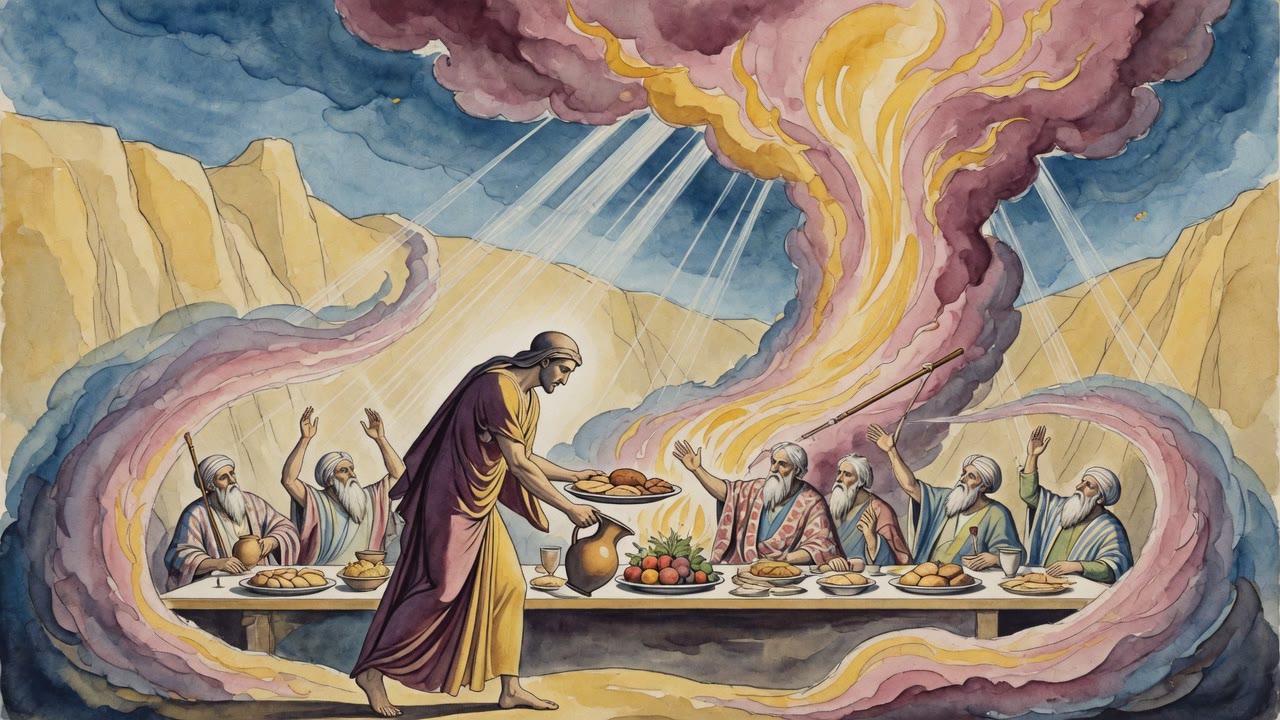
(Genesis 18:8) contains one of the Torah's most curious moments, and Targum Pseudo-Jonathan renders it with an almost comic precision. Abraham takes rich cream, milk, and the calf ...
At (Genesis 18:30), Abraham's nerve almost breaks. "Let not the displeasure of the Lord, the Lord of all the world, wax strong against me, and I will speak." The Targum is tracking...
The angel has commanded Lot to flee to the mountain. Lot looks at the rising sun and the distant ridges and says, in (Genesis 19:19), a deeply human thing. "Behold, now, thy servan...
There is a class of moment in the Torah where even the schemers have to stop scheming. Targum Pseudo-Jonathan on (Genesis 24:50) captures one. After Eliezer finishes his story, Lab...
Rebekah sees him before he sees her. From the back of her camel she looks across the field and asks the servant, "Who is the man, so majestic and graceful, who walks in the field b...
As Jakob prepared his message to Esau, he did something strange. He instructed his servants to announce that the great blessing stolen years before had, in effect, come to nothing....
"I will make his countenance friendly by the gift which goes before me, and afterward I will see his face: perhaps he will accept me." Targum Pseudo-Jonathan preserves Jacob's priv...
"And he himself went over before them, praying and asking mercy before the Lord; and he bowed upon the earth seven times, until he met with his brother." Targum Pseudo-Jonathan (Ge...
Esau looked at the caravan and asked the question any returning brother might ask: "Who are these with you?" (Genesis 33:5). In the plain text Jacob answers simply, "the children w...
"Receive now the present which is brought to you, because it has been given me through mercy from before the Lord." Jacob's insistence in Targum Pseudo-Jonathan (Genesis 33:11) res...
The Torah lists the kings of Edom in a dry procession: Bela died, Jobab reigned, Jobab died, Husham reigned, and so on. It is one of those passages readers tend to skim. But Targum...
The Torah closes its long list of Edomite chieftains with two final names: Magdiel and Iram. For most readers, they are just names. Targum Pseudo-Jonathan on (Genesis 36:43) pauses...
The Targum reports the architecture of the household plainly. Potiphar left all that he had in Joseph's hand, and took no knowledge of anything of his, except his wife with whom he...
The butler and baker give Joseph the standard complaint of prisoners in an ancient city. They have dreamed, and there is no court interpreter available in their cell. The Targum pr...
This is one of the most searching moments in the Targum. After interpreting the dream, Joseph adds a request. The Aramaic frames it with a quiet rebuke: Joseph, leaving his higher ...
The Targum supplies the theological punchline the Torah leaves whispered. Because Joseph had withdrawn from the mercy that is above, and had put his confidence in the chief butler,...
The Targum preserves the exact phrasing of Pharaoh's summons. I have dreamed a dream, and there is no interpreter for it; and I have heard of thee, saying, that if thou hear a drea...
The Targum preserves one of the great theological statements in Genesis. And Joseph answered Pharoh, saying, (It is) without me; it is not man who interprets dreams: but from befor...
Pharaoh handed over almost everything. House, people, signet, authority. But one line held back: "only in the throne of the kingdom will I be greater than thou." Targum Pseudo-Jona...
The runners went ahead of the second chariot and sang. Targum Pseudo-Jonathan on (Genesis 41:43) preserves the words of that ancient coronation chant: "This is the Father of the ki...
Jacob sent ten sons to Egypt, and they entered not as a group but through ten different doors. Targum Pseudo-Jonathan on (Genesis 42:5) preserves the reason: "every one by one door...
There is a kind of tear a powerful man cannot afford to show in public. Joseph, vizier of all Mizraim, feels it rising, and runs. "Joseph made haste," the Targum reports, "for his ...
The reunion scene in (Genesis 46:29) should be pure joy. After twenty-two years of believing Joseph was dead, Jacob finally sees his son alive, a ruler in a chariot, riding out to ...