God Chose Sinai, a Humble Mountain Taken From Moriah
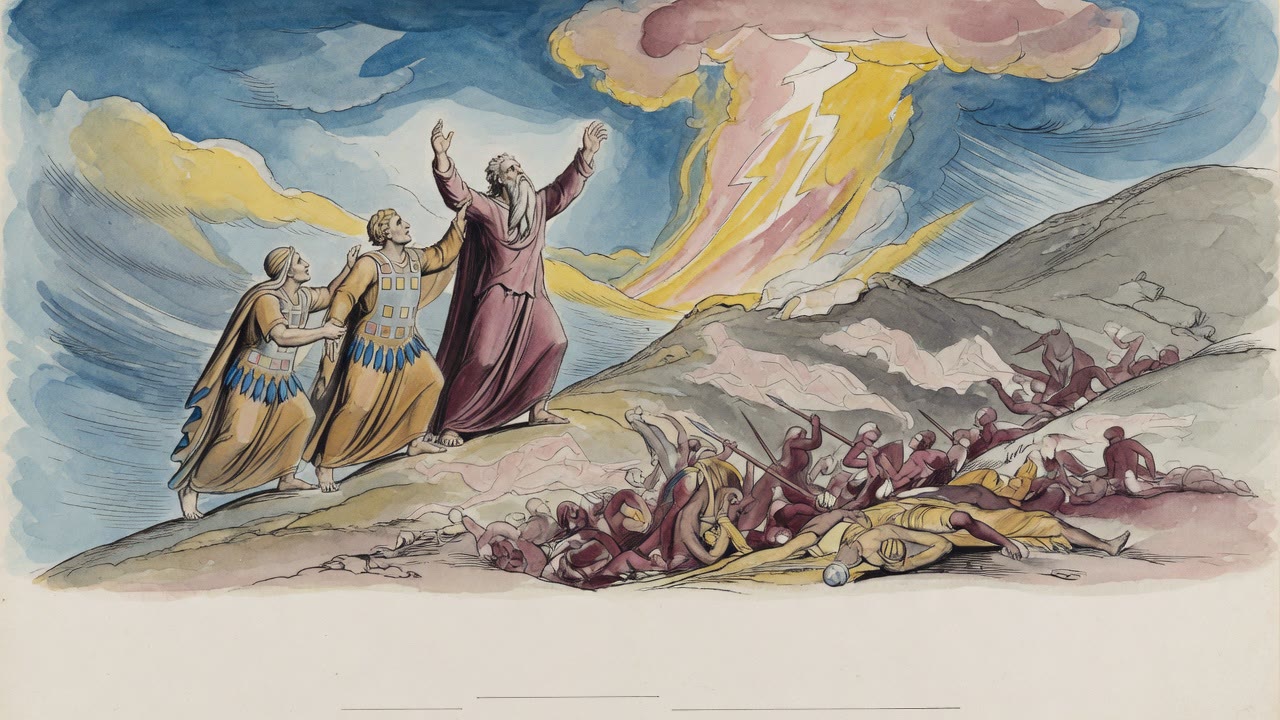
Tabor still had dry shoulders from the Flood. God sent the tall peaks home and chose the small one that had torn itself from Moriah.
Table of Contents
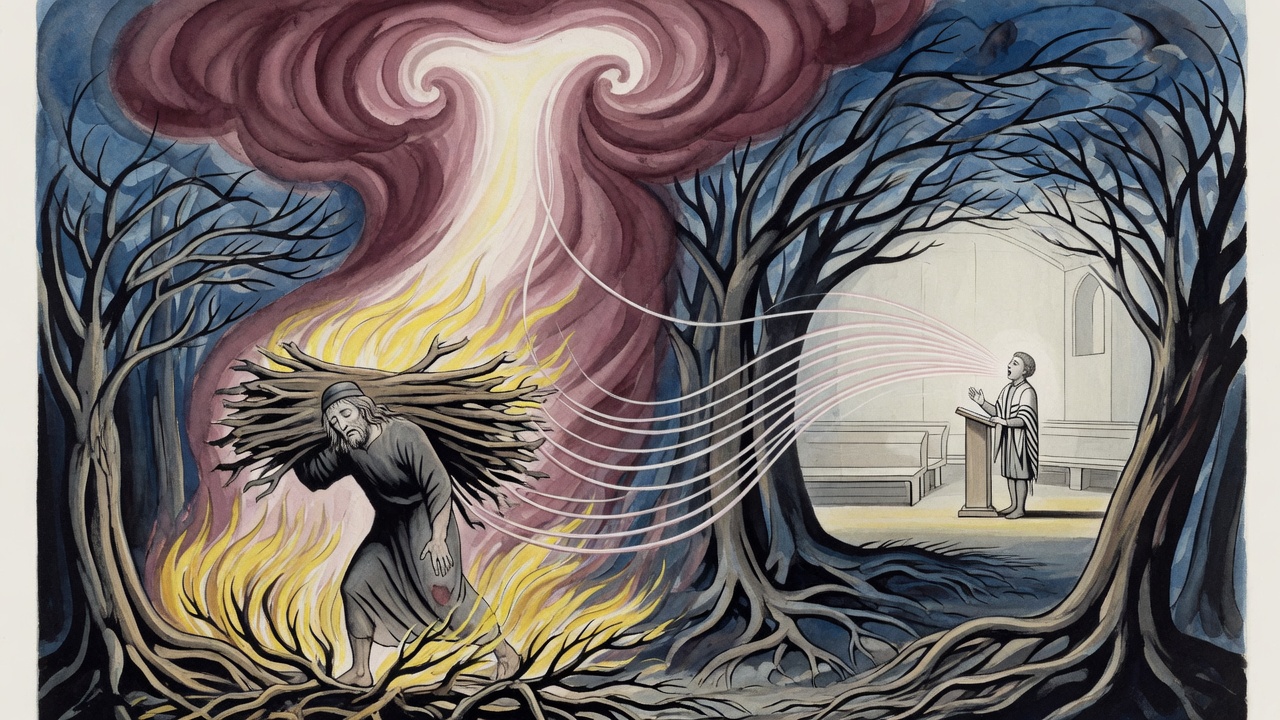
Tabor shook itself loose from its roots and ran. Carmel left the shore and swam. They had heard that God was about to give the Torah, and neither meant to miss the honor.
 Click for full size
A voice met them on the way. "Why do you run, hunched mountains? You are blemished. You have already been used." The peaks that had drawn pilgrims and incense for other gods kept coming anyway. Height had always been their argument. They were not ready to hear that height was the problem.
Tabor and Hermon Shouted for the Honor
Tabor turned on Hermon first. "Upon me shall the Shechinah (שכינה), God's dwelling presence, rest. In the days of Noah the Flood covered every mountain under heaven. It did not reach my head. It did not even reach my shoulder. All the earth sank. I stood. I am called to bear this."
Hermon would not yield. "Upon me. When Israel wished to pass through the sea, I settled between the two shores. They moved from one side to the other across my back. Their clothes did not even get wet. I am the destined one."
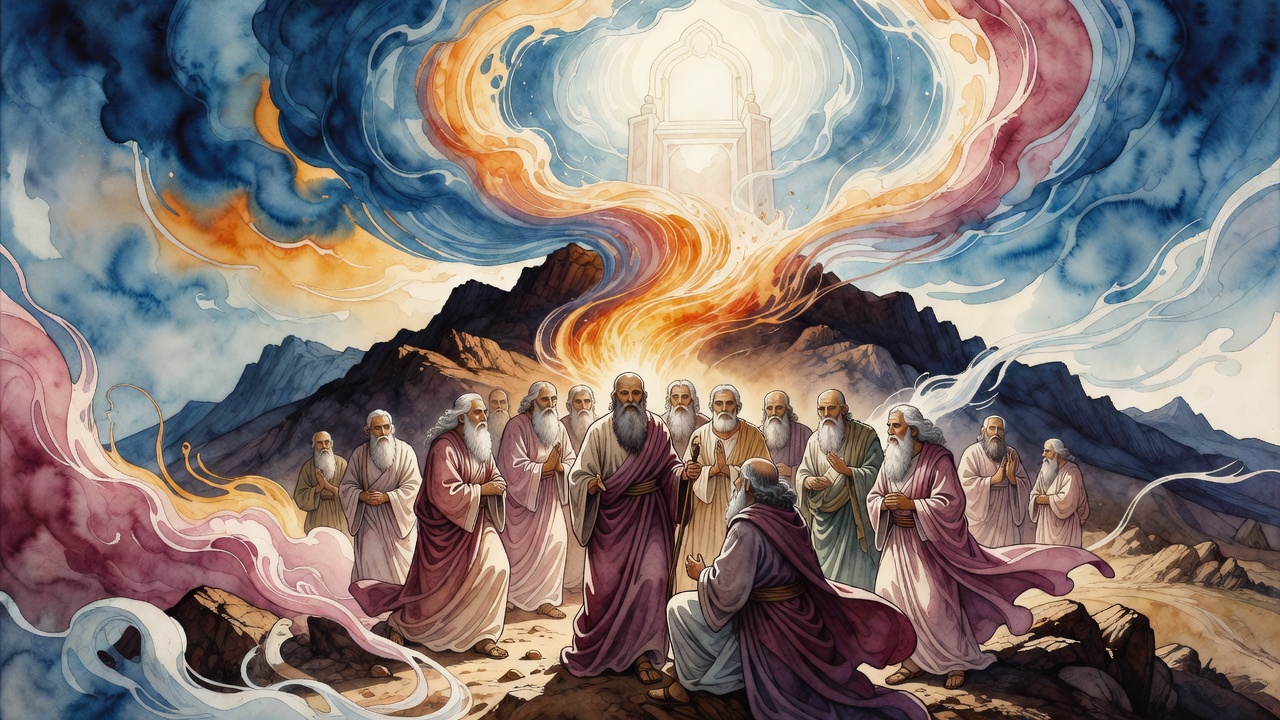
Each peak spoke as if the Shechinah were a crown to be claimed by the tallest witness. They looked down on one another while they looked up for glory. The quarrel was the offering they brought.
Carmel Sat Down on Both Shores
Carmel did not shout. Carmel sat down on the shore of the sea and waited, thinking: if the Shechinah is to rest on the water, it will rest on me, and if it is to rest on the land, it will rest on me too. One mountain, two bets, no speech.
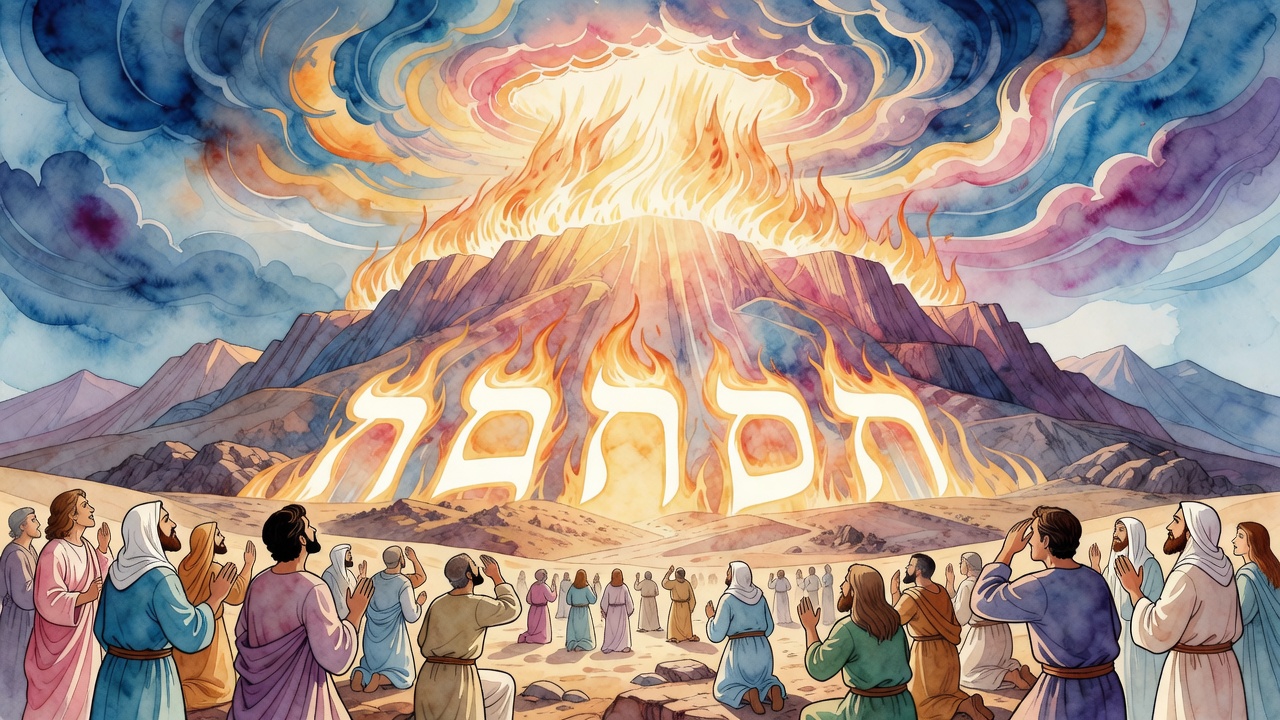
The silence did not save it. A voice out of the high heavens rang out and said, "The Shechinah shall not rest upon these high mountains that quarrel among themselves and look on one another with disdain. He prefers the low mountains, and Sinai among these, because it is the smallest and most insignificant of all. Upon it will He let the Shechinah rest."
The tall ones asked if God was being partial. They had run. They had argued. Would there be no wage for the running? God answered the wage without giving them the fire. Upon Tabor He would grant aid to Israel in the days of Deborah, when Sisera and his iron fell. Upon Carmel He would grant aid to Elijah. The honor they wanted was Torah. The honor they received was a later rescue, paid on the same stone.
The Small Peak That Did Not Argue
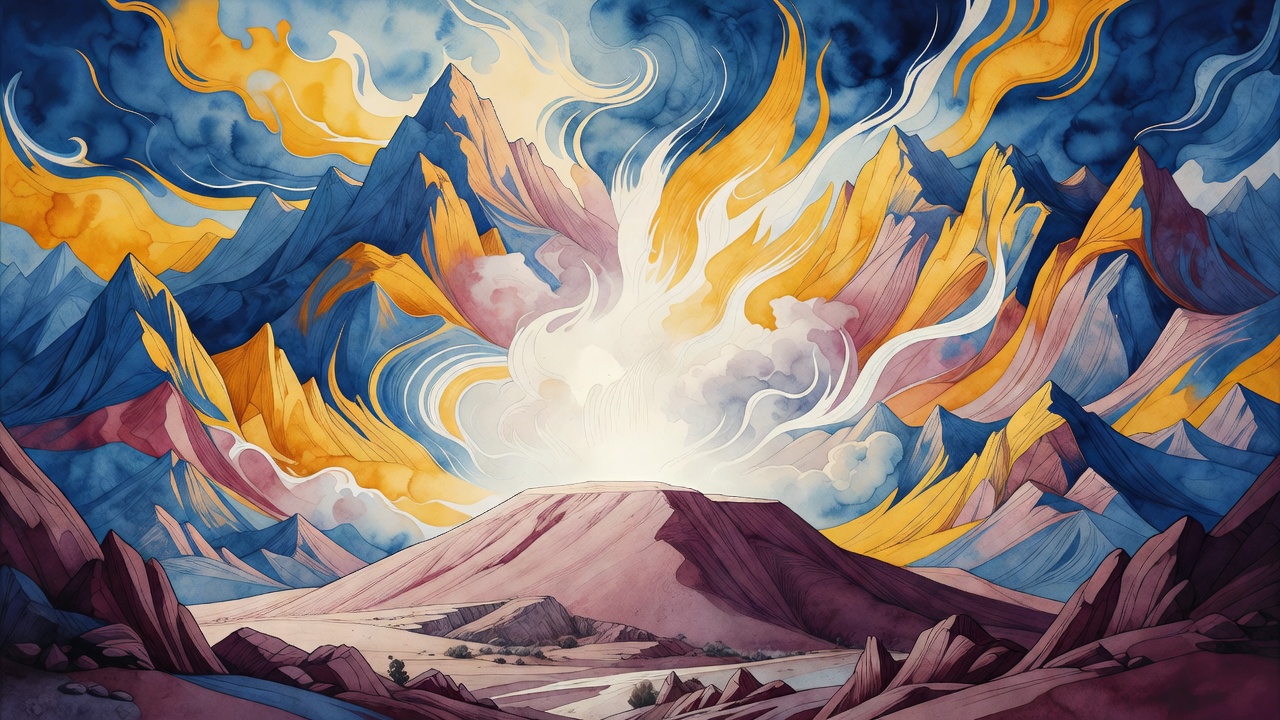
Sinai had not entered the competition. It was a small mountain in a wilderness, undistinguished in height, not a landmark anyone had consecrated. No altars had been built on it. No prayers had been directed at it. It had never been climbed for a god that was not this God, which meant the stone was still empty enough to receive Him.
The tall mountains were already occupied. Tabor and Carmel had histories. They had been used as sanctuaries by idolaters, and the use sat in the rock. Sinai was untouched. Nothing had ever been worshipped on it. The holiness that would descend there would not have to shove a prior worship aside.
God chose the one that had not asked. The Torah would not fall where it was already expected. It would fall where the ground was genuinely open.
Sinai Tore Itself from Moriah
There was an older reason the small peak could hold the fire. Sinai had once been part of Mount Moriah. When Abraham bound Isaac on that mountain, the place took in a father's willingness and a son's trust until the ground itself was charged. A piece of that mountain tore itself free and came to the desert. That fragment became Sinai.
God said, "Because their father Isaac lay upon this mountain, bound as a sacrifice, it is fitting that upon it his children receive the Torah."
The giving happened on ground that had first received the binding. The mountain that hosted the covenant of law was made from the same substance as the mountain that had hosted the covenant of faith. Sinai and Moriah were, in this telling, one mountain that had learned how to wait in two places.
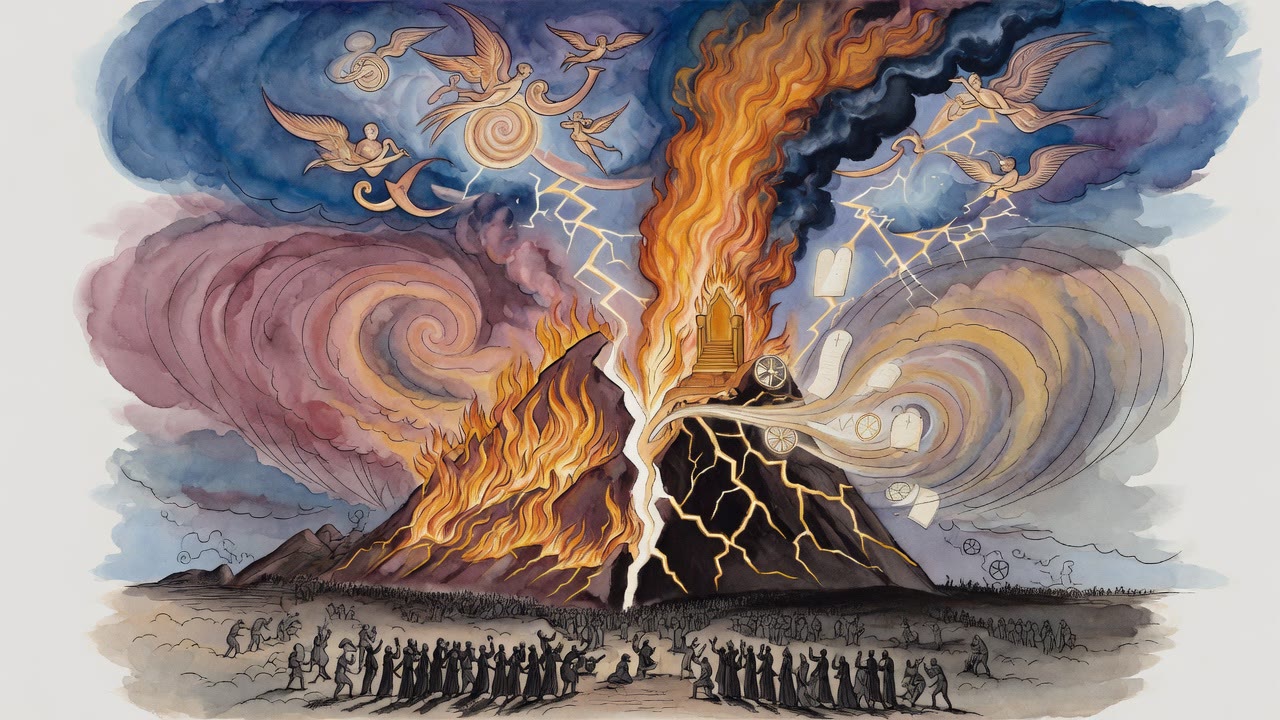
God stayed only for the giving. After the Torah had been bestowed, He withdrew again to heaven. The peak that had run from Moriah to the sand would not keep Him as a tenant. In the world to come, Sinai will return to its original place, when the mountain of the Lord's house is established at the top of the mountains and exalted above the hills. The fragment will go home. The binding and the fire will sit on one ridge again.
← All myths