72 myths · Page 1 of 3
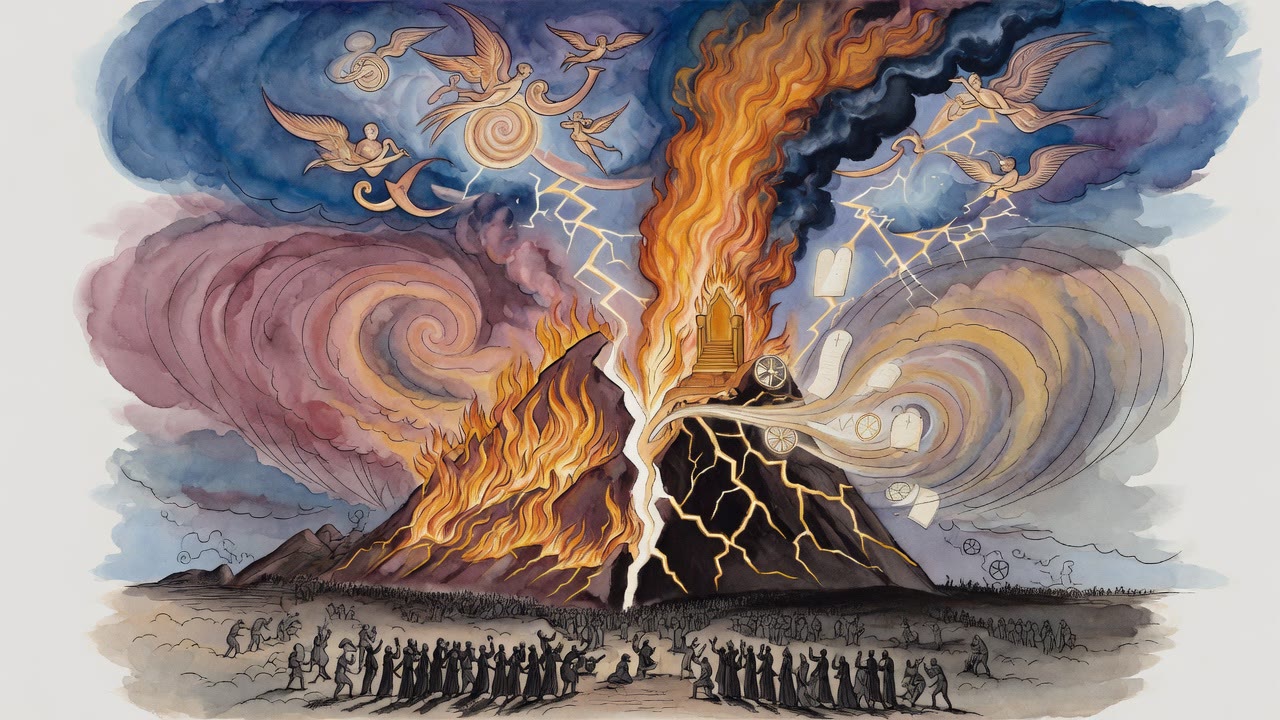
The first word emptied them. Angels pushed the bodies twelve mil back to the mountain. Dew had to fall before they could hear the second.
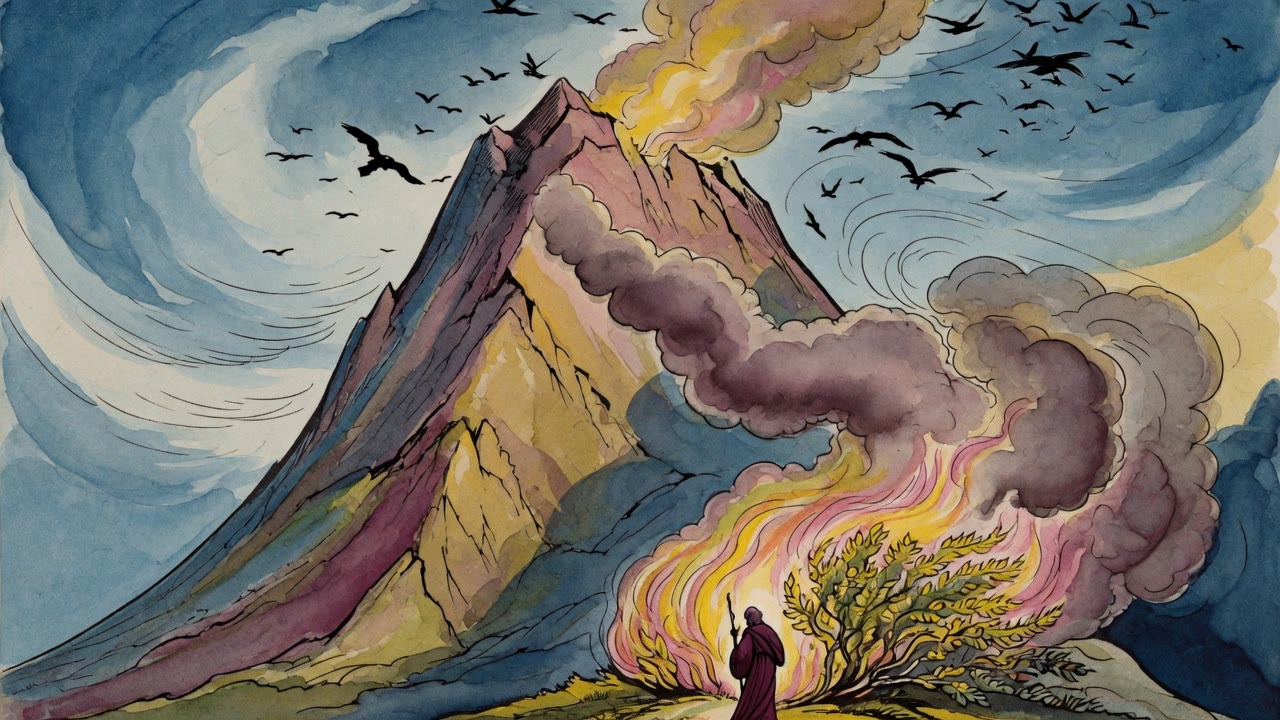
Birds banked away from the peak. The mountain leaned toward Moses like a man at a door, and the bush blossomed while it burned.
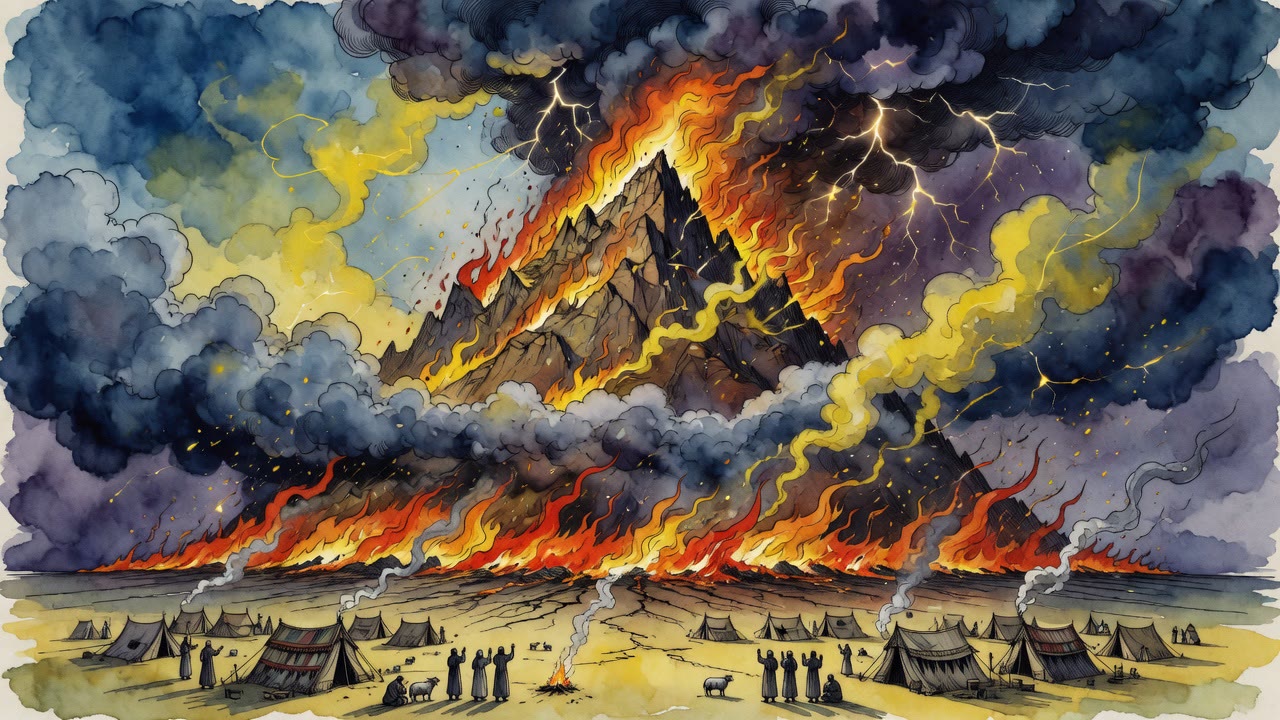
Israel had three days to wash their clothes and keep off the mountain. On the third morning the peak went up like a furnace and the horn would not stop.
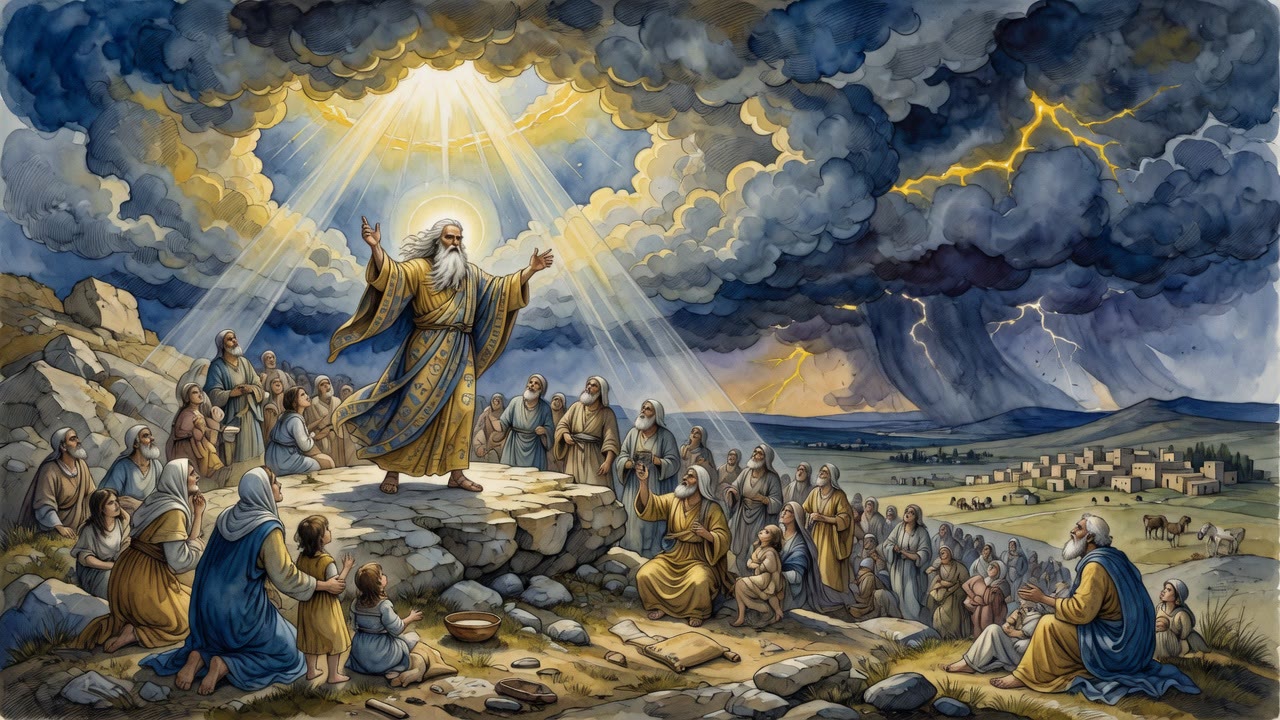
His children had not seen the ten heavens. He came down with thirty days, a stack of books, and a flood already marked on the world.
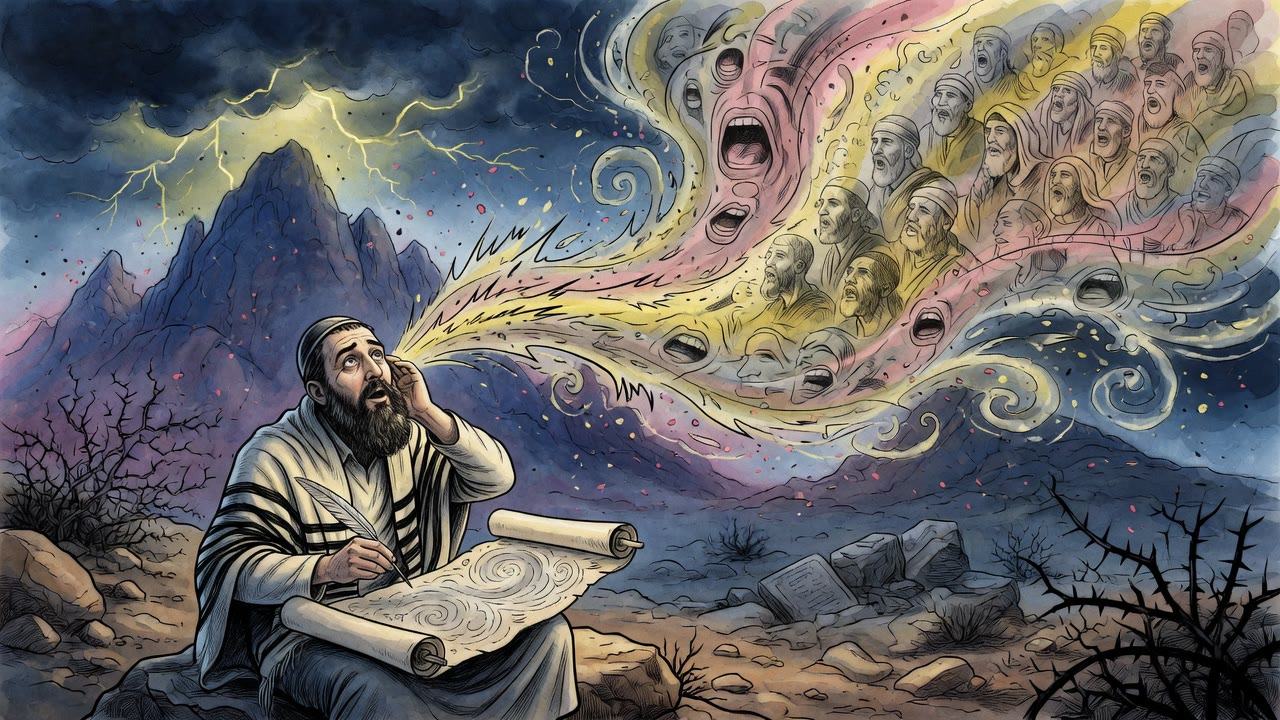
Moses waited at the door of the tent for thirty-eight years and no voice came. He had done nothing wrong. The generation under judgment was dying off.
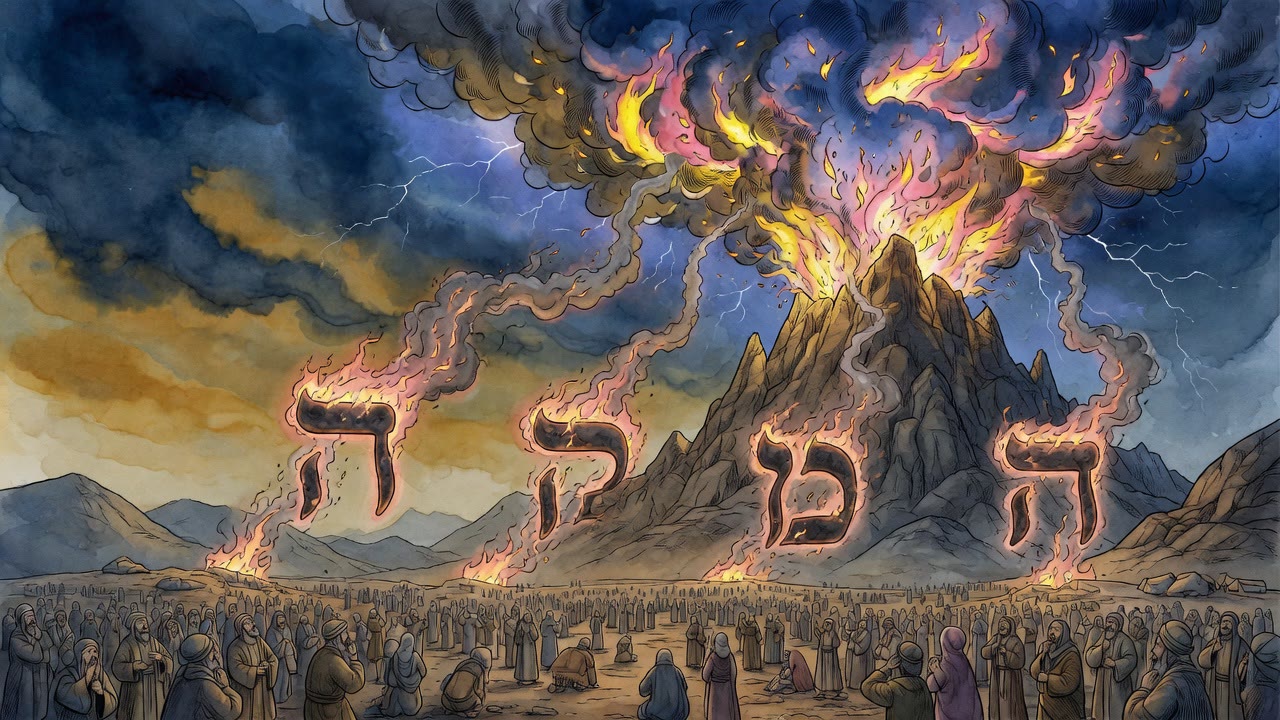
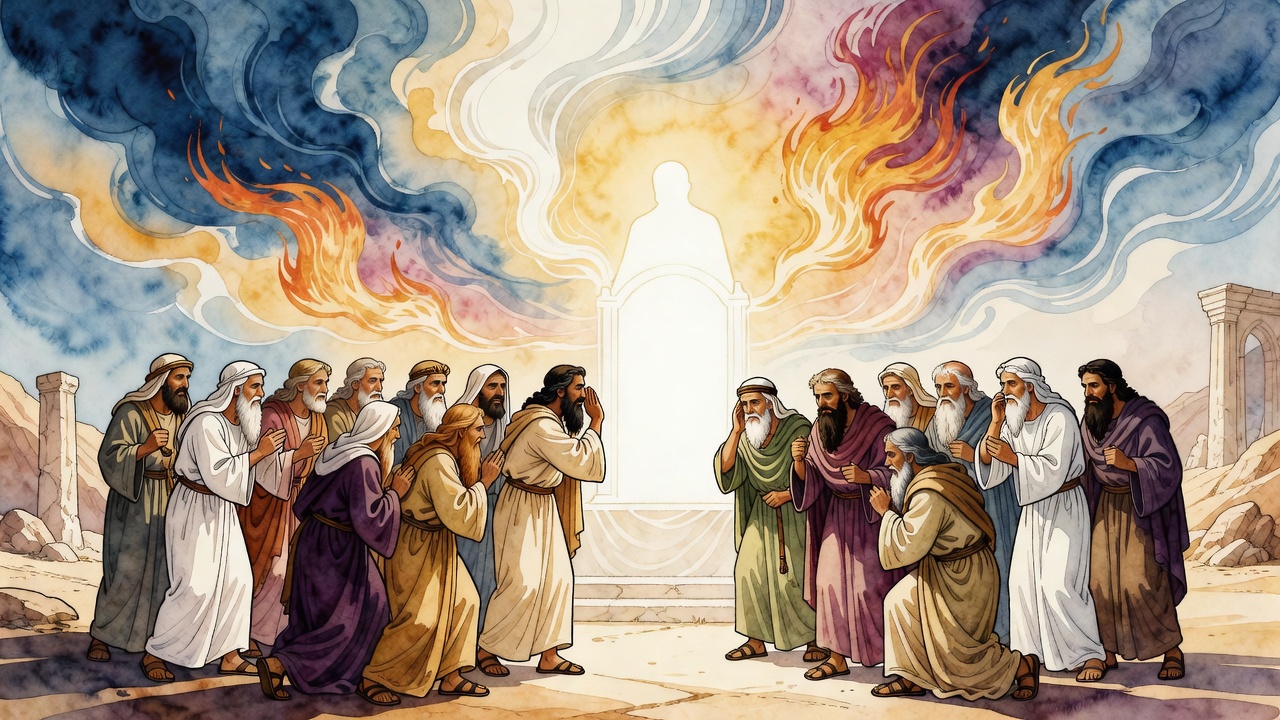
The mountain hung over the camp like an overturned barrel. God said the slope would be their grave. Then the first word struck and the nation fell still.
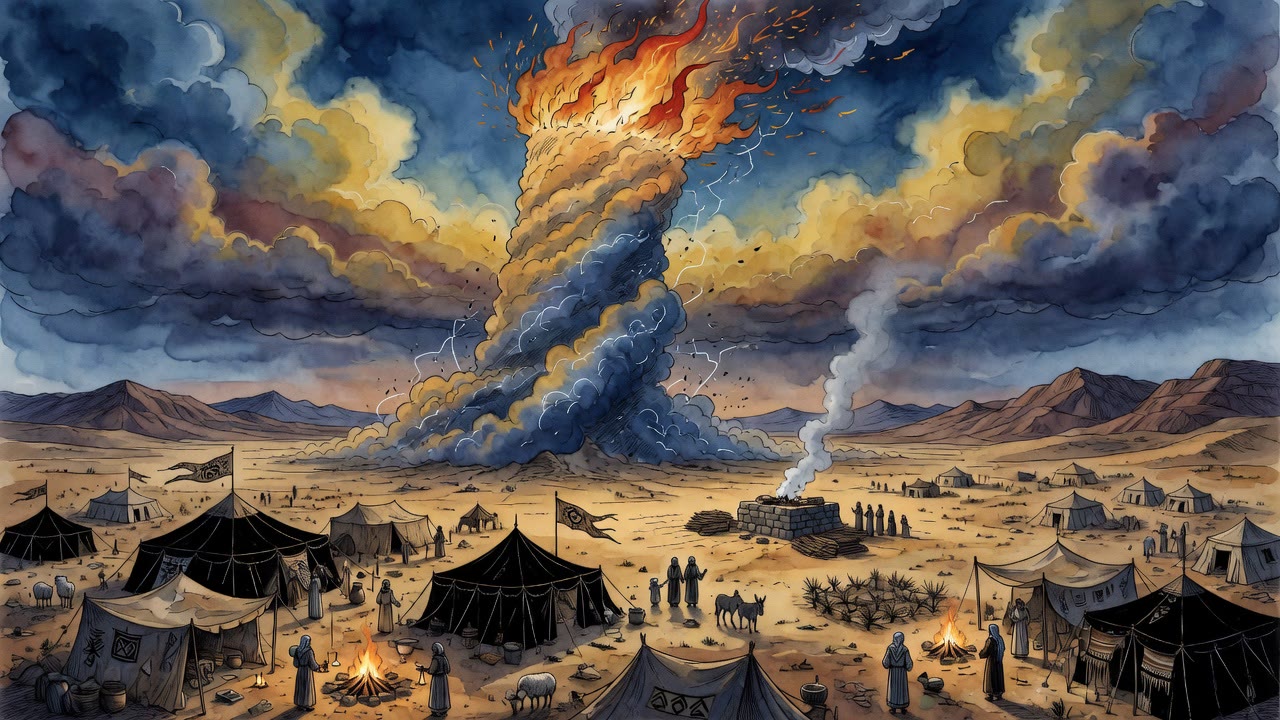
At Sinai every other Israelite fled from the thunder and lightning. Moses walked toward the thick darkness. The rabbis asked why God chose shadow.
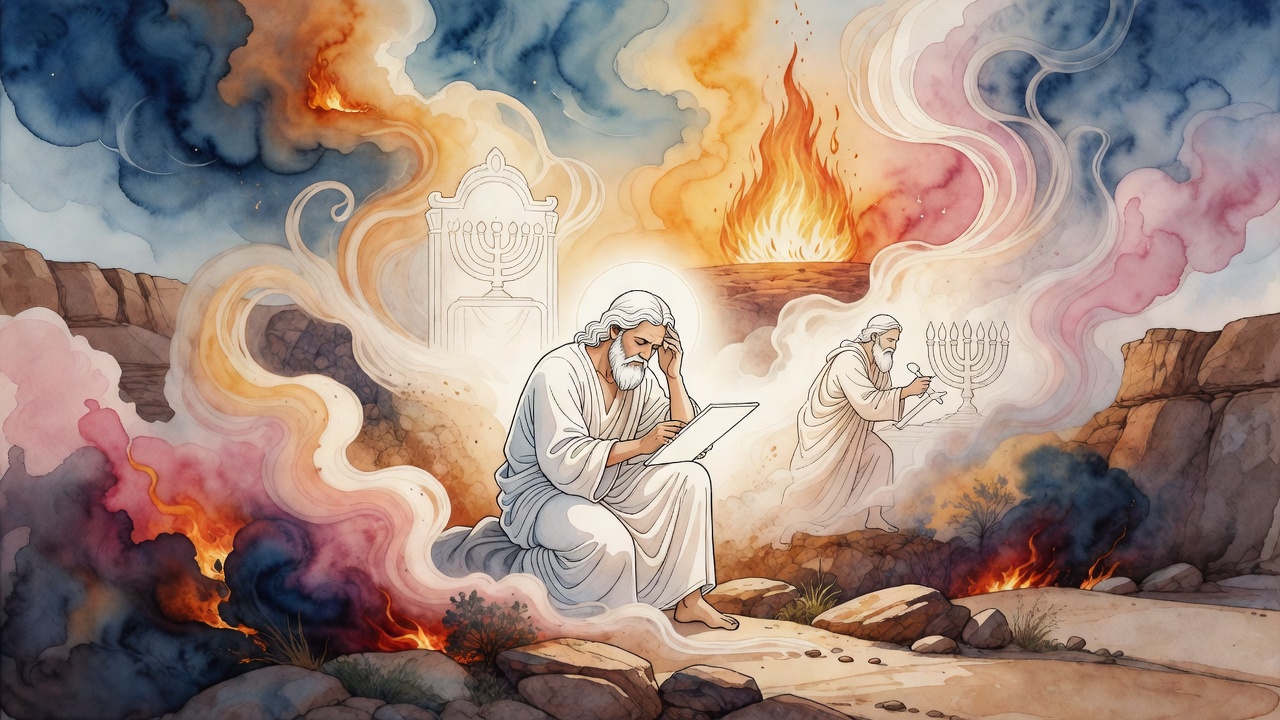
On Sinai Moses took in every future question. Then God described a lamp of hammered gold, and the shape would not stay in his mind long enough to make it.
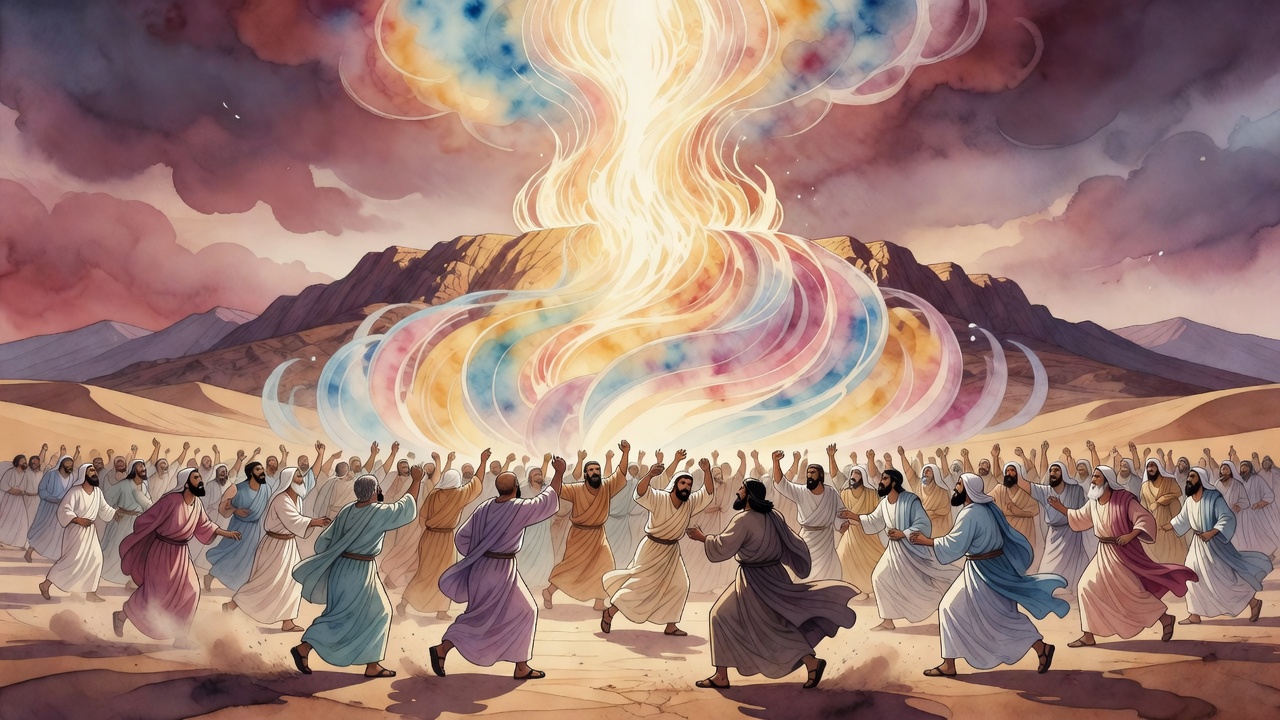
Each commandment at Sinai threw the entire nation backward twelve kilometers. Rabbi Akiva did the arithmetic: 240 kilometers walked in the body.
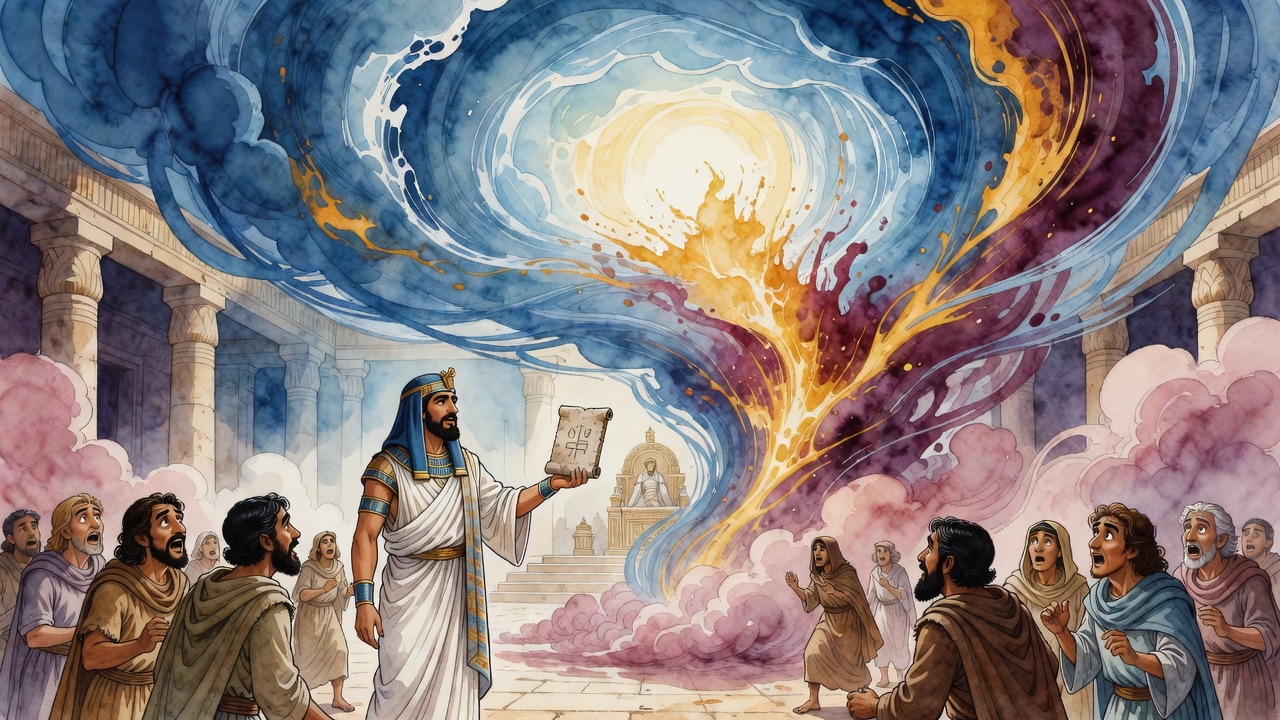
They could believe an Egyptian trap. They could not believe their brother. He bared Abraham's mark, and the room went violent.
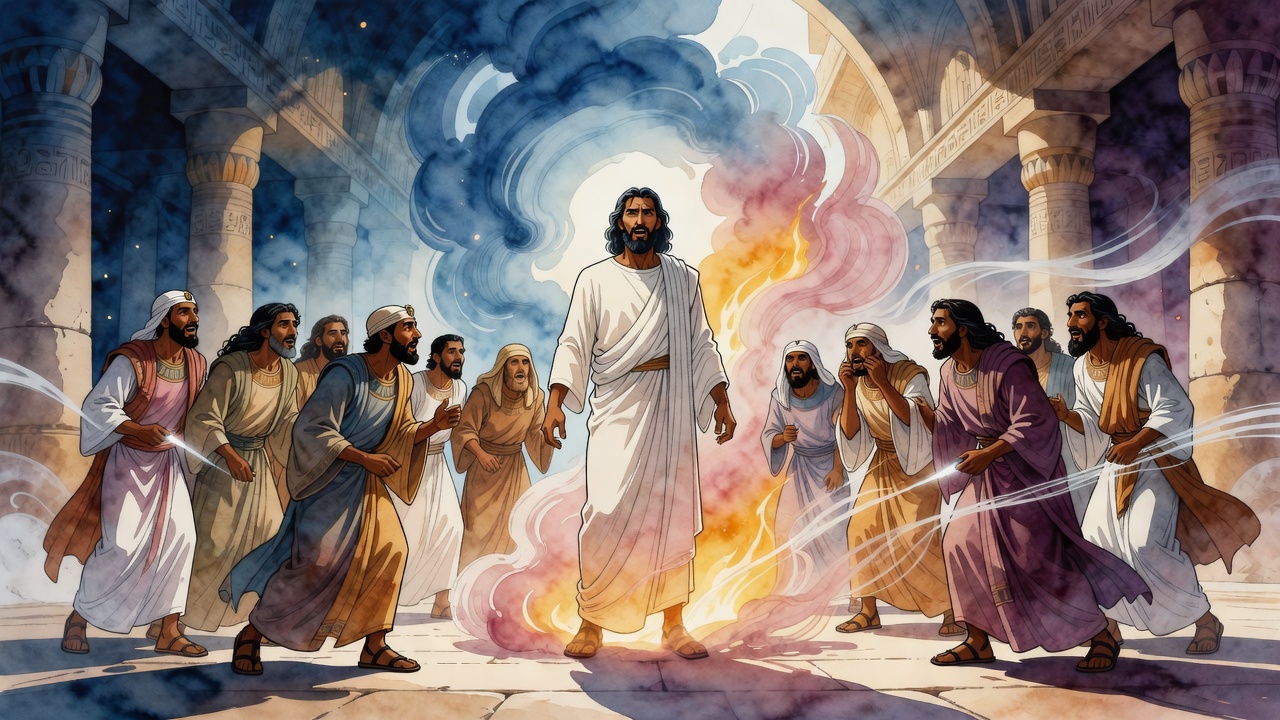
Joseph cleared the room, looked at eleven men from Canaan, and opened his mouth in a language no Egyptian viceroy should have known.
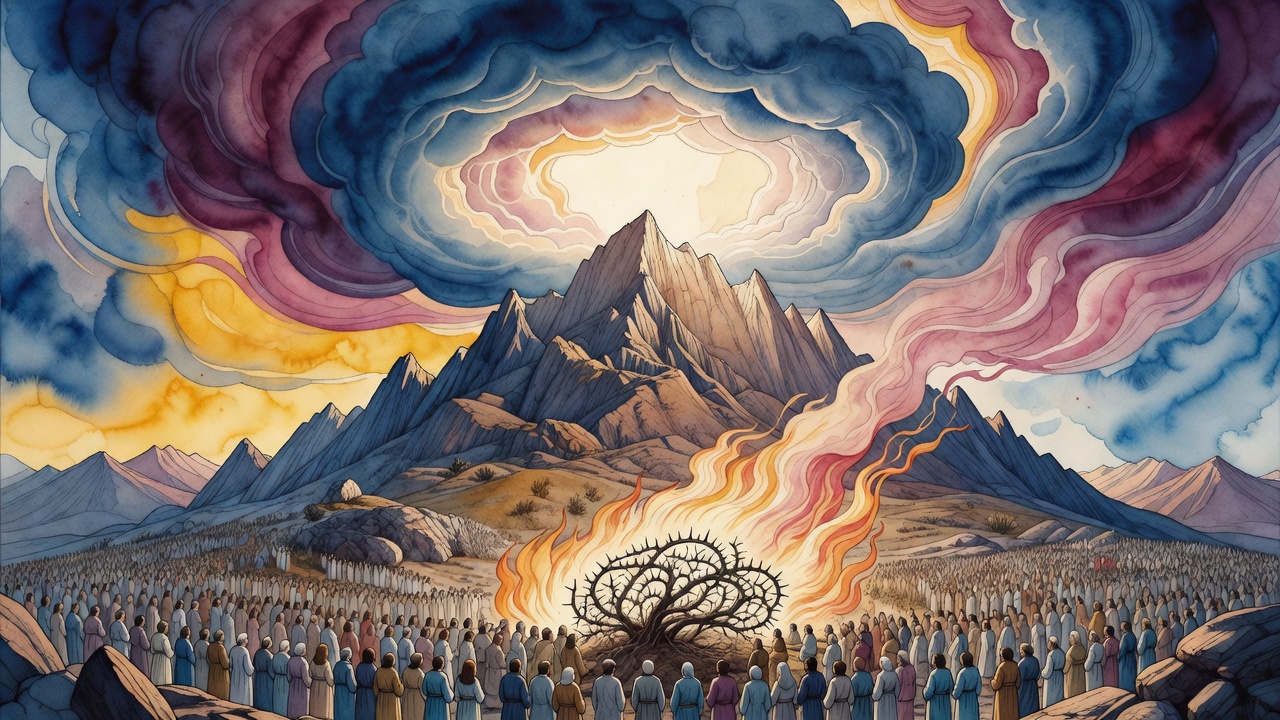
The mountain had a name before Moses climbed it. A thornbush renamed it. A killing cloud settled over it. Then six hundred thousand stood at its base.
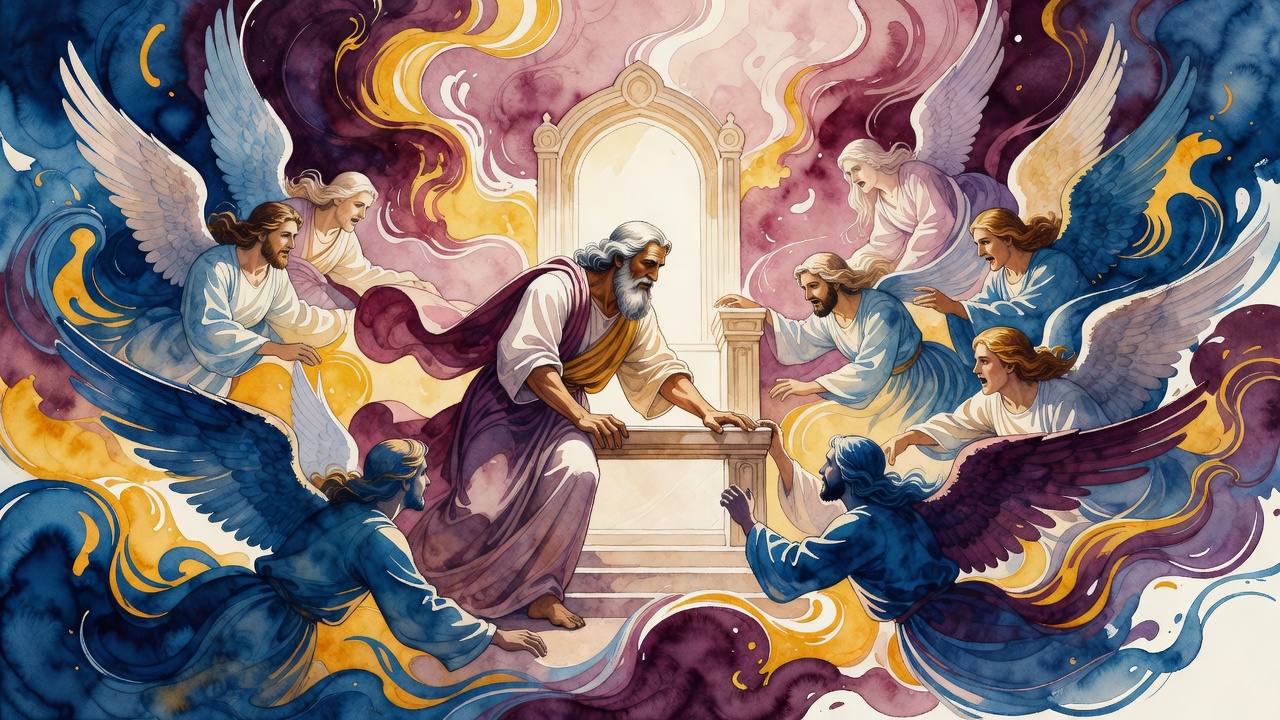
The angels crowded the cloud and asked what flesh was doing in heaven. Moses had forty days with no bread and a case to argue.
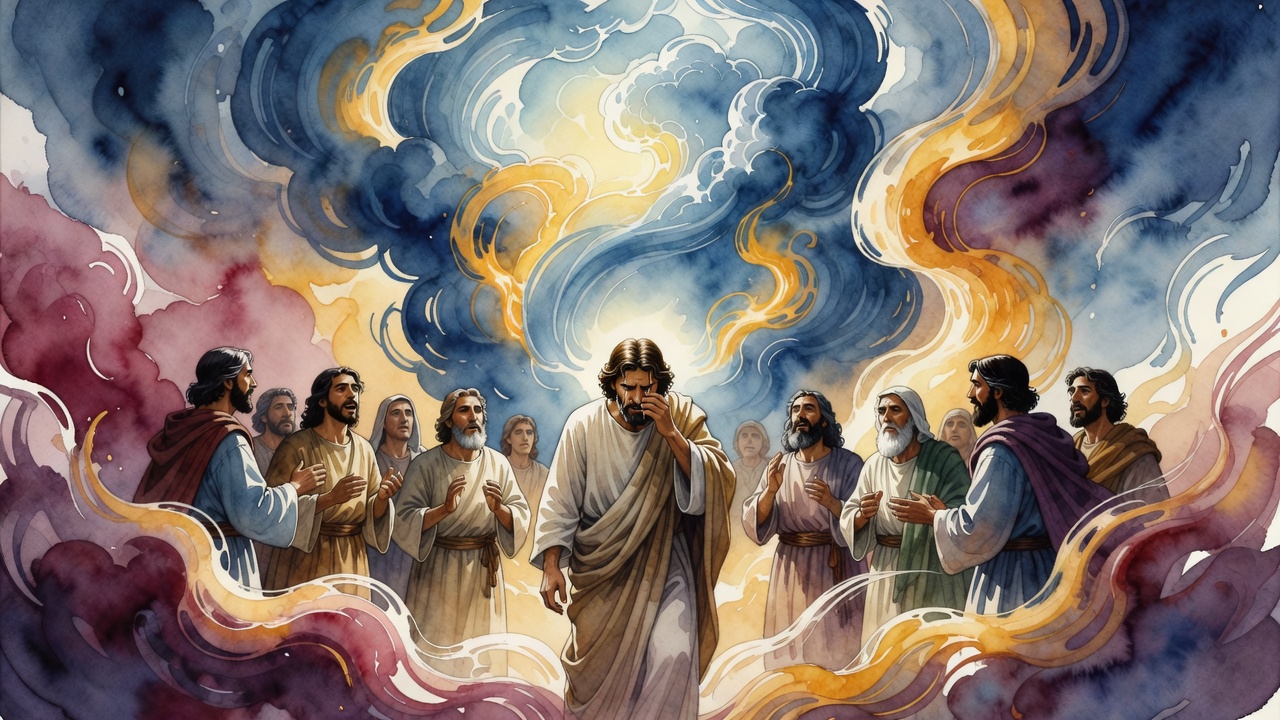
Joseph sent every Egyptian out before he wept. Twenty years of silence broke the moment only his brothers were left to hear it.
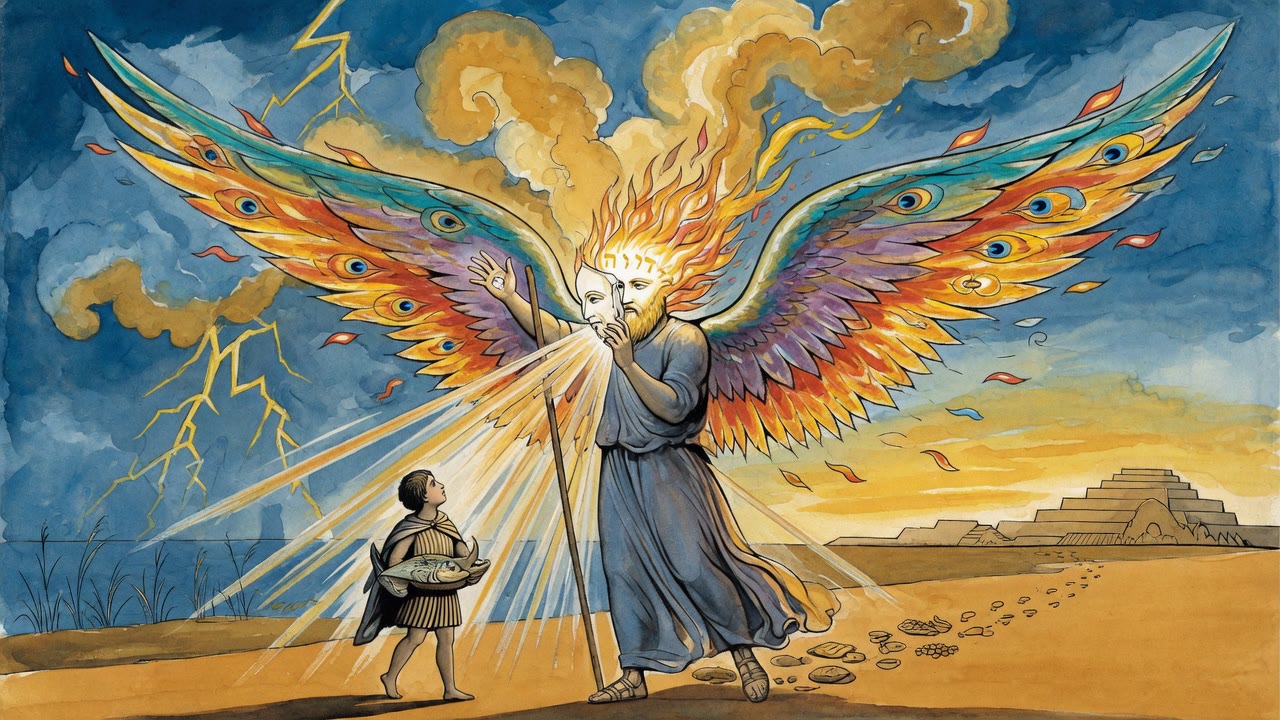
They set half the silver in front of the guide who had walked every mile. He told them to bless God, then said he had never swallowed.
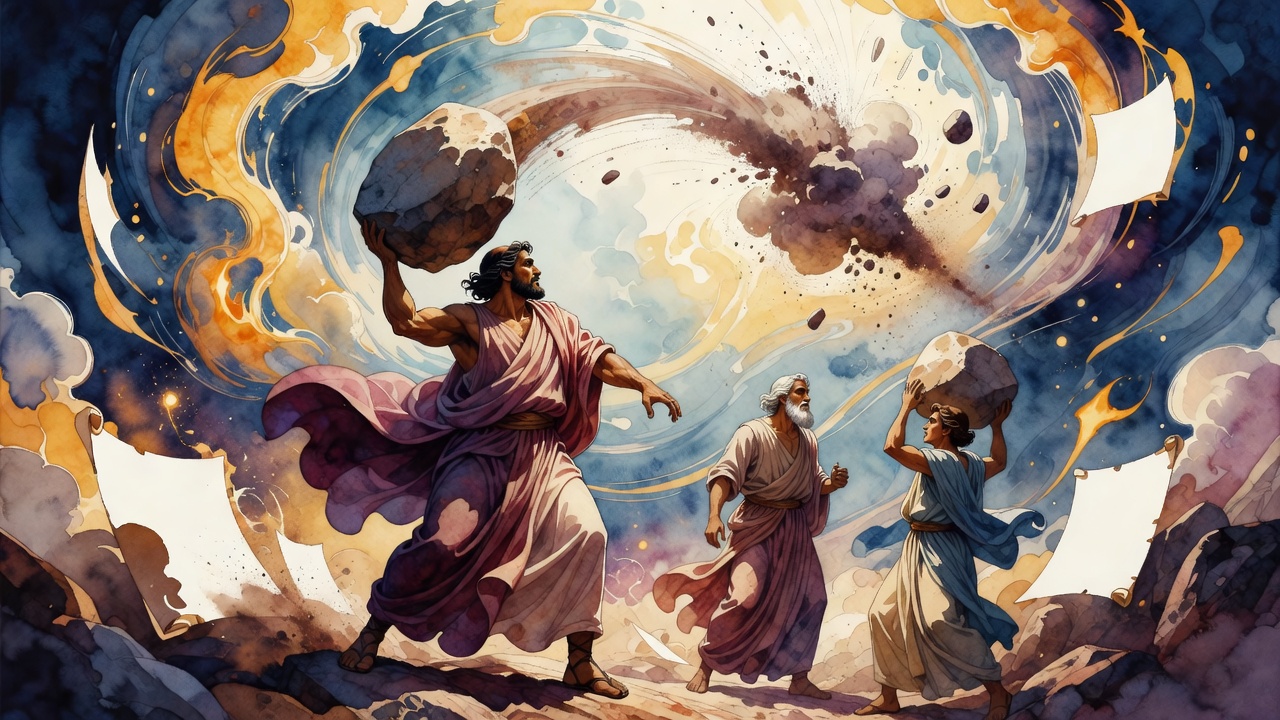
The viceroy would not give Benjamin back. Judah's mouth was empty. He reached for a stone that weighed four hundred shekels.

Tabor still had dry shoulders from the Flood. God sent the tall peaks home and chose the small one that had torn itself from Moriah.
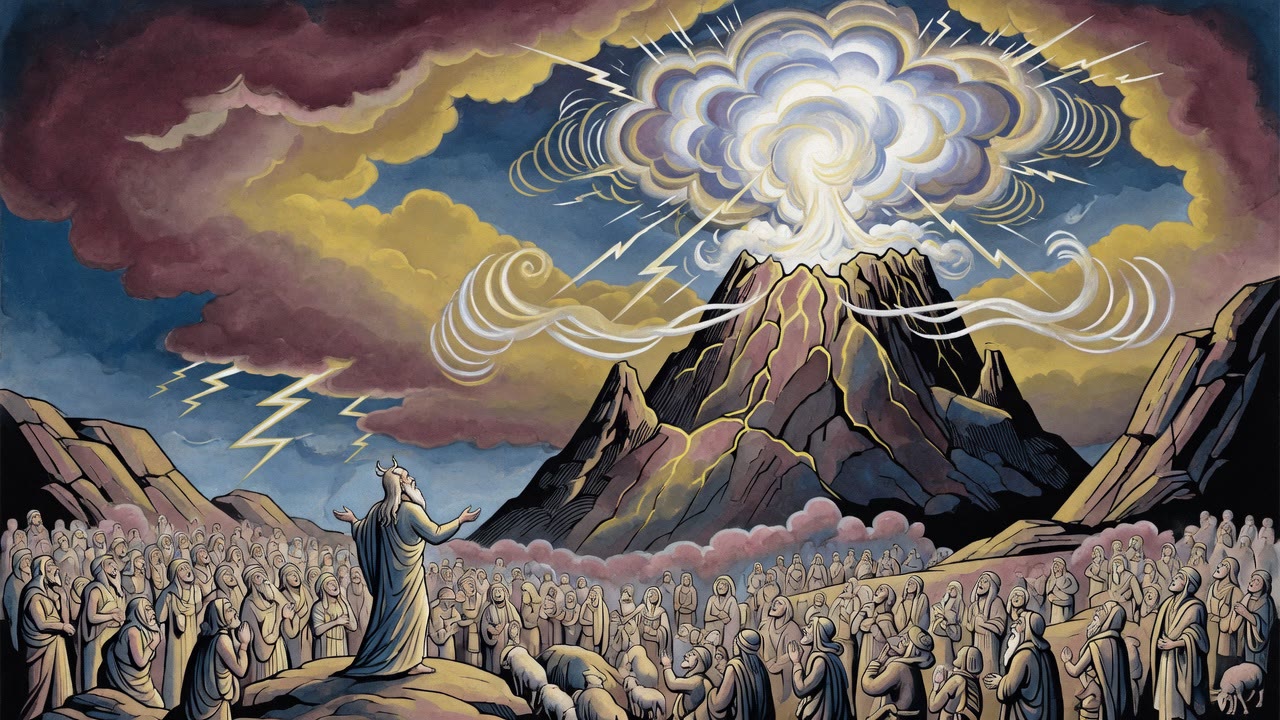
The first commandment killed them. Angels revived the camp and the second killed them again. Only then did they ask Moses to stand in between.
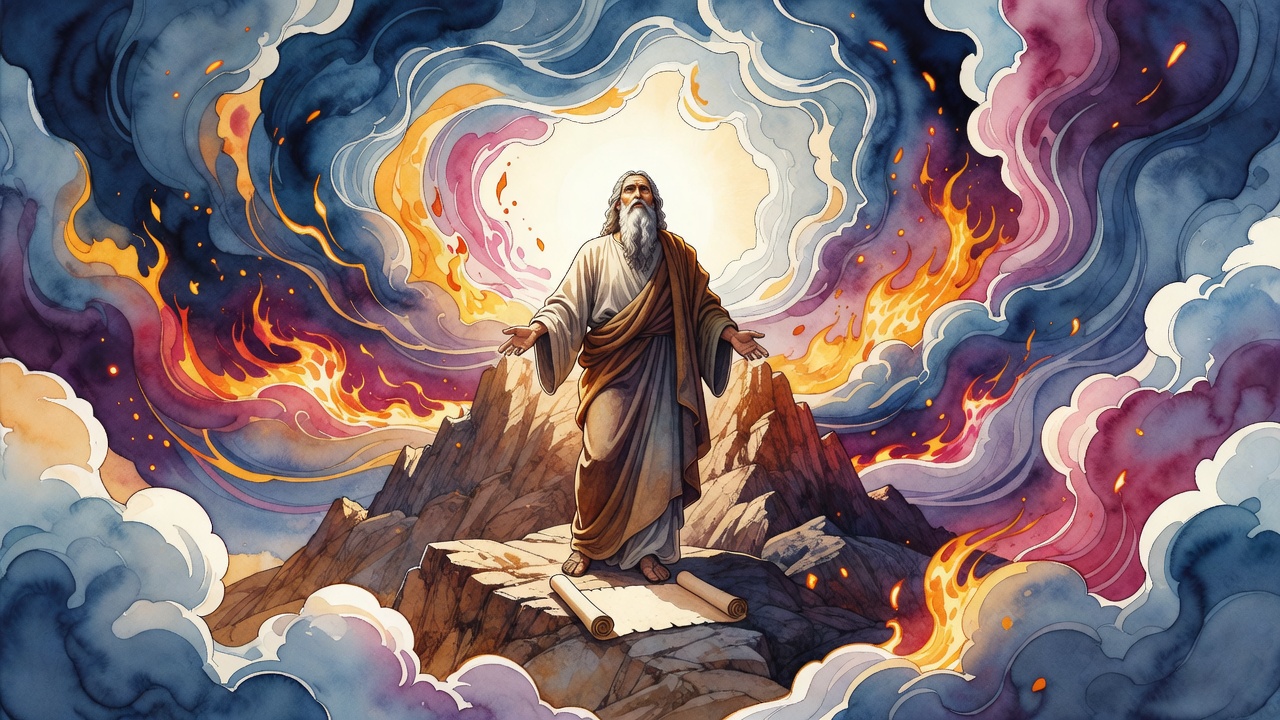
Moses spent forty days on Sinai. The Torah he wrote was only part of what he received. The rest was a light that cannot be carried in letters.
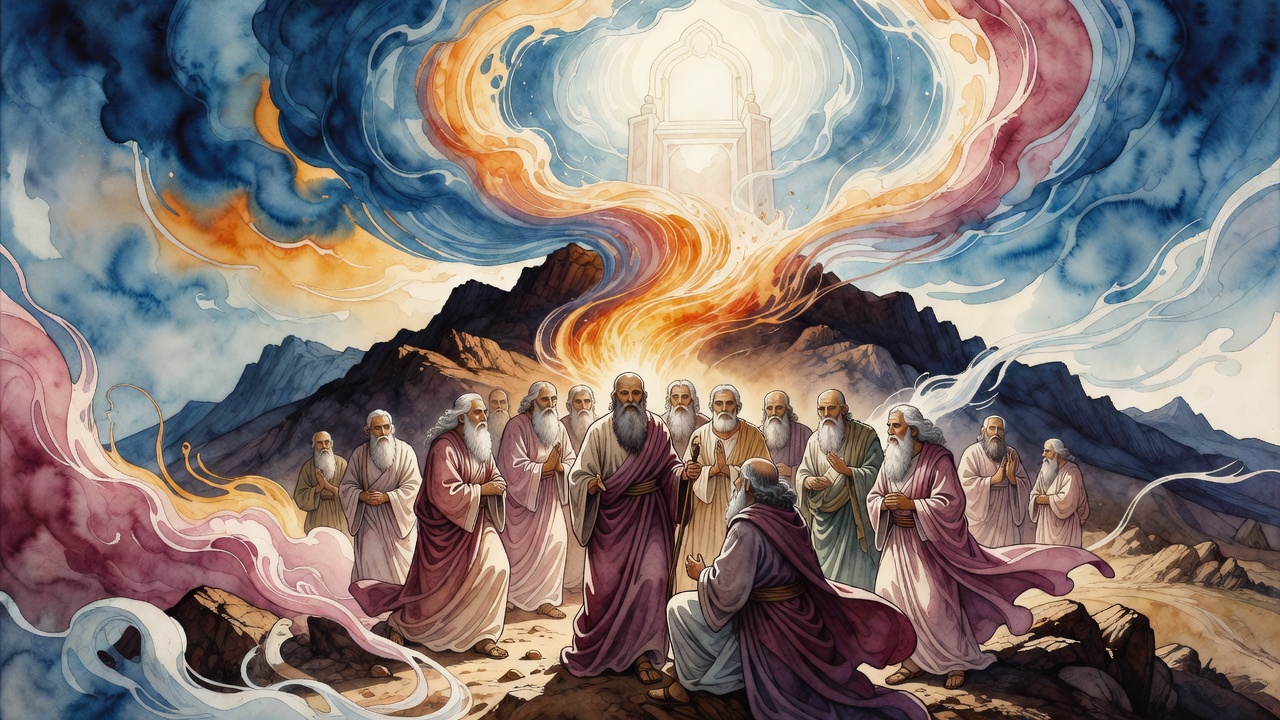
The pavement under His feet was sapphire, clear as sky. The seventy did not dissolve. Hunger returned, and they answered it with a meal.
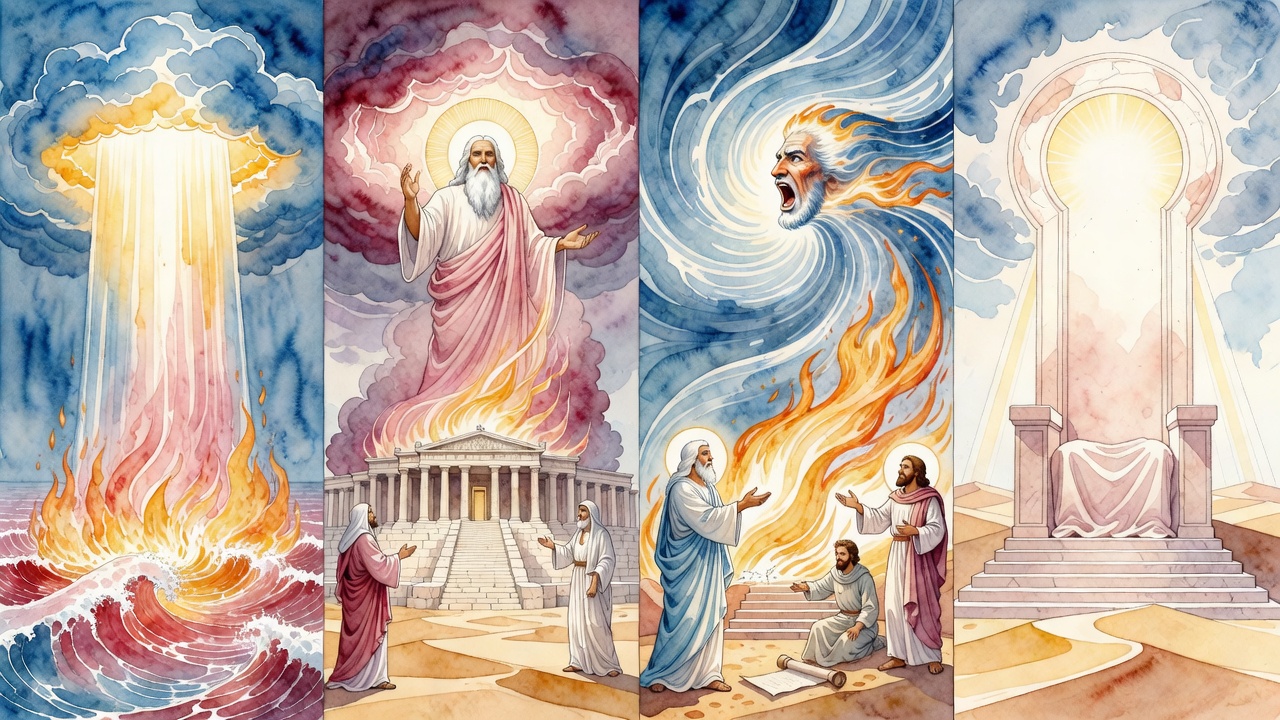
Slaves cried from the brickfields of Egypt. A shepherd appeared among the cherubim. The last fire filled a house so thick the priests could not stand.
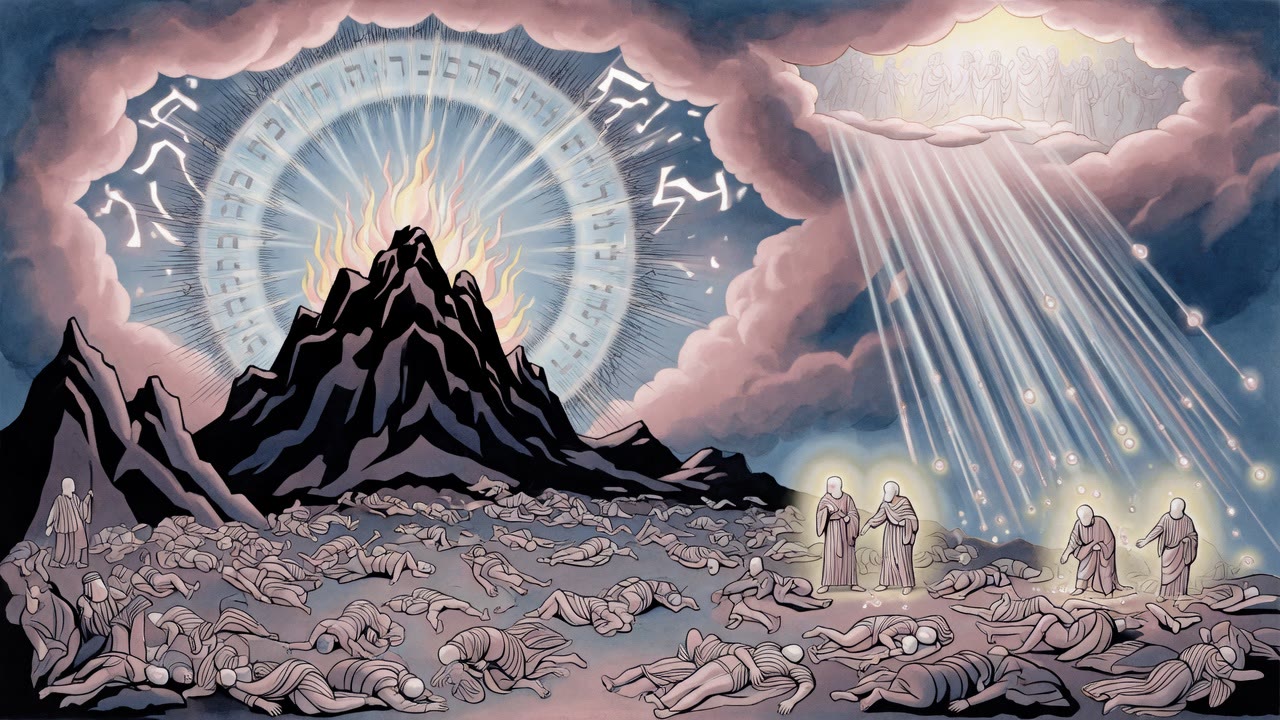
Moses threw the blood of bulls on the people. Then God's voice emptied every body in the camp. Dew saved for the last day woke them.
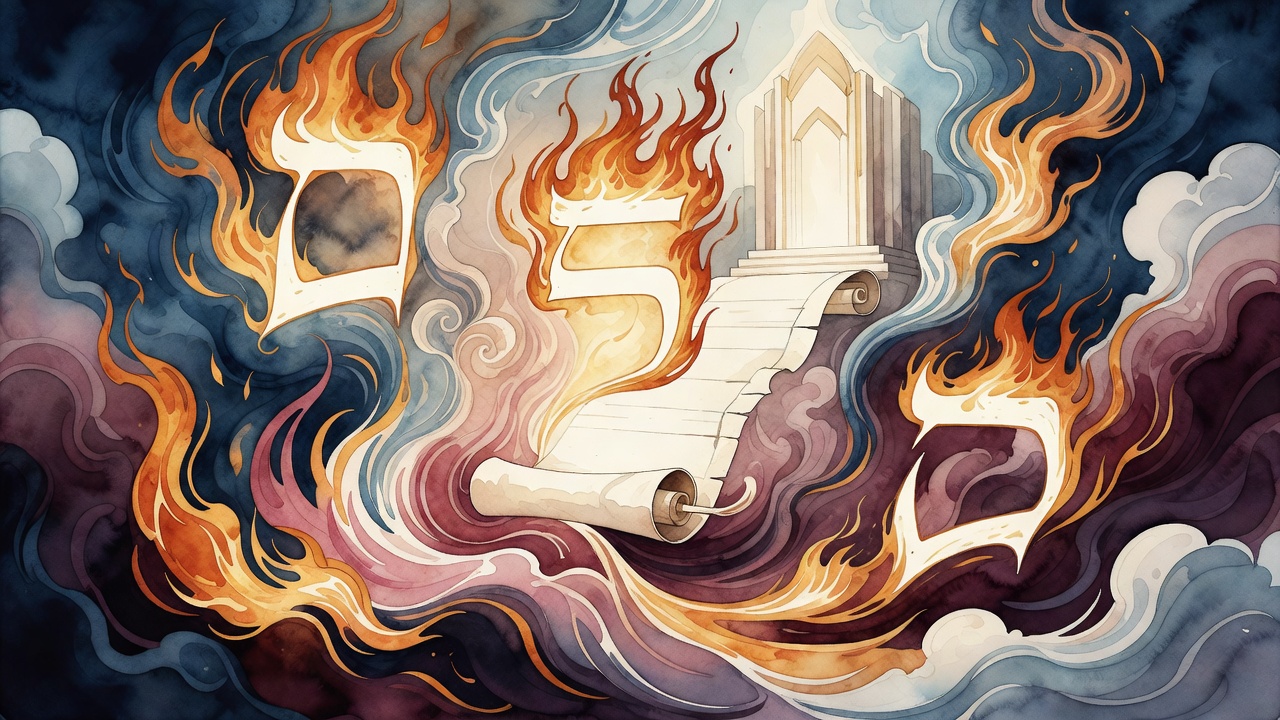
The nations were offered the law first and turned it down. God stood up and shook the earth, and the world came within one answer of ending.
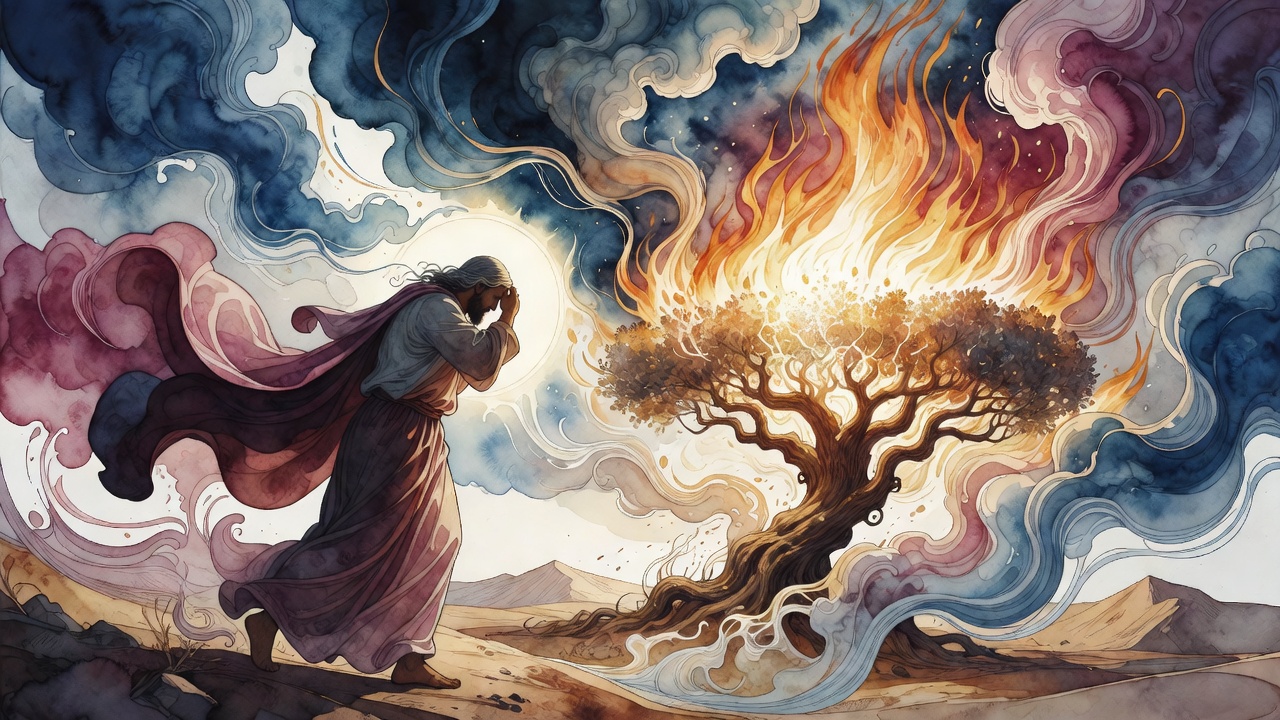
The voice that called him out of the fire was his father's voice, and Amram had been dead for years. Moses answered it before he knew who was speaking.
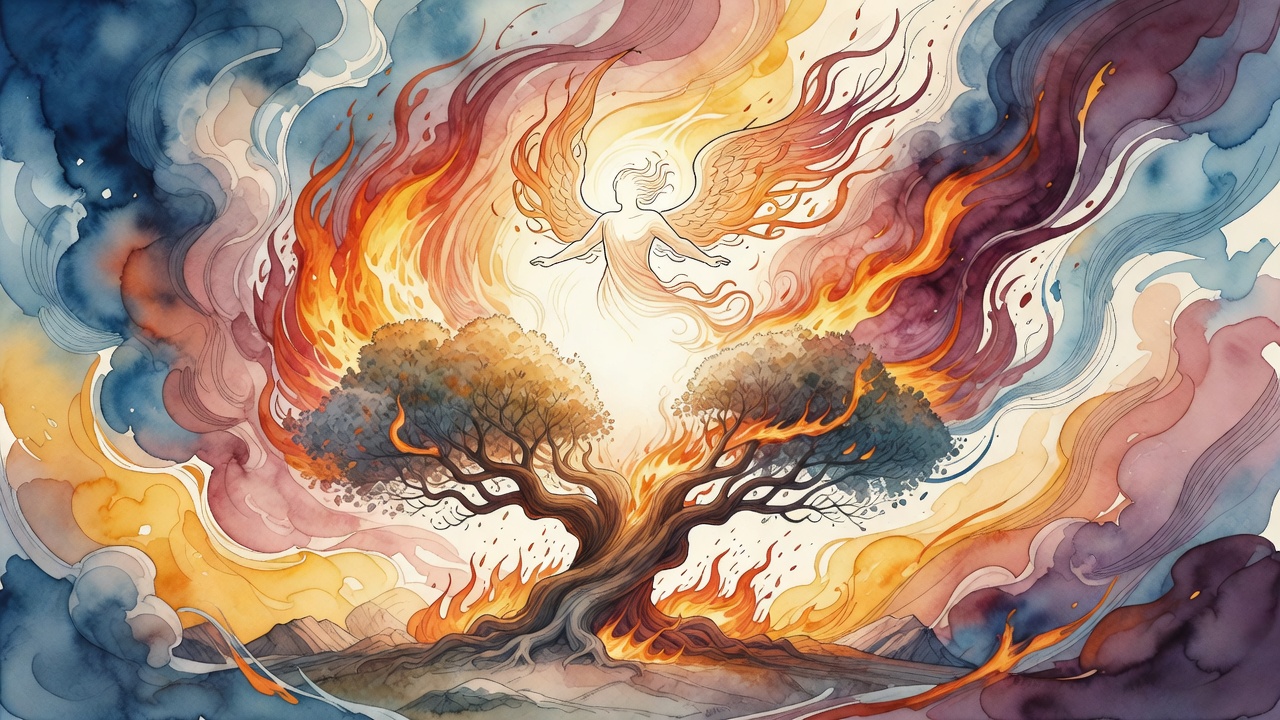
Birds would not land on the mountain. Moses came closer. A black fire sat in the thorns, and the bush still held its blossoms.
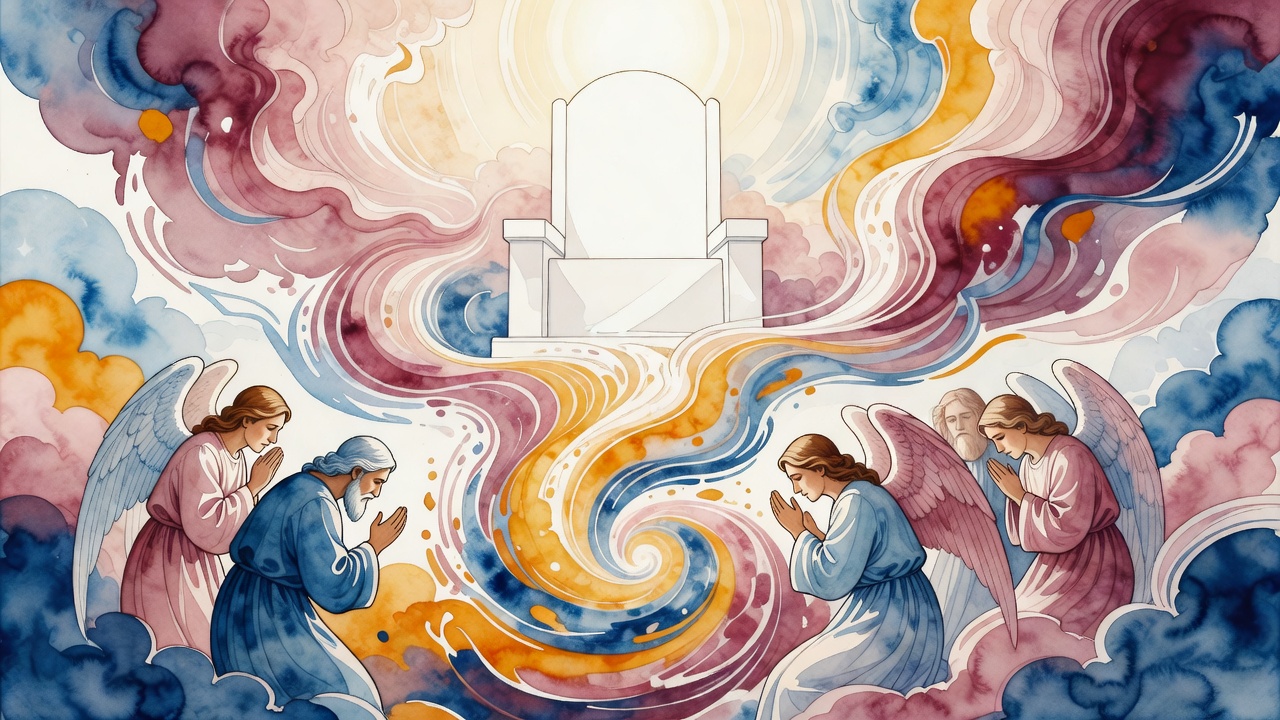
A guarded heavenly secret causes grief among God's own servants until a voice beneath the Throne calls out Rabbi Akiva's name.
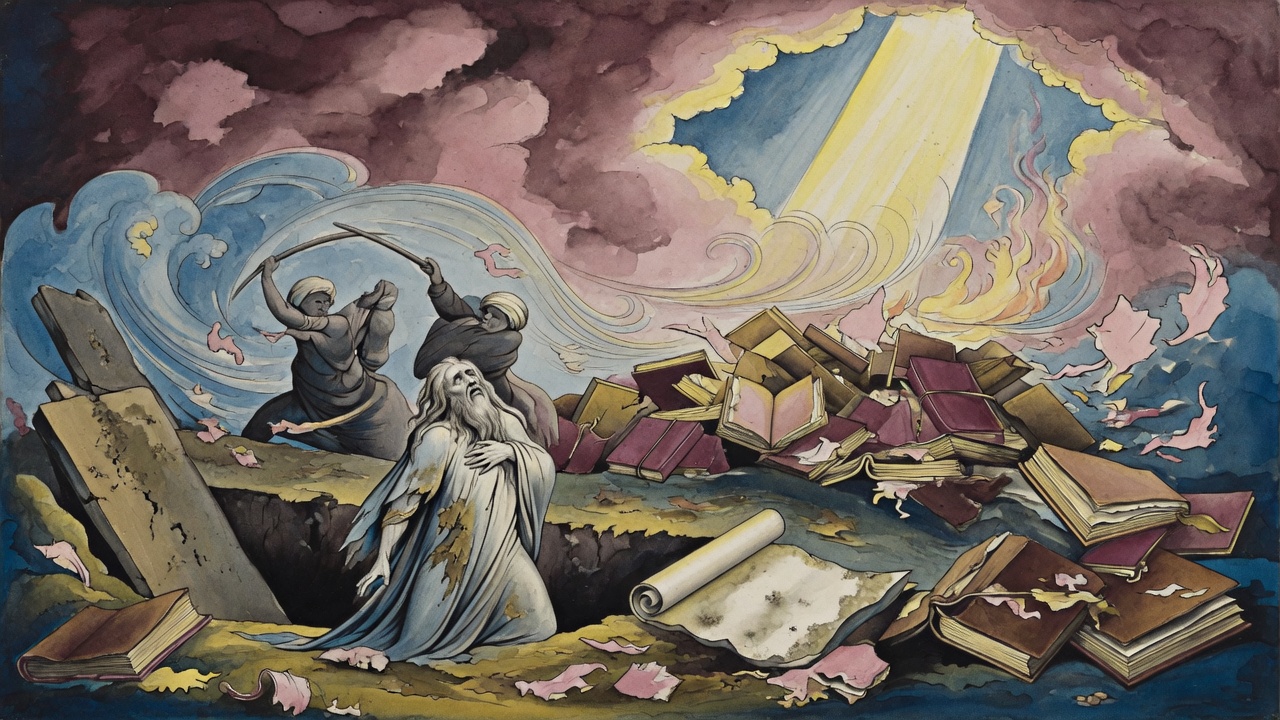
The law had burned with Jerusalem. The tablets were gone. Ezra asked for forty days before heaven took him, and five men who could write fast.
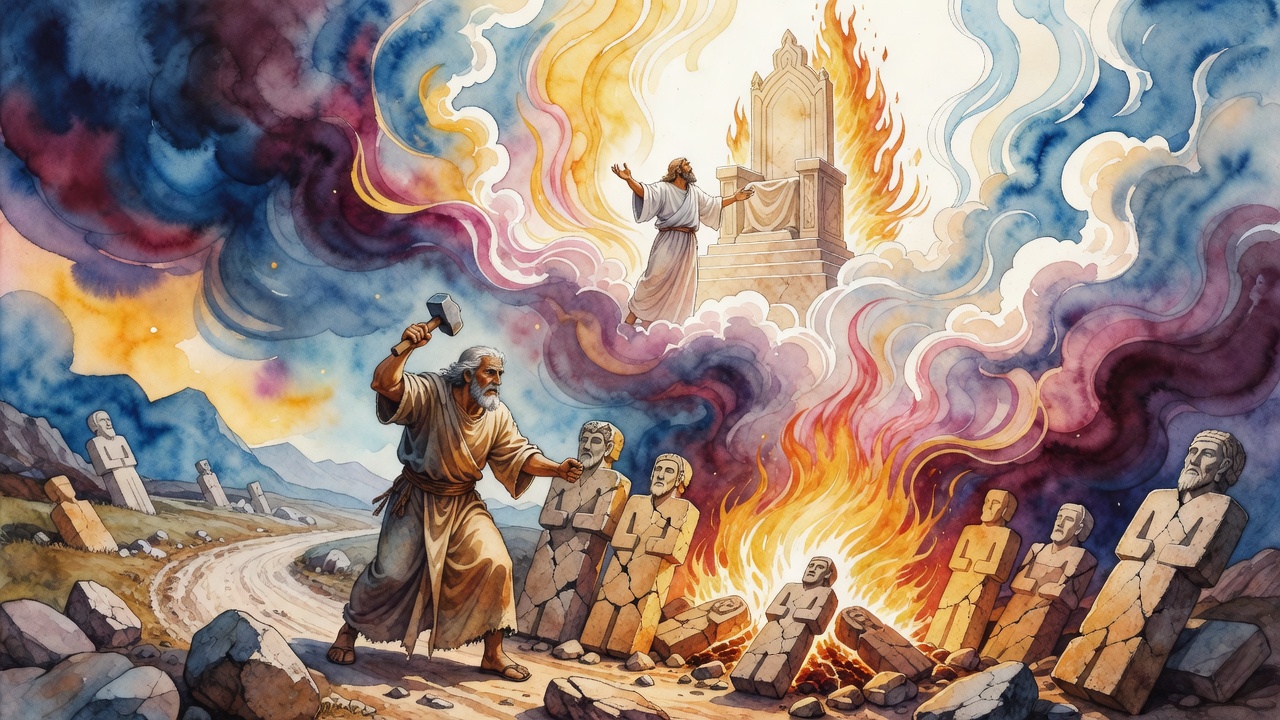
Terah's donkey threw five wooden gods into the road. Three shattered. Abraham threw the fragments in the river, and the river did not answer.
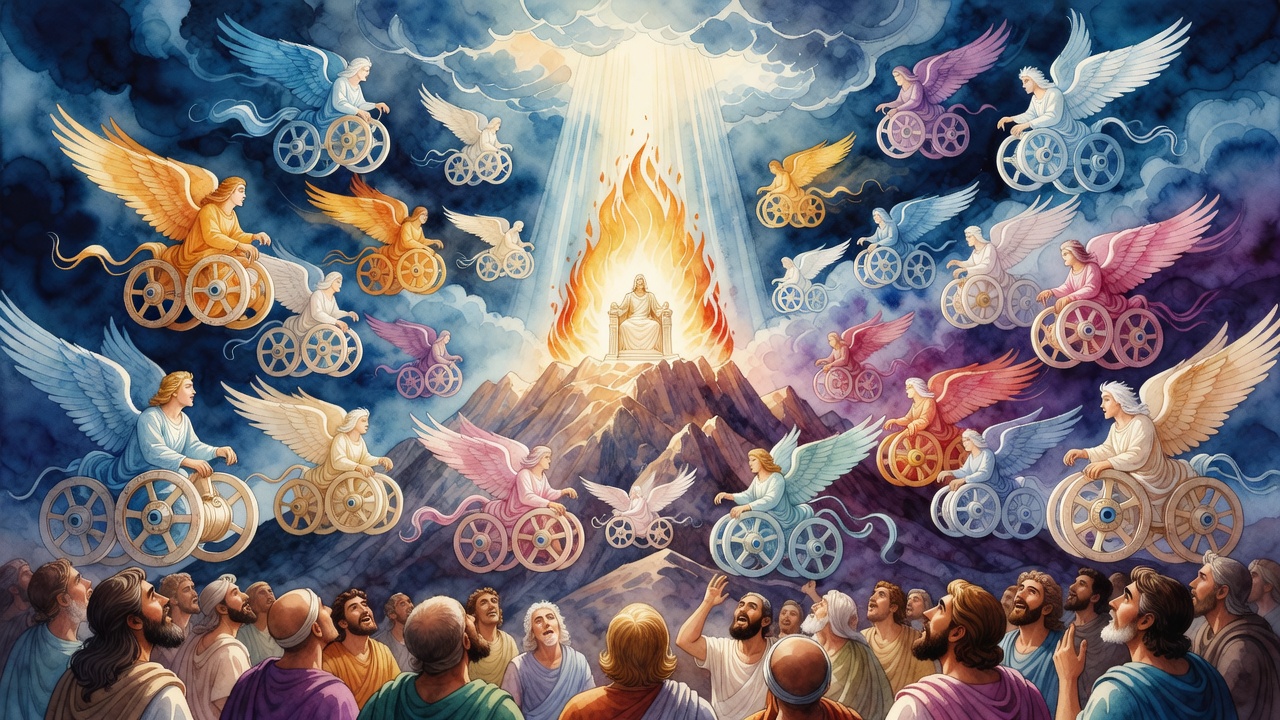
Rabbi Abdimi counted the angels who came down with God at the mountain. Every one of their chariots looked like the one Ezekiel saw by the river.
Amos said God never moves without warning his prophets first. The sages took that one line and built a roll call of everyone who heard the secret early.
