At Sinai the Entire Nation Heard the Voice Directly
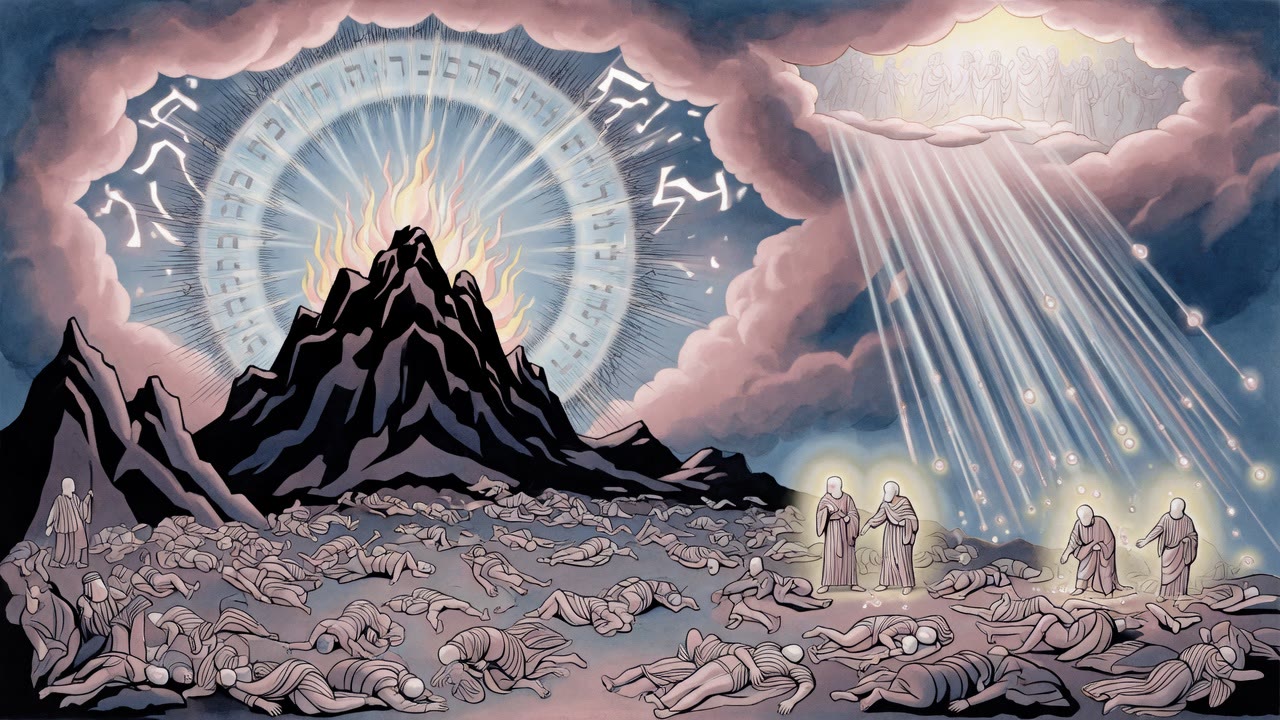
The first commandment killed them. Angels revived the camp and the second killed them again. Only then did they ask Moses to stand in between.
Table of Contents
 Click for full size
Three Days of Preparation for Something No One Could Imagine
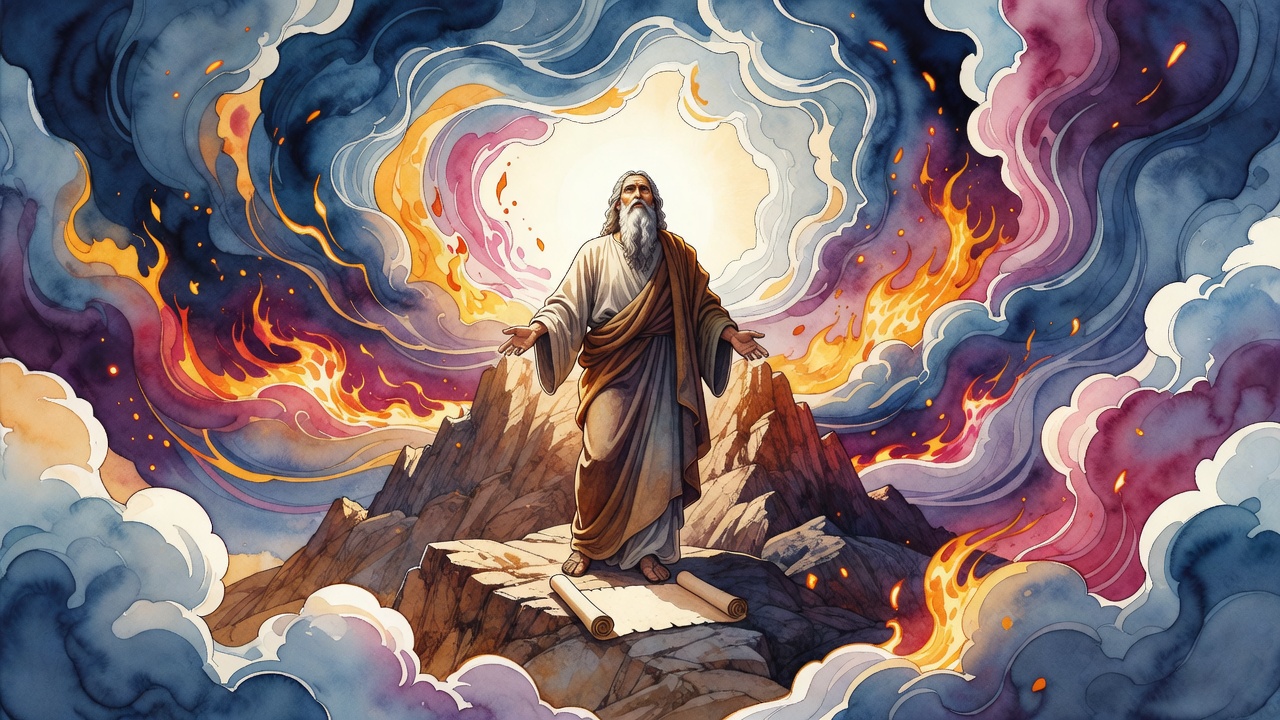
For three days before it happened, Moses walked through the camp telling people to wash their clothes, stay away from their wives, and do not come near the mountain. The boundary stones were set at the base of Sinai, and the instructions were absolute: any person or animal that crossed the line would die. The preparation had the feeling of a formal occasion, but the thing being prepared for had no precedent and no analogy. No one in Israel had experienced what was about to happen. The washing and the waiting were the only posture available.
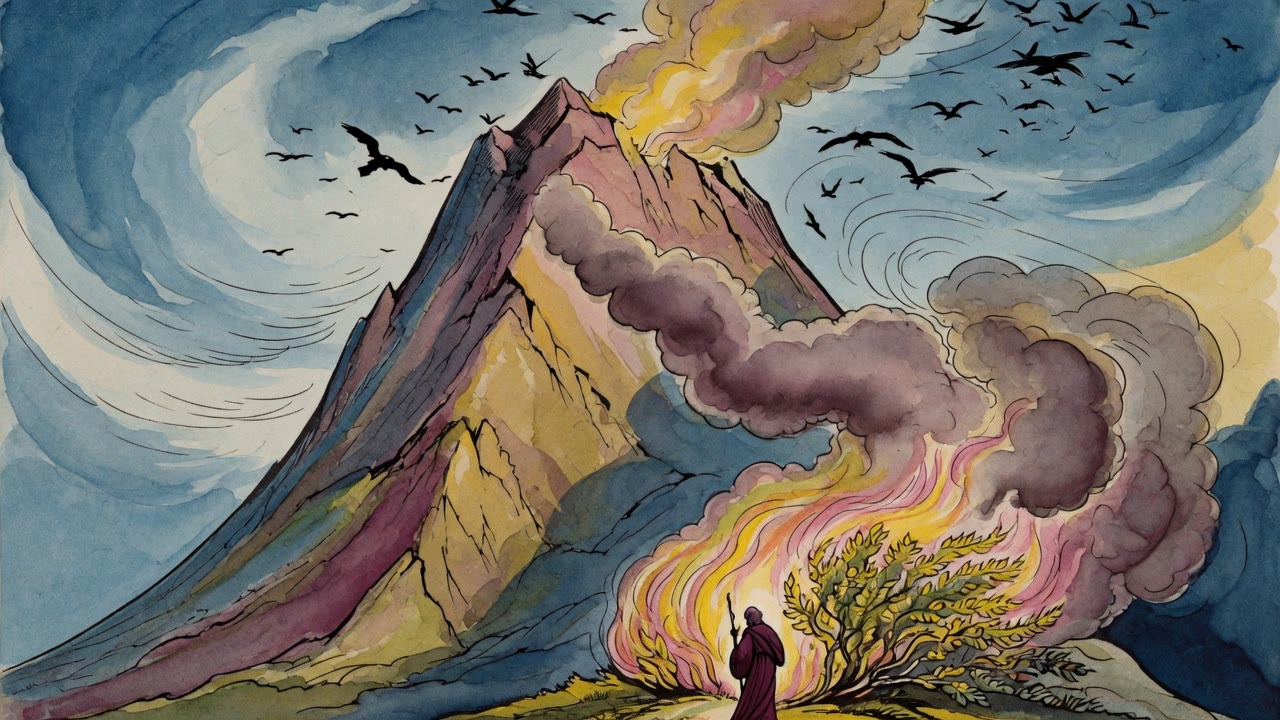
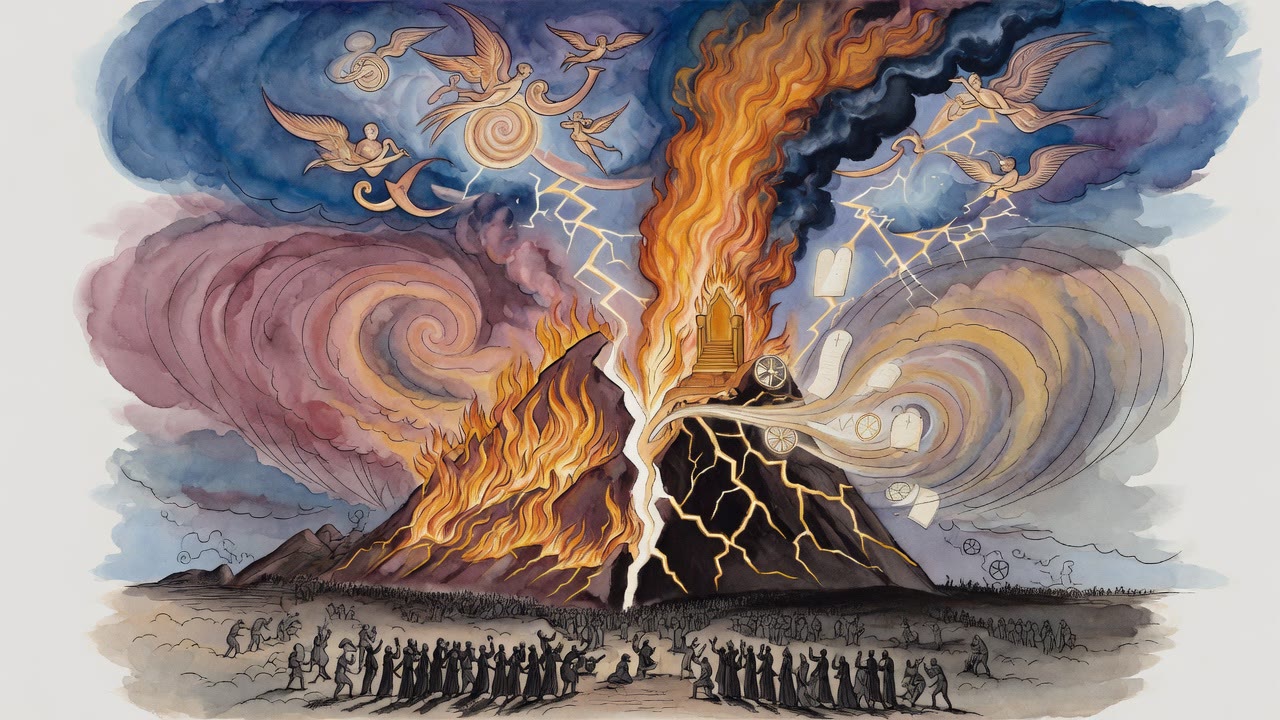
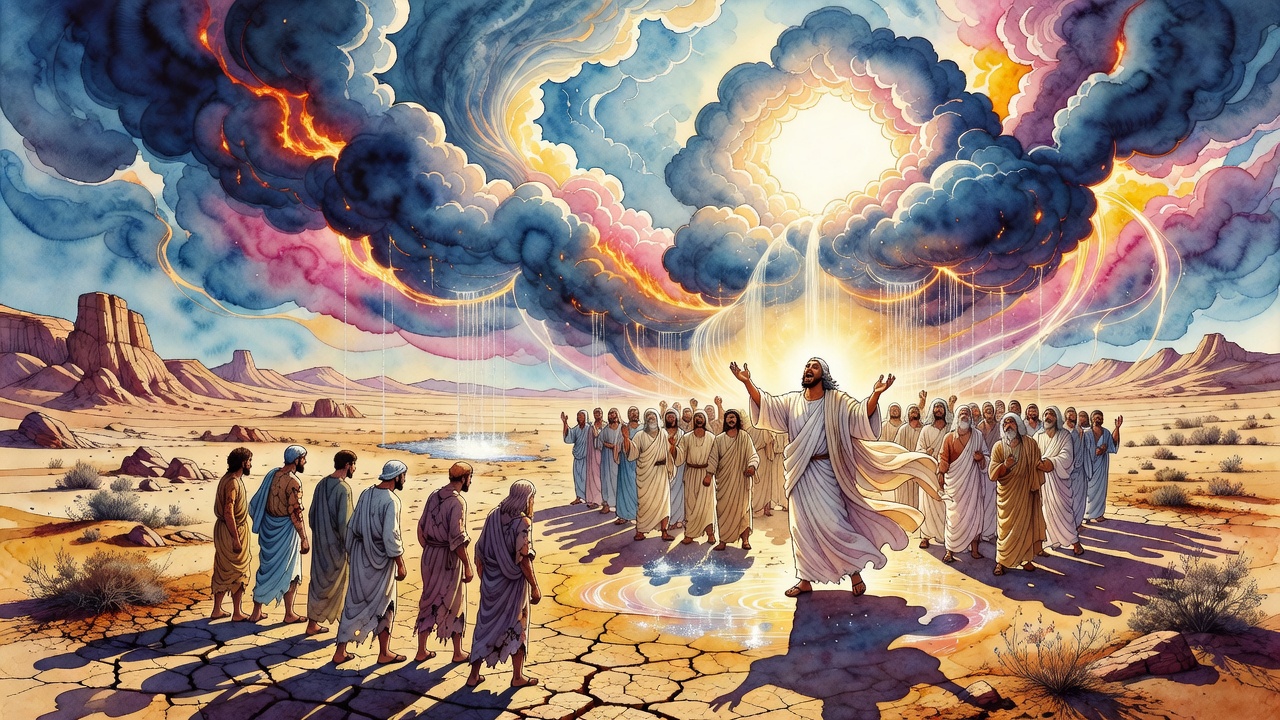
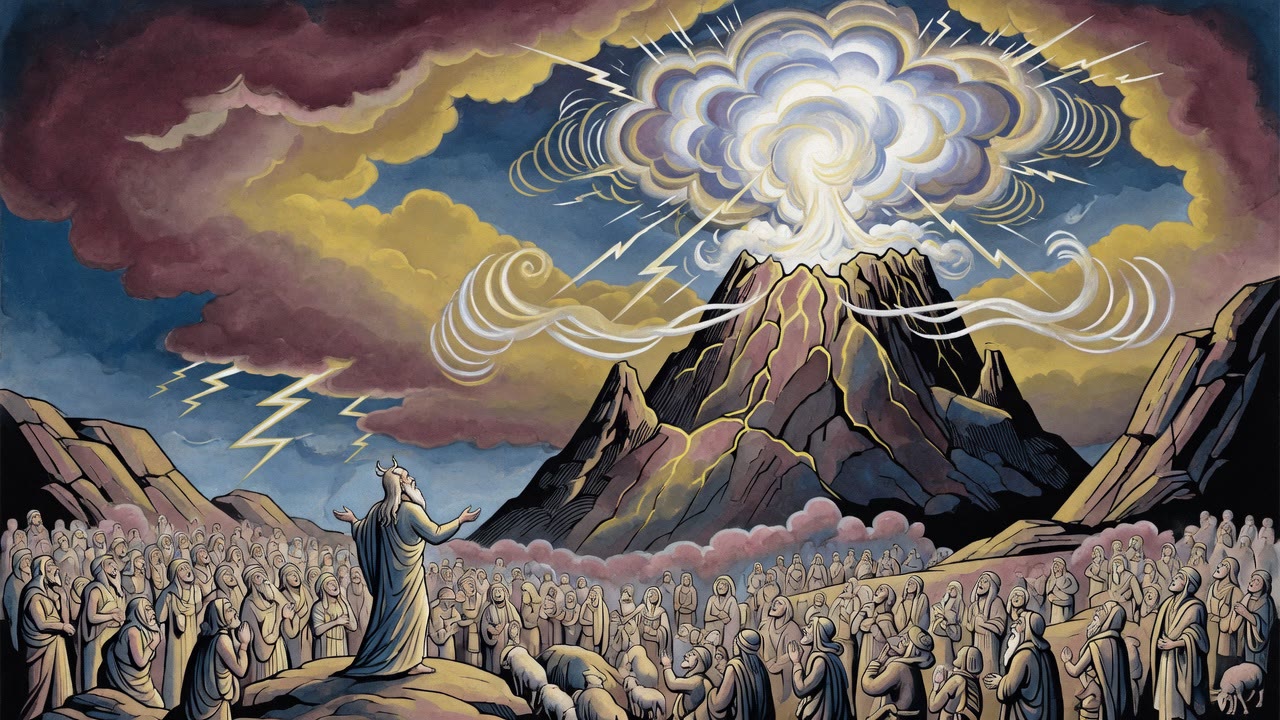
On the third morning, before sunrise, the cloud came down. It was not a weather cloud. It swallowed the mountain and then expanded outward to cover the entire camp, and inside it the normal rules of atmosphere stopped applying. Thunder, lightning, and dense cloud all operated simultaneously while the surrounding sky remained clear. A sound like an enormous shofar (a ram's horn blown as a signal) grew louder and did not stop. The people came out of their tents trembling and stood at the base of the mountain.
How the Voice Fell on Six Hundred Thousand
What happened next was not what the people expected. The tradition is precise on this point. God did not speak to Moses and then send Moses back down with a transcript. God spoke directly, and the voice reached every person in the camp at once. Not an echo, not a broadcast that diminished with distance, not a message passed through an intermediary and subject to the distortions of transmission. The same voice, the same words, heard simultaneously by six hundred thousand men plus the women and children who were there with them.
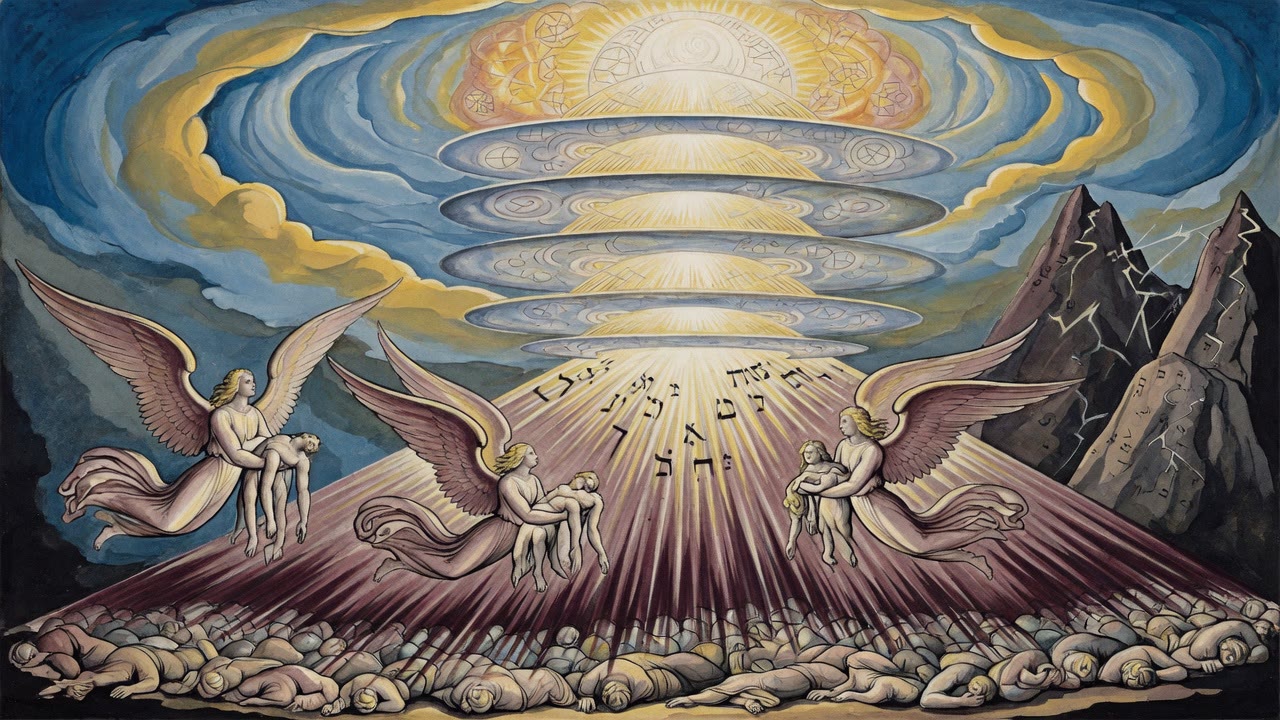
The Midrash preserves the physical experience of what that meant. When the voice began, the Israelites heard the first commandment and died. Not metaphorically. They fell backward, dead from the force of the divine speech hitting them directly. Angels came and revived them. They heard the second commandment and died again. After the second revival, they begged Moses to stand between them and the voice. "We will hear everything you transmit to us," they said. "But we cannot survive hearing God directly." The request was not weakness. It was an accurate assessment of their condition.
The Voice That Split Into Seventy Languages
One of the most striking traditions in the Midrash concerns not the volume or force of the Sinai voice but its range. When God spoke at Sinai, the voice divided. It split into seventy separate streams, one for each of the seventy languages of the nations, so that the revelation was offered not only to Israel but to every people on earth simultaneously. Every nation heard it in its own tongue. Every nation refused it, each for its own reasons, citing the commandments that would require them to give up what they would not surrender. Israel alone accepted.
The rabbis drew from this a conclusion that shaped Jewish theology for centuries: the Torah was not given to Israel because Israel was the only people God addressed. It was given to Israel because Israel was the only people that said yes.
Moses Heard What No One Else Did
After the people asked Moses to serve as intermediary, God agreed. Moses went up. He received the full Torah in detailed form, the written and the oral together, and came back down forty days later with two tablets of stone. The Midrash records that Moses heard a version of the divine voice at Sinai that was distinct even from what the people had heard: he heard it from between the two cherubim above the Ark, where the voice narrowed to something a human could stand before without dying, a sound shaped for one person in a way the broad communal revelation had not been. The people had heard the voice of God addressing a nation. Moses heard the same voice addressing him.
← All myths