What Moses Received at Sinai That He Could Not Write Down
Moses spent forty days on Sinai. The Torah he wrote was only part of what he received. The rest was a light that cannot be carried in letters.
Table of Contents
 Click for full size
Moses Climbs Into the Cloud
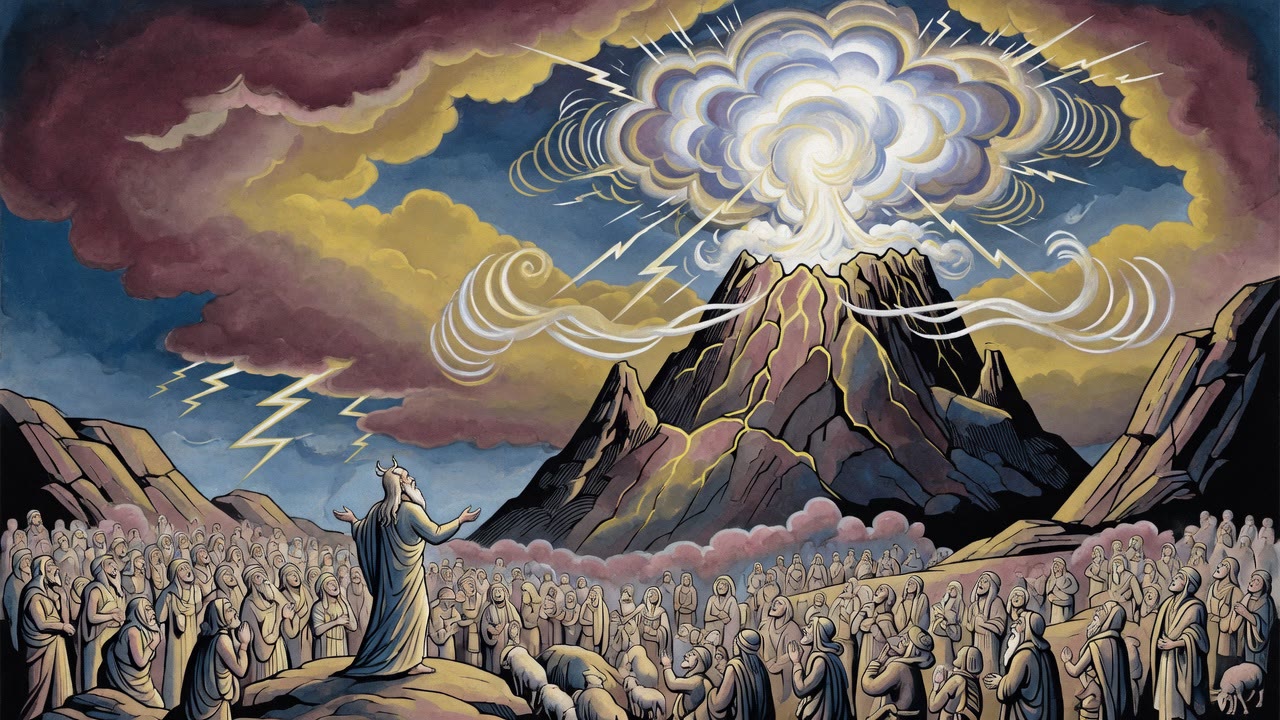
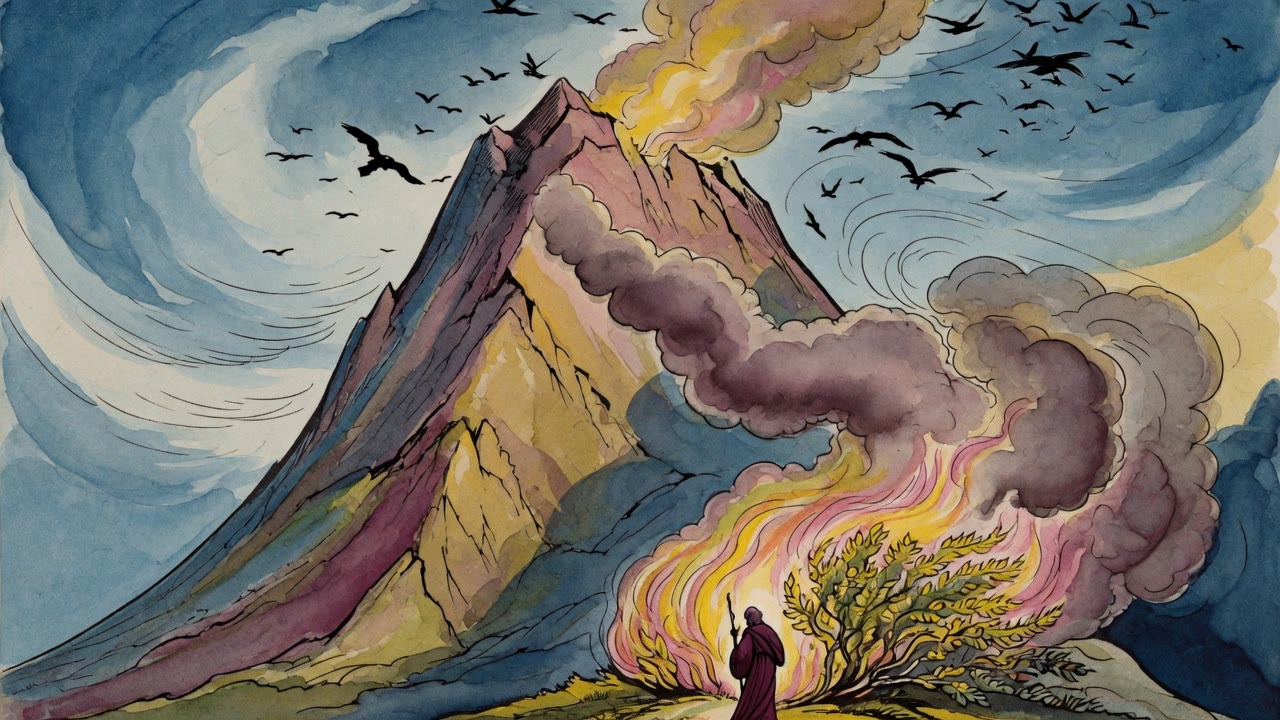
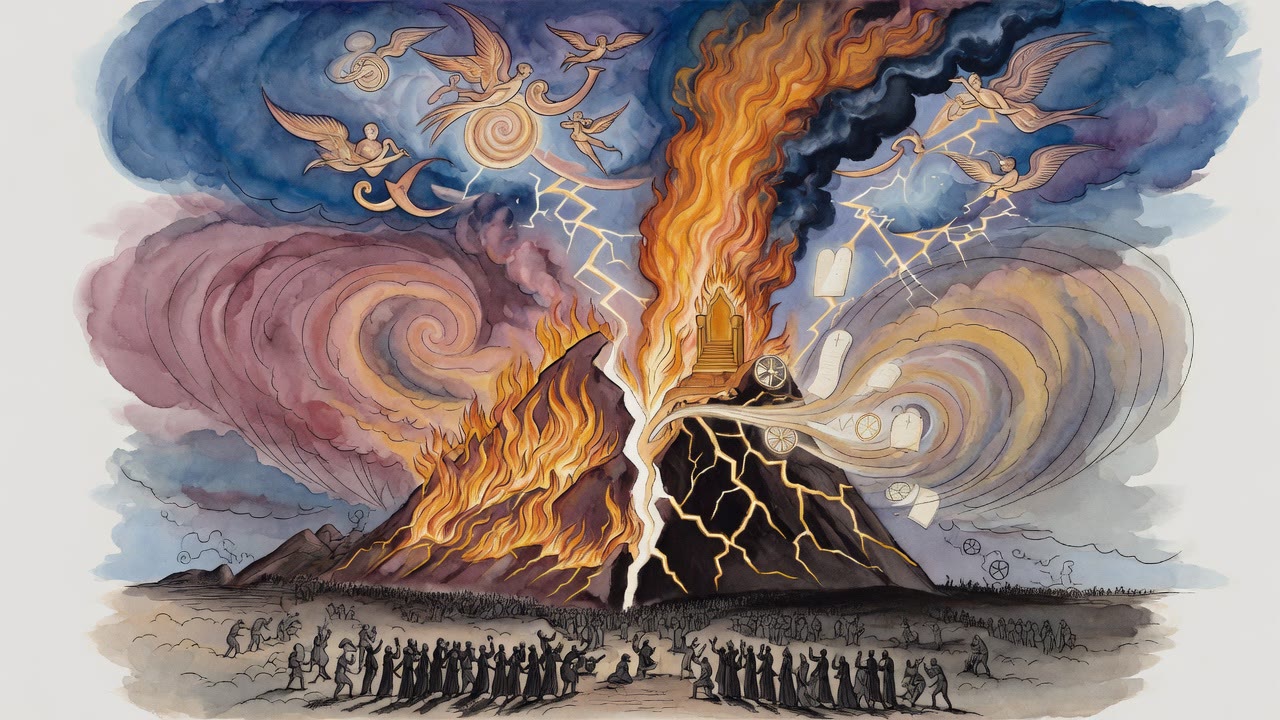
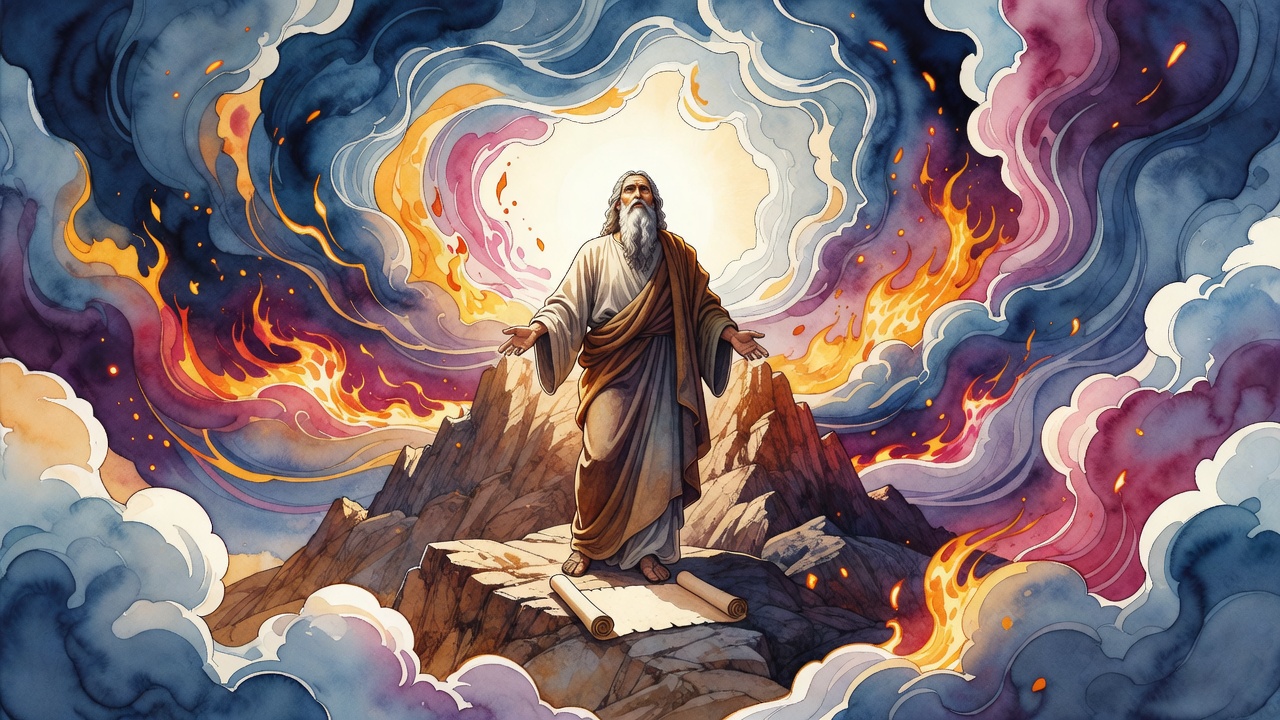
He had been up the mountain before, to receive the first tablets, and those he broke when he came down and saw the golden calf. Now he climbed again. God told him to cut two stone tablets like the first, and he would write on them the same words. Moses cut the tablets, rose early, and climbed. He was in the cloud on the mountain for forty days and forty nights. He did not eat bread. He did not drink water. When he came down, he did not know that his face was radiating light.
The Kabbalists read this sequence and found a problem no one else wanted to acknowledge. The written Torah, the five books that Moses transcribed letter by letter, was not forty days of material. The oral Torah, the interpretations and legal expansions that the rabbis would spend centuries unfolding, might require more time to transmit. But the Tikkunei Zohar points toward a third element of the transmission, something that has no letters at all, that cannot be written or spoken, that can only be received by someone whose perception has been altered at the source. Forty days suggests this third element was not small.
The Third Layer Without Letters
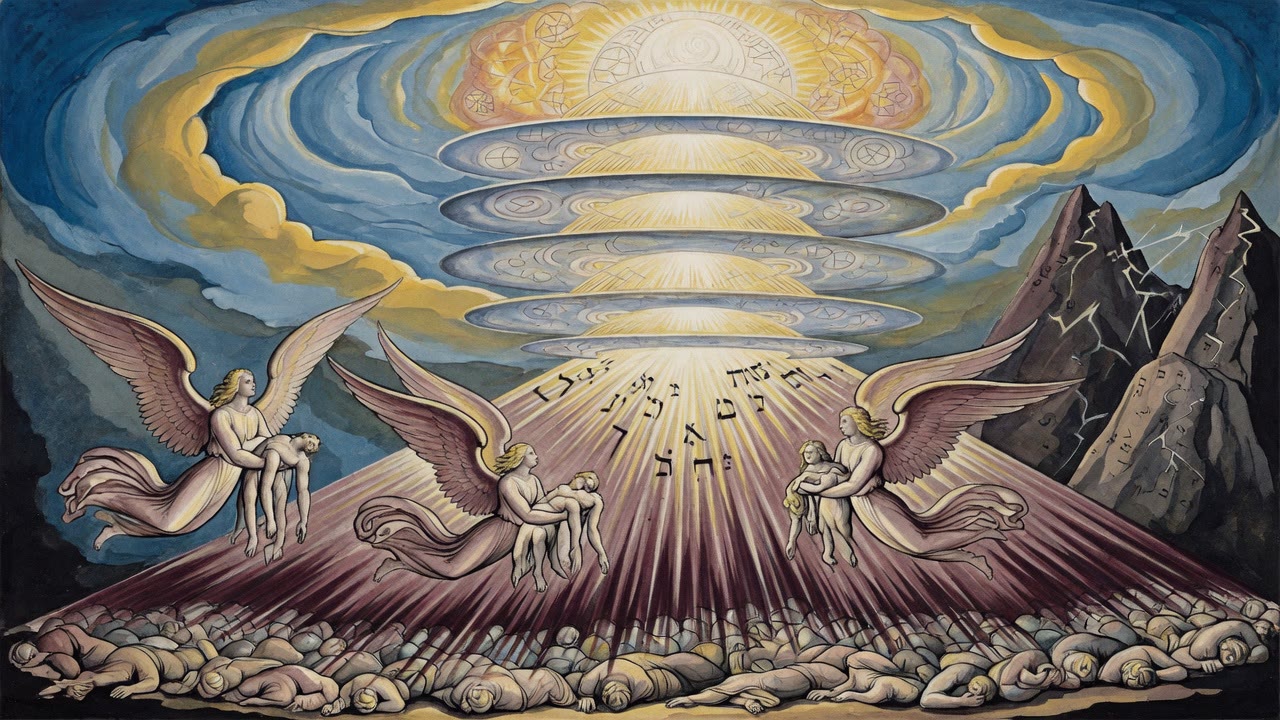
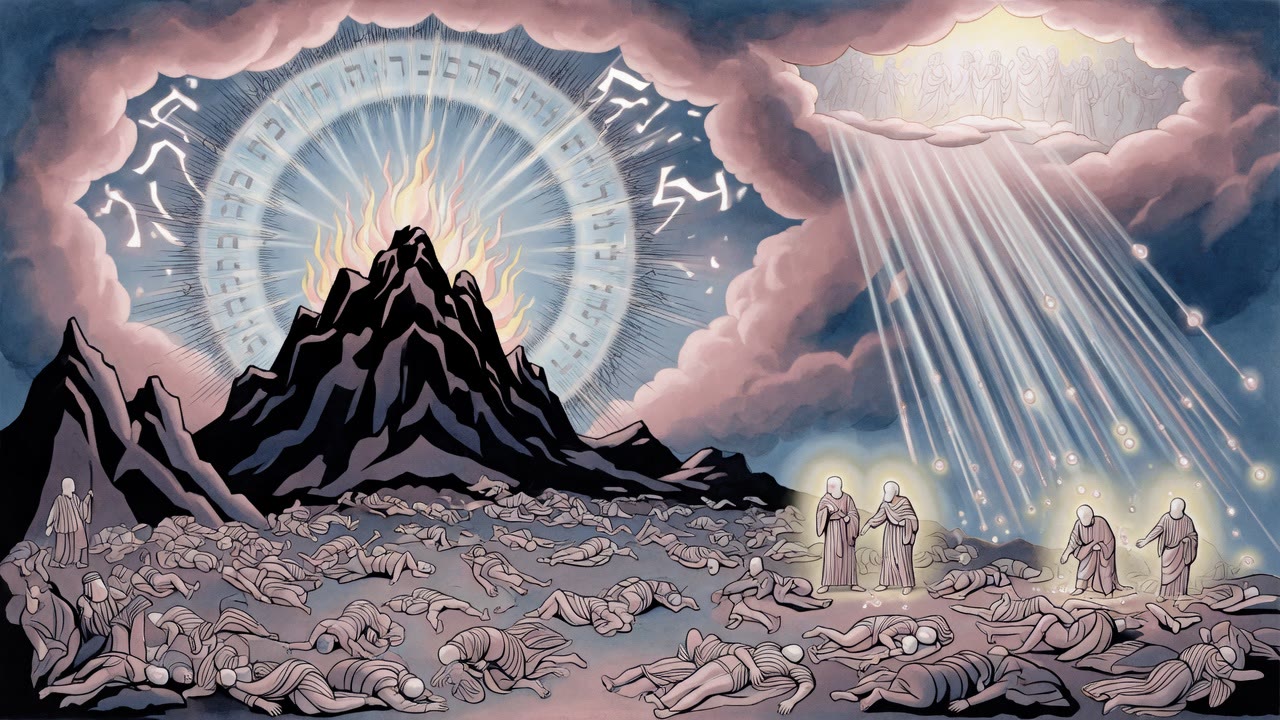
The Tikkunei Zohar, the collection of seventy mystical treatises composed in thirteenth-century Castile as an extended companion to the main body of the Zohar, names this third layer. It is the or ganuz, the hidden light, the primordial illumination that God created on the first day of creation and then concealed before the sun and moon existed. God hid this light because the world as it would develop could not contain it, because the wicked would misuse it, reserving it for the righteous at the end of days when the world would be capable of what it currently is not.
Moses encountered this light on Sinai. He did not receive a transcript of it, because light without a vessel has no transcript. He received it directly, the way vision receives color, without intermediate description. The forty days on the mountain were the duration required not for dictation but for absorption: the process by which a human mind, even a mind as prepared as Moses's, could hold the primordial light without being undone by it.
Why Moses Did Not Know His Face Was Shining
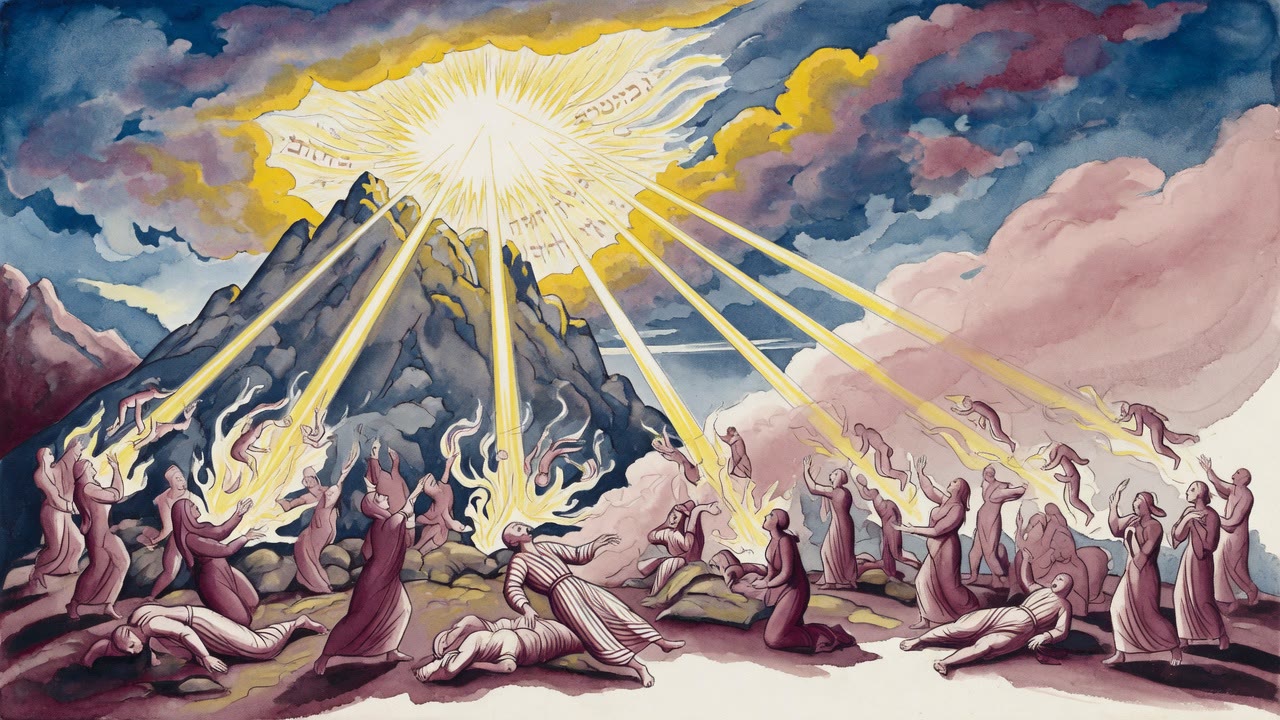
When Moses came down from the mountain, Aaron and all the children of Israel saw that the skin of his face was sending out rays, and they were afraid to come near him. Moses did not know. The text is specific about this: he did not know that the skin of his face was radiating. He had been so thoroughly inside the light that he could not perceive its effect on his own body from the outside. He only learned what had happened to him from the fact that people were afraid to approach.
The Tikkunei Zohar reads Moses's unawareness as evidence of the depth of the transmission. A person who receives something merely intellectual knows they have received it. A person who receives something at the level of the hidden light becomes that light temporarily, and while you are the light, you cannot observe the light from outside yourself. Moses came down transformed but observing himself from inside the transformation, unable to see what everyone else could see: that his face had become a window onto the Sinai cloud, that the source was still visible in him, that the forty days had left a mark on the body that the body did not register as a mark.
The Heavenly Tablets and the Oral Transmission
The tradition about heavenly tablets given to Moses on Sinai, tablets that preexisted the stone he cut himself, adds another layer to the forty-day transmission. These tablets bore not only the written commandments but the interpretive tradition, the oral Torah that would later travel through the chain of rabbinic transmission from Moses to Joshua to the elders to the prophets to the Men of the Great Assembly. The written Torah could be carried on stone. The oral Torah could be carried in memory and voice. But the hidden light could only be carried in the body of the person who had received it, and it radiated from Moses's face until he covered it with a veil, protecting the people from a brightness they were not yet ready to absorb without mediation.
Mount Sinai itself, the Tikkunei Zohar notes, has not seen Moses since the Torah was given there. The mountain is waiting. The giving of Torah was the moment of contact between the hidden light and the human world, the event from which the rest of history is downstream, the moment that Mount Sinai was chosen and used and then left, quiet, its purpose fulfilled but its memory permanent.
← All myths