Why God Grieved the Day He Gave the Torah
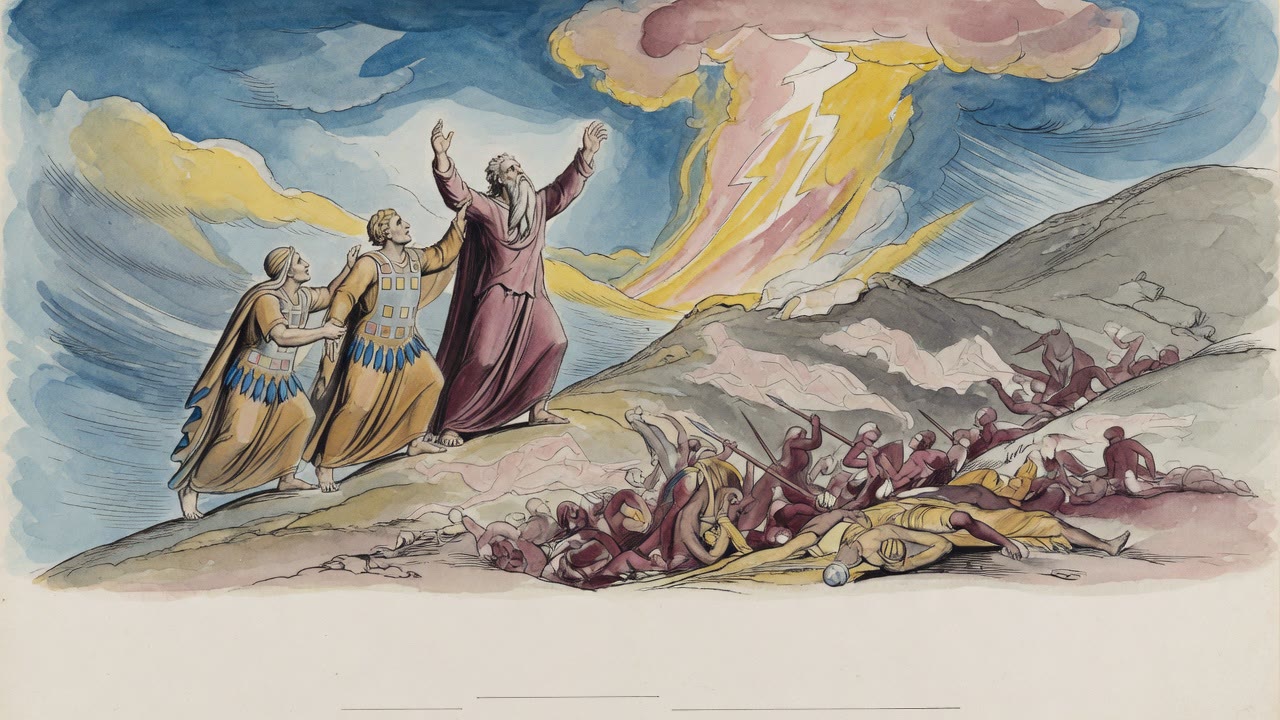
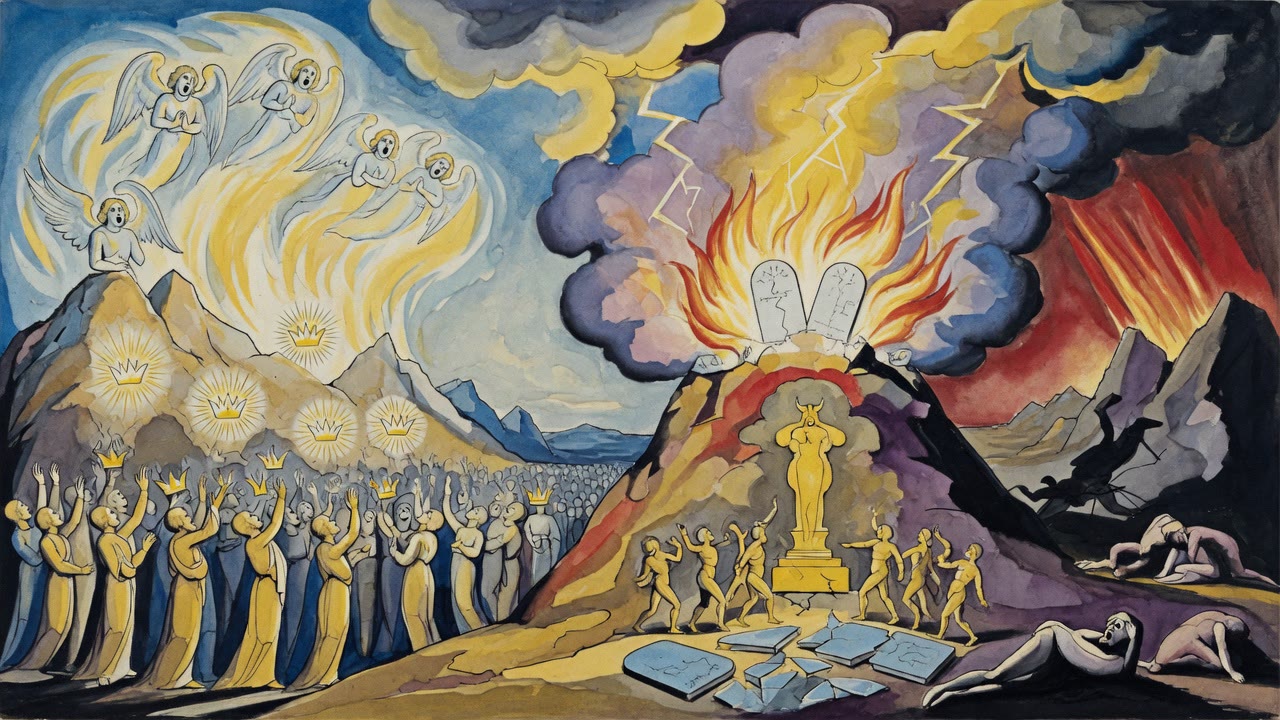
At Sinai the angels sang and Israel received crowns, but God already saw the calf, the broken tablets, and death returning to the camp.
Table of Contents
 Click for full size
Everyone Was Singing Except God
Israel sang because faith had filled them past speech. Six hundred thousand people stood at the base of a mountain wrapped in fire and cloud and they sang, because there was no other adequate response to what they were experiencing. The angels sang because heaven had bent low enough to touch the earth, which happens rarely enough to warrant extraordinary celebration. The mountain itself trembled with the weight of what was on it, and the nations of the world, who could hear the sound from a distance, turned to each other and asked what it was. Creation participated in the day.
God was not singing.
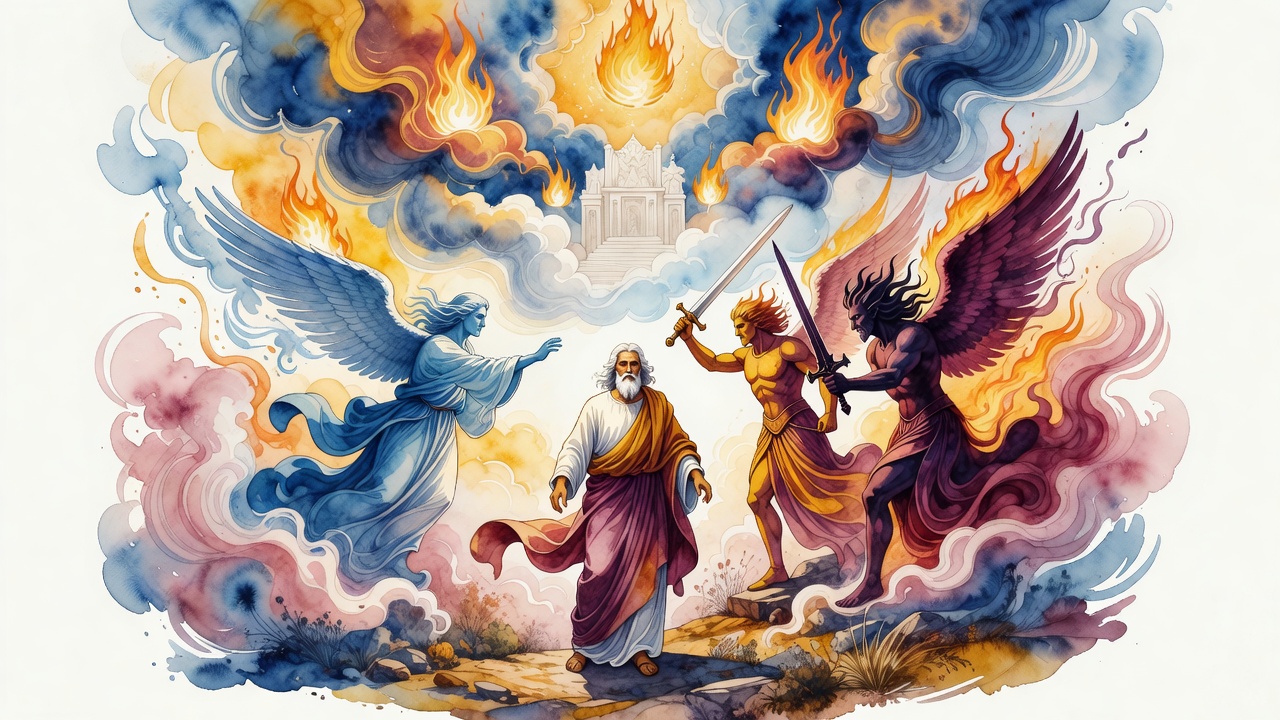
The angels noticed. They asked the question you would ask if you had never encountered grief before: why is the one who made all of this not celebrating with everything He made? The answer God gave them was the one nobody in the crowd below could carry. They did not know the future. God did.
The Distance Between the Mountain and the Calf
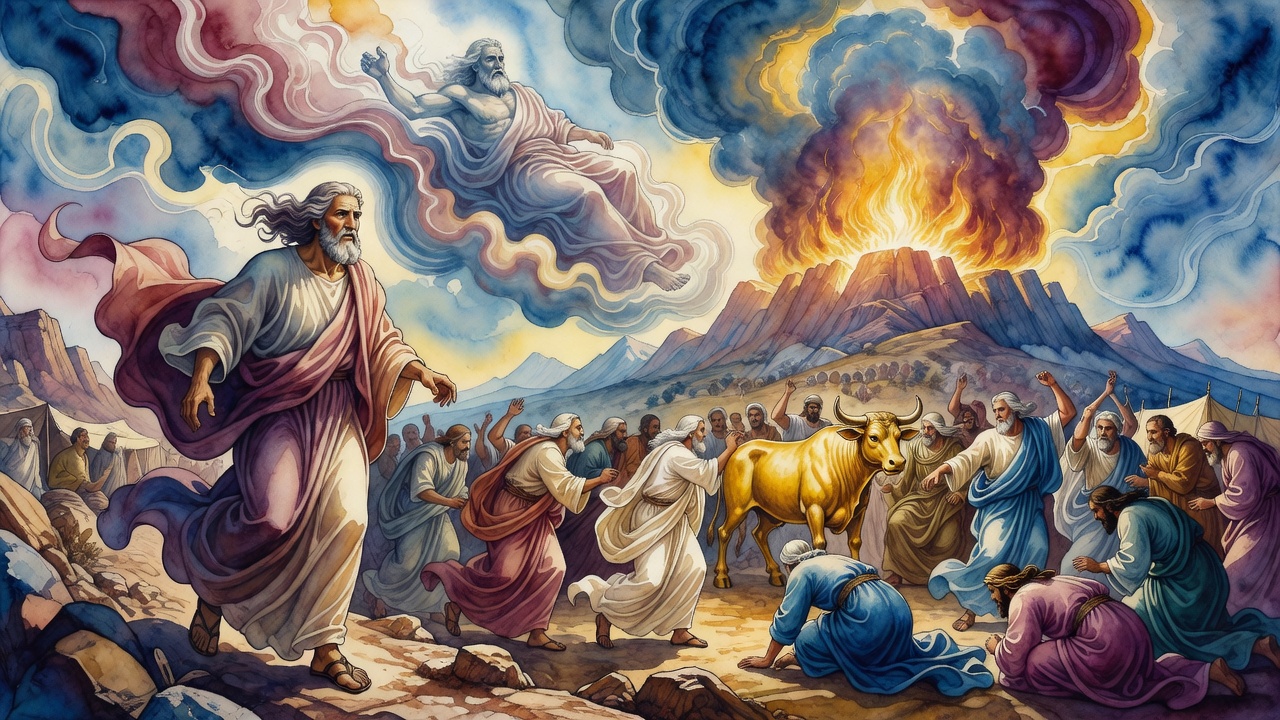
Forty days. That was all the distance between the revelation and the calf. Forty days between the moment Israel heard I am the Lord your God and the moment they built a golden image and called it the god who brought them out of Egypt. The same people. The same covenant. Forty days.
God saw this at Sinai while Israel was still singing. He could see the idol already forming in the camp's imagination, the anxiety and impatience and the terrible human need to see what you believe already present in the people standing before Him. He gave the Torah knowing what would happen to it. He gave the commandment against idols to a people He already knew would violate it before the sound of the commandment had fully faded from the air.
The crowns that the angels carried for Israel that day, the tradition says six hundred thousand angels each bringing two crowns, one for I will do and one for I will hear, the acceptance in action preceding the acceptance in understanding, were given to people who would return them. The angels who placed the crowns would come back forty days later and take them off. The full ceremony of coronation was performed for a covenant that would be broken while the celebrants were still on the way down the mountain.
The Tablets That Were Prepared
The tablets were sapphire, carved from the throne of God itself. The tradition preserves their origin with precision: made at the end of the sixth day of creation, set aside before the world's history began, they had been waiting since before the first Sabbath for the hands that would carry them down. The letters written on them were written in fire, black fire on white fire, and the writing went through from one side to the other so that it could be read from either face. The tablets were not a human craft project. They were a divine object handed across the boundary between heaven and earth into a human carrier.
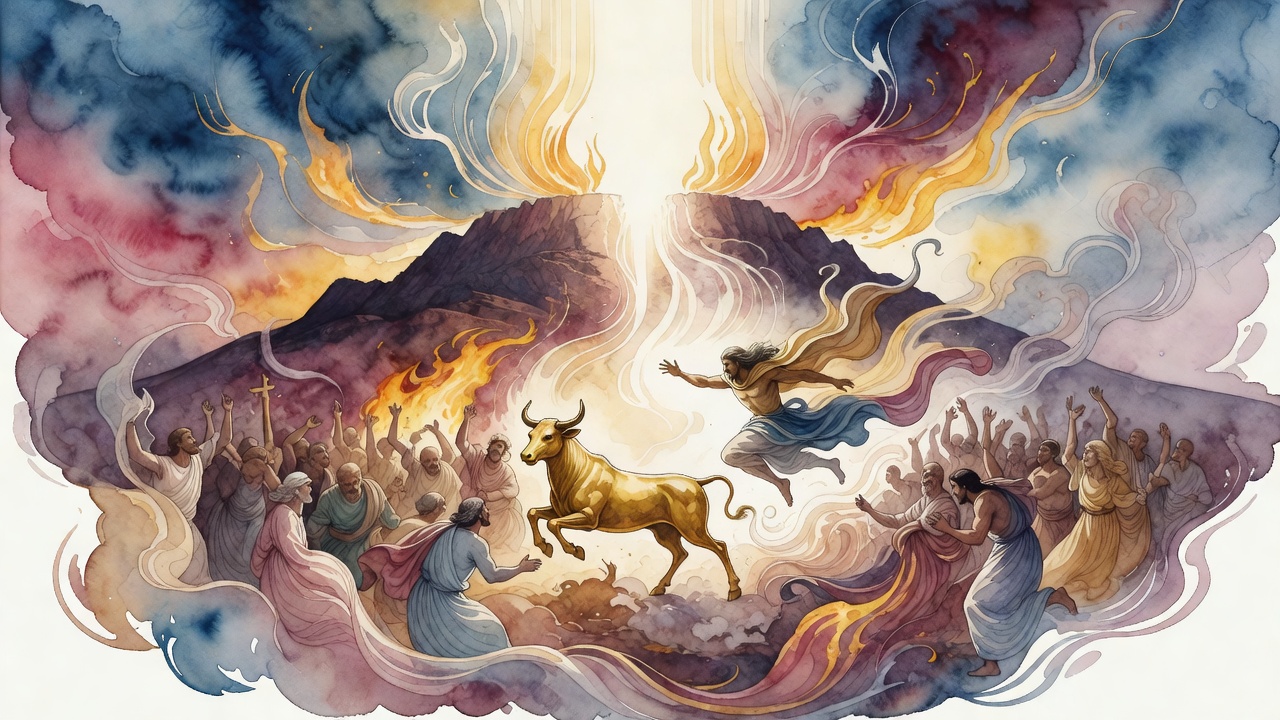
Moses received them at the end of forty days on the mountain. He descended with the tablets in his arms, and before he reached the camp he could hear the sound of singing below. Not the singing of Sinai. The other kind. He saw the calf and the dancing. He stopped at the threshold and the letters flew. The tradition says the writing left the tablets the moment Moses saw what the people had done, as if the letters refused to be broken along with the covenant, as if they withdrew into themselves rather than be smashed. The weight of the tablets in Moses's arms, without the letters, became too much. He dropped them. They shattered.
Why God Had Agreed to It Anyway
The tradition does not frame God's grief at Sinai as a reason not to give the Torah. It frames it as the cost of giving it to beings who are free. God knew the future and gave the covenant anyway, knowing the calf was coming and knowing that every generation after the calf would struggle with the same underlying problem: the Torah asks everything of a people who have not yet become what the Torah is asking them to be. The gap between the covenant's demands and the people's capacity is not a mistake. It is the space where the tradition lives.
God grieved at Sinai not because the giving was a failure but because it was a beginning, and beginnings with free beings are always uncertain. The angels sang because they could not see the calf. God did not sing because He could. The celebration was genuine. The grief was also genuine. At Sinai, on the day the world received the Torah, both were true at once.
← All myths