Shavuot Was Engraved in Heaven Before Moses Climbed Sinai
Noah built an altar on mud that had just become land. The feast he kept already had a slot in the year. Moses climbed later only to hear its name.
Table of Contents
 Click for full size
Noah Built an Altar on New Land
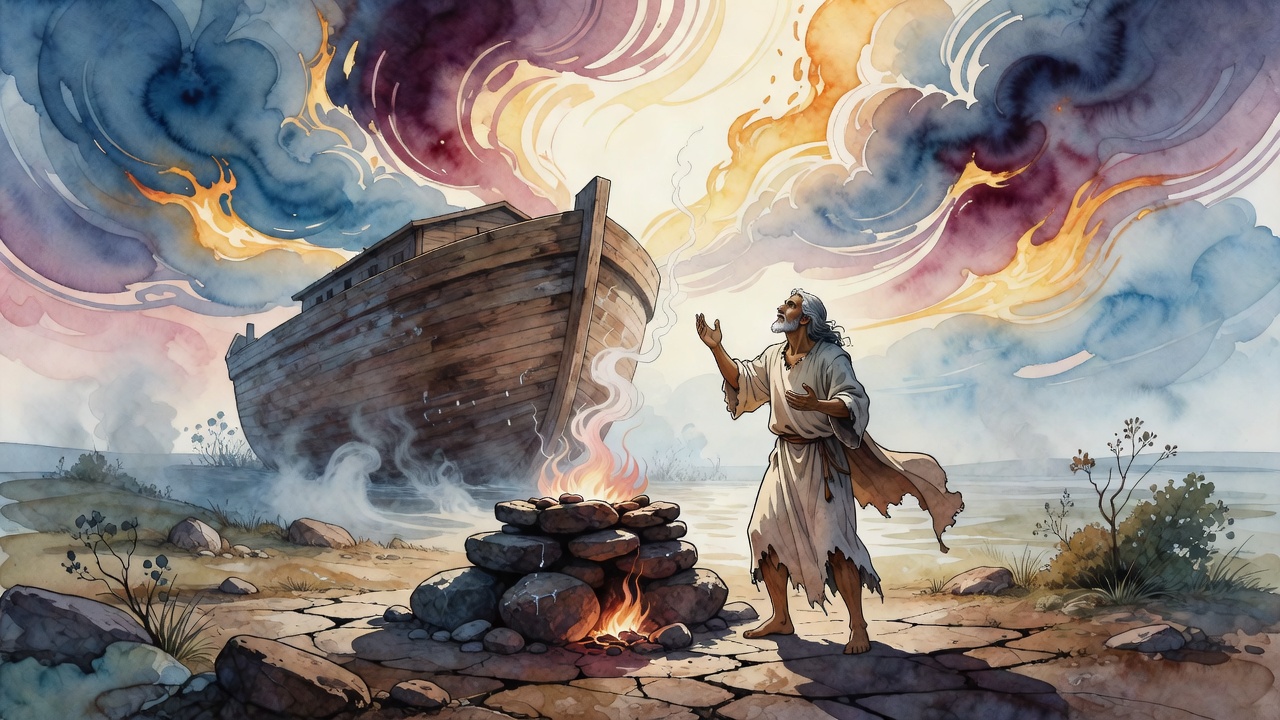
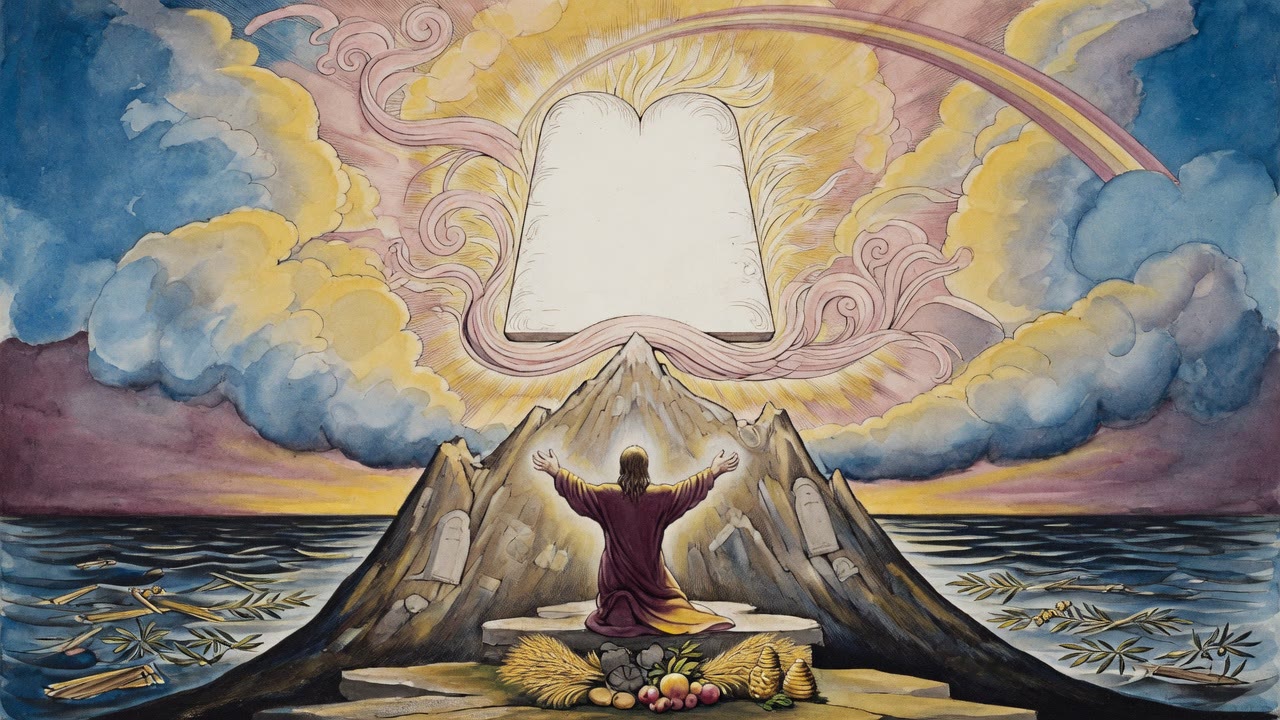
Noah came off the mountain into mud that had just learned to be land. He did not rest. He built an altar. He brought his sons and his sons' sons around him, laid the offering on the fire, and kept a feast of first fruits while the world was still dripping.
He did not have a name for it. An angel at his elbow told him it was written. It had always been written. No man had invented it. The Lord smelled the good savor and made a covenant with him there: no flood again to wipe the earth. Seed-time and harvest would not cease. Cold and heat, summer and winter, day and night would keep their order and not stop.
"Increase and multiply upon the earth," God said. "Be a blessing on it. The fear of you and the dread of you I will put in every creature on the ground and in the sea."
The seasons locked into place over a man who was still wet from the ark. Inside that lock sat a feast he had just kept without knowing its later name: Shavuot (שבועות), the weeks, the harvest fifty days after Passover.
The Feast Already Had a Slot
Writing can be erased. Engraving cannot. The feast was already engraved in heaven, cut into the tablets there, binding the way a stone is binding in a wall, and the stone was cut before the wall was built.
Noah kept it because the year already had a place for it. Abraham would later renew a covenant on the feast of weeks without being told he was matching a calendar older than his household. Each of them fell into a rhythm that had been set before he was born. They did not compose it. They arrived in it.
The festivals were not the aftermath of any one rescue. They were not bargains struck with Pharaoh. They were there before the event that would later explain them to a nation. The year had slots. The patriarchs stepped into them the way a foot finds a stair in the dark.
Isaac Arrived on That Same Day
In the middle of the fifth month Abraham moved and dwelt at the Well of the Oath. In the middle of the sixth month the Lord visited Sarah and did what He had spoken. She conceived. She bore a son in the third month, in the middle of the month, at the time the Lord had named to Abraham.
Isaac was born on the festival of the first fruits of the harvest. The child of the promise came on the day the tablets had already marked as sacred. The feast held him before he knew how to be held.
Abraham circumcised him on the eighth day. He was the first circumcised according to the covenant ordained forever. The knife and the harvest day sat on the same infant. A feast older than Israel closed around a boy whose line would one day stand at Sinai and be told the feast's name.
Moses Climbed Into a Cloud for Six Days
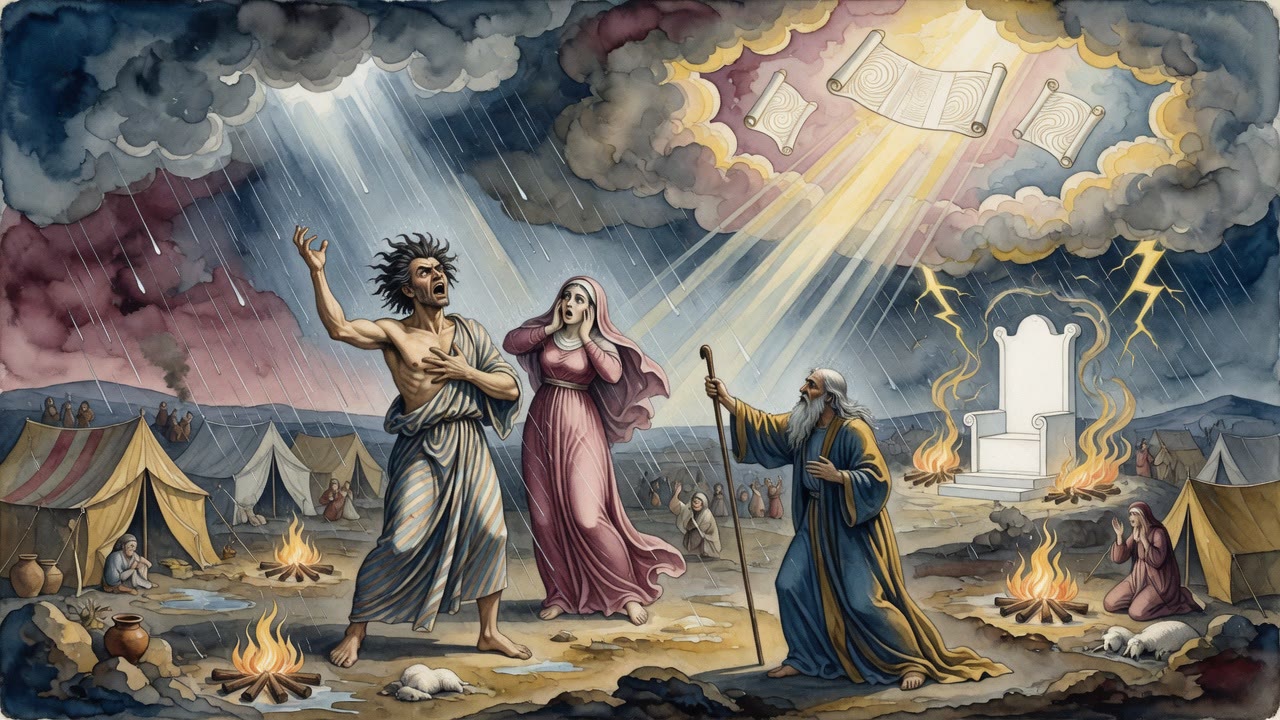
In the first year after Israel left Egypt, in the third month, on the sixteenth day, God spoke to Moses. "Come up to Me on the mount. I will give you two tables of stone of the law and of the commandment, which I have written, that you may teach them."
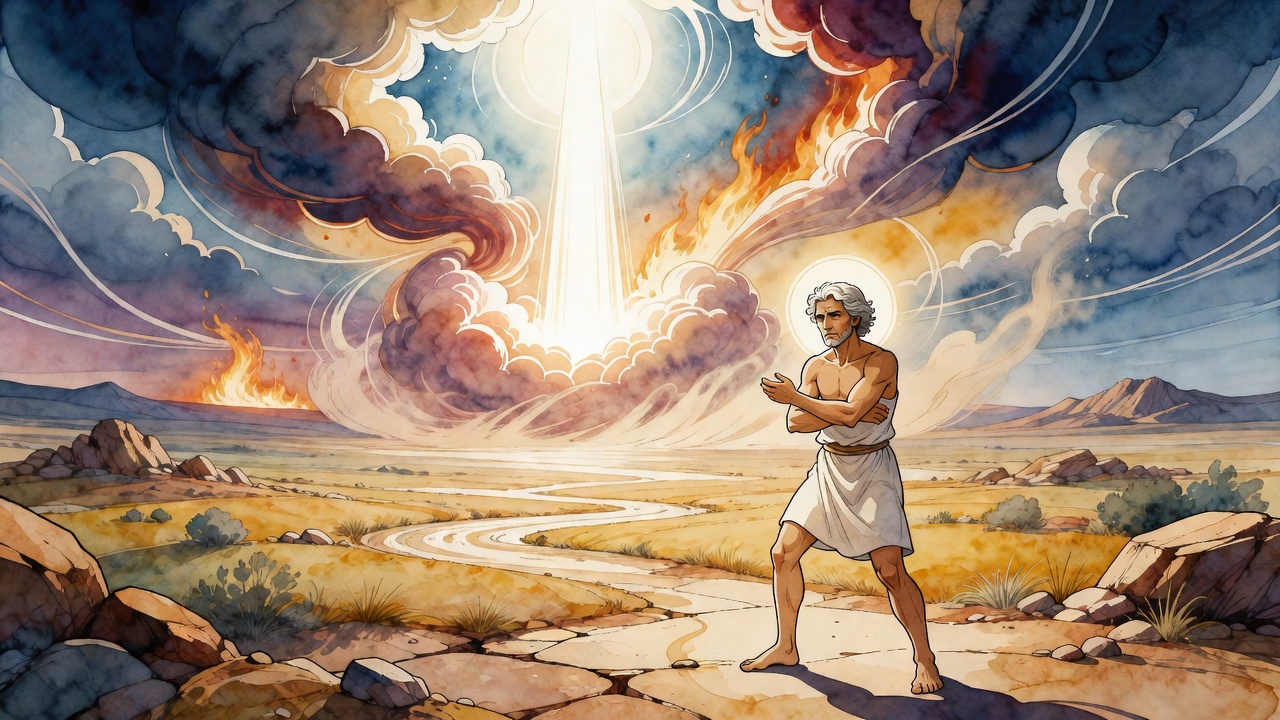
Moses went up. The glory of the Lord abode on Sinai. A cloud overshadowed the mountain six days. On the seventh day He called to Moses out of the midst of the cloud.
What Moses received in that call was not a new invention. It was a disclosure. Here is what has always been true. Here is what Noah kept without a name. Here is the day Isaac was born into. The commandment was now explicit. The feast was now named. A people could teach it to their children as law, not only as a date that kept happening to them.
The feast itself did not change. Noah's fire on new mud and Israel's count of fifty days after the exodus pointed at the same cut in the tablets. Moses climbed through six days of cloud to be told about a slot that had been waiting for him long before he was pulled from the water.
Three Holy Places Faced One Another
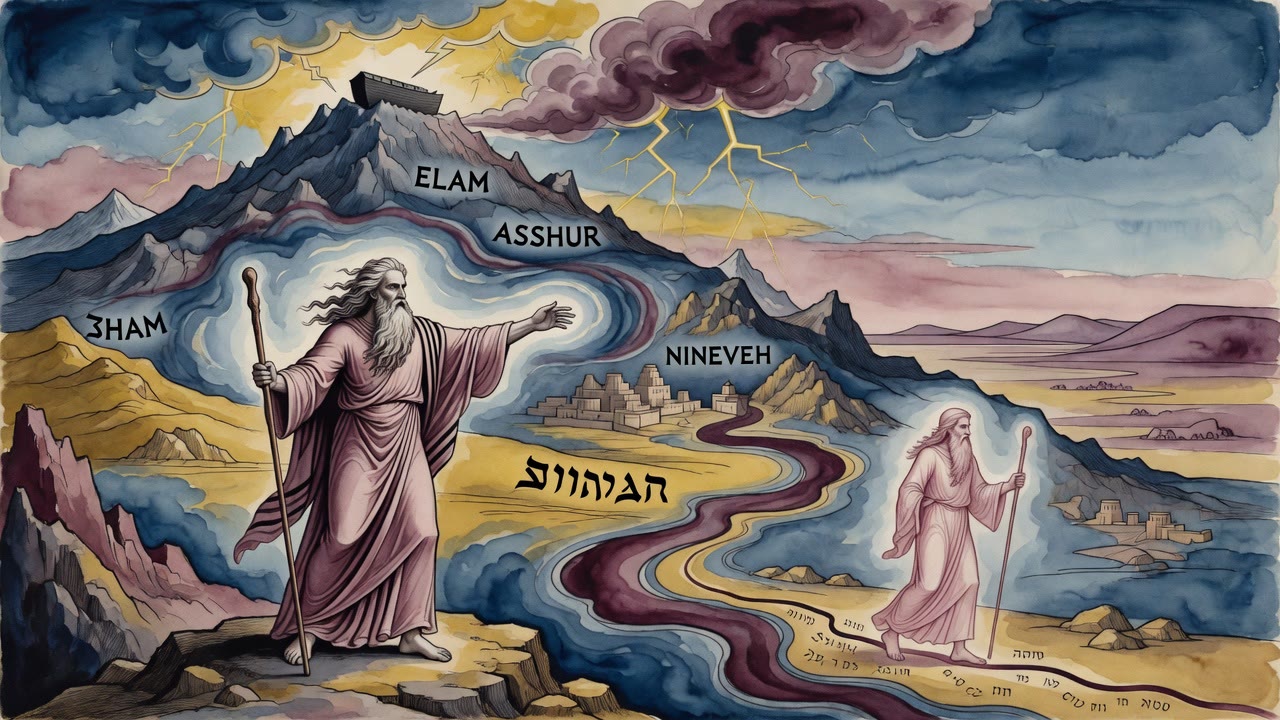
When the world was divided after the flood, a portion came out by lot for Shem and his sons, to hold forever. Noah rejoiced. He remembered what he had spoken: Blessed be the Lord God of Shem, and may the Lord dwell in the dwelling of Shem.
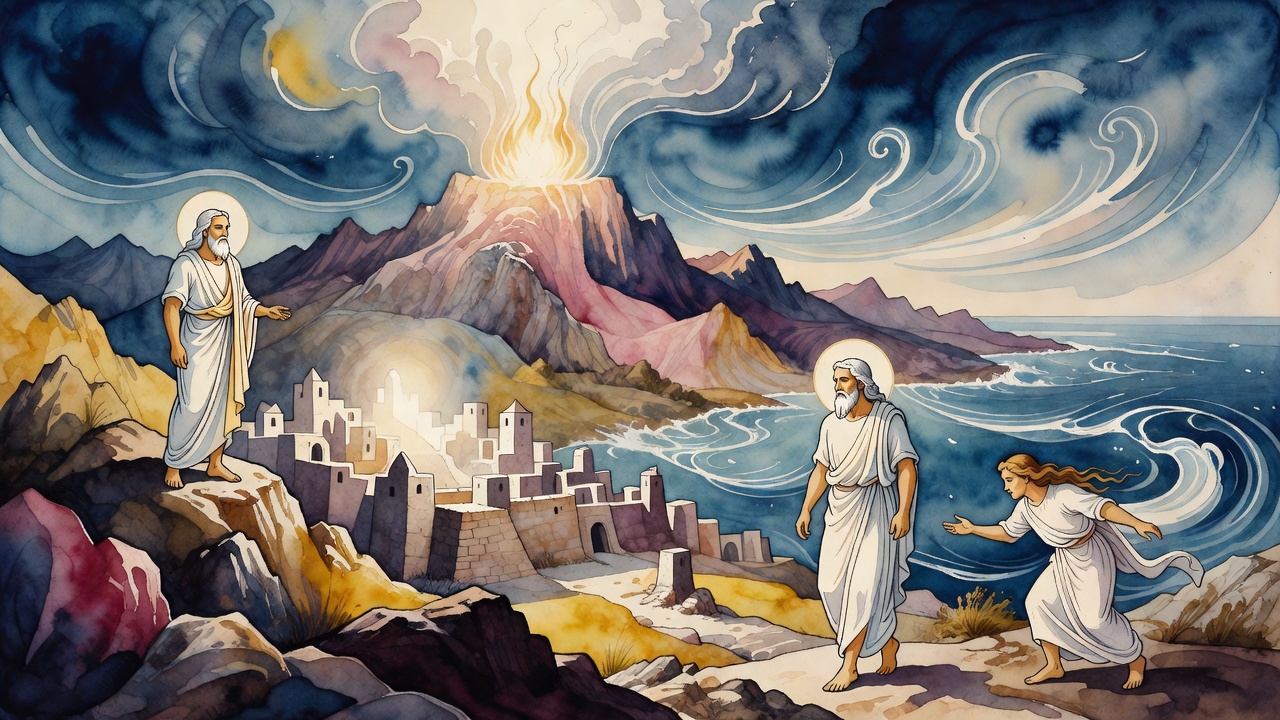
He knew then what that dwelling meant. The Garden of Eden is the holy of holies, the dwelling of the Lord. Mount Sinai is the center of the desert. Mount Zion is the center of the navel of the earth. These three were created as holy places facing each other.
Eden, Sinai, Zion. A garden, a mountain of speech, a hill of blessing, looking at one another across the map of Shem's inheritance. The feast Noah kept on raw land, the birth that landed on first fruits, and the cloud that covered Moses for six days all belonged to that facing. The calendar was not a human arrangement laid over empty time. It was the year as those three places already knew it.
Moses came down with tables in his hands. The feast he would teach had been burning on Noah's altar while the ground was still learning how to be dry.
← All myths