Every Tribe Broke at the Golden Calf Except One
Forty days without Moses was enough. Every tribe bowed before the golden calf. The Levites stood still and earned the altar instead of the land.
Table of Contents
 Click for full size
Forty Days
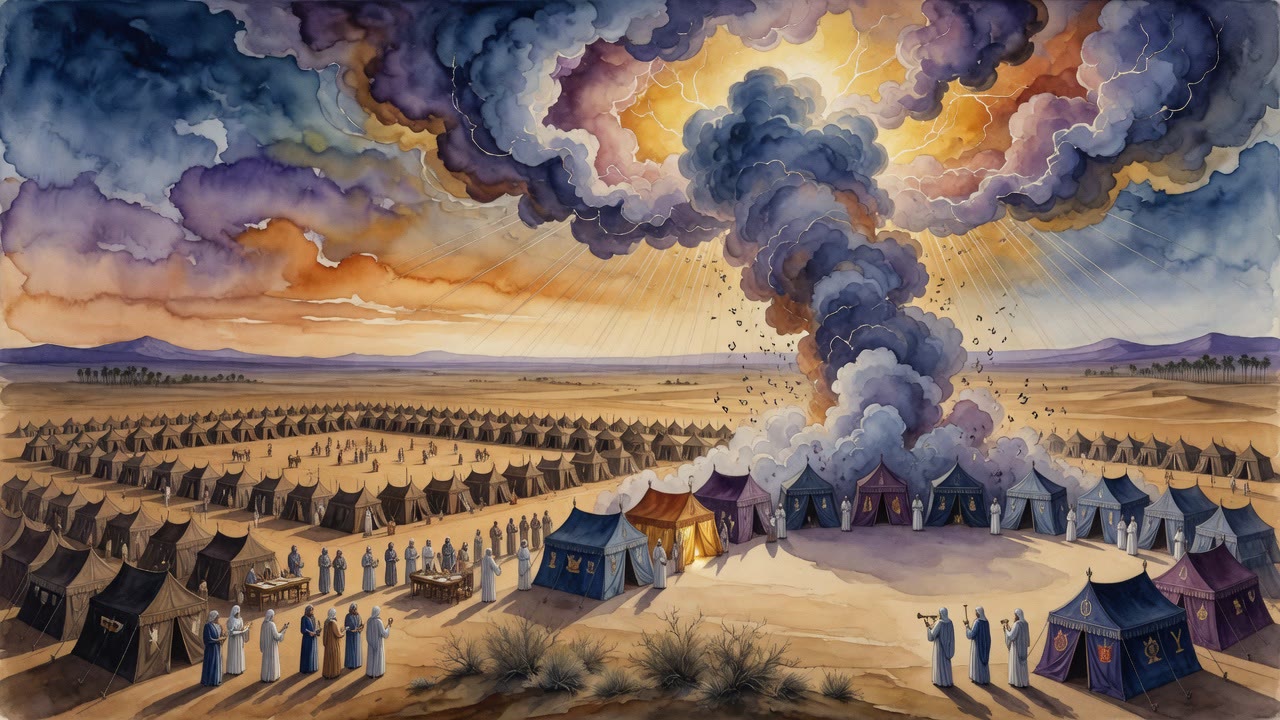
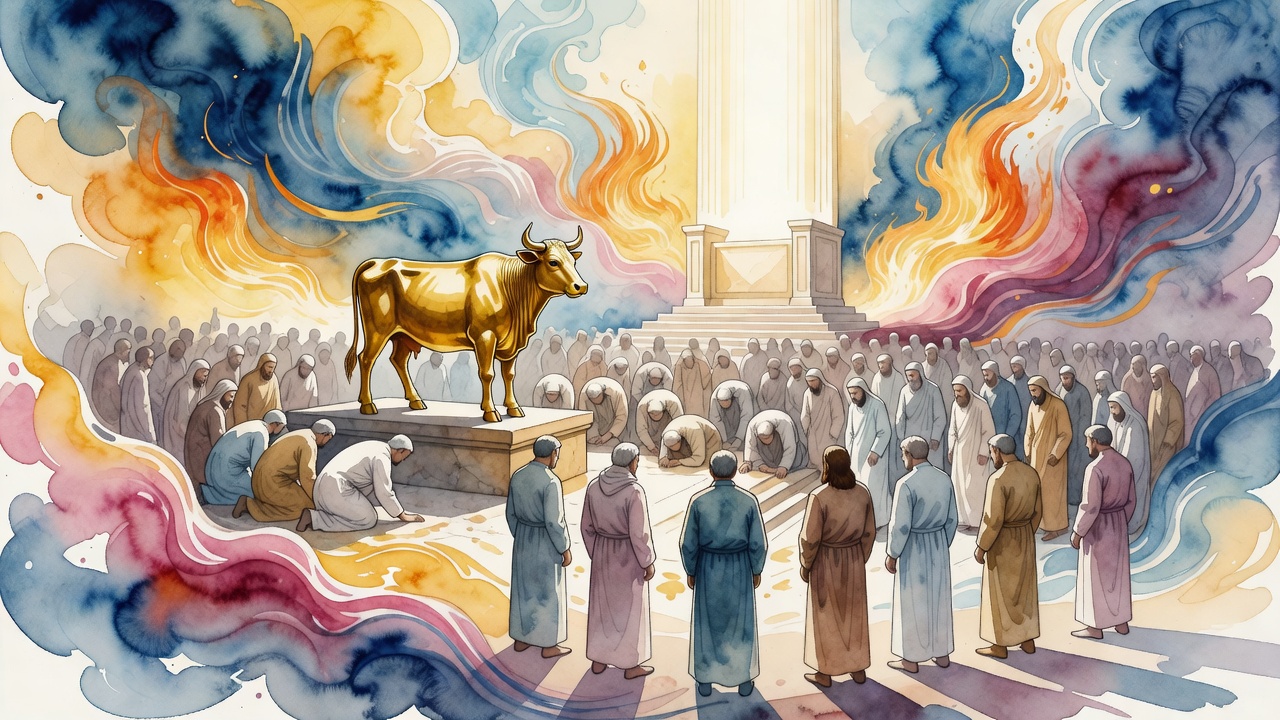
Forty days. That was all it took. Moses had been on the mountain for forty days and the people at the base could not hold on. They came to Aaron and made their demand: make us a god we can see. They handed over their gold earrings. They watched the calf take shape in the fire. With the sound of singing rising up the mountain, they bowed down.
Most of them. Not all.
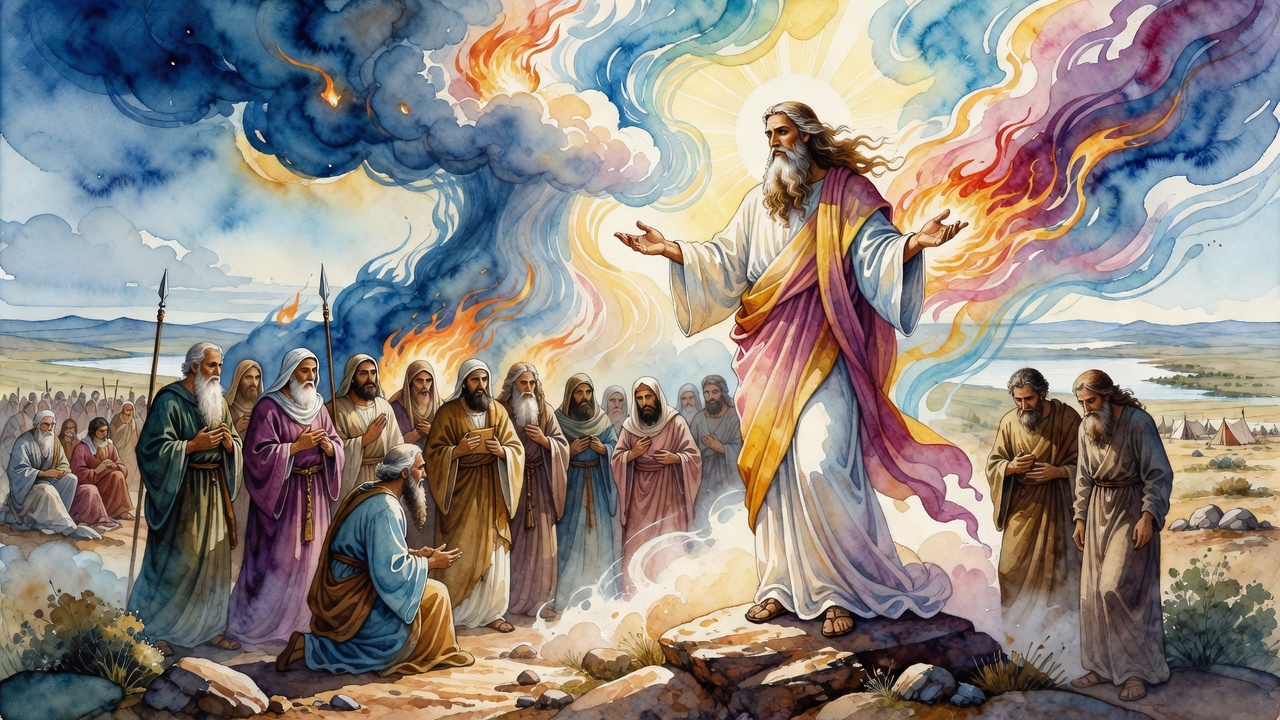
Midrash Tehillim, assembled in the land of Israel between the fifth and seventh centuries CE, holds up the tribe of Levi as the exception. While the rest of Israel surrendered to panic and collective pressure, the Levites did not participate. They stood apart while every other tribe joined the worship. And the consequence of that refusal, the Midrash derives from Deuteronomy 33:10, was the privilege that defined them for the rest of Israelite history: they shall teach Your ordinances to Jacob and Your Torah to Israel.
What Made Them Different
The question is not rhetorical. The Levites faced the same conditions as every other tribe. The same forty days of silence from the mountain. The same uncertainty about whether Moses was coming back. The same pressure from the crowd around them. The difference was not in their circumstances. It was in something they had decided before the crisis arrived.
The Sifrei Devarim, an early halakhic midrash on Deuteronomy assembled in the school of Rabbi Ishmael in the second century CE, takes up the question of why Levi received Moses' blessing in Deuteronomy 33 while Shimon, listed just before Levi in the tribal order, received no blessing at all. The answer tracks back to the golden calf and beyond it: Shimon had been the tribe associated with the violence at Baal Peor and with earlier transgressions. Their history of collective failure was too consistent for the blessing to find purchase. Levi's history was the opposite: a consistent refusal to break at the moments when breaking was easiest.
What Holding Cost Them
The reward was real but so was the price. The Levites received no tribal territory in the conquest of Canaan. Every other tribe received a portion of land. Levi received cities scattered among the other tribes' portions and the right to serve in the Temple. The Midrash on the priestly blessing develops the logic: those who separated themselves from the sin of the golden calf were themselves separated from the ordinary portion of Israel. They could not own land because they served at the altar. They could not settle in one place because they were dispersed to teach Torah in every place.
The firstborn had originally been designated as the priestly caste. From the time of creation, the eldest son in each family was supposed to perform the sacrificial service. The golden calf transferred that status entirely. When every firstborn in the camp bowed to the calf and every Levite refused, the succession shifted. The firstborn lost the priesthood and Levi inherited it. One act of refusal, one moment of standing still while the crowd moved, cost Levi its land and gave it the altar.
Moses' Return and What Followed
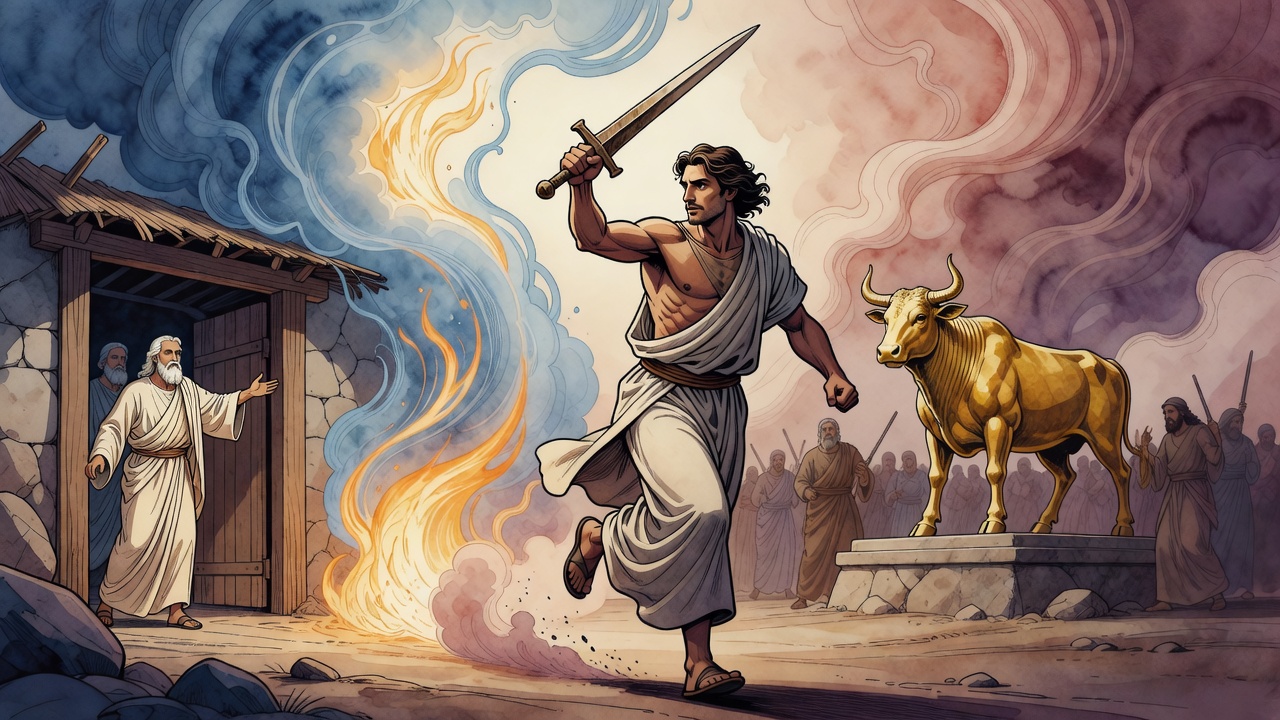
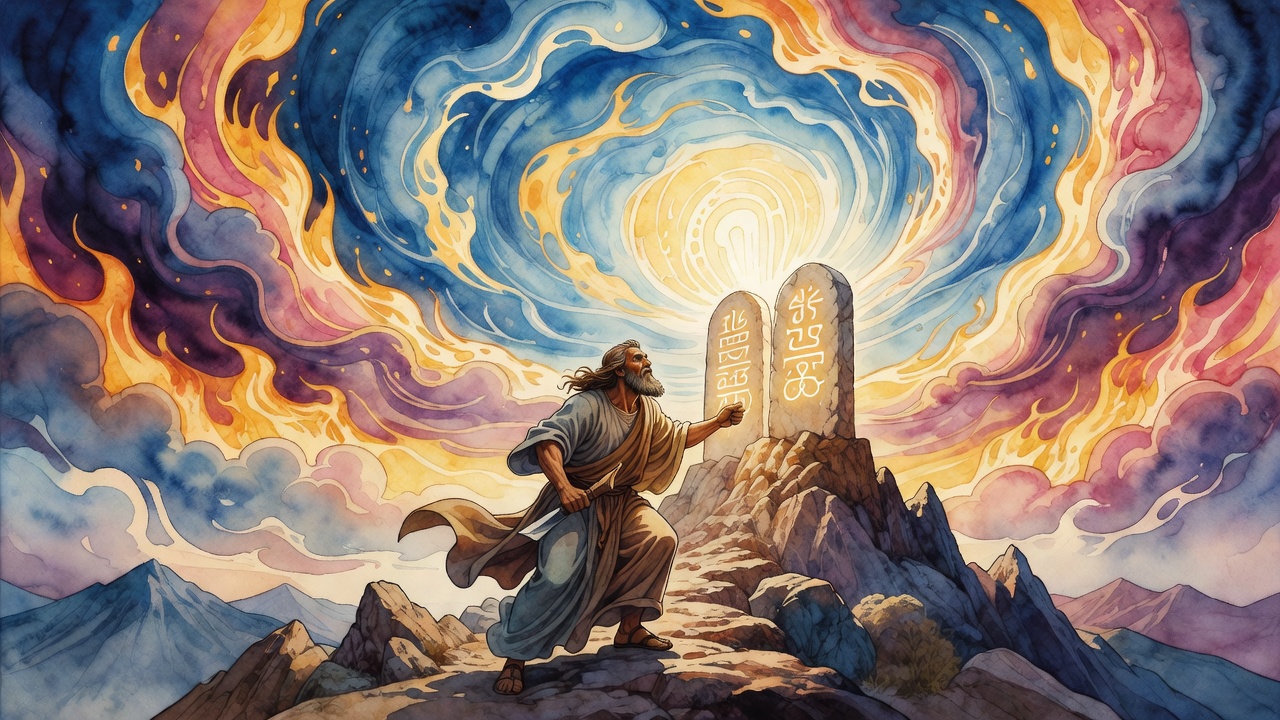
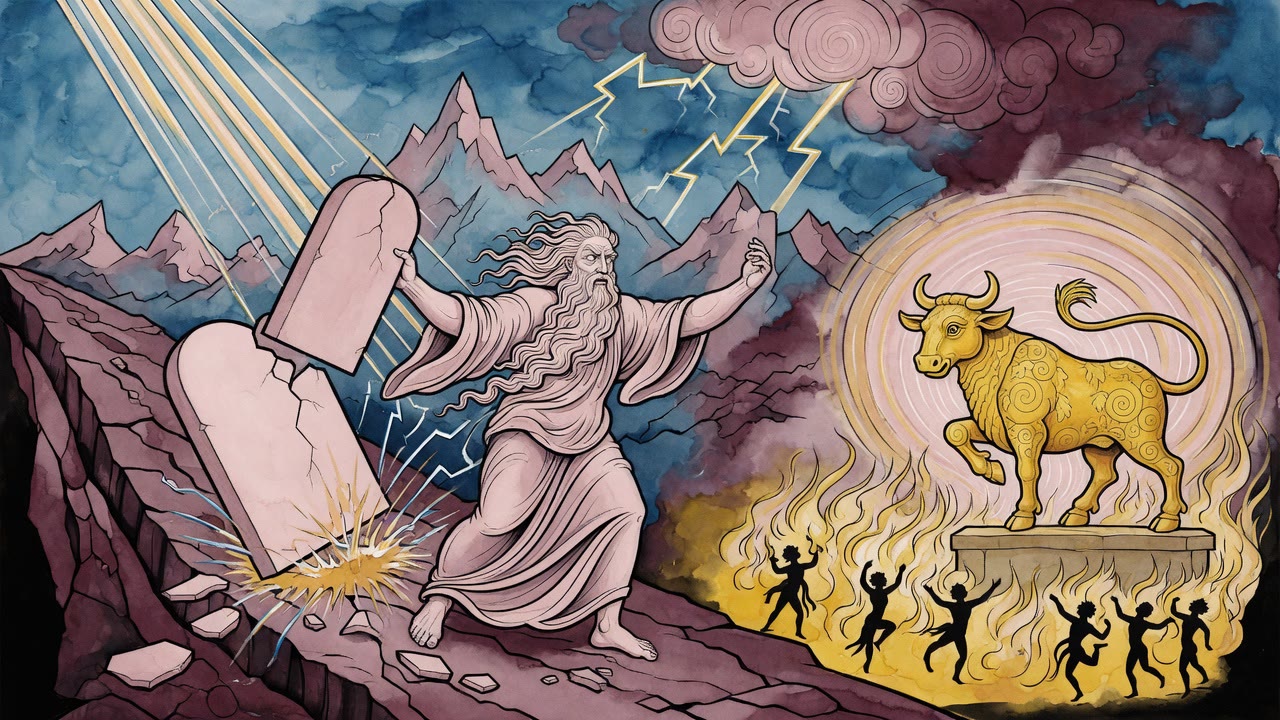
When Moses came down the mountain and saw what had happened, his first question was not directed at the golden calf. It was directed at the camp: who is for God? The Levites gathered around him. They were the ones still standing. Moses sent them through the camp with their swords. Three thousand men fell that day. The tribe that had refused to bow became the instrument of the consequence, executing judgment on the brothers and companions and neighbors who had bowed.
The Midrash is not sentimental about this. The same refusal that made the Levites teachers and priests also made them the instruments of punishment. They were the ones chosen for that work precisely because they had demonstrated they could separate loyalty to God from loyalty to the surrounding crowd, even when the crowd was family.
← All myths