Jacob Paid the Tithe He Promised the Night He Fled
Levi stood at the altar while his father counted. Two oxen. Four rams. Four sheep. The vow from the stone at Bethel had come due.
Table of Contents
 Click for full size
He Vowed on a Stone
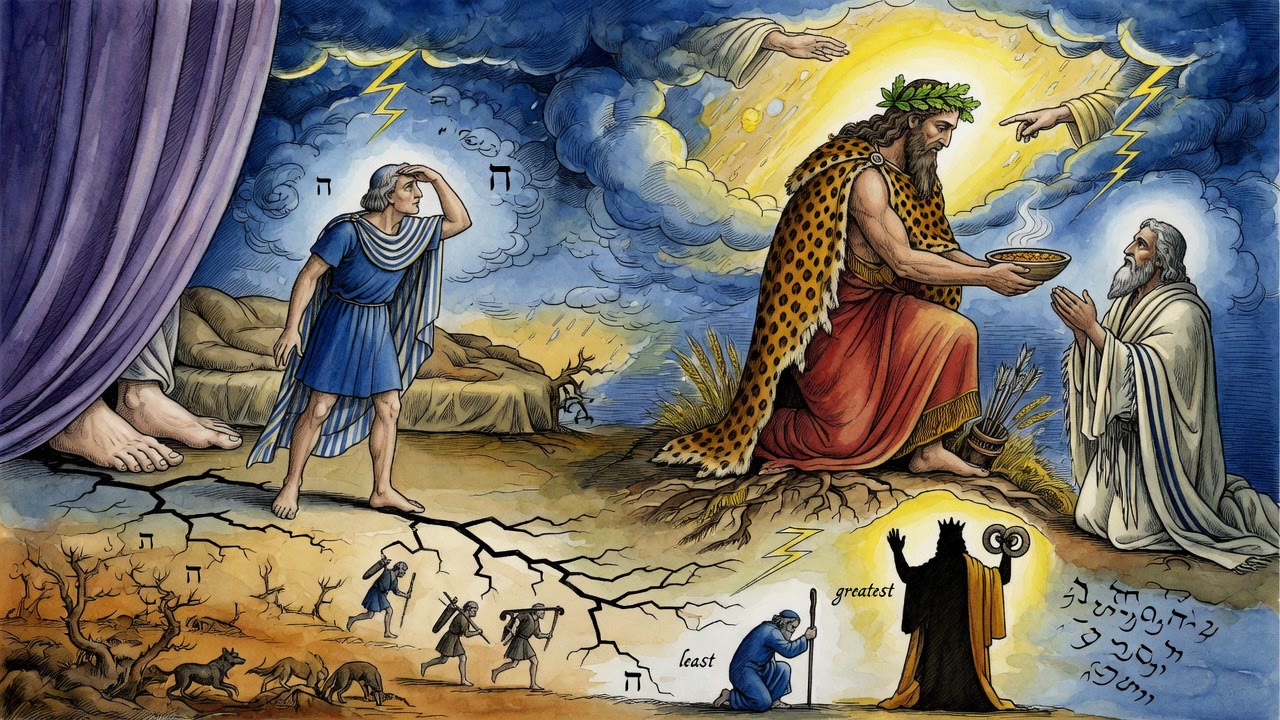
Jacob put a stone under his head and slept in a field, fleeing a brother who wanted him dead. He had the clothes on his back. He had the stolen blessing. He did not have a house.
In the night a ladder stood on that ground, angels going up and coming down. He woke afraid. He poured oil on the stone and named the place Bethel. Then he made the only bargain a man with nothing can make.
If You bring me back to my father's house in peace, he said, of all that You give me I will give You a tenth (Genesis 28:22).
Not a hymn. A debt, spoken into the dark, dated from a rock.
He Wrestled Until Dawn
Twenty years passed. He built the flocks he had promised to tithe. He married inside his father's kindred, as he had also sworn: Leah and Rachel, daughters of Laban, not the Canaanite women of the country. Esau had spent those same years pushing him to take a sister of Esau's wives. Jacob refused. He kept that vow the long way, through the labor and the two sisters and the road home.
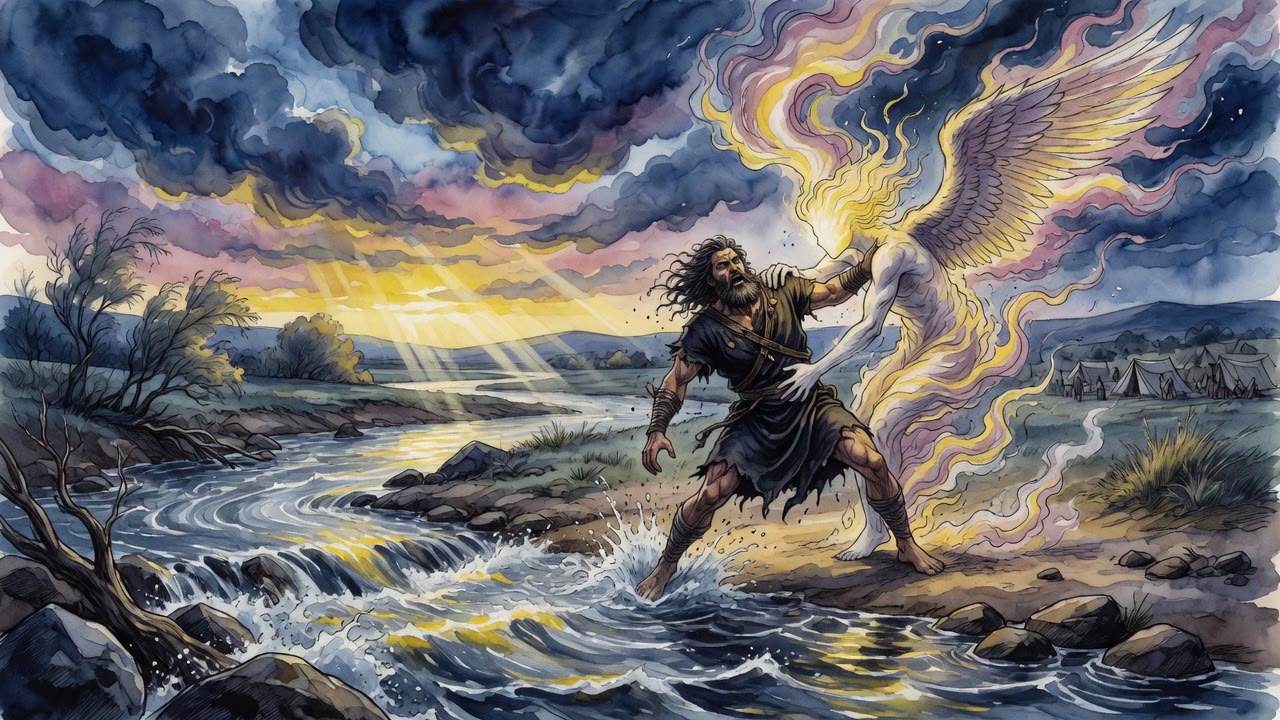
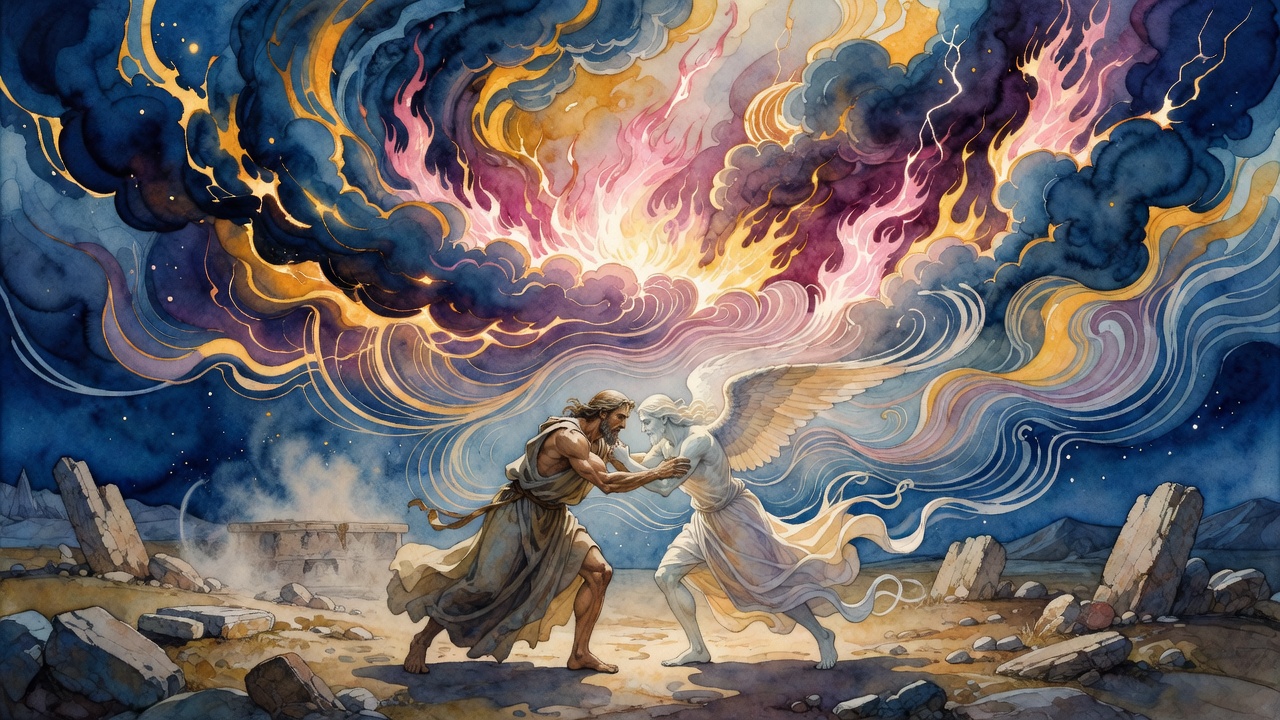
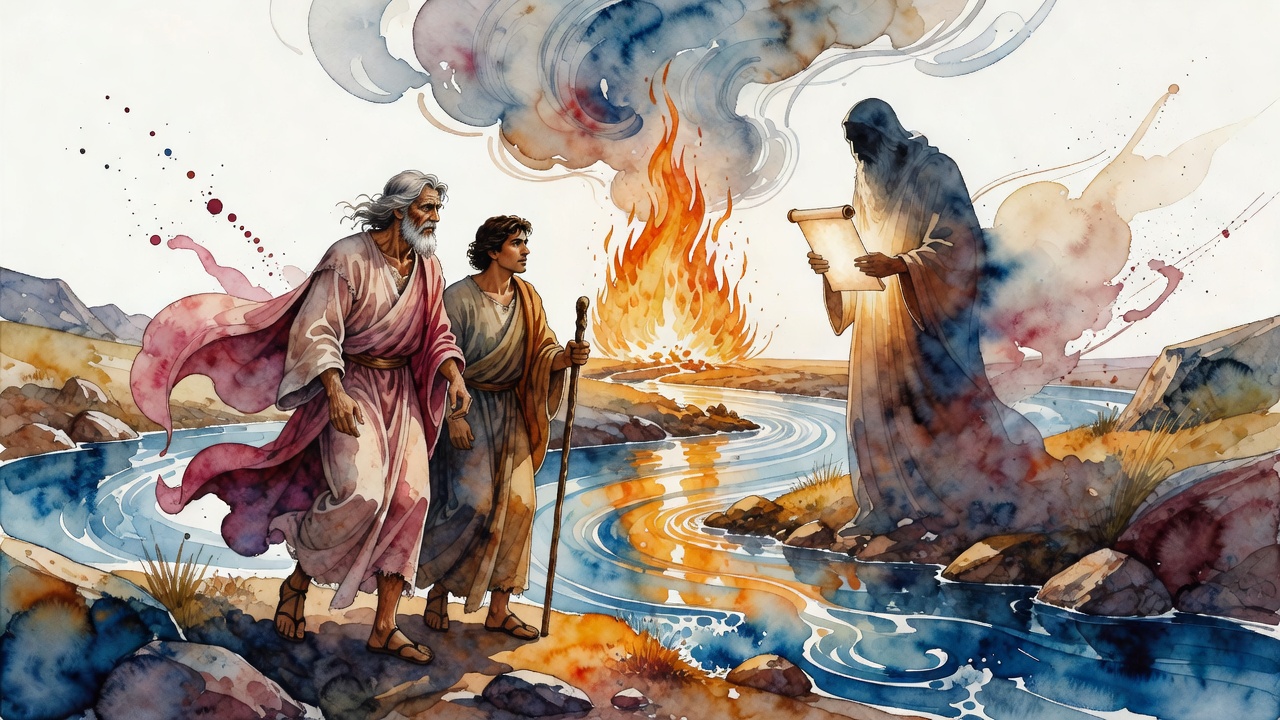
At the Jabbok he sent everyone across the ford and stayed behind. A man met him in the dark. They wrestled until the dawn. The being wrenched his hip from its socket and still could not throw him. Jacob held on.
"I will not let you go unless you bless me."
He got the blessing. He got a new name. He got a limp that would last the rest of his life, and a sinew his children would not eat. He crossed the water damaged and renamed. The angel left him. The vow from the stone was still unpaid.
He Counted Out a Tenth
He went up to Bethel. He built an altar on the ground where the stone had been. He counted.
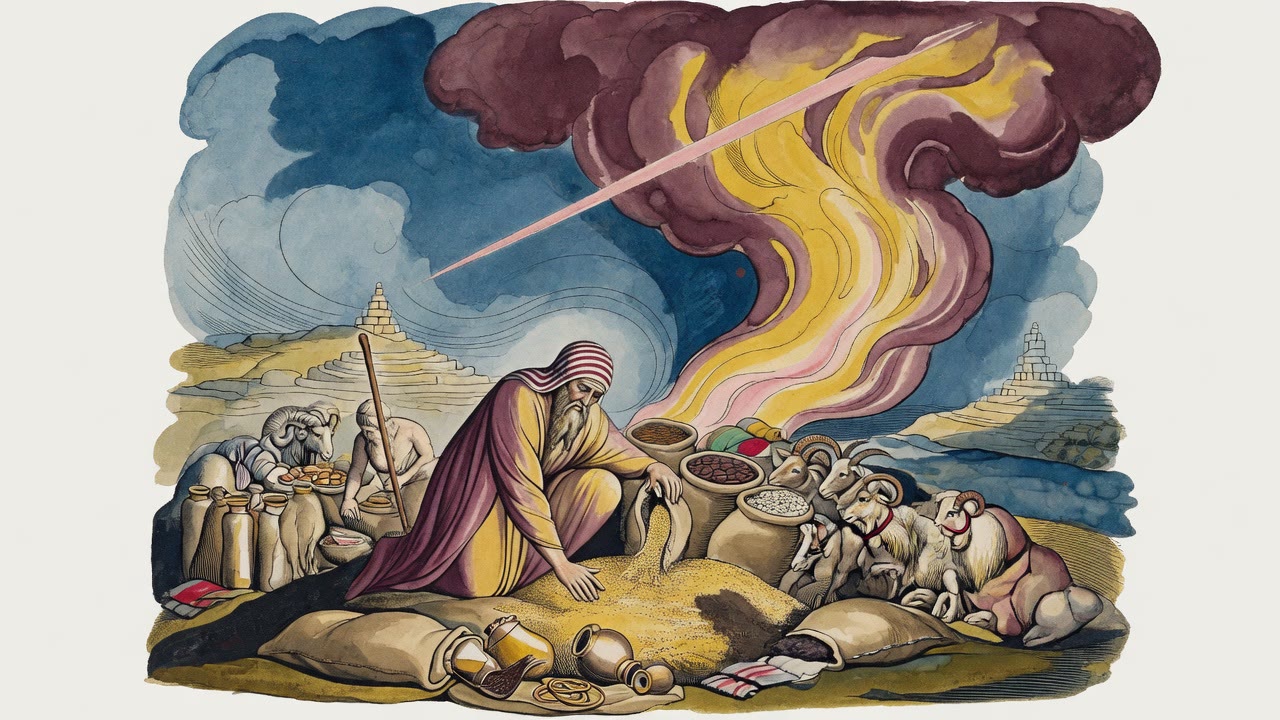
Two oxen. Four rams. Four sheep. Four he-goats. Two yearling sheep. Two kids of the goats. Fruit-offerings. Drink-offerings. He laid a tenth of his servants, his cattle, his flocks, and his goods on that altar, because the night in the field had not named exceptions.
When the fire had eaten the offering, he burned incense over the fire. The smoke went up from the same hill where he had once slept with a rock for a pillow and nothing in his pack.
Levi Stood at the Fire
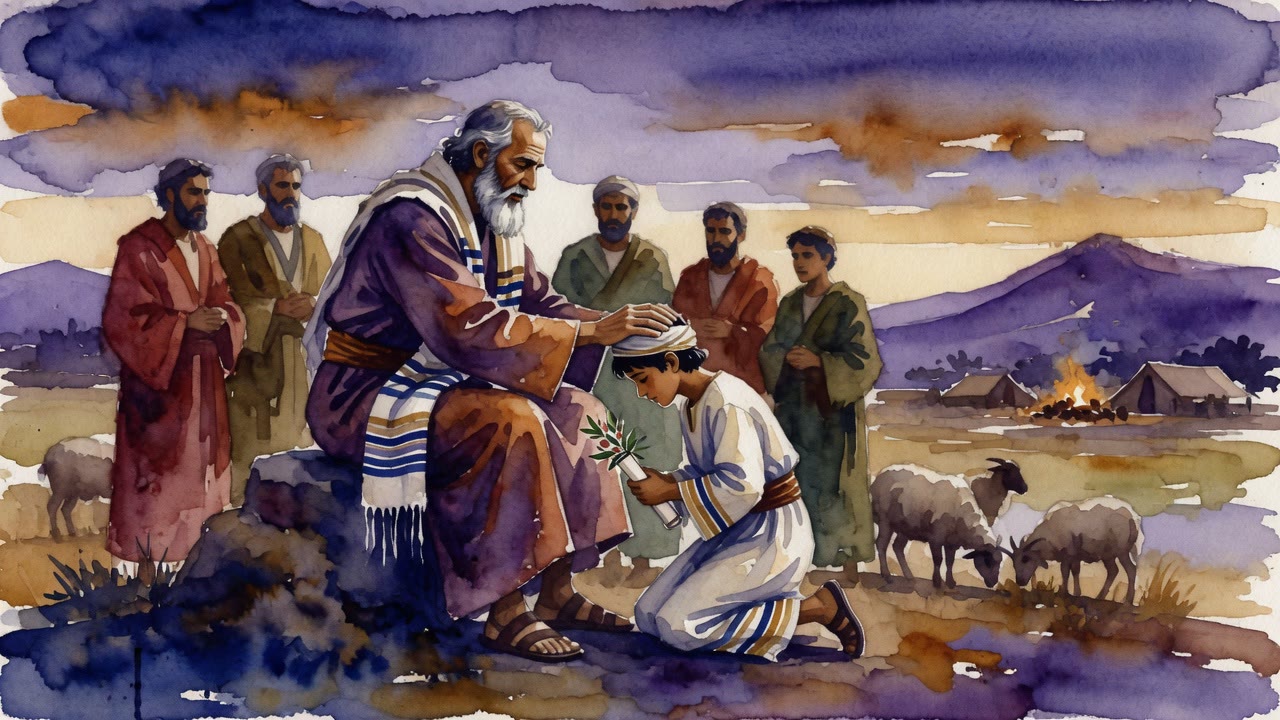
His son Levi stood at that altar as priest. Before Sinai. Before the tent. Before the tribe was set apart in the wilderness, Levi received the holy portion from his father's hand.
Jacob had promised a tenth of everything. Putting Levi in front of the fire was part of what the tenth meant. The boy who would carry the priestly work of Israel took the tithe while his brothers watched.
They ate there seven days. Jacob, his sons, his men. They blessed and thanked the Lord, who had pulled him out of every trouble on the road and had at last taken what had been promised. Each day the same count of animals. Each day the incense. Each day Levi at the fire.
He Had Already Kept the Other Vow
The marriage vow had come due first, years back, in Laban's yard. Jacob had told it plainly: a wife from the seed of his father's house, from his kindred. He had heard that daughters had been born to Laban and had set his heart on them. Abraham had commanded him against the other kind of taking. Esau had argued the other way for twenty-two years.
He had held. Leah and Rachel were the keeping of that word. The household that now stood around the altar at Bethel was the household that vow had built.
On the seventh day the fire sank. Levi stepped back. Jacob's hip still sat wrong in its socket. The stone was an altar now. The tenth had left his flocks and would not come back. He had paid in animals and in a son set apart, and the field where he had once owned nothing had taken its share at last.
← All myths