Phinehas Took a Spear and Never Tasted Death
Twenty-four thousand were already dead. Moses wept at the tent door. A young priest stood up with a spear no one had given him.
Table of Contents
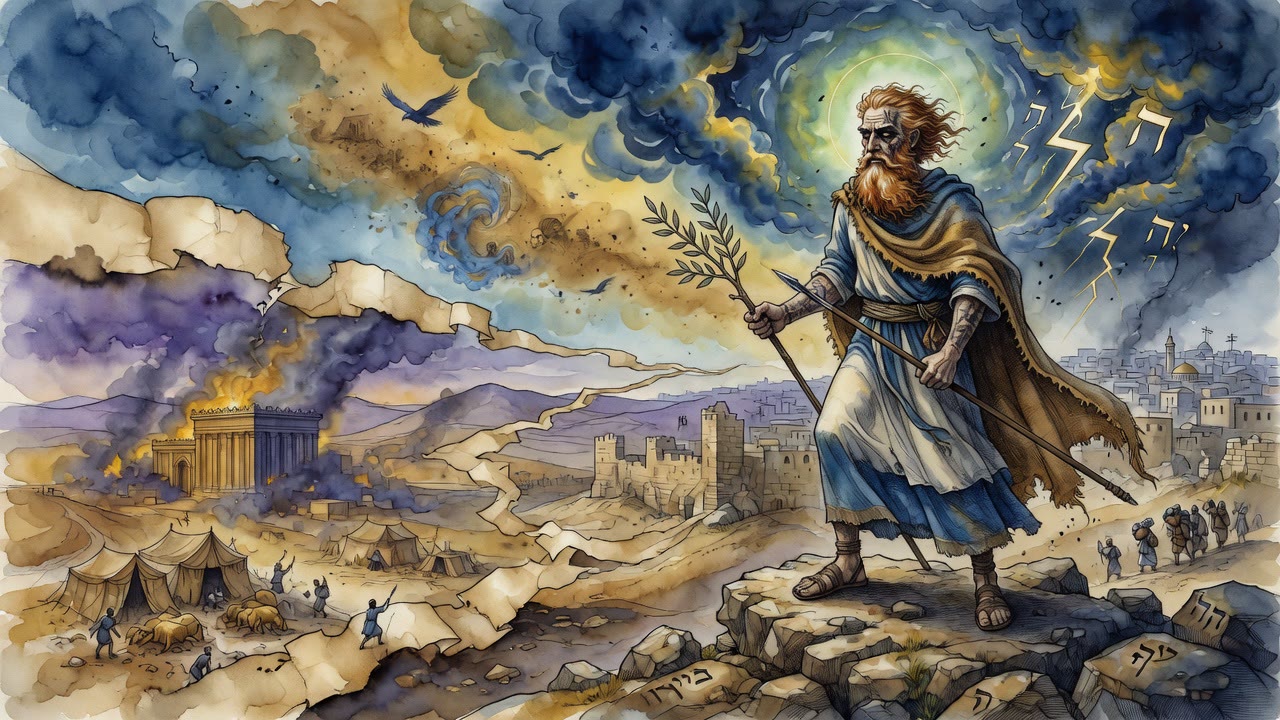
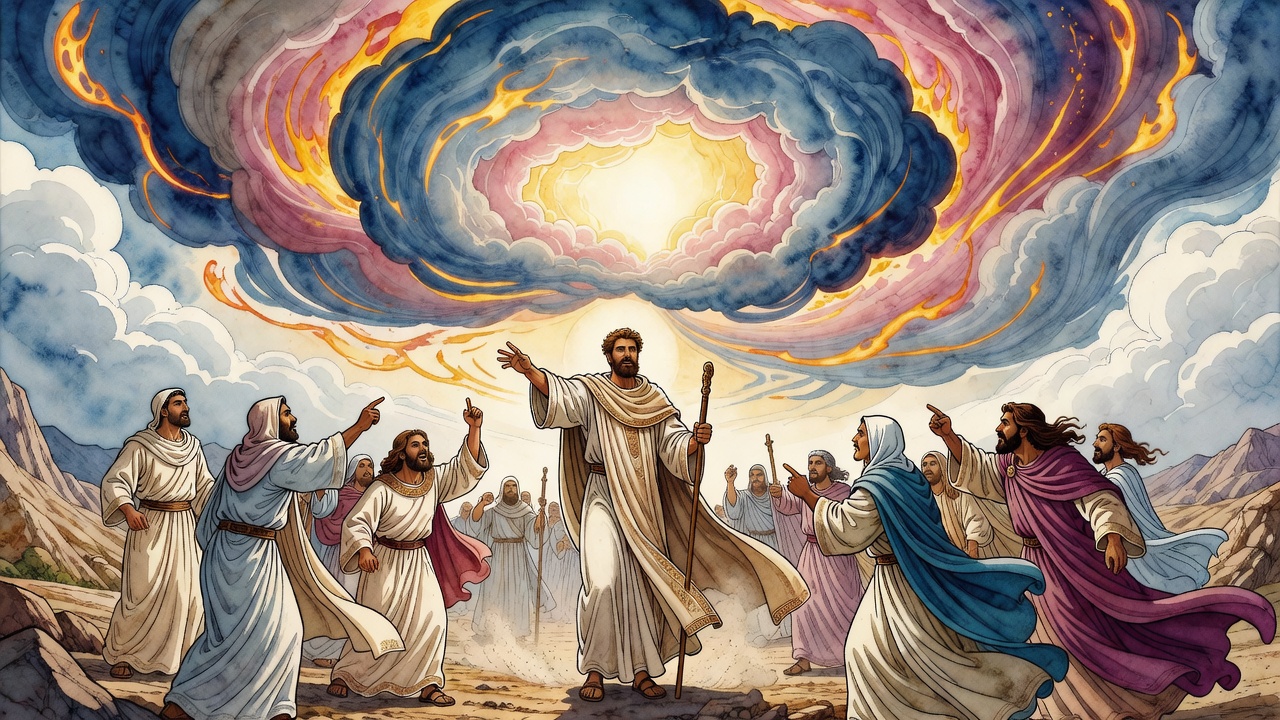
Twenty-four thousand were already on the ground. Moses stood in the doorway of the Tent of Meeting and wept. The elders wept with him. While they wept, in daylight, an Israelite man walked past them with a Midianite woman on his arm and went into a tent.
 Click for full size
Everyone saw. No one moved.
The Spear No One Ordered
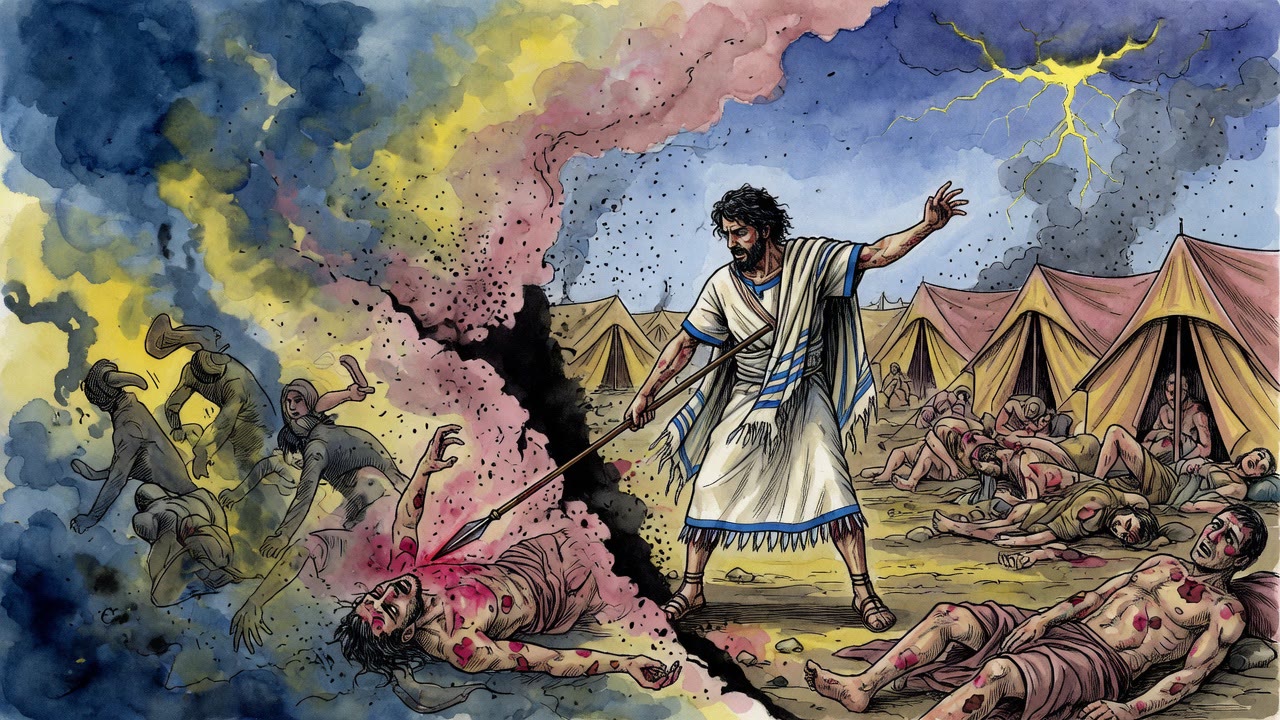
Phinehas ben Elazar ben Aaron rose from the assembly. He took a spear. He followed them in and drove it through both bodies at once, the man and the woman, still together. The dying in the camp stopped. The last count stayed at twenty-four thousand.
God spoke before Moses had wiped his face.
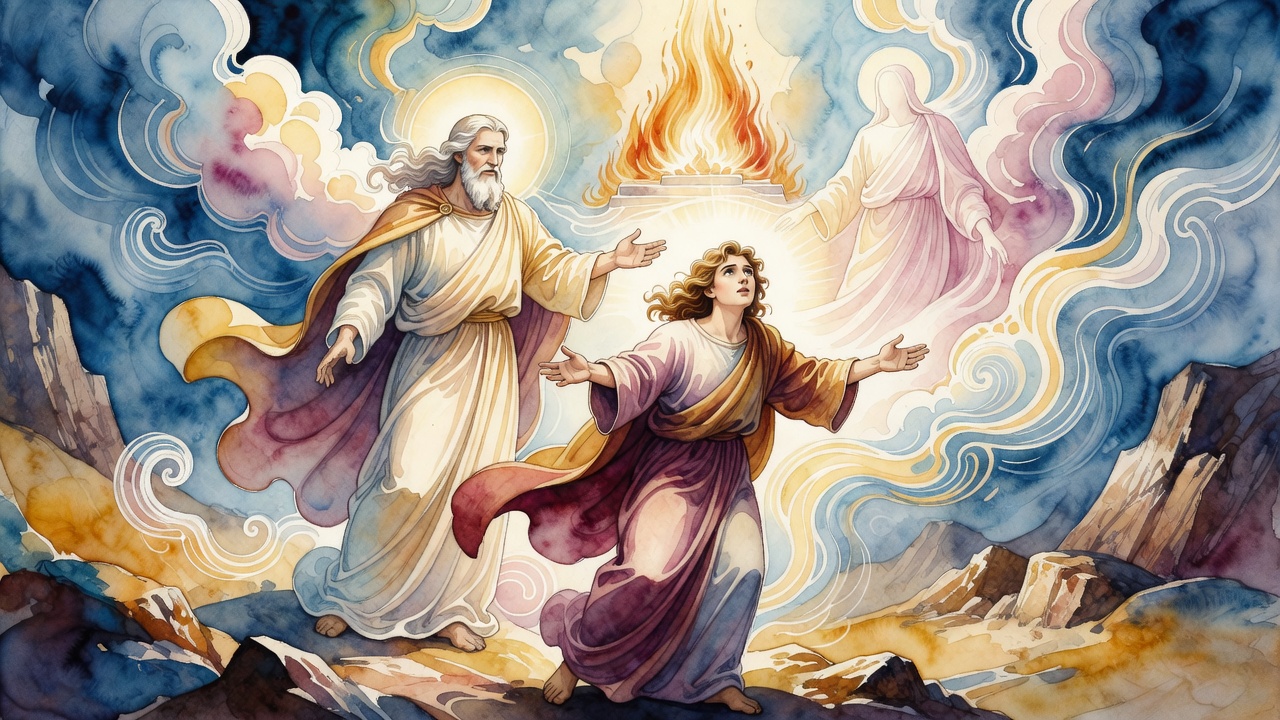
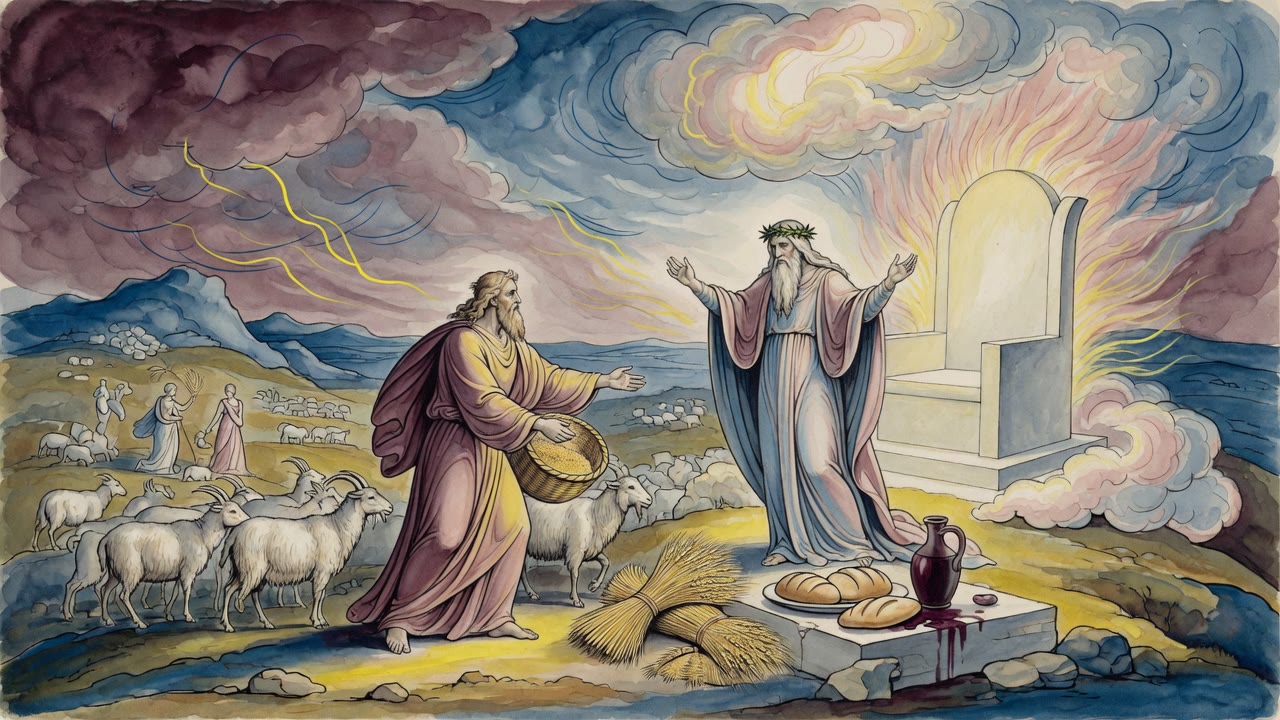
"I give him My covenant of peace." The brit shalom (ברית שלום). "For him and his descendants after him, a covenant of everlasting priesthood, because he was zealous for his God and made atonement for the children of Israel" (Numbers 25:12-13).
Phinehas had not been commanded. Moses had not pointed. The elders had not voted. He had stood up while they were still crying.
They Mocked His Mother's Line
The camp did not thank him. Voices followed him through the lanes.
"Look at this man. Grandson of one who fattened calves for an idol, and he dares slay a prince in Israel."
His mother's line ran through Joseph, and also through Jethro, who had been a priest of idols in Midian before he sat at Moses' table. They used that. They left out Aaron.
God put the missing names into Moses' mouth. "Phinehas the son of Eleazar, the son of Aaron the priest, has turned My wrath away from the children of Israel. I offer him My greeting of peace. He was zealous for My sake and preserved the seed of Abraham."
Then the portions, one for one. "With thy mouth thou defended Israel, therefore the jawbone of the animals. With thy lance thou aimed at the bellies of the shameless couple, therefore the bellies. With thy arm thou labored, therefore the shoulder. As thou didst strive to make peace among mankind, so shalt thou bless My children with peace."
Twenty-four priestly gifts followed him after that. The mockers still had mouths. They had less to stand on.
He Did Not Taste Death
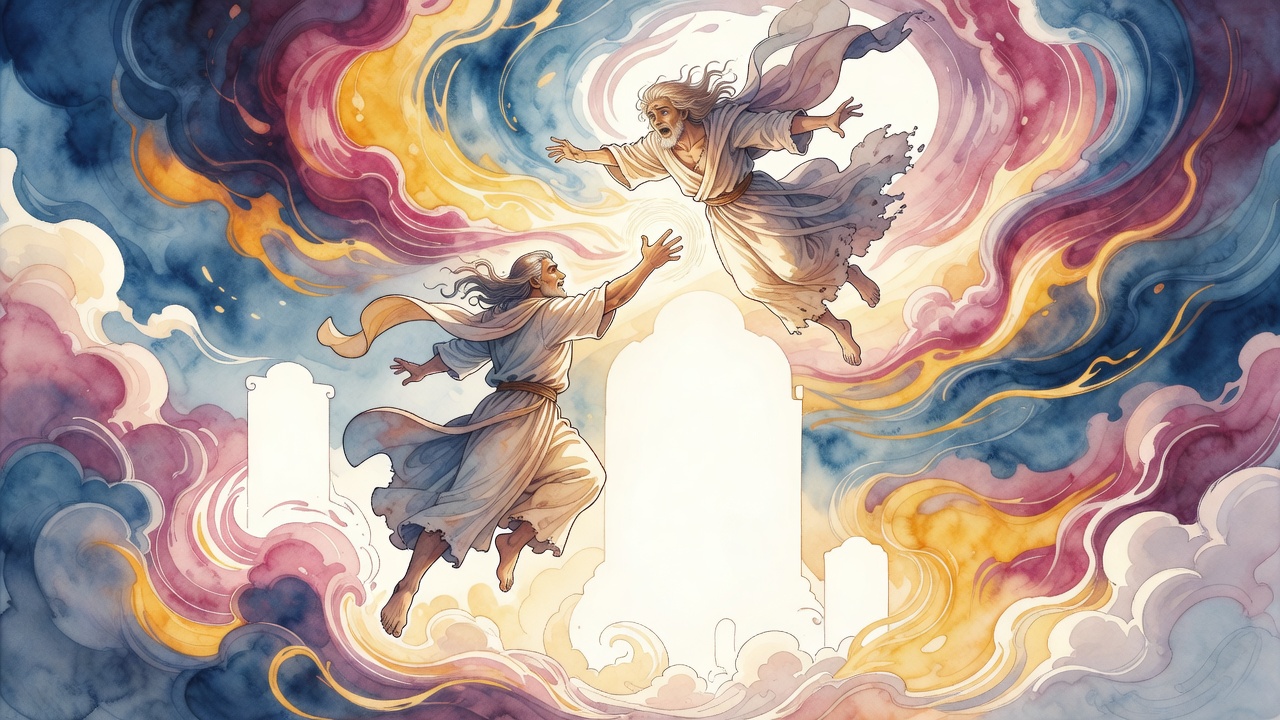
The priesthood did not stop at an altar in the wilderness. God kept him. Phinehas did not taste death. He never died. He became Elijah. The same man, still on duty.
He offers two daily sacrifices for the children of Israel. On the skins of those animals he writes what happened that day. He has been keeping that ledger since the tents at Shittim.
God told him, "Thou hast in this world established peace between Me and Israel. In the future world also shalt thou establish peace between Me and them."
He sits at the seder table. He stands at a circumcision as guardian of the covenant. Scholars in trouble have opened a door and found a stranger who already knew the question. He is waiting for the day he is sent ahead of the return.
The spear is still the shape of him. He moved when no one else would. He has not been allowed to stop.
Simon Walked Out Under That Covenant
Centuries later, in Jerusalem, Simon son of Johanan finished the service and came out from behind the curtain. The house had been repaired in his generation. The Temple had been fortified in his days. Incense hung in the air. The people bowed. Then they bowed a second time.
A scribe watching him asked that God's mercy stand fast with Simon, and that God confirm to him the covenant of Phinehas, which He executed unto him and unto his seed, as the days of heaven.
Not as the days of a dynasty. As long as heaven lasts.
Simon rebuilt walls. Phinehas had used a spear. The blessing reached for the same length of time.
← All myths