Levi Born in the First Month, Chosen Before Sinai
Levi was born at the new moon of the first month. Long before Sinai, his father Jacob dressed him in priestly garments and ordained him in a field.
Table of Contents
The priesthood of Israel, in most tellings, begins at Sinai. Moses consecrates Aaron. The ceremony is elaborate, the garments are specific, the anointing oil is compounded to a precise formula. But the Book of Jubilees holds an older account. Levi was a priest before Aaron was born, before Sinai existed, before the commandments were given. His father dressed him in the garments and filled his hands, and none of it required a commandment, because it was already written somewhere older than commandments.
 Click for full size
The Book of Jubilees, composed in the second century BCE and attributed to dictation by an angel of the presence from the time of Moses, records Levi's birth with calendar precision. Leah conceived and bore Jacob's third son on the new moon of the first month, in the sixth year of the week. The first month is Nisan, the month of redemption, the month of Passover, the month when Israel would one day leave Egypt. Levi arrived at the hinge of the year.
Born on the New Moon of Nisan
The date is not incidental in Jubilees. The entire text is organized around a solar calendar of jubilee cycles, and every birth and death and covenant that falls on a significant date in that calendar carries the weight of its placement. Levi was born at the beginning of the beginning. The first day of the first month. From the moment he arrived, the calendar itself was marking him.
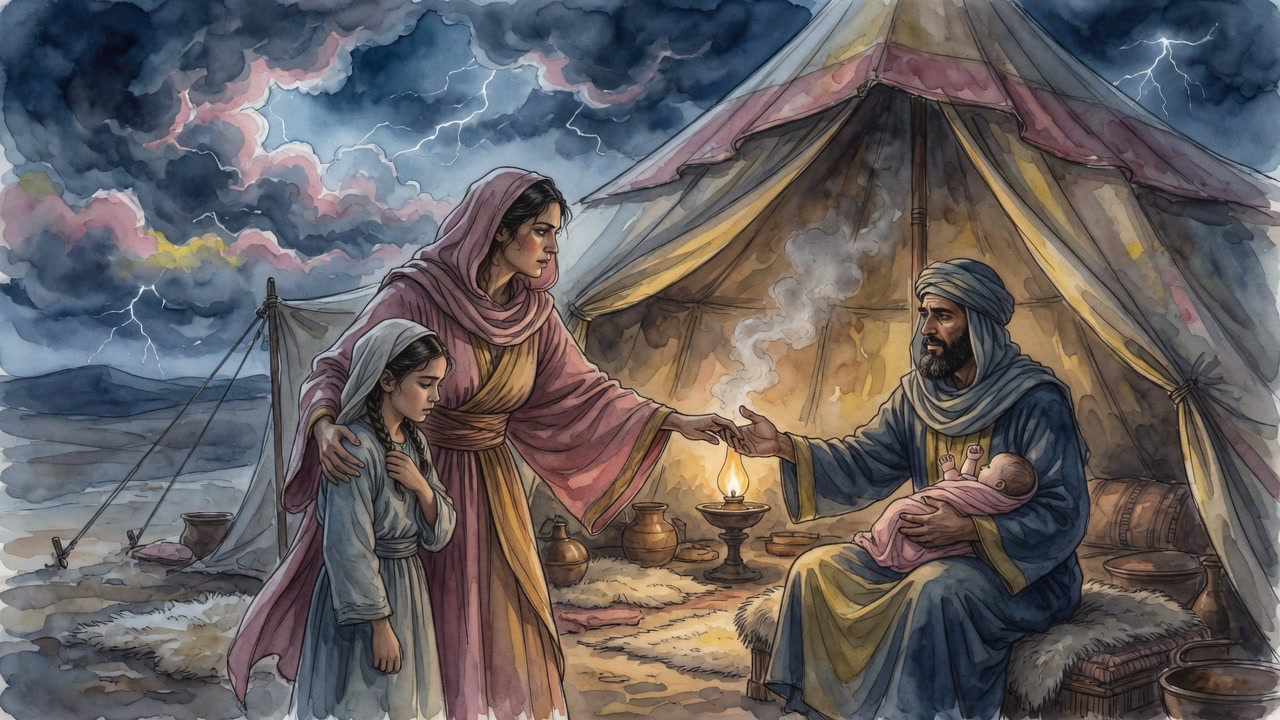
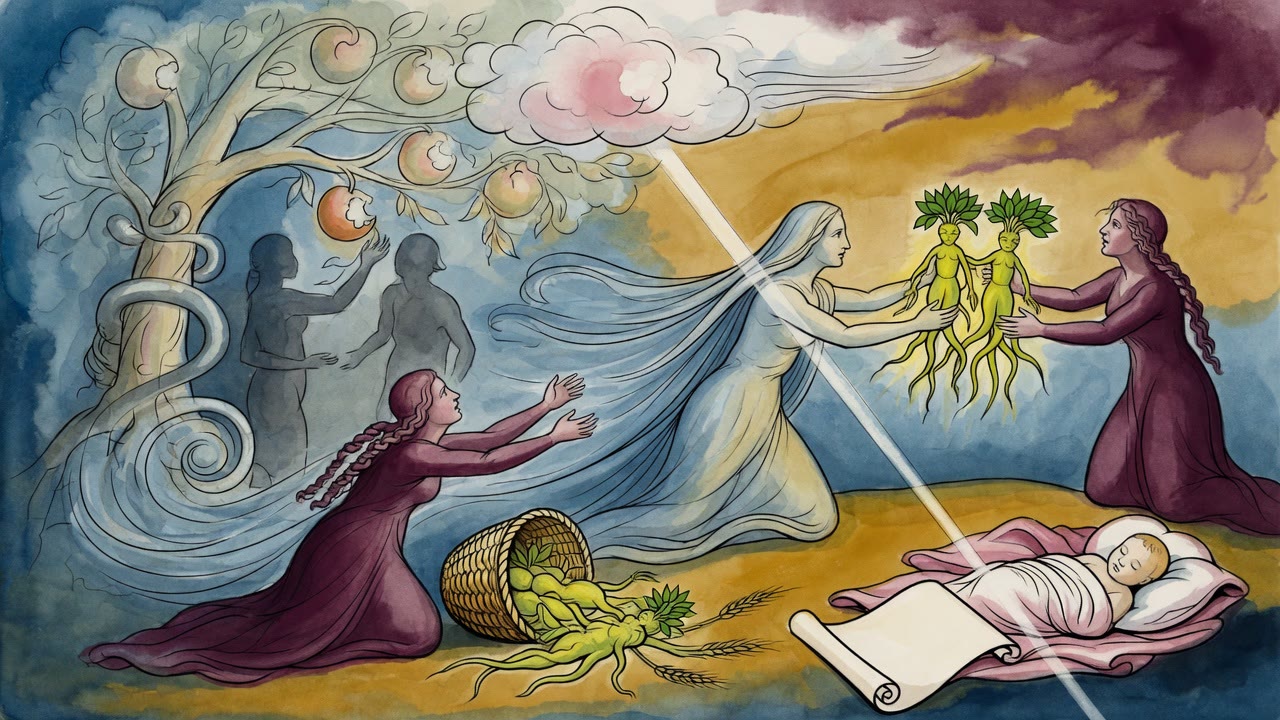
Around the same time, Rachel could not conceive. The Lord had opened Leah's womb, the text says, because Leah was hated. While Leah bore son after son, Rachel stood in the compound watching and finally confronted Jacob: give me children, or I die. Jacob answered with a rebuke: have I withheld from you what only God can give? The grief between the two sisters runs through all of Levi's early years as background weather.
Jacob's Tithe of His Own Son
Jubilees records that on the fourteenth of the month, Jacob rose early and gave a tithe of everything he owned. Not grain and wine and oil only. He tithed people. He tithed cattle and gold and vessels and garments and every possession. A full tenth of all of it, given to the Lord. And when the accounting was done, Levi was the tenth. Jacob separated his sons and counted them from the eldest, and the tithe fell on Levi.
The counting itself was an ordinary thing made strange by its outcome. Jacob lined the boys up by age and went down the row, and the tenth he reached was not chosen for any visible quality, not for strength or birthright or favor. He was simply the one the count landed on. A father moving his finger along a row of his own children, and the holy portion settling on the third son the way a lot falls where it falls. What looked like arithmetic was already a verdict.
The Garments Placed on a Boy in a Field
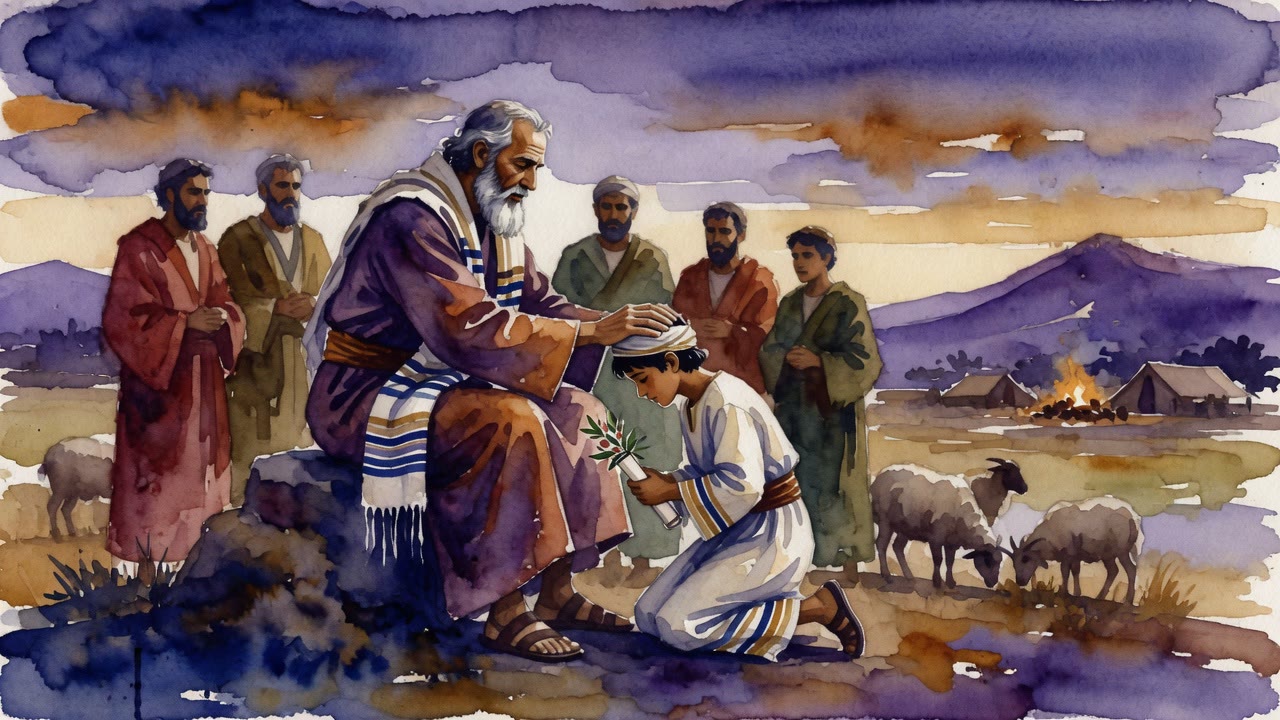
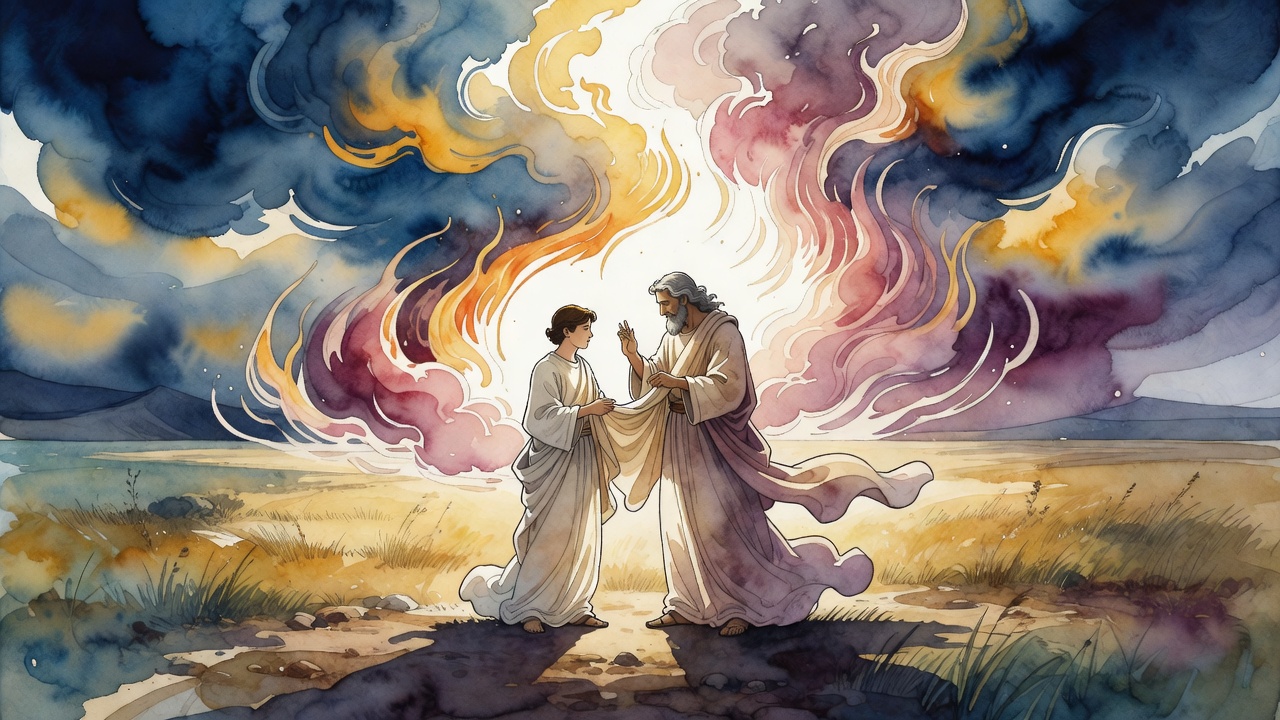
Jacob then put on Levi the garments of the priesthood. He set upon him the linen breeches, and the linen tunic, and the girdle, and the ephod, and the robe of the ephod. He girded him and put a hat on his head and bound it. The cloth went on piece by piece, the breeches first against the skin, then the tunic, then the girdle drawn tight, then the ephod settled over the shoulders of a boy who could not yet have understood the weight of what he was wearing. And he filled his hands and said: from this day, you and your seed forever will serve before the Lord. The ordination was a private act in a field, performed by a father with no priestly authority in any formal sense. It required no altar, no anointing oil, no congregation. It required only a father who understood that some choices are made before they are formalized.
What Was Written Before the Law Was Given
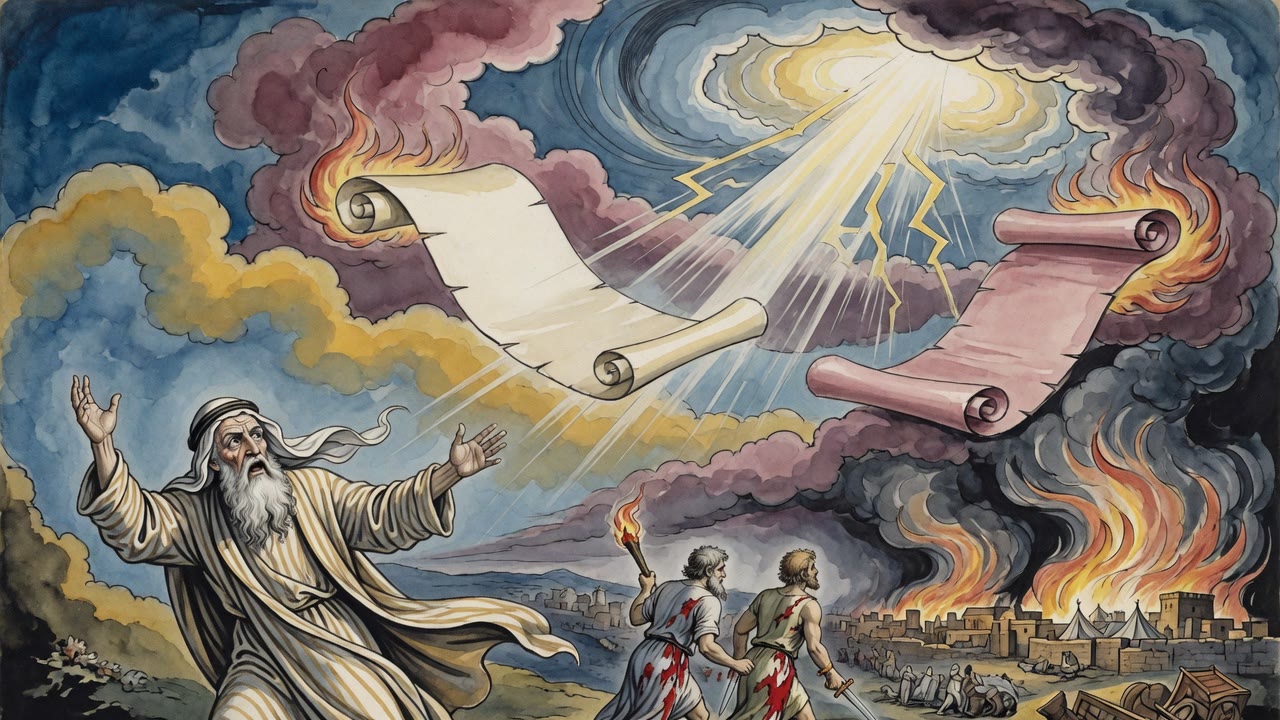
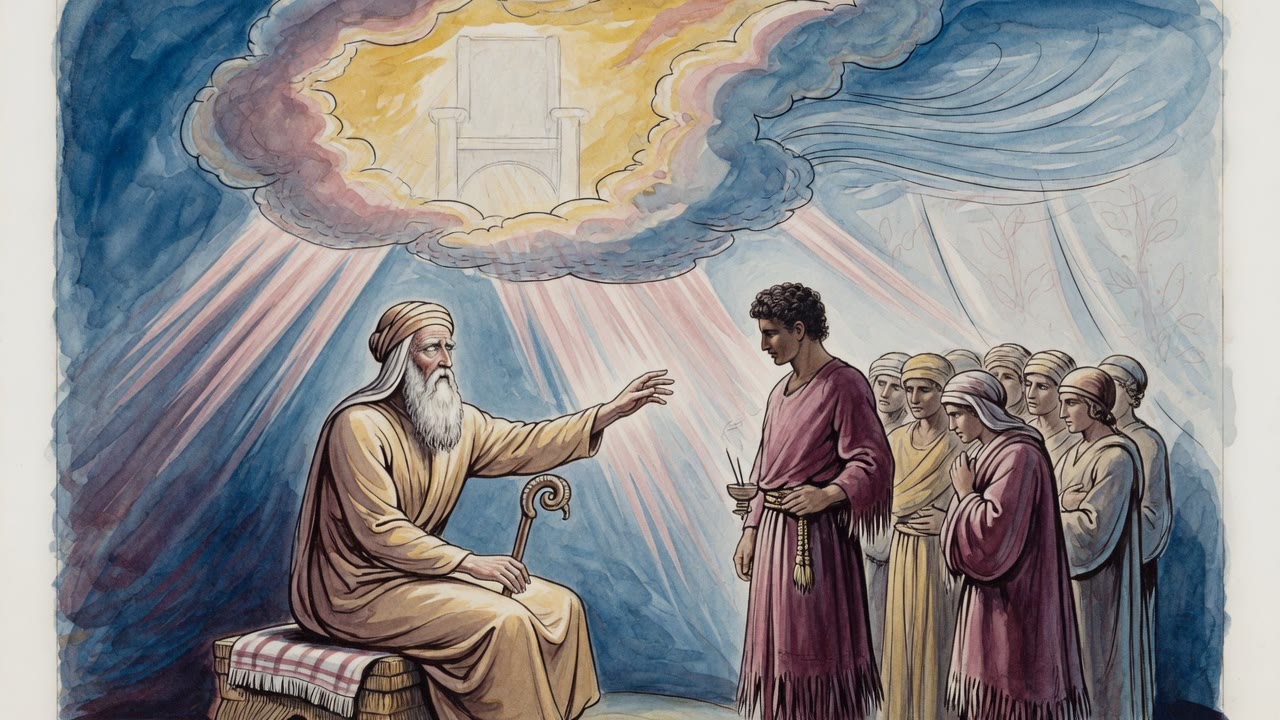
The Jubilees claim is consistent with its larger argument: the priesthood was not invented at Sinai. It was discovered there. Levi had been carrying it since the new moon of Nisan in the year of his birth. Jacob had recognized it when he counted his sons and the tithe fell on the third one. The garments Jacob placed on Levi were the garments the heavenly tablets had already recorded as belonging to the tribe of Levi. Sinai made official what had already been true.
Gad was born shortly after, in the third year of the week, during the days when Rachel was already pregnant with Joseph. The household expanded. Leah's sons accumulated. The twelve were taking shape. But Levi was already marked, already ordained, already standing in the line that would produce every priest, every Levite, every musician and gatekeeper and scribe in the Temple for all the generations that followed. He was born at the hinge of the year and named at the hinge of the family's future.
← All myths