208 texts · Page 2 of 5
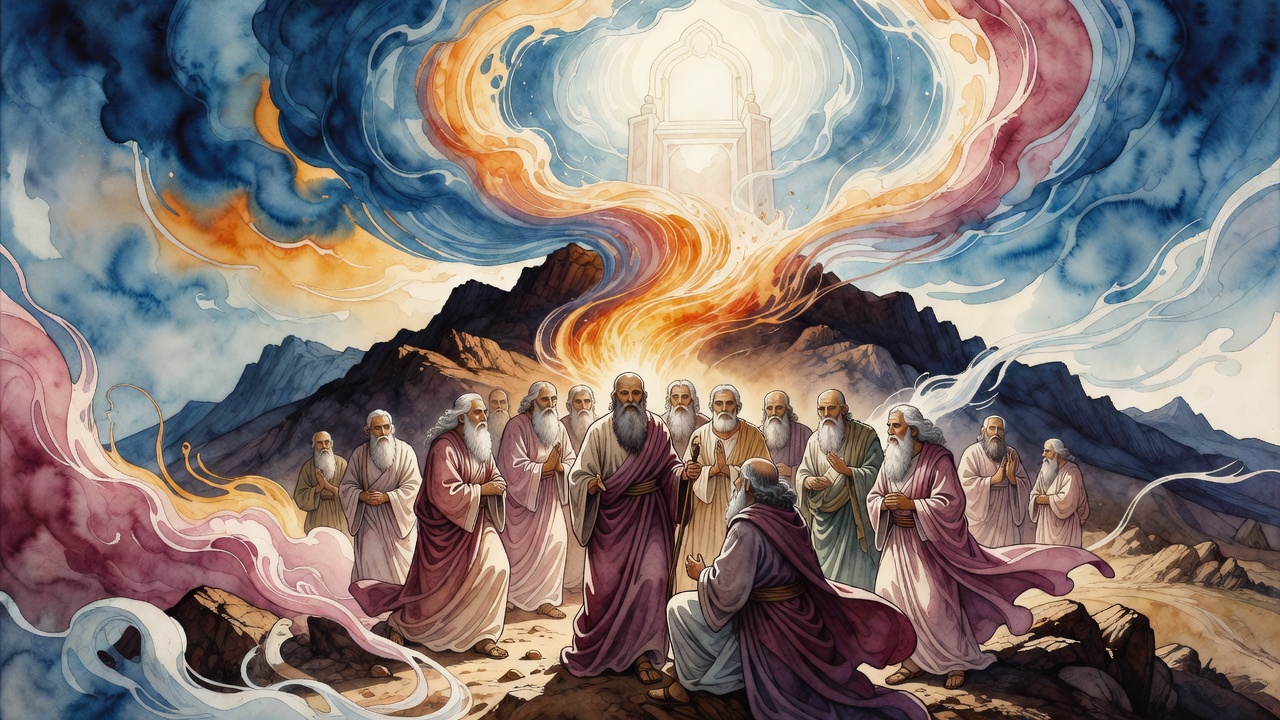
At Mount Sinai, God issued a specific invitation: "Go up, you and Aaron with you." The Mekhilta notices something crucial about this command. It names Moses and Aaron by implicatio...
Where exactly on the ear is the bondsman pierced? The Mekhilta records a dispute between two authorities. Rabbi Yehudah said the piercing goes through the lobe — the soft, fleshy p...
The Torah promises that God will provide "a place where he shall flee" for a person who kills accidentally (Exodus 21:13). This is the institution of the city of refuge, where an u...
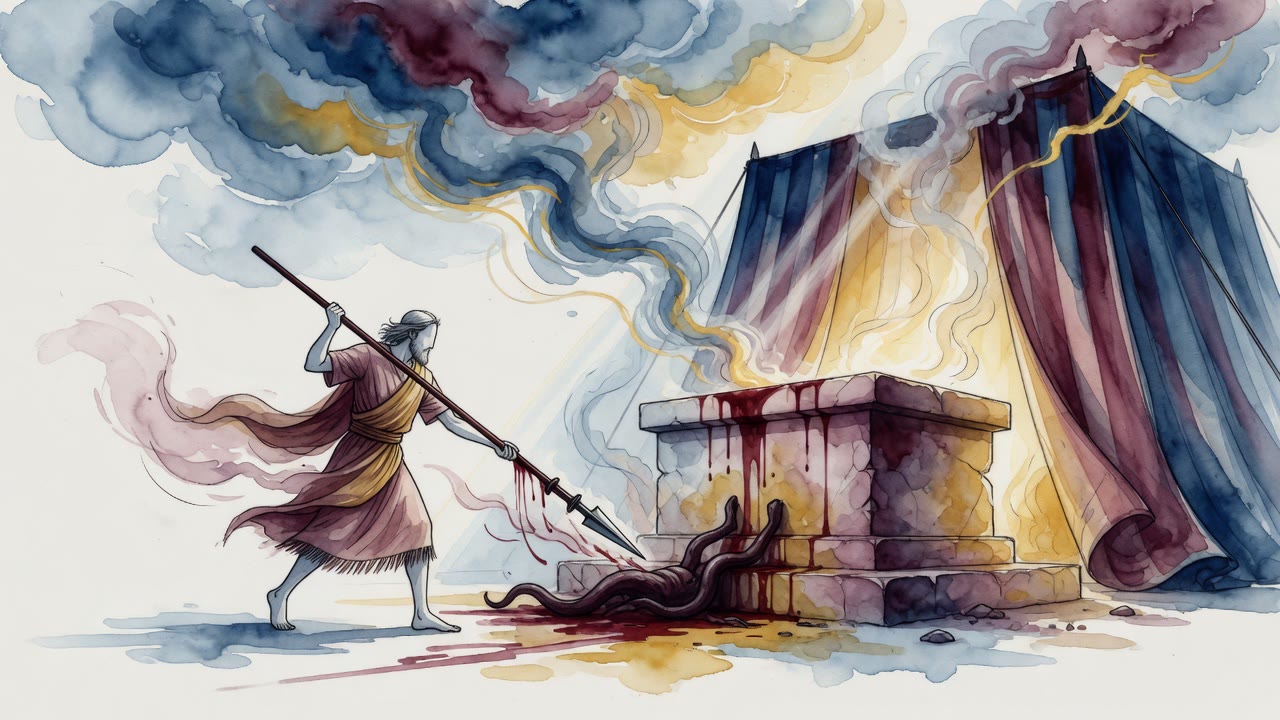
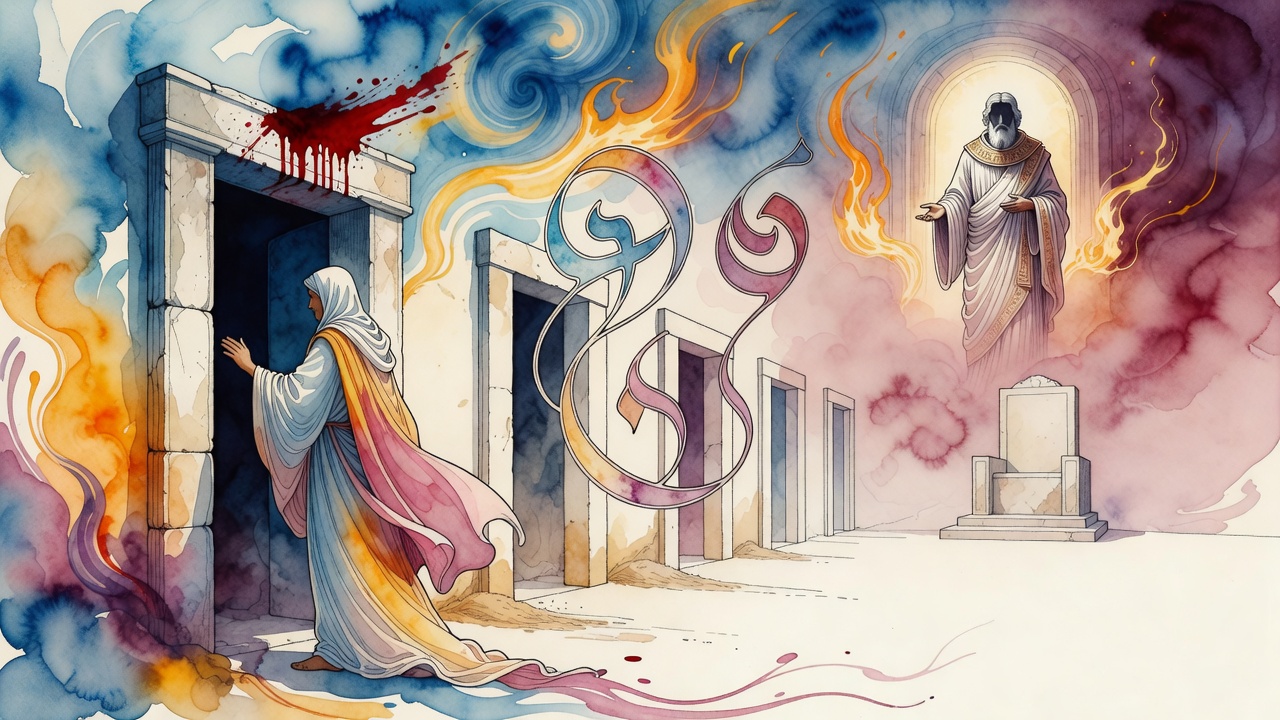
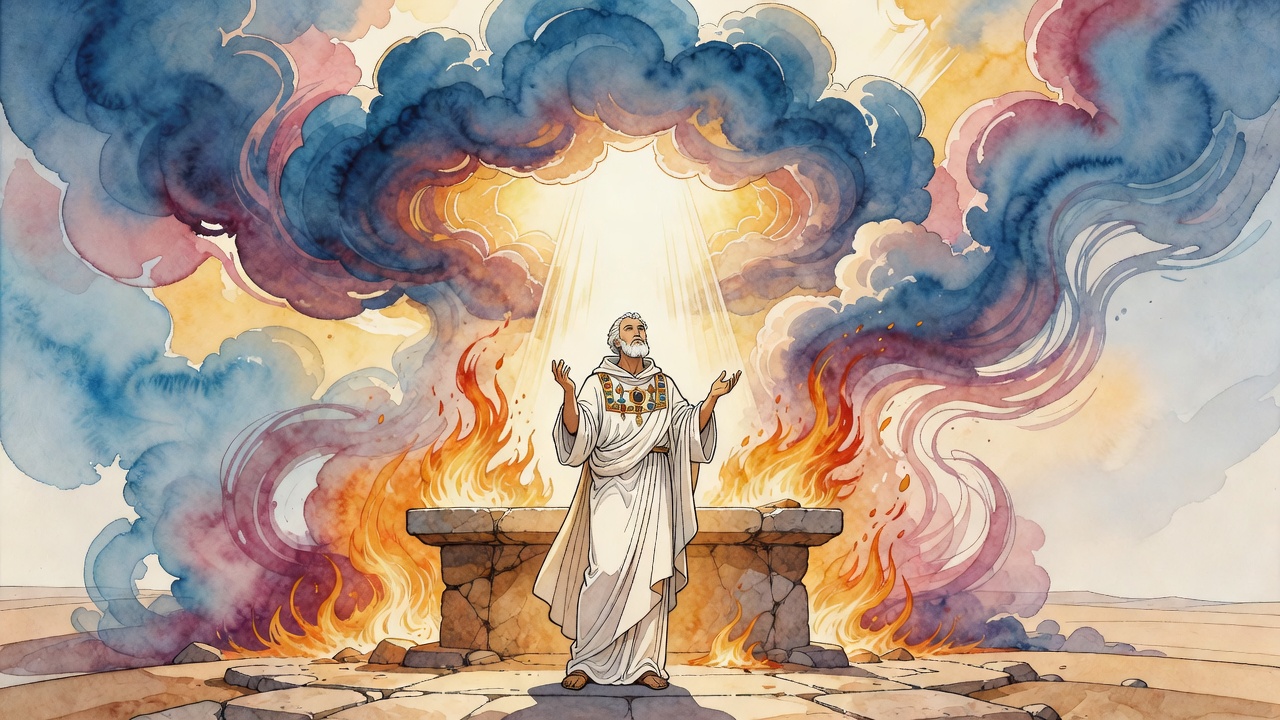
The Torah's command in (Exodus 21:14), "From My very altar shall you take him to die," addresses a chilling scenario: a priest, a Kohen (a priest), who has committed murder. The Me...
"Mahor yimharenah — to himself as a wife" — the Mekhilta reads this phrase as a limitation: the seducer may take the woman "as a wife that is permitted to him." This means the marr...
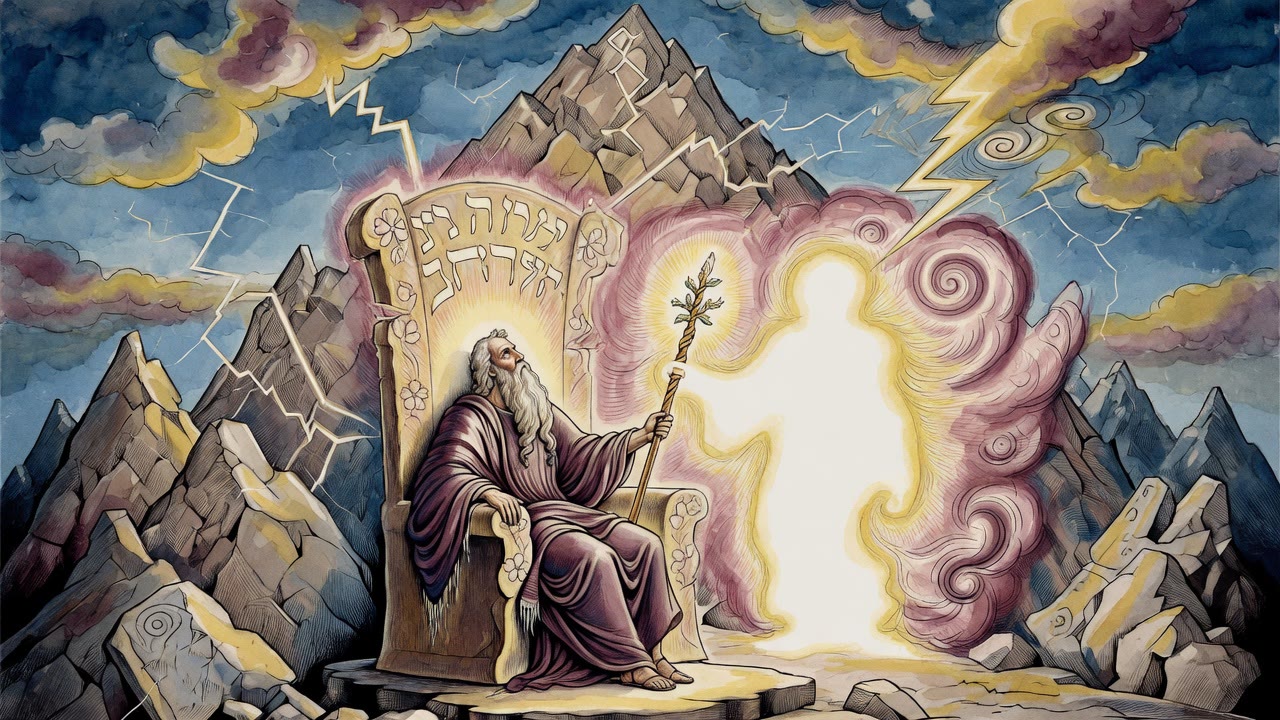
We know Moses led the Israelites out of Egypt, received the Torah, and guided them through the wilderness. But did you know some traditions suggest he also served as High Priest? I...
We all know the story from Exodus 32 – Moses is up on Mount Sinai, receiving the Ten Commandments, and the Israelites, feeling abandoned, demand that Aaron make them a god. But how...
The luchot, as they're known in Hebrew. The Pirkei DeRabbi Eliezer, a fascinating collection of stories and interpretations, paints a vivid picture of this moment. Initially, the t...
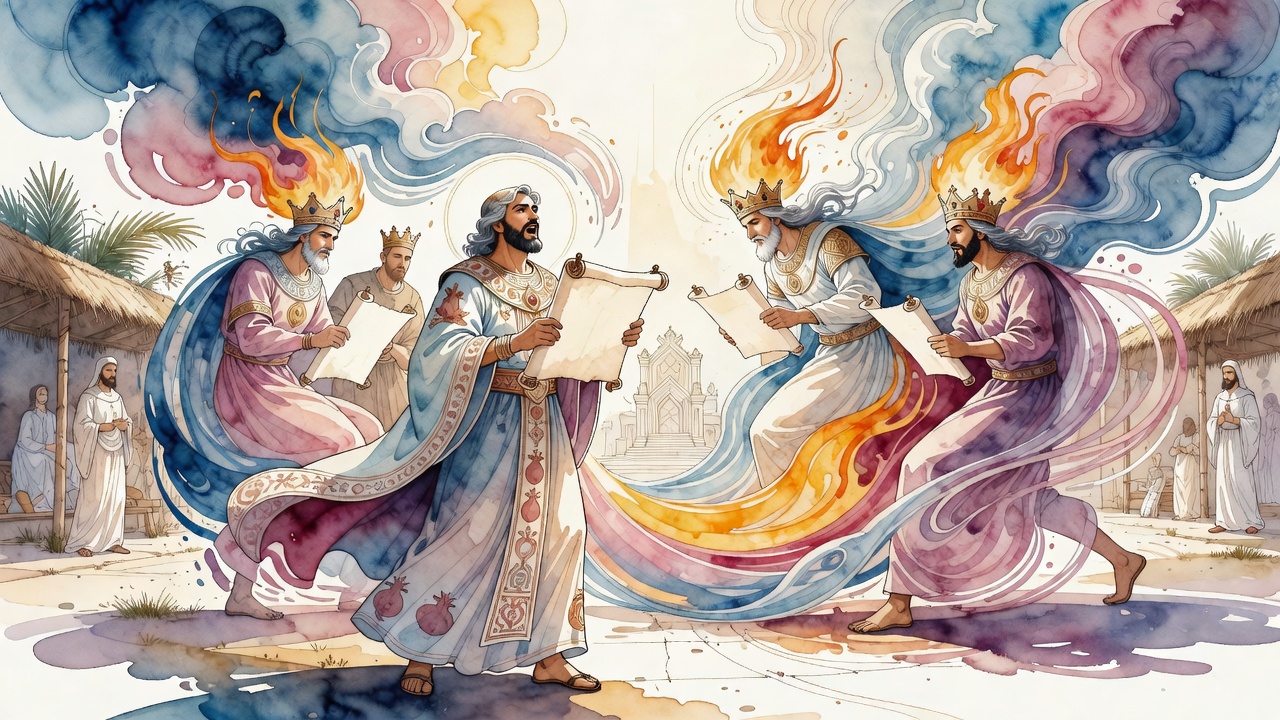
Let's take a journey through one particular section of that royal lineage, as recounted in the Seder Olam Zutta, a shorter, later chronicle that builds upon the better-known Seder ...
Specifically, something stolen from a ger, a proselyte, who then died without any heirs. Who gets the loot? Does the Kohein get to keep it, especially if he's the one who already h...
The ancient rabbis certainly did! to a fascinating corner of the Sifrei Bamidbar (a legal commentary on the Book of Numbers) and wrestle with a surprisingly practical question abou...
Our story today comes from Sifrei Bamidbar, a collection of legal interpretations on the Book of Numbers. We’re looking at Bamidbar (Numbers) 7:6: "And Moses took the wagons and th...
Sometimes, digging into the details reveals a surprisingly beautiful logic. a little puzzle from the Book of Numbers – Bamidbar – and see what we can uncover. Our focus is on the L...
This week, we're diving into a tiny, but potent, moment in the book of Bamidbar (Numbers), specifically chapter 12, verse 2, where we get a glimpse into the simmering frustrations ...
We’re not talking about a moral failing, but rather the concept of tumah (ritual impurity) in Jewish tradition. It's a fascinating area, full of intricate rules and often surprisin...
We often think of death as something to be feared, something to be avoided at all costs. But what if I told you that Moses, the man who spoke to God face-to-face, actually desired ...
We often think of it as a simple transfer of power, but in Jewish tradition, it's so much more nuanced than that. It's about legacy, about diminishing brilliance, and about the uni...
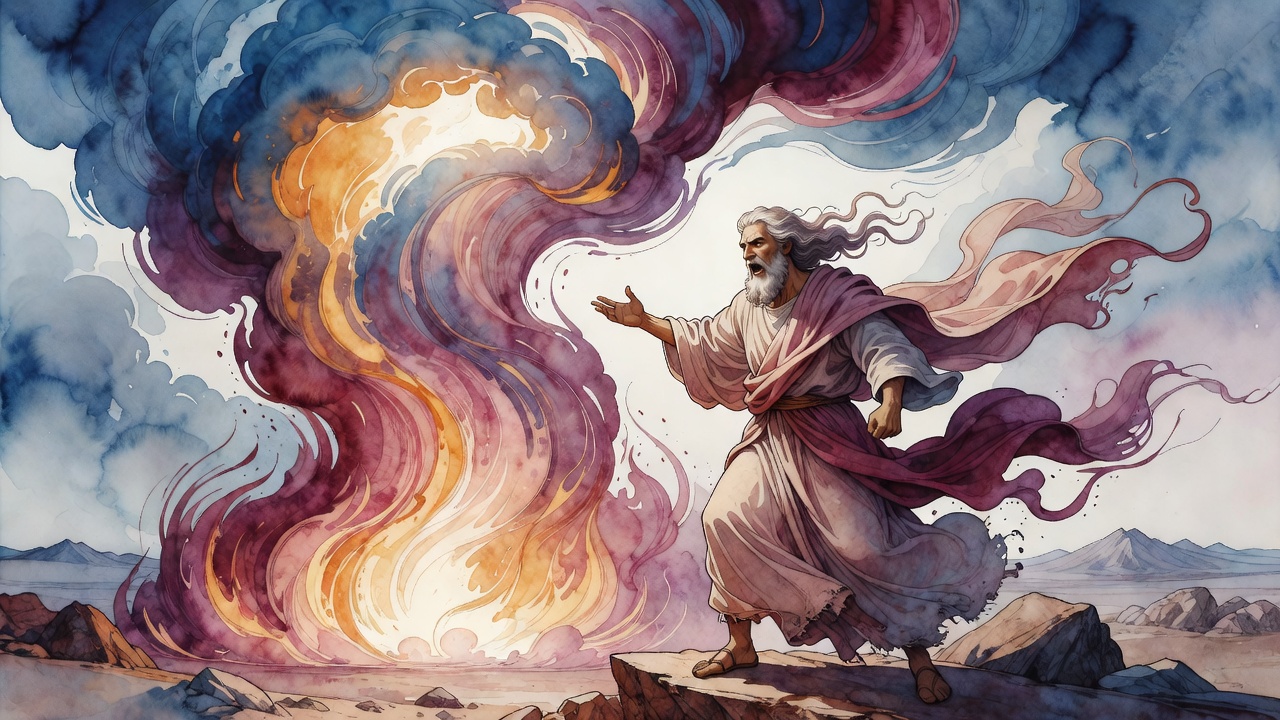
A storm raging, the earth trembling... It's a primal feeling, isn't it? The Psalmist certainly understood it. Psalm 29 paints a vivid picture of G-d's voice thundering across the l...
That’s how I feel when I read certain verses in the Torah. They seem simple on the surface, but underneath... whole worlds are waiting to be discovered. Take this little snippet fr...
We're talking about disqualified offerings. Specifically, offerings that were originally meant for the Temple but, for whatever reason, couldn't be used and were then redeemed – me...
What happens when only part of the offering is present? Is it still valid? Our little puzzle comes from Sifrei Devarim, a collection of legal interpretations on the Book of Deutero...
The Sifrei Devarim, a collection of legal interpretations on the Book of Deuteronomy, dives into just that when discussing the burnt offering, the olah. We're talking about the com...
The verse in question, from (Deuteronomy 14:27), commands us: "And the Levite who is in your gate, you shall not forsake him." Sounds straightforward enough. But the rabbis of the ...
But even in other years, the rules about tithing could get pretty complex. We find ourselves in the book of Sifrei Devarim, specifically section 109, diving deep into the nuances o...
The core of this passage revolves around the first tithe, the ma'aser rishon. This was a portion of the harvest given to the Levites, the tribe dedicated to serving in the Temple. ...
We often think of inheritance in terms of land, possessions, things we can hold in our hands. But what if your inheritance was something… else? Something more sacred? to a fascinat...
to a passage from Sifrei Devarim, a collection of legal interpretations related to the Book of Deuteronomy. The text poses a question about priestly gifts, specifically, whether ch...
Jewish law, Halakha, is famous (or maybe infamous!) for diving deep into the nitty-gritty. And sometimes, it's in those tiny details that we find the bigger picture. Take, for exam...
Take the words "whether ox or sheep" from Sifrei Devarim. Sounds straightforward. But these words, like so many others, open a portal to a rich discussion about Jewish law and its ...
And sometimes, just sometimes, you catch a glimpse of the beautiful mind at work behind it all. Let’s look at one such puzzle. We're diving into Sifrei Devarim, a collection of ear...
It's more than just tossing something into the collection plate; it's about intention, quality, and… well, let's just say, no mixing and matching! The book of Devarim, Deuteronomy,...
It's easy to imagine the grand spectacle, the soaring prayers, the scent of incense... but what about the physical posture of the priests, the kohanim? Well, a fascinating little d...
The passage centers around (Deuteronomy 18:6), dealing with the rights and roles of the Levites. Now, who were the Levites? They were members of the tribe of Levi, designated for s...
The Sifrei Devarim, a legal commentary on the Book of Deuteronomy, gives us a fascinating glimpse into just that. It’s like a backstage pass to the inner workings of the Temple. Ou...
The Torah, in the Book of Deuteronomy, actually makes provision for that. It speaks of cities of refuge, places of safety for those who have committed unintentional manslaughter. B...
Like you've finally built that dream house, and then… boom! Duty calls. Well, Jewish tradition has something to say about that feeling, and it all starts with a verse in Devarim, t...
But then you stumble upon something like this, from Sifrei Devarim 208, and you think, "Wait, what's going on here?" It all revolves around a passage in Deuteronomy (21:5) about a ...
It's fascinating to consider how seemingly disparate aspects of life were connected, and Sifrei Devarim 208 offers us a tantalizing glimpse into this very connection. The text open...
It’s a bit… anatomical, so brace yourselves. The passage we're looking at comes from Sifrei Devarim, a collection of legal interpretations on the Book of Deuteronomy. Specifically,...
We're diving into the world of tzara'at, often translated as leprosy, though it encompassed a much broader range of skin conditions and even affected garments and houses! It's a fa...
The Sifrei Devarim, a collection of legal interpretations on the Book of Deuteronomy, offers a fascinating glimpse into this idea. It starts with the simple phrase: "And you shall ...
That feeling isn't new. It's ancient. We find it echoed in the words of Sifrei Devarim, a text that dives deep into the book of Deuteronomy. In this passage, it's all about tithes ...
THEY EACH SAID THREE THINGS. R. ELIEZER SAID: LET THE HONOUR OF YOUR FELLOW BE DEAR TO YOU AS YOUR OWN; BE NOT EASILY MOVED TO ANGER; REPENT ONE DAY BEFORE YOUR DEATH.LET THE HONOU...
The completion of all the Tabernacle's furnishings and garments in (Exodus 39:1-43) should feel repetitive. The craftsmen were building exactly what God commanded. But the Targum J...
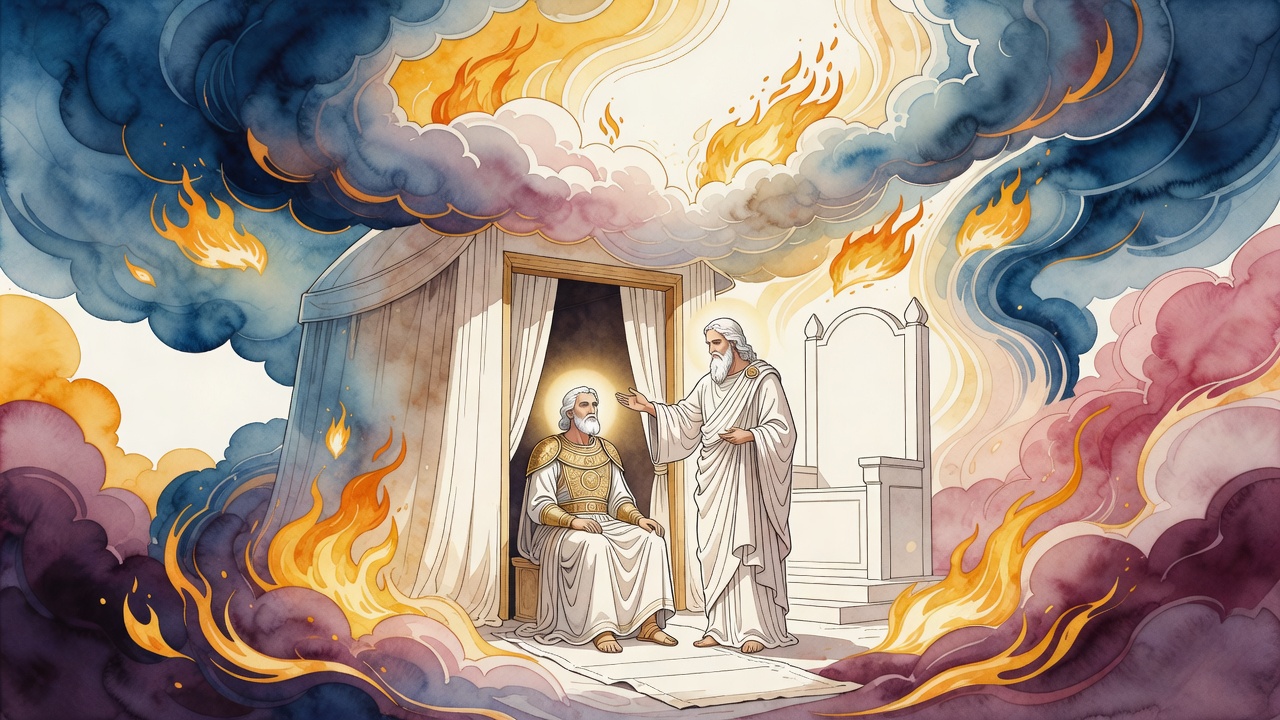
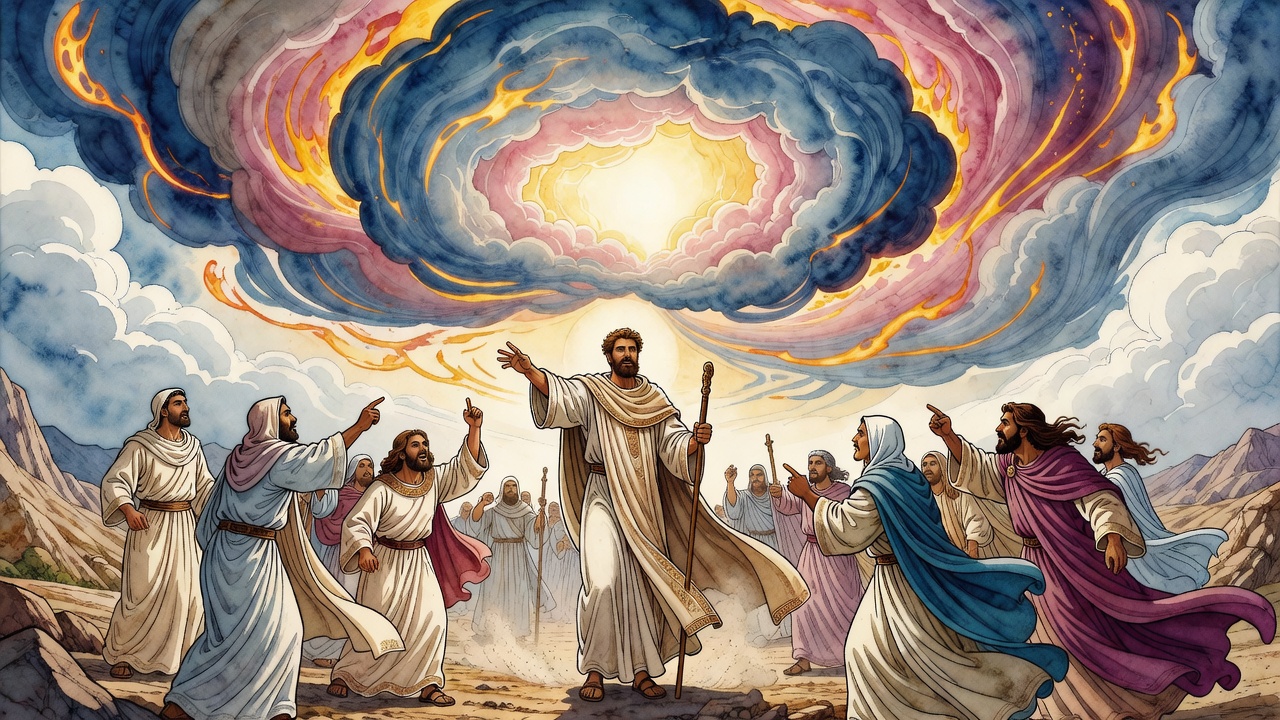
When Moses finished building the Tabernacle, he stood outside and refused to go in. His reasoning, according to the Targum Jonathan, was striking: Mount Sinai had been holy for onl...
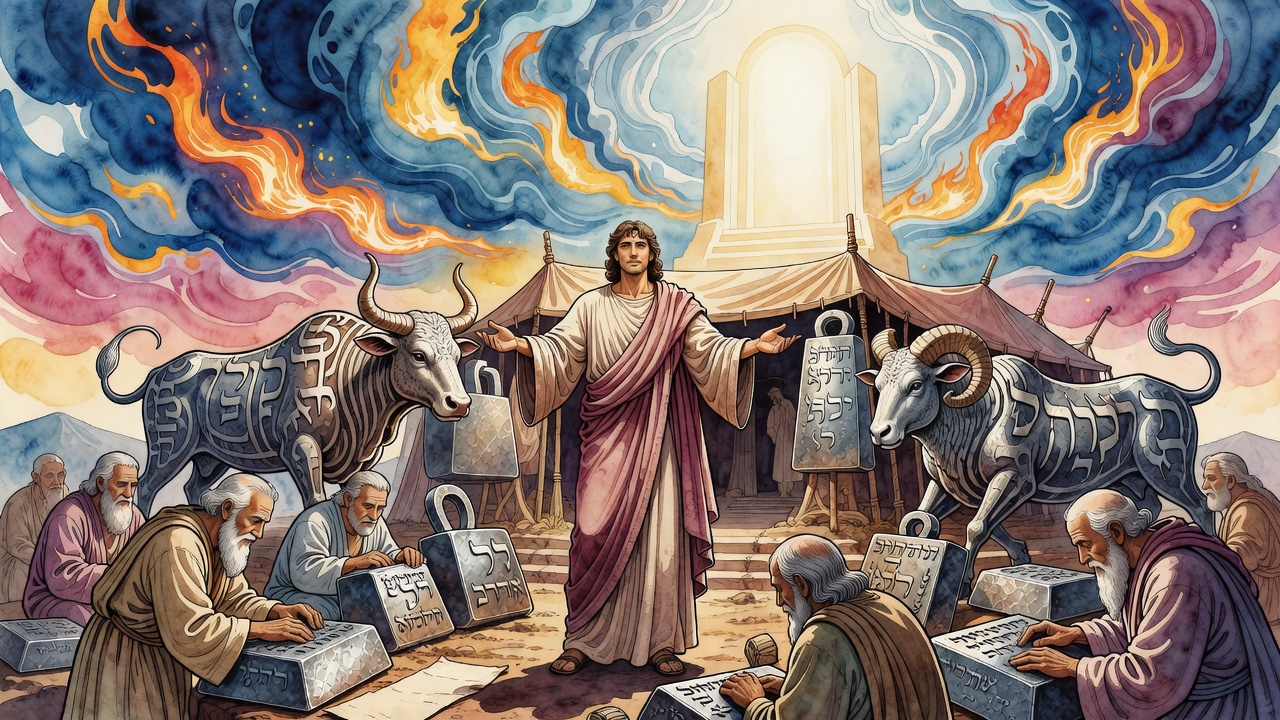
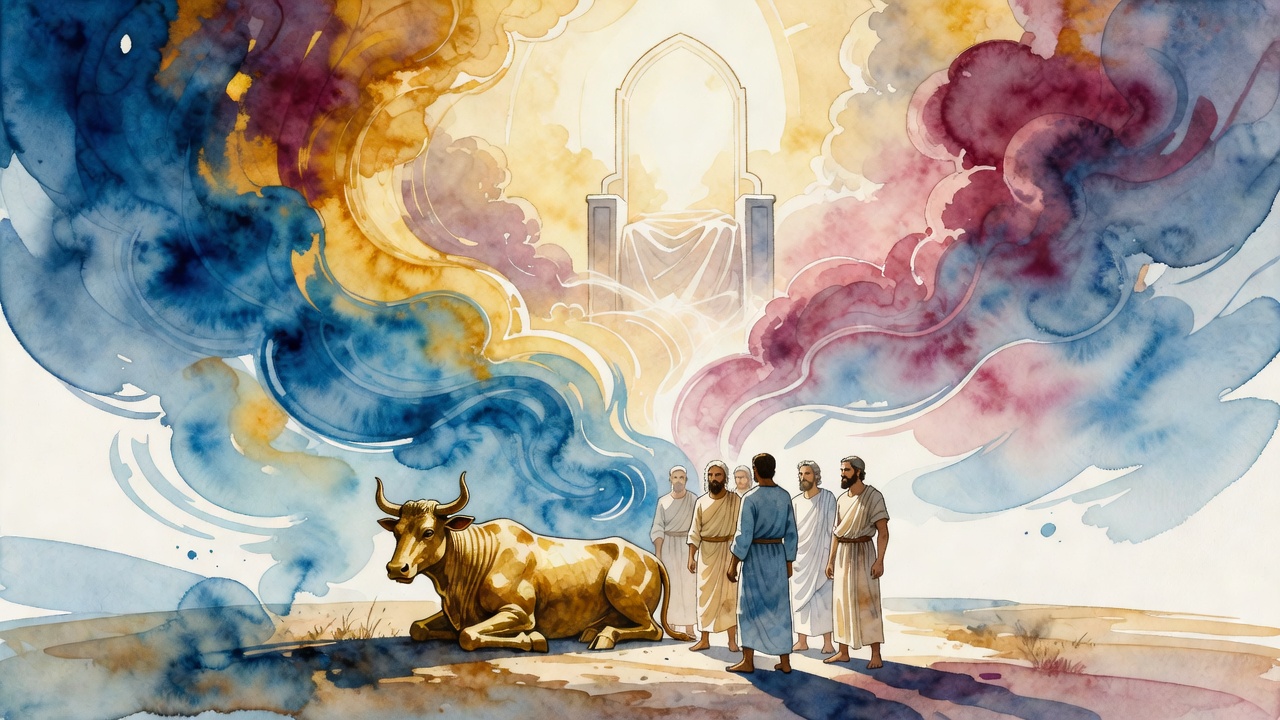
When the entire community of Israel sinned by accident, who took responsibility? The Hebrew Bible says "the elders of the congregation" laid their hands on the bull (Leviticus 4:15...
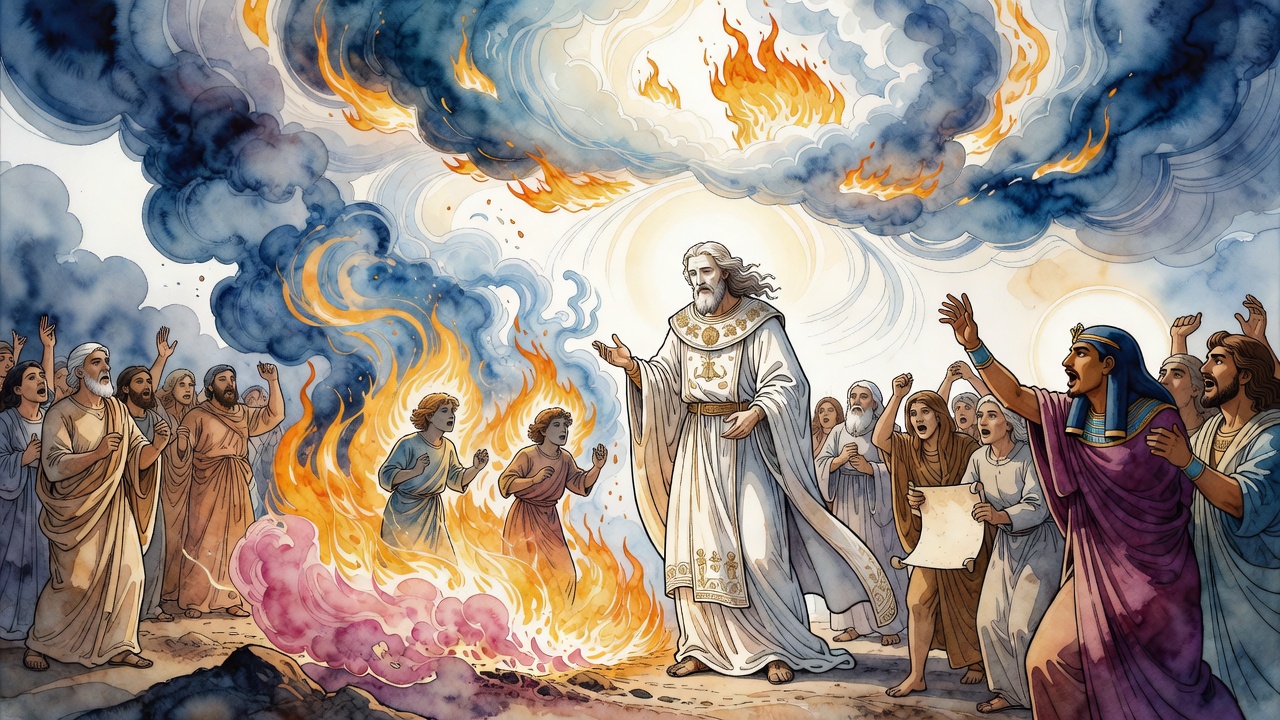
The Targum Jonathan opens Leviticus 6 with a line that does not exist in the Hebrew Bible: the burnt offering "is brought to make atonement for the thoughts of the heart." Standard...
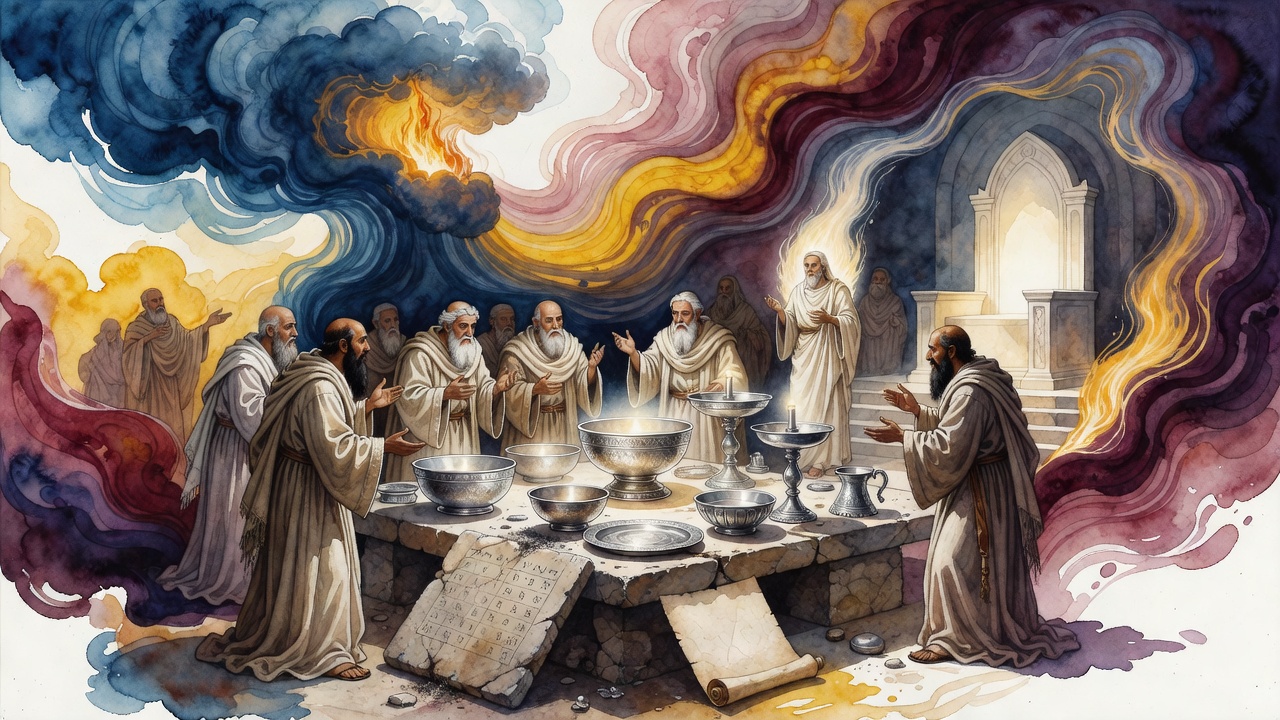
Leviticus 7 compiles the laws of trespass offerings, thanksgiving offerings, and the priestly portions. The Targum Jonathan repeats a stunning claim from the previous chapter, fram...