208 texts · Page 3 of 5
Leviticus 12 is one of the shortest chapters in the Torah—just eight verses about purification after childbirth. The Targum Jonathan keeps it concise but adds small details that re...
Leviticus 13 is the longest chapter in the book—a detailed medical manual for diagnosing skin diseases. The Targum Jonathan transforms it from clinical instructions into a color-co...
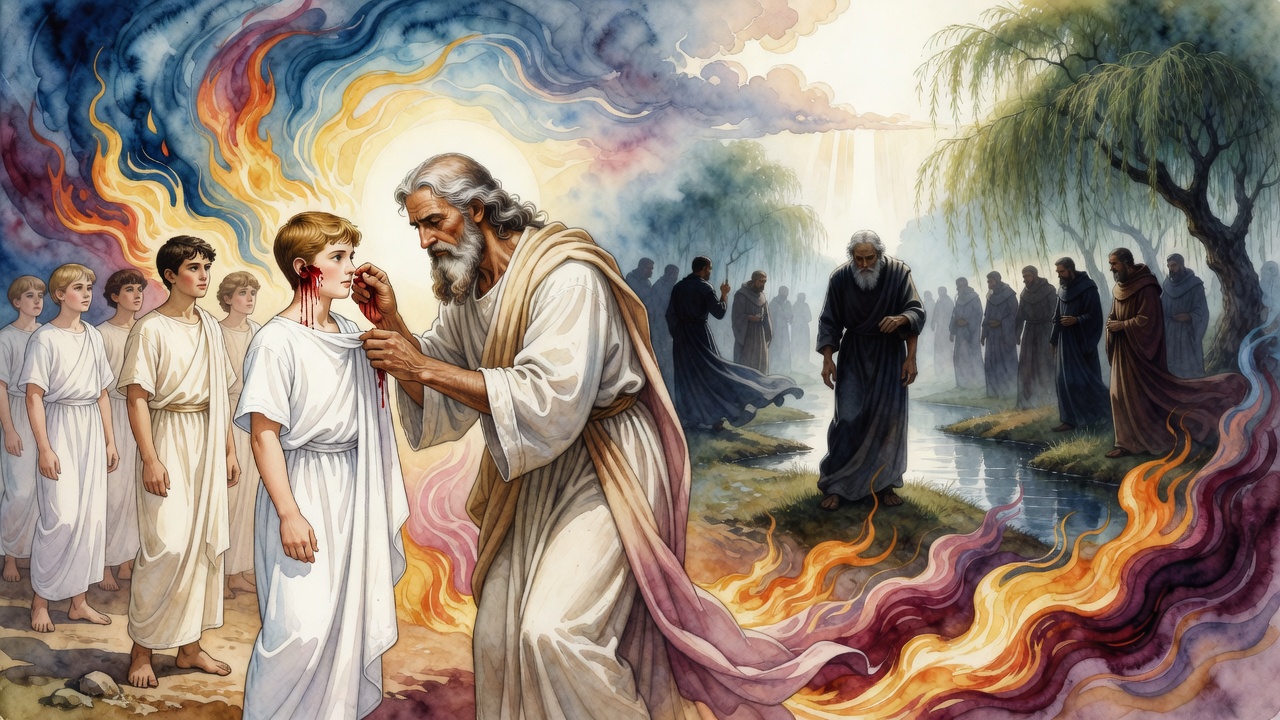
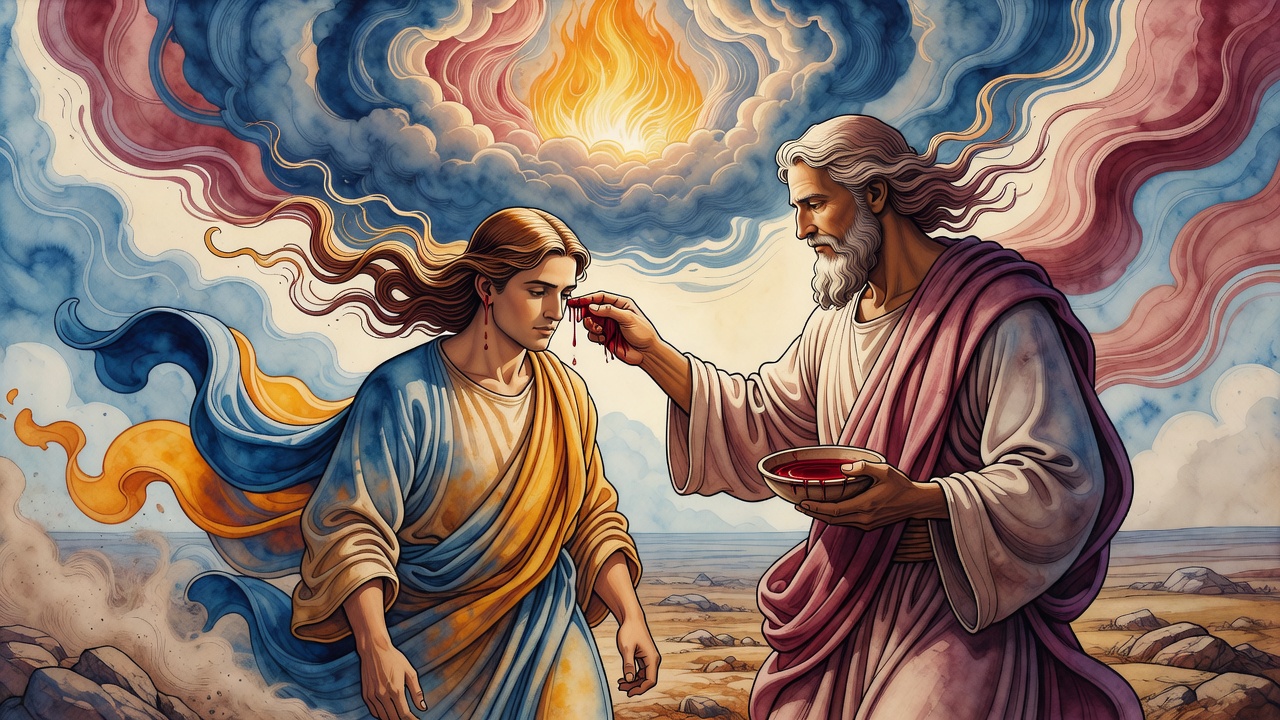
The purification ritual for a healed leper involved two birds. One was killed. The other was dipped in the dead bird's blood, mixed with spring water, and released over an open fie...
Leviticus 15 deals with bodily discharges—a topic the Targum Jonathan handles with surprising clinical specificity. The Hebrew Bible says a person with an issue becomes unclean. Th...
Leviticus 21 restricts which priests may serve at the altar. The Targum Jonathan expands the list of disqualifying blemishes with clinical precision that goes well beyond the Hebre...
Leviticus 27 closes the book with a system for redeeming vows—and the Targum Jonathan stays remarkably close to the Hebrew, adding only small but telling details. When someone dedi...
The standard census in the Book of Numbers is a dry headcount. But the Targum Jonathan transforms it into something far more dramatic, adding a theological reason for every exempti...
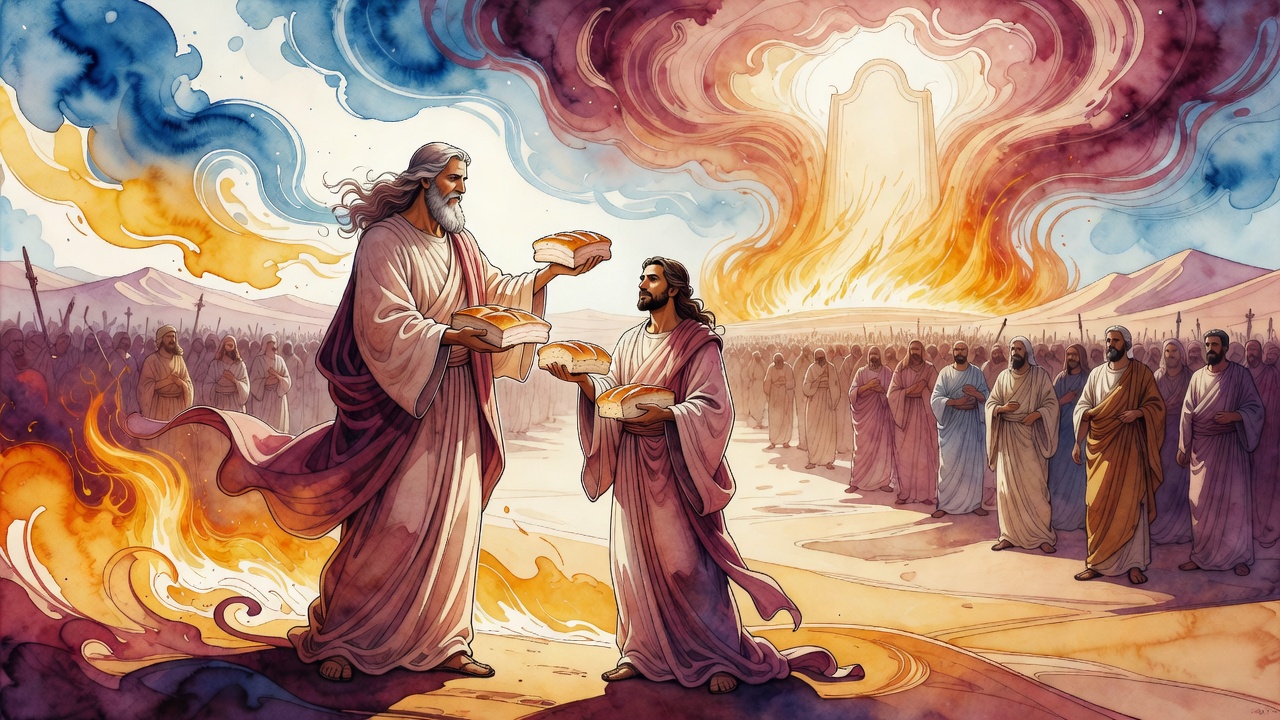
The Hebrew Bible says the Israelites camped by their tribal standards (Numbers 2:2). It never describes what was on them. The Targum Jonathan fills that silence with a riot of colo...
In the standard Hebrew text, God takes the Levites instead of Israel's firstborn sons. The Targum Jonathan adds details that transform this administrative swap into a high-stakes t...
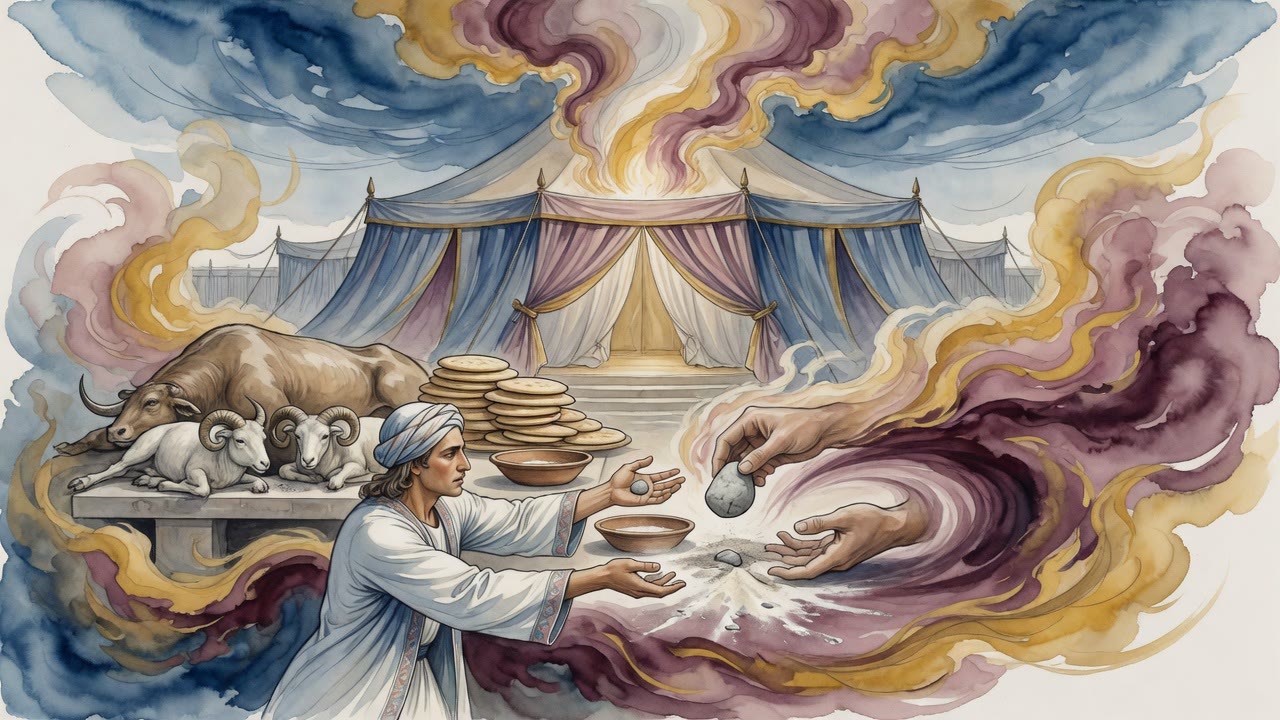
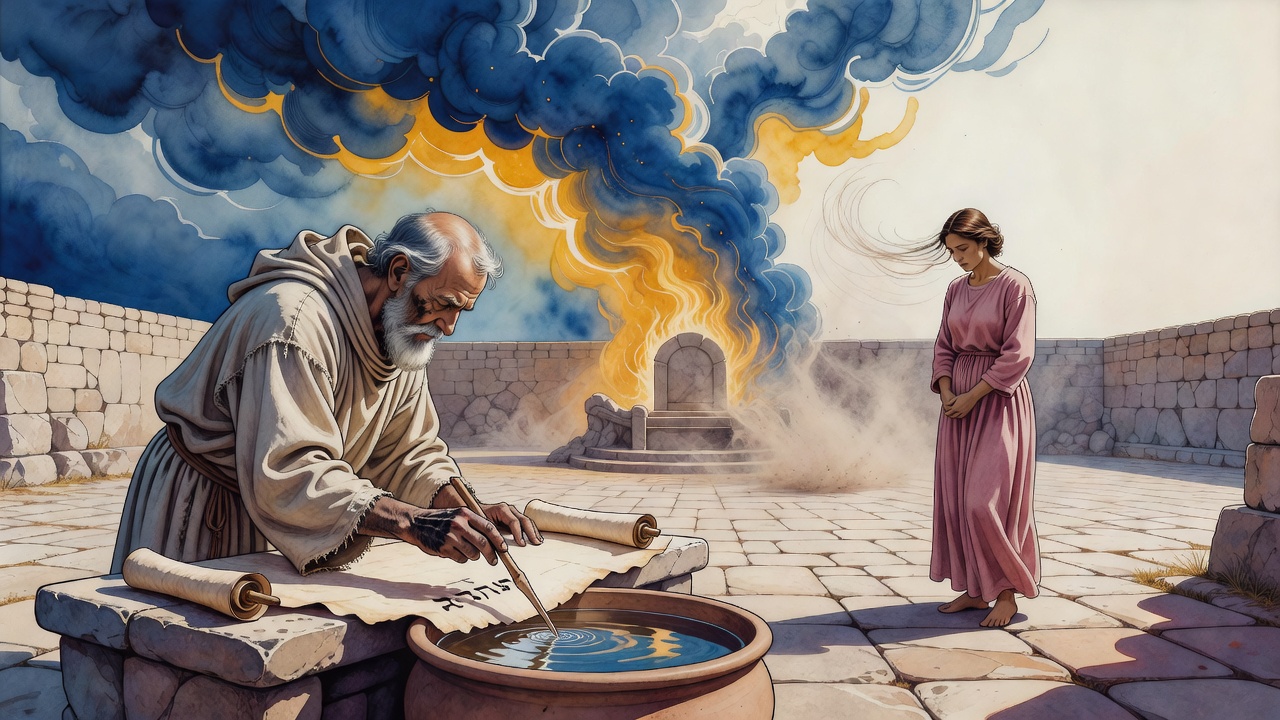
The Sotah ritual—the ordeal of the woman accused of adultery—is already one of the strangest passages in the Hebrew Bible. The Targum Jonathan makes it stranger, adding psychologic...
Everyone knows the Priestly Blessing: "The Lord bless you and keep you" (Numbers 6:24-26). What most people do not know is that the Targum Jonathan expands those three elegant vers...
Numbers 7 is the longest chapter in the Torah, listing identical offerings from twelve tribal princes across twelve days. It is famously repetitive. The Targum Jonathan rescues it ...
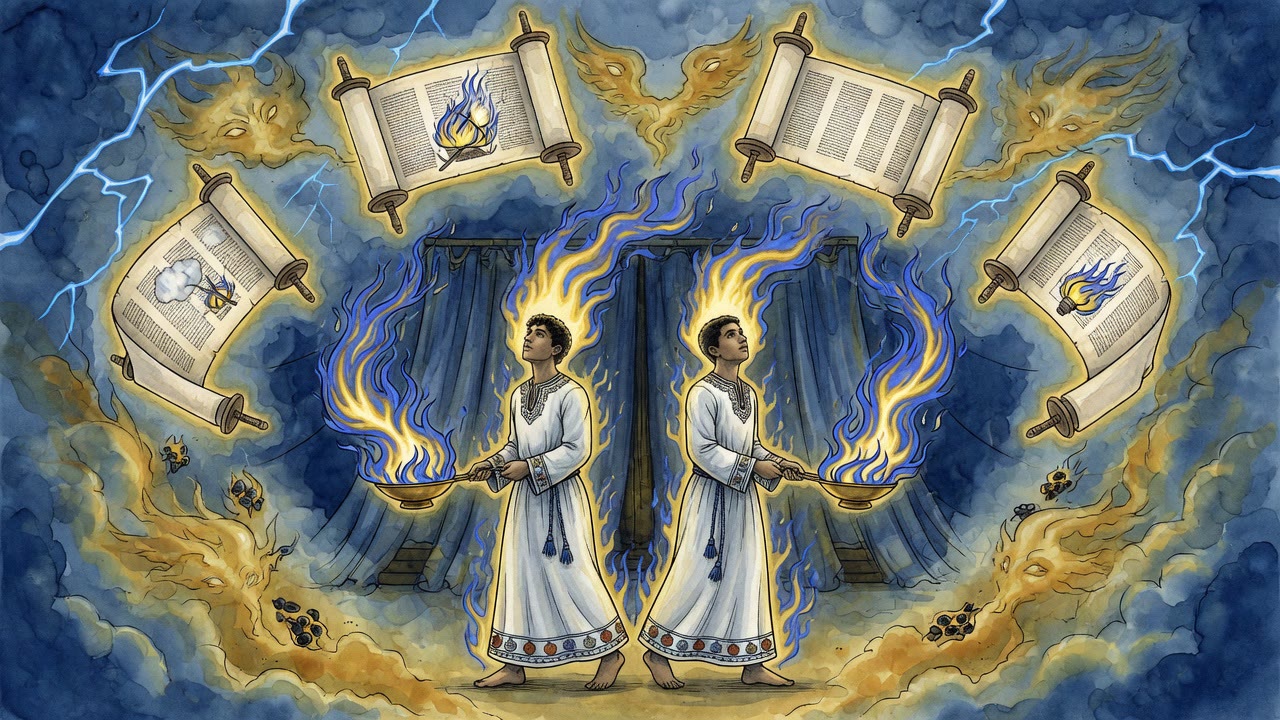
The Targum Jonathan transforms the consecration of the Levites from a brief ritual into an elaborate purification involving specific quantities of water, a razor over every inch of...
Every tribe in Israel received land. The Levites received cities. Aaron and his sons received something stranger: God told them their inheritance was God Himself. The Targum Jonath...
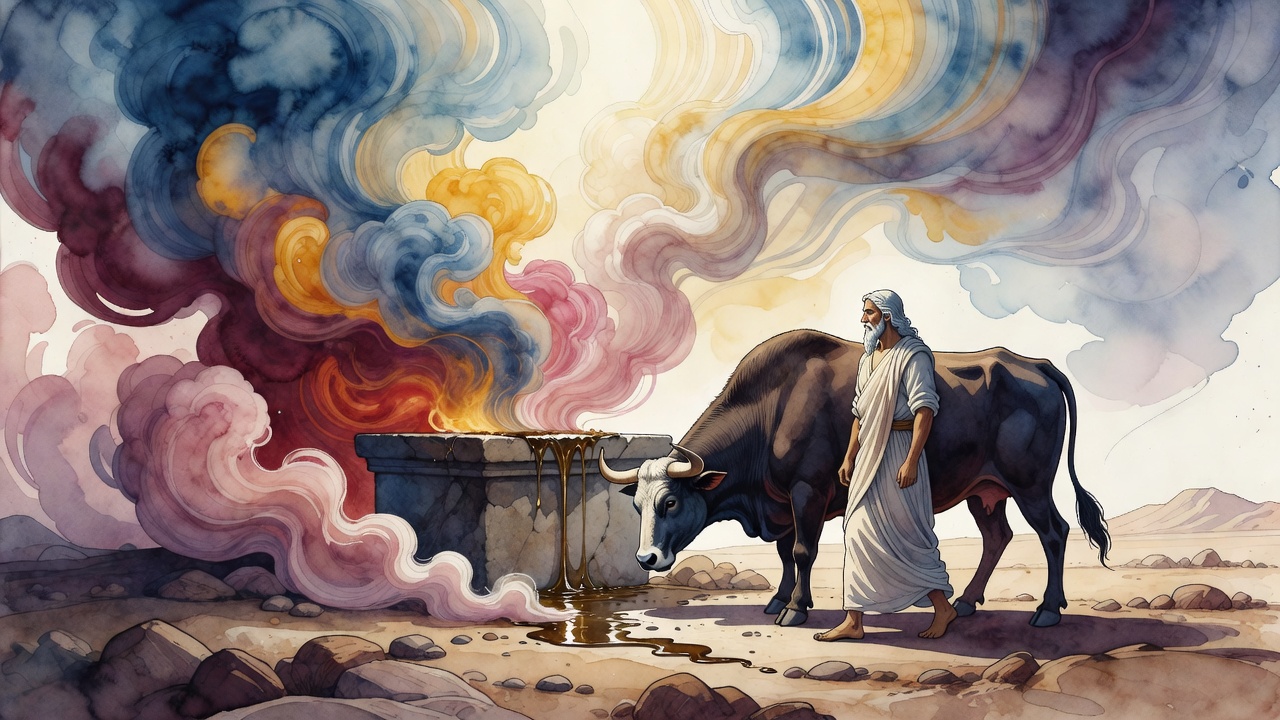
The Torah's most mysterious ritual—the red heifer—gets even stranger in the Targum's retelling. The standard text in (Numbers 19) simply describes burning a red cow and using its a...
When Miriam died on the tenth day of the month Nisan, the well that had sustained Israel throughout their desert wanderings vanished. The Targum makes this connection explicit in a...
The Targum Jonathan on (Deuteronomy 10) buries an entire civil war inside what the Hebrew Bible treats as a simple travel itinerary. The Hebrew says Israel "journeyed from Beeroth ...
The Torah says the Levites have no land inheritance. Targum Jonathan goes further, specifying exactly what they receive instead—twenty-four gifts of the priesthood. That number doe...
The first-fruits ceremony in (Deuteronomy 26) is beautiful in the Torah. Targum Jonathan makes it lavish. Where the Hebrew says simply to bring produce in a basket, the Targum adds...
… And He said to him ‘go away to the land of Moriah and bring him up there for a burnt offering’ (Bereshit 22:2) What is the land of Moriah? There is a whole bundle of Sages here, ...
Chapter 9 They [the Israelites]--the entire congregation--came to the wilderness of Tzin in the first month, and the nation settled there, and Miriam died there and was buried ther...
Another explanation: As she purified the entire house of her father like the blood of a bird (tzipor, used in purifying some impurities). Rabbi Yose bar Chaninah said, 'They sought...
Rabbi Yehoshua of Sikhnin said in the name of Rabbi Levi: Great is peace for all blessings are sealed with peace: The reading of the Shema—"spreads the shelter of peace." The [stan...
Eikha Rabbah: A midrash (Jewish rabbinic literature) on the Book of Lamentations (Eikha). It is also called Eikha Rabati, Aggadat Eikha, or Midrash Kinot. In the Tosefta (supplemen...
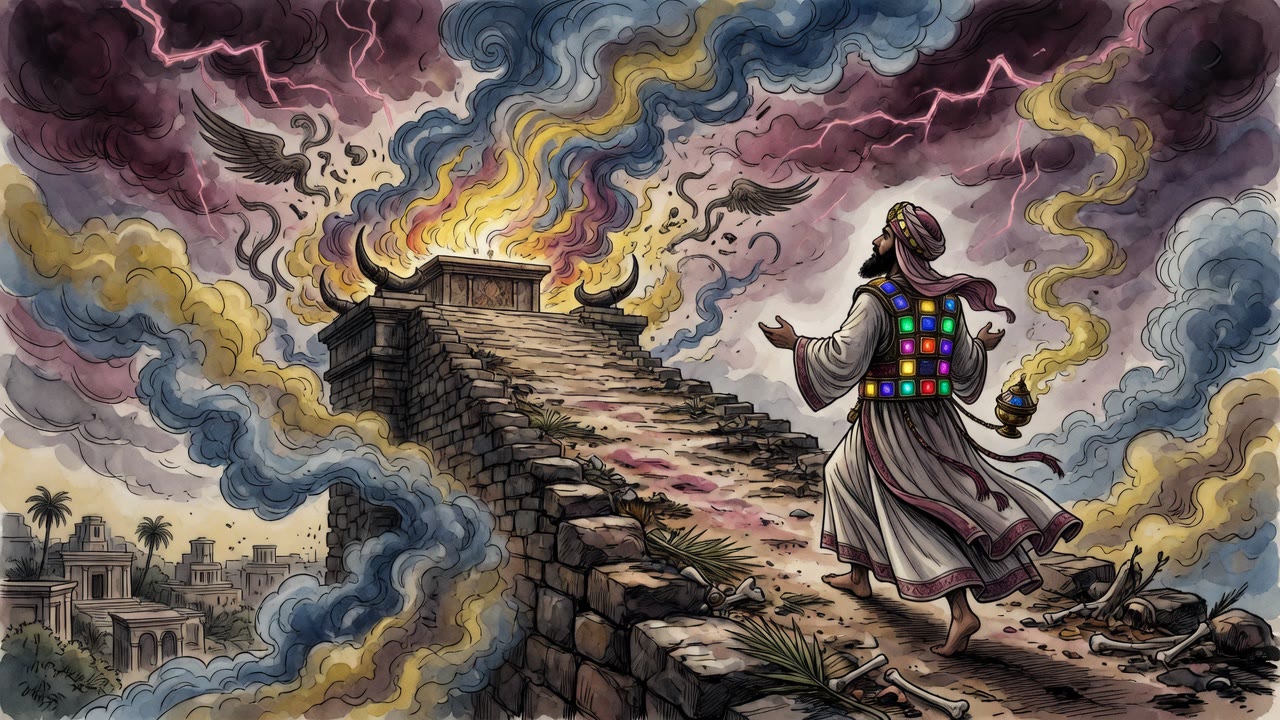
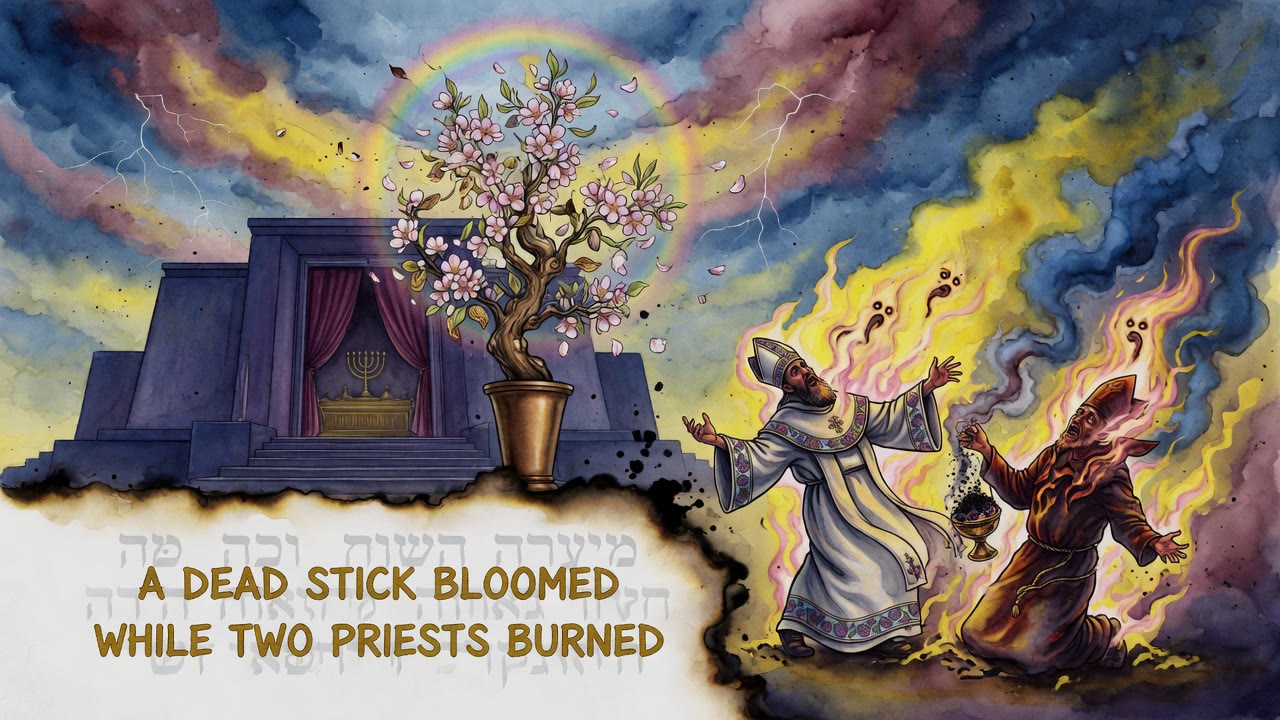
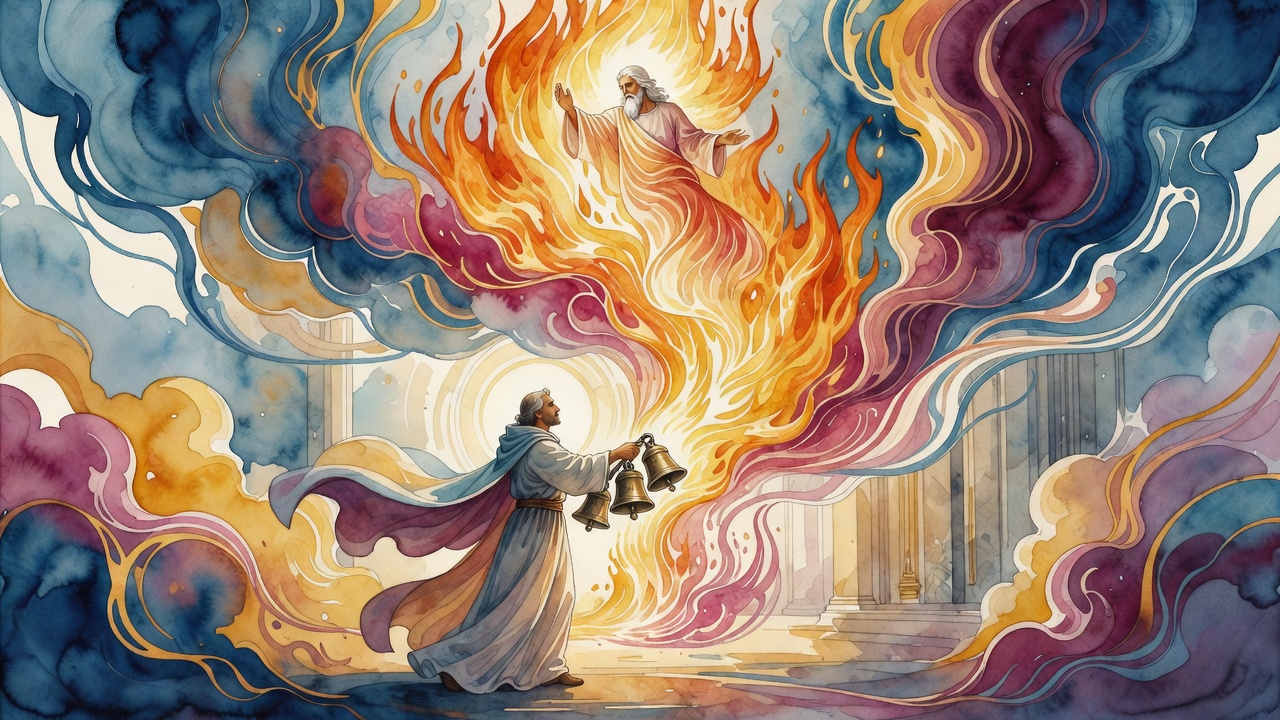
Simeon b. Kamhith, a high priest, walked about with a heathen king and got his clothes defiled and was incapacitated from acting on the day of atonement. His place was taken by his...
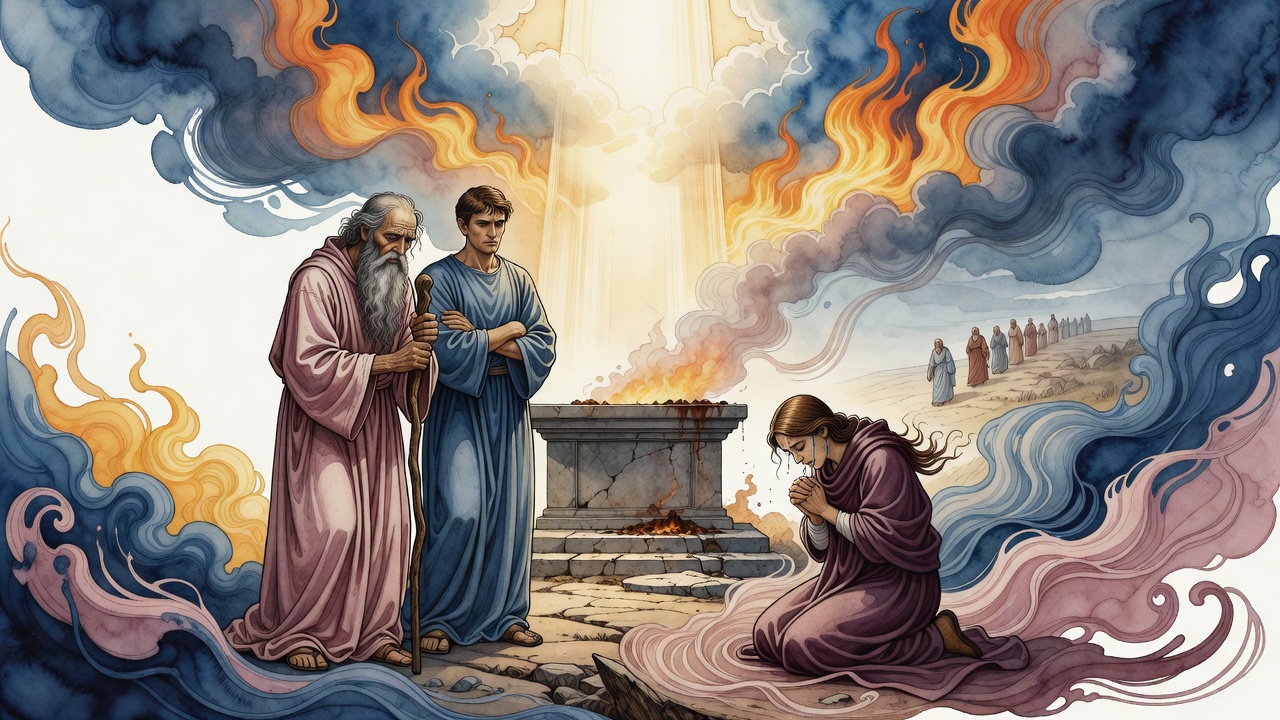
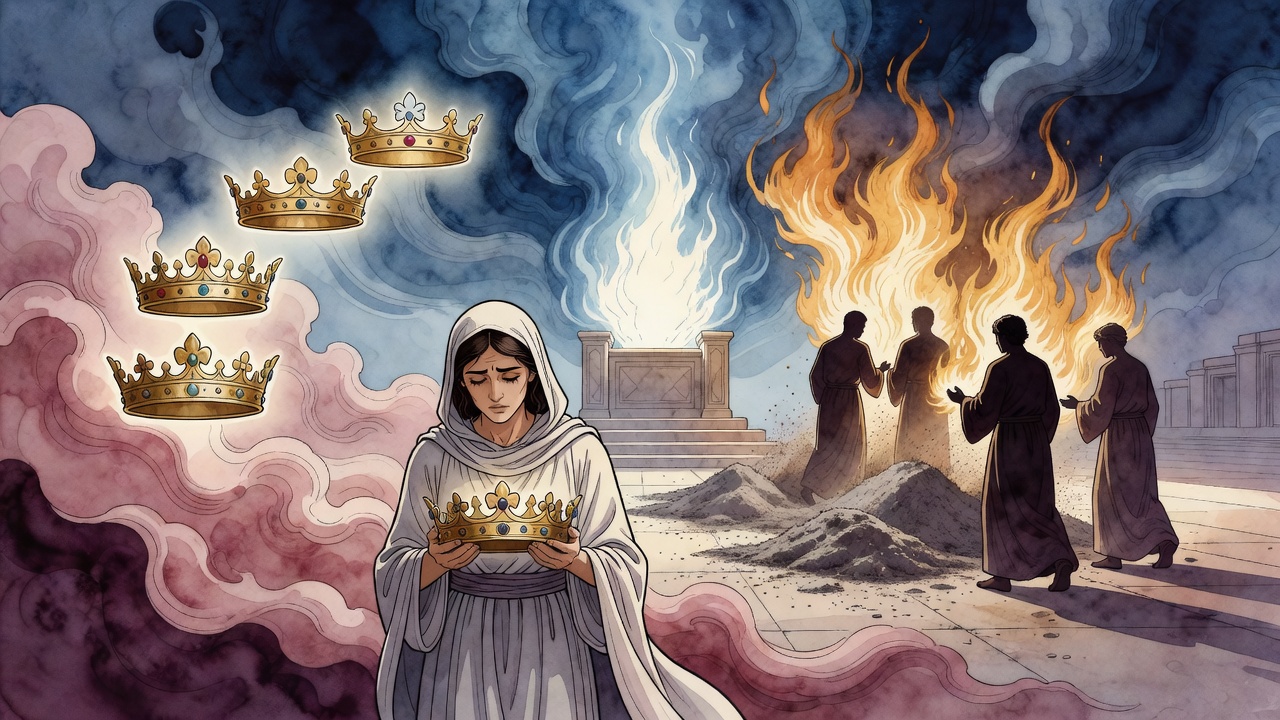
Zophnat, daughter of the high priest, was torn from everything she had ever known. Sold into slavery, she stood on the auction block while the seller stripped away her garments one...
The respect that Dama ben Netina showed his father was legendary among the sages of Israel — and Dama was not even Jewish. He was a gentile merchant in Ashkelon, and his story beca...
Rabbi Akiba was brought a case that tested the limits of both law and compassion. A girl, only three years old, had been presented to the priestly authorities as a candidate for ri...
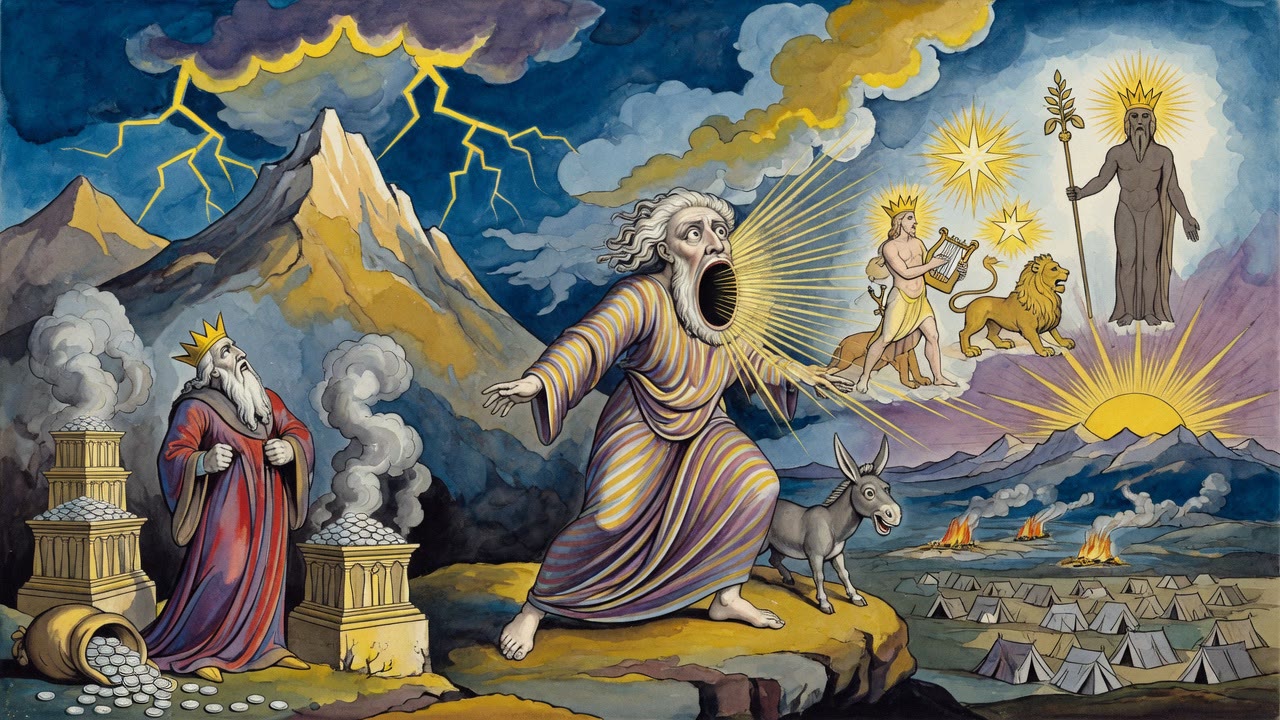
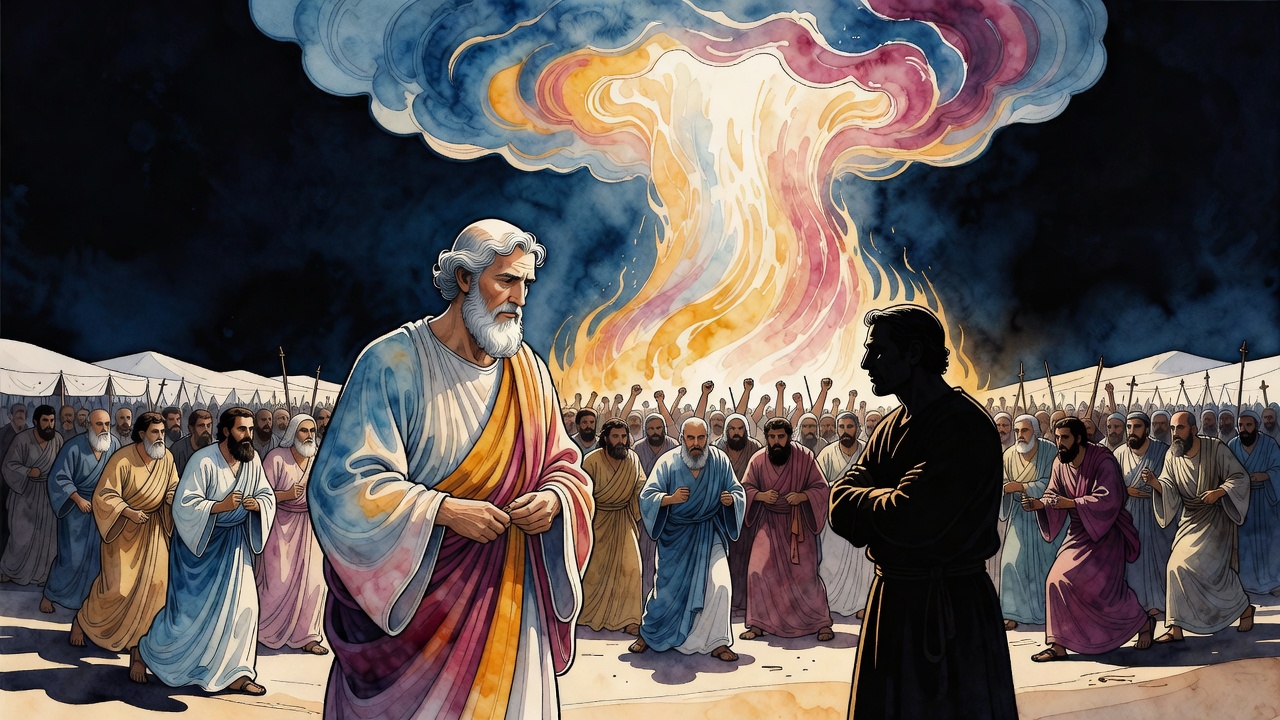
Korah was the richest man who ever lived — and his wealth destroyed him. The Midrash (rabbinic interpretive commentary) teaches that three hundred mules were needed just to carry t...
Kimhit was a woman whose modesty was so complete that, according to the Talmud (Yoma 47a), even the beams of her house never saw her hair uncovered. The sages said this was the rea...
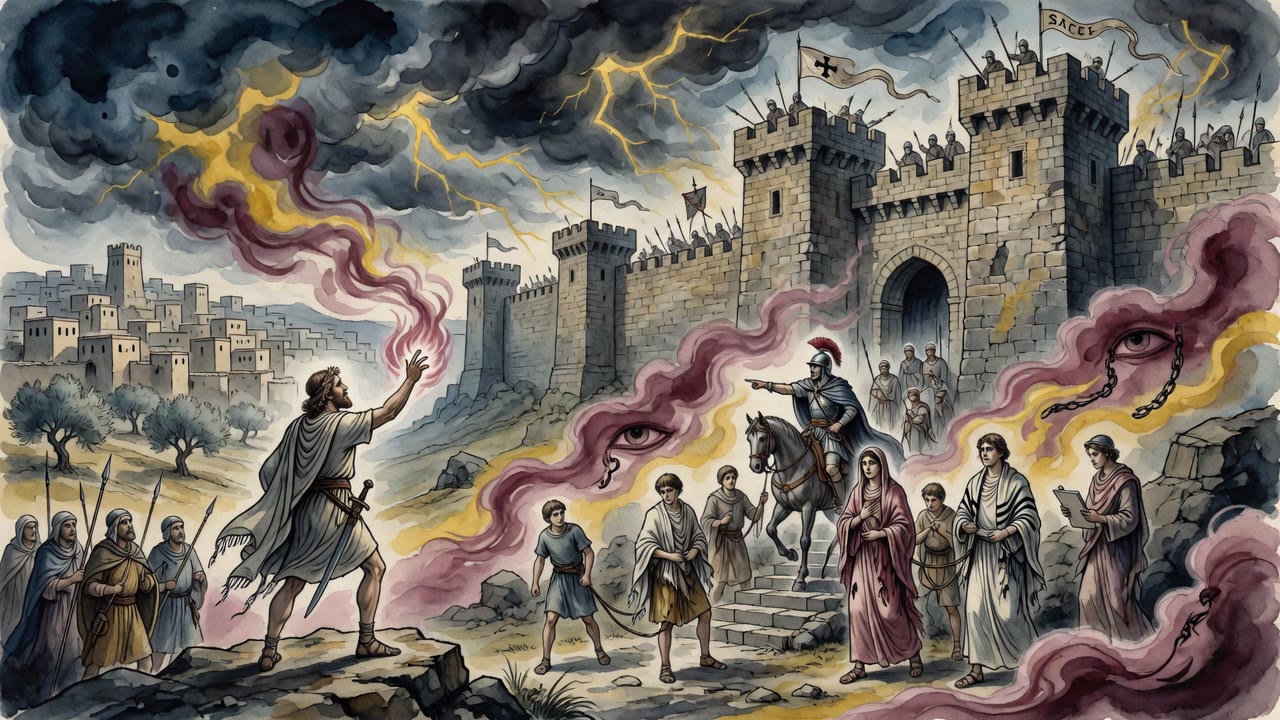
The destruction of Jerusalem did not end when the Temple burned. In the years that followed, the Romans hunted down the children of the sages, enslaving some, executing others, sca...
The respect that Dama ben Netina showed his father became the standard against which all filial devotion was measured — and Dama was not even Jewish. He was a gentile merchant in t...
The commandment to honor one's father and mother stands among the Ten Commandments (Exodus 20:12), equal in weight to the commandments governing humanity's relationship with God. T...
When Moses and Aaron walked into Pharaoh's palace to demand the release of the Israelite slaves, they were not entering a building. They were entering a fortress designed to intimi...
High Priest Simeon & Alexander. Taanit, f. 7 b, 88 b. Meg. Taanit, ch. 9, 21 st Kislev. Yoma, f. 69 a. cf. 61 a. cf. J. Berakhot, IV, 1. cf. Pesikta, Parah. Pesikta Zutta to Exod. ...
A Jewish sage was challenged to a public contest against a pagan wizard-priest — a battle of spiritual power that would determine, in the eyes of the watching crowd, whose god was ...
Korah's riches were legendary — and his fall was proportional to his wealth. The Talmud (Pesahim 119a, Jerusalem Talmud Sanhedrin 10:1) and Pirkei DeRabbi Eliezer describe a fortun...
Take the Book of Numbers itself, Bamidbar in Hebrew, where we get... well, a lot of numbers. But hidden within those numbers are stories, and insights into the way the ancient Isra...
We find ourselves in just such a situation in the Book of Numbers, Bamidbar in Hebrew. Specifically, in Bamidbar Rabbah, a Midrash (rabbinic interpretive commentary)ic compilation ...
We stumble upon one such instance in Bamidbar Rabbah, specifically in chapter 6. It concerns the census of the Kehatites, a clan within the Leviim (Levites). The text points out so...
It's in those little quirks that we often find hidden depths. Take the census of the Levites in the Book of Numbers, Bamidbar, for example. Specifically, Bamidbar Rabbah 6 shines a...
We find a fascinating glimpse into this idea in Bamidbar Rabbah, a collection of rabbinic commentaries on the Book of Numbers. It centers on a seemingly simple verse: "A man who gi...
Take, for example, the laws of the sotah, the suspected adulteress, described in Numbers chapter 5. It’s a fascinating, and frankly, rather strange ritual. But let’s dive into one ...
We're diving into the ritual surrounding the sotah, the woman suspected of adultery. Specifically, we're looking at (Numbers 5:16-17), which details the priest's actions in this de...
Take, for example, the strange and solemn ritual described in the Book of Numbers, chapter 5, concerning a woman suspected of infidelity. It’s a fascinating, and frankly unsettling...
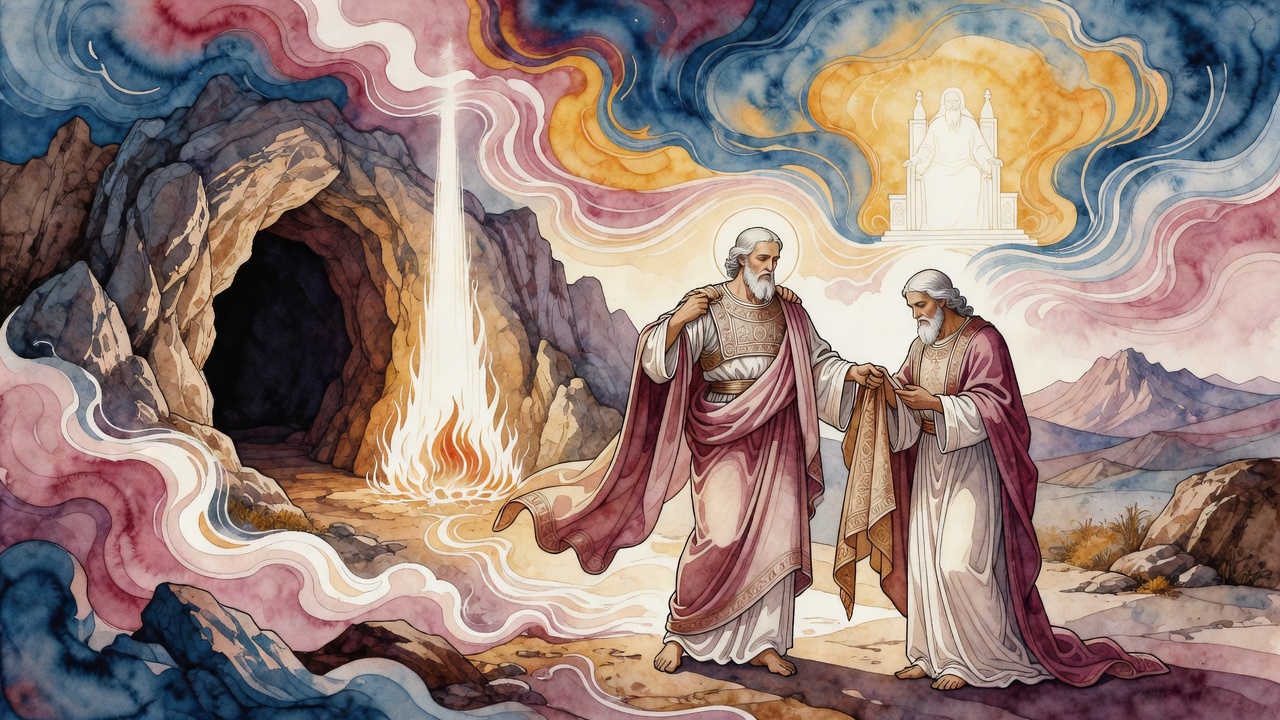
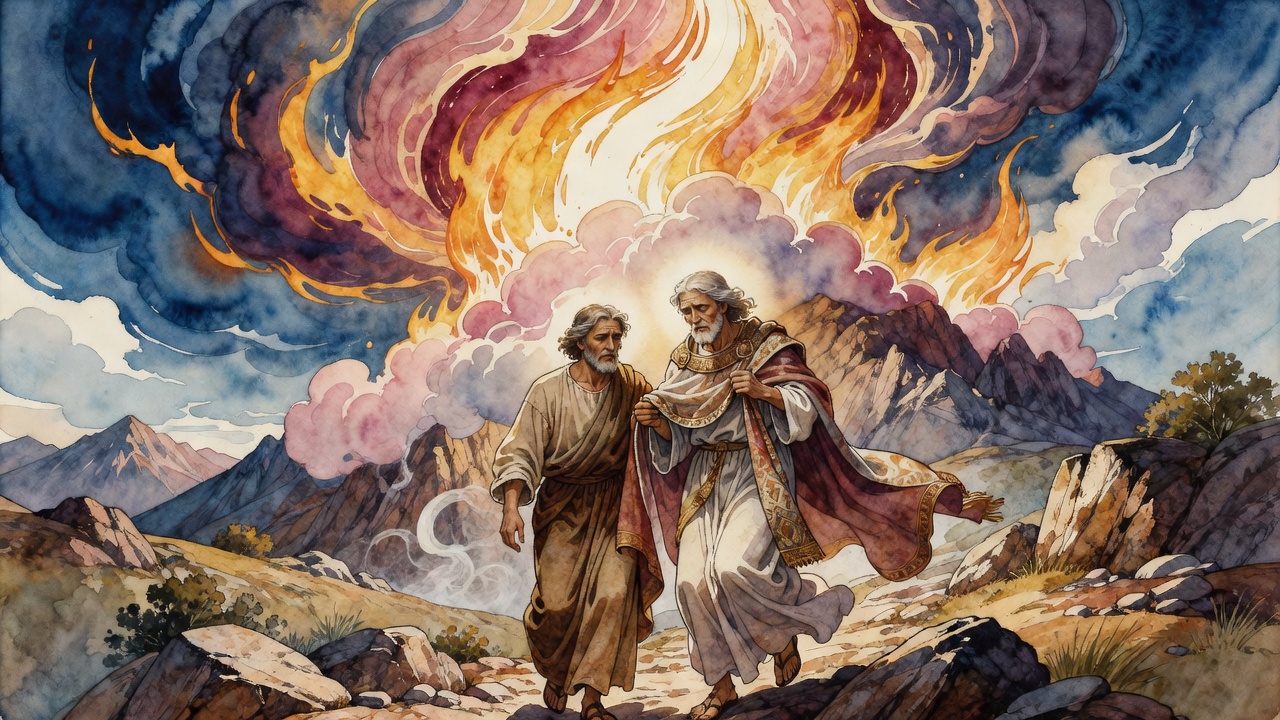
Our story centers around the verses in (Numbers 20:25-28): "Take Aaron and Elazar his son, and take them up Hor Mountain… Strip Aaron of his vestments, and dress Elazar his son in ...
The story hinges on a seemingly simple phrase from Deuteronomy: "Ascend to this Mount HaAvarim, Mount Nevo" (Deuteronomy 32:48–49). But the context, as Bamidbar Rabbah unfolds it, ...
In Devarim Rabbah, a compilation of rabbinic teachings on the Book of Deuteronomy, we find a fascinating connection between looking after the Levites – members of the tribe of Levi...