Levi Dreamed of Heaven and Woke to Find the Shield
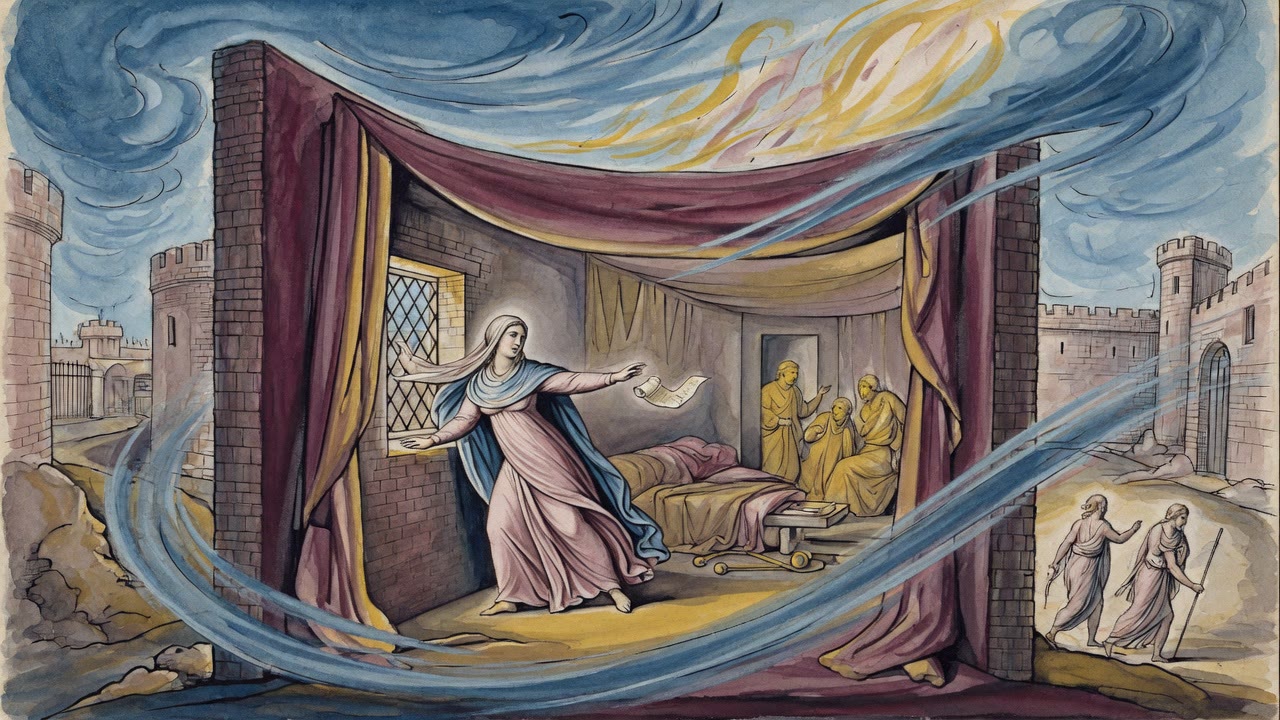
He was twenty, out with the flocks, when the sky opened and an angel told him to come in. On the road home he found the shield lying there.
Table of Contents
 Click for full size
The Flocks at Abel-Meholah
Levi was about twenty years old, out with his father's flocks at Abel-Meholah, when the spirit of understanding came over him and he saw what men were doing to one another. Injustice had built itself walls. Lawlessness sat up on the towers and looked down at the road. He grieved over the whole race of the sons of men, and then he prayed one short prayer, and it was for himself: that he be got out of it alive.
Sleep dropped on him where he stood.
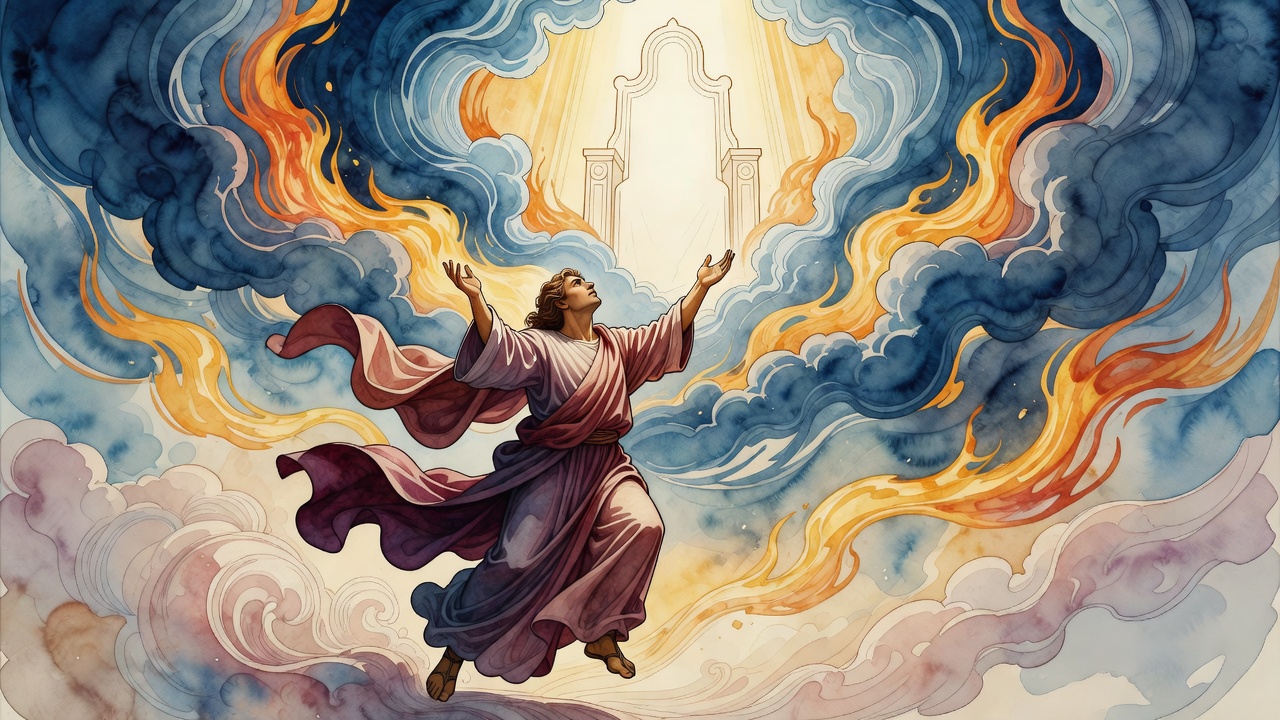
In the sleep there was a high mountain and he was standing on top of it. The heavens split open over his head and an angel said his name. "Levi, enter."
A Sea Hanging in the First Heaven
He went in. In the first heaven a great sea hung above him with nothing holding it up. Past that, a second heaven burned brighter than the first, filled with a light that had no edge to it, and Levi asked the angel why the two were not the same.
"Do not marvel at this," the angel said. "You will see another heaven brighter than both, past comparing, and when you have gone up there you will stand near the Lord. You will be His minister and declare His secrets to men. The Lord's portion will be your living. He will be your field and your vineyard, your fruit and your gold and your silver."
Then the angel told him what each heaven held. The lowest one is gloomy because it looks down at everything men do, and it keeps fire and snow and ice ready for the day of judgment. The second holds the armies ordained for that day. Above them stand the holy ones, and higher than all of it, the Great Glory.
The angel opened the gates. Levi saw the holy Temple and the Most High on a throne of glory, and the voice came at him straight.
"Levi, I have given you the blessings of the priesthood, until I come and dwell in the midst of Israel."
The Brass Shield Lying in the Road
The angel carried him back down to the earth and put a shield and a sword into his hands. "Take vengeance on Shechem for Dinah your sister, and I will be with you, because the Lord has sent me."
Levi asked him his name.
"I am the angel who pleads for the nation of Israel, that it not be wiped out entirely, because every evil spirit attacks it."
He woke up on the mountain in Abel-Meholah with the flocks around him.
Walking to his father afterward, near Gebal, south of Abila, Levi found a brass shield lying in the road where anyone might have dropped it. It was the shield from the dream. The mountain there is called Aspis, which means shield, and it kept the name. He picked it up, said nothing to anybody, and held the words in his chest.
Shechem
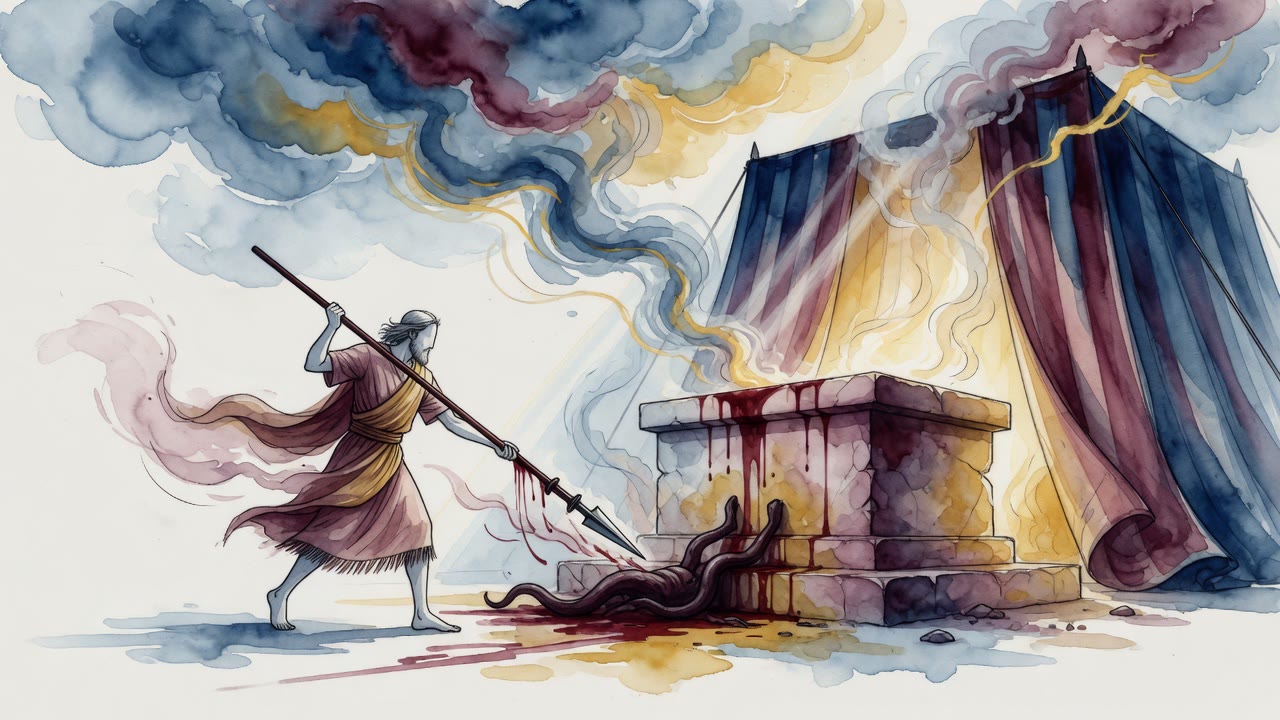
What he had watched from the pasture was now a thing he had been handed a weapon for. He went to Jacob and to his brother Reuben about the sons of Hamor, who had taken his sister, and the terms were set in front of the whole city: every man of Shechem would be circumcised. Levi killed Shechem first. Simeon killed Hamor. The other brothers came in behind them and put the town to the sword.
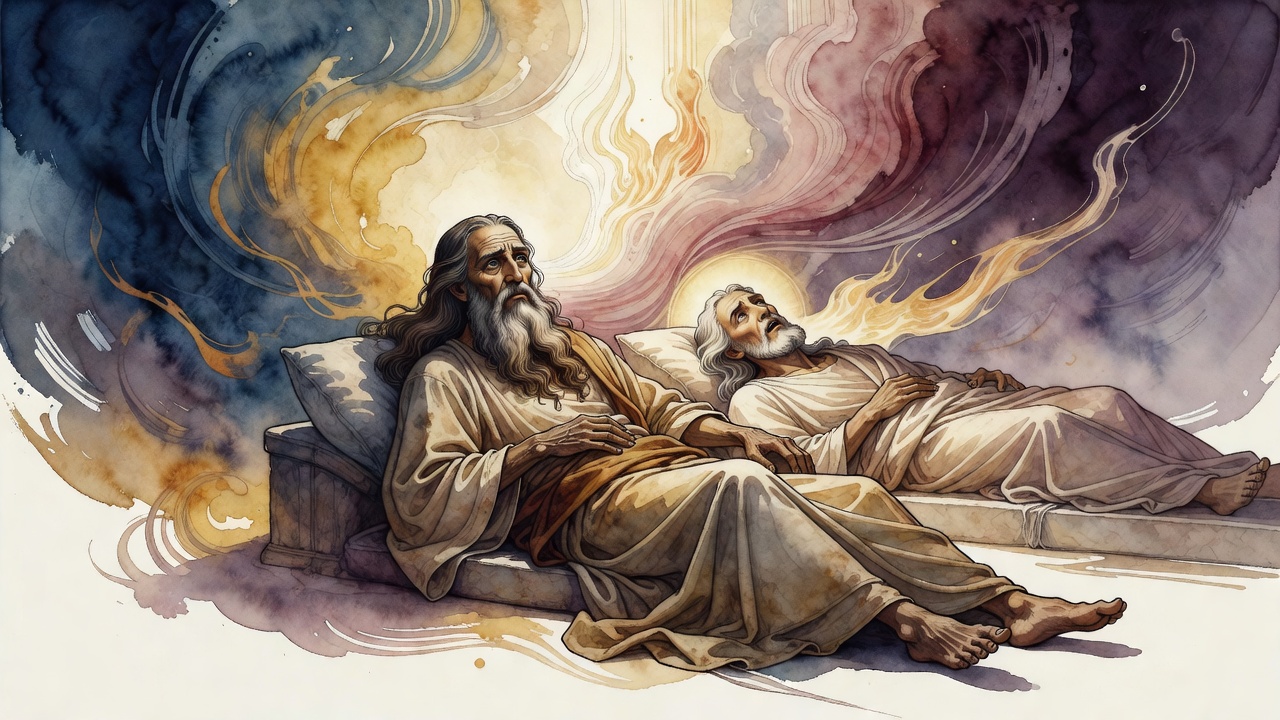
Jacob took to his bed that day. He had not been asked, and he said so, and on his deathbed years later, blessing his sons one by one, he still had not let it go.
Levi would not take it back. "By you the Lord will strip the Canaanites and give their land to you and to your seed after you," he told his father. "From this day Shechem will be called a city of fools, because we made fools of them the way a man makes a fool of a fool."
Seven Men in White at Bethel
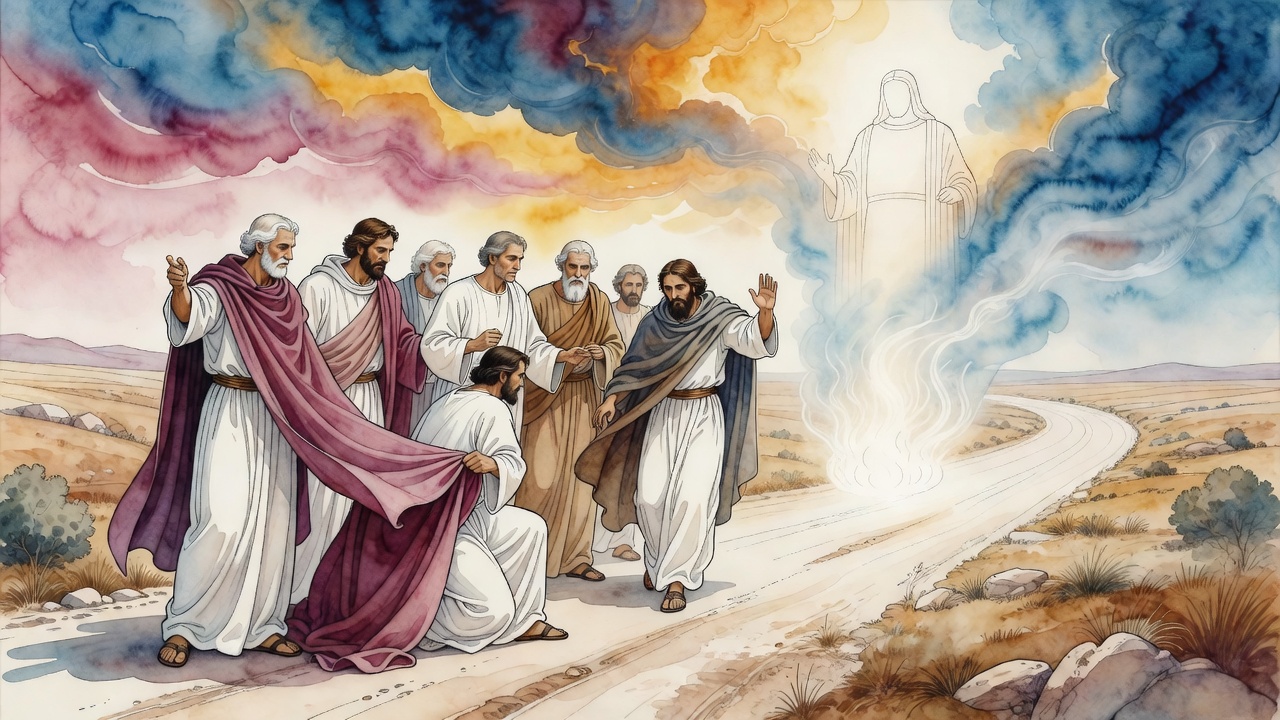
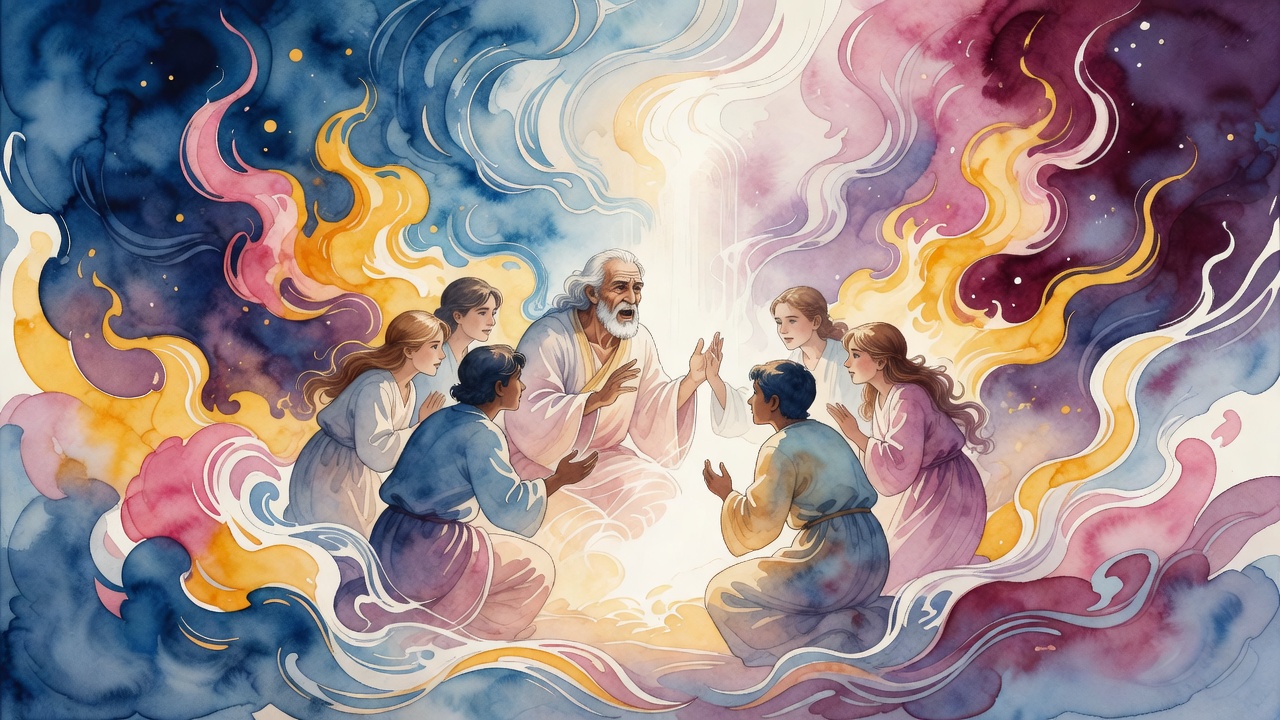
They moved on to Bethel and had been there seventy days when the sky opened a second time. Seven men in white stood over him and told him to get up and put on the priesthood.
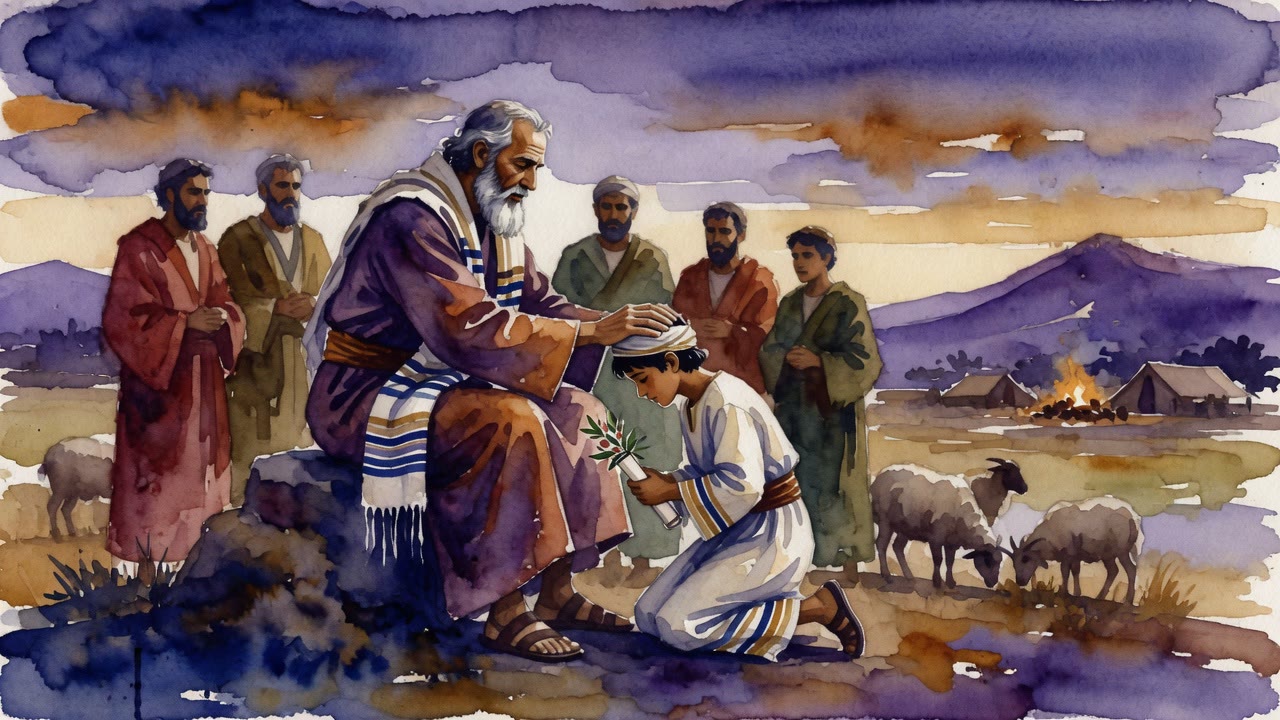
The first anointed him with holy oil and set the staff of judgment in his hand. The second washed him in clean water, fed him bread and wine, and wrapped him in a glorious robe. The third dressed him in linen. The fourth belted him with something the color of purple. The fifth gave him a branch of rich olive. The sixth set a crown on his head. The seventh set the diadem of priesthood on top of the crown and filled both his hands with incense.
"From now on be a priest of the Lord, you and your seed forever."
He woke and knew the second dream was the first dream again. He hid that one in his chest too and told no man on earth.
Two days later he and Judah walked up to Isaac, and his grandfather blessed him in the exact words of the visions Levi had never repeated to anyone. Jacob saw it as well, rose early, and set aside a tenth of everything he owned to give through his son. At Hebron the old man taught him the trade by daylight: which wood for the altar, how much salt on the offering, wash before you go in and wash when you come out, marry young and marry clean.
At the end of his own life Jacob gave Levi all his books and the books of his fathers, to keep them and to make them new again for his children. Levi carried them down into Egypt. He died at a hundred and thirty-seven, older than any of his brothers, and the last thing he put to his sons was a choice: light or darkness, the law of the Lord or the works of Beliar. They answered him. He made them say it in front of witnesses. Then he pulled his feet up onto the bed and was gathered to his fathers.
← All myths