Why the Tribe That Owned No Land Became Its Own Inheritance
Every tribe received territory in Canaan. Levi received God. The rabbis insist this was not a penalty but the highest gift a tribe could be given.
Table of Contents
 Click for full size
The Tribe Left Out of the Division
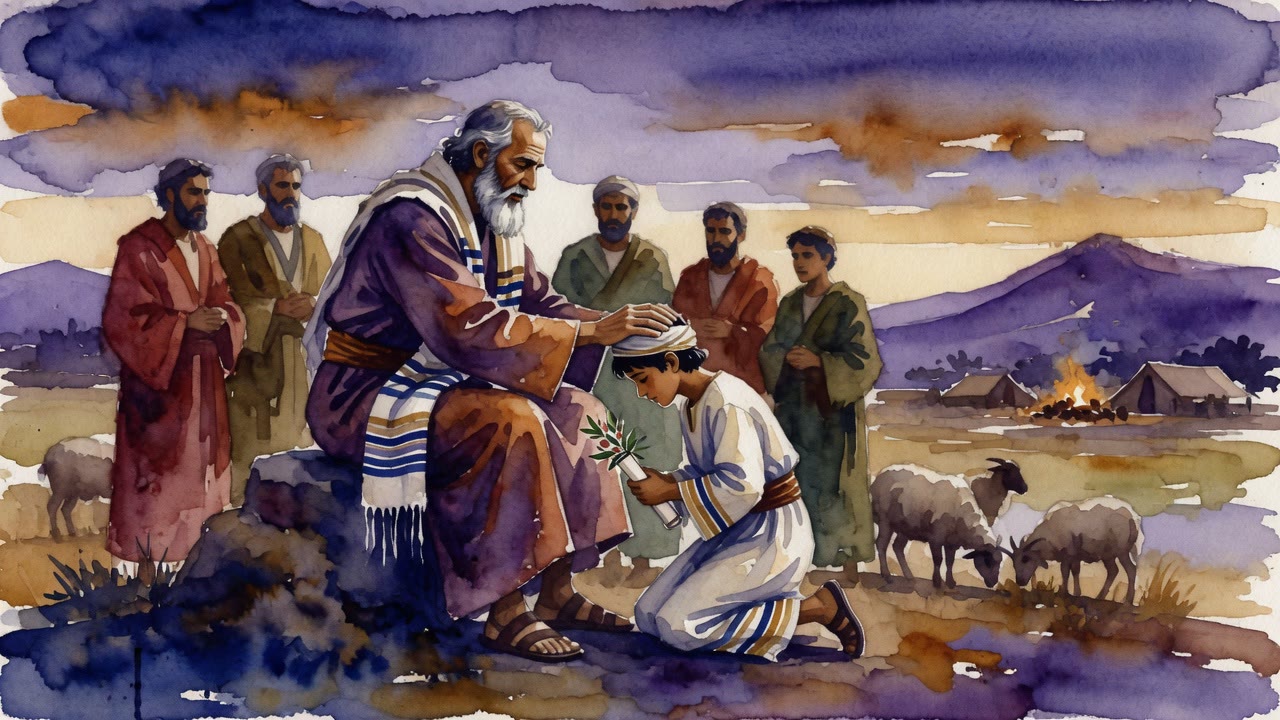
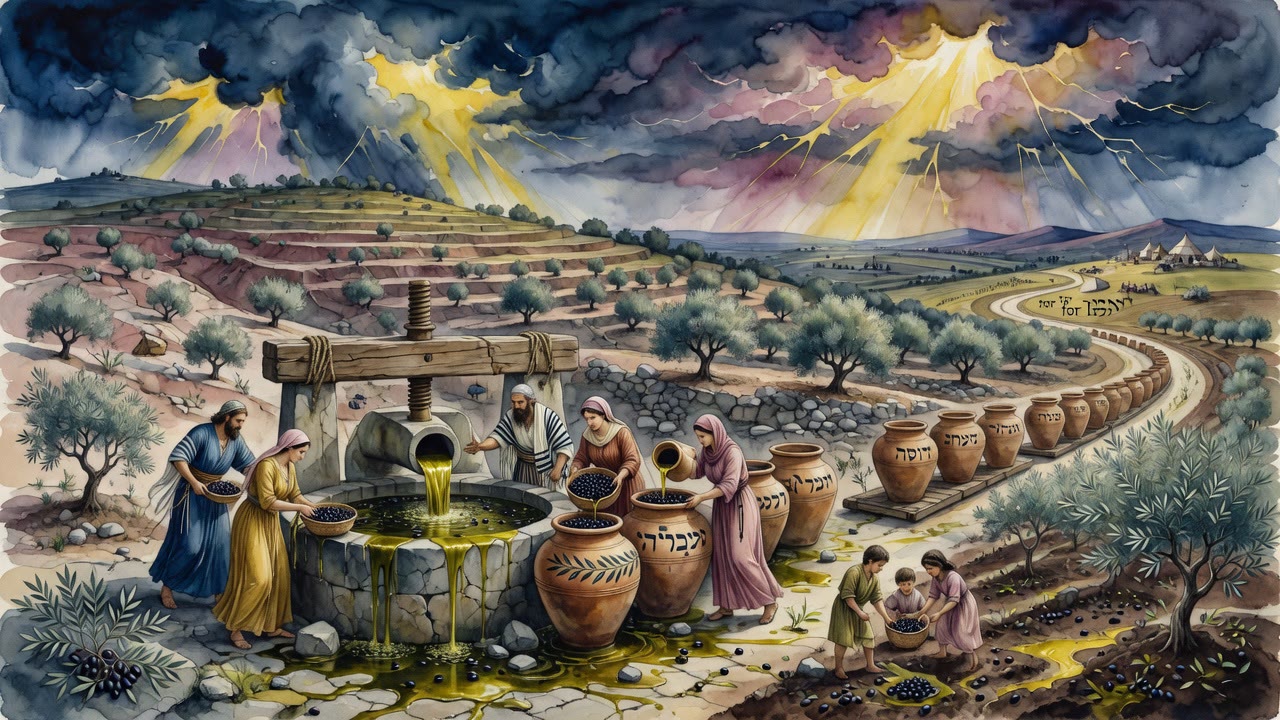
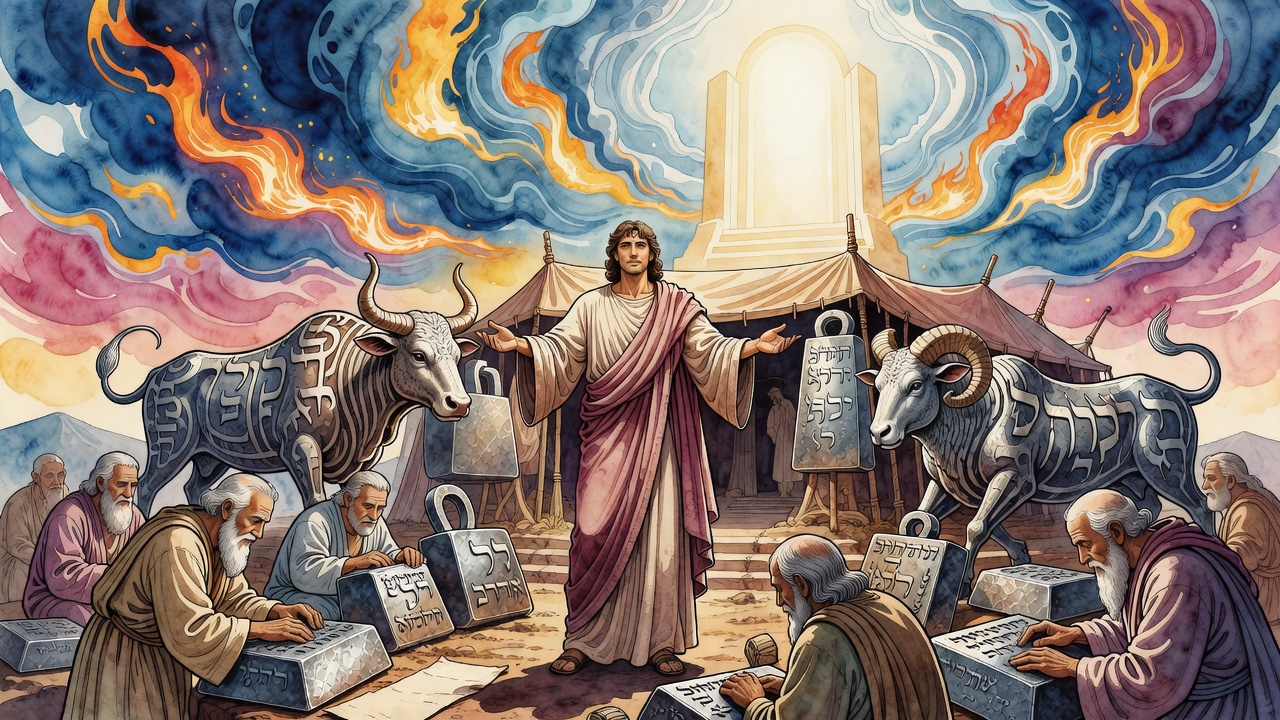
When Joshua parceled out the land of Canaan among the twelve tribes, Levi stood apart. Every other tribe got boundaries, cities, fields. The tribe of Levi got portions at other people's tables. They received the first yield of grain and wine and oil from every Israelite farmer. They received the shoulder of every slaughtered animal, the jaw and the cheeks and the maw. They received the first shearing of every flock. Twenty-four gifts spread across every household in Israel, but no land to call their own, no inheritance to hand to their children, no place where the tribe of Levi could say: this ground is ours.
The Torah states the arrangement in terms that could sound like consolation: the Lord is their inheritance. The rabbis heard that phrase and refused to read it as consolation. They read it as the highest possible elevation: not a substitute for land but a replacement that exceeded land in every category that mattered.
What the Golden Calf Changed
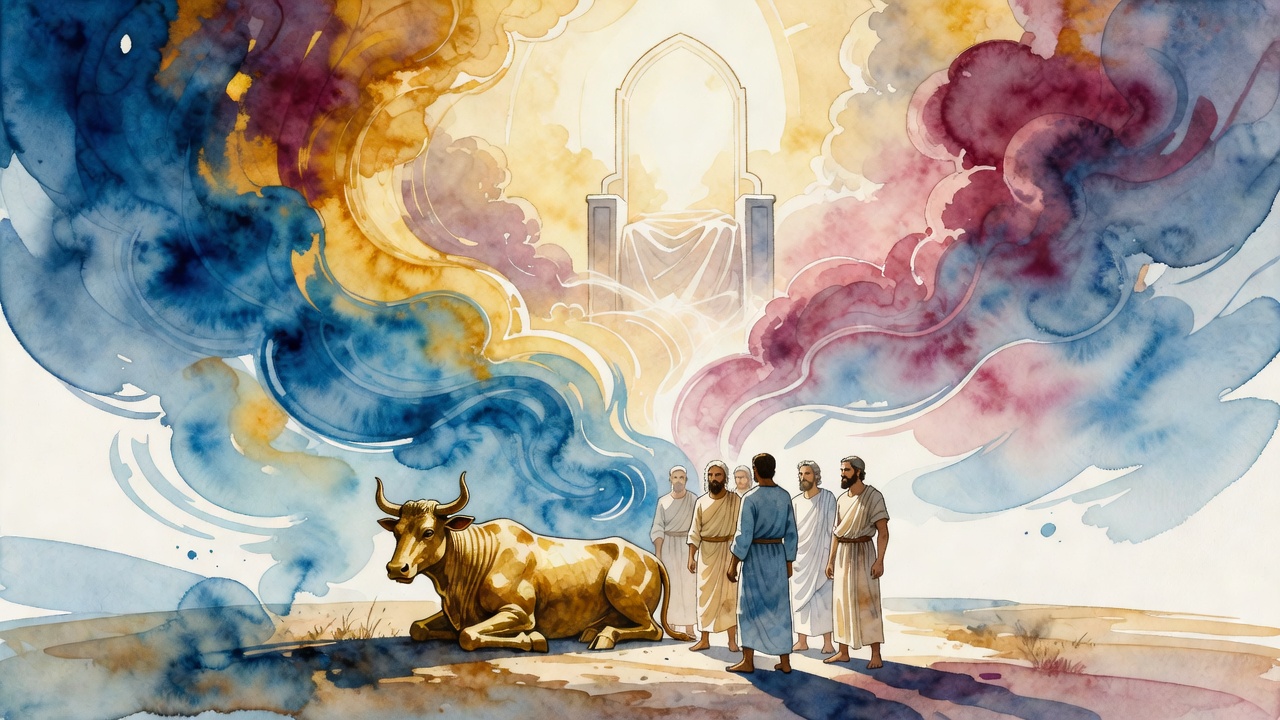
The original arrangement had been different. Before Sinai, the firstborn sons of every tribe were designated as Israel's ritual functionaries. They had held this role from the Exodus and would have continued holding it had the nation not built a golden calf while Moses was on the mountain.
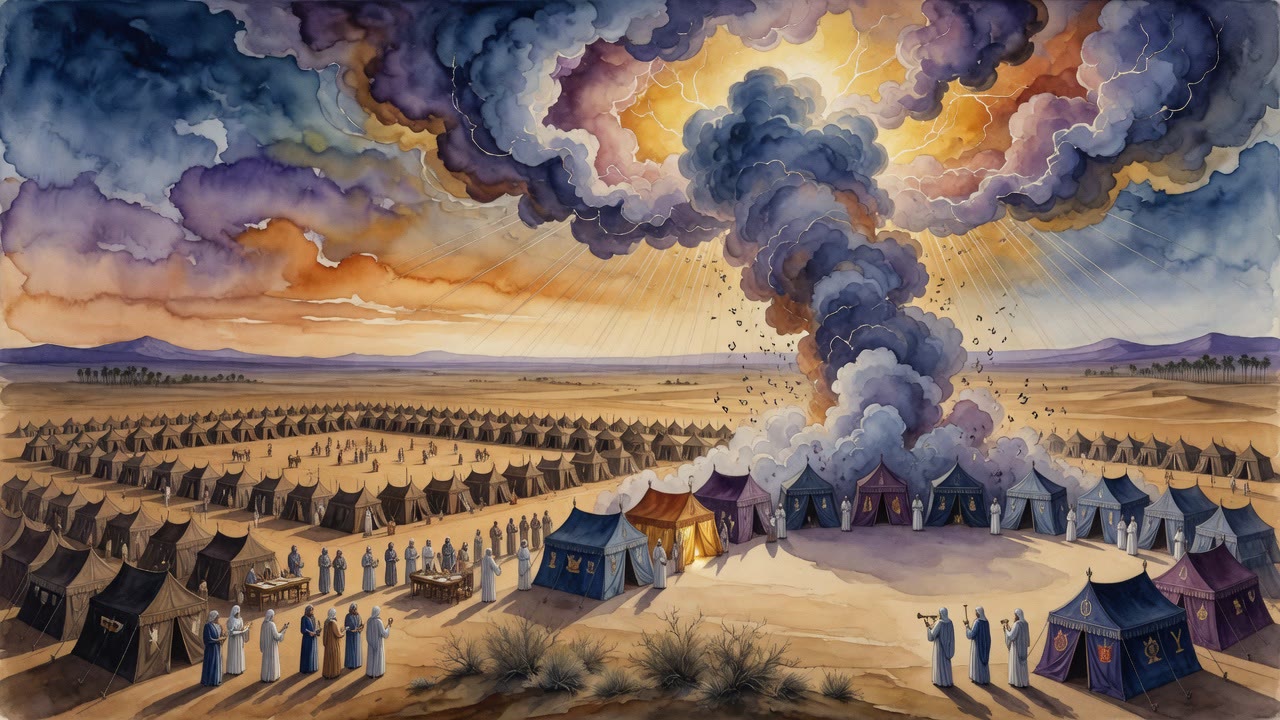
When Moses came down and saw what had happened, he stood at the gate of the camp and called out: "whoever is for God, come to me." The tribe of Levi came. Every man of them, without hesitation, without waiting to see what the others would do. They took up their swords and passed through the camp that day and three thousand people died. It was a brutal act of loyalty, and the tradition does not sanitize it. Moses told them afterward: "you have consecrated yourselves to God today, each man through his son and through his brother, to bring blessing upon you today."
The firstborn sons of the other tribes lost their designation that day. The Levites received it in their place. They had stood firm while everyone else had broken, and the covenant of service passed to the tribe that had demonstrated what covenantal fidelity actually looked like under pressure.
The Messiah Who Would Come From Levi
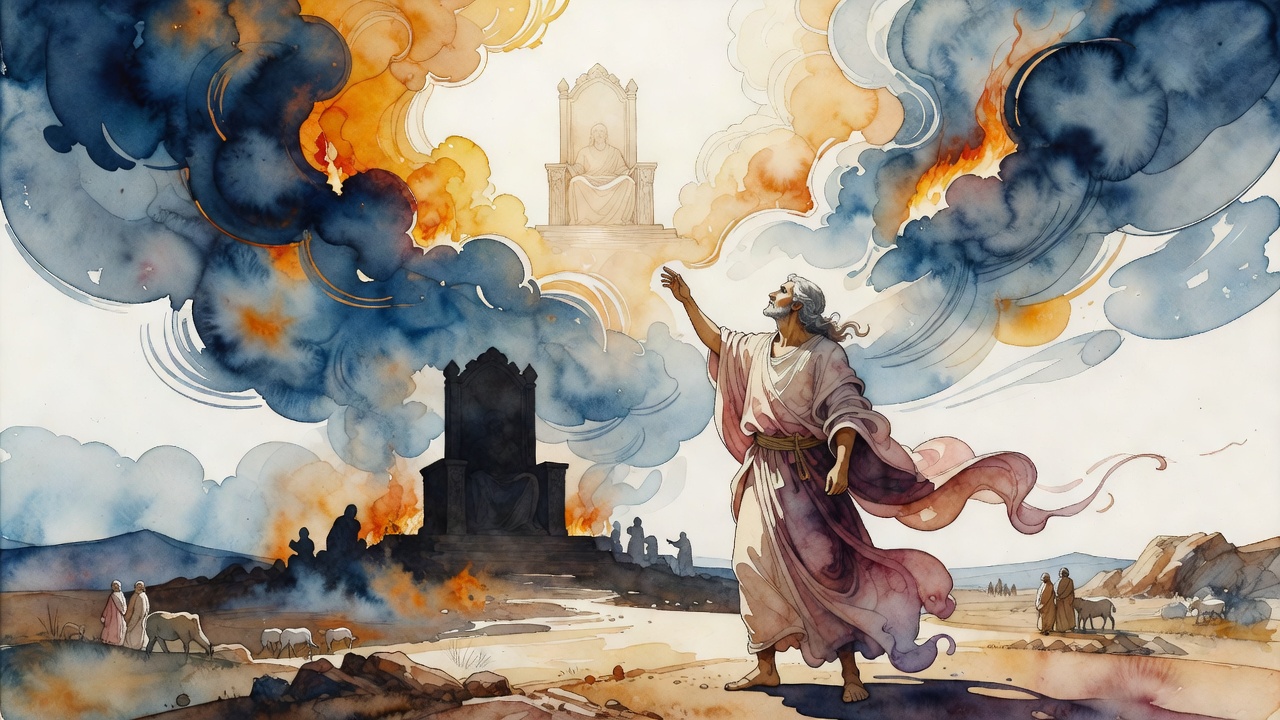
Some traditions, running alongside the more familiar line of Davidic descent, speak of a Messiah from Levi. The logic is structural: the tribe designated for sacred service, the tribe that carried the ark and maintained the Temple, the tribe that stood at every entrance to the sacred and said "this far and no further," had a claim on the redemptive function that the tradition expressed in messianic terms. Moses himself was from Levi. Aaron was from Levi. The two men who had mediated between God and Israel at the most critical moments in Israel's history both came from the tribe that owned no land and served everyone.
The prophet like Moses, described in Deuteronomy, was understood by some readings to come from the same tribe. The tradition placed the priestly Messiah ben Aaron, the anointed priest who would precede or accompany the royal Messiah, squarely in the Levitical inheritance.
What Landlessness Was For
The Rambam, codifying the laws of the Levites in the twelfth century, drew out the underlying philosophy of their landlessness in terms that cut past the practical arrangements. The tribe of Levi was not simply a professional clergy. It was a model. It demonstrated what a human life could look like when organized entirely around learning and teaching rather than acquisition and territory. Not everyone can live this way, the Rambam said. But anyone who chooses to dedicate themselves to God and Torah, leaving behind the world's scramble for property and position, that person has sanctified themselves as the tribe of Levi sanctified itself. They have made God their portion. The tribe of Levi was the argument made flesh that this was possible and that it was worth doing.
← All myths