485 myths · Page 8 of 17
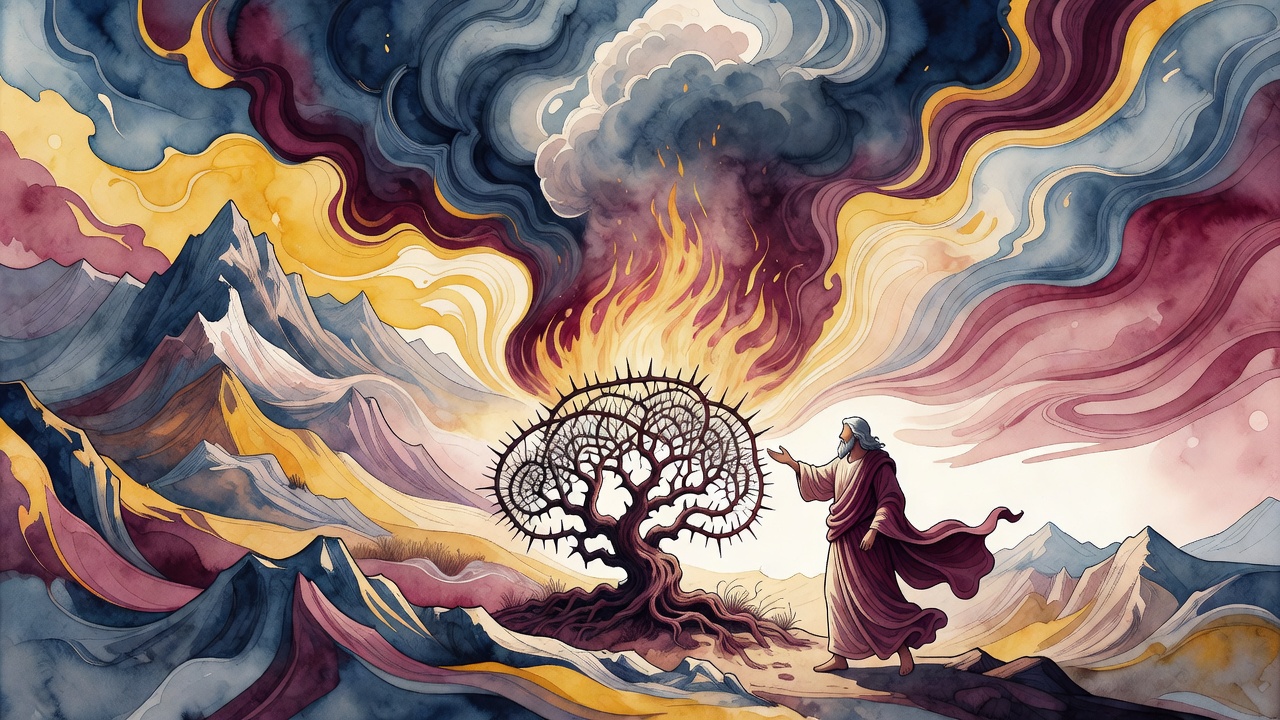
God abandoned the high slopes and settled in a shrub of thorns because Israel was in grief. Moses asked for an oath before he would go down.
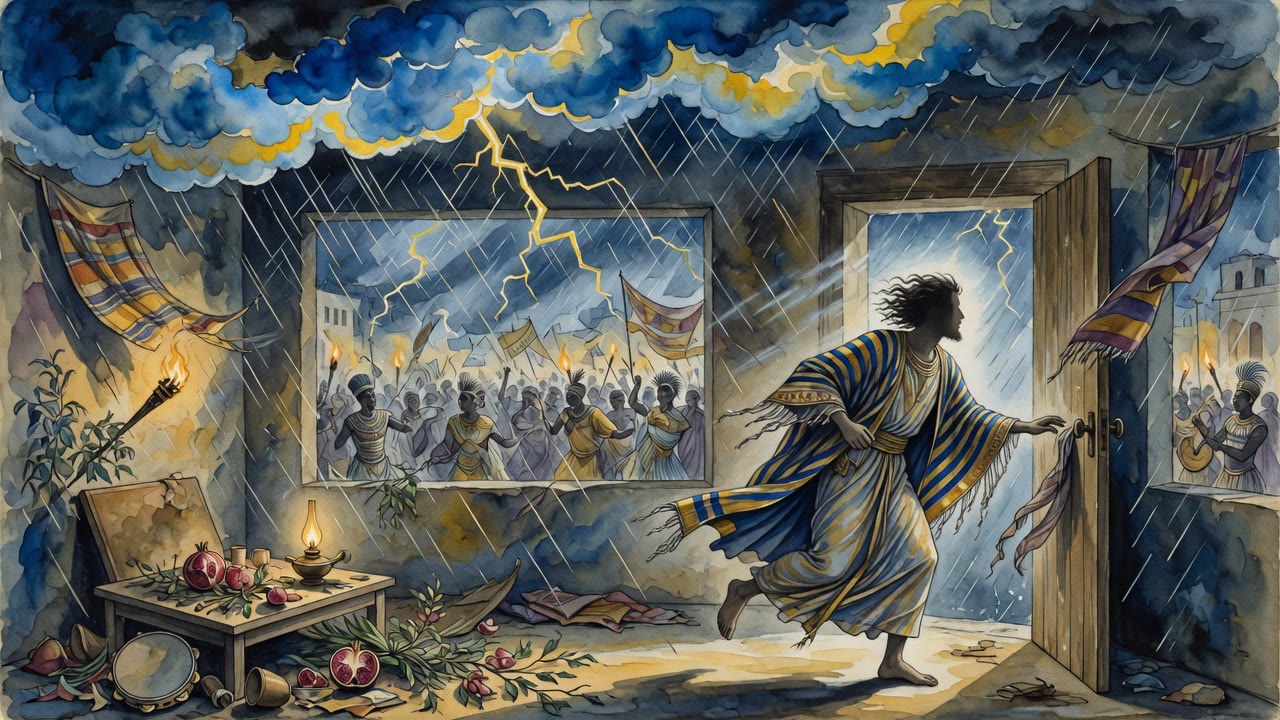
Potiphar's wife faked illness to empty the house. Joseph fled, left his garment, and kept the Name that never left his lips.
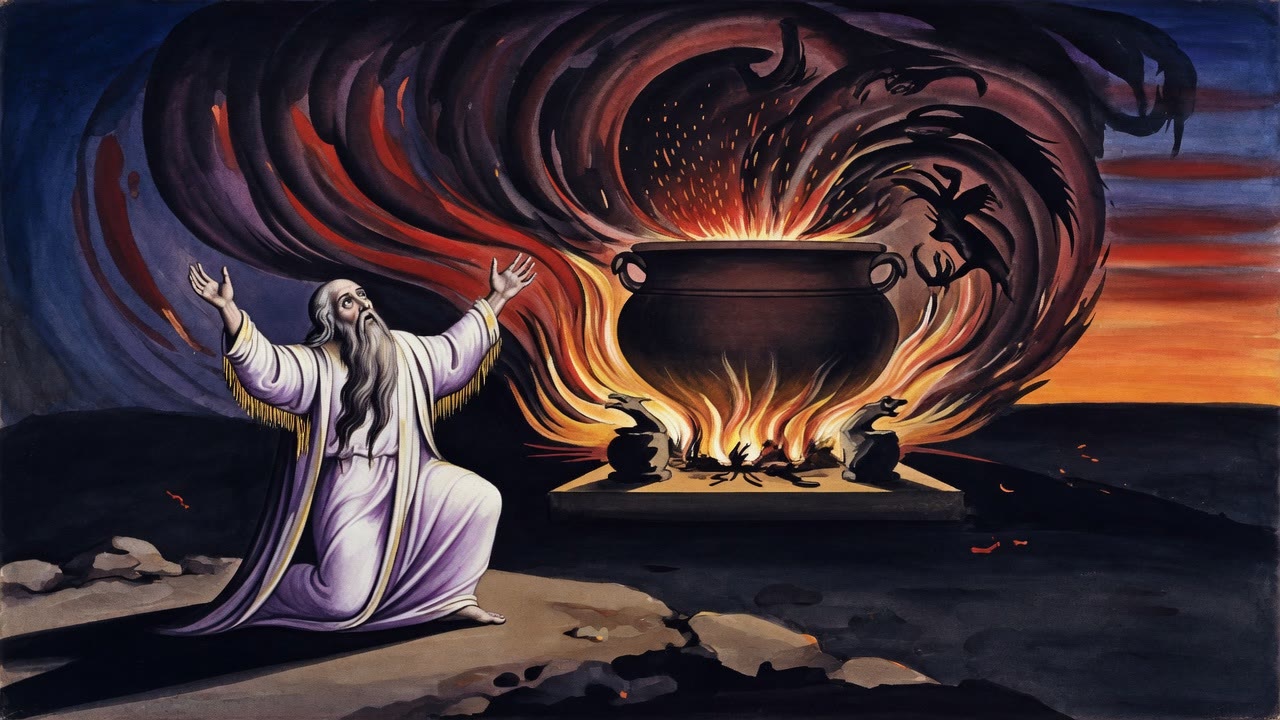
Heifer, goat, and ram lay cut in halves, and the birds of prey came down for them. Abraham drove the birds off and sat with the meat until sundown.
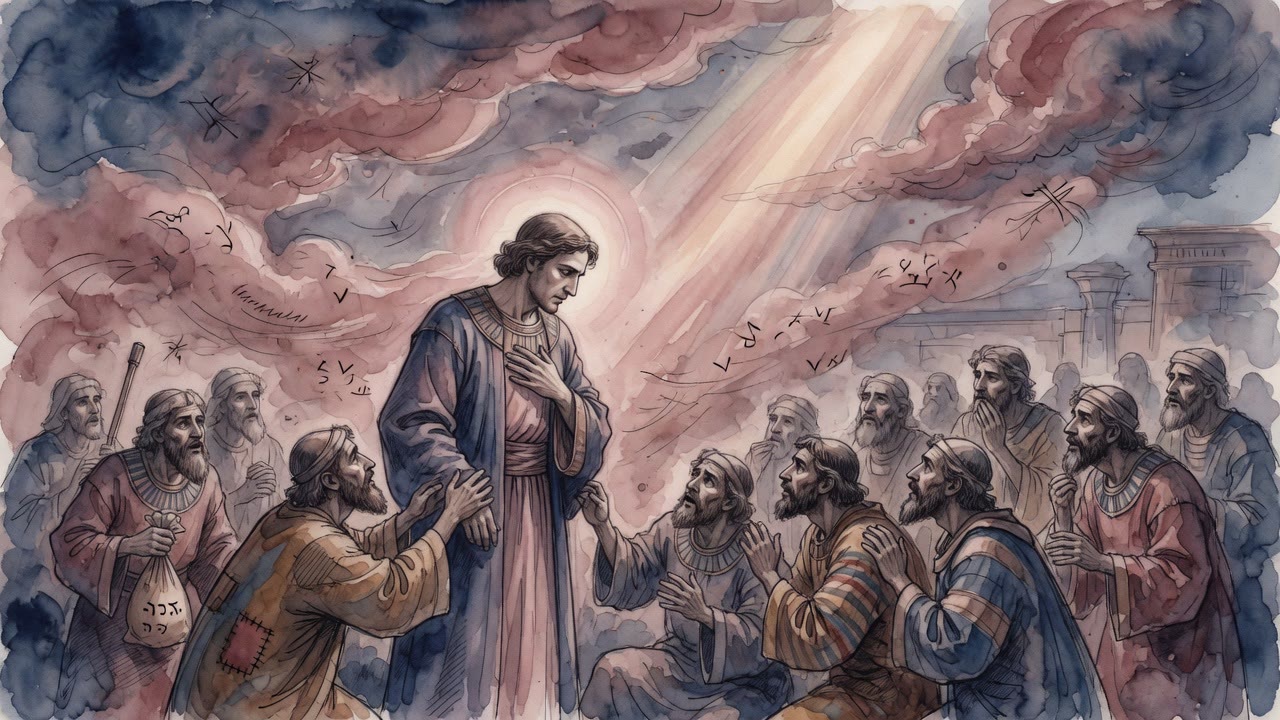
The Ishmaelites learned Joseph was Jacob's son and pressed him to confess. He kept the slave story so his brothers would not die for selling him.
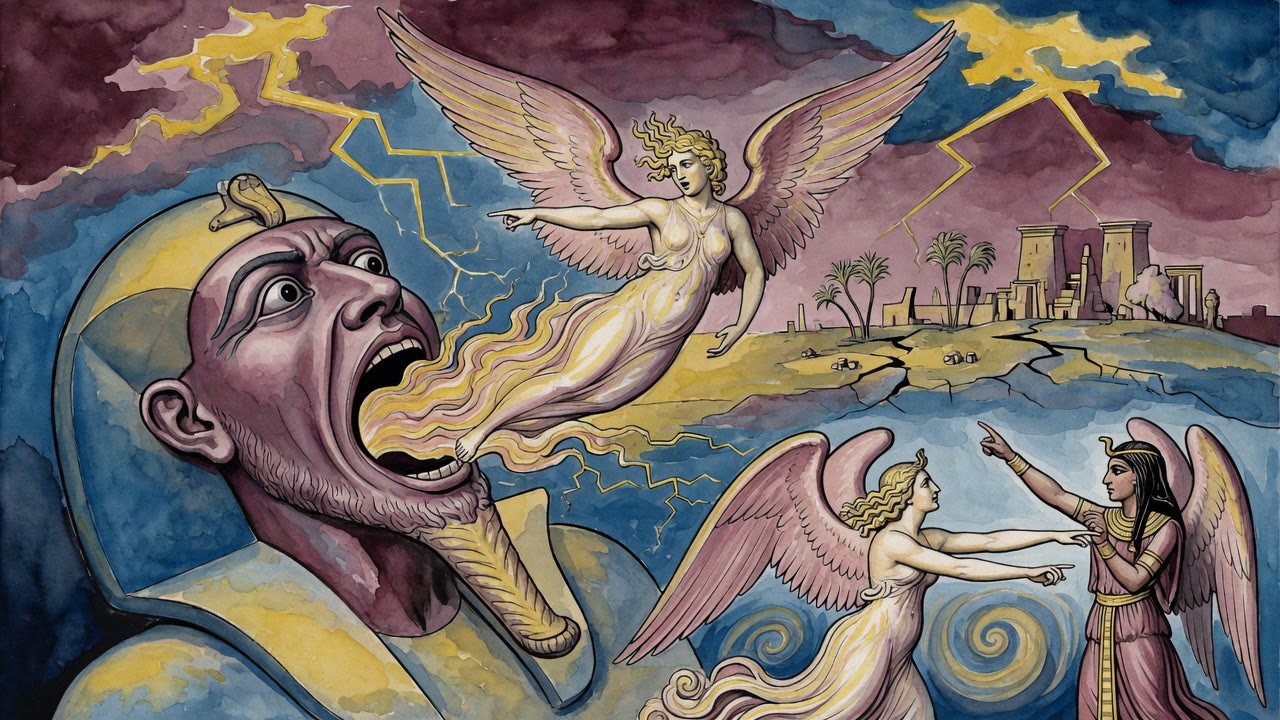
When Hebrew men divorced their wives to spare unborn sons from the Nile, Amram remarried Jochebed in public so despair would not erase Israel.
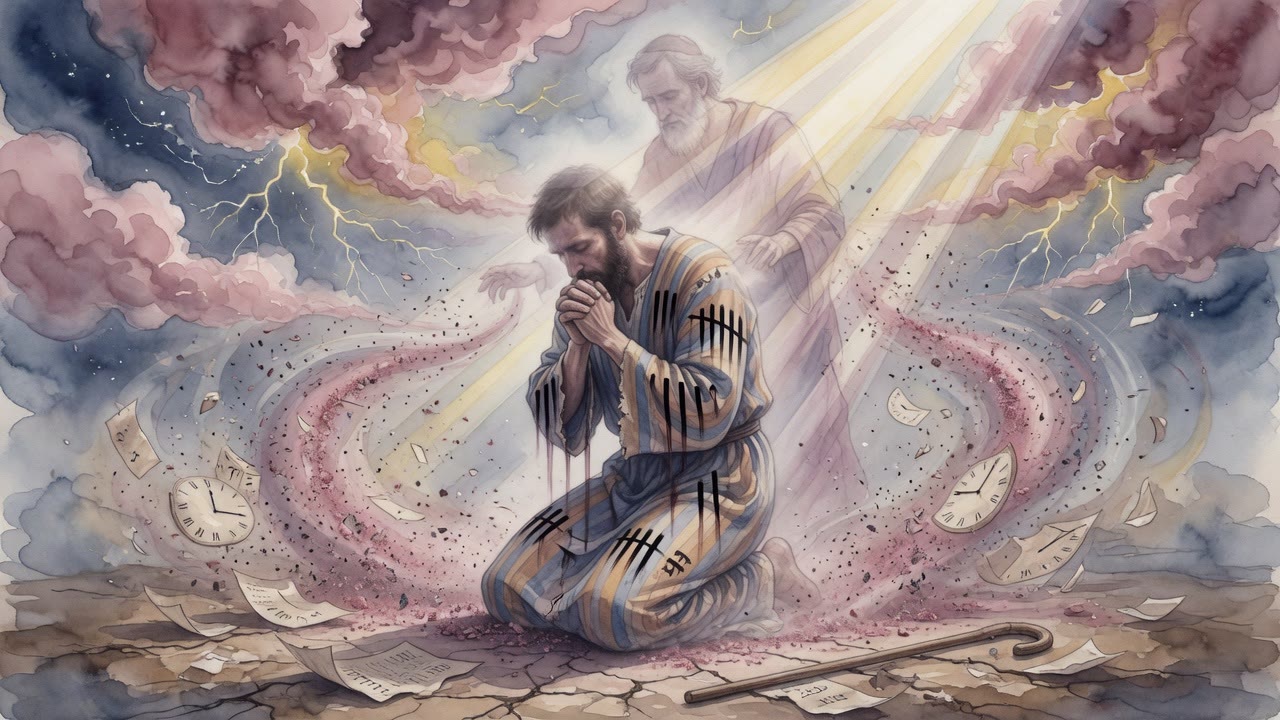
Ten times the brothers called Jacob a servant. Joseph did not correct them. Heaven took ten years. Then he rode to the border.
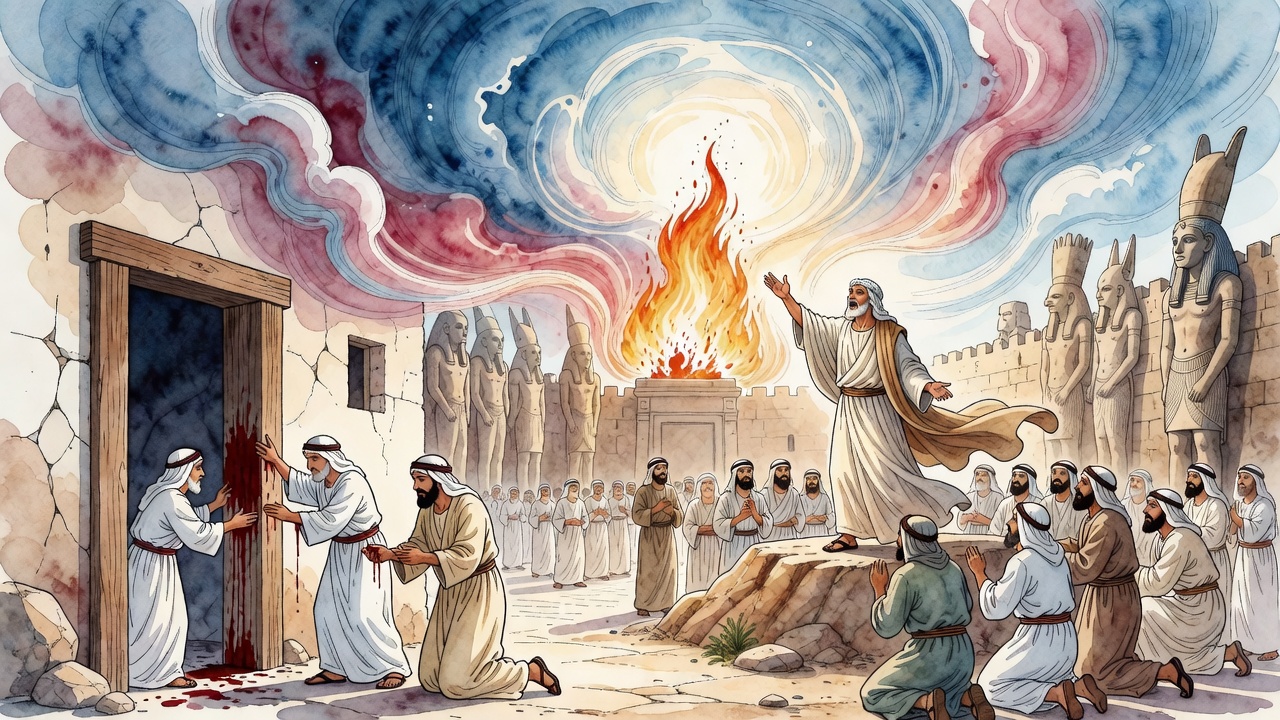
Rabbi Yishmael put the mark on the inside of the doorframe. No neighbor could count the painted houses, and no Egyptian ever saw one.
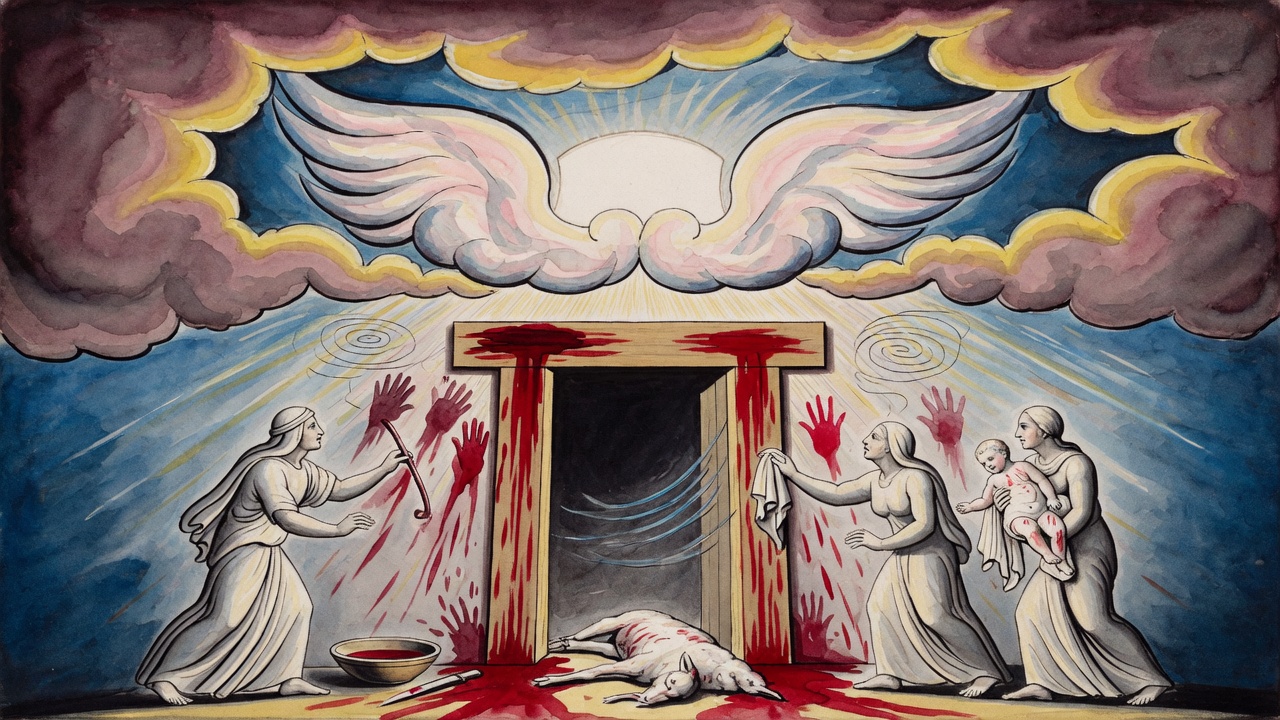
Hands shook over the lintel in Goshen. Lamb blood was not enough. They added the blood of the covenant, and God said live twice.
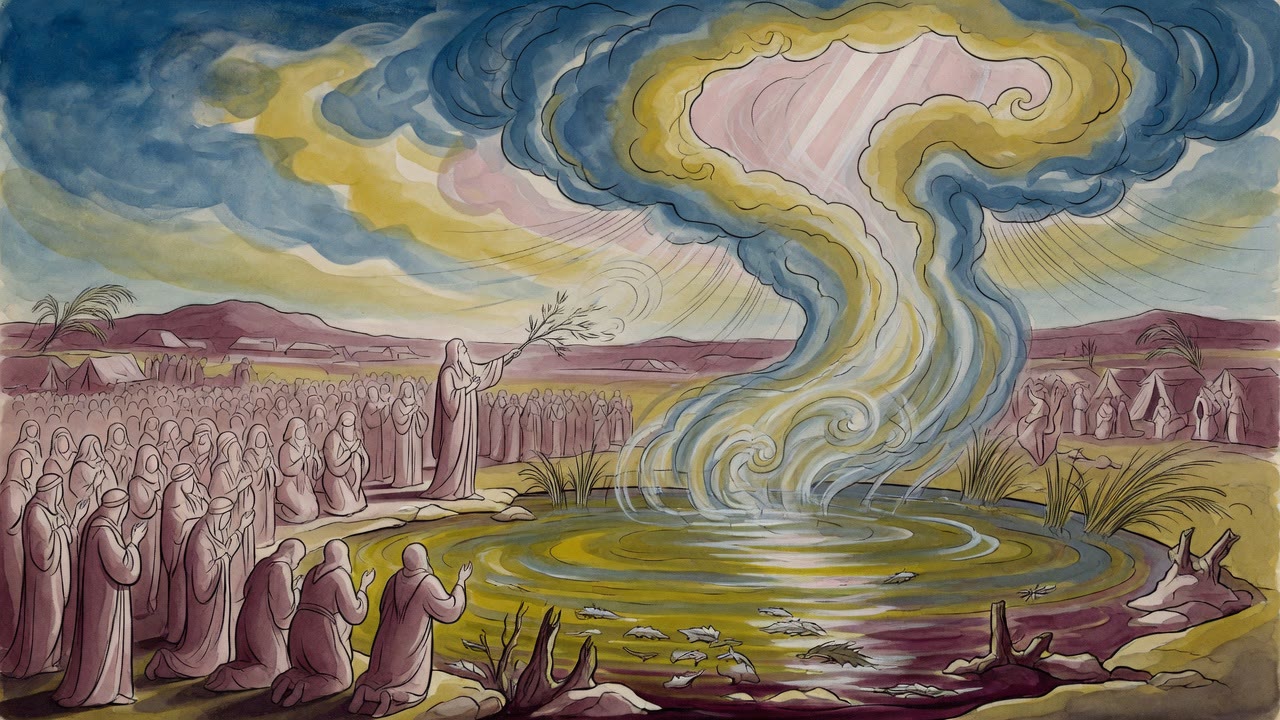
Ten years in prison, one for each brother Joseph had once carried reports about to Jacob. In the dark a letter of the divine Name was added to his: Jehoseph.
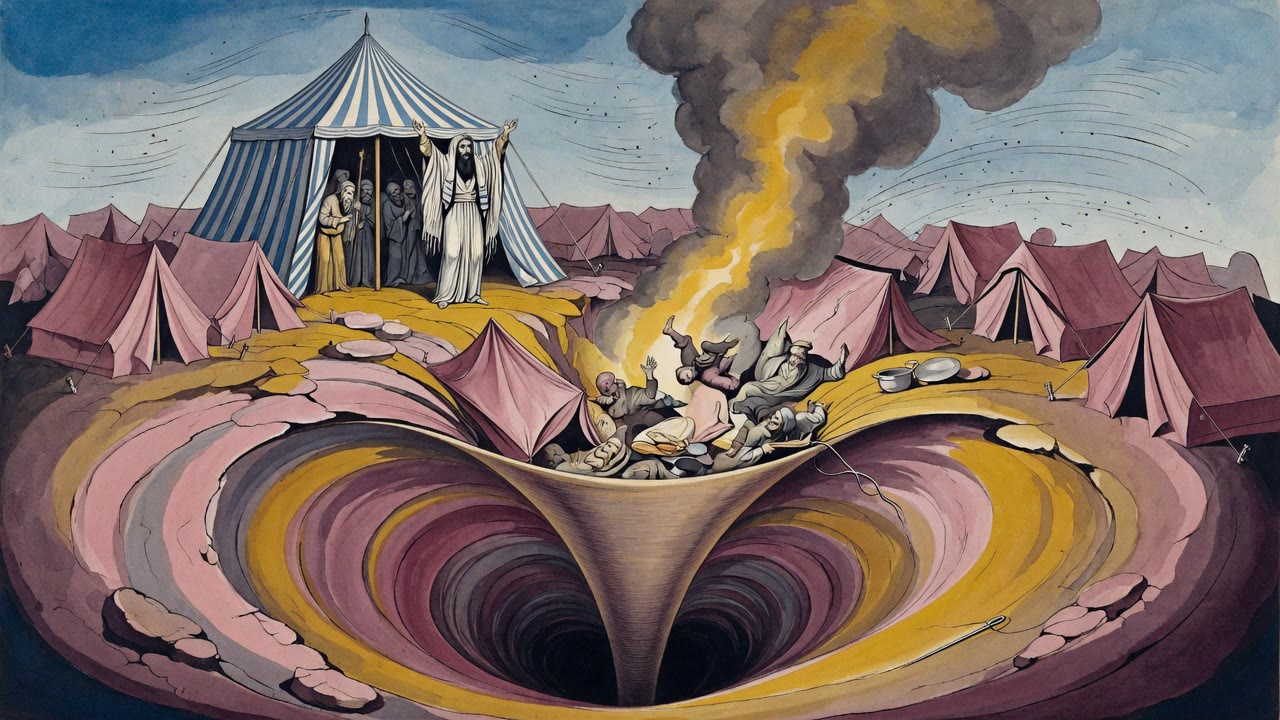
The chariots were already dead on the sand. The ground refused the burial until God swore by His right hand they would stay.
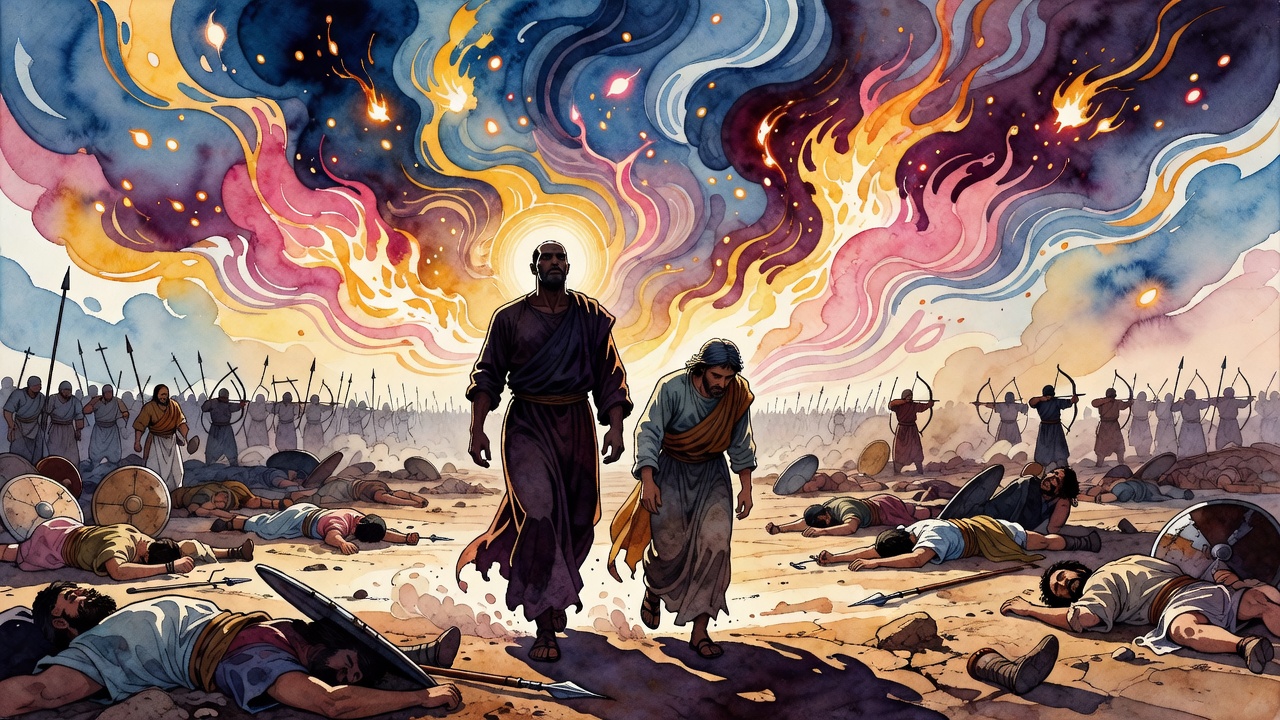
Ganoon said God had spoken and it was time to leave. Two hundred thousand of Ephraim walked out with bows and no blood on the doors.
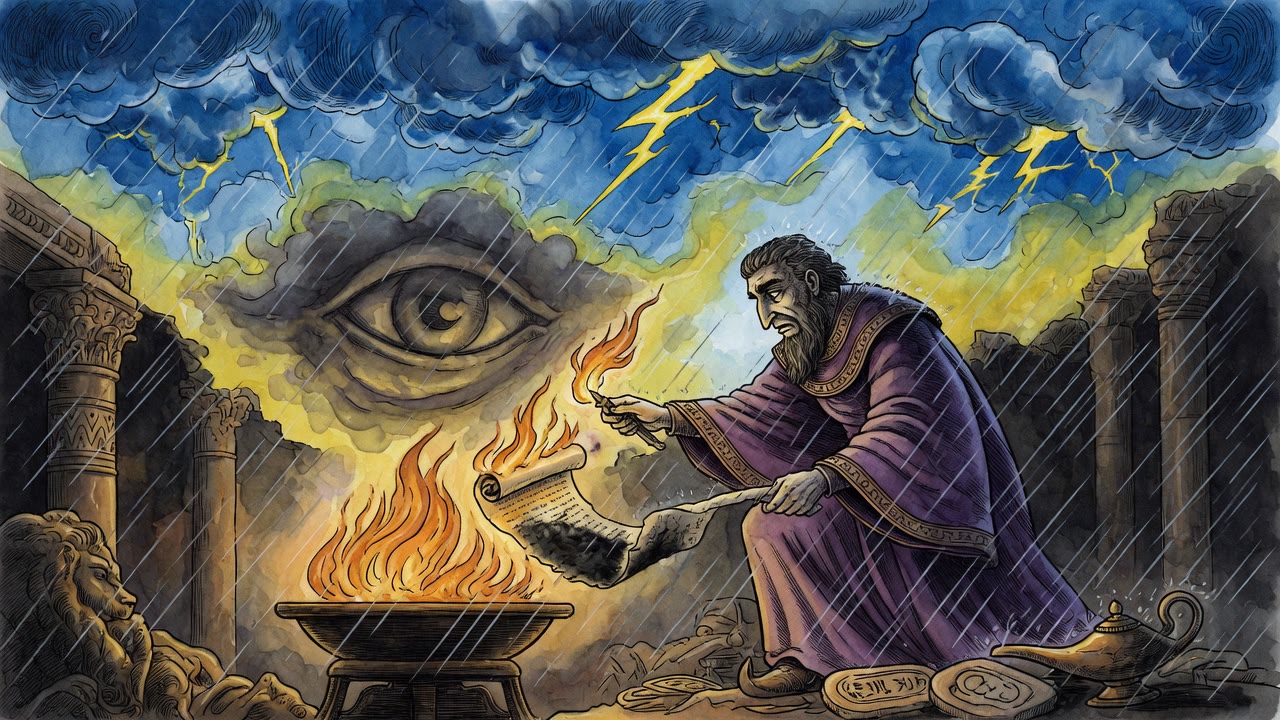
The prophet left a letter on the table and a rope from the beam. Eighty thousand sick men were already cutting stone when the palace learned he was dead.
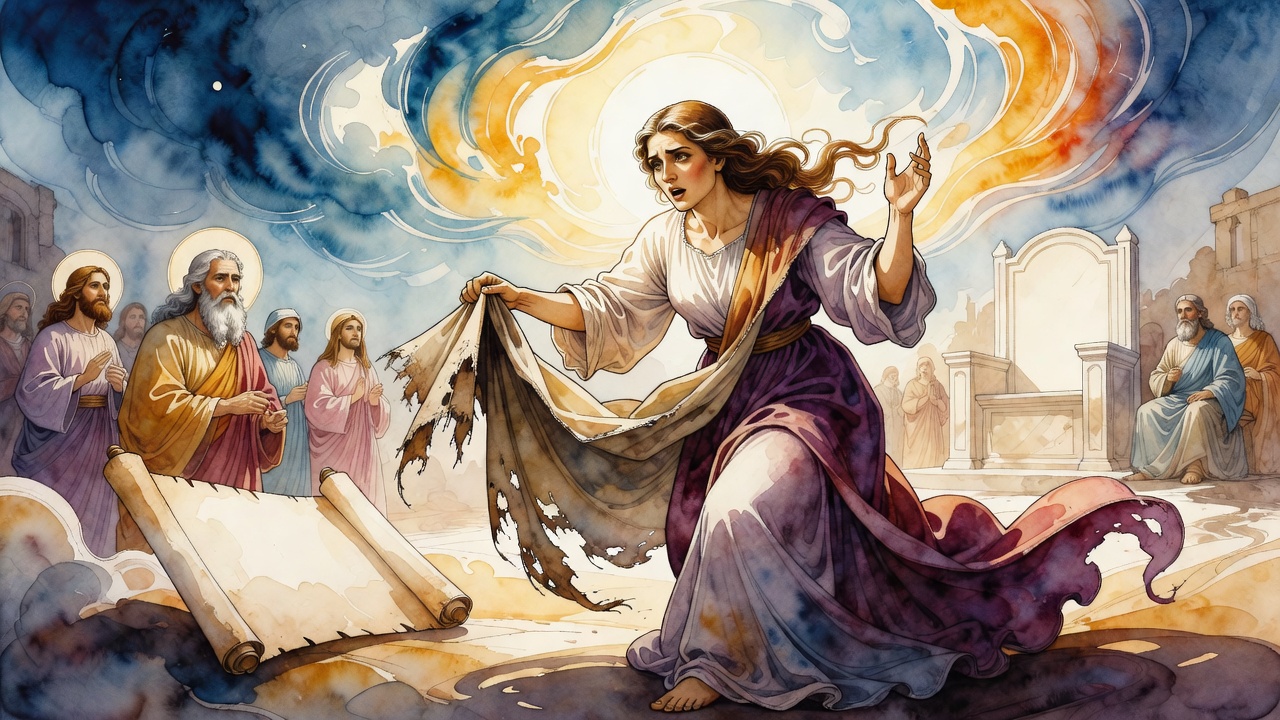
The cloth still held the shape of his shoulder. She kissed it. Then her friends came back from the river and told her how to use it.
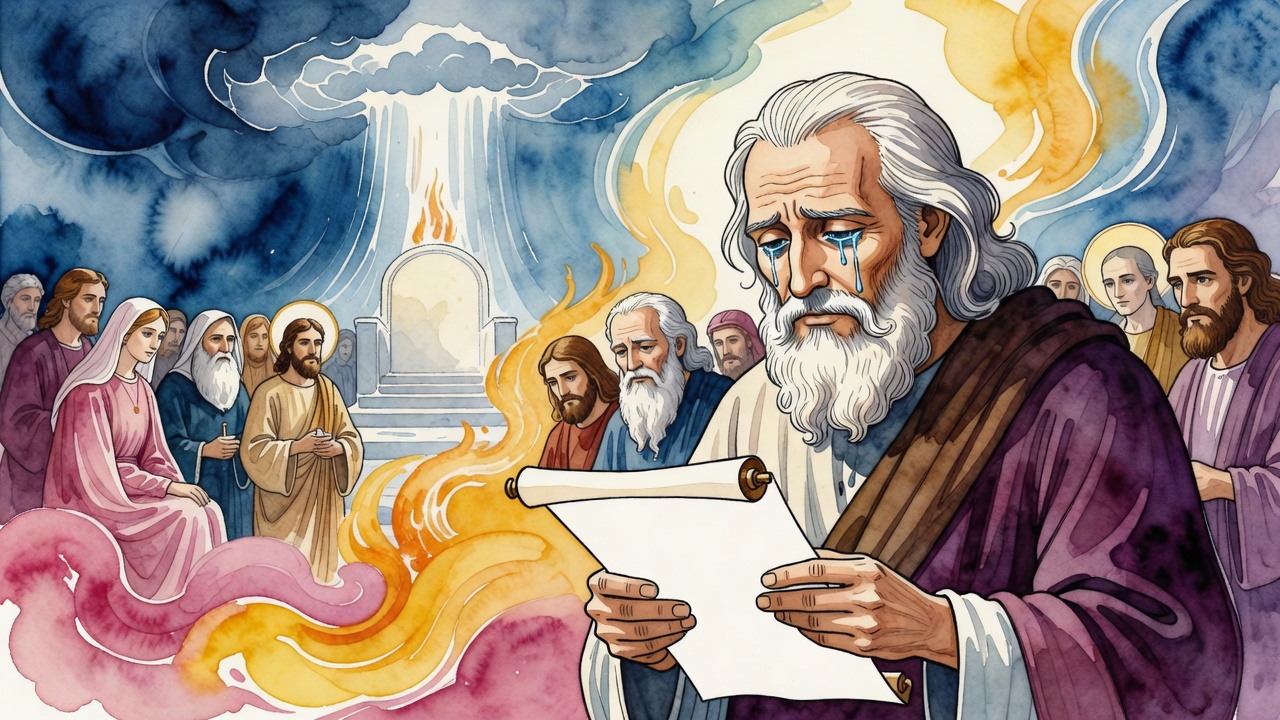
Blind with tears for Joseph, Jacob wrote to Egypt's ruler and prayed for two lost sons, never guessing the viceroy was the first.
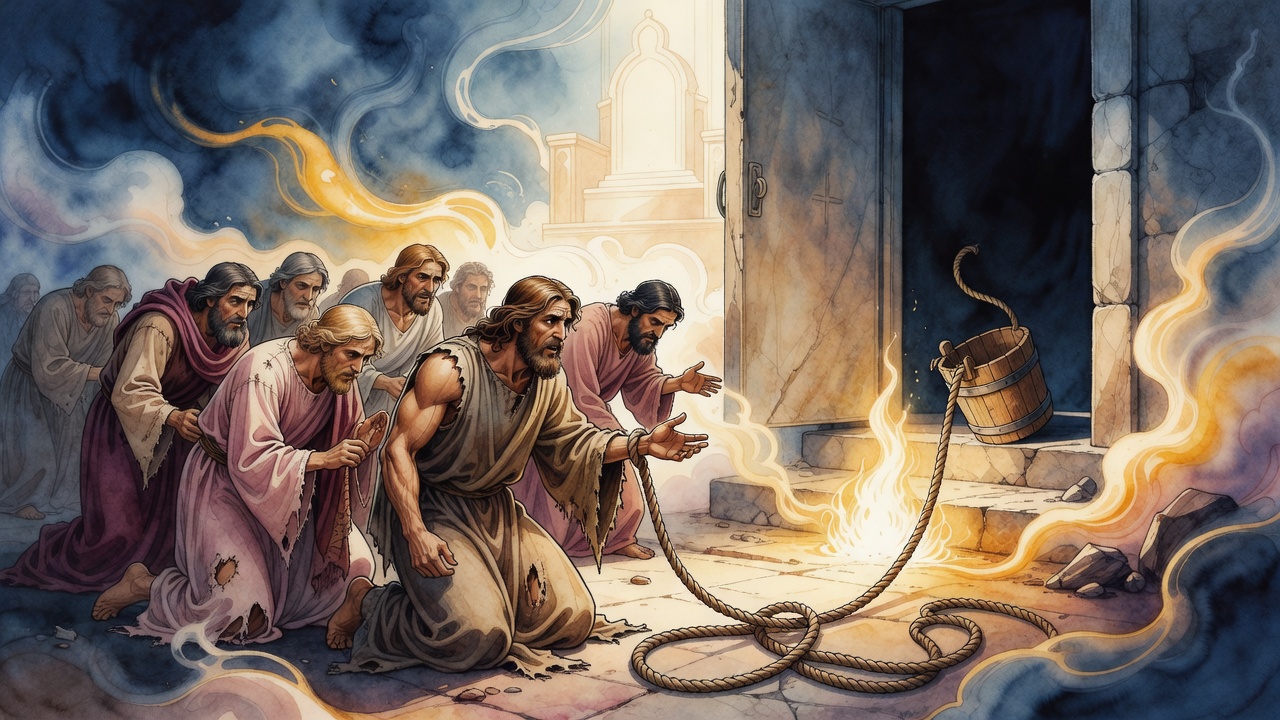
Simon came out of prison looking like a leather bottle. Judah pled for Benjamin while the man on the throne still wore Egypt's face.
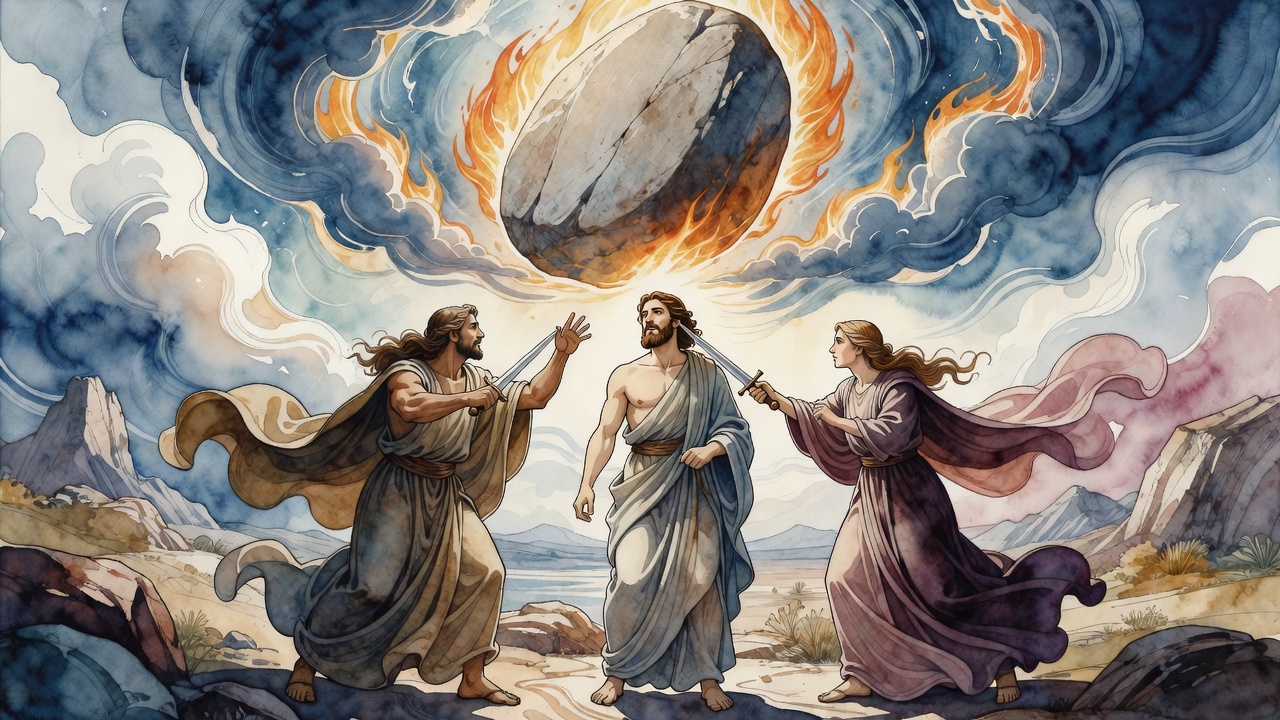
Simon and Gad lifted their hands. Joseph hid behind Zebulon. Years later a sword found his throat in an Egyptian doorway.
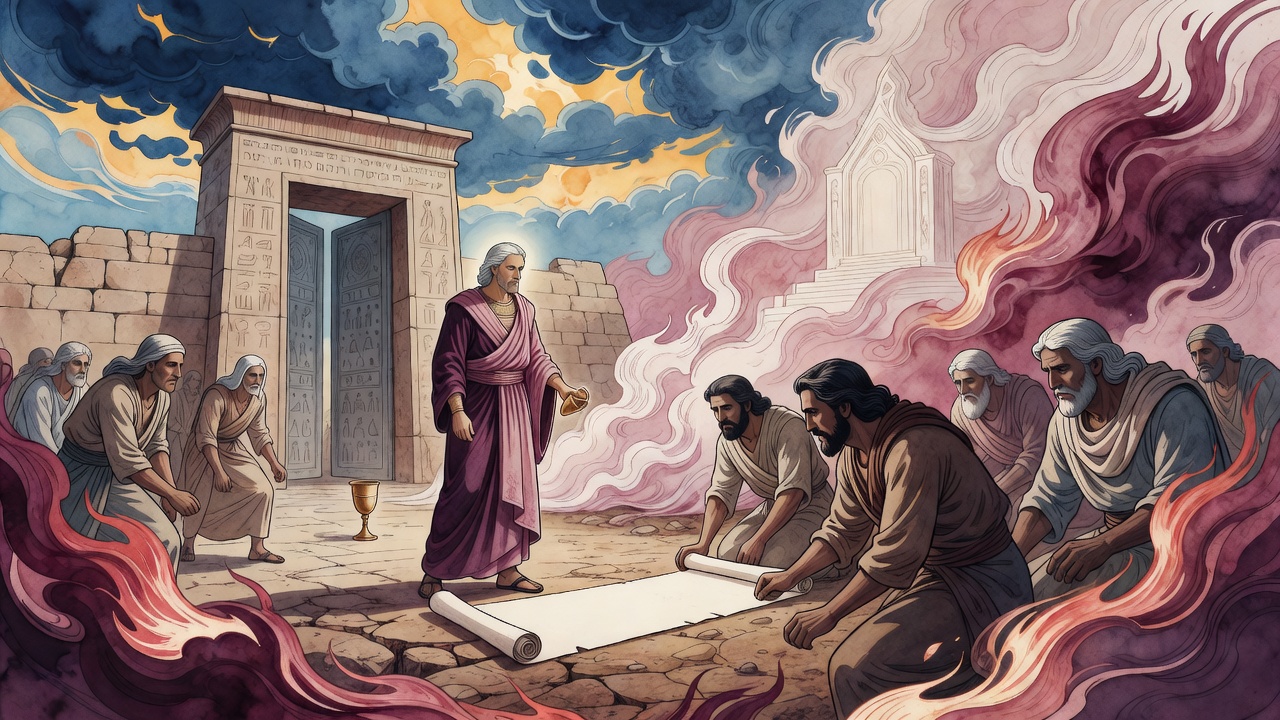
Guards at the grain gates wrote down every buyer's father and grandfather. Joseph read the lists, waiting for ten names from Canaan to show up.
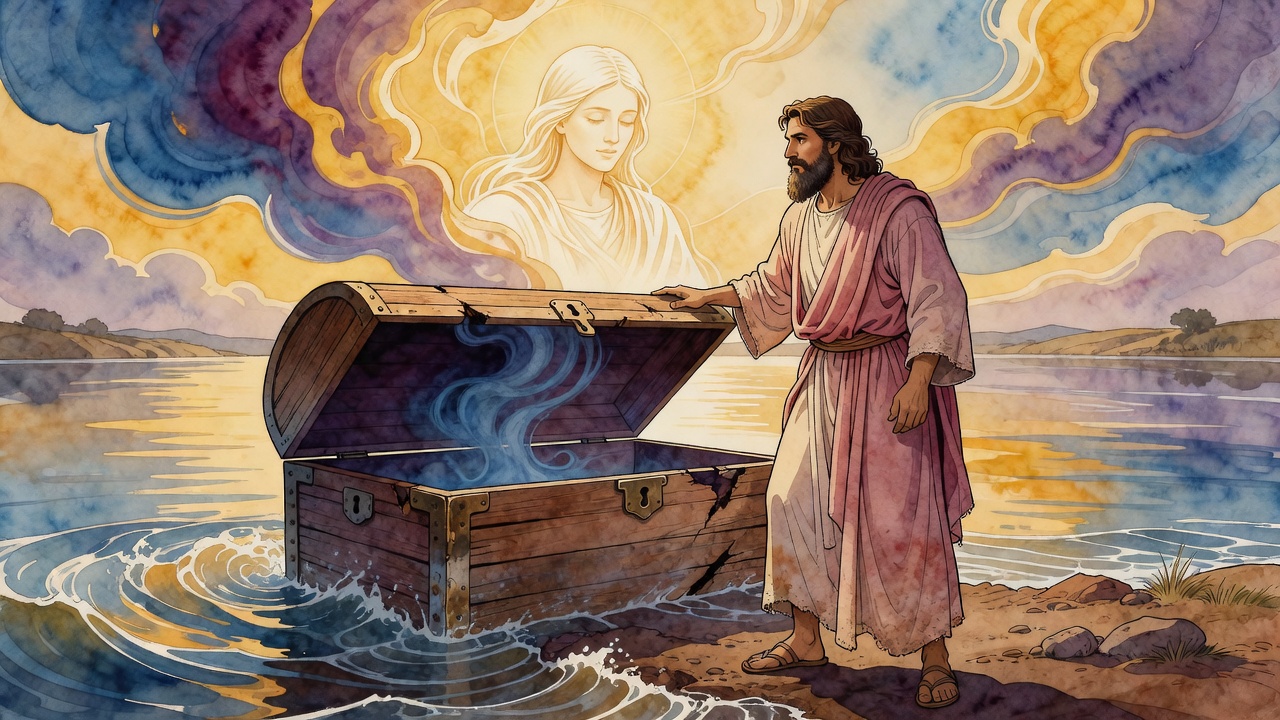
Famine drove them to Egypt. At the river Abraham saw Sarah's face like the sun, locked her in a chest, and bargained tax rates until the lid was forced open.
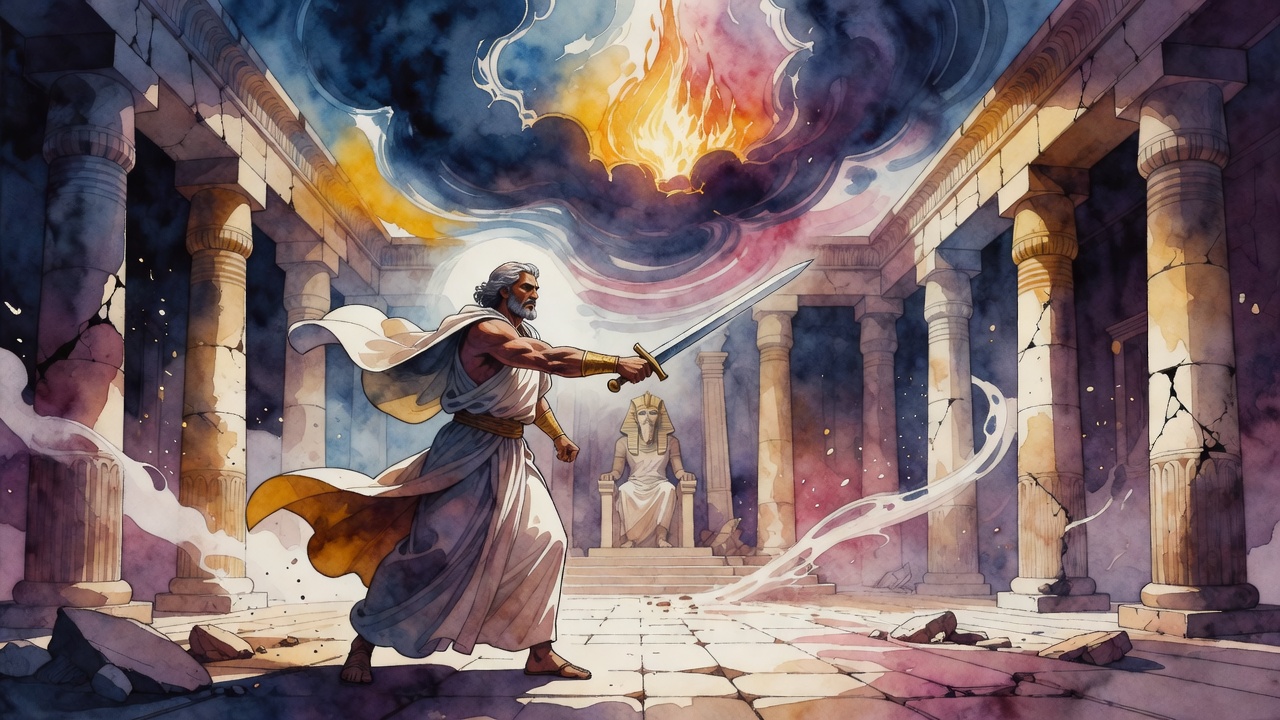
The cup rose out of Benjamin's sack, planted the night before. Back in the hall, Manasseh stamped his foot once and the whole palace shook.
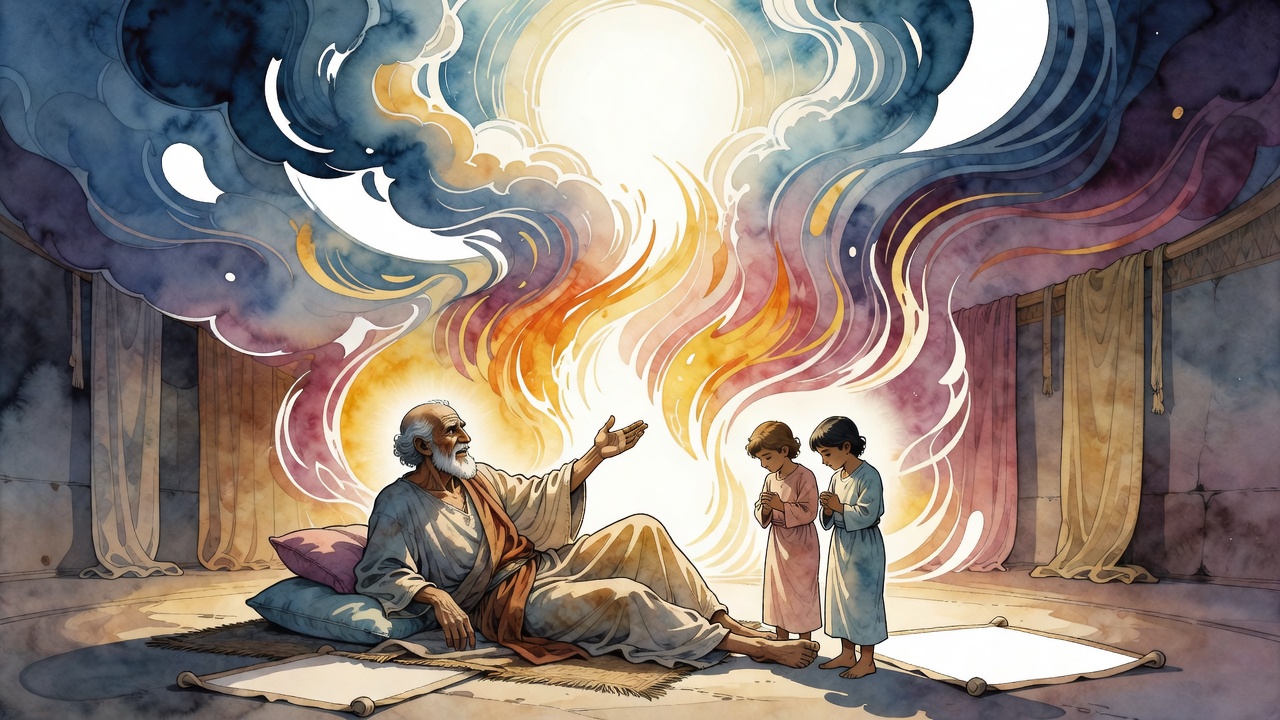
Asenath nursed the dying man and told Joseph to bring his sons for a blessing. Jacob's answer was that in seventeen years the boys had never come.
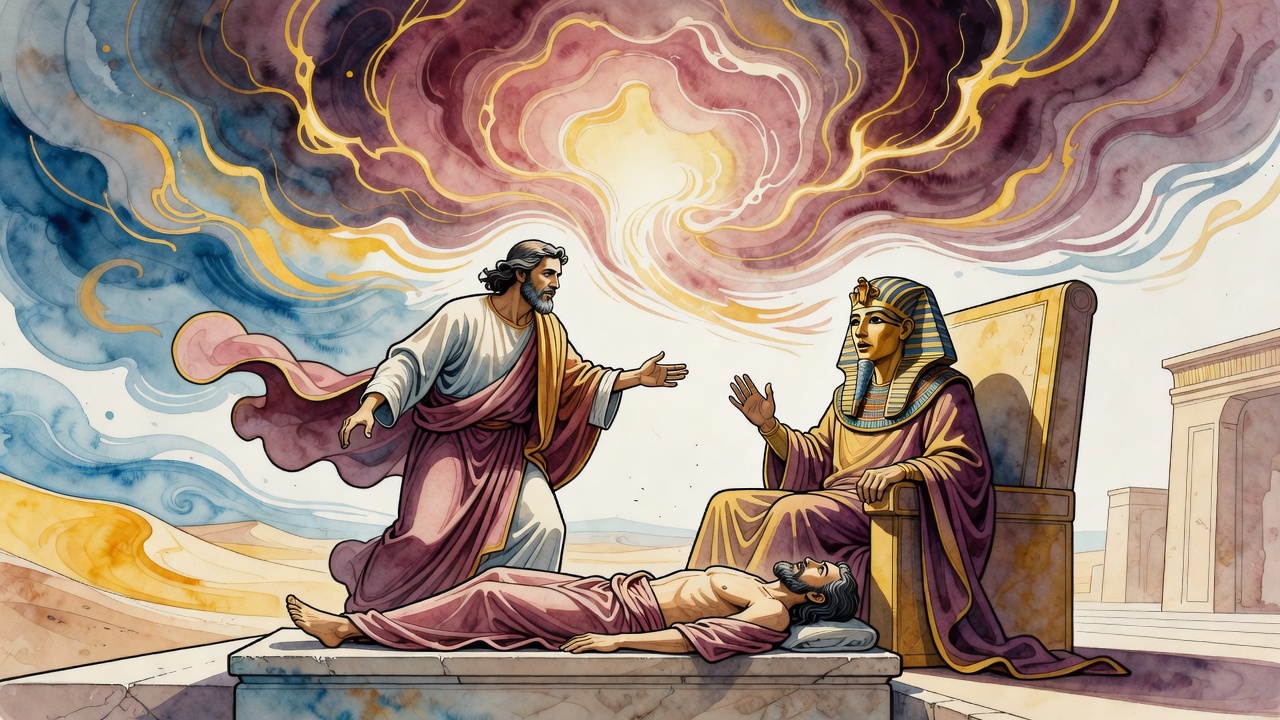
Pharaoh told Joseph to drop the burial vow. Joseph named a second vow, the one that hid the king's missing Hebrew.
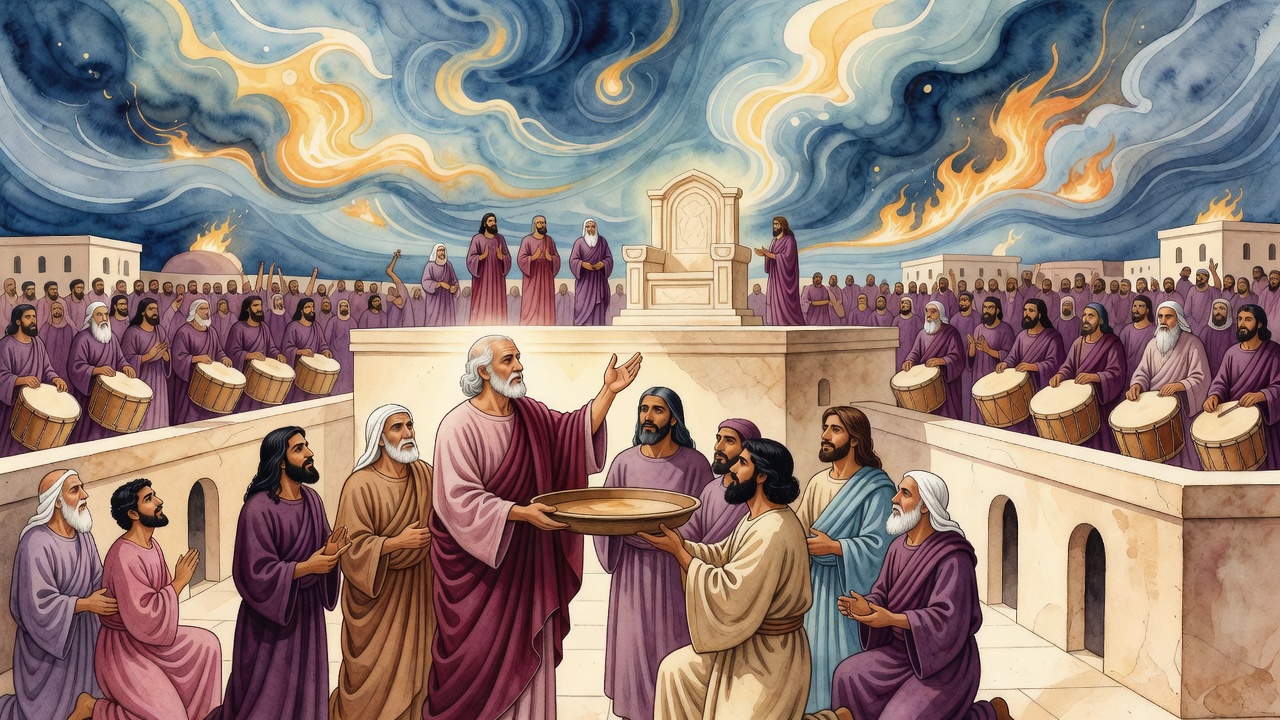
Joseph put a price on empty streets. Nobles pulled on purple. Women climbed the walls with drums while an old shepherd from Canaan came in under the noise.
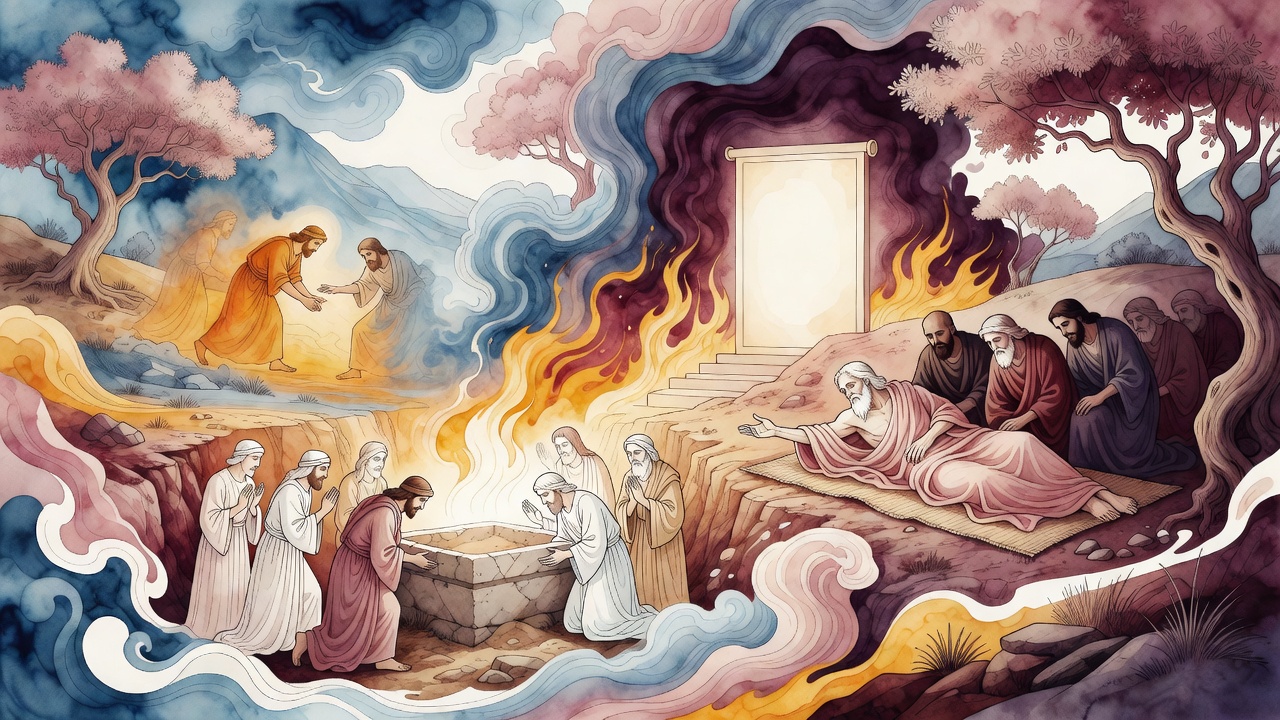
Dying, Jacob ordered Joseph to forgive and shield his brothers. Ages later the tribes buried Joseph in Shechem, the ground that first took him.
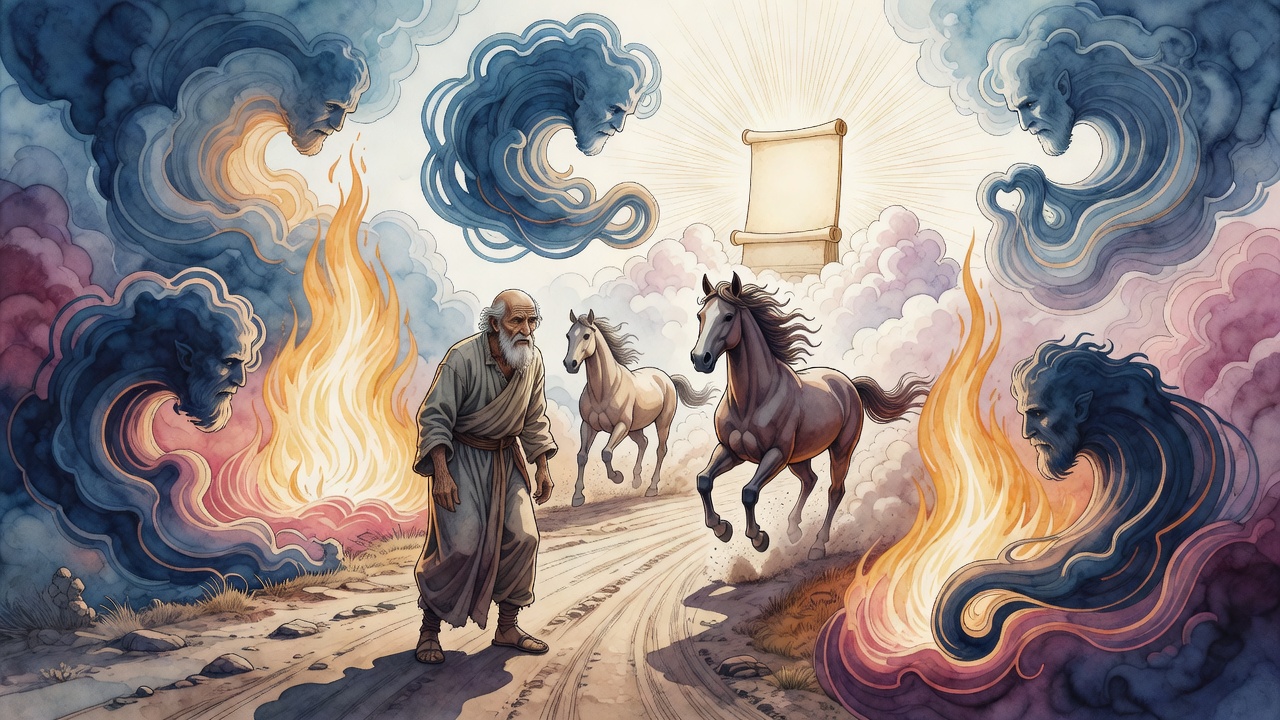
Joseph sent his oldest son first, then the next, each on a horse. From far off Jacob kept mistaking every rider for the son he had lost.
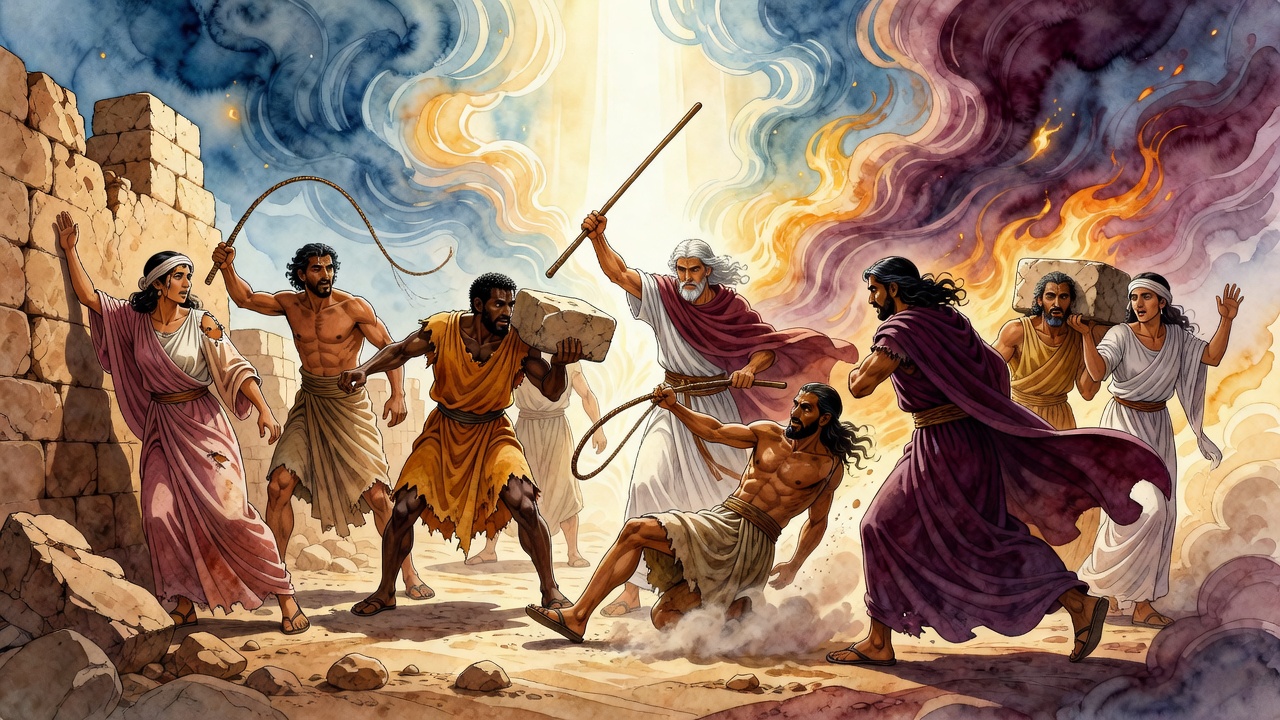
An Egyptian taskmaster forced Shelomith while Dathan was driven to labor, until Moses struck the abuser dead and fled the men he had saved.
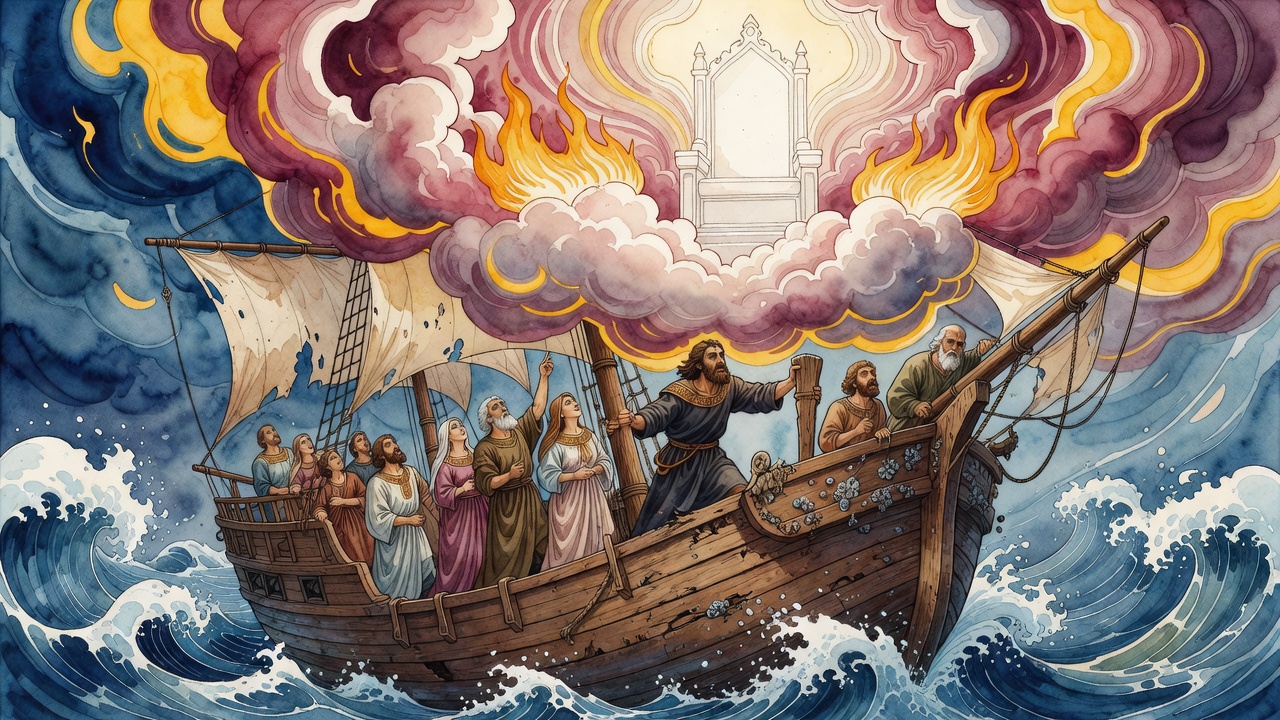
Joseph took both rudders after his father vanished. Judah named the course. After the wreck, only the masts showed above the water.
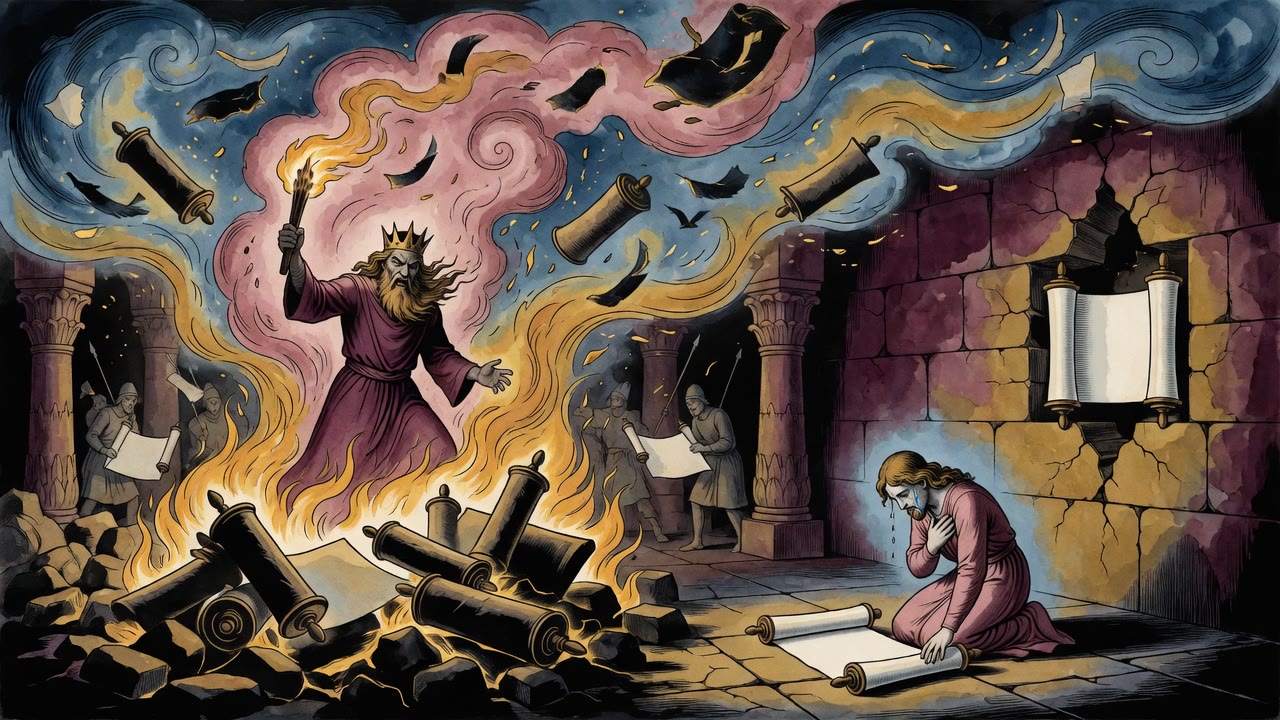
The hangmen opened Jochebed's door and found the room empty. She and Miriam were standing there. God had taken them out of the men's eyes.
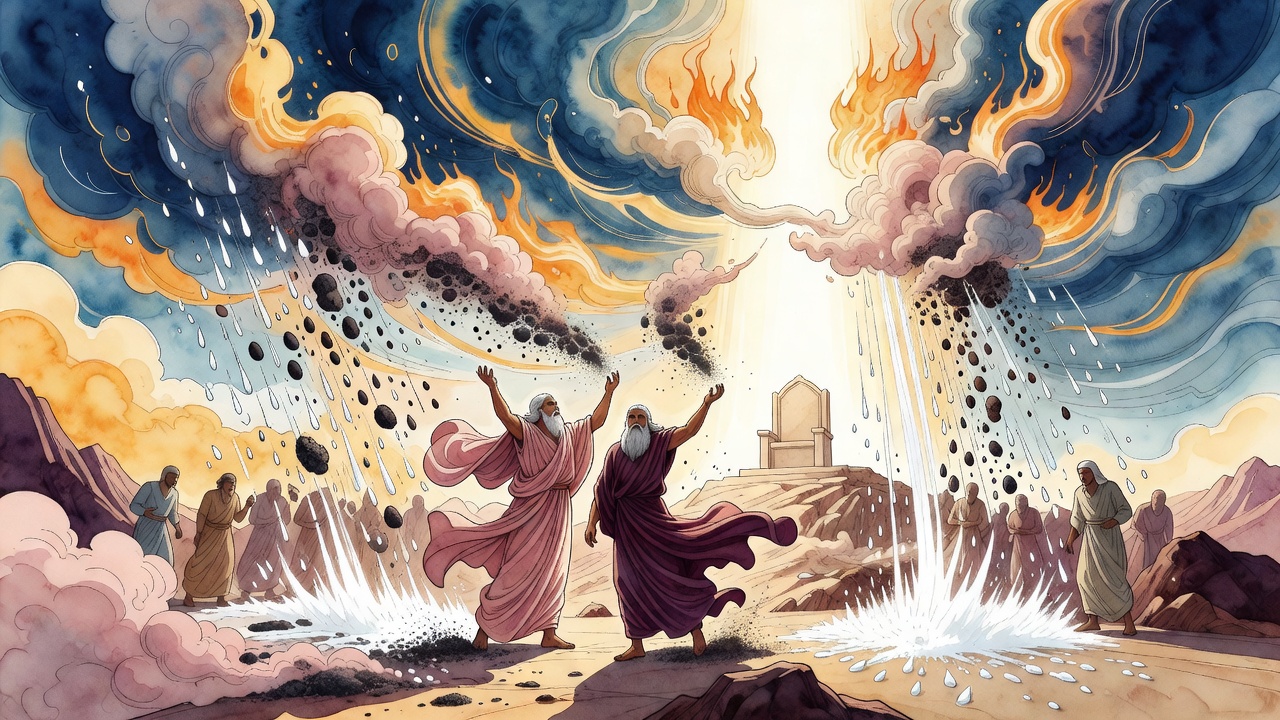
Moses and Aaron each scooped ash from the brick furnace. Moses held both handfuls in one palm and threw them at the sky.
Joseph sent clothes up from Egypt, a turban among them for his father. Jacob put it on, then slaughtered sacrifices asking whether he should go at all.
Joseph would not walk into Pharaoh's hall in mourning clothes. He sent the king's household ahead, then Seir rode down three days later.
