485 myths · Page 7 of 17
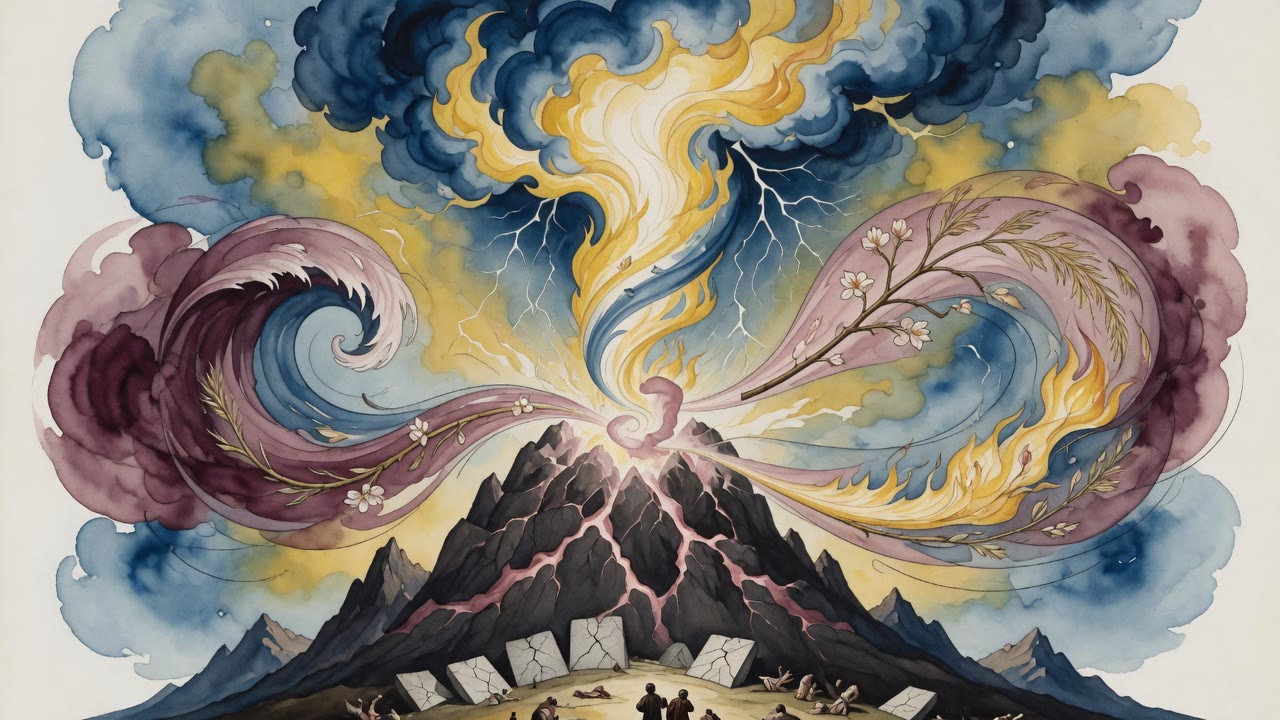
When the angels rose to sing as the Egyptians drowned, God stopped them with a sentence that cut through triumph and made mercy part of the judgment.
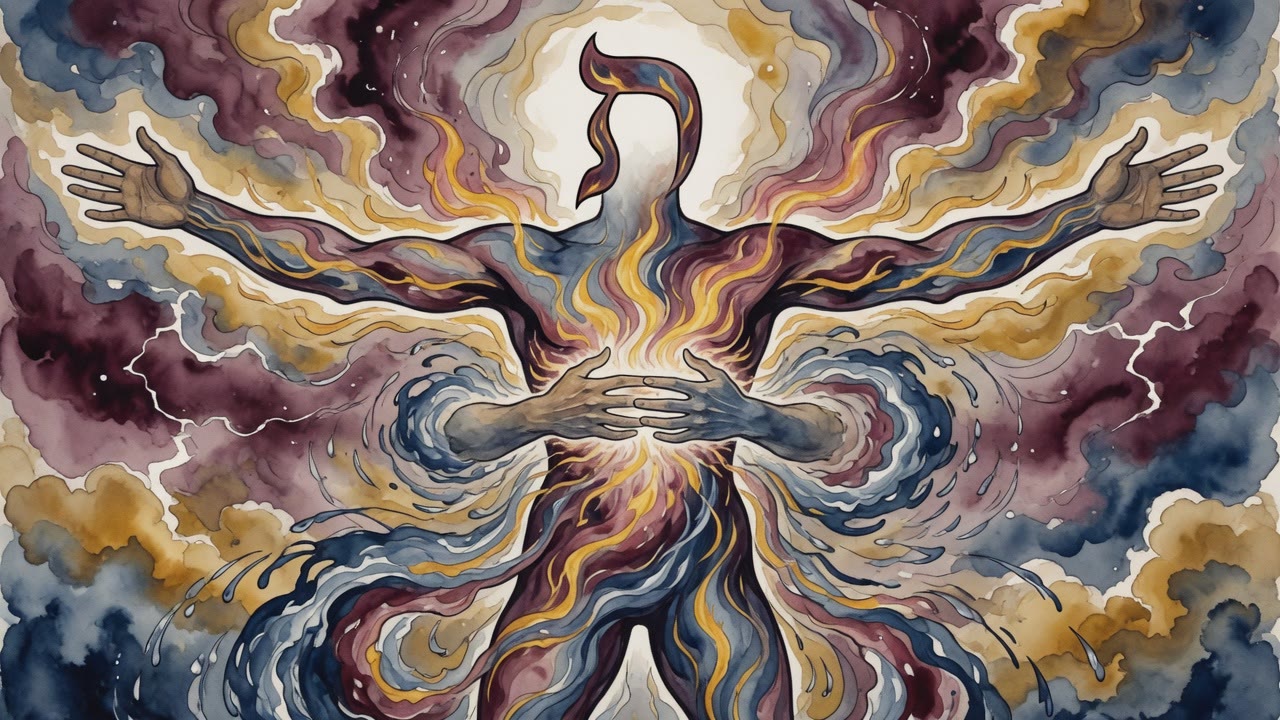
Fire makes peace with hail, Gabriel holds back at the sea, and Michael waits for dawn to drown Egypt's sorcerers, because destruction must wait for command.
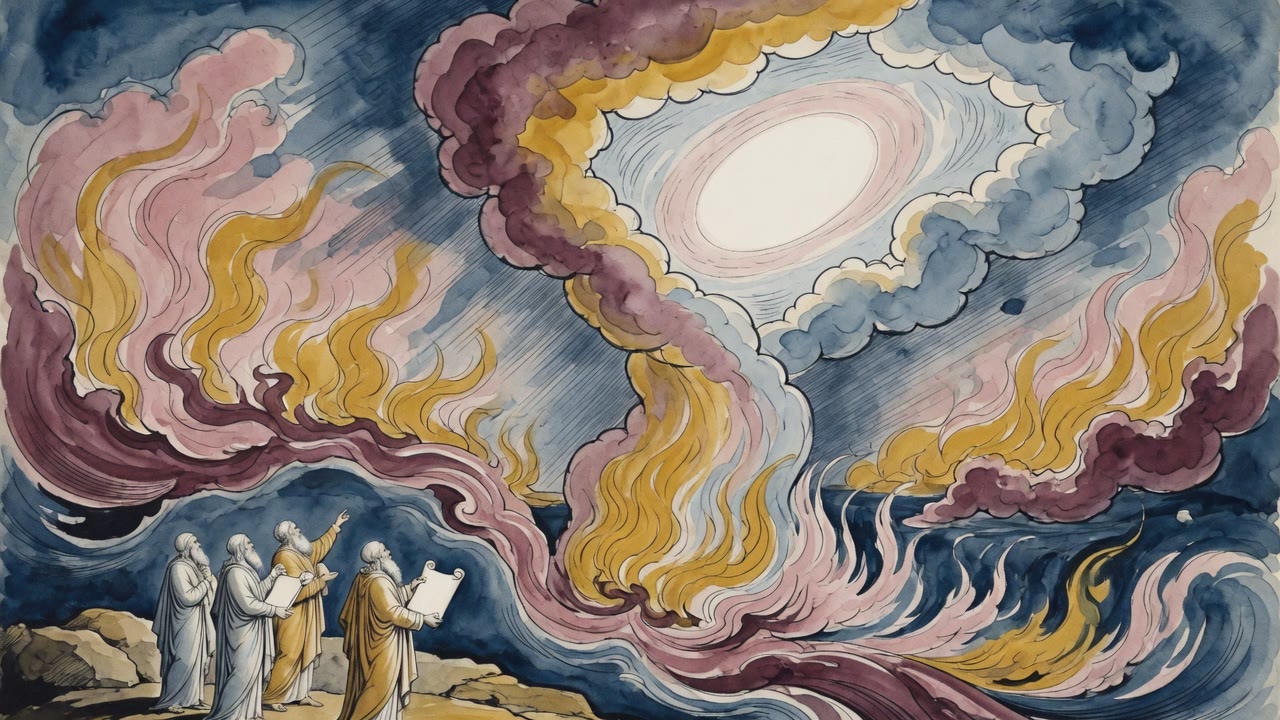
Rabbi Eliezer said rain rises from the sea. Rabbi Joshua said it drops from above the sky. Between them they made the heavens a millstone grinding the ocean.
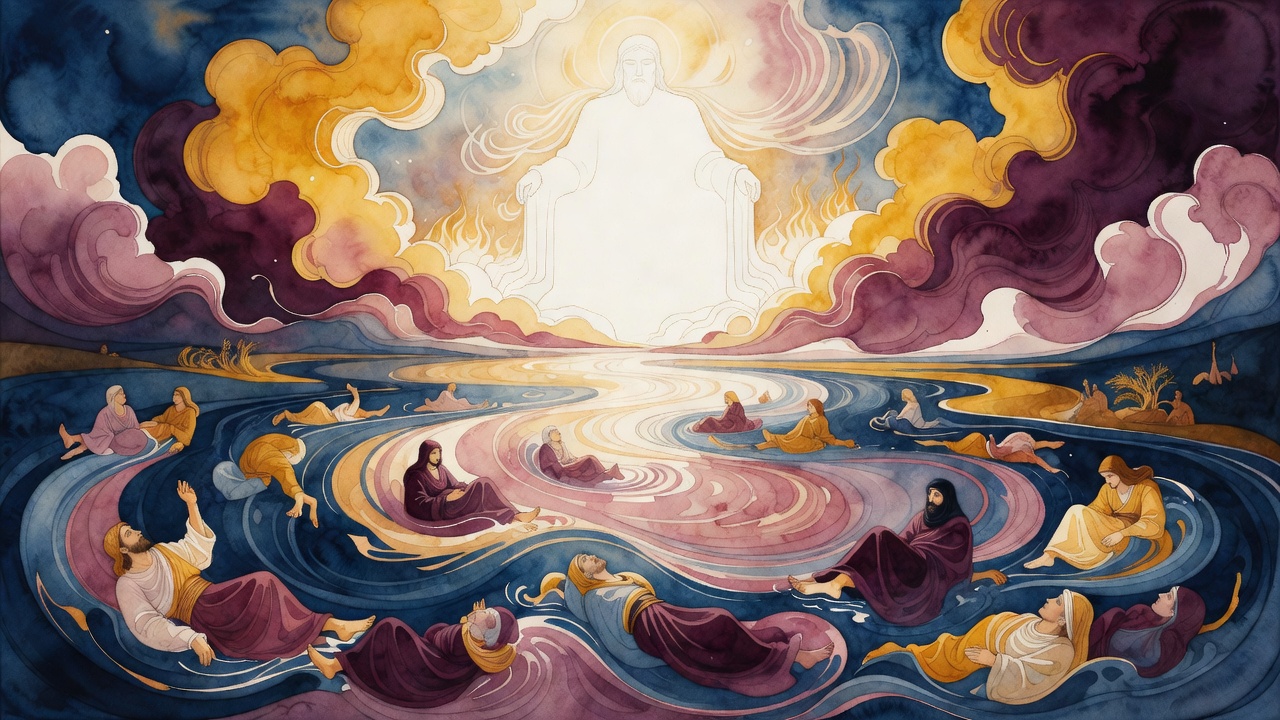
A horse's hooves found mud that would not let go. The water that had taken Hebrew boys now held Egypt's best chariots down.
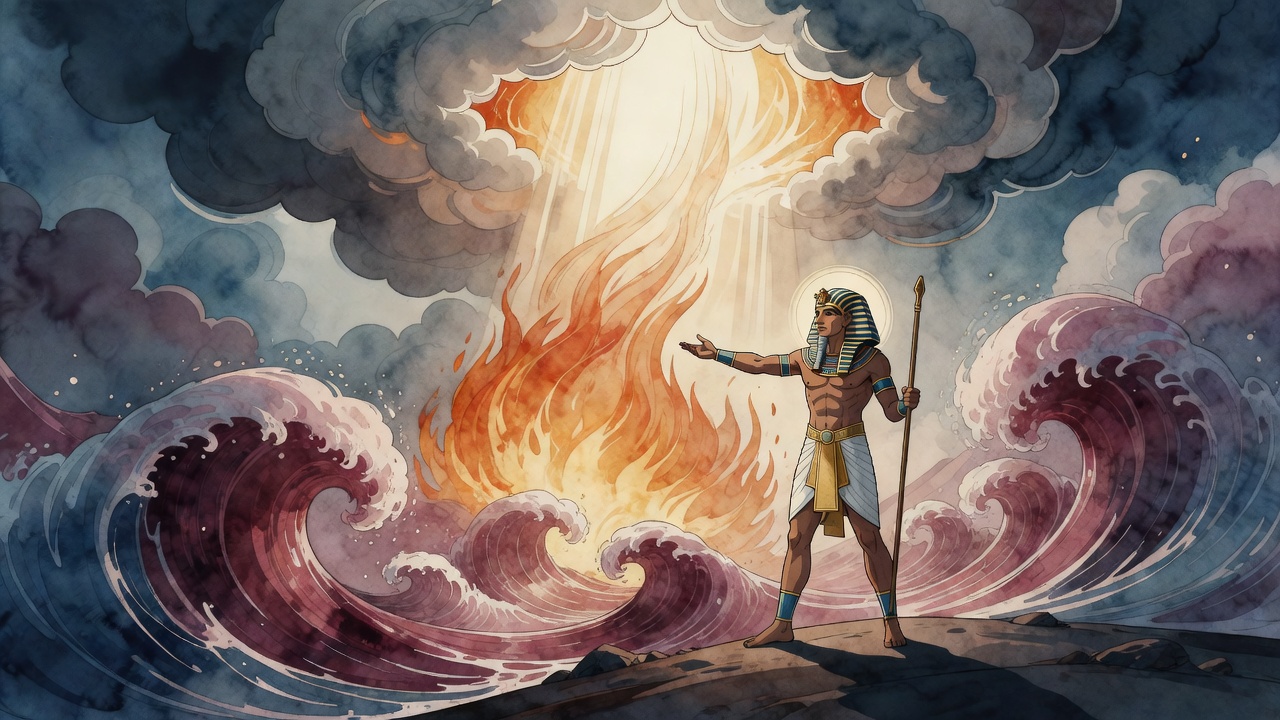
Pharaoh declared he would pursue and overtake and divide the spoil. The Yalkut Shimoni shows how each boast became the sentence he pronounced against himself.
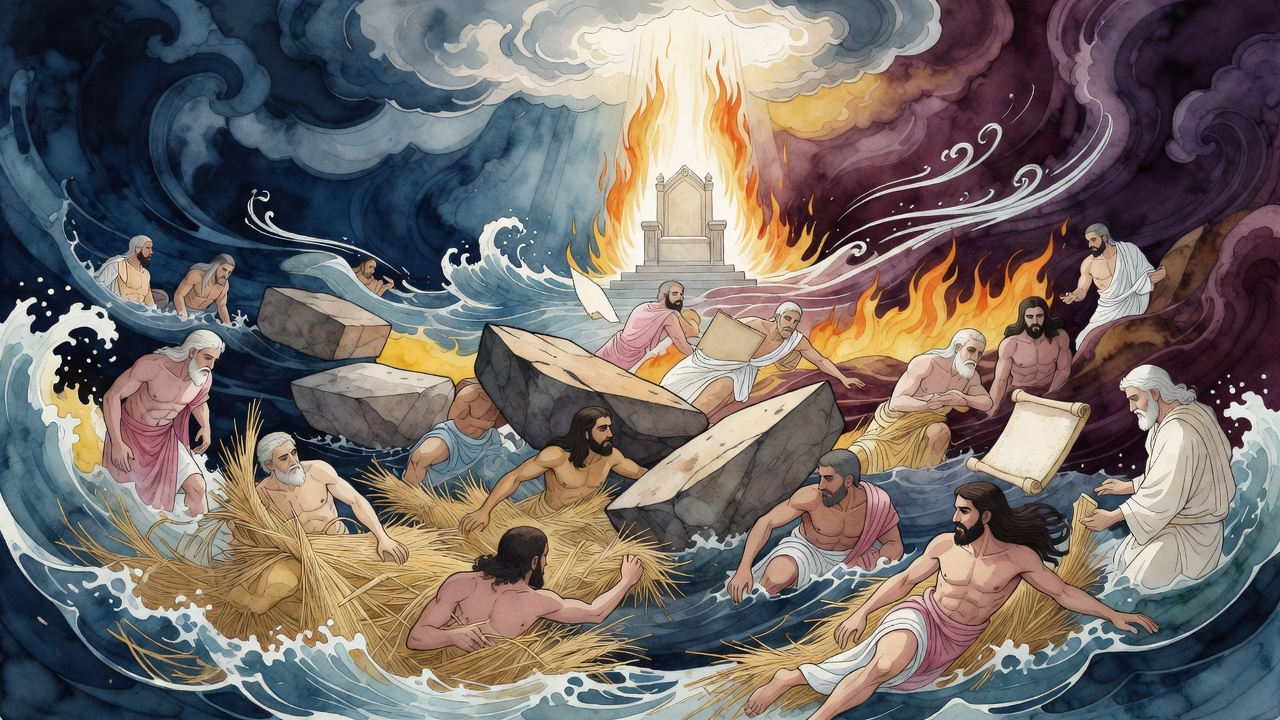
The Song of the Sea drowns Egypt three different ways. Straw, stone, and lead were not poetry but verdicts, each weight matched to its guilt.
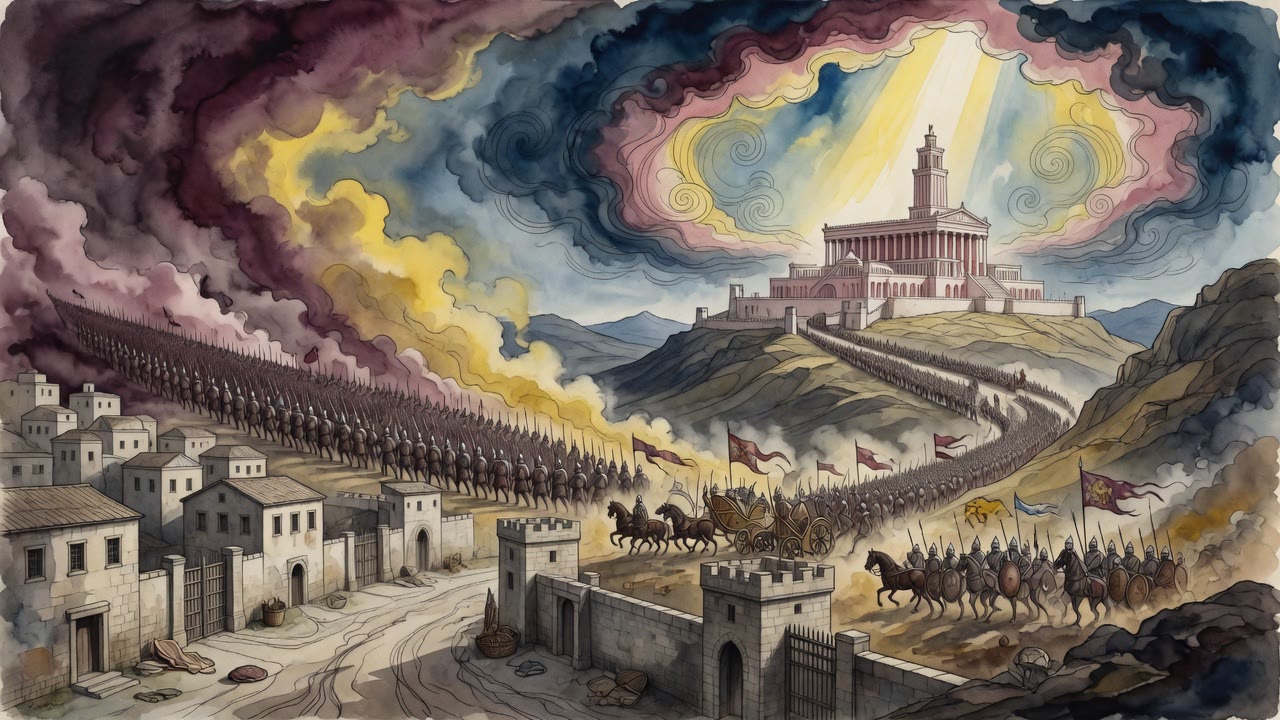
The court told Pharaoh to move against the Hebrews. He refused, said Egypt owed them everything, and lost his throne for three months.
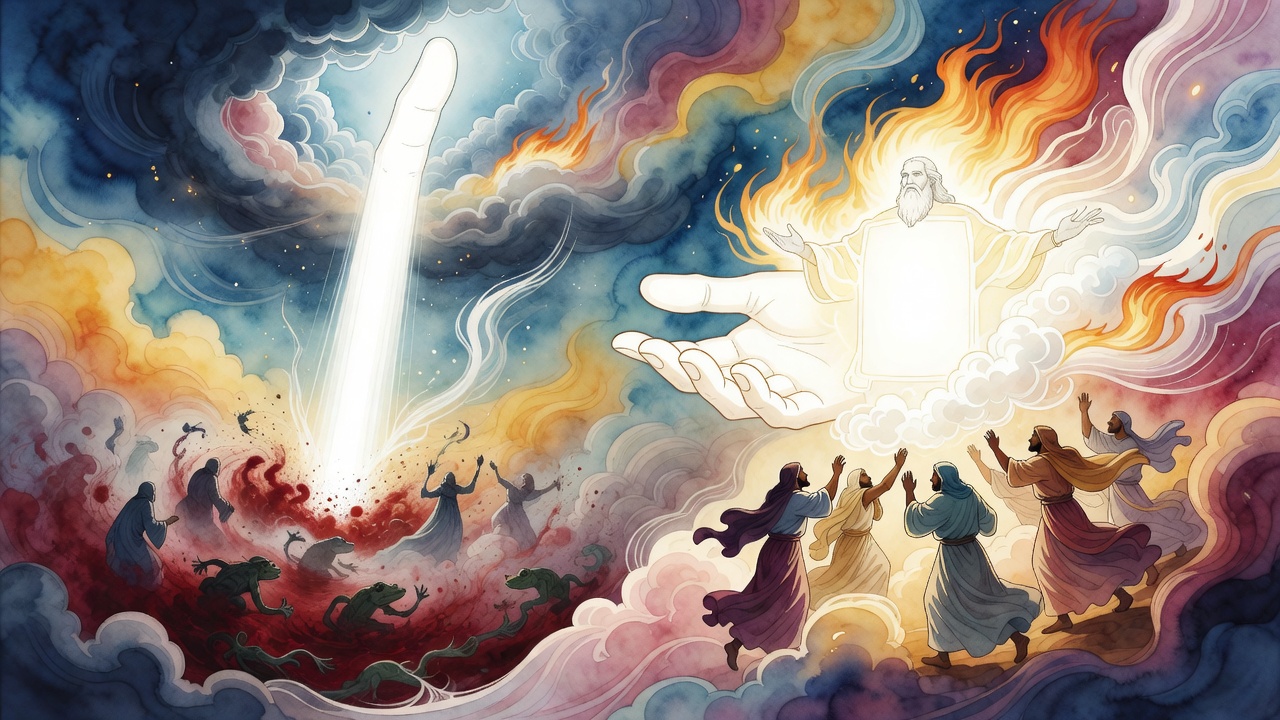
Egypt's sorcerers could copy blood and frogs but failed at lice. From that single admitted finger the rabbis traced the whole open hand of Israel's rescue.
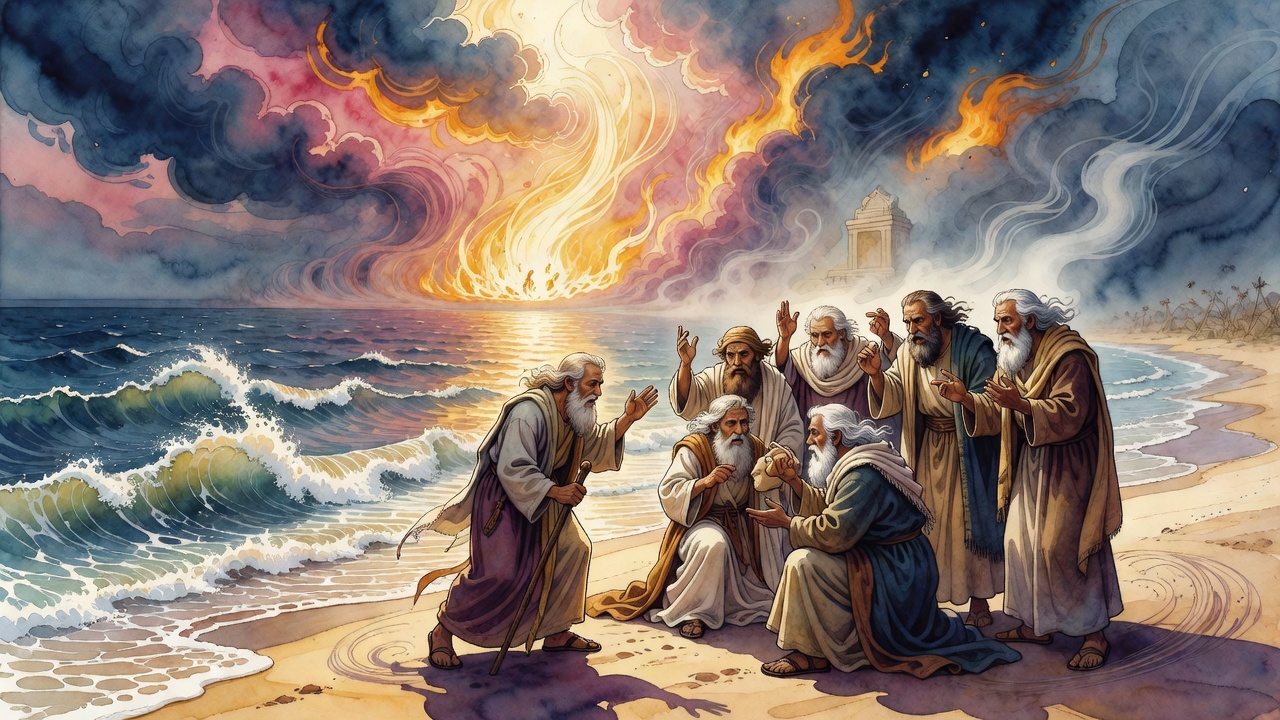
Ten plagues struck Egypt. Then the rabbis did the arithmetic on the sea and the number kept climbing, fifty, two hundred, two hundred and fifty.
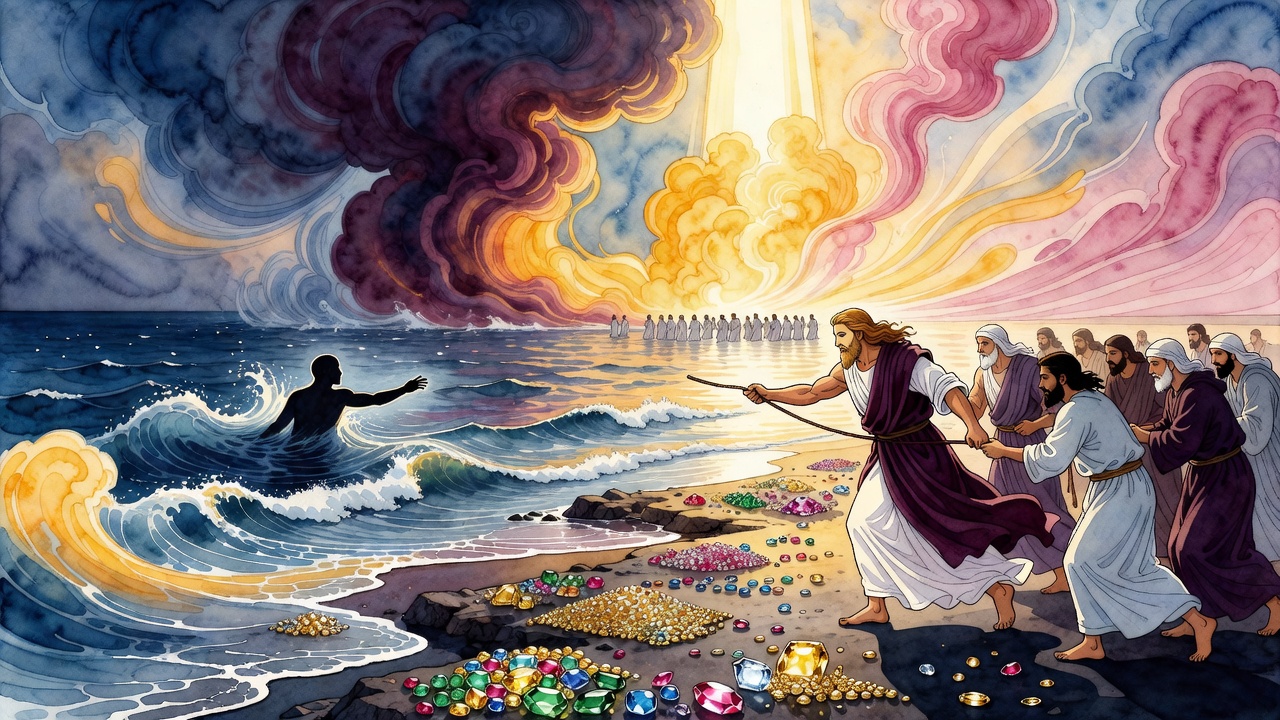
The tide laid pearls and stones on the sand every morning, and Israel would not leave. Moses had to pull them off the shore by the wrists.
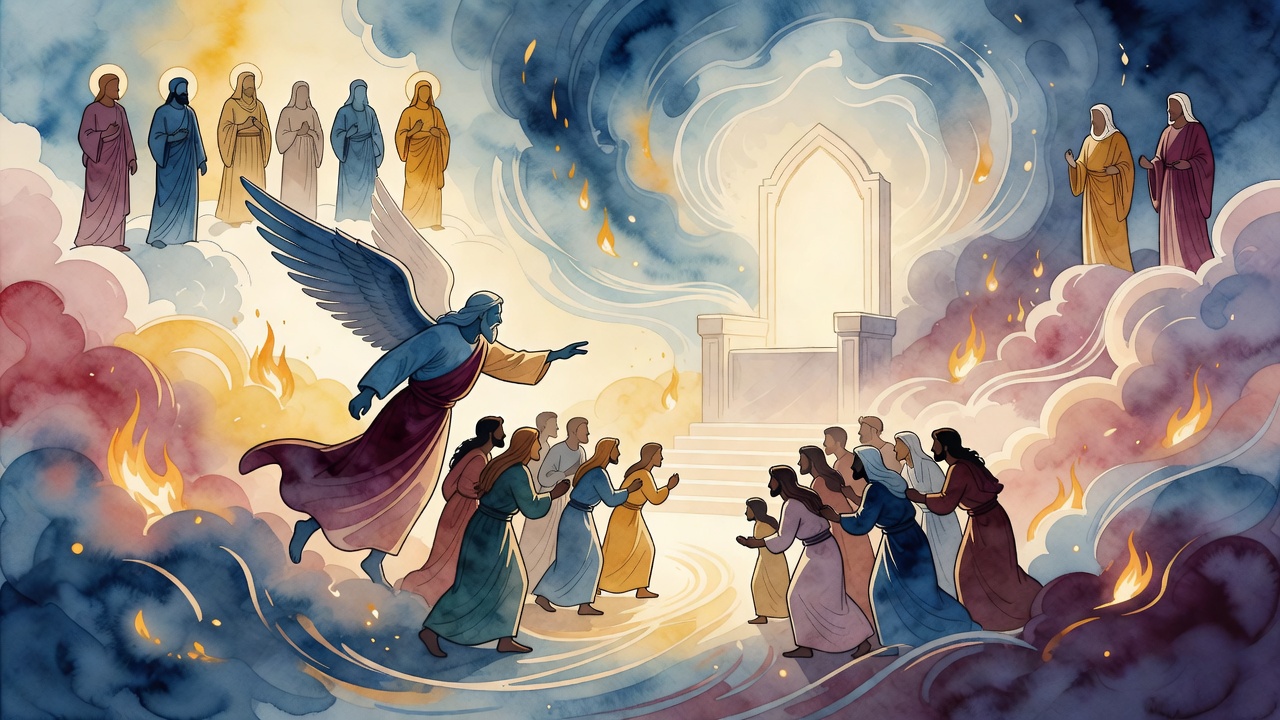
Egypt was still owed 314 years of slave labor, Uzza argued. He asked God to send Michael to argue back, and God agreed to hear the case.
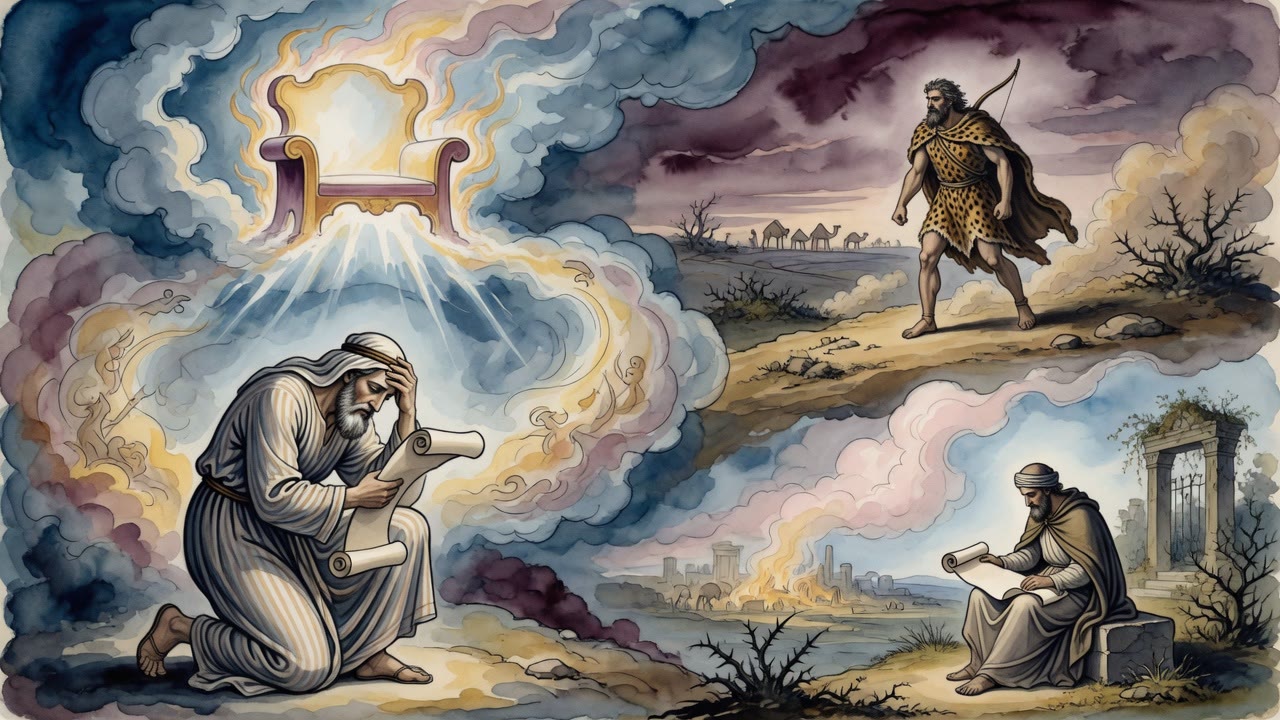
A trap meant to burn Maimonides alive closes on his accuser, he turns into a lion to break cruel decrees, and Ibn Ezra comes hunting his equal.
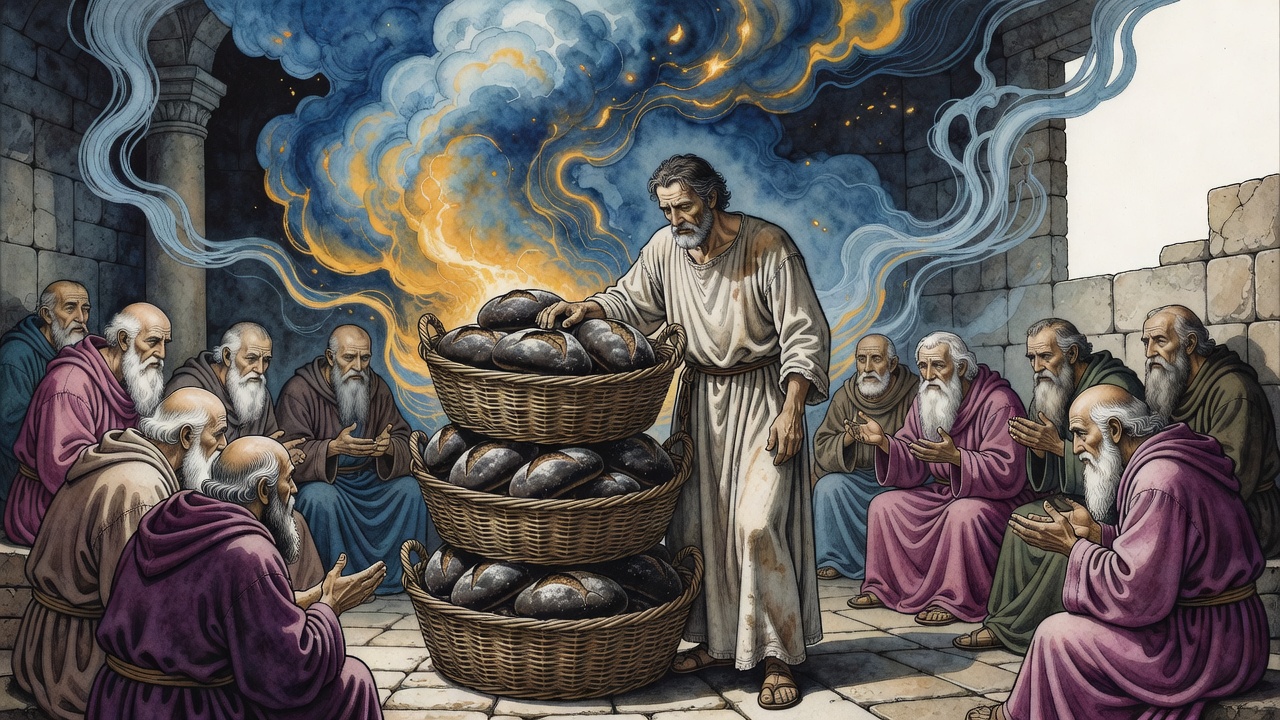
The cupbearer had just been promised Pharaoh's cup again in three days. So the baker told his own dream, certain three baskets meant three rungs up.
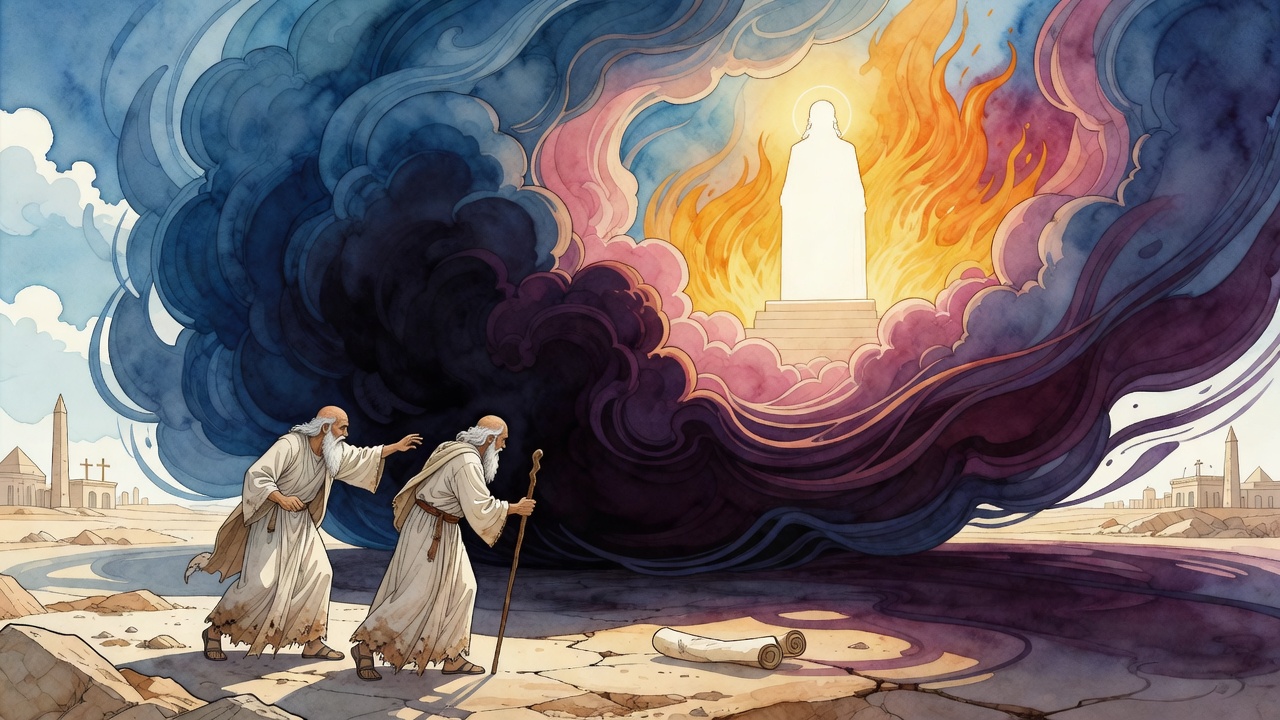
Two sages traced the dark that pinned Egypt to the blackness God hides behind, a coin-thick scoop of the deep that doubled once it was loosed.
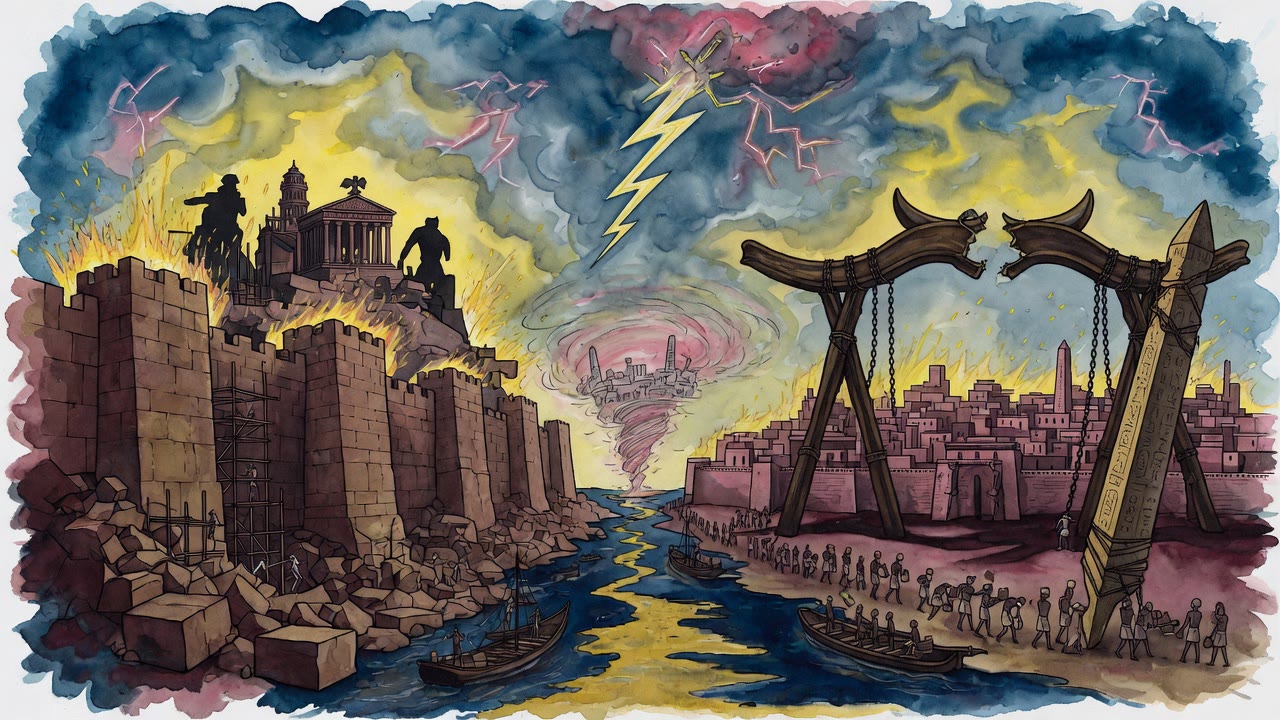
A she-wolf fed two boys on a hillside in Jotham's reign. South of there, Hebrew women laid infants in the furrows and left them.
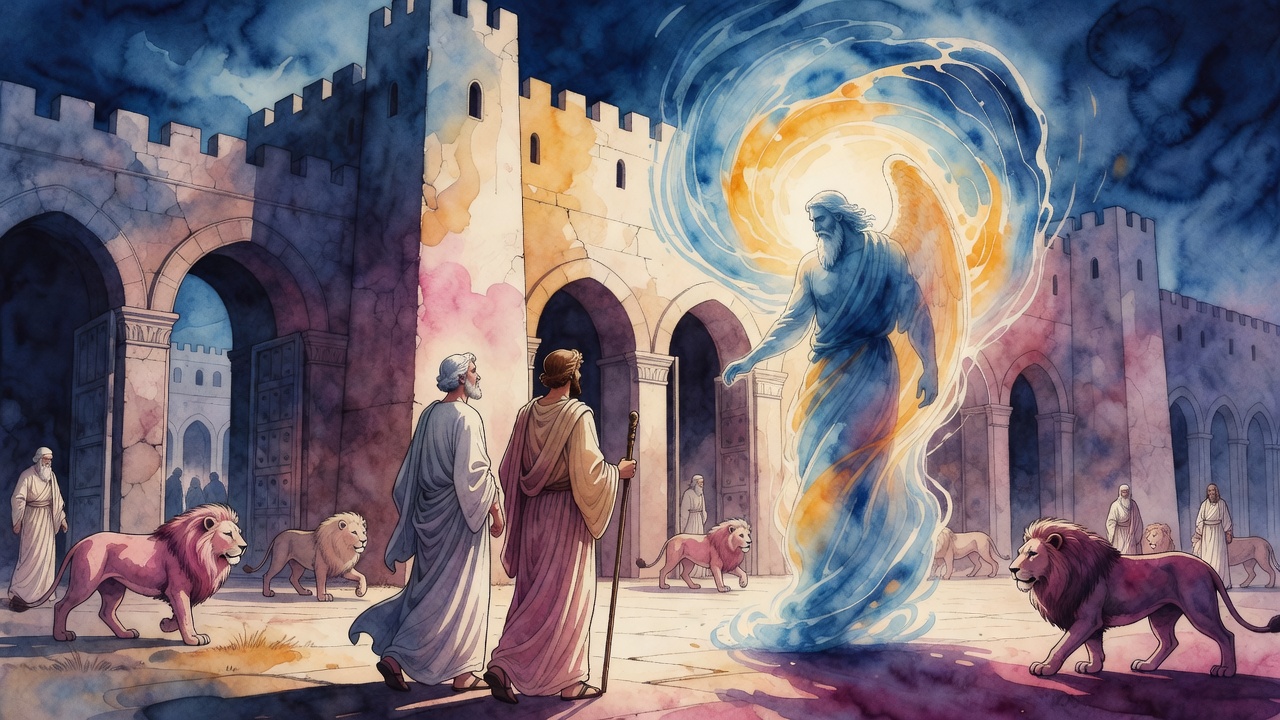
The elders slipped away one by one until only two brothers faced a fortress of four hundred gates and lions, and an angel walked them in.
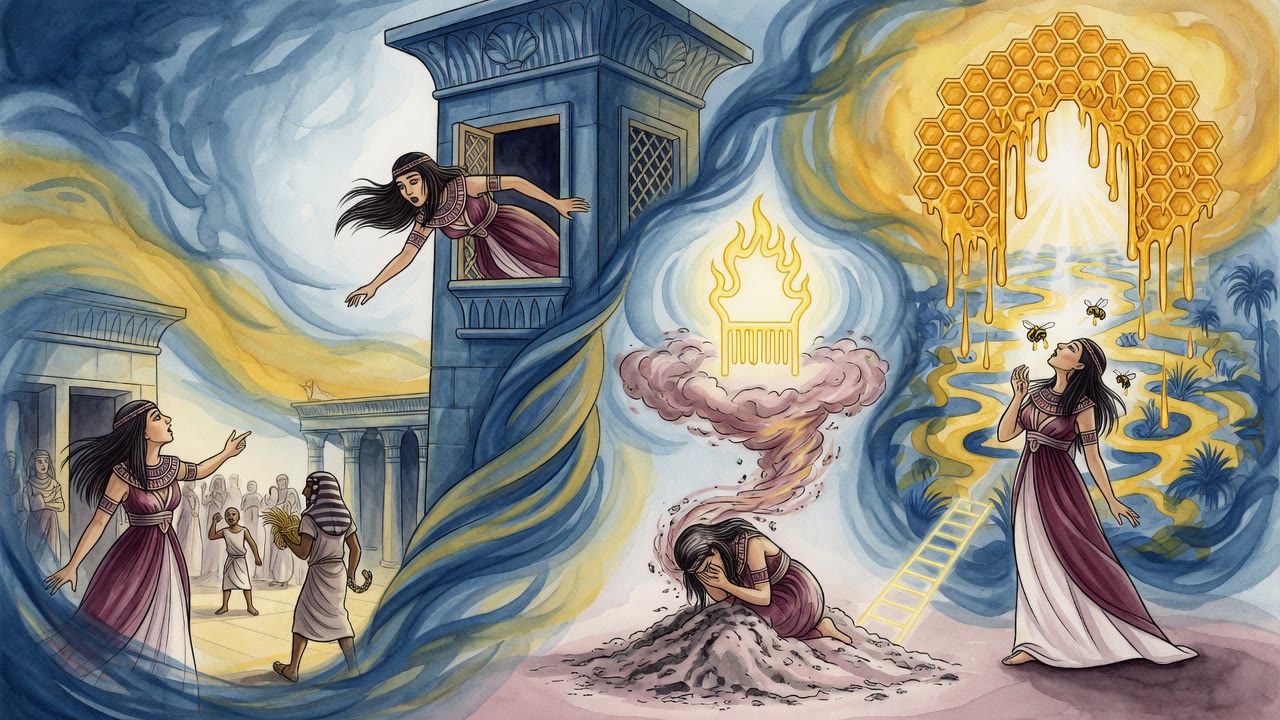
Potiphar's daughter mocks the slave Joseph, then sees him from her tower and falls. Seven days in ash, an angel, and paradise honey remake her.
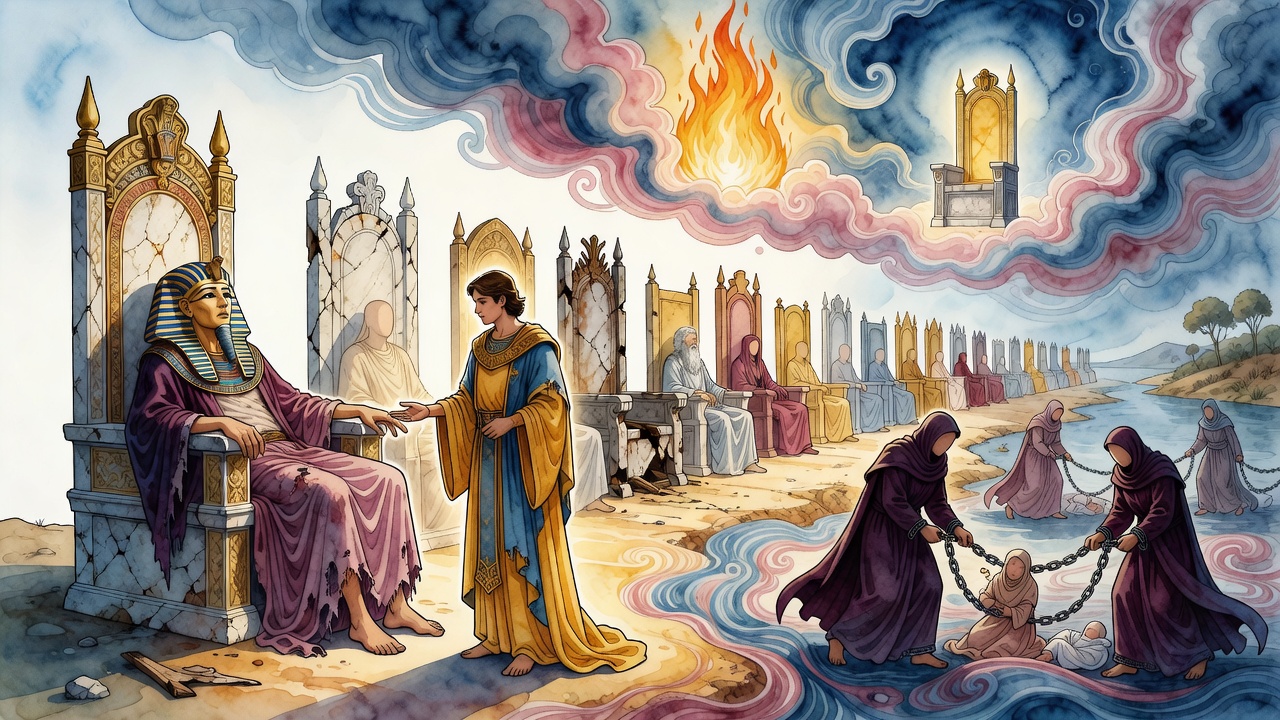
A dying Pharaoh begs his heir to honor Joseph, but throne after throne forgets the debt until the law itself decrees Hebrew sons drowned.
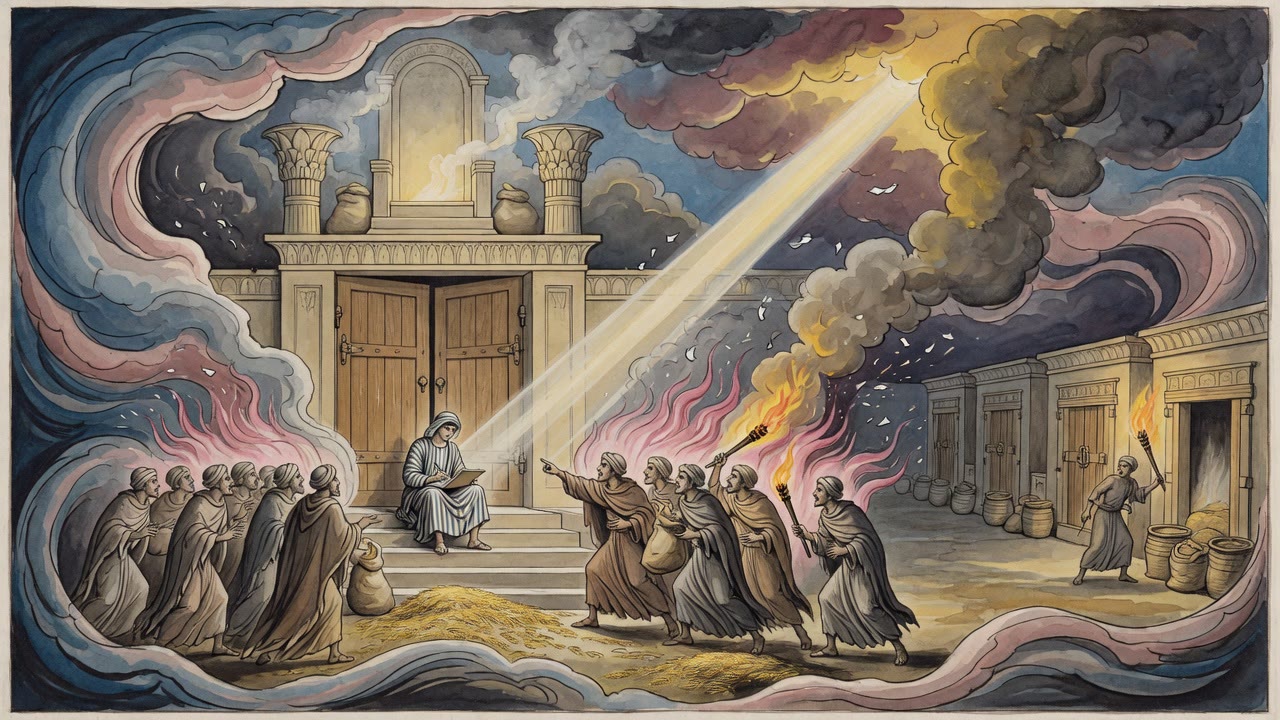
Joseph planted his own son at the palace gate to record the brothers' names, then closed every grain station but one and goaded them toward war.
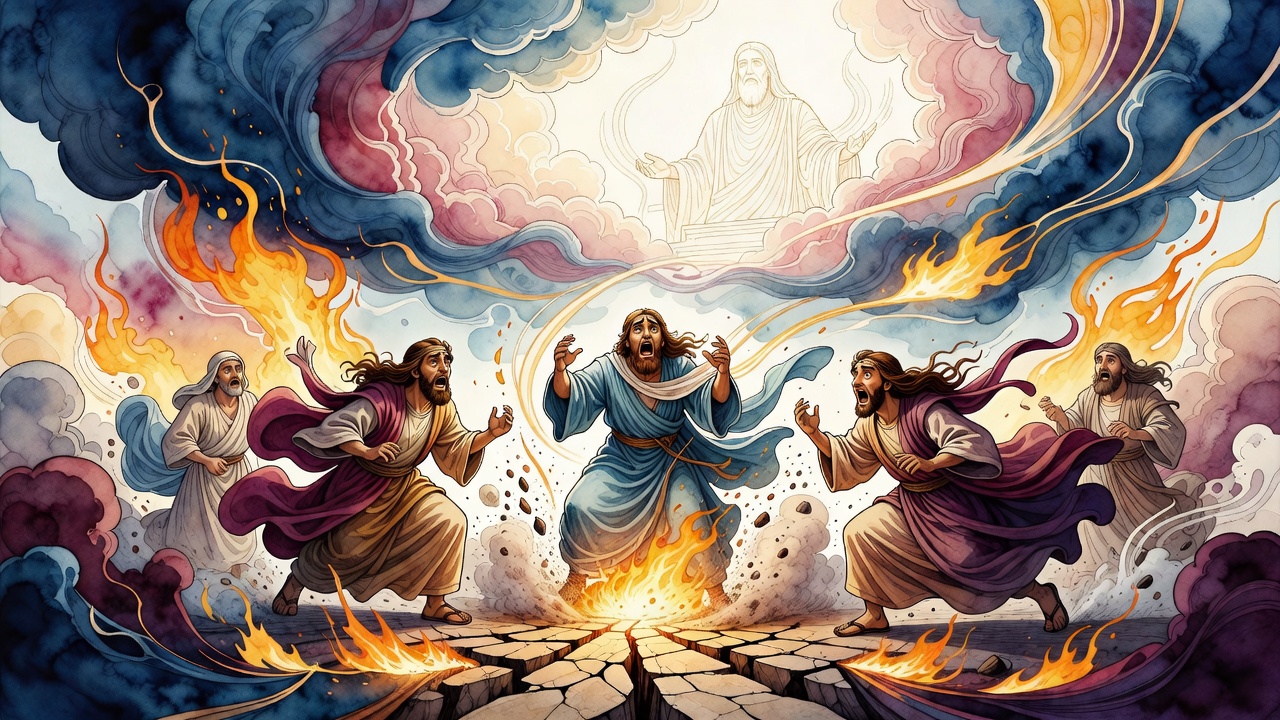
The Midianite traders thought they had bought easy money, until Simon roared and the ground shook, leaving them desperate to be rid of the boy.
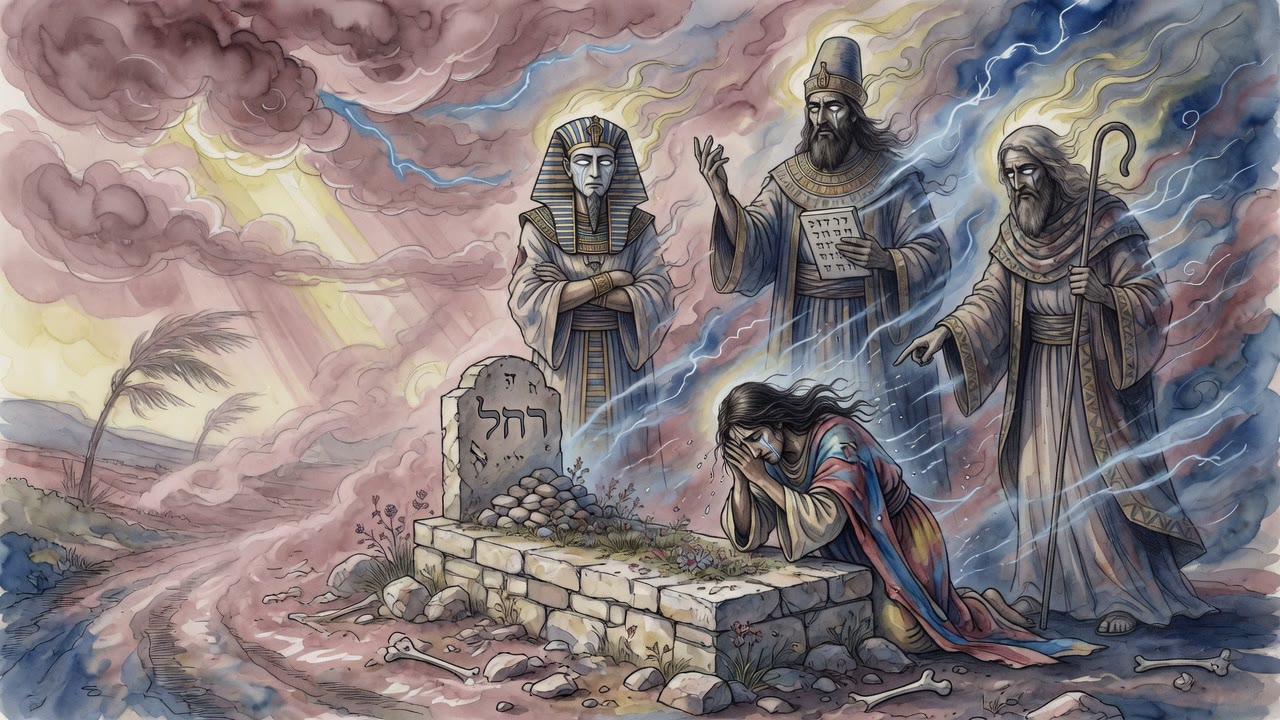
Ishmaelite caravans reeked of pitch and hides. The one carrying Joseph was packed with spices, and a trader beat him for crying father on every breath.
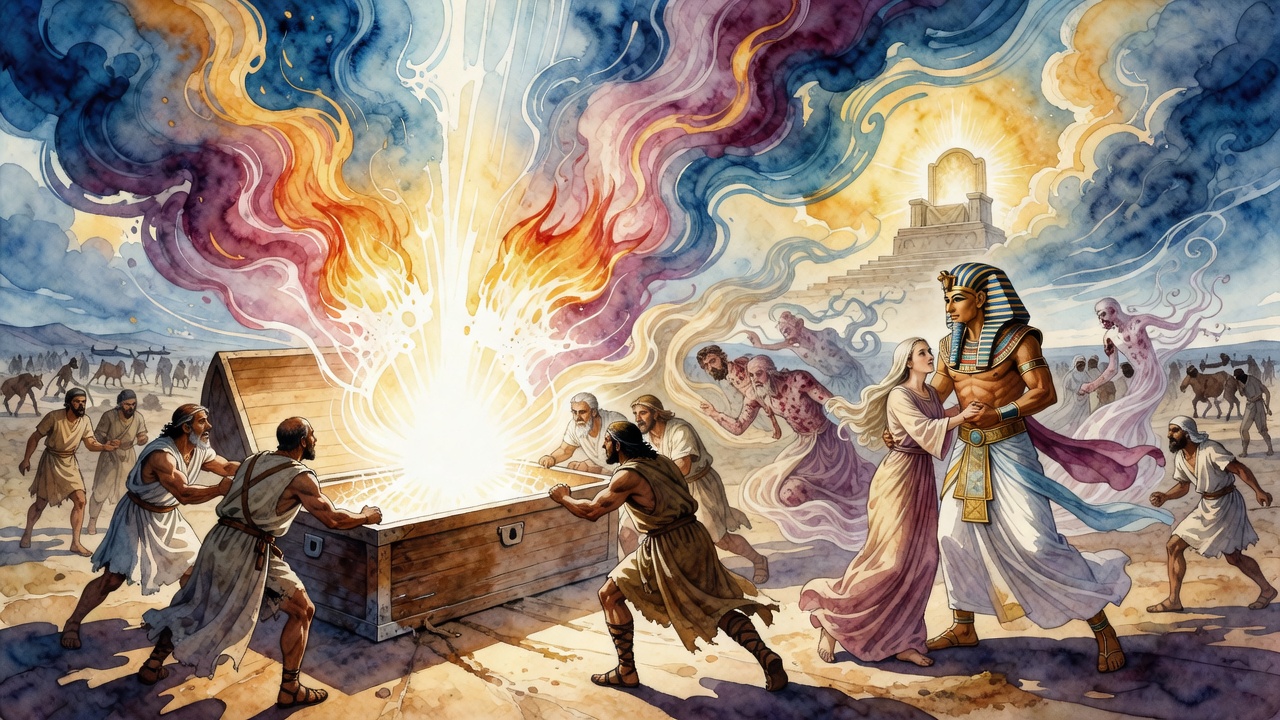
He paid for barley, then wheat, then gold. They forced the lid anyway. An angel waited in Pharaoh's room with a stick.
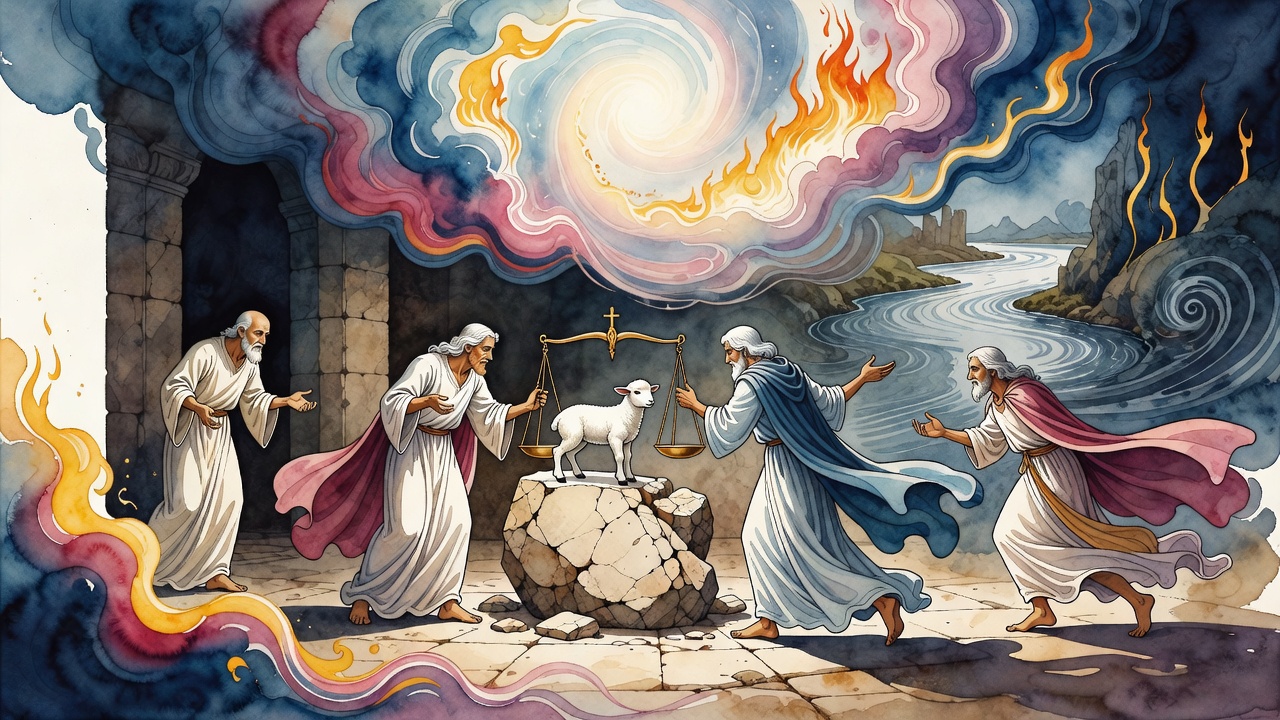
Pharaoh dreamed a lamb outweighed Egypt. Balaam urged the Nile. Reuel fled. Job shrugged. The decree learned to drown boys.
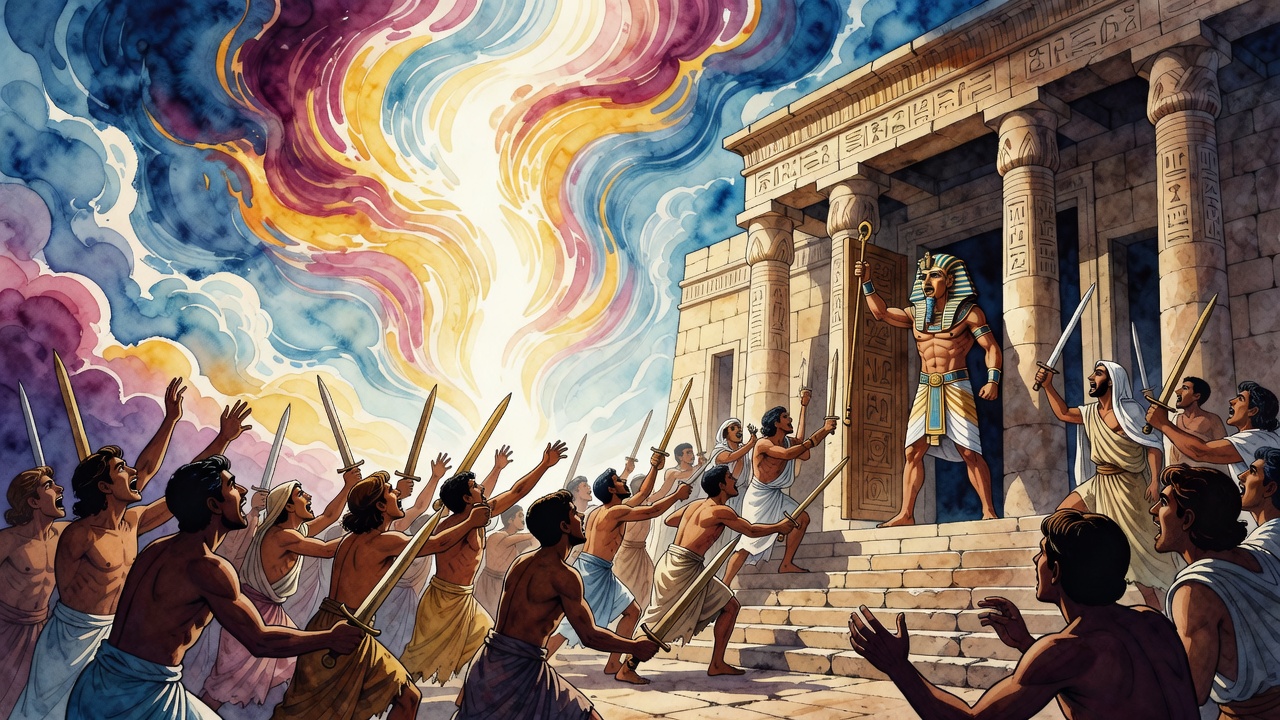
Firstborn sons stormed the palace with swords and pleas. Pharaoh beat them back. At exact midnight God walked Egypt without a guide.
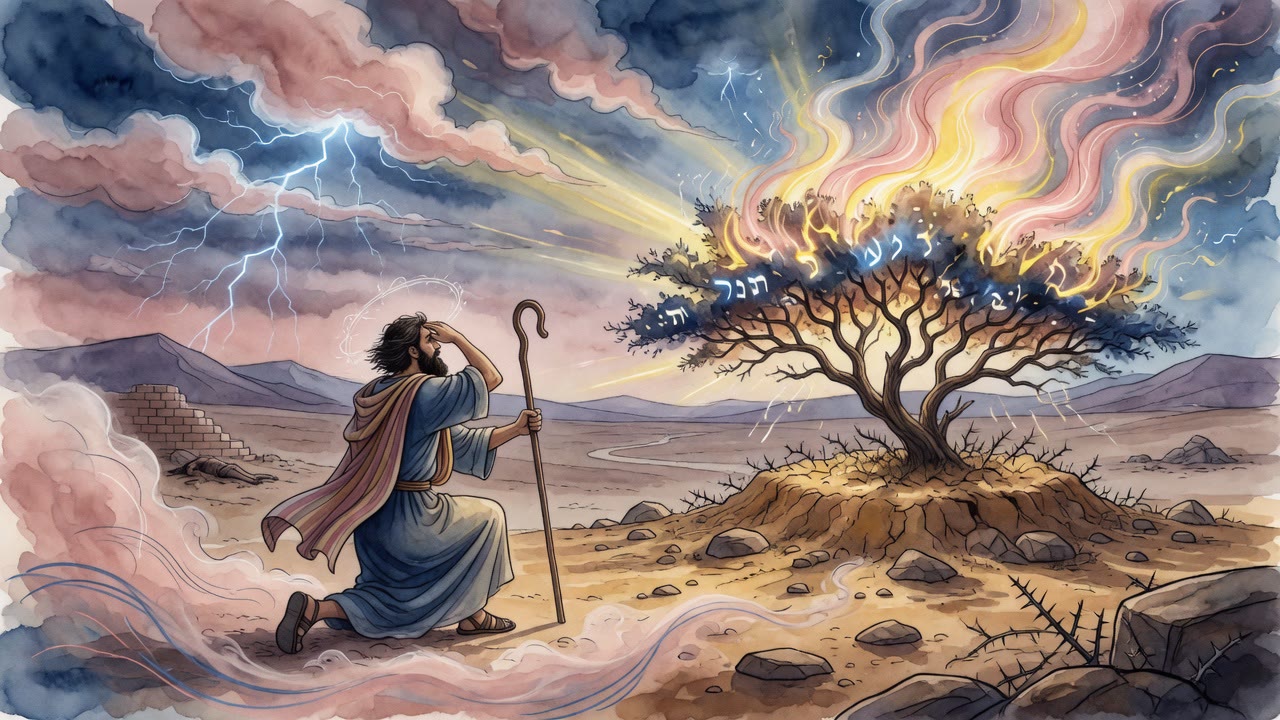
A bush burned on Sinai and would not fall to ash. Moses named his heavy mouth. God said the hunters were already in their graves.
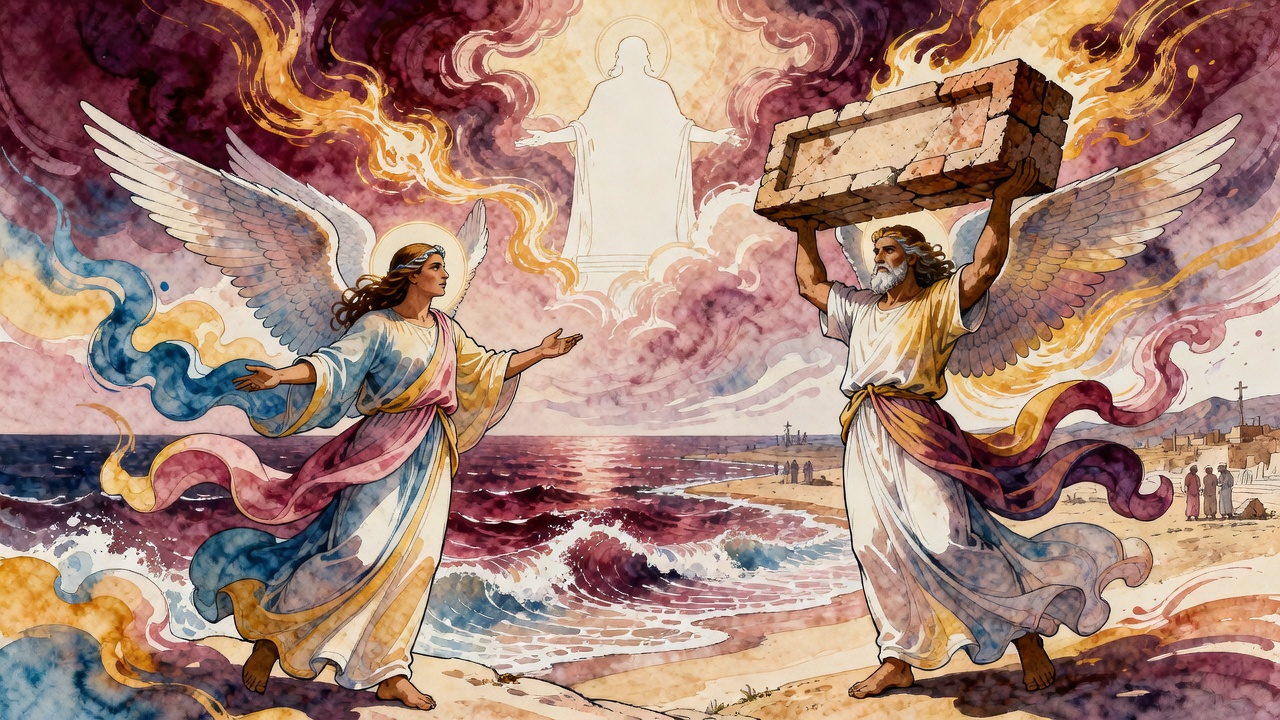
Egypt's angel said the slaves had already been paid in silver. Gabriel held up a brick-mold with straw still stuck in the corners.
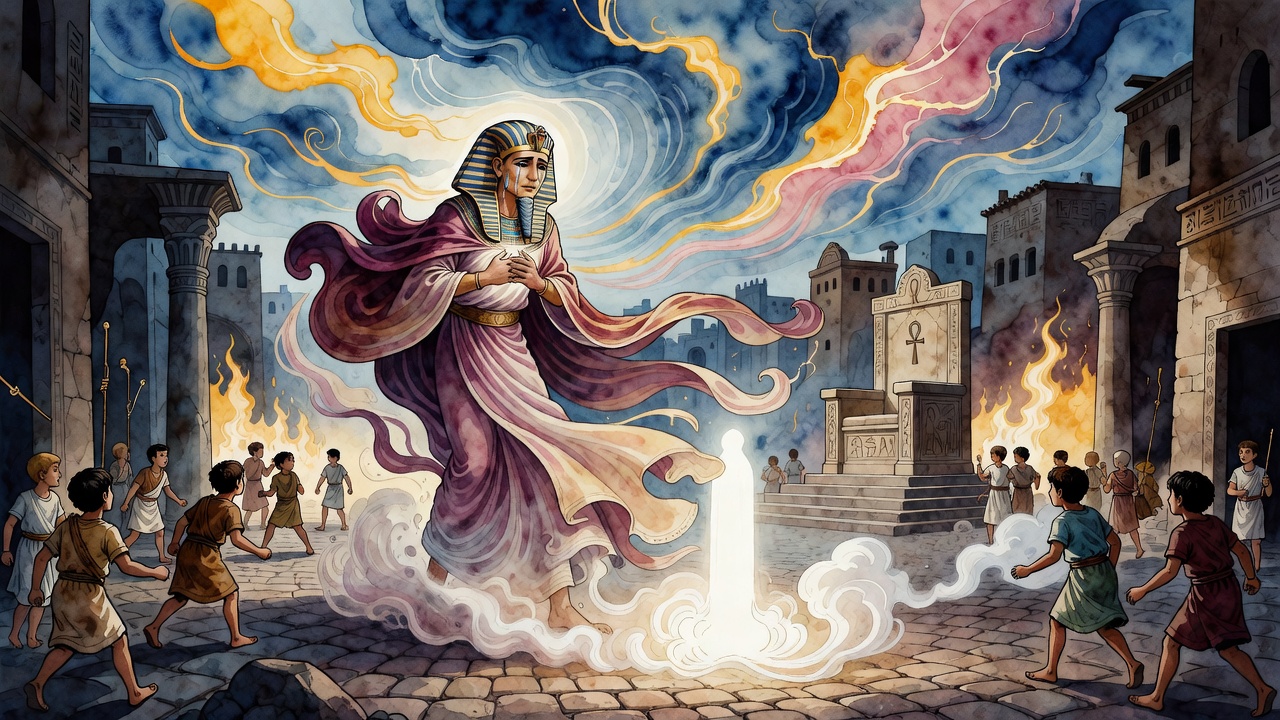
On the night death walked Egypt, Pharaoh wandered the streets weeping for Moses, while Hebrew boys misled the king who no longer knew where his slaves slept.
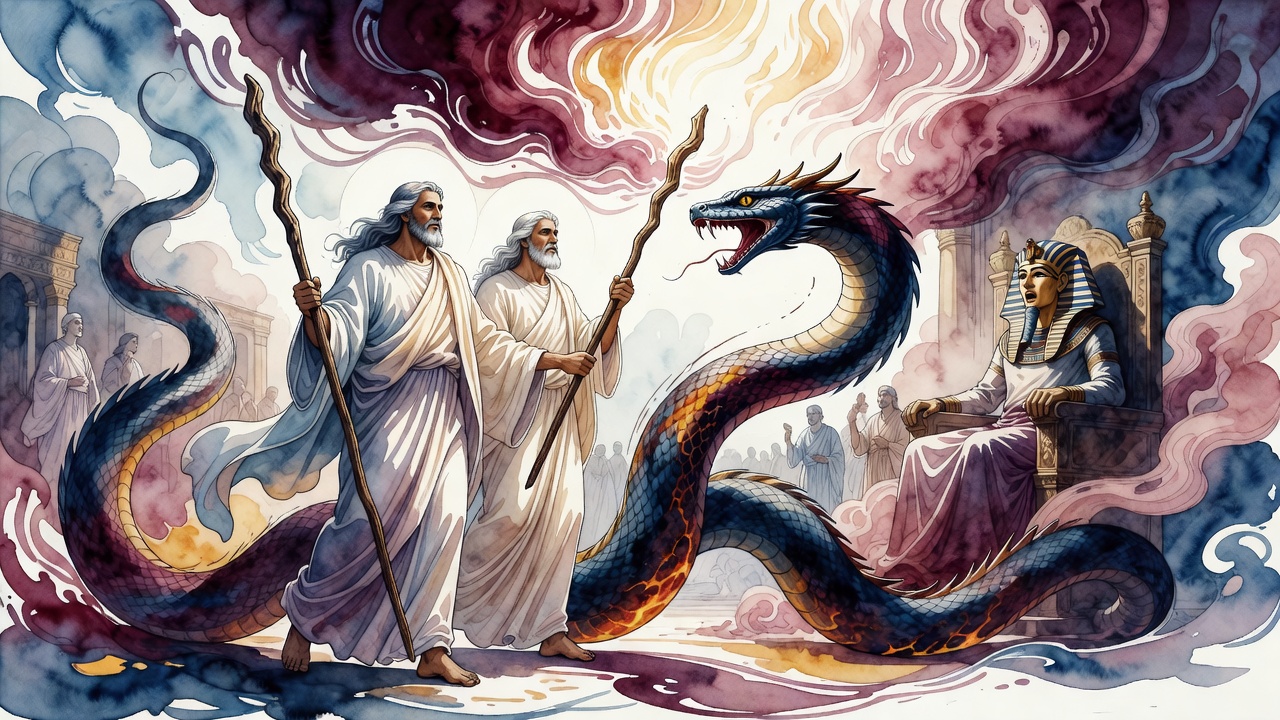
Pharaoh made the two old Hebrews wait while lesser kings finished their bows. Seventy secretaries were writing the empire in seventy languages. Pens stopped.
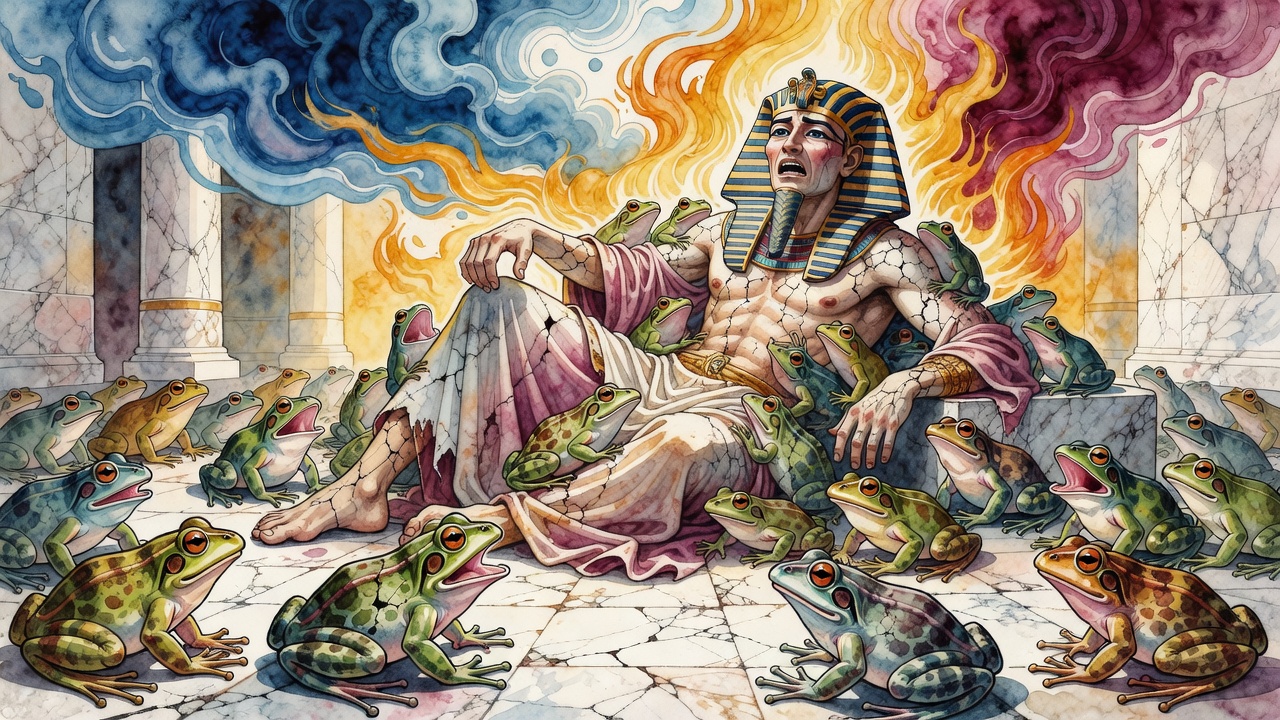
One frog croaked and an army answered, marble cracked on command, and Pharaoh finally suffered in his own body what blood in the Nile had left untouched.
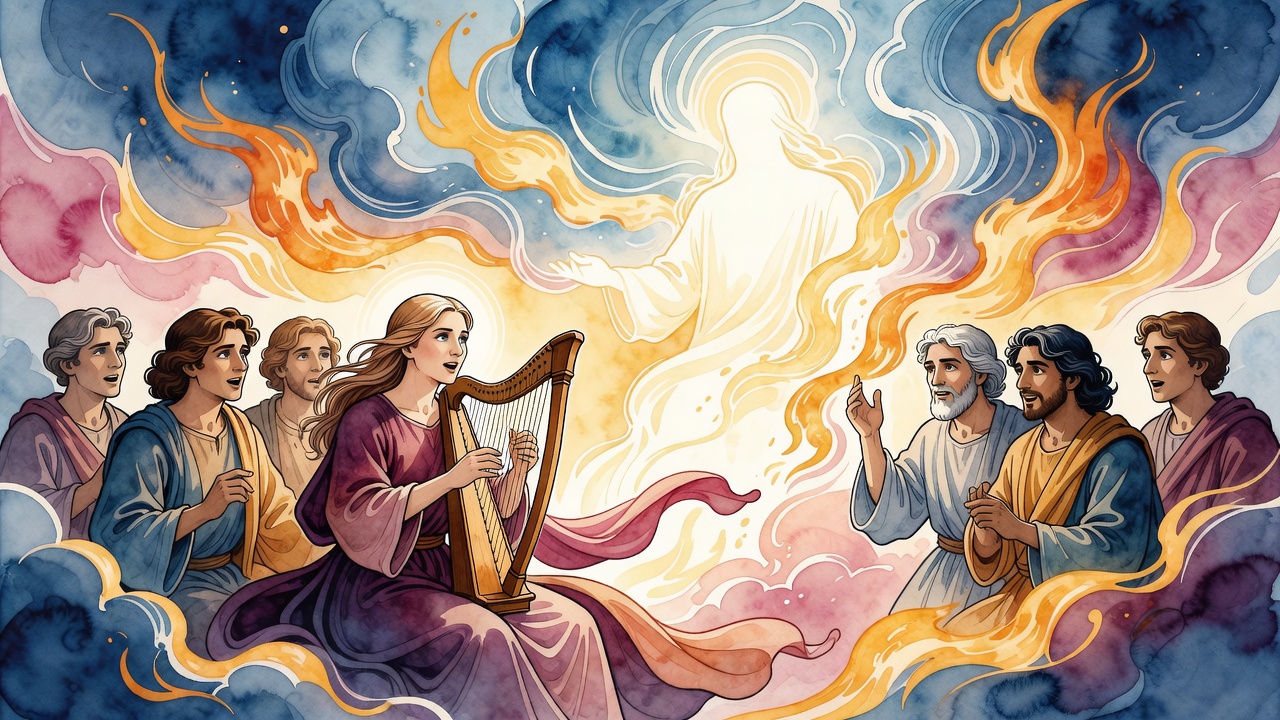
Afraid the shock would kill their father, the brothers gave Serah a harp and one line of song. Joy woke the holy spirit that grief had choked for years.
