Twin Cities Rose Together, Rome's Walls and Egypt's Yoke
A she-wolf fed two boys on a hillside in Jotham's reign. South of there, Hebrew women laid infants in the furrows and left them.
Table of Contents
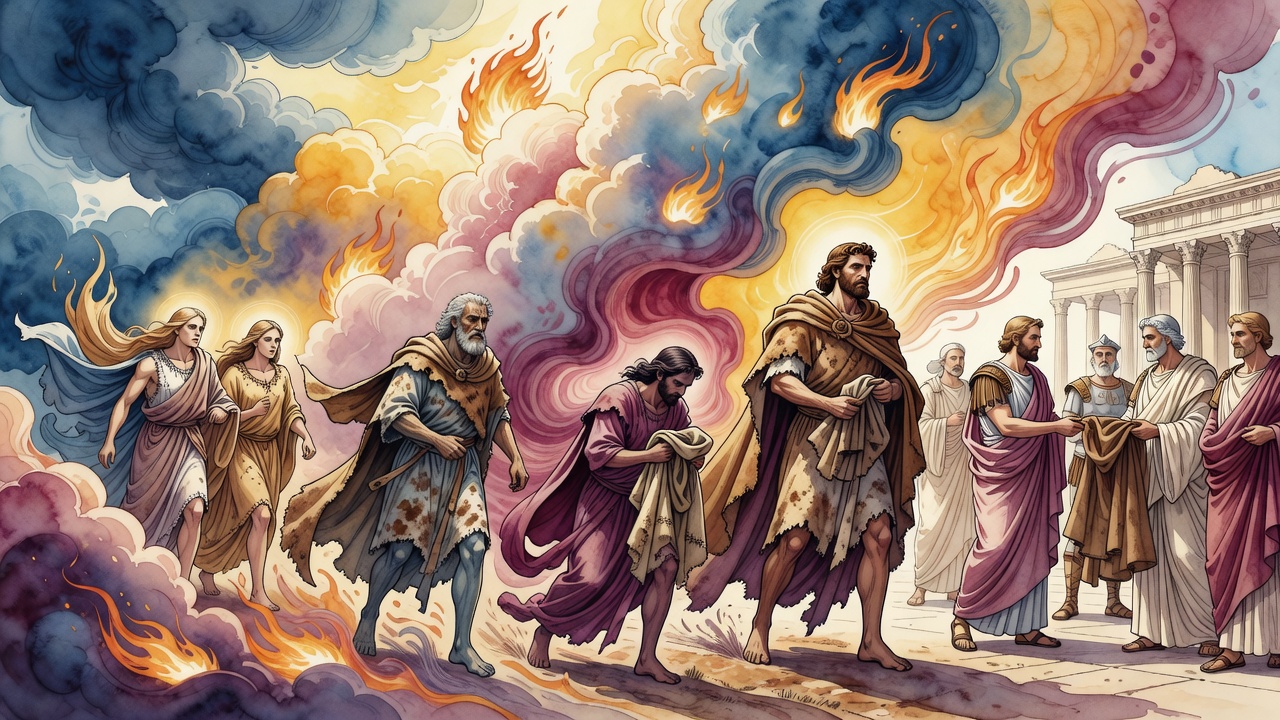
The women of Israel went out into the fields to give birth, away from the houses and the soldiers, and laid the infants down in the dirt. North of them, in the same years, in the reign of Jotham who sat as king in Judah, a she-wolf bent her head over two newborn brothers and let them drink.
 Click for full size
Their mother had died bringing them into the world. There was no one else. God had appointed the wolf. Remus and Romulus grew up on that milk, on a hillside above a river. The wolf did not know what she was raising. She fed the founders of the empire that would one day march on the Temple and set it burning.
Milk From a Wolf
The blood under those twins was older than the wolf. After the Tower, the Kittim settled by the Tiber. Sefo, son of Eliphaz, grandson of Esau, fled Egypt after Joseph died and served as a captain in Carthage. Searching for a lost bull near a mountain, he found a cave and a creature in it, human from the waist down, goat from the waist up, eating his cattle. He split its skull. The Kittim named the beast Janus and crowned Sefo for the kill. They added Saturnus after the planet they worshipped. He reigned fifty-five years over Italy.
Rome's first king was already Esau's house. The wolf only kept the line alive long enough to wall a city.
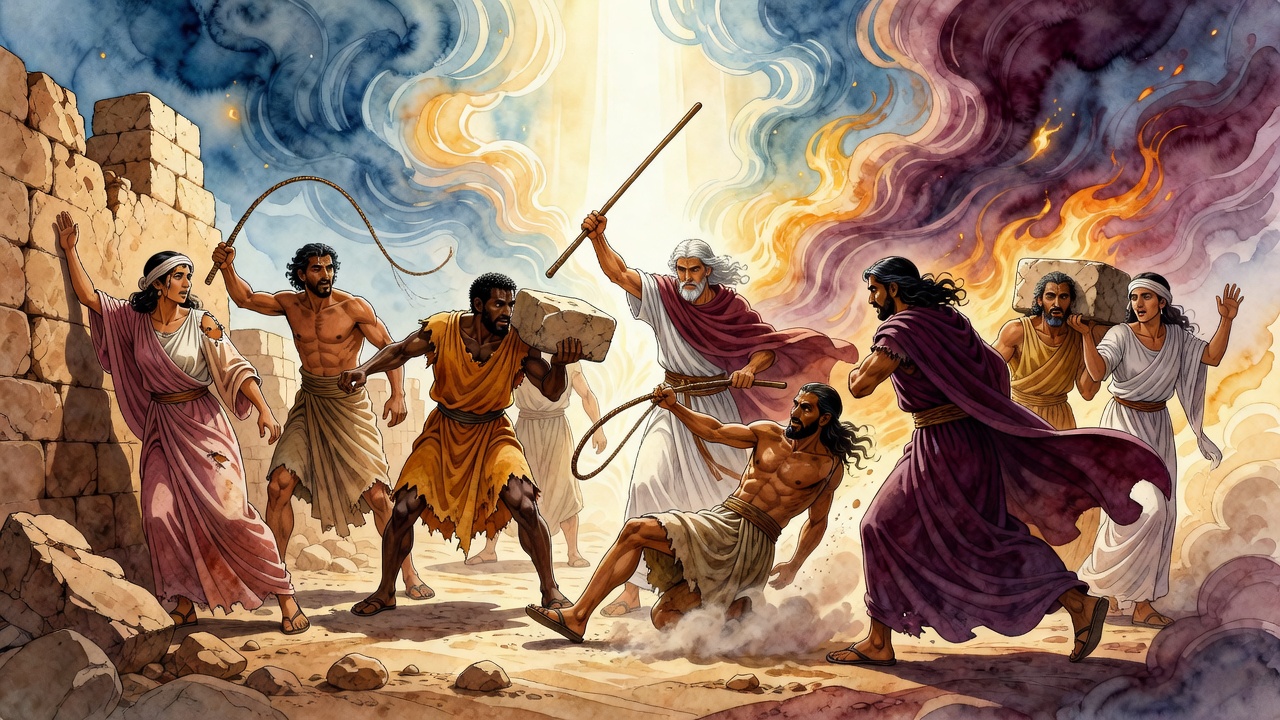
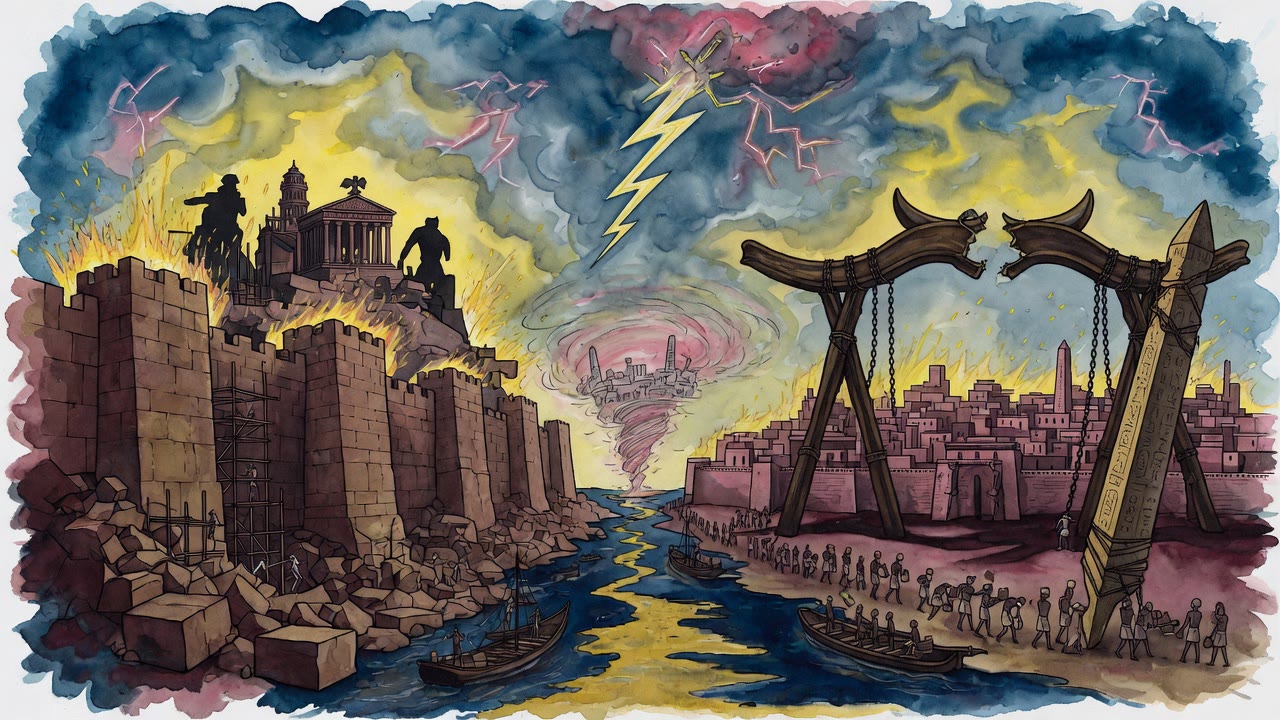
Romulus came down from the hill and began to lay stone on stone. He marked out the line and called it Roma, and he raised its walls high enough that no army could come over them easily. He chose one hundred old men to sit as his counselors. Stone went up. The walls closed around the seven hills like a fist closing.
Walls in Two Places
After Romulus came others. Numa Pompilius looked at the year and found it too short. The old count had only ten months and let the dead of winter run uncounted, so Numa cut two new months out of the silence and named them, January and February, and made the calendar honest. After him, Tullus Hostilius wrapped himself in robes dyed the deep red of purple, the first man in that city to clothe his body in the color of kings.
While the mortar dried on Rome's walls, a different door was closing far to the south. A new Pharaoh rose over Egypt who did not know Joseph, did not remember the man who had filled the granaries and saved the kingdom from famine. He looked at the children of Israel multiplying in his land and he was afraid.
So the walls rose in two places at once. Twin cities, climbing. In Italy the wolf's foundlings stacked the stones of an empire. In Egypt the bent backs of slaves stacked the stones of their own prison. One city was a throne going up. The other was a grave being dug. They climbed together, hour for hour, on the same dark clock.
The Ox That Flew at the Fourth Hour
The Egyptians of that country worshipped a strange thing. Each day at the fourth hour an ox came up out of the river and flew. Sarapis, they called it, a flying ox that rose into the sky, sang its hymns across the morning, and vanished again into the water. Before that singing ox the Egyptians bowed, and from a people who bowed to a flying ox there would be no mercy for slaves.
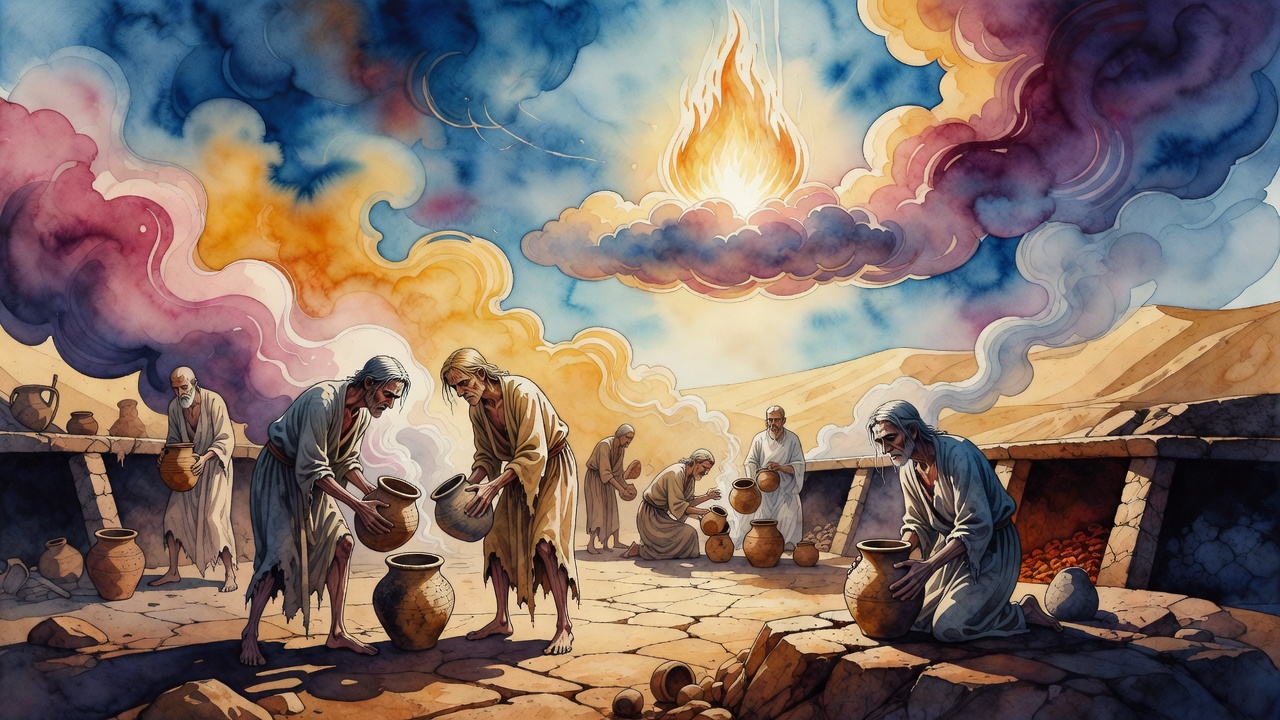
Pharaoh laid the yoke on Israel and pressed. They were driven into the fields and into the canals. They cut channels for the river to run where Egypt wanted it to run. They carried dung in clay pots balanced on their shoulders, hauling it through the heat from morning to dark. They mixed mud and straw and baked brick, and with the brick they built two cities for Pharaoh, fortified storehouses with walls of their own, Pithom and Piramses.
Then Pharaoh sharpened the decree into three blades. The first was labor that broke the body. The second was the field, where men and women were worked like beasts under the sun. The third was the worst, and it fell on the unborn. Every Hebrew boy, the order ran, was to be drowned in the Nile the moment he drew breath. The river that fed the flying ox would now be fed Hebrew sons.
Stones That Gave Milk
The women of Israel would not let their children be counted and killed. When their time came they went out alone, away from the houses and the soldiers, out into the open fields, and there among the furrows they gave birth in secret and laid the infants down in the dirt.
God did not leave them in the dirt. He sent an angel down into the fields, and the angel went from child to child like a midwife. The angel washed each newborn clean of the birth and the dust. Then into the small closed hands the angel pressed two stones. One stone gave milk when the child pressed it to its mouth. The other gave honey.
The hidden sons of Israel lay in the open ground of Egypt and nursed on milk and honey from stones in their own fists, fed by heaven while Pharaoh's order to drown them ran through the streets above.
North of them, the wolf licked her two foundlings and the walls kept rising.
The Same Clock
Seven kings sat over Rome, one after another, for two hundred and forty years. Then the line broke. For four hundred and sixty-four years no crown rested on any Roman head, until Julius Caesar took it. By then the children fed by the angel had long since walked out of Egypt with their tribes behind them, and built a House in Jerusalem, and lost it, and built it again.
One day the city the wolf had nursed would send its legions east and burn that House. The first house of bondage and the last empire of bondage went up out of the ground in the same years, under the same sky, while the wolf licked her two foundlings and the angel pressed stones into the fists of the drowned.
Twin cities, rising. Rome's walls. Egypt's yoke. The same clock, and no one in either field could hear the other being built.
← All myths