76 myths · Page 1 of 2
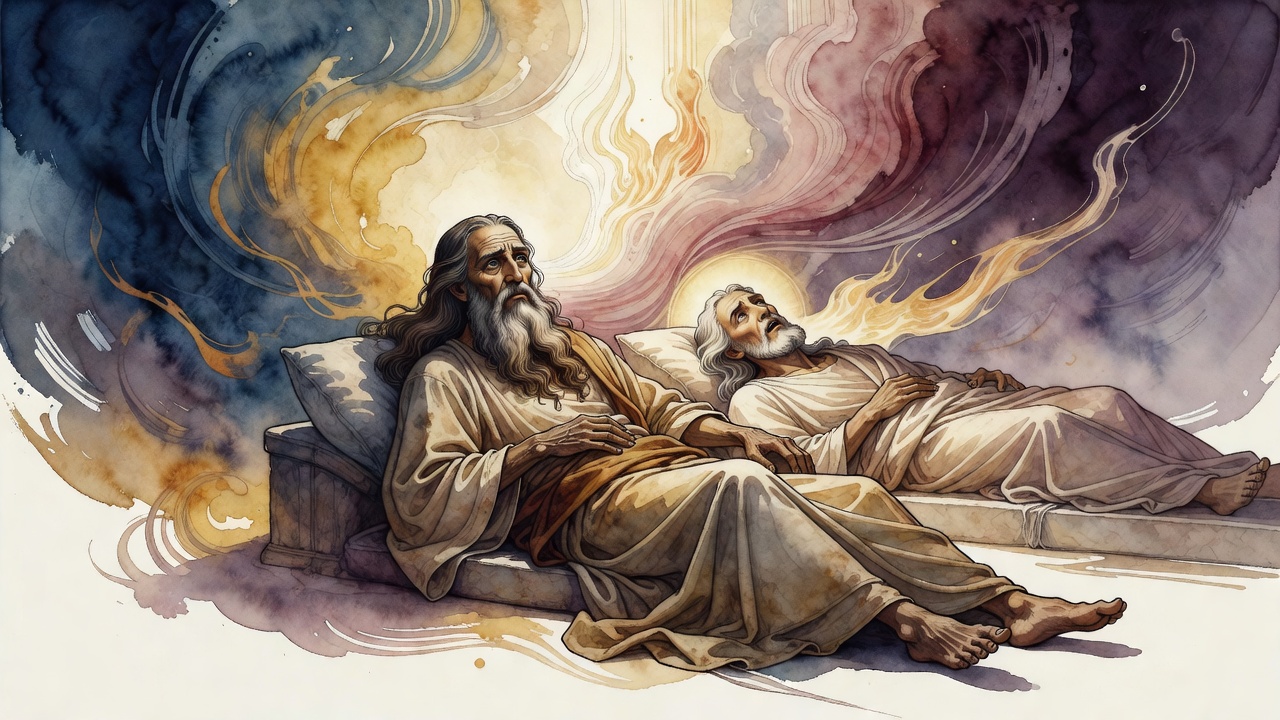
Judah's last words listed the lion he killed barehanded and the bear he flung off a cliff. Levi told his sons to teach their children to read the Torah.
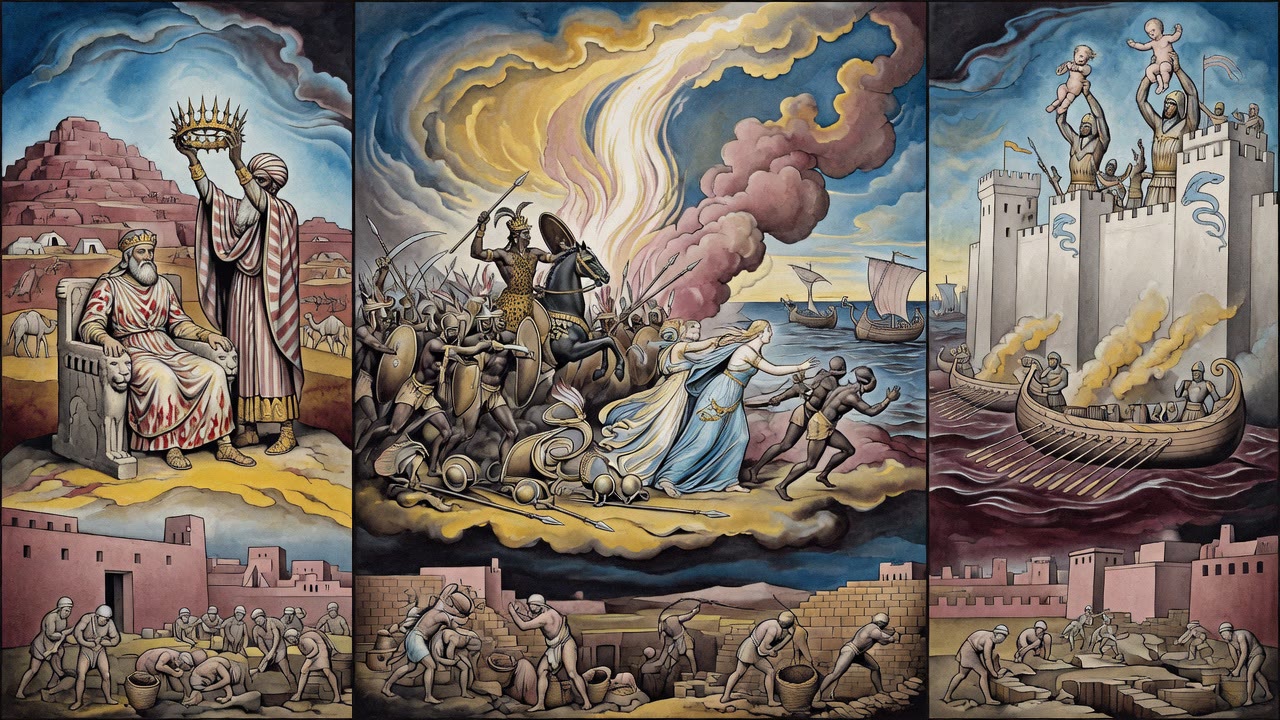
Edom crowns Hadad, Africa wars over a stolen bride, and Chittim hoists infants on its walls, all while Israel groans unseen in Egypt's brickyards.
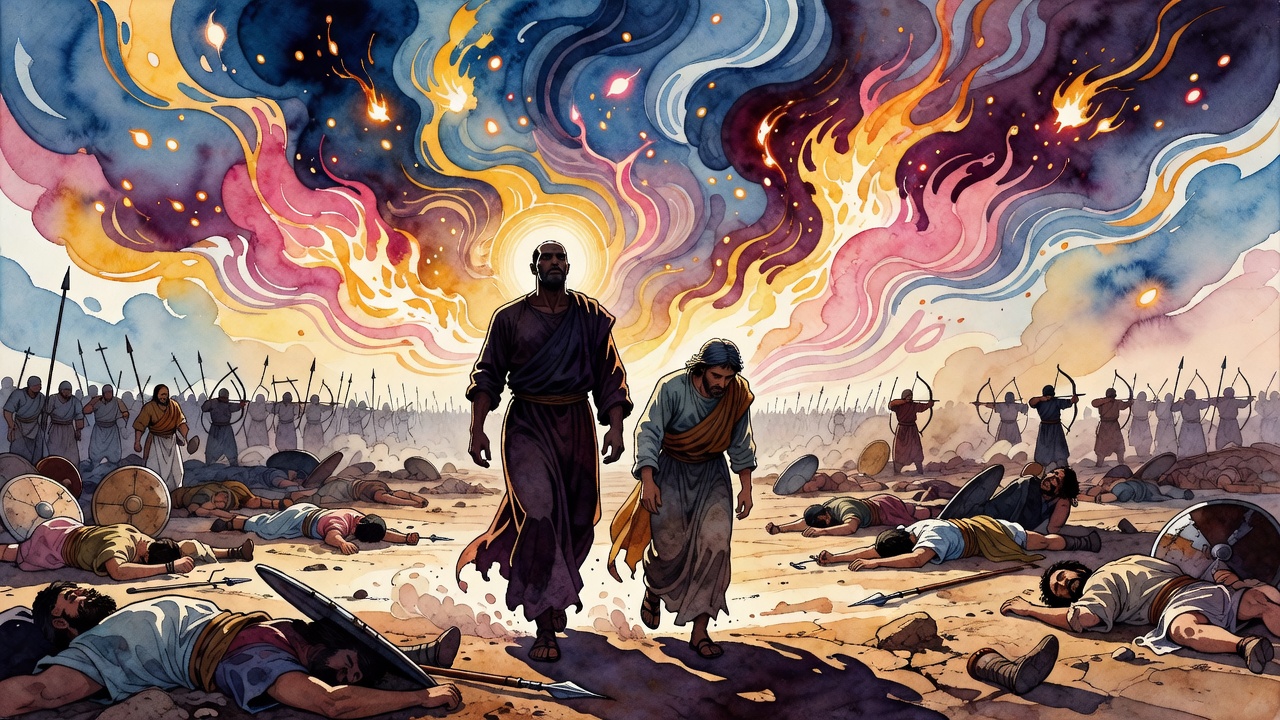
Ganoon said God had spoken and it was time to leave. Two hundred thousand of Ephraim walked out with bows and no blood on the doors.
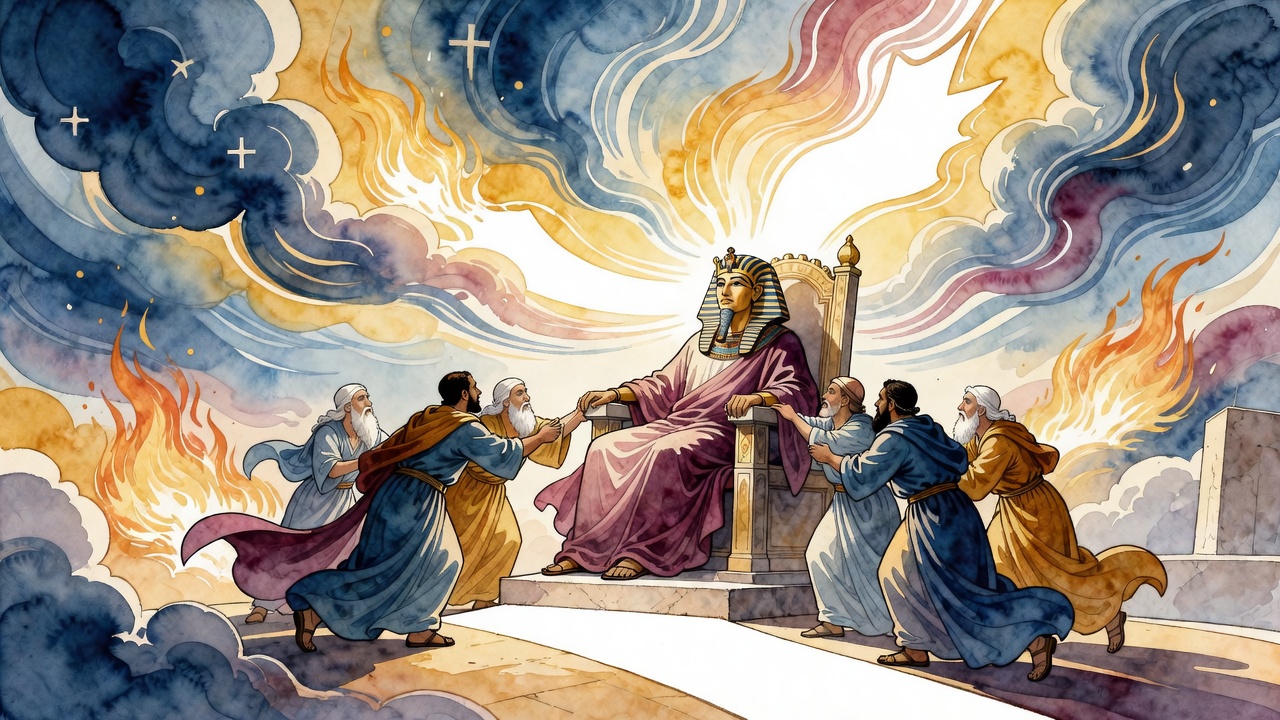
Advisors dragged Pharaoh from his throne for three months until he agreed to forget Joseph. Then Egypt closed its fist.
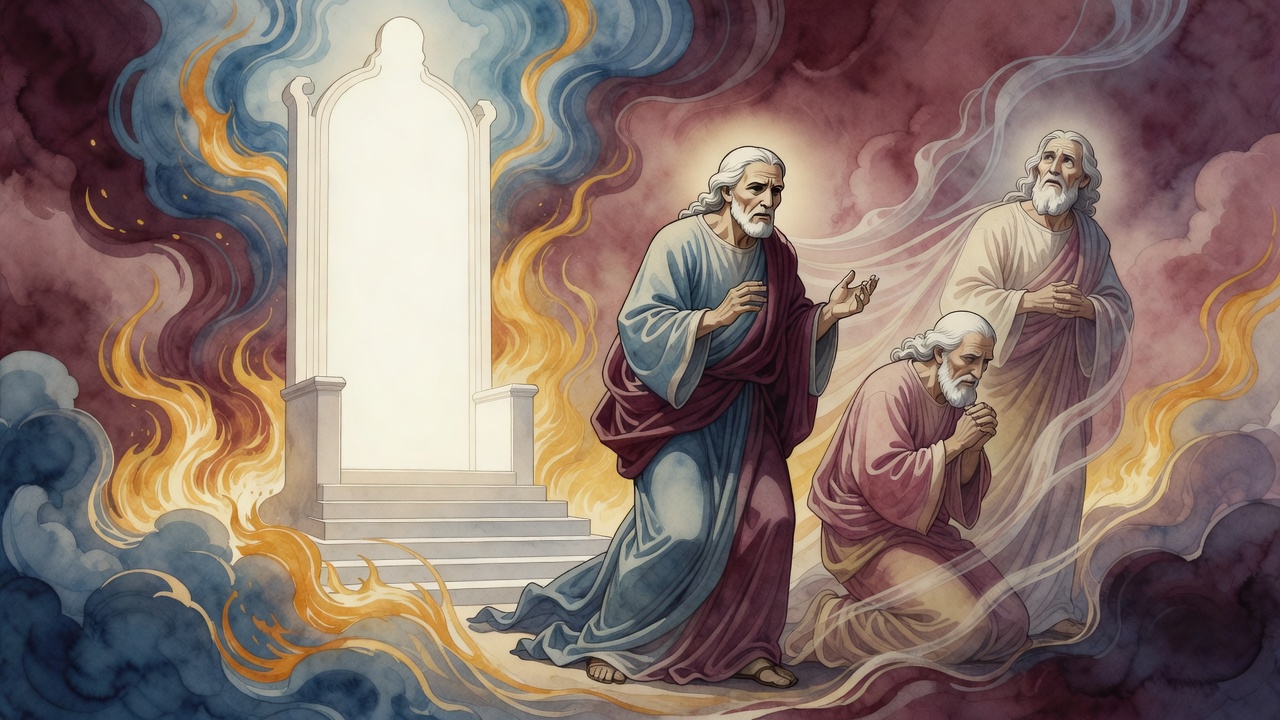
God had promised he would go to his fathers in peace. Abraham heard the clause and asked which house that was, the one that still sold stone gods.
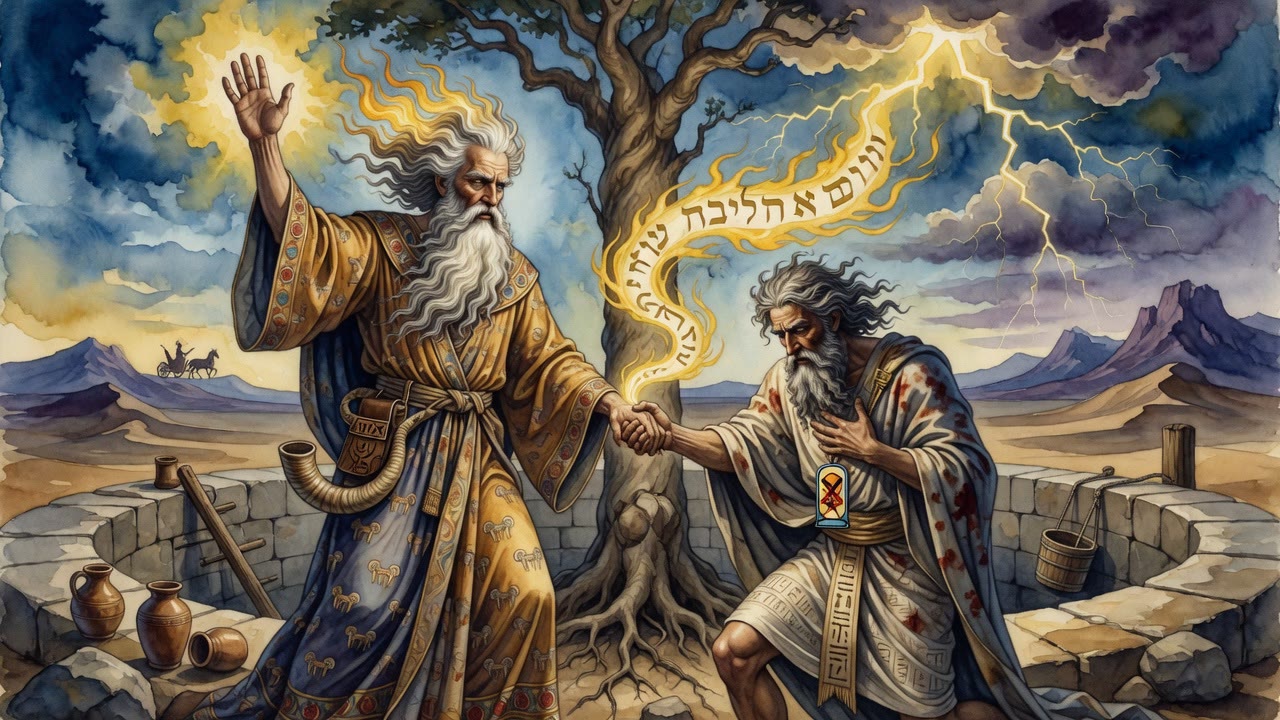
A price on his head, Moses fled Egypt into Midian, where the priest Jethro took him in as a friend and bound him by oath before giving Zipporah.
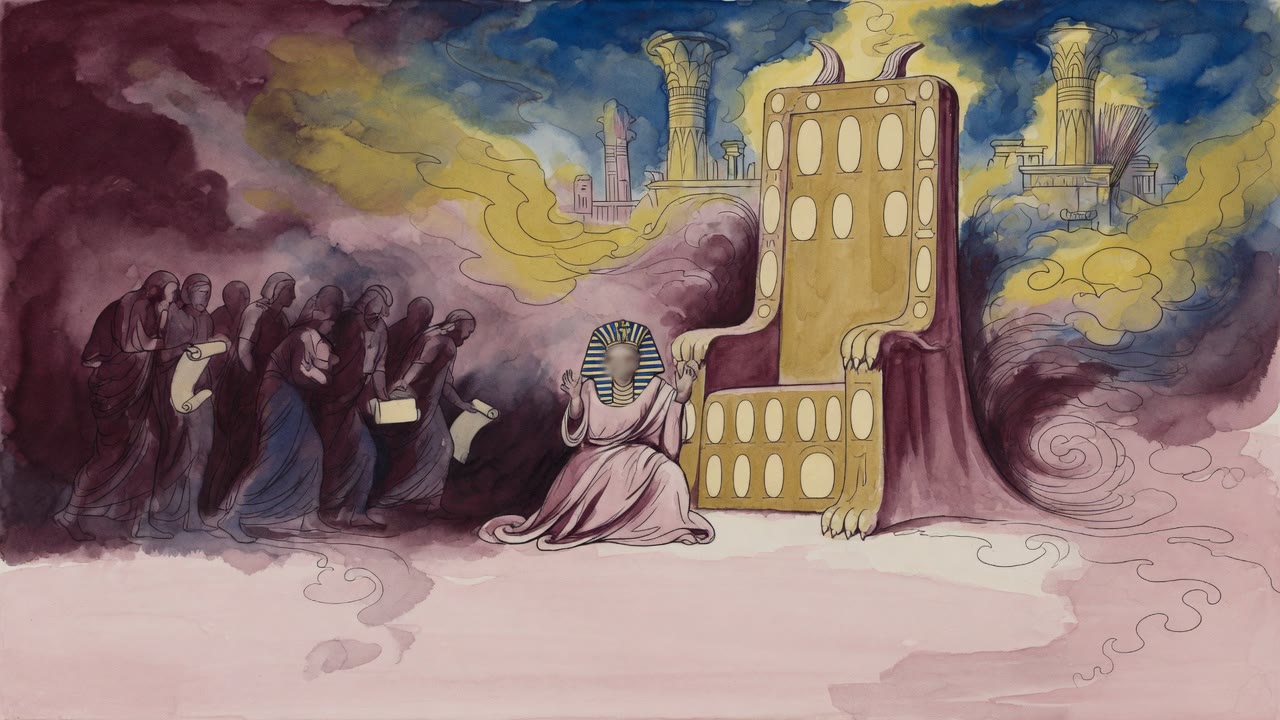
The old king died and the elders walked into the hall. Israel had grown too many, they said. The next Pharaoh stood a cubit and a span tall.
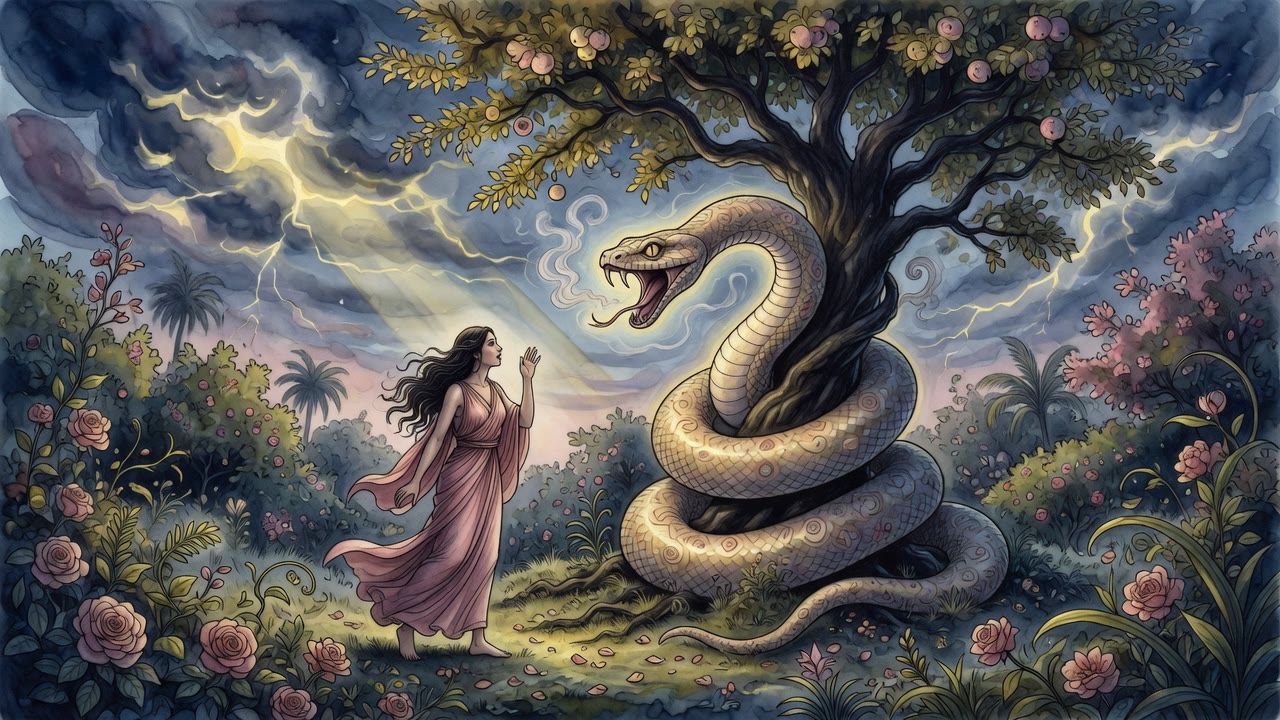
Fiery serpents tore through the camp, so Moses raised a bronze serpent on a pole and told the bitten to lift their eyes and live.
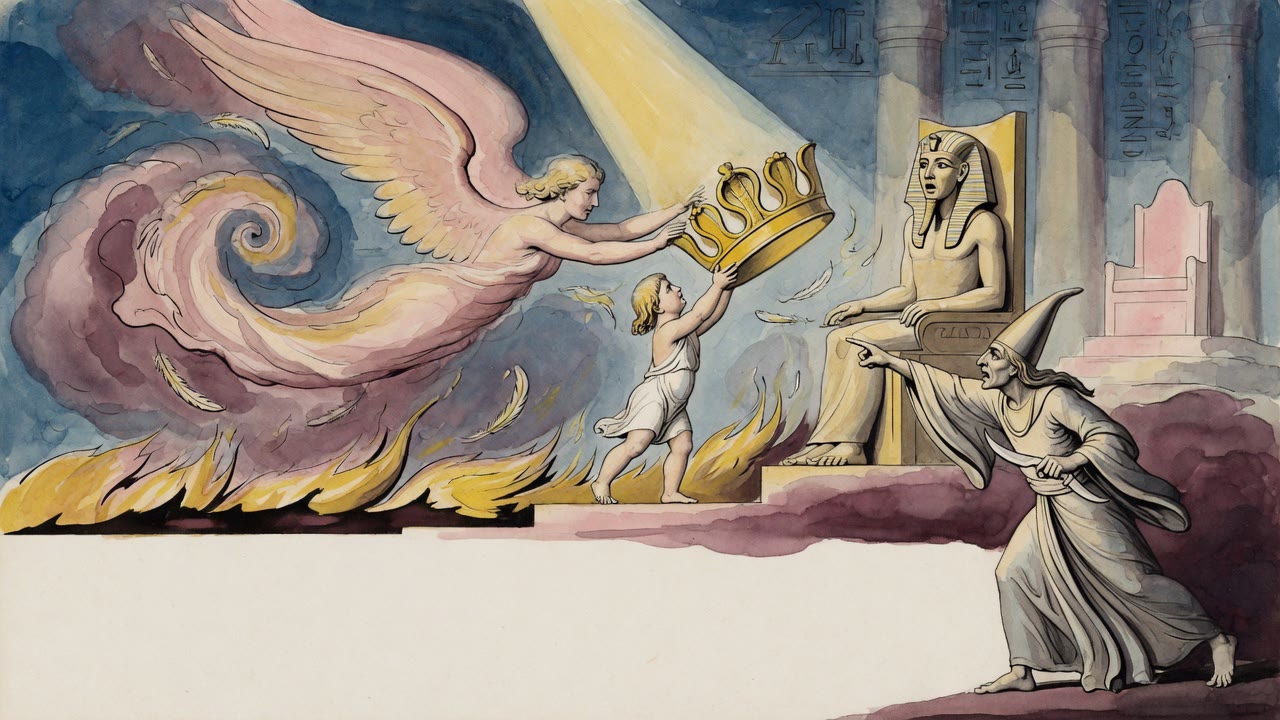
The child was three. He took the crown off Pharaoh's head and set it on his own. A sorcerer in the room called for his death.
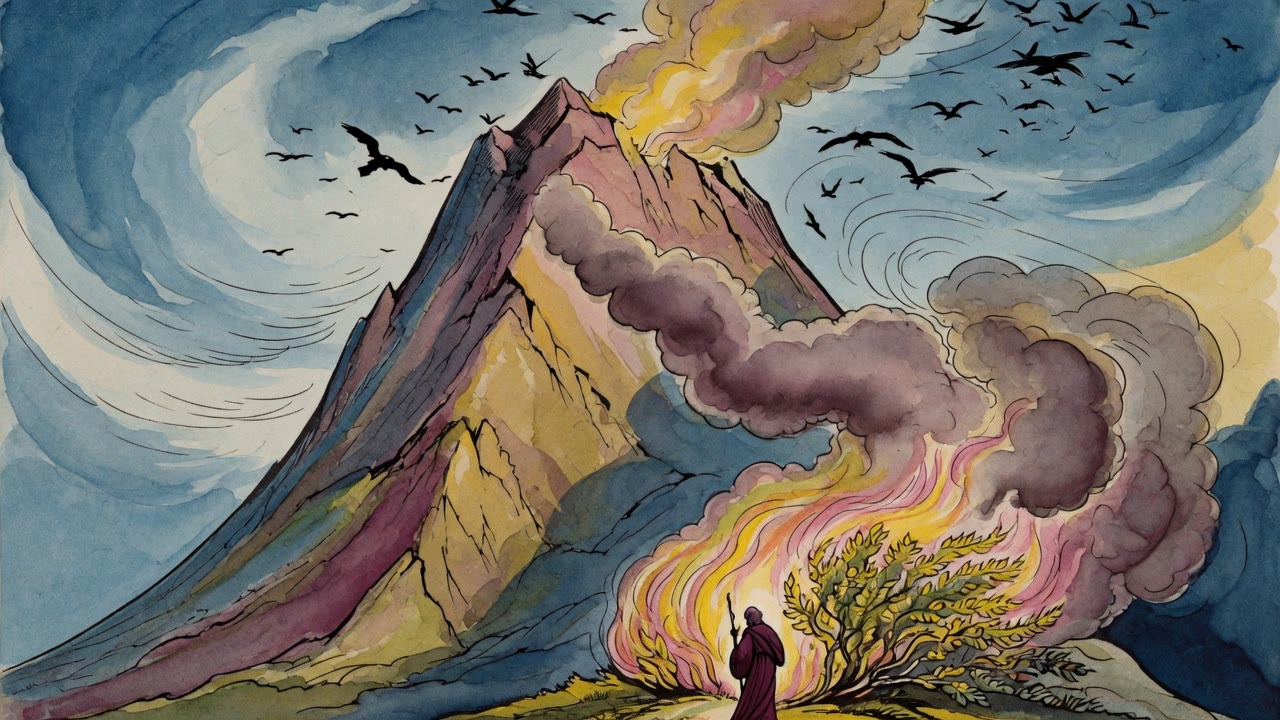
Birds banked away from the peak. The mountain leaned toward Moses like a man at a door, and the bush blossomed while it burned.
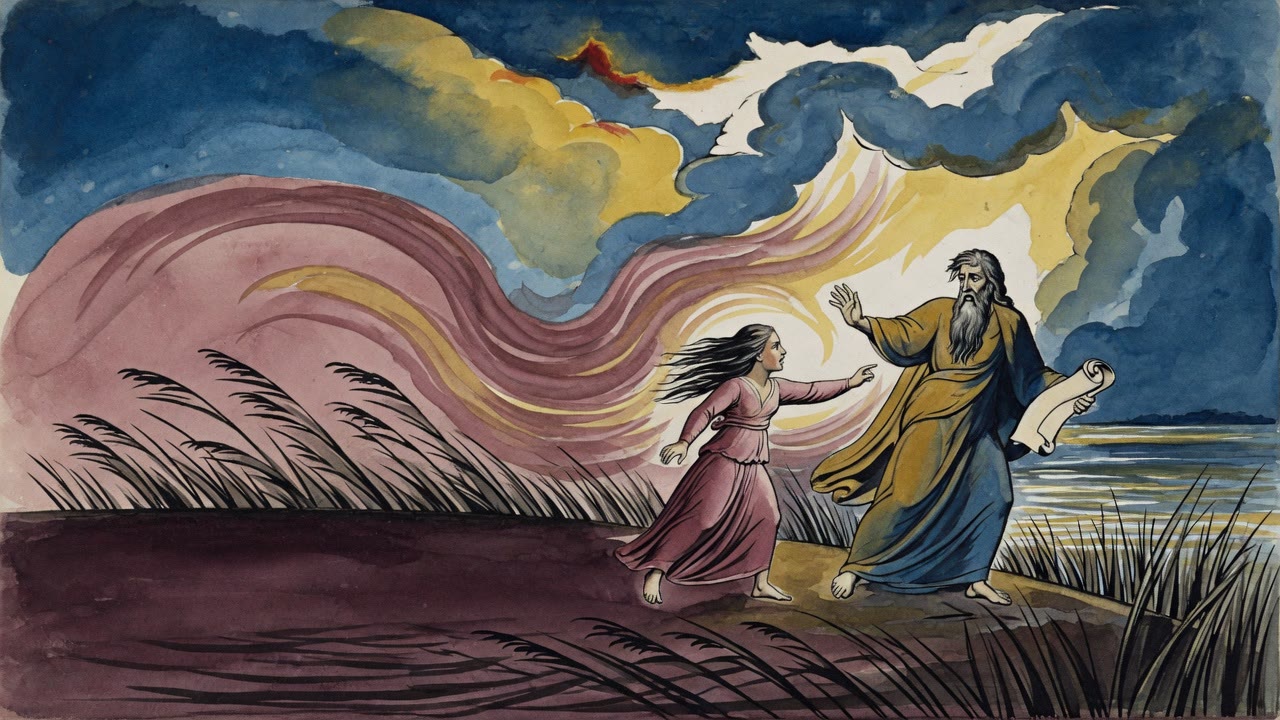
A six-year-old girl told her father his decree was worse than Pharaoh's. Then Miriam prophesied the child who would save Israel.
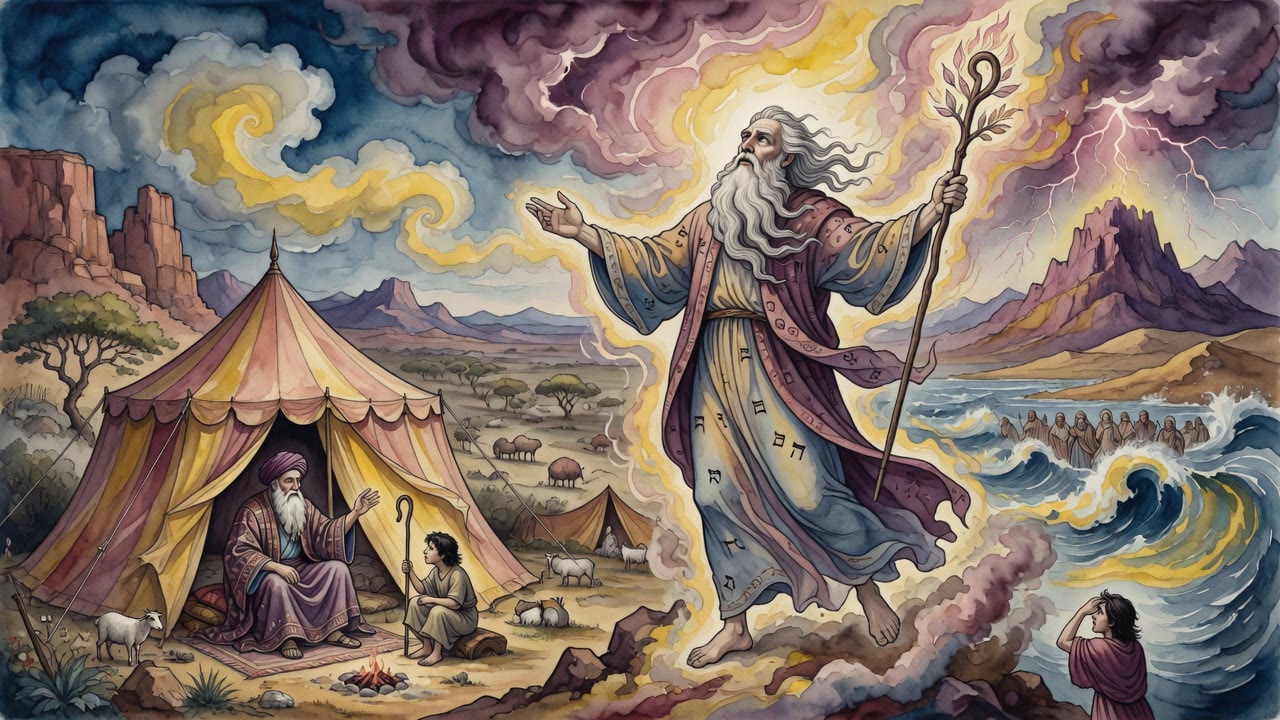
An angel met Moses at the lodging place and sought to kill him. Zipporah took a stone. Circumcision blood bought her husband back.
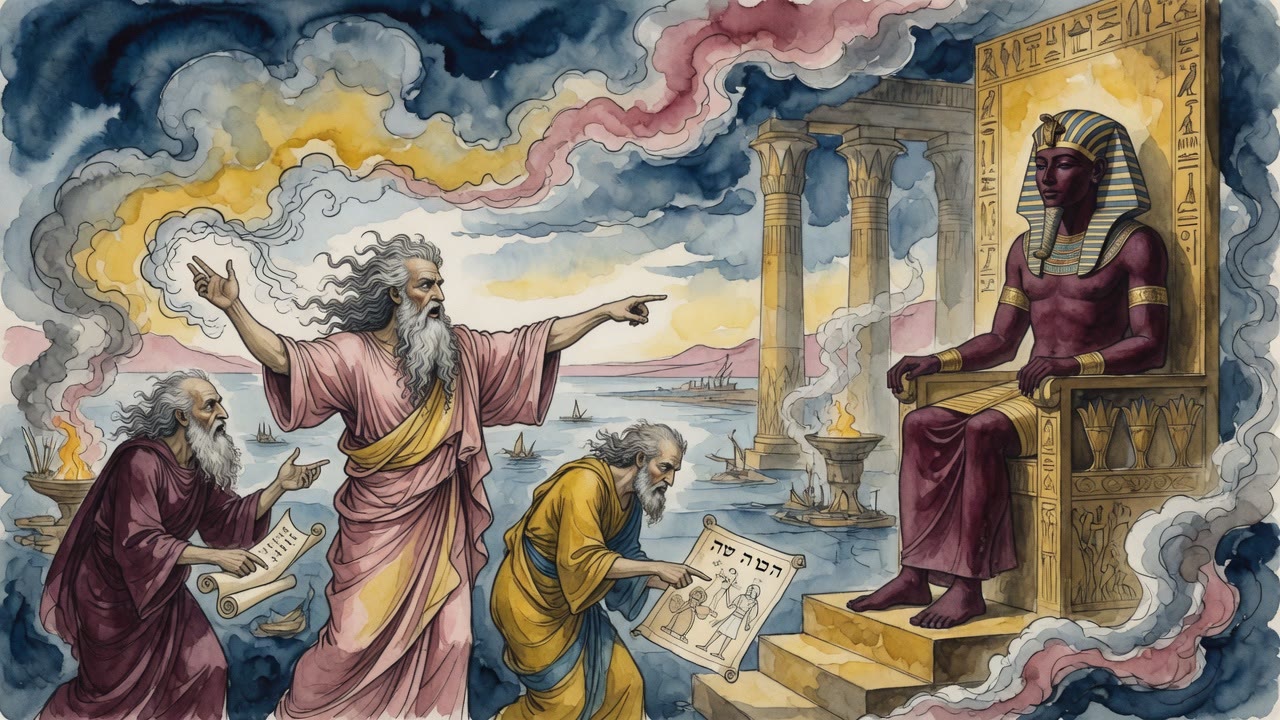
Three advisors stood before Pharaoh. One fled, one stayed silent, and Balaam found the loophole that drowned Hebrew babies in the Nile.
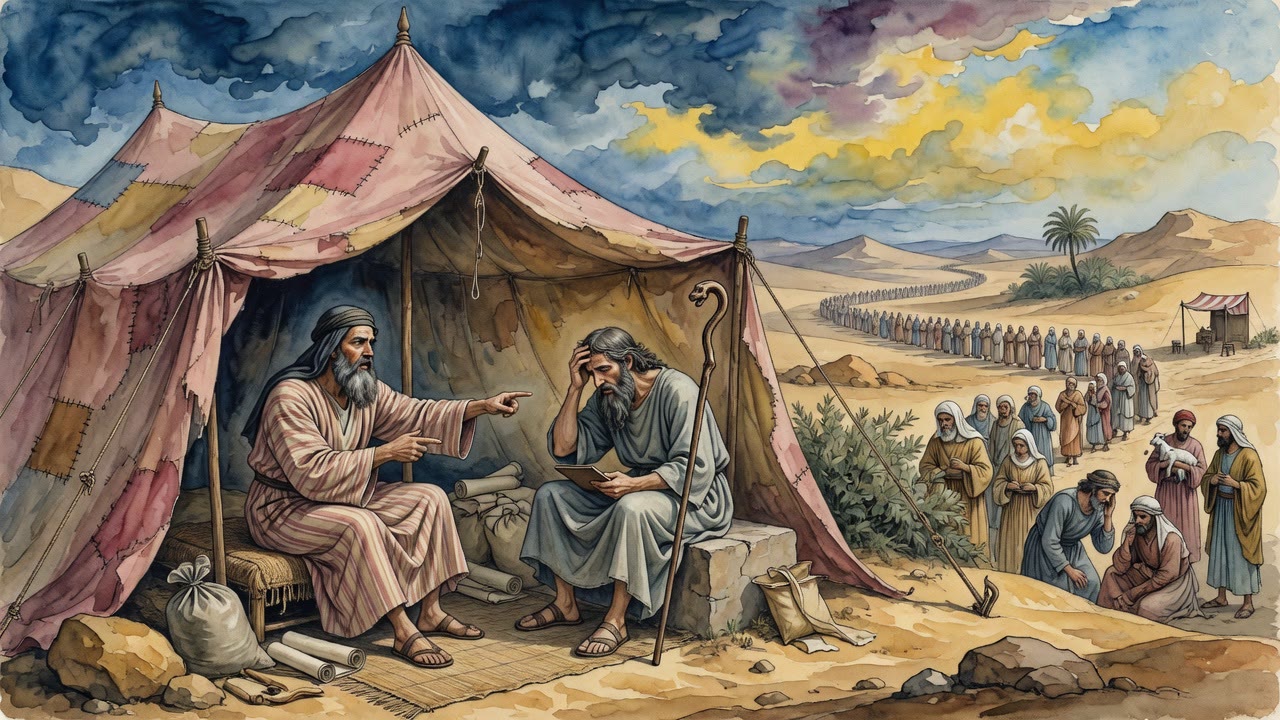
Jethro had served every idol in Midian. He watched Moses judge alone from dawn to dark, then said four quiet words that saved a nation.
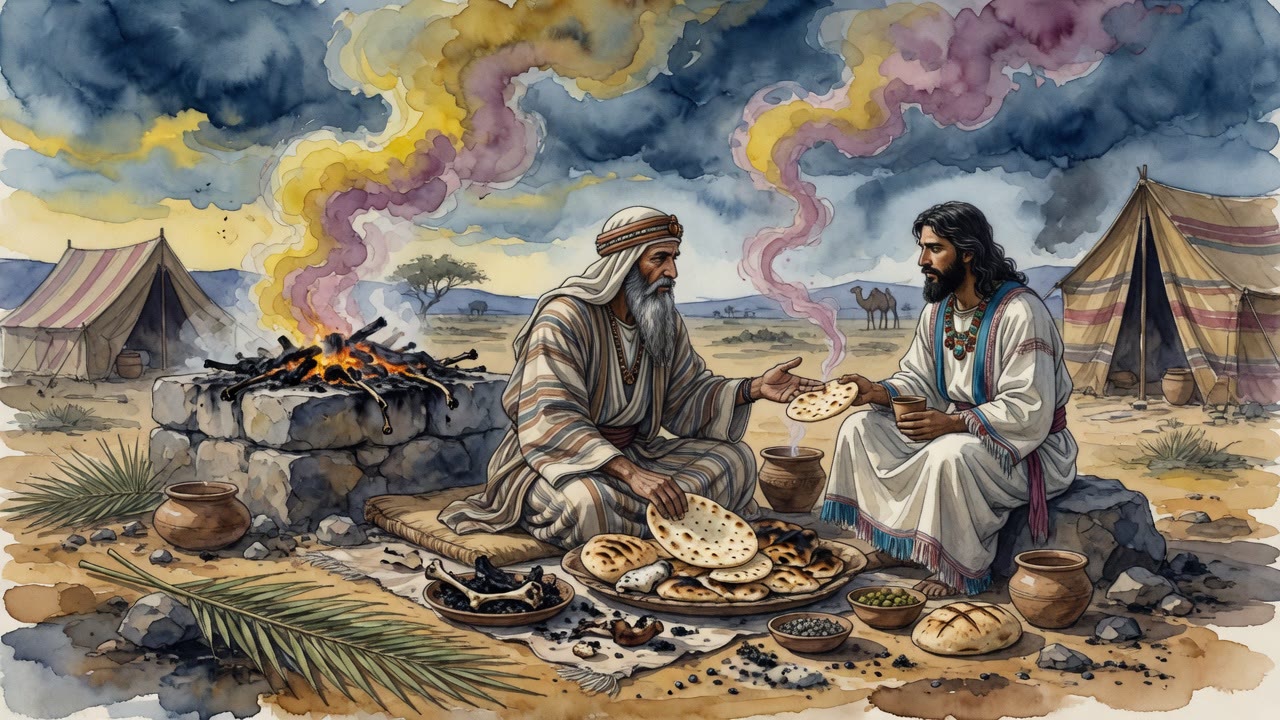
A Midianite priest laid whole beasts on the fire. Aaron sat with the elders, and Moses would not take a place at his own table.
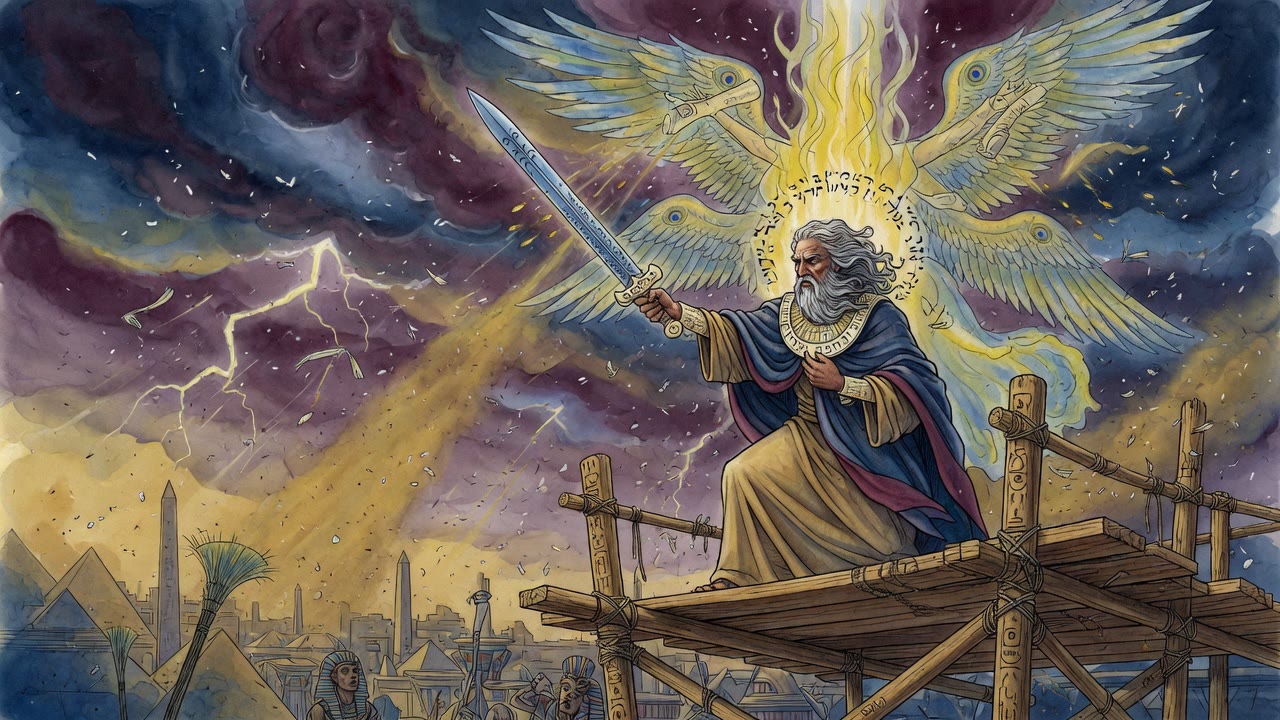
A sword sharp beyond compare came down on Moses's neck ten times and could not cut it. Then an angel climbed the scaffold dressed as the executioner.
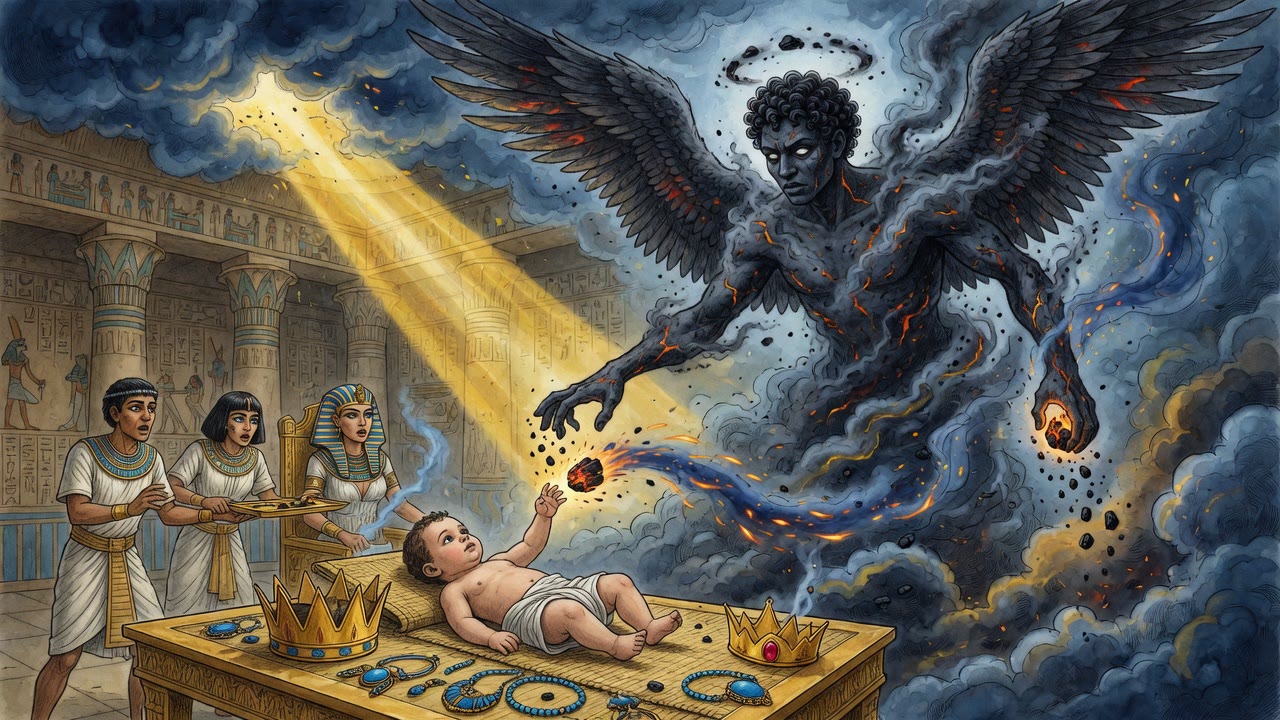
The crown slid down over the boy's ears. Cold air hit Pharaoh's scalp. Along the banquet table, nobody in the hall chewed.
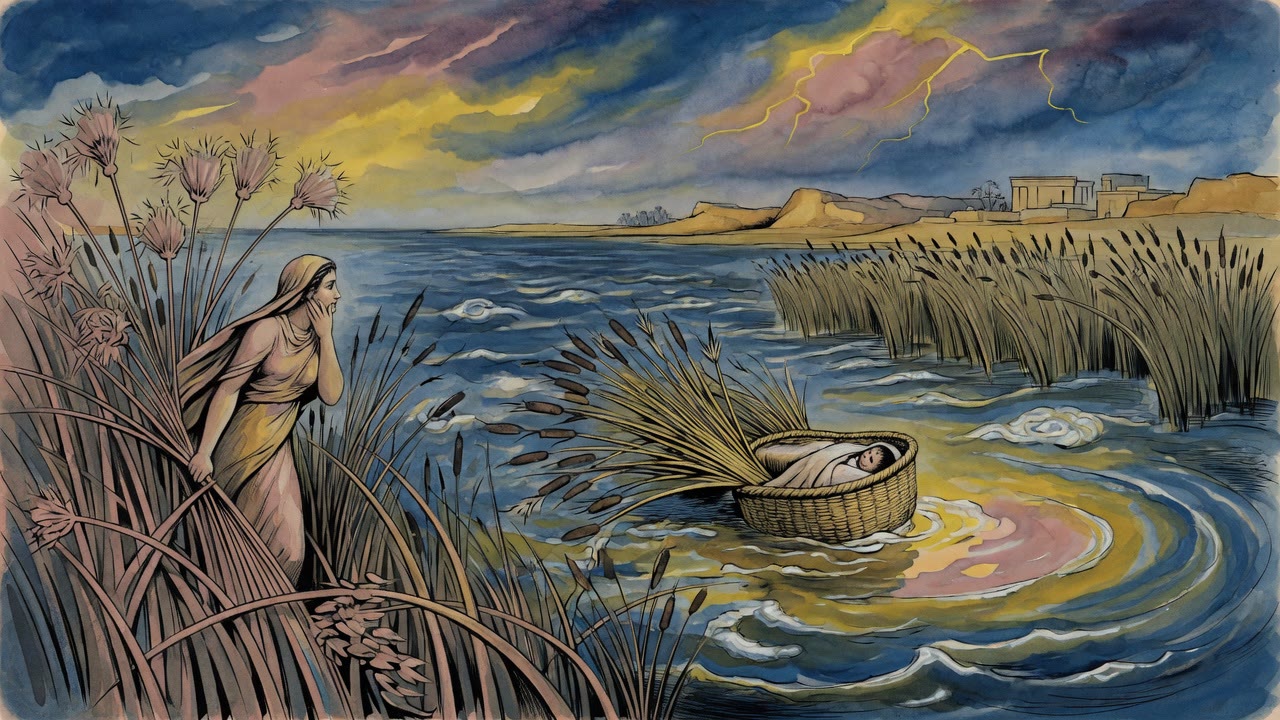
A girl plants her feet on the riverbank and watches her brother's basket drift, while her father's question still rings: where is your prophecy now?
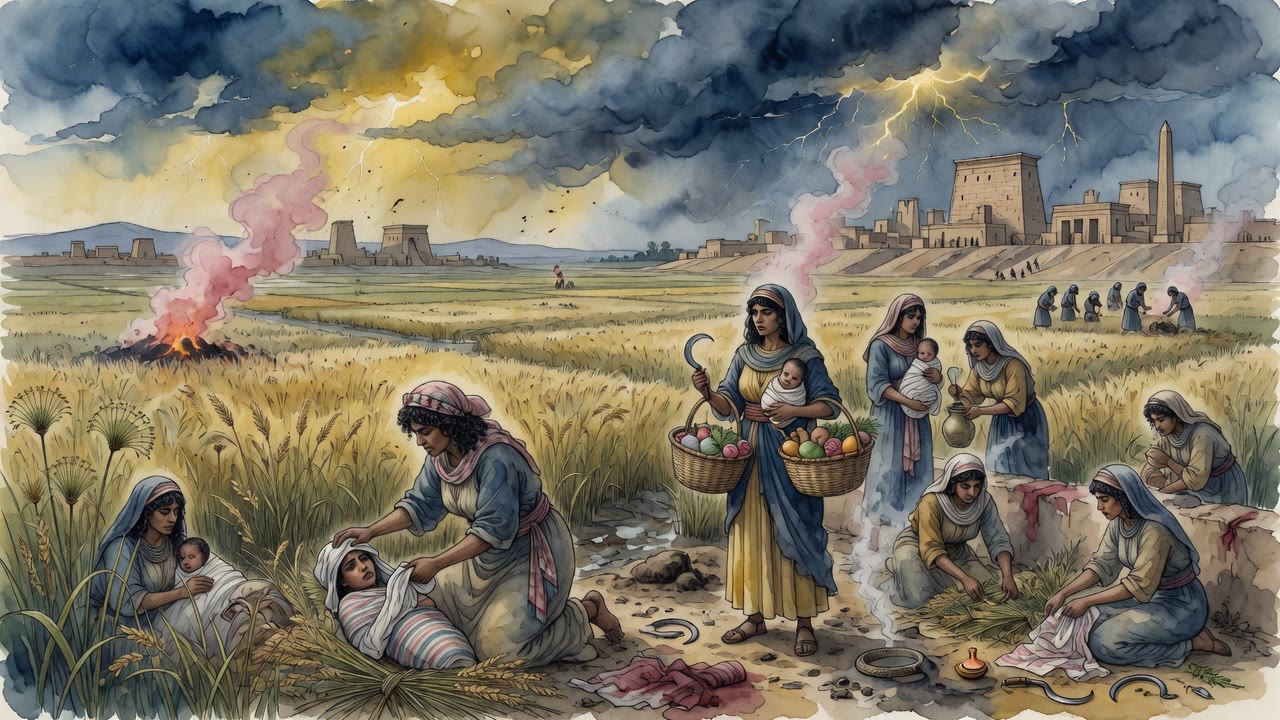
The men came home from the mud too tired to hope. Their wives carried two pots into Pharaoh's fields and put husbands back into Israel.
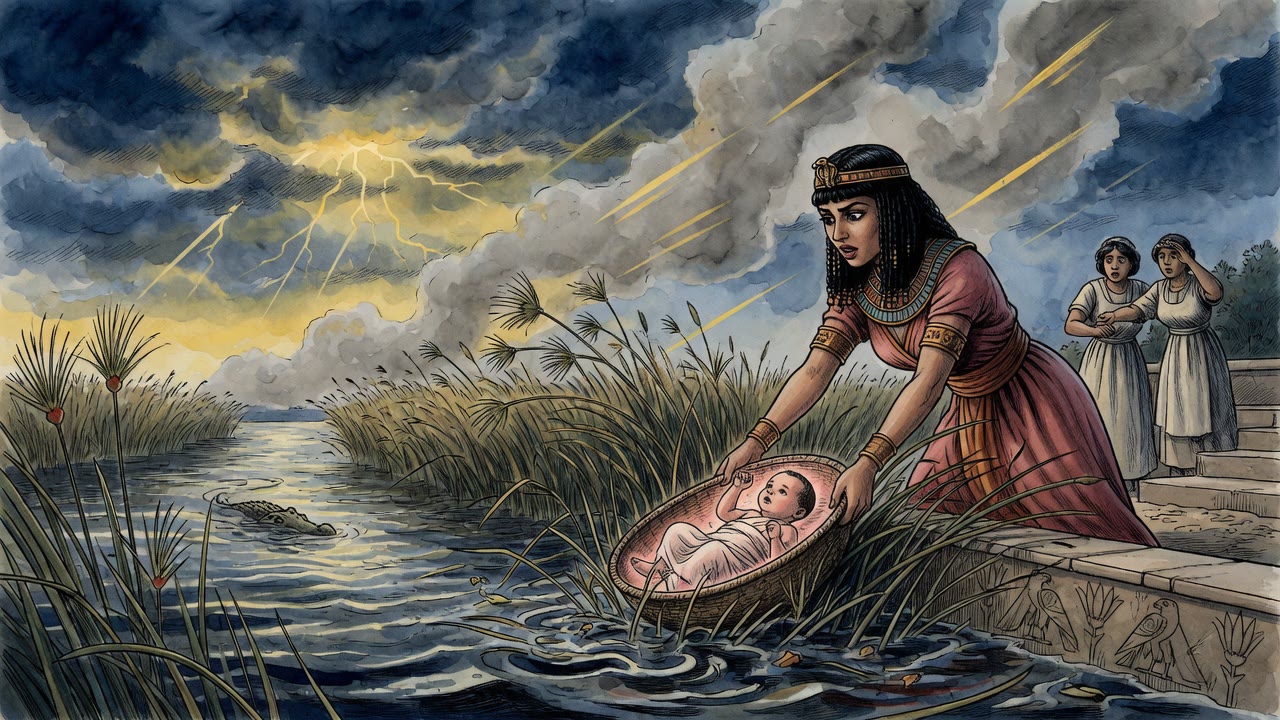
Pharaoh's daughter came to the Nile that morning to wash away her father's idolatry. She walked away with a Hebrew infant and a new name from God.
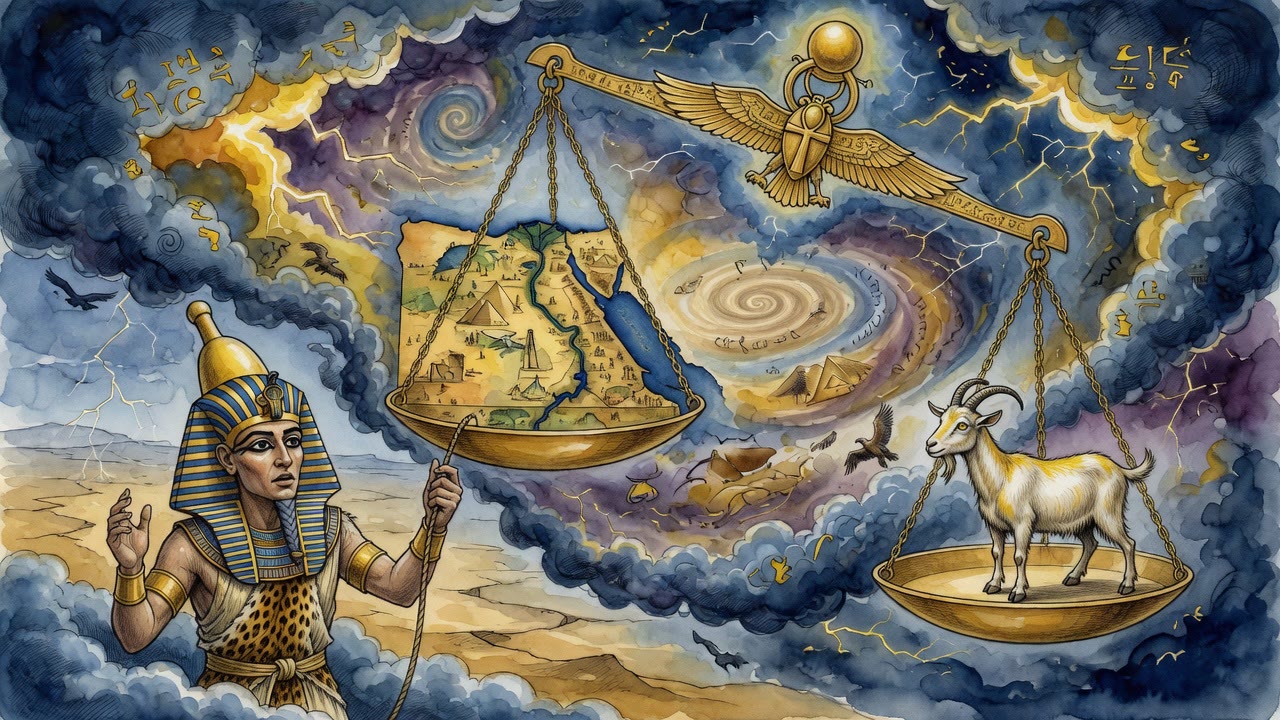
Pharaoh saw all Egypt weighed against a tender kid, and the kid sank the scale. Balaam turned the dream into a decree against Israel.
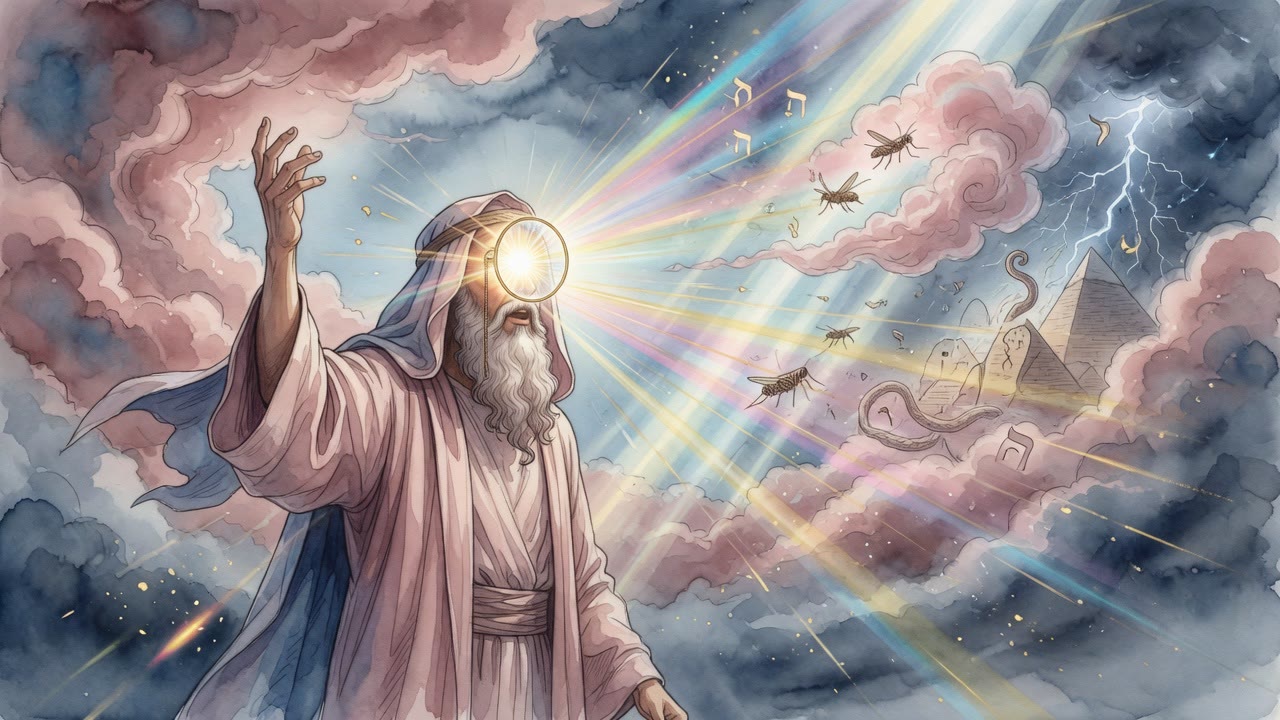
Moses did not speak like every other prophet. A basket, a palace, and a burning bush trained him for the clear bright lens.
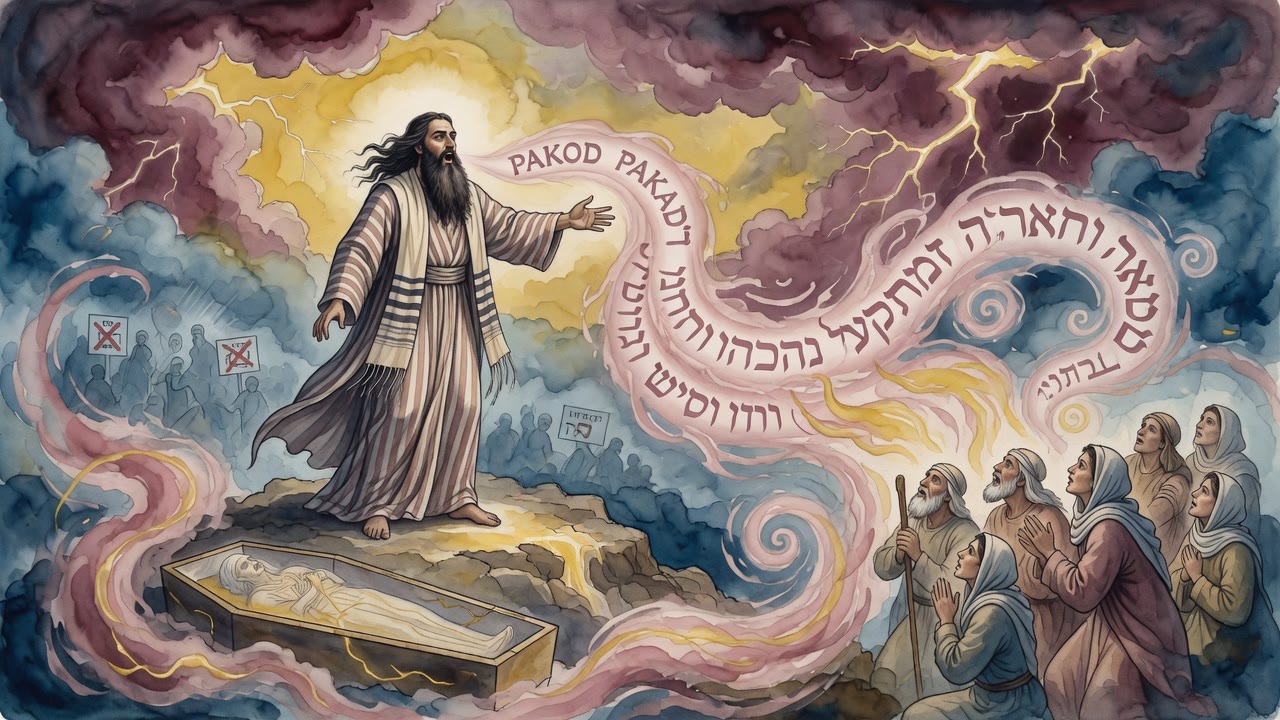
Israel did not believe because Aaron made signs in Egypt. They believed when his mouth carried the phrase Joseph had buried in memory.
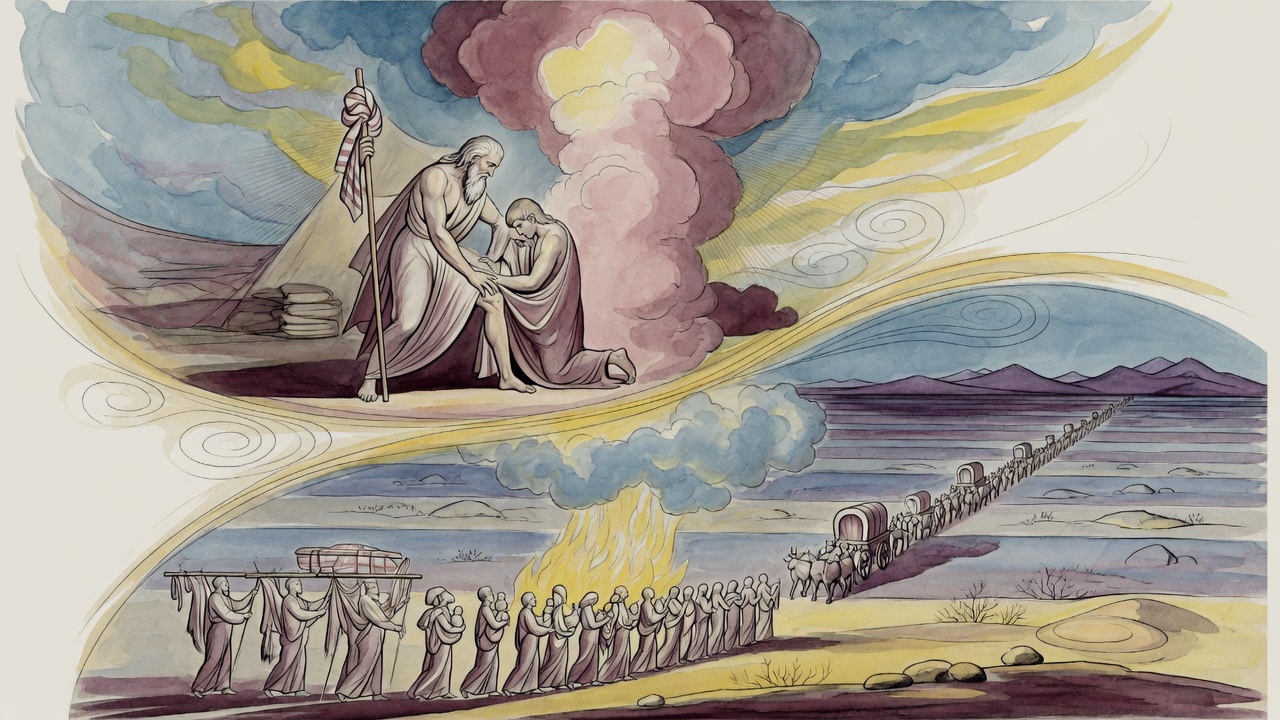
At a night lodging on the road to Egypt, God came for Moses. Zipporah grabbed a flint knife and did what needed doing before anyone else understood the danger.
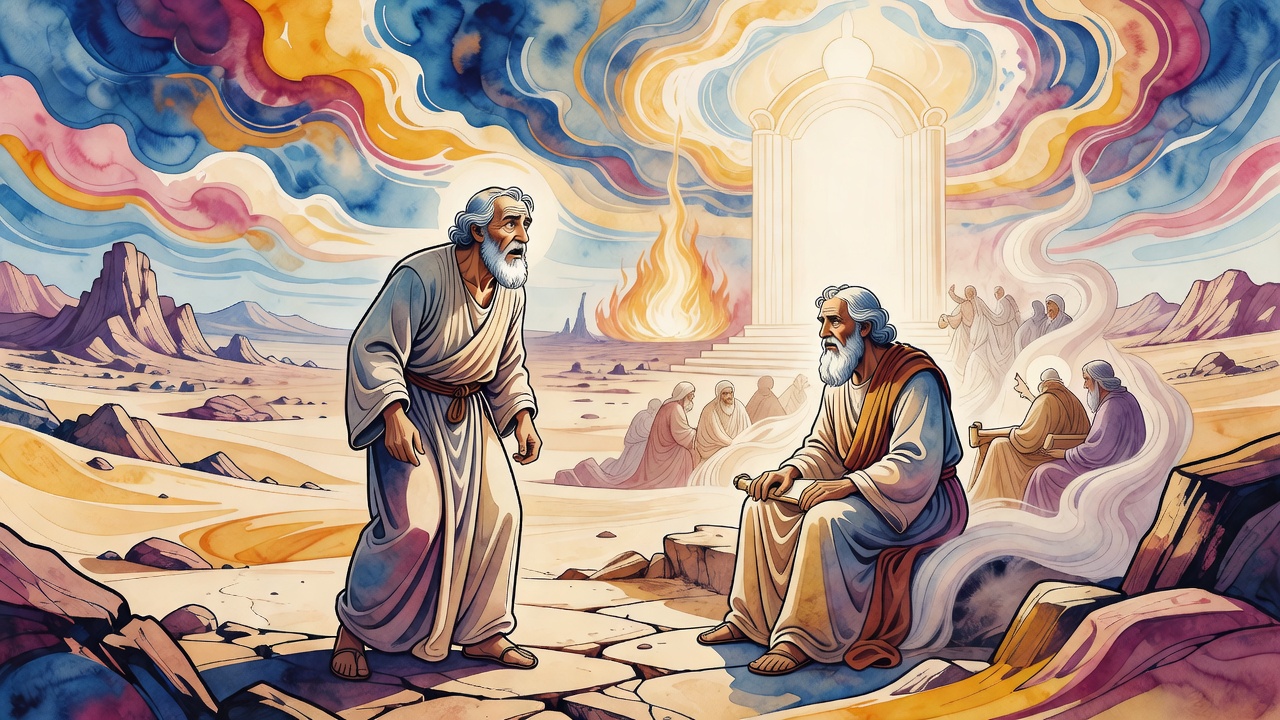
Jethro had already paid for leaving his own gods before he arrived in the wilderness, and what he saw when he watched Moses judge all day frightened him.
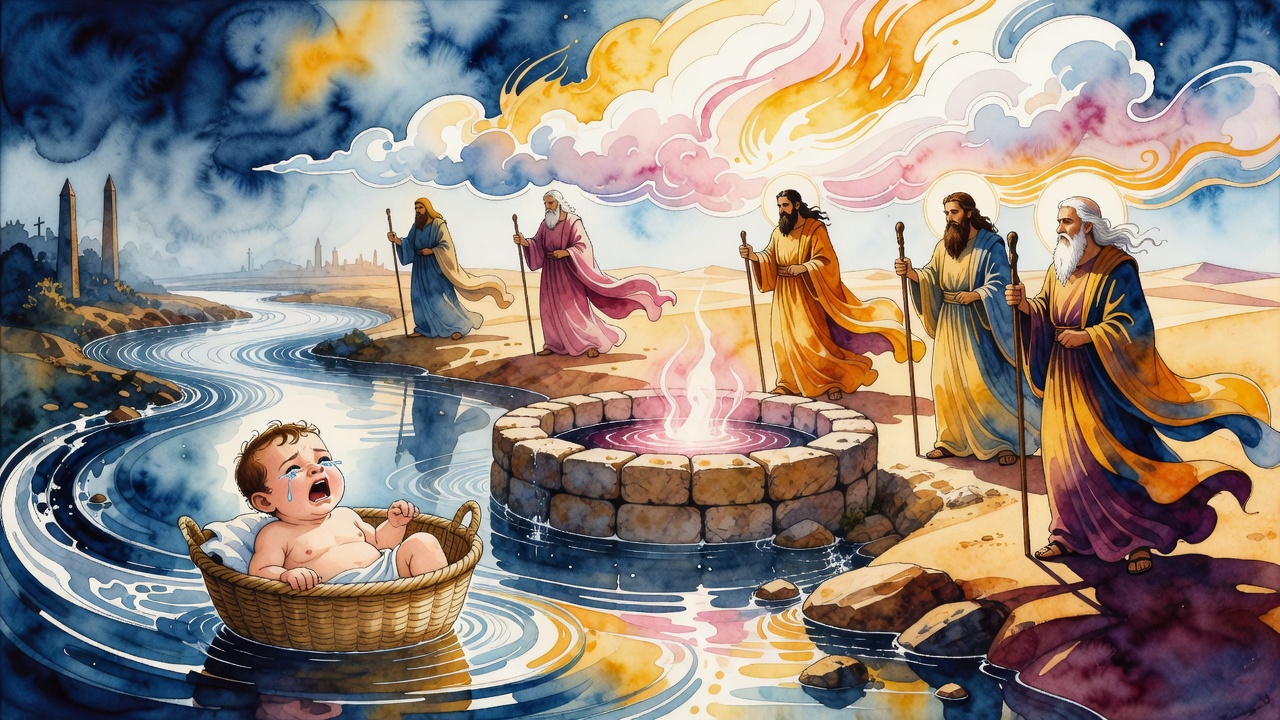
A crying child in a basket on the Nile became the redeemer of Israel. The rabbis followed the water from Pharaoh's river to Miriam's well to the desert clouds.
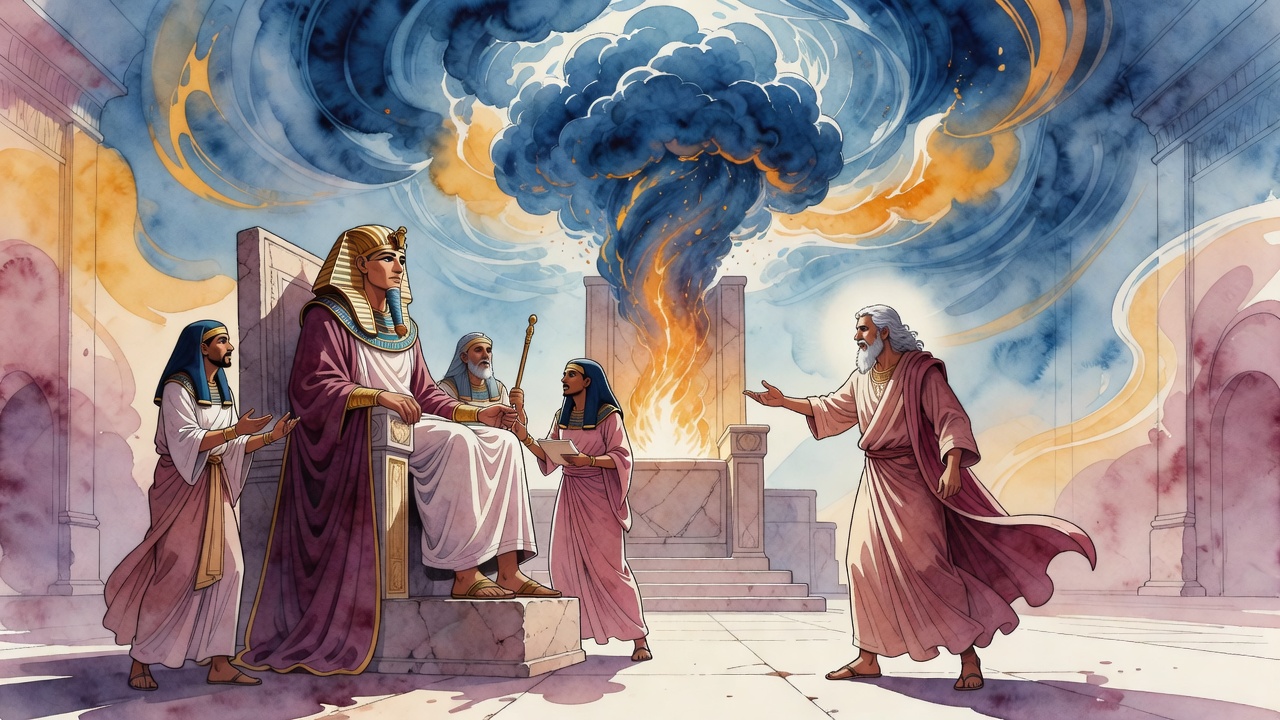
Three men were asked how to deal with the Hebrews. One gave the murderous answer, one shrugged, and one argued and left Egypt that day with a stolen staff.
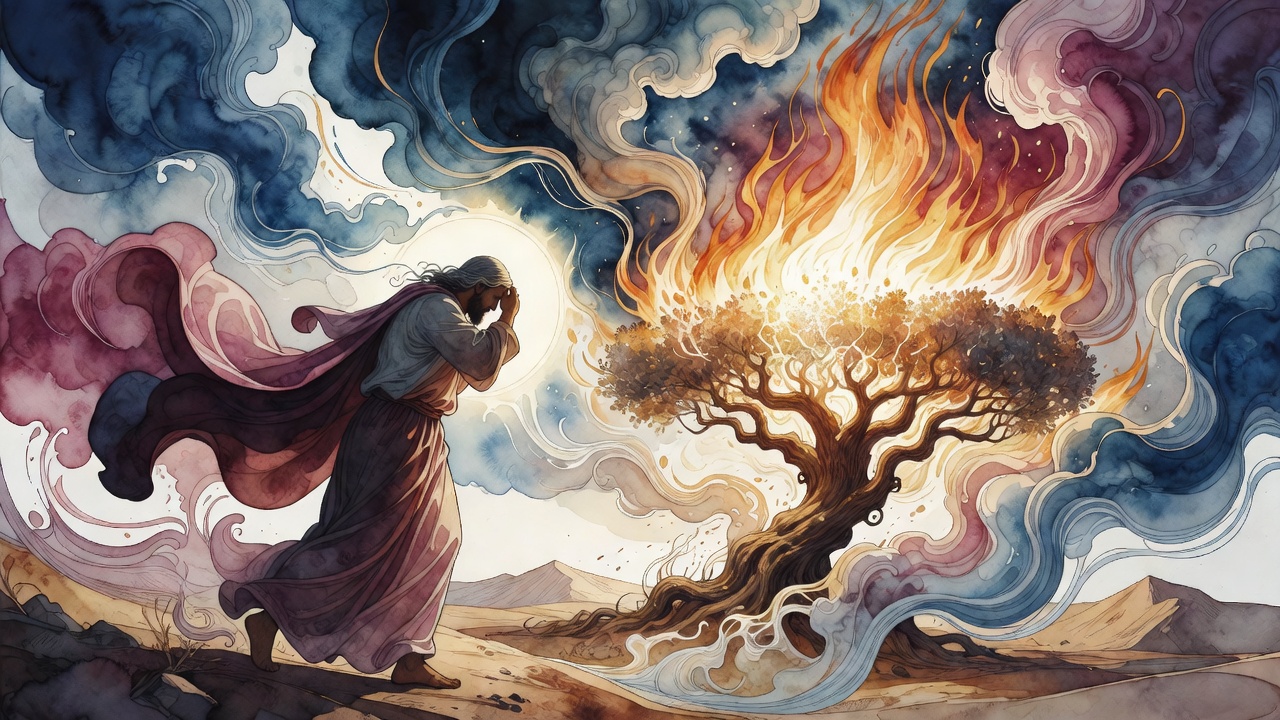
The voice that called him out of the fire was his father's voice, and Amram had been dead for years. Moses answered it before he knew who was speaking.
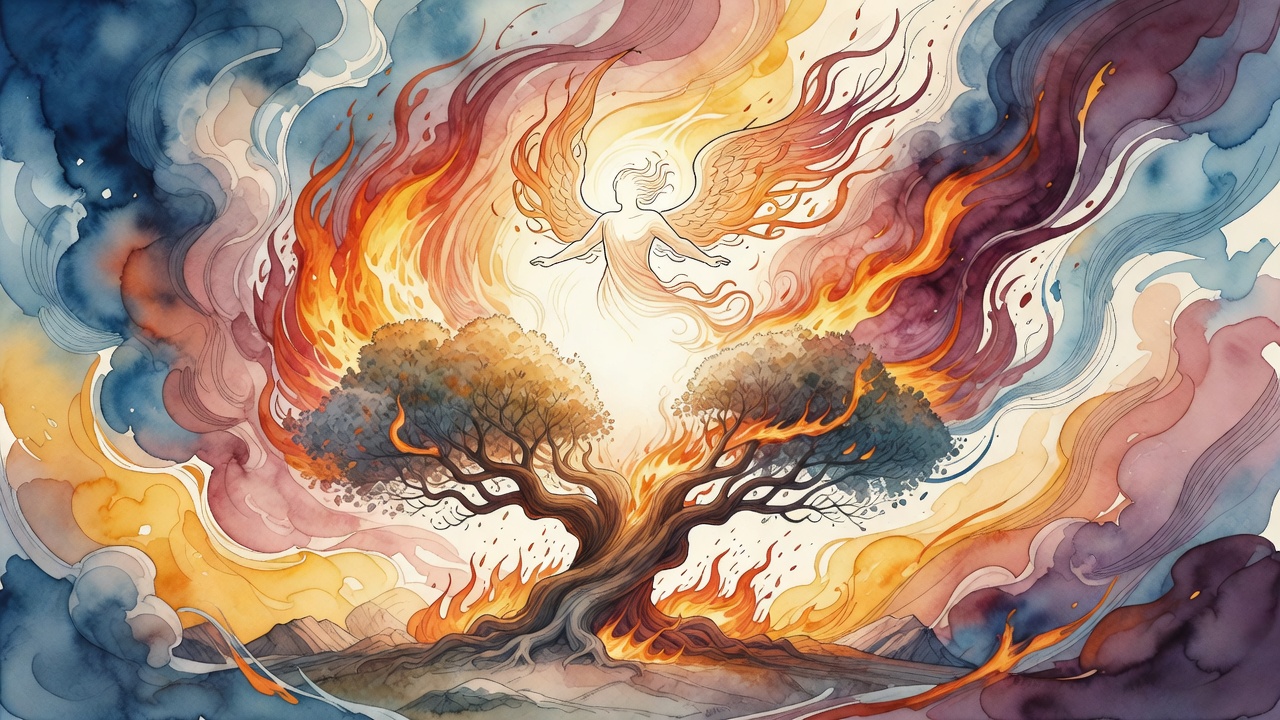
Birds would not land on the mountain. Moses came closer. A black fire sat in the thorns, and the bush still held its blossoms.
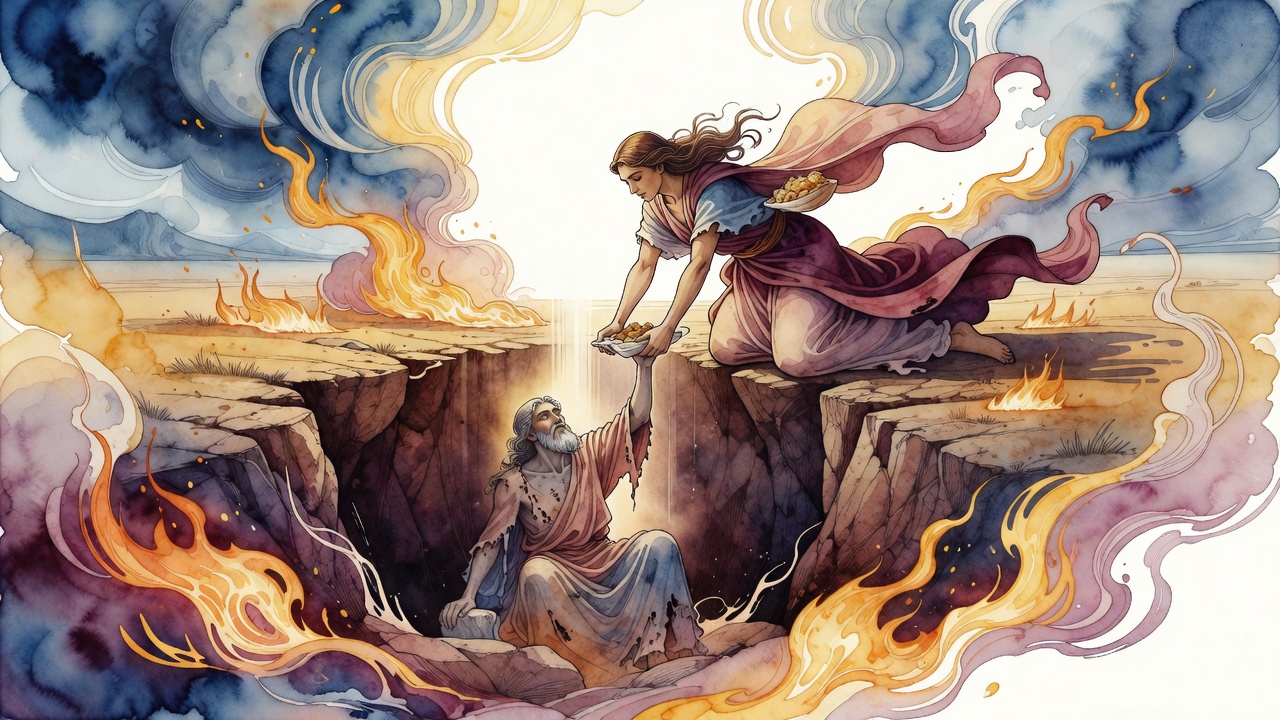
While Reuel kept Moses imprisoned in a pit, Zipporah secretly brought him food for ten years before pulling him out into his destiny.
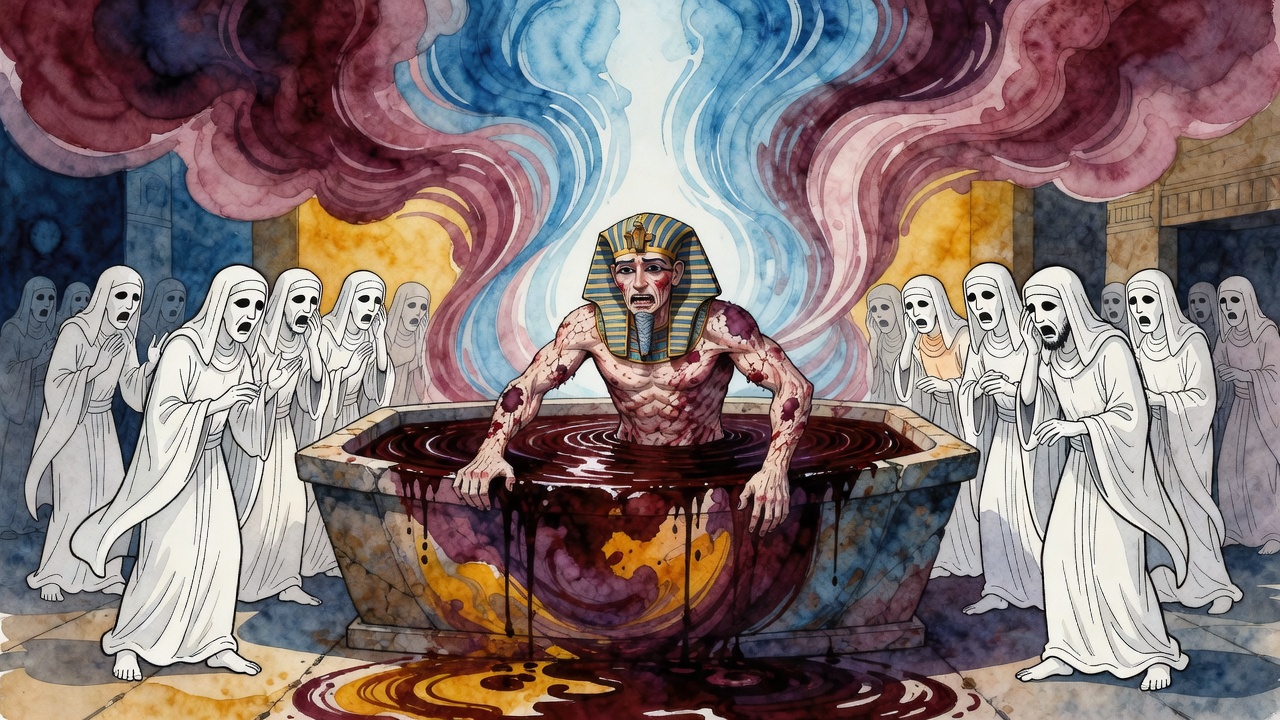
Pharaoh broke out in sores, and his doctors told him to bathe in the blood of Hebrew children. He signed the order for three hundred a day.
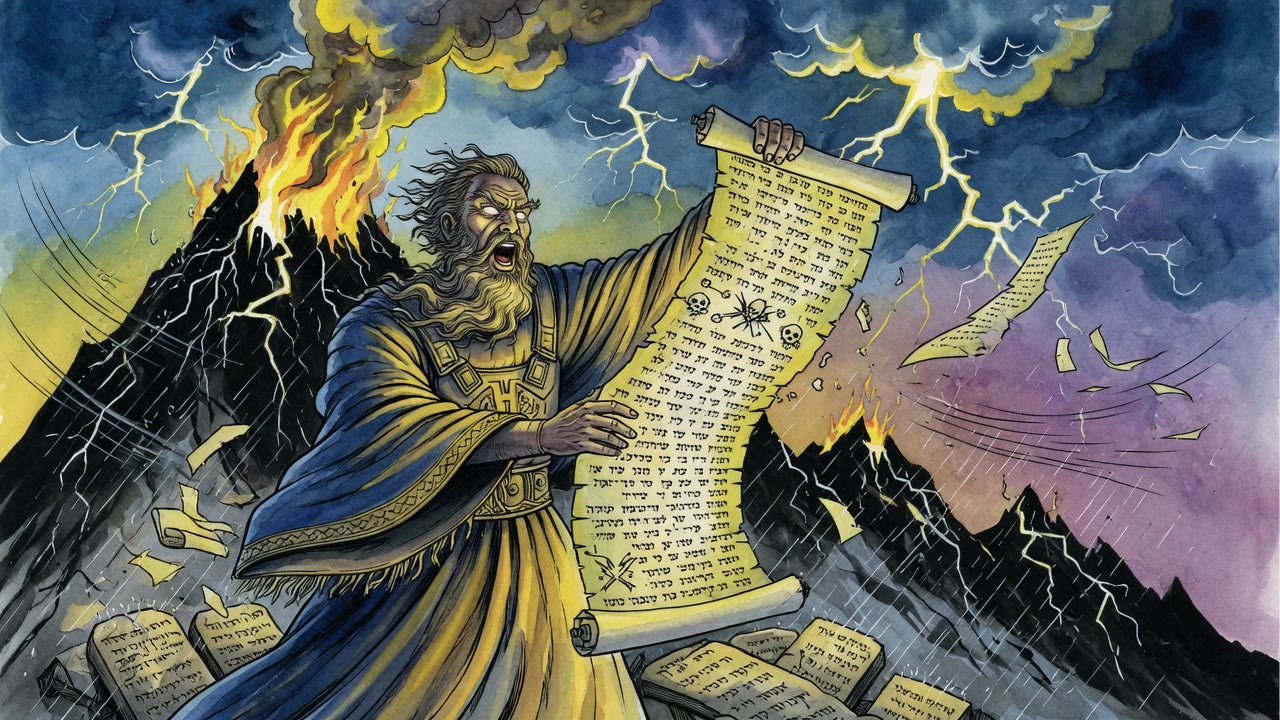
The elders set out with Moses for Pharaoh's court. One by one they found reasons to slow down, and only Moses and Aaron reached the door.
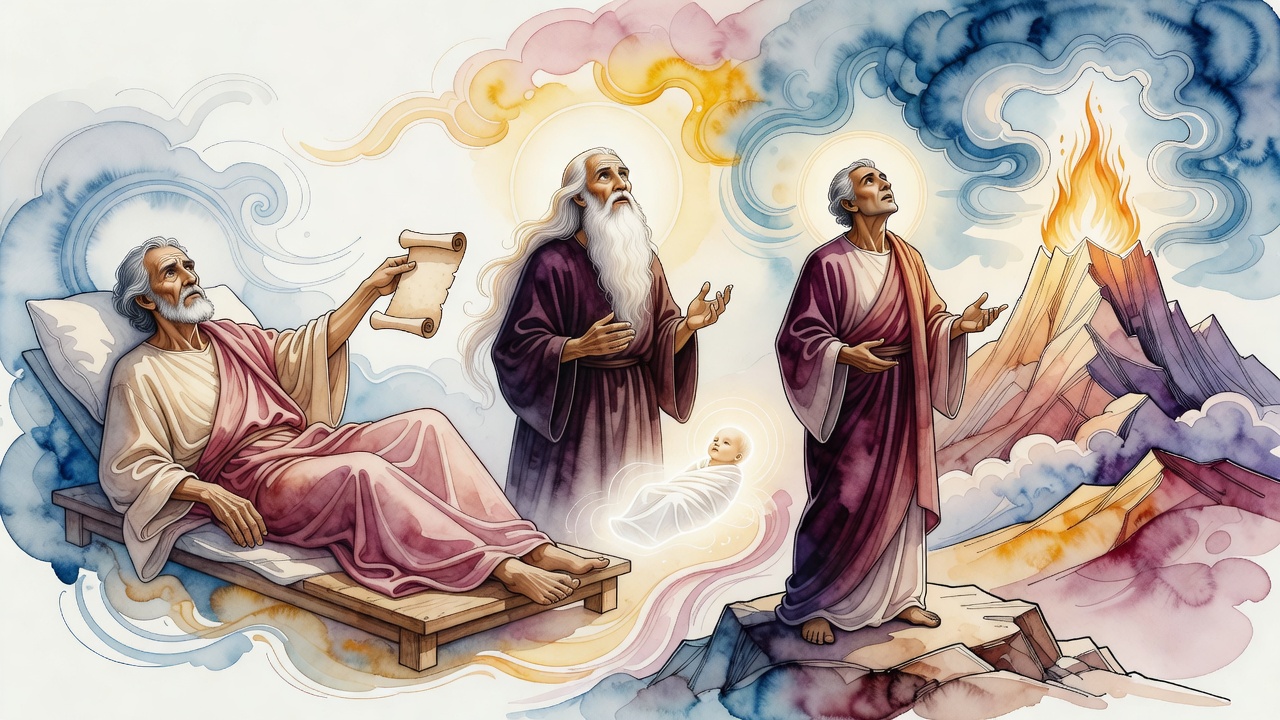
Joseph's deathbed password reaches Moses, Levi lives long enough to see the deliverer born, and Jethro hears of the mountain of glory before Moses arrives.
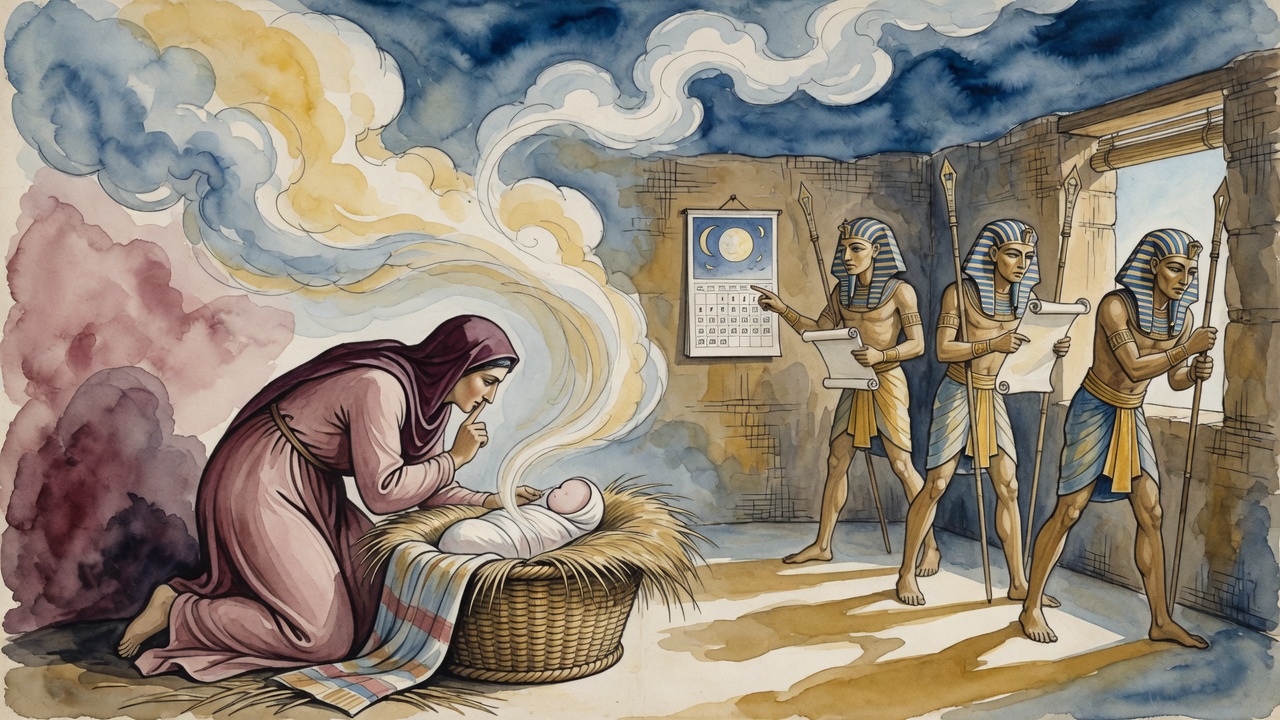
The watchers came on the month the ledger named. They found a daughter, a small son, and no baby. The infant was already on the river.
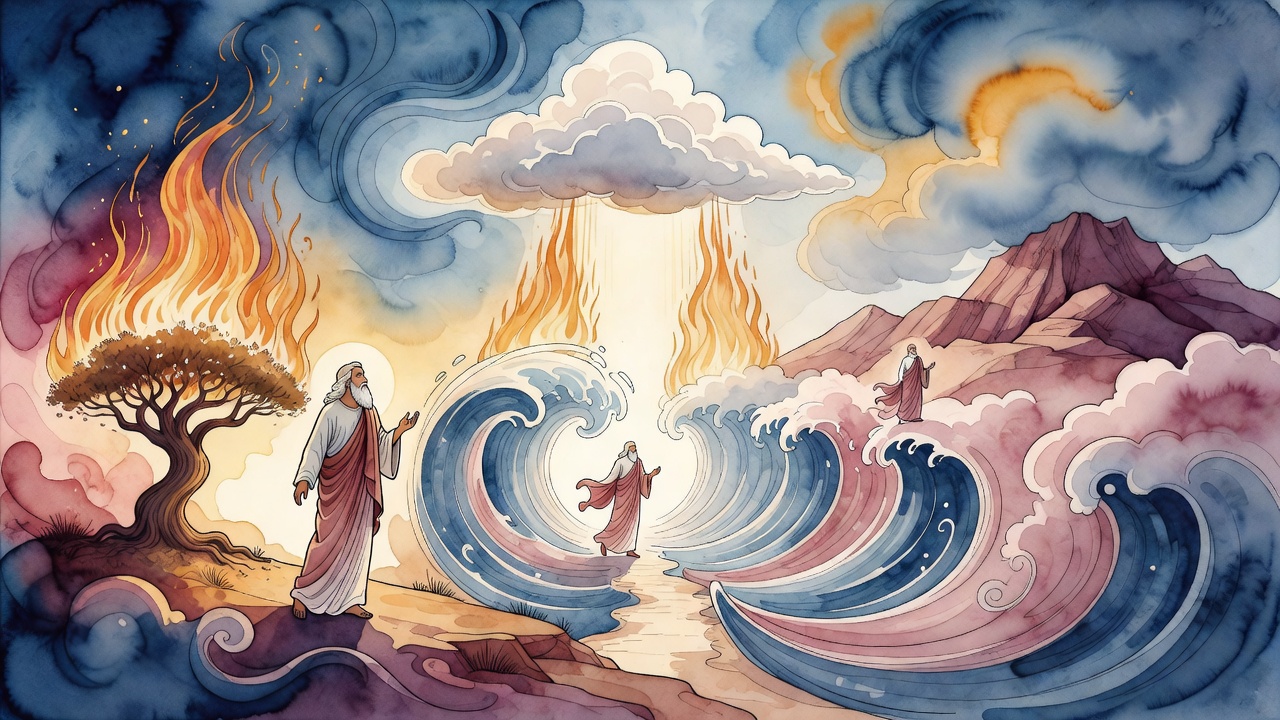
Moses ran out of Egypt with a dead taskmaster behind him and stopped at a well in Midian. Shepherds were driving women off it. He drew the water himself.
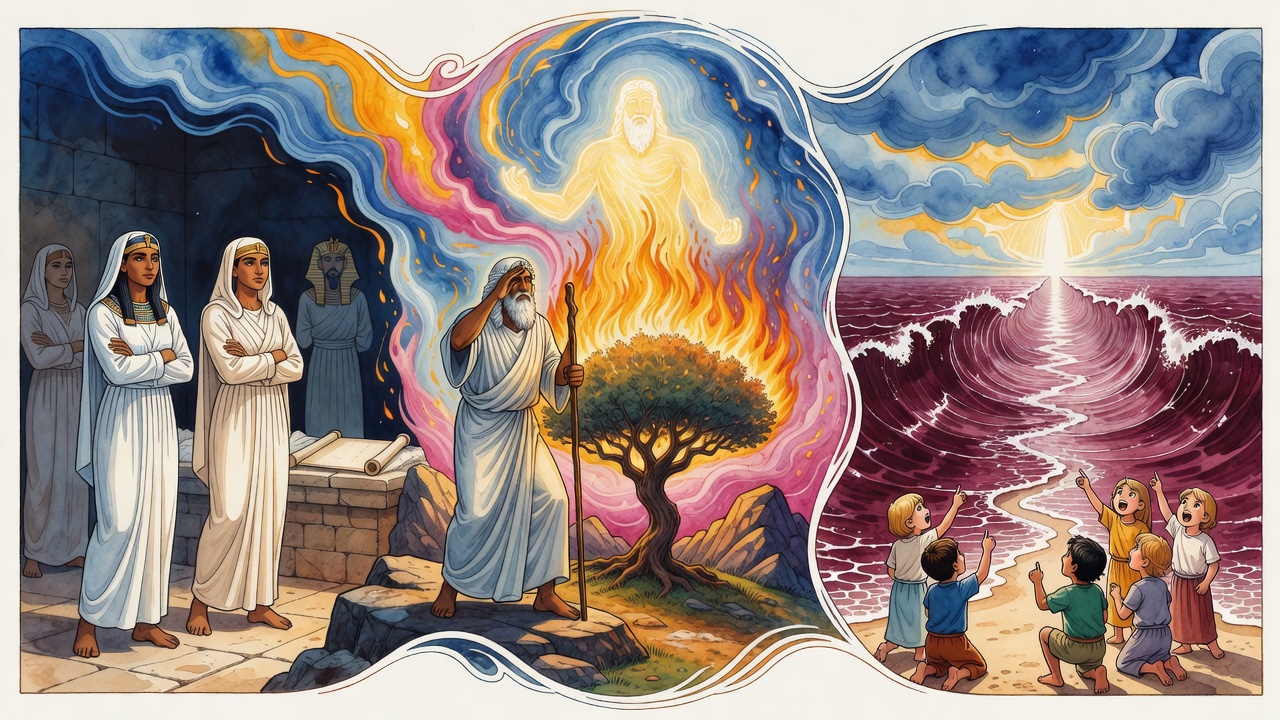
Pharaoh's order reached the birth stool first. Shifra and Puah kept their hands off the boys. A child at the sea later pointed and named God.
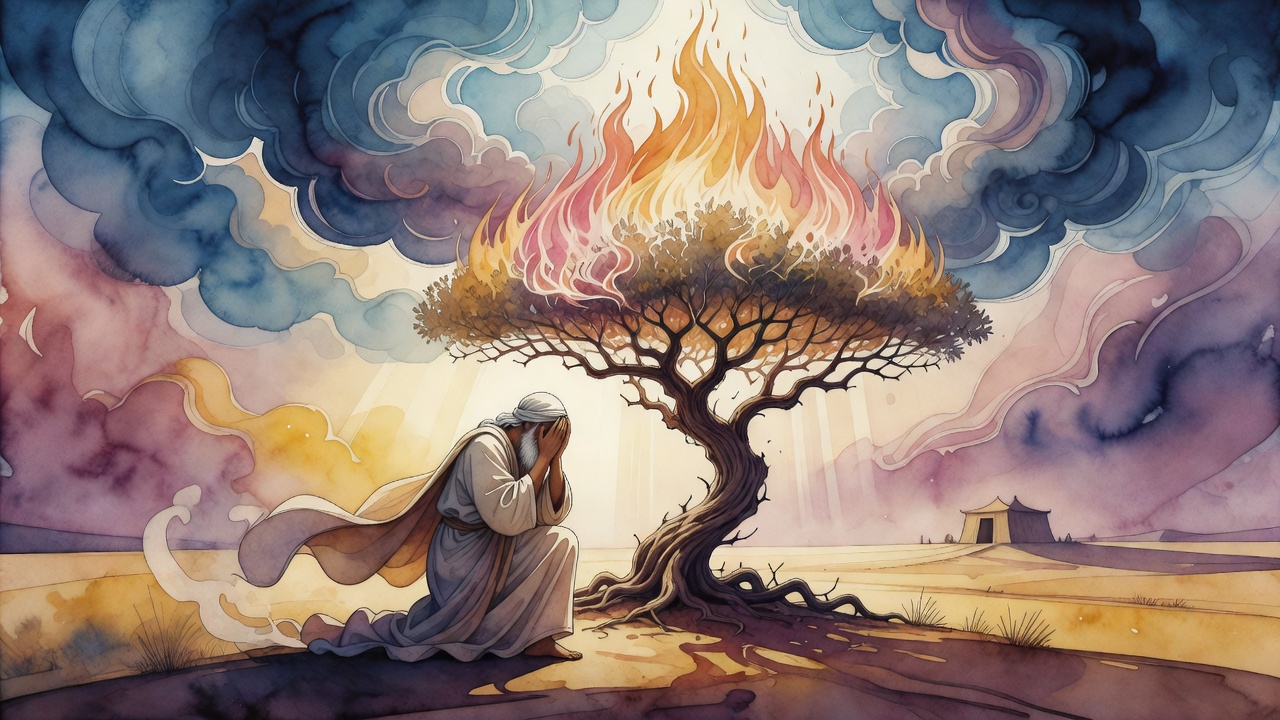
The flame used his father's voice. Moses came closer. Decades later the Tabernacle still would not rise for the craftsmen.
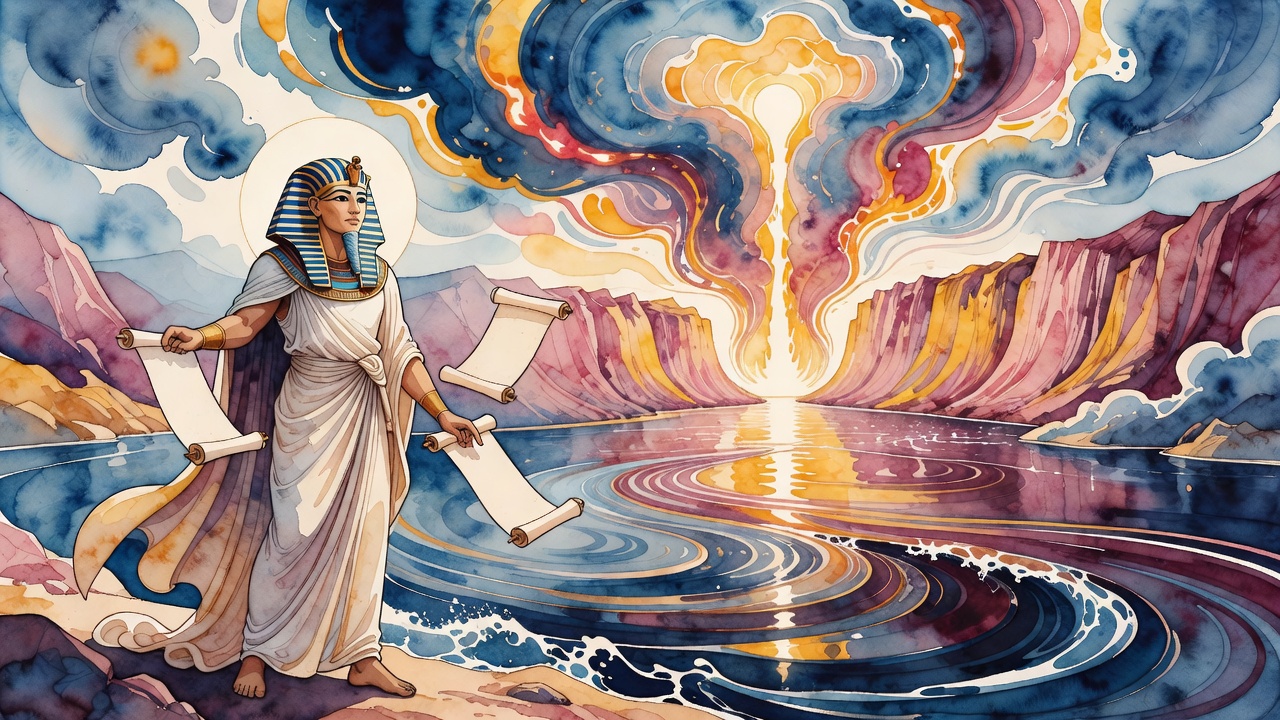
Pharaoh would not use the sword. God had already claimed that weapon. He sent the Hebrew boys into the Nile, sure the oath after Noah would keep heaven quiet.
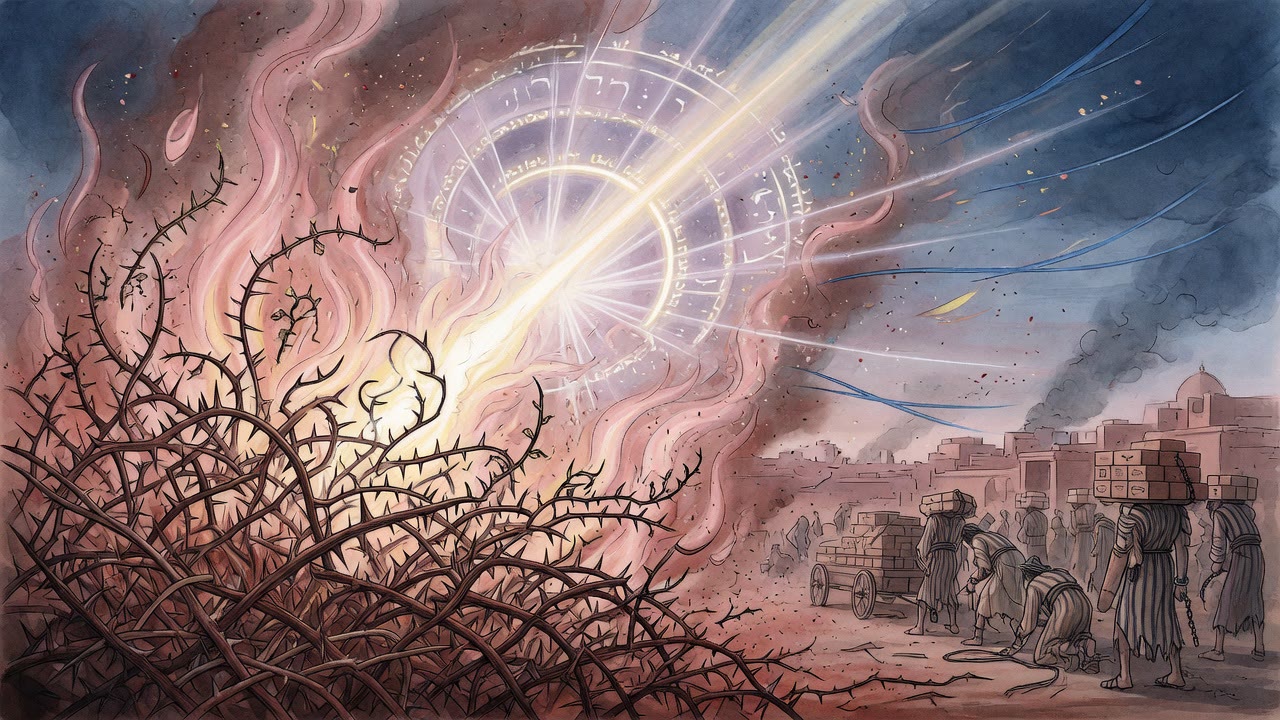
Moses sees fire in a thornbush that does not consume the branches. Shemot Rabbah hears God choosing to stand inside Israel's suffering before speaking.
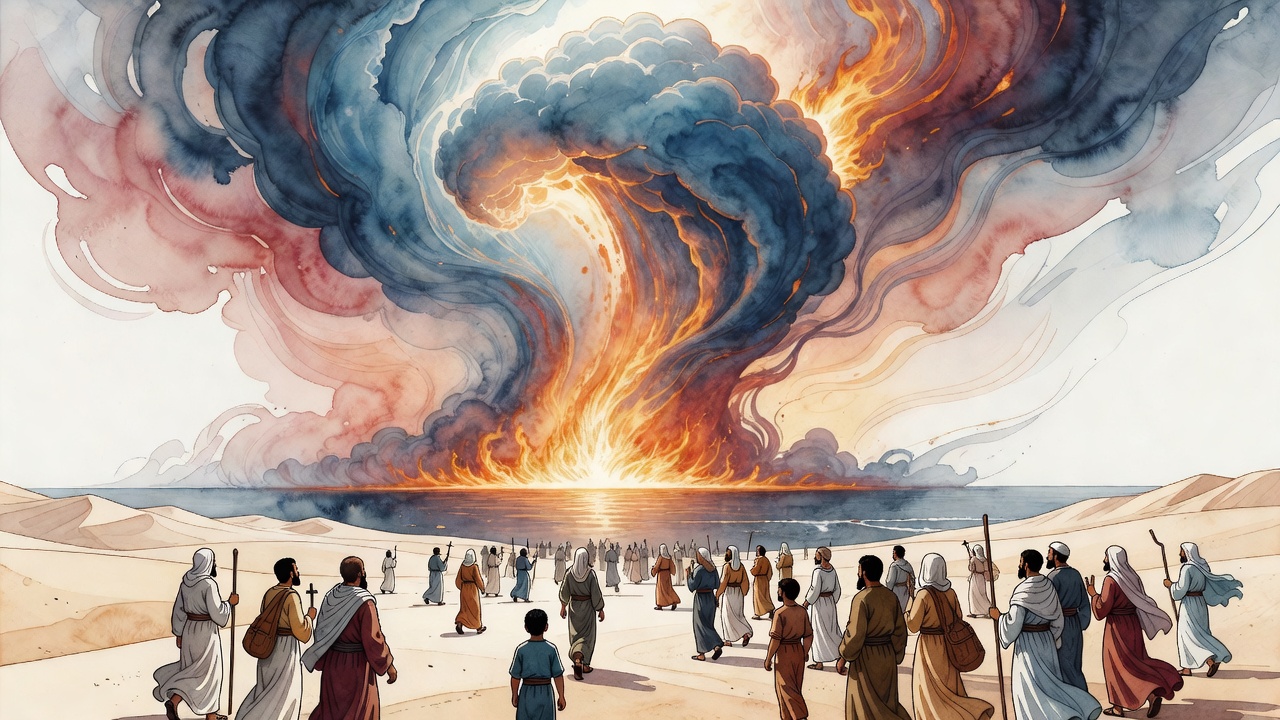
Moses told the people to stand firm and watch. God was telling Moses something else: stop crying out to Me and get them moving toward the water.
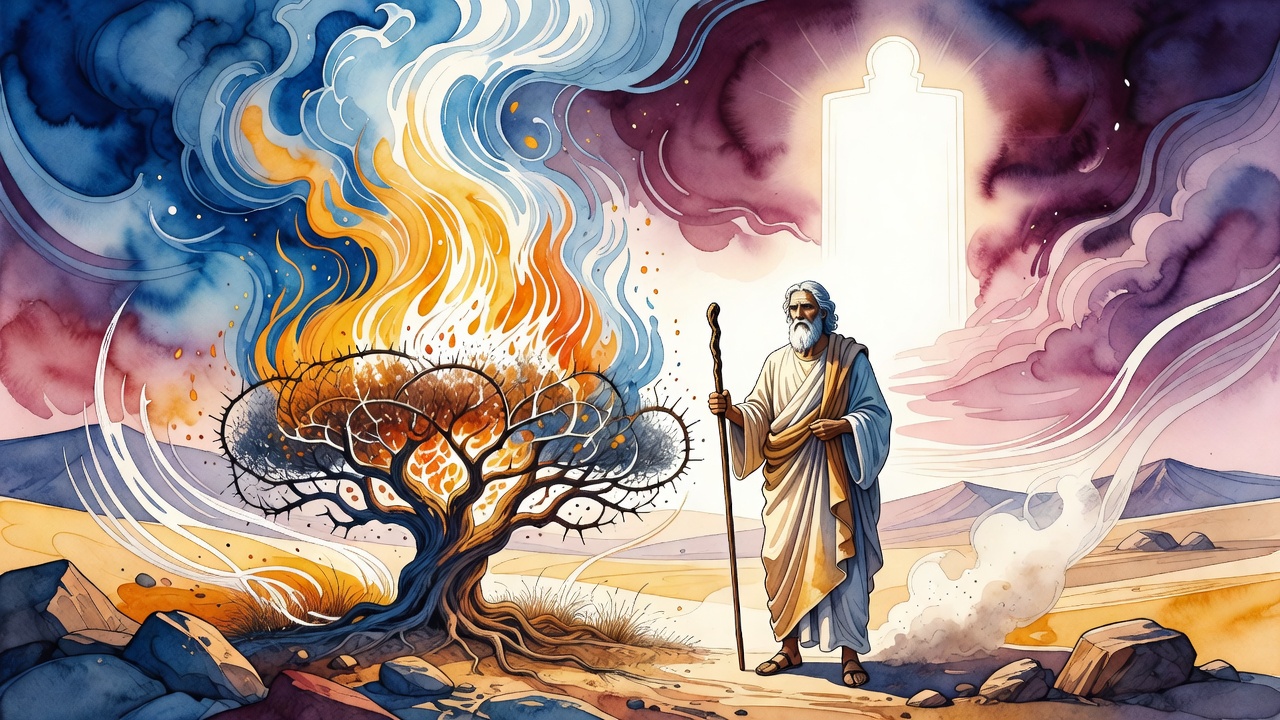
Aaron had been prophesying in Egypt for eighty years when his younger brother was chosen. He felt no envy, and so he wore the breastplate over his heart.
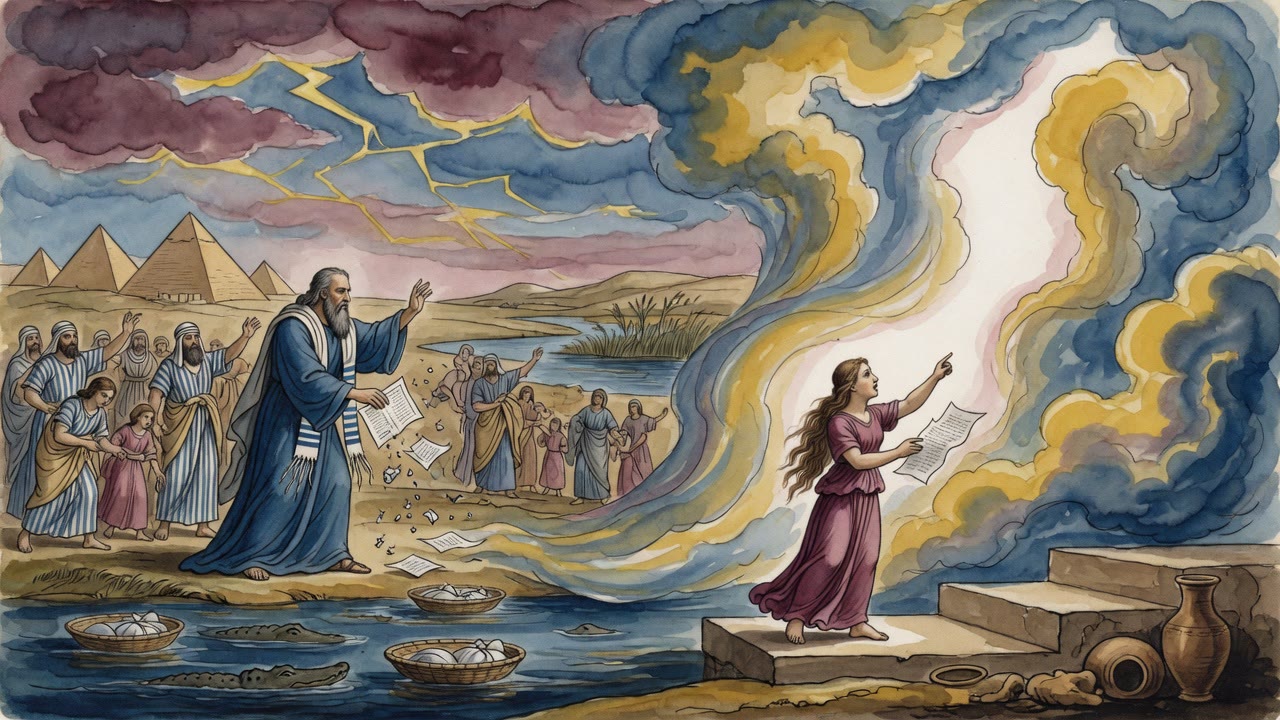
Amram sent Jochebed away so no more sons would drown. His daughter stood up and prosecuted him in front of the house.
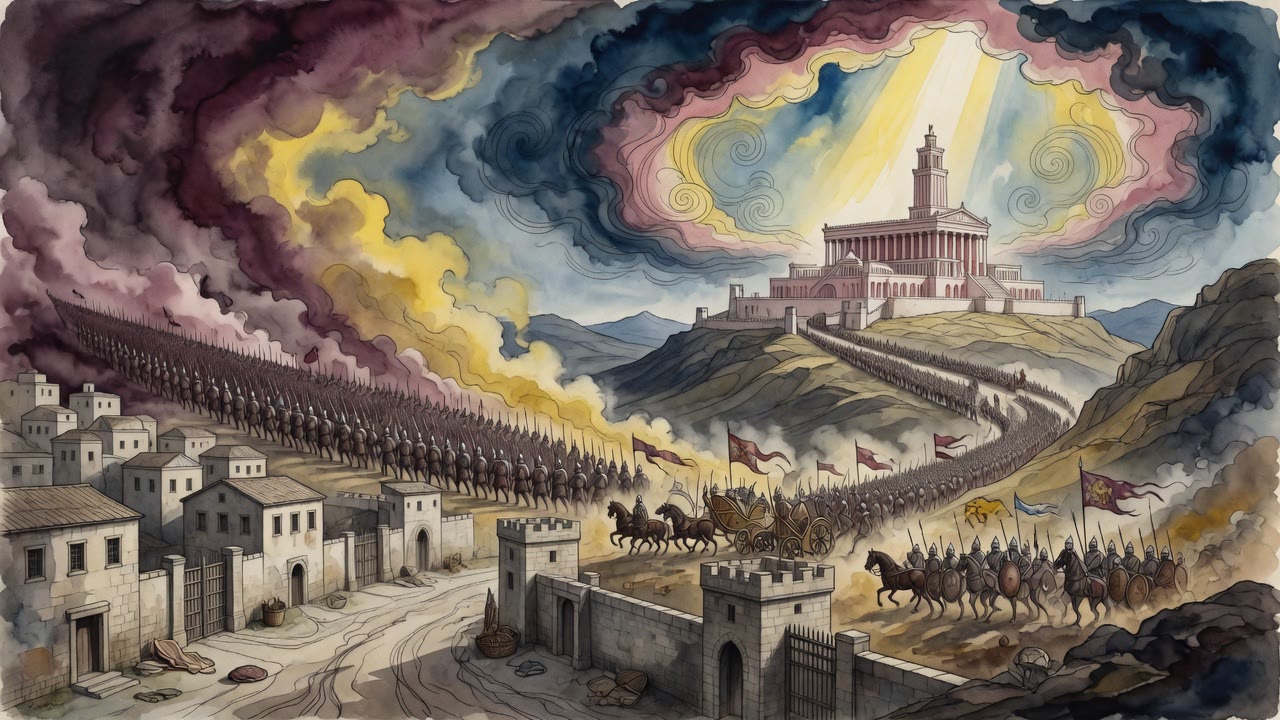
The court told Pharaoh to move against the Hebrews. He refused, said Egypt owed them everything, and lost his throne for three months.
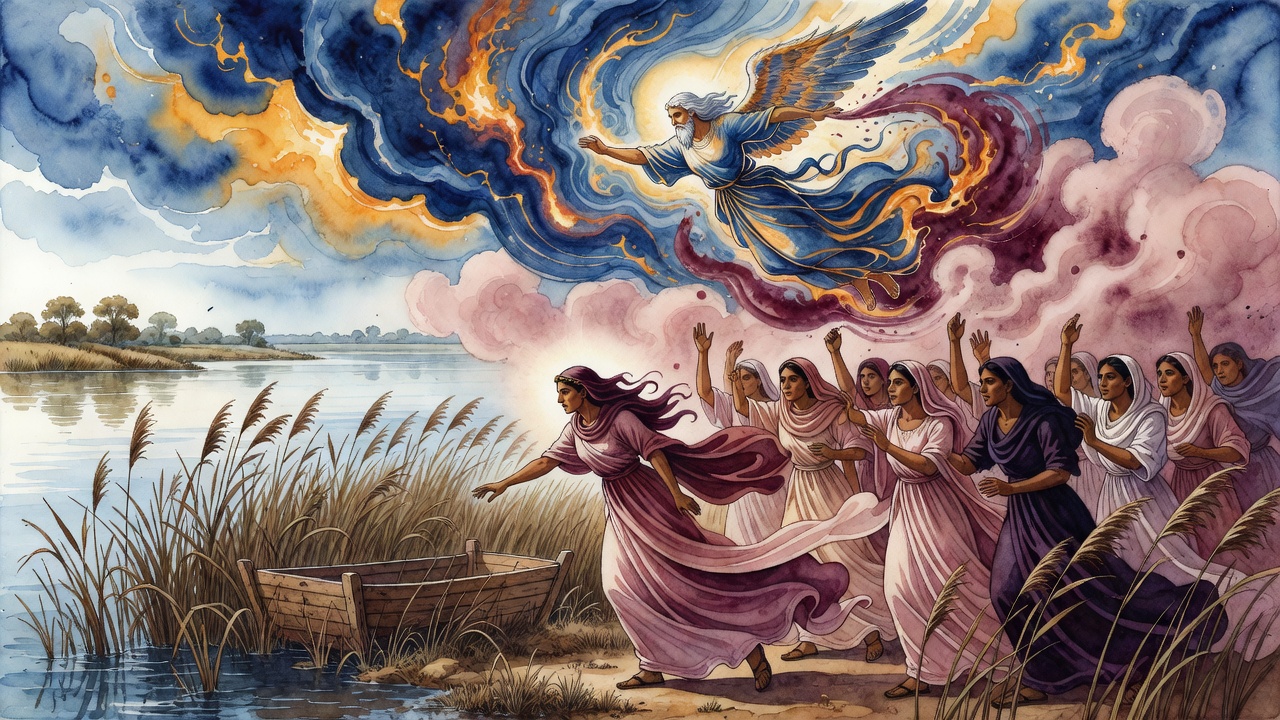
Pharaoh's daughter reaches for the ark in the reeds, her maidens block her in the name of the decree, and Gabriel strikes them down.
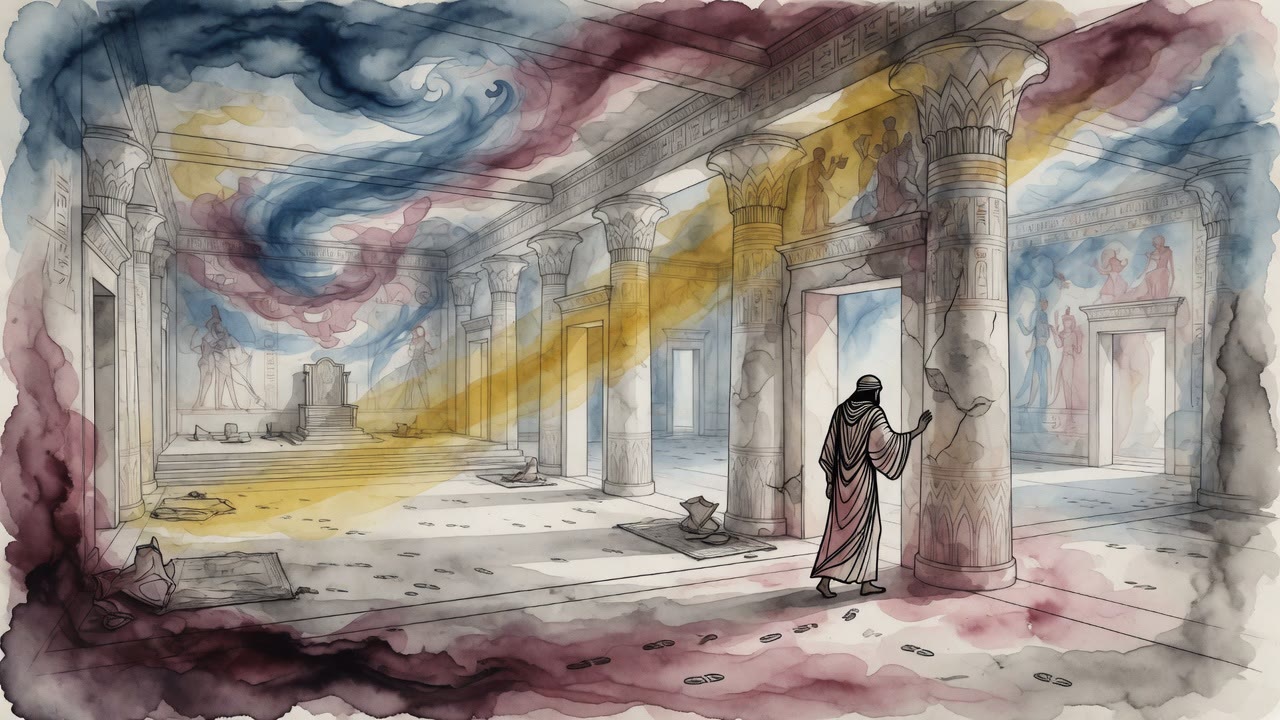
Pharaoh turned the Nile into a grave for Hebrew sons, but the river spat the infants back onto the sand, where God fed them milk and oil from the rock.
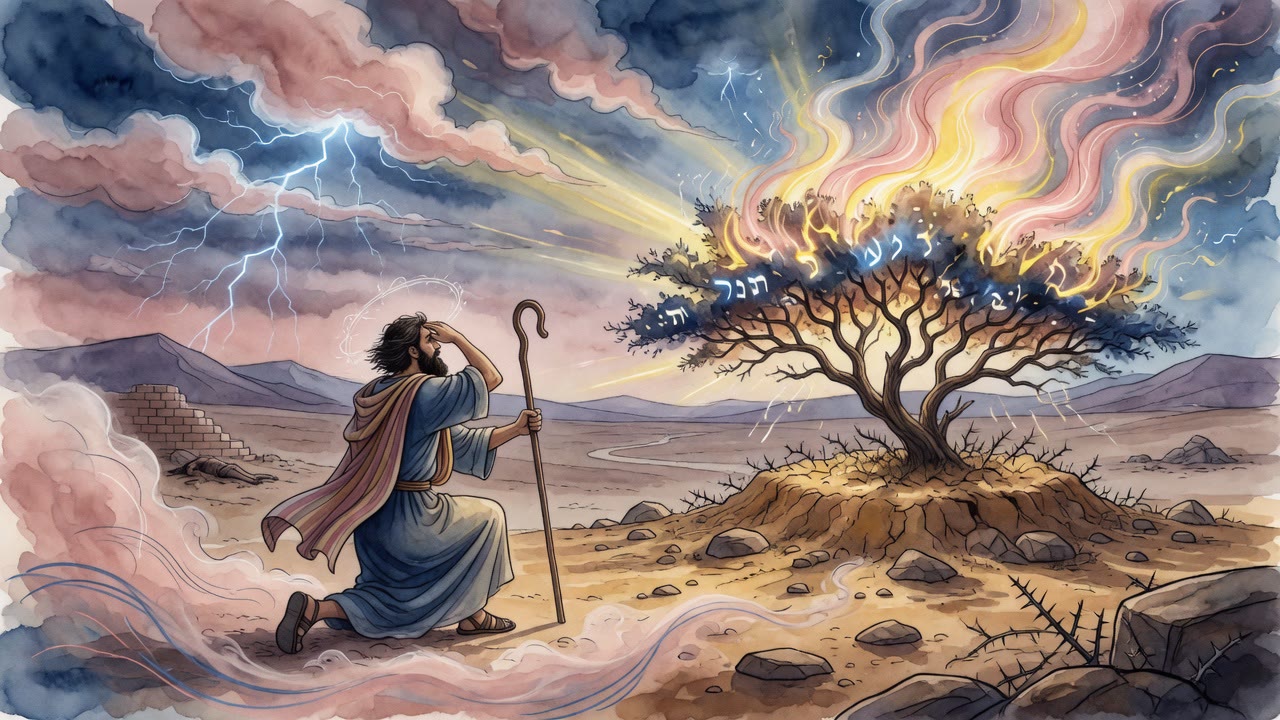
A bush burned on Sinai and would not fall to ash. Moses named his heavy mouth. God said the hunters were already in their graves.
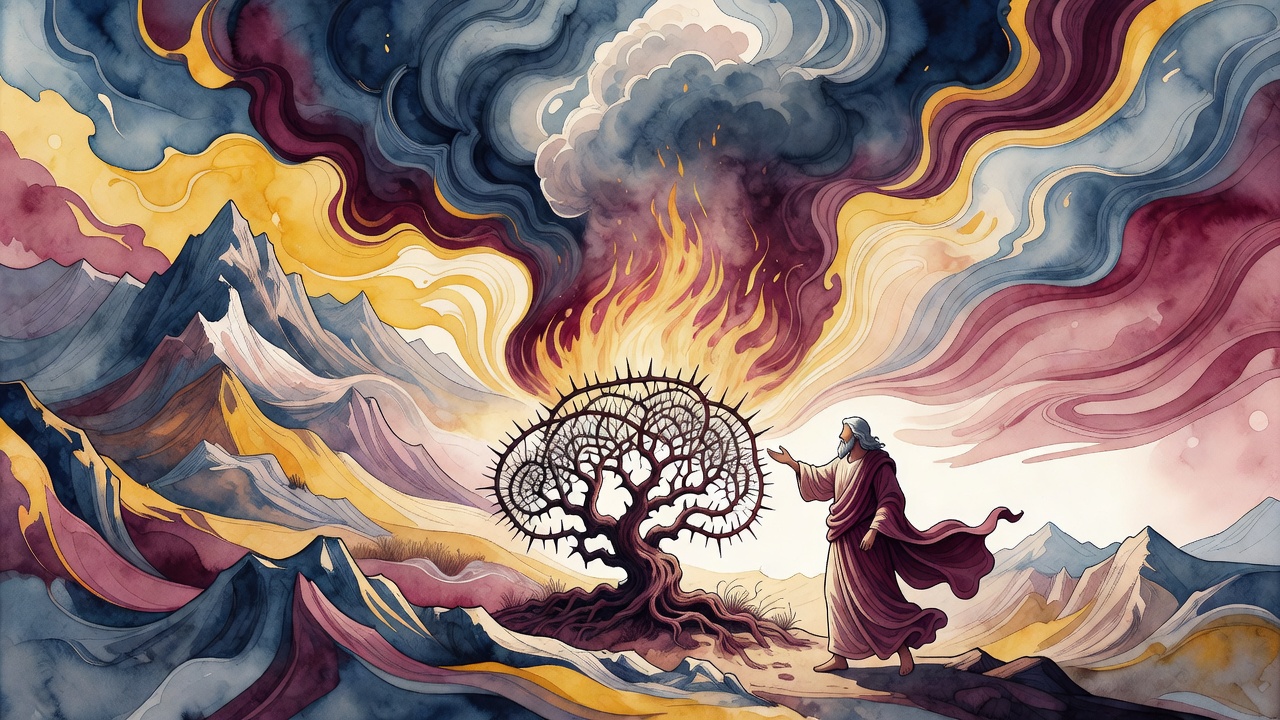
God abandoned the high slopes and settled in a shrub of thorns because Israel was in grief. Moses asked for an oath before he would go down.
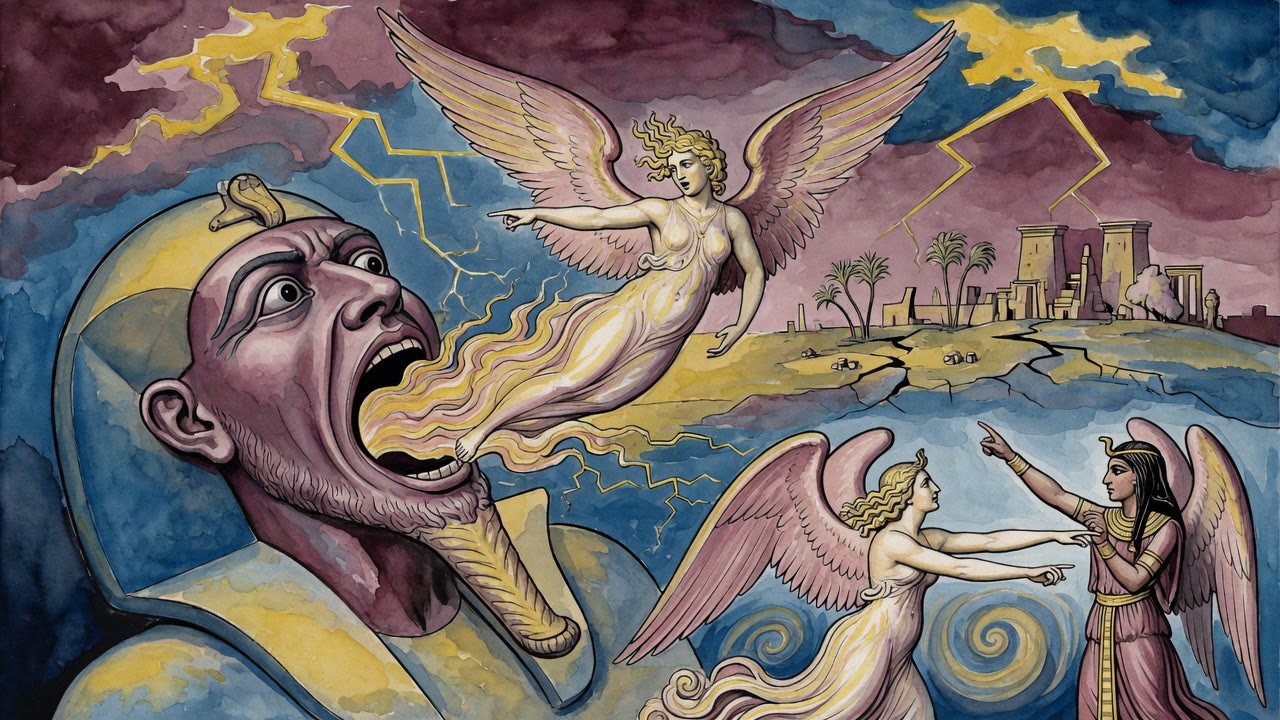
When Hebrew men divorced their wives to spare unborn sons from the Nile, Amram remarried Jochebed in public so despair would not erase Israel.
