Midwives, Brothers, and Children Carried Redemption Forward
Pharaoh's order reached the birth stool first. Shifra and Puah kept their hands off the boys. A child at the sea later pointed and named God.
Table of Contents
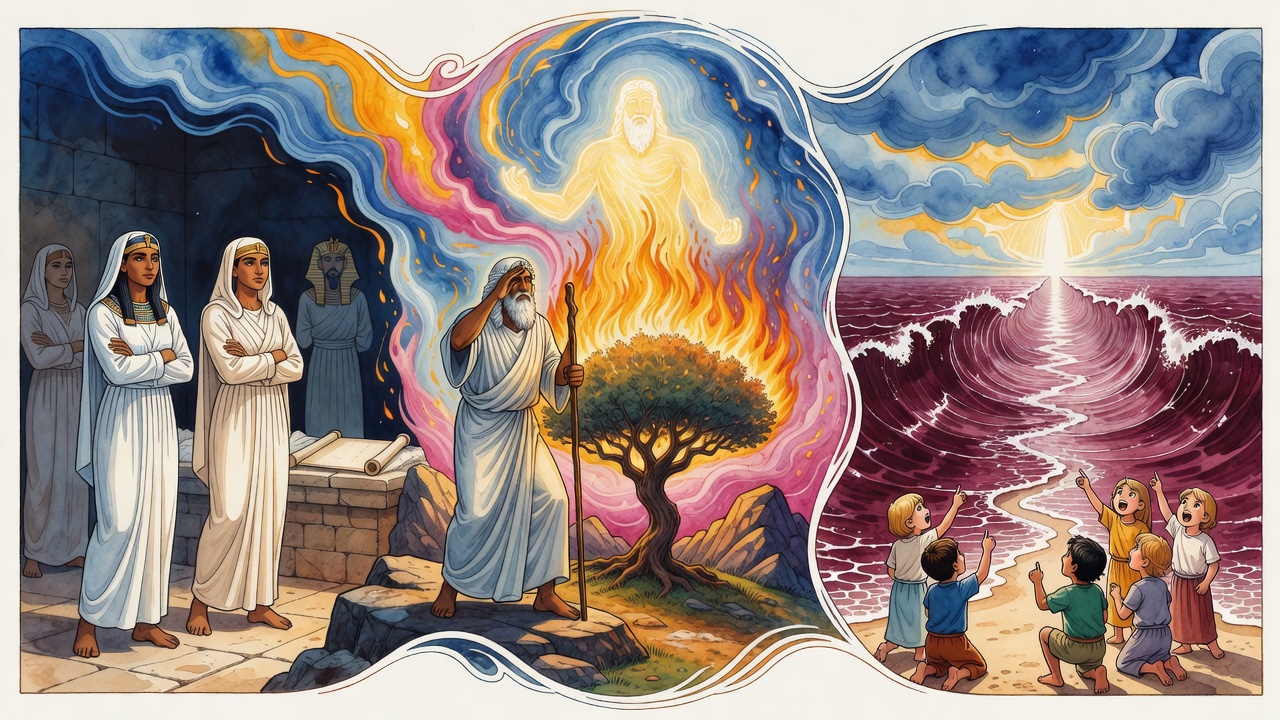
The order reached the birth room before the baby did. When a Hebrew boy was born, kill him. Shifra and Puah stood at the stool and did not obey. They told Pharaoh the Hebrew women were not like Egyptian women. They were vigorous. They gave birth before the midwife arrived. The king of Egypt believed it. The boys lived.
 Click for full size
Two Women at the Stool
No plague had started. No bush had burned. Moses was not yet a name. Two women looked at a royal order in a room where life came in and chose a higher command. Their refusal was quiet. It was also the whole hinge. Without those two pairs of hands, the boy who would stand at the sea is not laid on his mother's chest. Without that boy, the water does not stand in walls. Without the walls, no one stands at Sinai.
Pharaoh went on counting girls and missing sons. The midwives went on catching them. Fear of God sat in the room thicker than fear of the throne.
Seven Days at the Bush
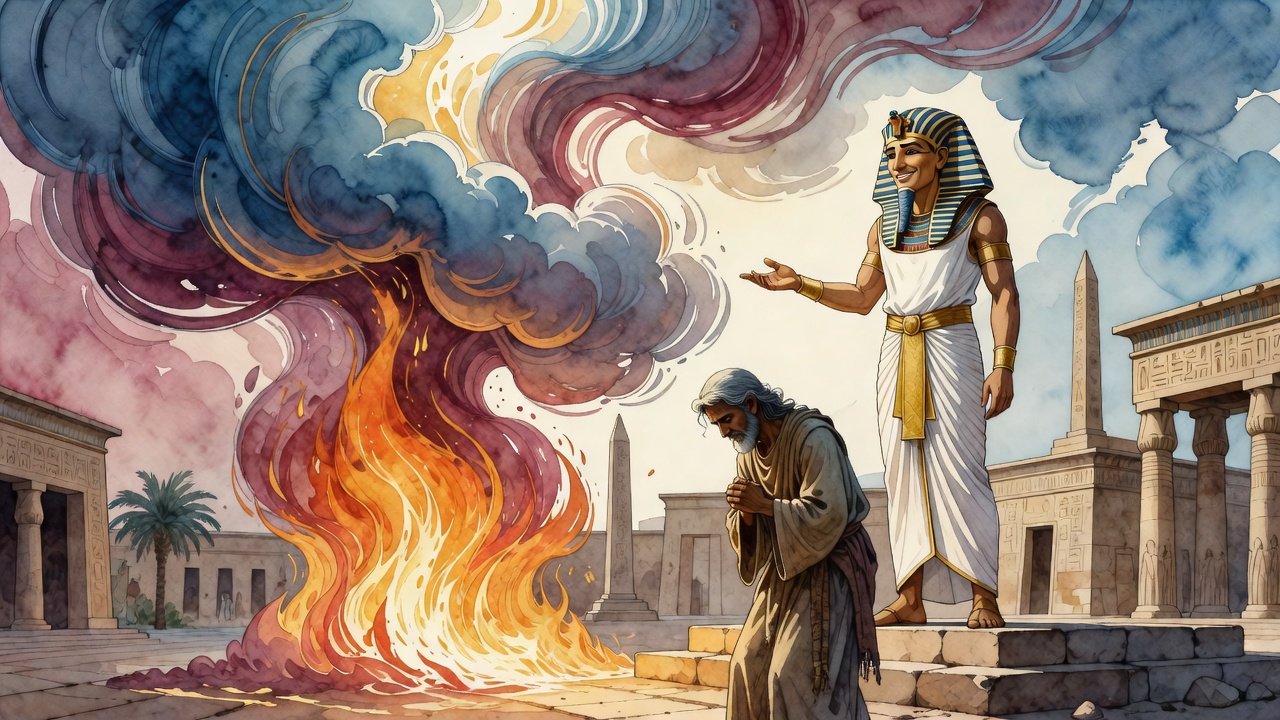
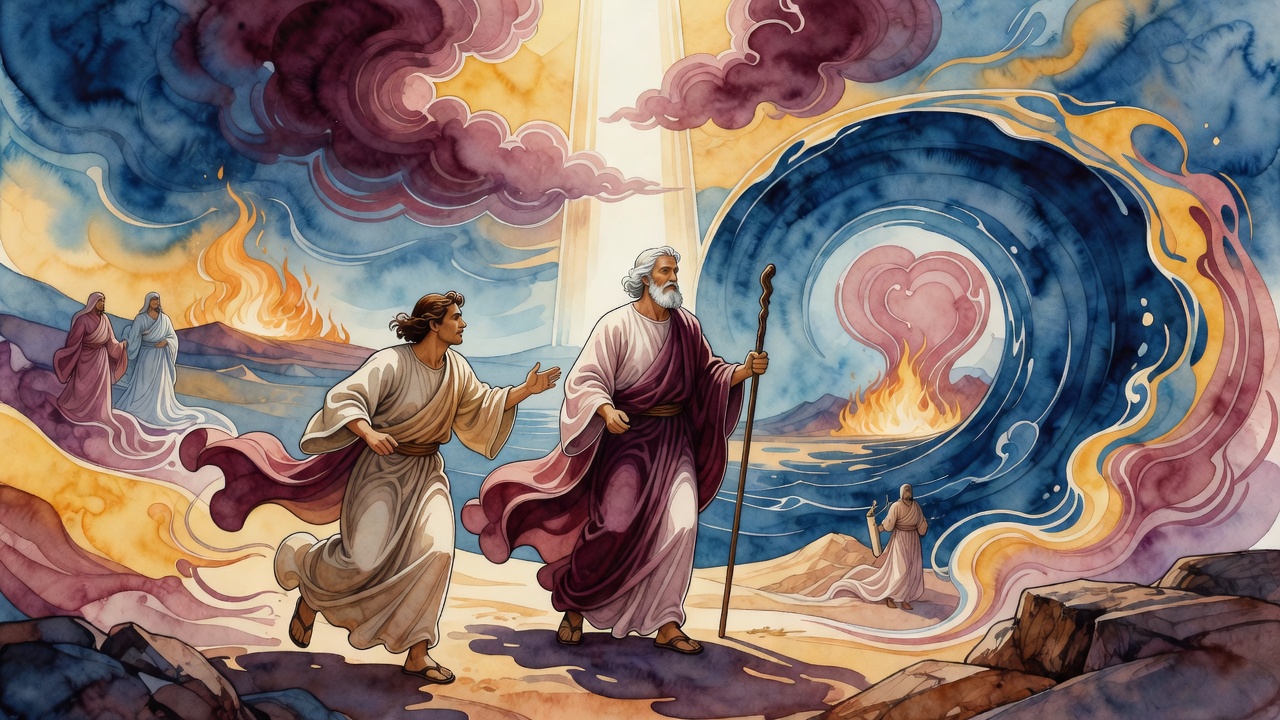
Years later a bush burned and did not burn up. Moses turned aside. God spoke from the fire and told him to go back to Egypt. Moses said, "I am not a man of words." God said He would teach him what to say. Moses said, "Send someone else." God said his brother Aaron was already on the road to meet him.
Seven days at the bush. Moses had lived in Pharaoh's court and in Midian's wilderness. He knew both sides of the gap he was being told to cross, and he did not want to cross it. God did not pick a man who ran toward the job. He picked a man who argued for a week and then went.
The reluctance had weight. A leader who had to be persuaded would carry the people differently than a man who had never said no. Moses left the bush with his mouth still unsure and his feet already pointed toward Egypt.
Aaron Kissed Him in the Wilderness
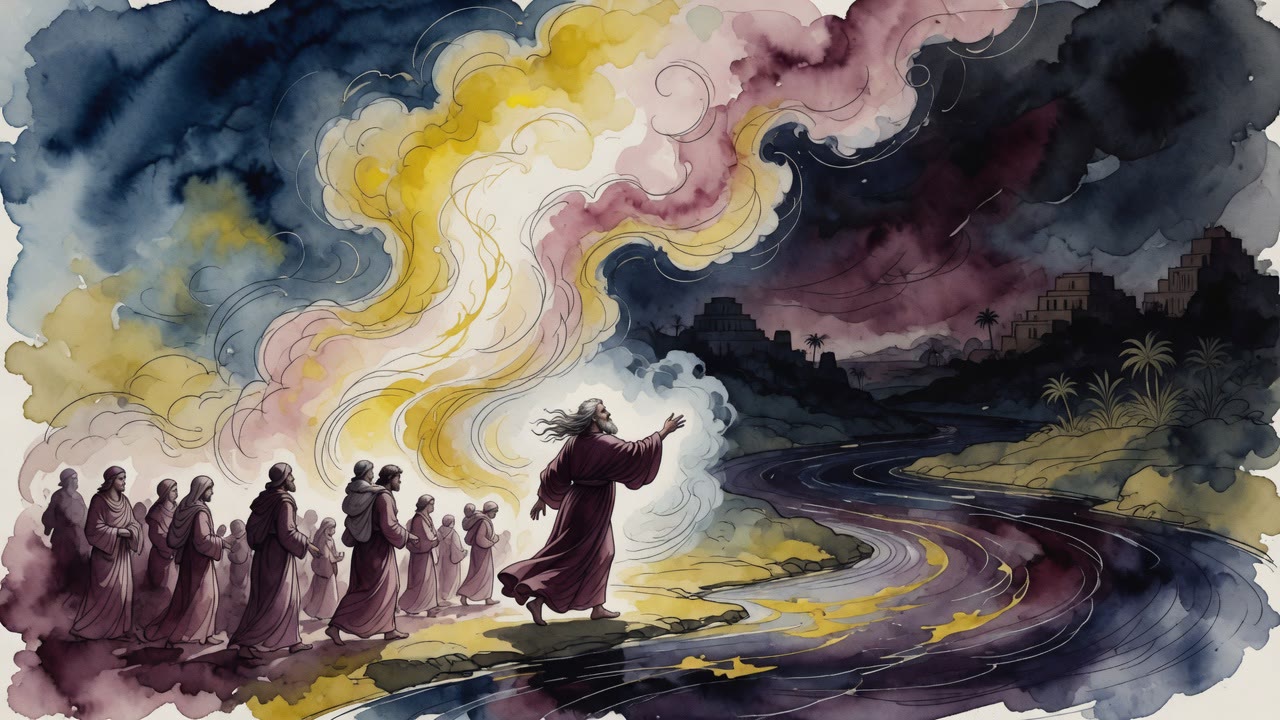
God told Aaron to go meet Moses in the desert. Aaron walked out without a map that any other man could read. He found him. The two brothers had not seen each other for forty years. One had been raised in a palace. One had stayed in Goshen among the slaves. They met on open sand and Aaron kissed him.
The kiss came before any word to Pharaoh. Moses had left. Aaron had stayed. The mission needed both, and their situations should have made that hard. The kiss closed the gap the years had cut. Brotherhood first. Then the road to the throne room.
They walked toward Egypt with a Name in Moses' mouth that even the fathers had not been given to use.
A Name the Fathers Never Heard
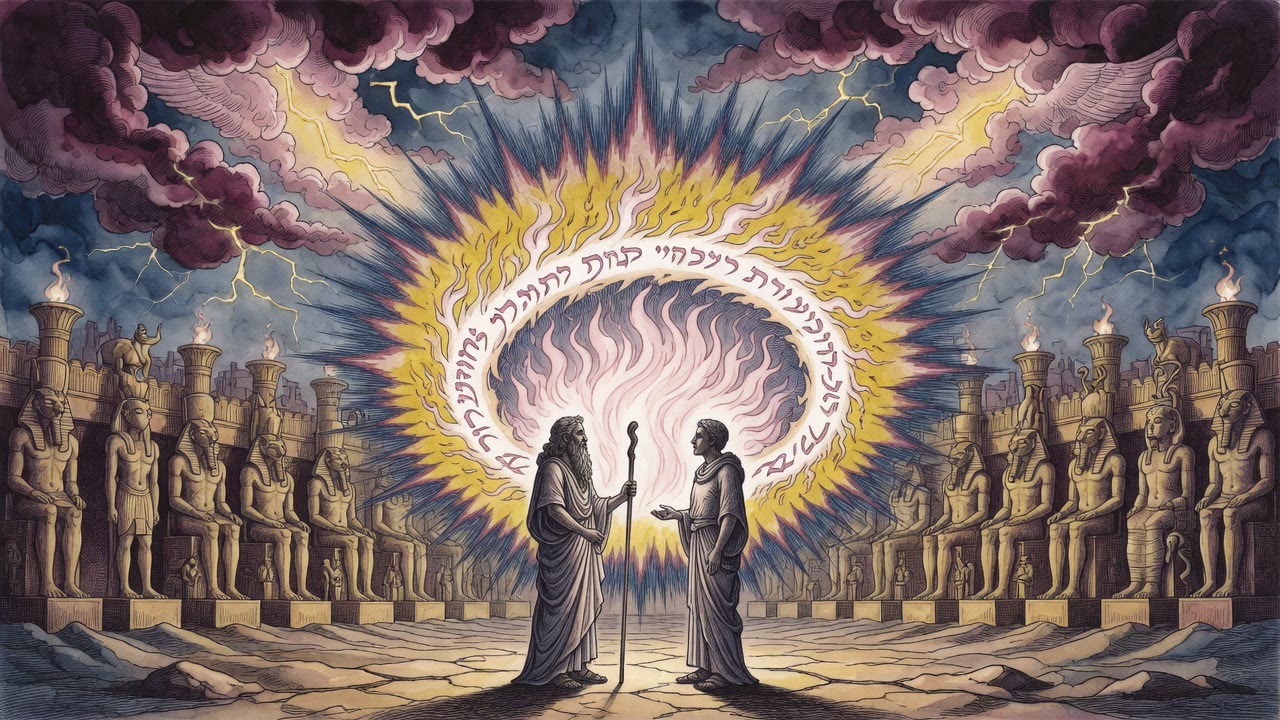
God told Moses the Name: "Ehyeh asher Ehyeh, I will be what I will be." Tell the people, "Ehyeh has sent me to you." Then God gave the four-letter Name by which He would be known in Israel. Then He said the startling thing. "I appeared to Abraham, Isaac, and Jacob as El Shaddai, but by My name the Eternal I was not known to them."
The patriarchs had lived their whole lives in covenant and had not heard this Name. The God of the fathers was a God of promise, of futures that arrived after the man who received them was in the ground. The God about to move in Egypt was closer. Water would turn. A sea would open. I-will-be would show itself in events, not only in oaths.
Moses took that Name toward a king who thought he was a god. Aaron walked beside him. The boys the midwives had saved were old enough now to have children of their own.
The Children Pointed First
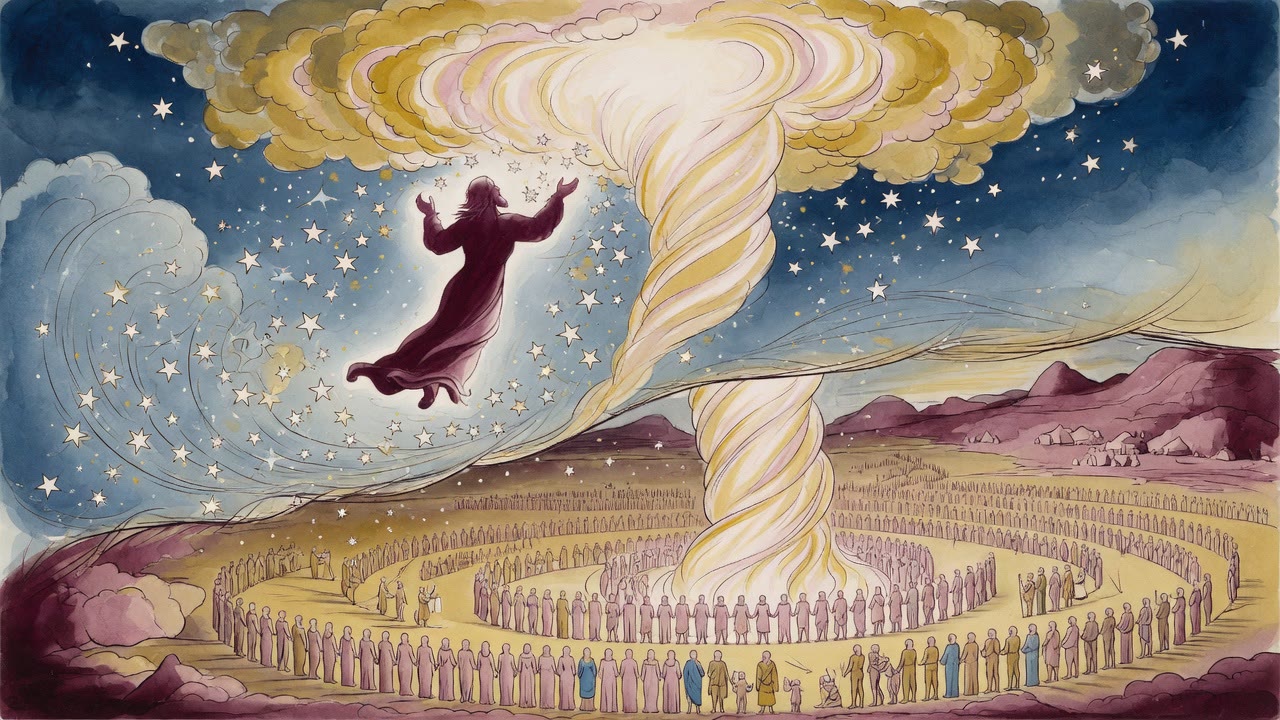
The sea split. Walls of water stood. Israel walked through on dry ground. The Egyptian army came in behind them and the water returned. In that hour the children recognized God before the adults did. A child pointed and said, "This is my God, and I will glorify Him."
The elders had language to find. The theologians had not yet organized the experience. A child looked at the wall of water and named it. The Song of the Sea rose from every throat after that, but the first recognition belonged to the small ones. They had been born into slavery and had not yet learned the adult habit of caution. They could still see.
Shifra and Puah had kept their hands off those children's grandfathers. Aaron had kissed a reluctant brother on the sand. Moses had carried a Name the patriarchs never heard. At the sea a child pointed, and the Name had a finger aimed at it. Redemption had been carried that far on ordinary bodies: midwives, brothers, and children, one refusal at a time.
← All myths