God Entered Egypt So Moses Would Not Be Shamed
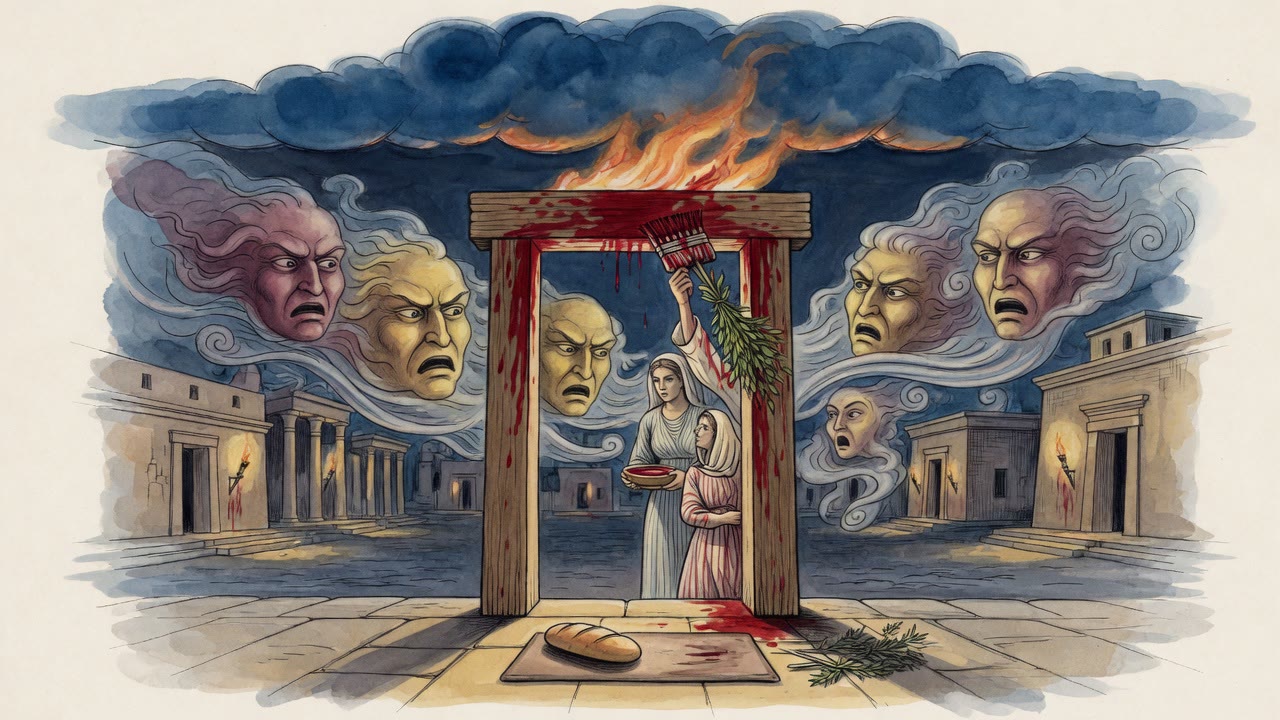
Pharaoh mocks the messenger God sent him. Shemot Rabbah says that insult forced God to enter Egypt personally rather than let His emissary be disgraced.
Table of Contents
 Click for full size
The Sharecropper Who Mocked the Messenger
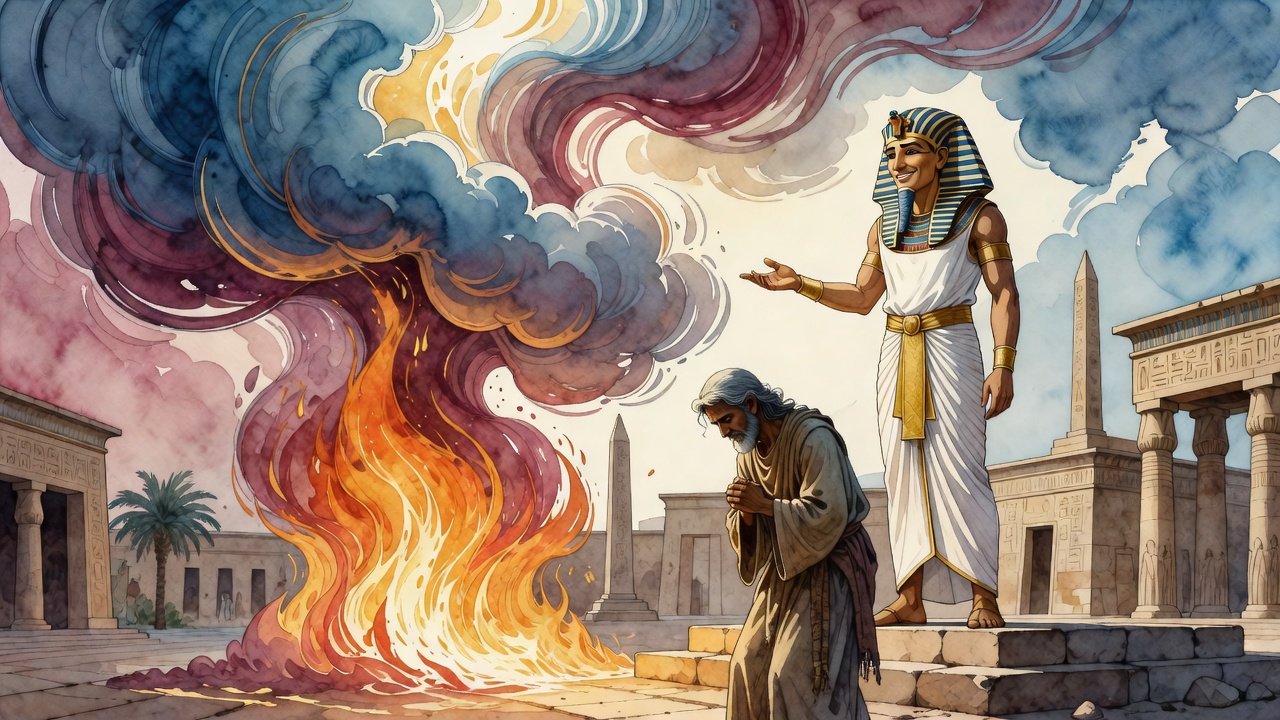
Pharaoh thought he was humiliating Moses. He did not realize he was forcing God to enter Egypt Himself.
Shemot Rabbah tells it through a parable. A priest owned an orchard, but the orchard was ritually dangerous. A grave lay there. Impurity waited under the branches. So the priest sent someone else to collect fruit. The sharecropper mocked the messenger instead of honoring the owner's representative.
Then the priest made a decision that sounds reckless. He would enter the orchard himself, through every layer of impurity, rather than let his messenger be disgraced. That is the image Shemot Rabbah uses for the Exodus. Egypt was the unclean orchard. Moses was the messenger. Pharaoh was the sharecropper who thought the servant could be shamed without the master answering. The master answered by entering Egypt in person.
Abraham's Covenant Was the Reason for Descent
God had promised Abraham that after four hundred years his descendants would come out from the place of their enslavement. That promise was old by the time Moses arrived at the palace. But Shemot Rabbah reads the descent into Egypt not only as fulfillment of a schedule. It was also a defense of dignity.
Moses came as an emissary carrying a specific message: let my people go. Pharaoh shrugged at the divine name, I do not know this God, and sent Israel back to harder labor. That response was not merely political refusal. It was a public statement that the God who sent Moses was not worth acknowledging. Heaven heard more than diplomatic rejection. Heaven heard an emissary being dismissed in front of a court.
When the one who sent the emissary enters the scene personally, the terms change. The plagues are not only pressure on Pharaoh. They are God appearing in Egypt in a way that cannot be dismissed, announced, and unmistakable.
Egypt Learned the Name at the Giving of Torah
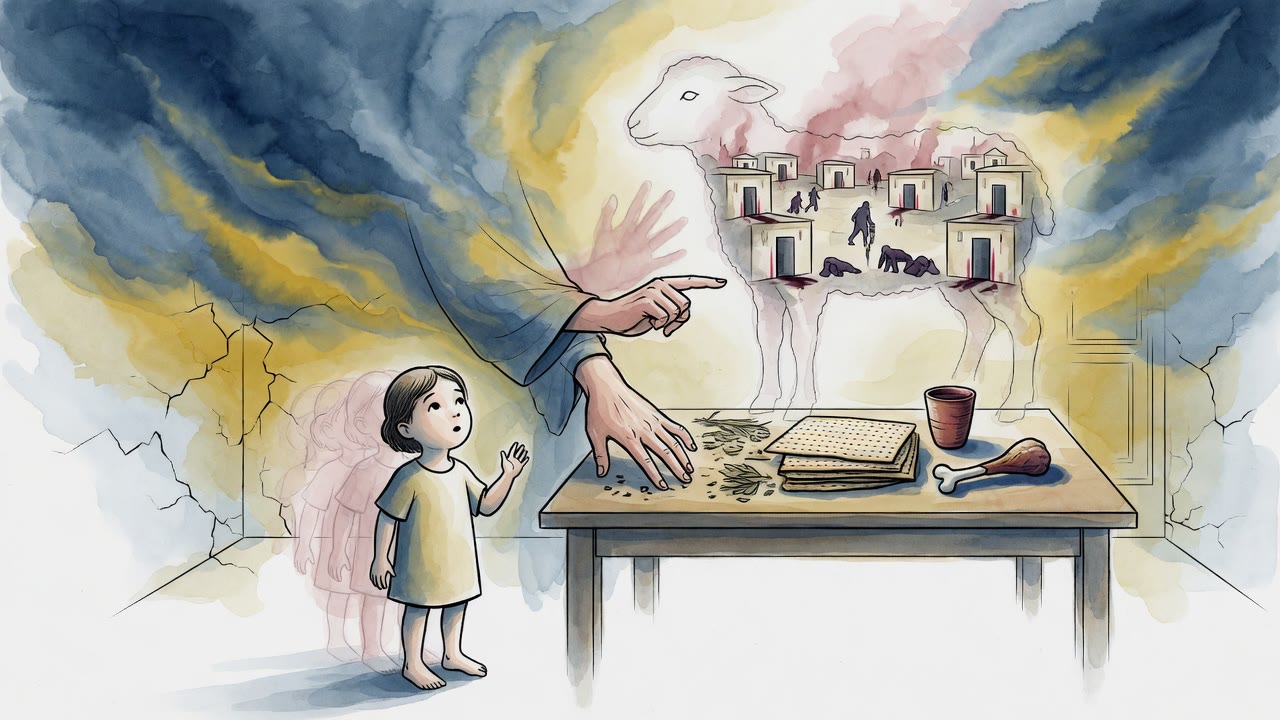
The descent into Egypt set up more than liberation. Shemot Rabbah reads the Exodus as preparation for Sinai. Israel could not receive Torah without first being freed. A people living under Pharaoh's total authority could not stand at a mountain and accept the authority of a different law. The sequence is not accidental: God enters Egypt, defeats Pharaoh, leads Israel out, and only then brings them to the mountain.
Egypt itself becomes part of the Torah's introduction. The first of the Ten Commandments does not say I am God who created heaven and earth. It says I am the Lord your God who brought you out of Egypt, out of the house of bondage. The name by which God is introduced at Sinai is the name Israel learned at the Red Sea. The liberation story is the credential that earns the right to give the law.
Three Days Without Water
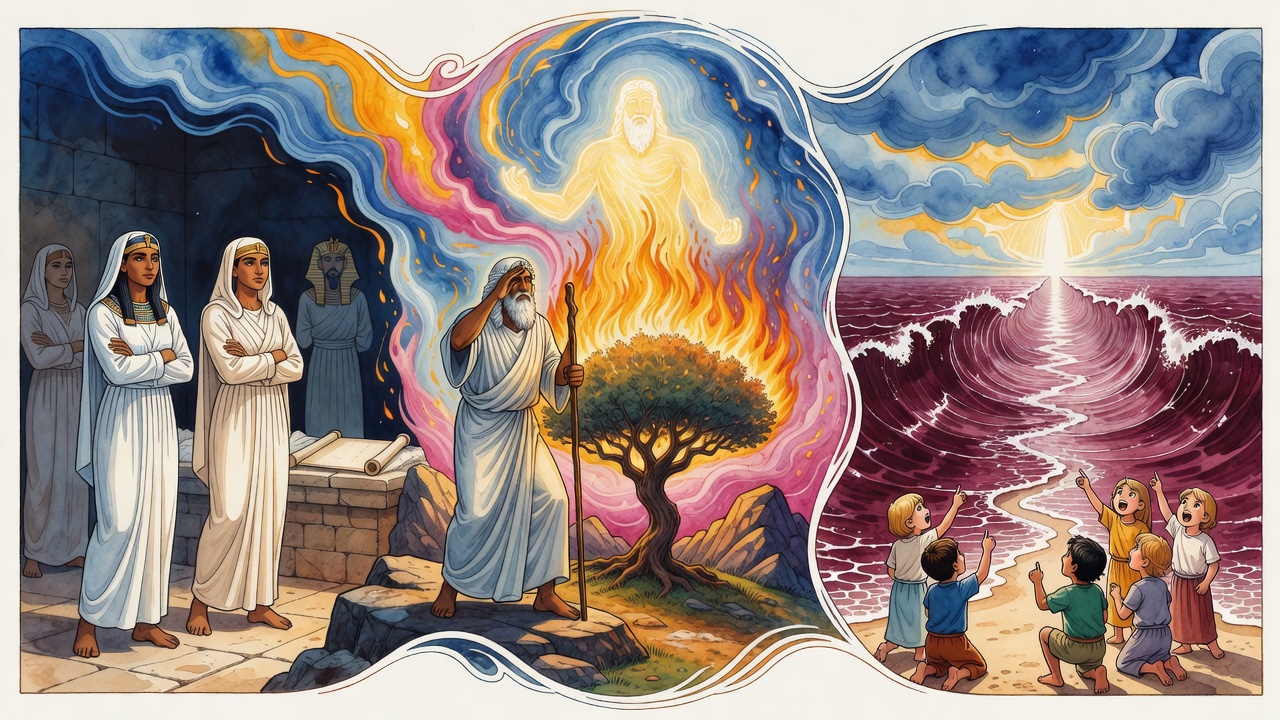
Israel crossed the sea and came into the wilderness of Shur and walked for three days without finding water. Three days without water in a desert is not a delay. It is a crisis. They came to Marah, where there was water, and could not drink it because it was bitter. The people complained to Moses. Moses cried out to God. God showed him a tree. Moses threw it into the water and the water became sweet.
Shemot Rabbah reads the three-day drought as a test of the same faith that had just been demonstrated at the sea. The people who had watched the Egyptian chariots sink under the waves were now standing in front of undrinkable water three days later, unable to sustain the certainty they had felt on the other side. The test comes not on the hard days but immediately after the miracle, when the miracle is already behind them and the body is thirsty and the next provision is not yet visible.
God Sends an Angel After Betrayal
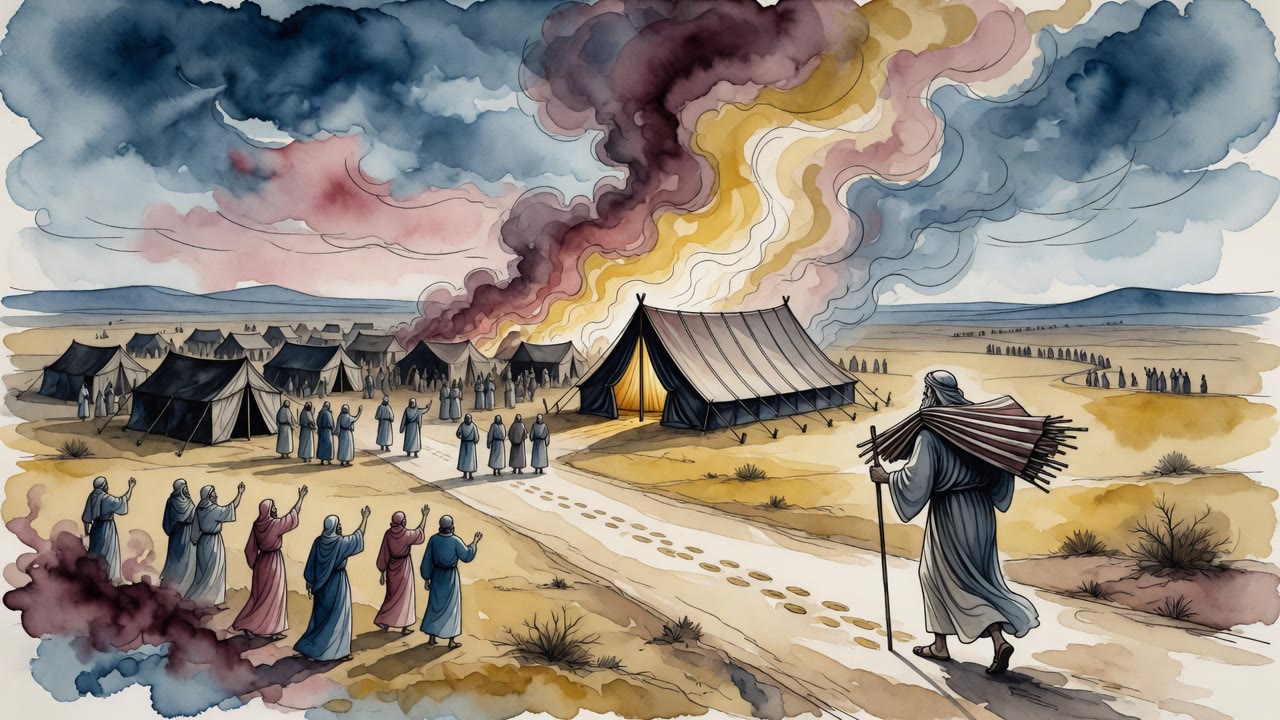
When Israel built the Golden Calf and God's anger burned against them, the covenant came to a crisis. God told Moses: go up to the land I promised you. I will send an angel before you. But I will not go in your midst because you are a stiff-necked people and I might consume you on the way.
The angel is not a consolation prize. In the structure of the covenant, direct divine presence has always been the sign of closeness. An angel in place of that presence is a withdrawal. Shemot Rabbah hears in that offer the distance created by betrayal. The God who entered Egypt personally because Moses should not be shamed now proposes to send a representative because Israel has done what Pharaoh refused to do: they have turned from the one who brought them out.
Moses refuses to accept the angel. He presses for the presence itself. The negotiation that follows is Moses's greatest act of intercession, and it results in God's face going with Israel after all. But the offer of the angel is the shadow in the story, the moment where the personal entry into Egypt and the withdrawal after the calf are placed in sequence, and the story holds both at once.
← All myths