485 myths · Page 2 of 17
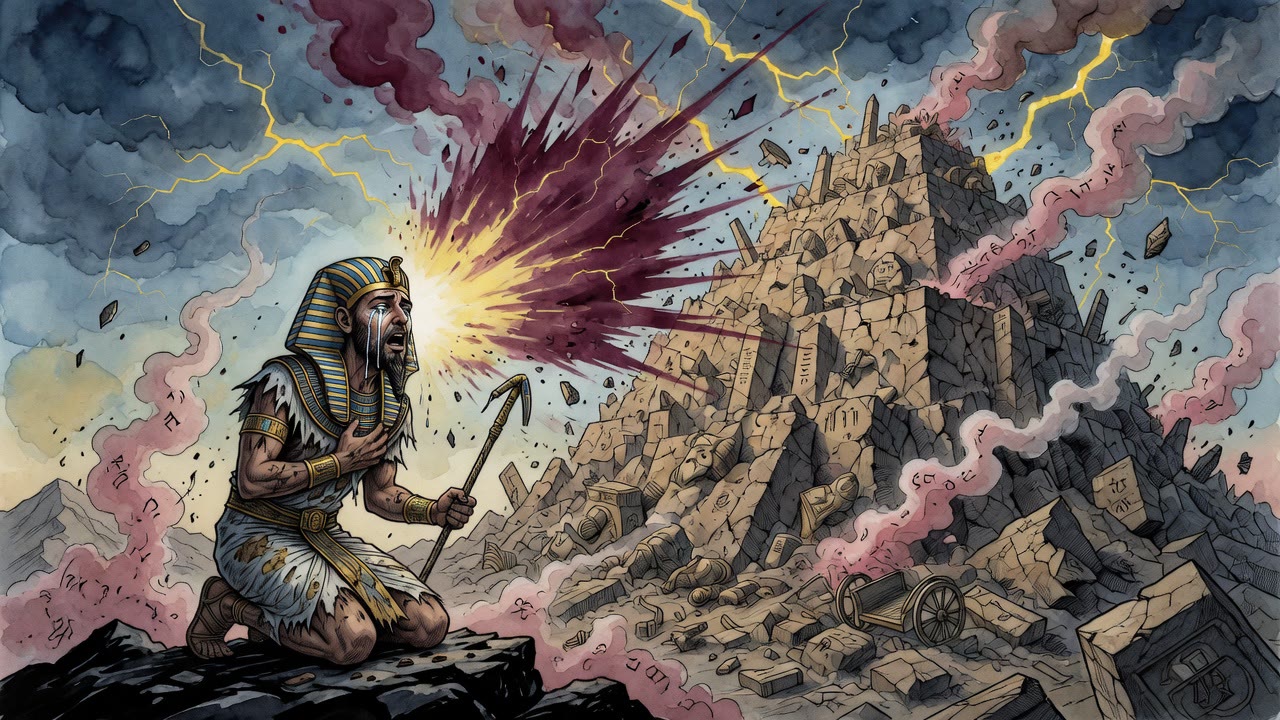
Lions paced the dunes so no fugitive could get through. Pharaoh called Israel nevuchim, lost. The word also names Nevo, the mountain where Moses would die.
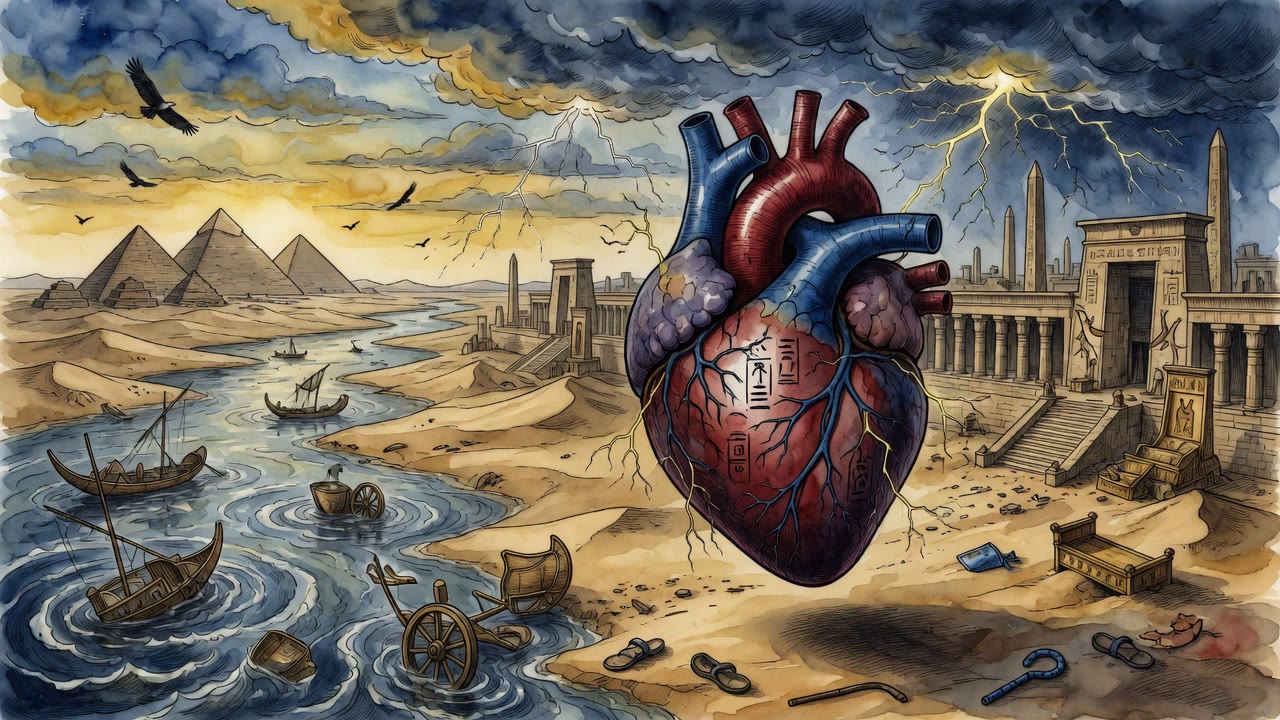
Pharaoh's heart reversed when Israel walked out, and the empty brick pits and silent treasuries told him Egypt had reversed with it.
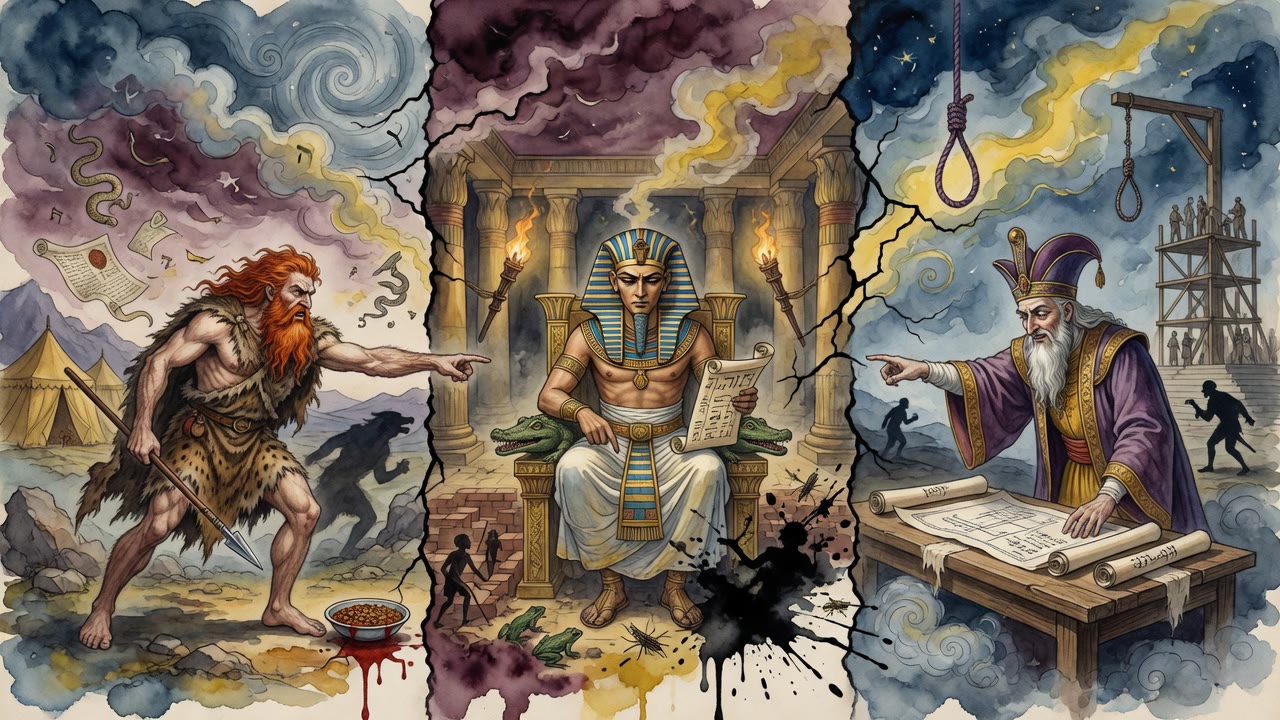
Esau waits for his father to die. Pharaoh counts a swarming people. Haman seals a letter to kill every Jew in one day. Each plot is smarter. Each fails.
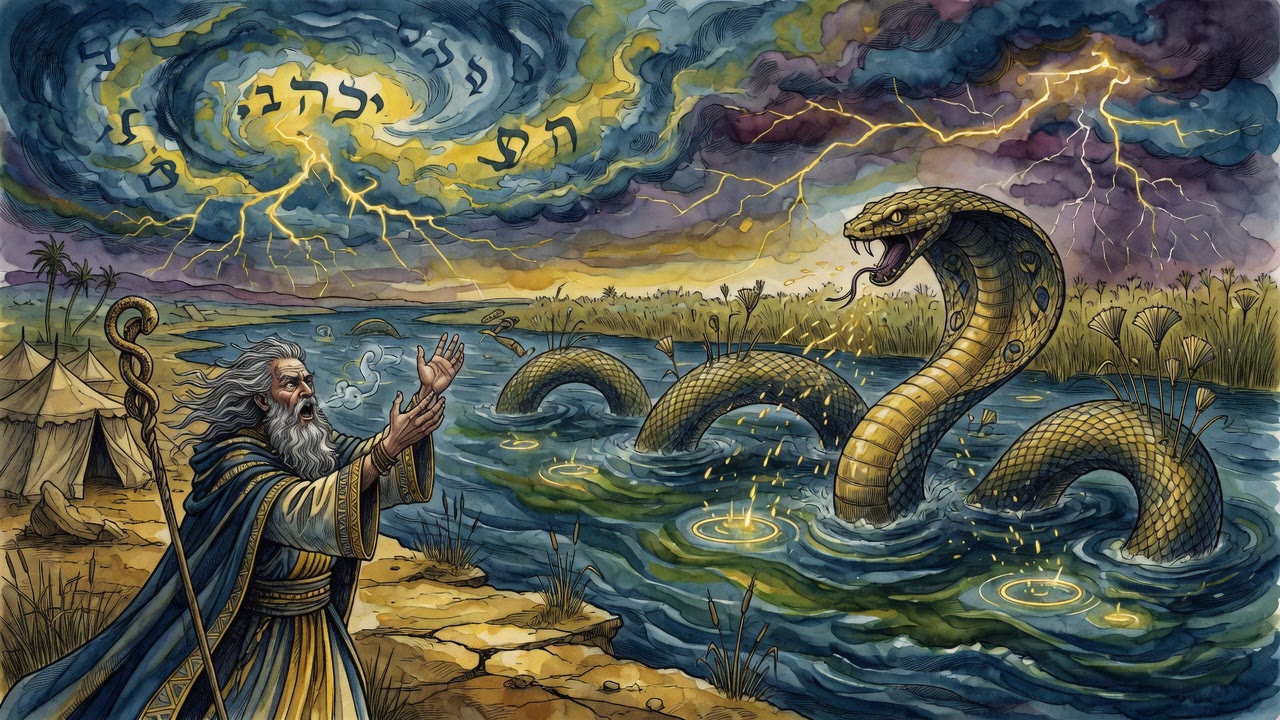
Six hundred thousand saw the sea split, yet the first blessing came from Jethro, an outsider, naming a serpent coiled in the Nile.
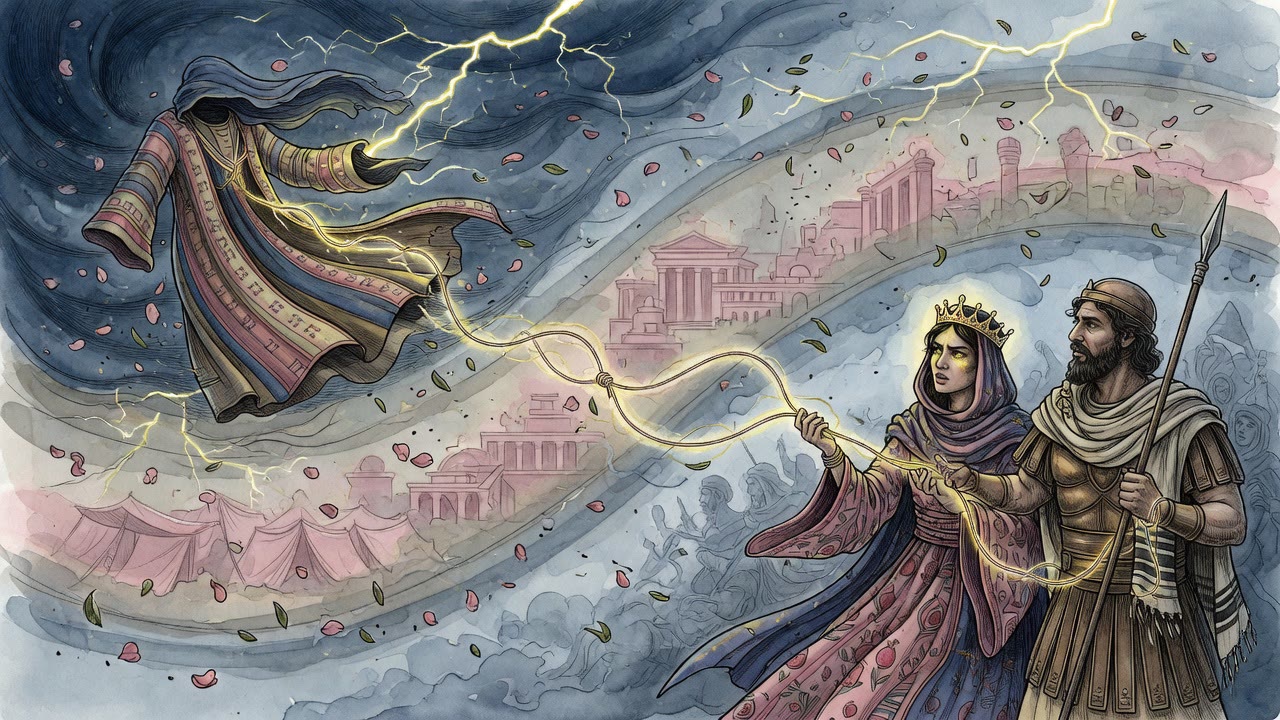
Twenty pieces of silver split ten ways is two pieces a man. The brothers spent theirs on shoes and sat down to eat while Joseph was still in earshot.
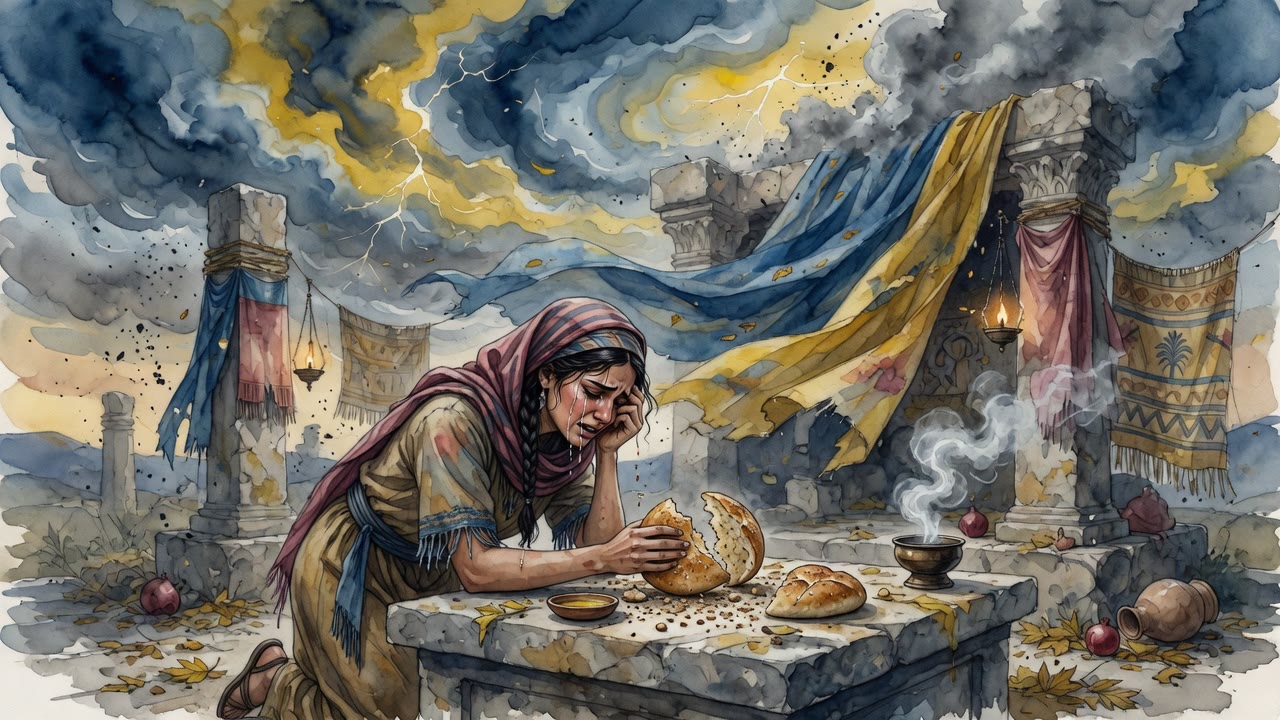
At Shiloh, Hannah pushed her portion away and wept before the altar. Her tears were her bread, and her grief became the meal that fed her.
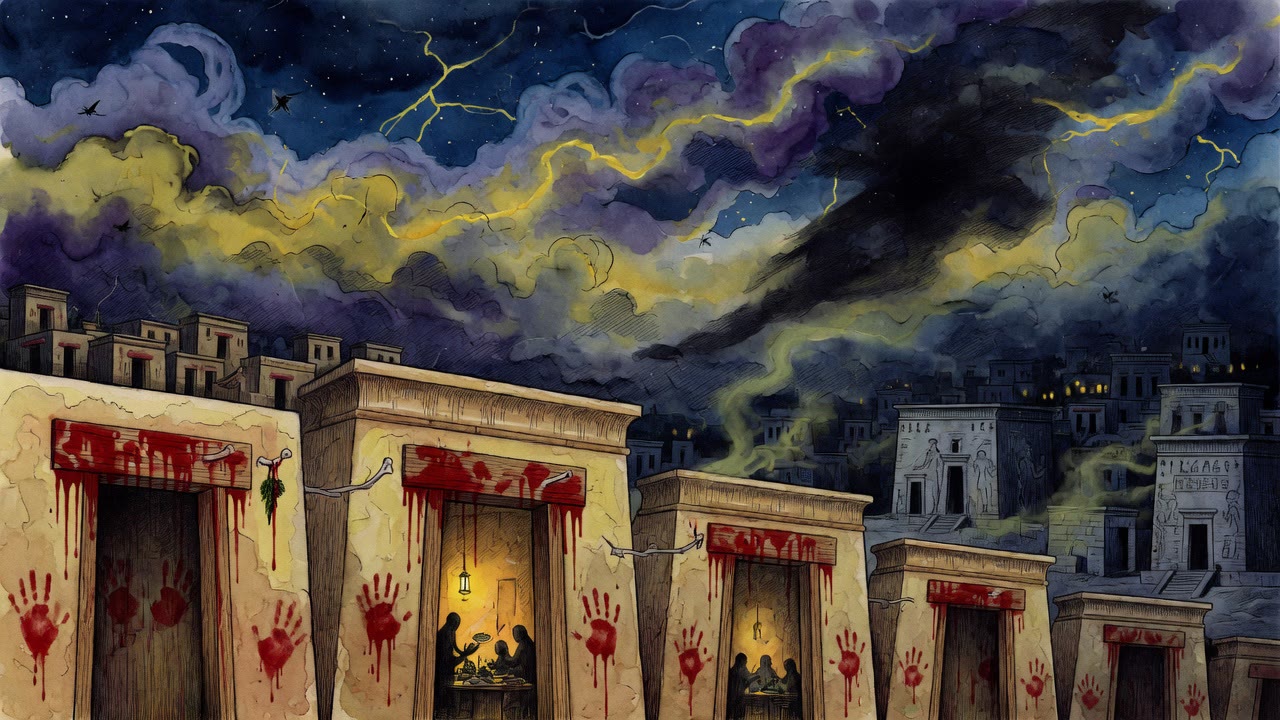
Israel watched another nation's lamps burn and told God it was jealous. God answered with one memory: a knife, shaking hands, blood on the doorposts.
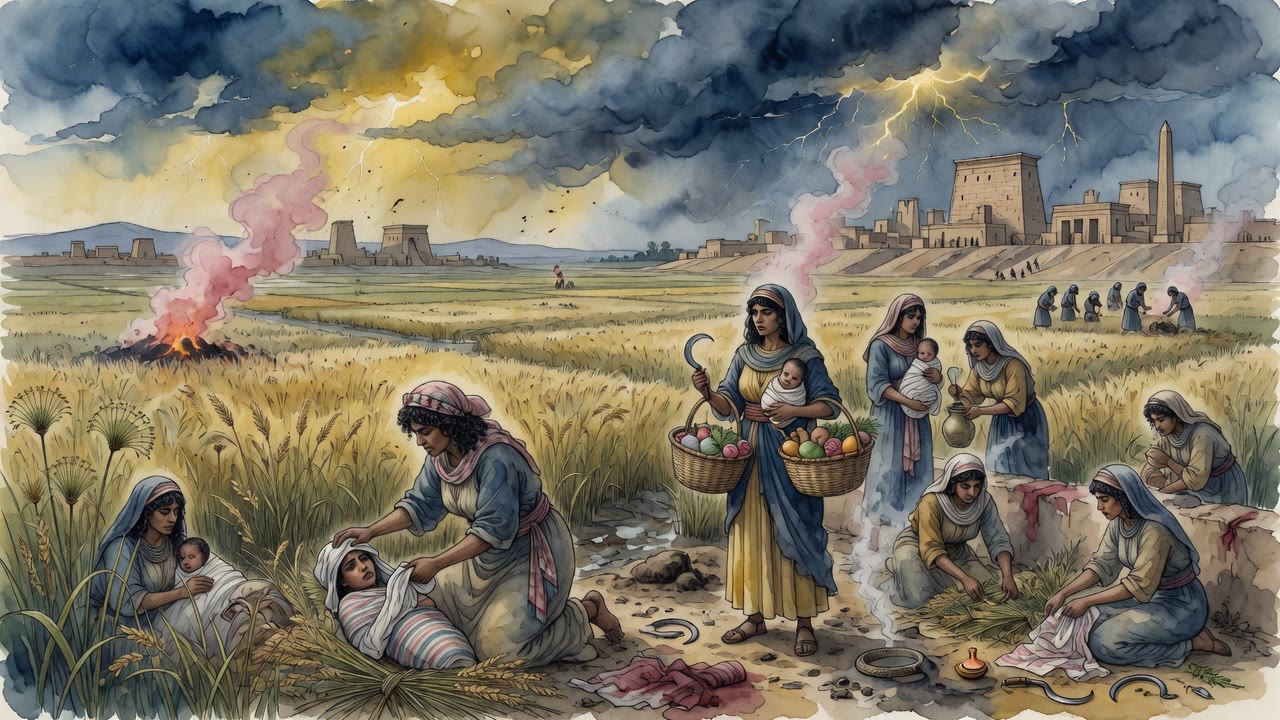
The men came home from the mud too tired to hope. Their wives carried two pots into Pharaoh's fields and put husbands back into Israel.
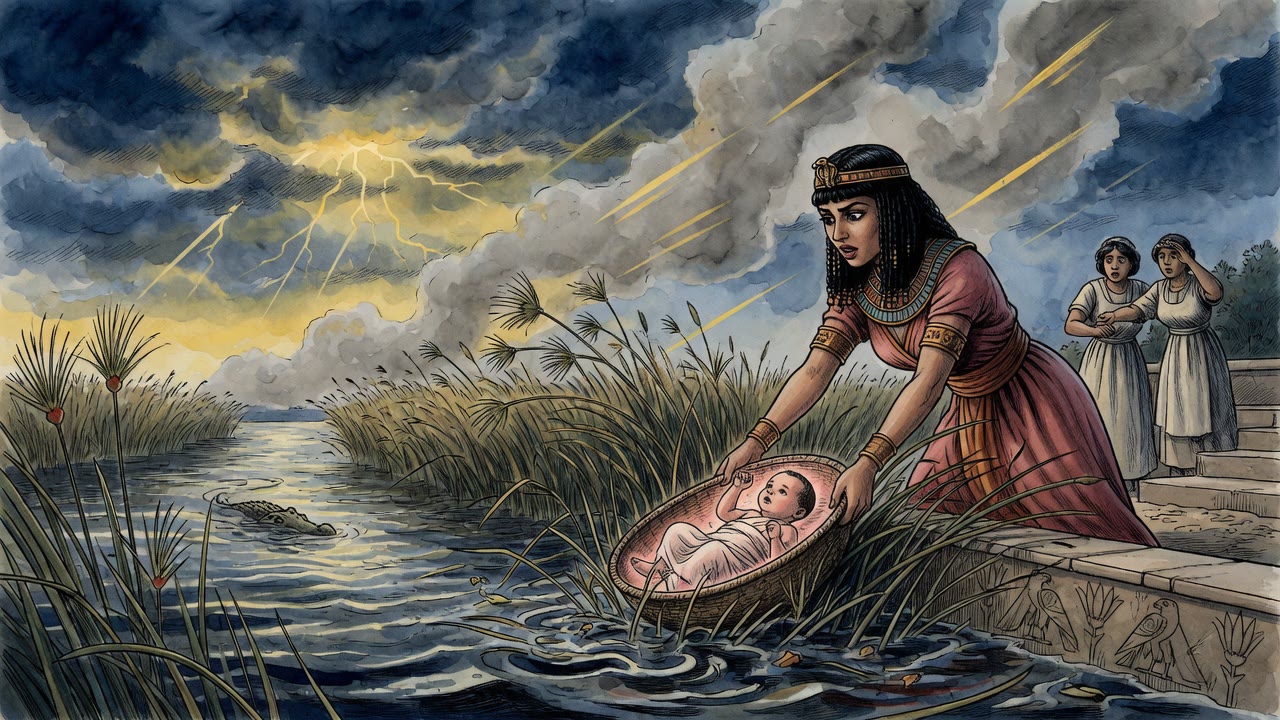
Pharaoh's daughter came to the Nile that morning to wash away her father's idolatry. She walked away with a Hebrew infant and a new name from God.
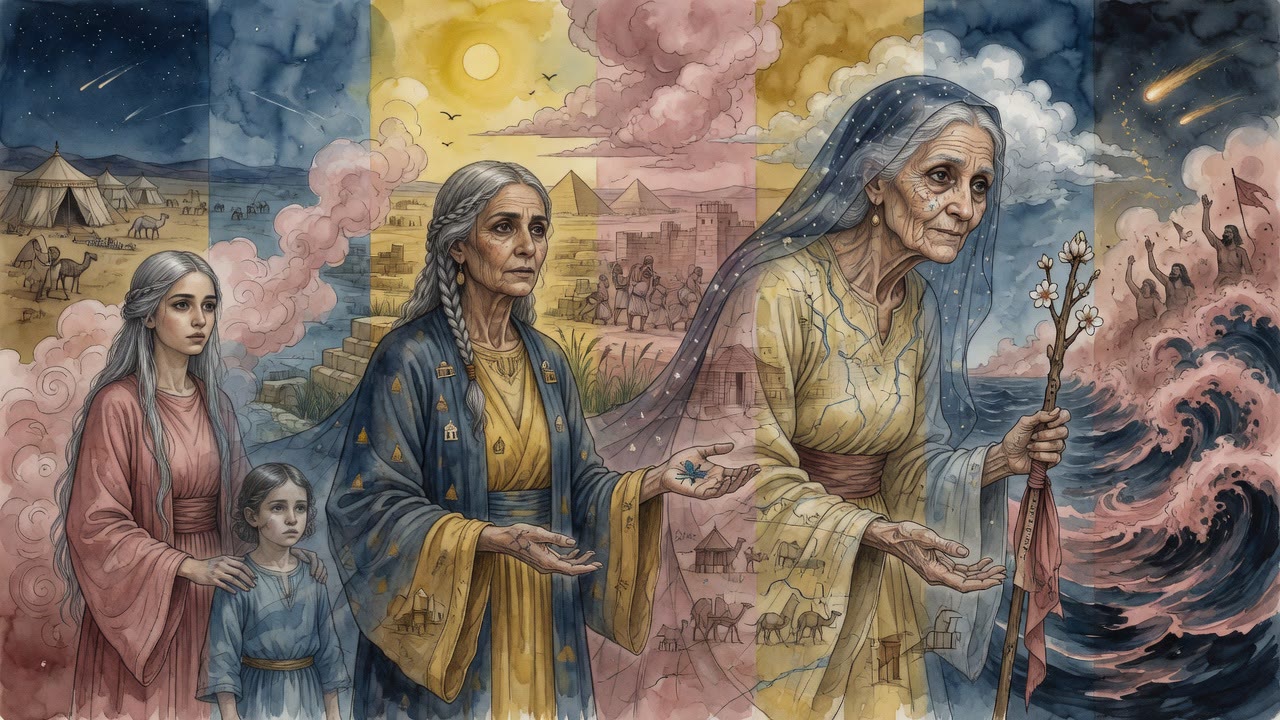
She appears in Genesis, then again in Numbers a generation later. The rabbis asked the obvious question and found an answer hidden inside a harp song.
Benjamin was trapped, Joseph was hidden, and Judah stepped forward. The brothers had to answer for the sale they buried.
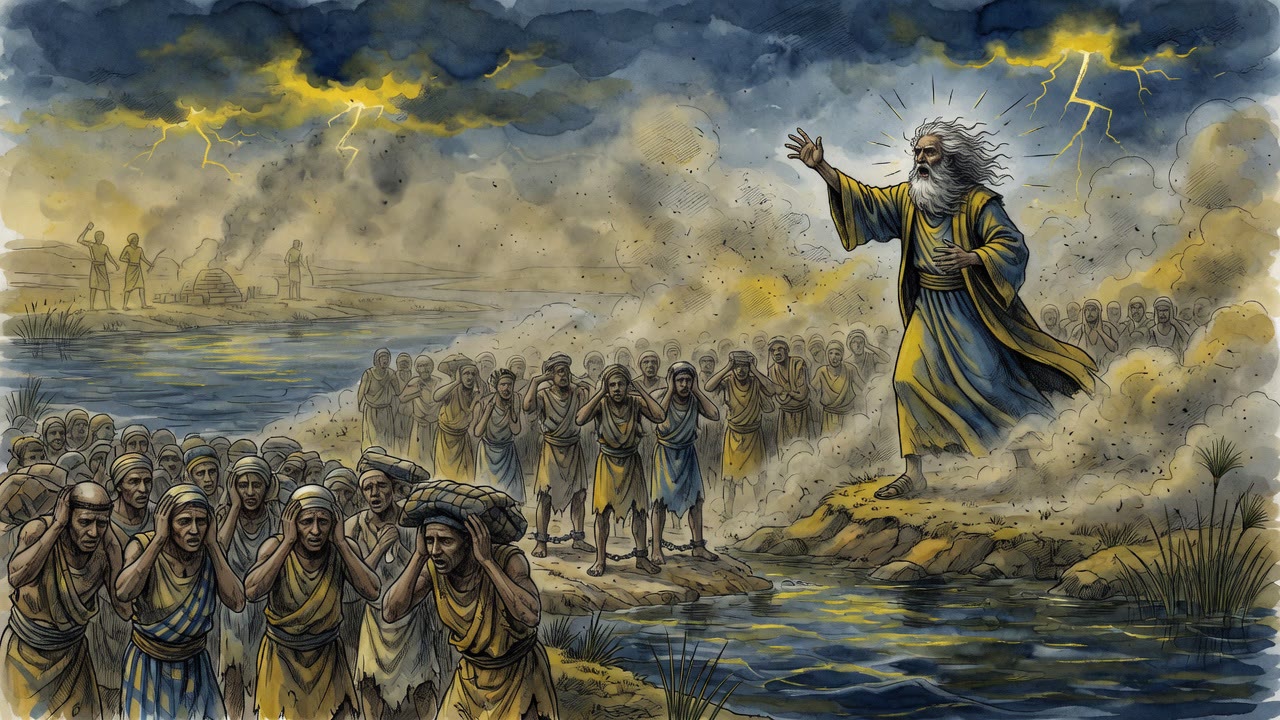
Moses brings God's promise of freedom to the Israelites, but the broken people cannot lift their ears from the mud.
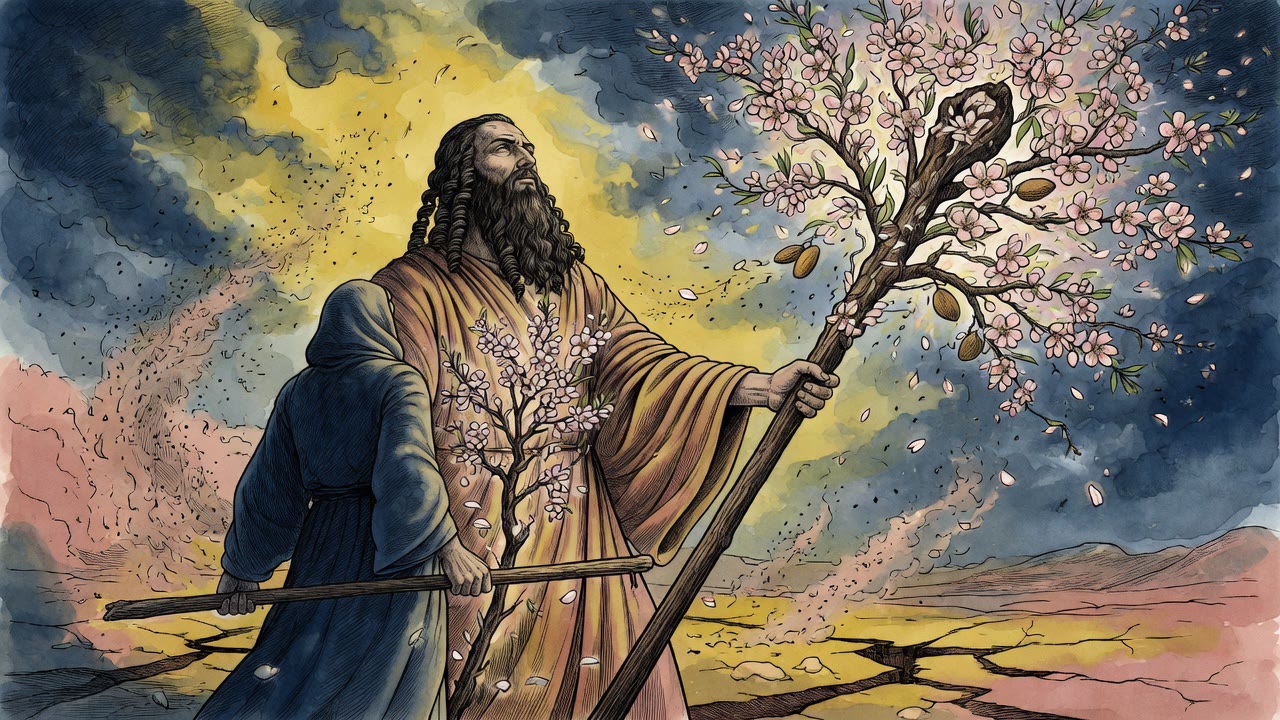
The Nile had carried him in a basket when Egypt was killing Hebrew boys. When blood was due, Moses would not raise his hand against that water.
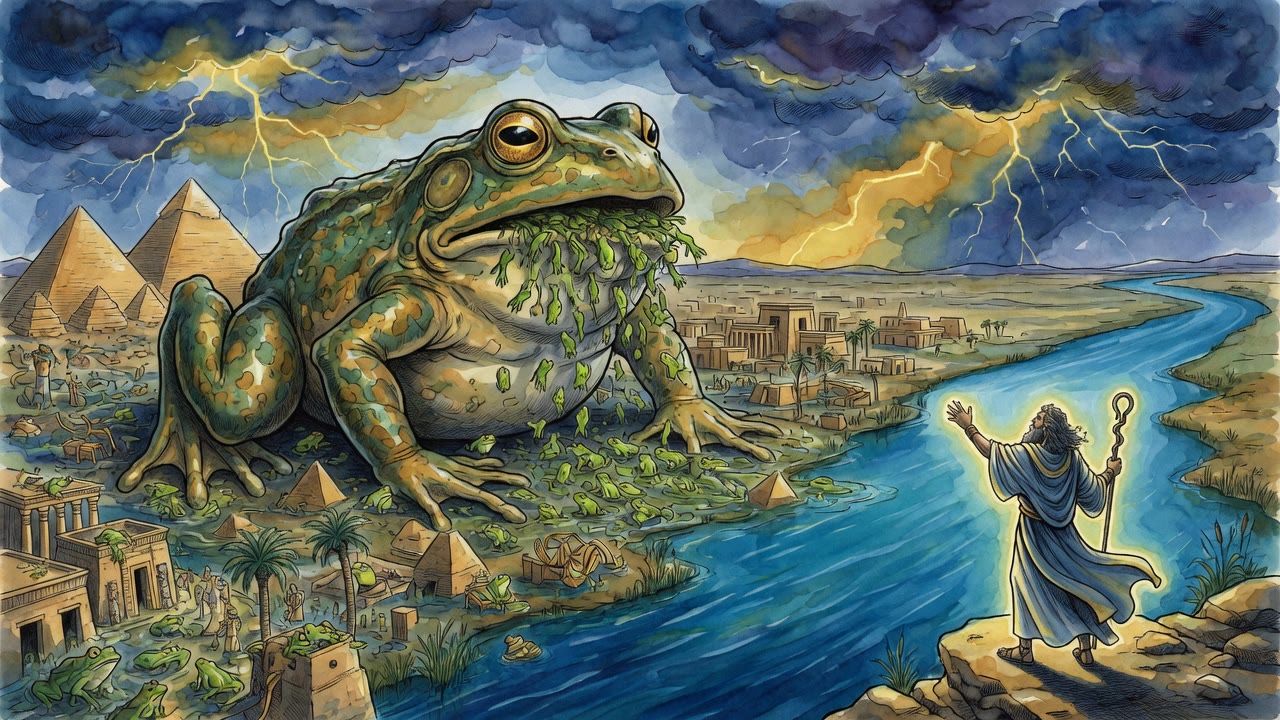
Rabbi Akiva imagined one frog multiplying through Egypt, while Moses stood back because the Nile had once saved his life.
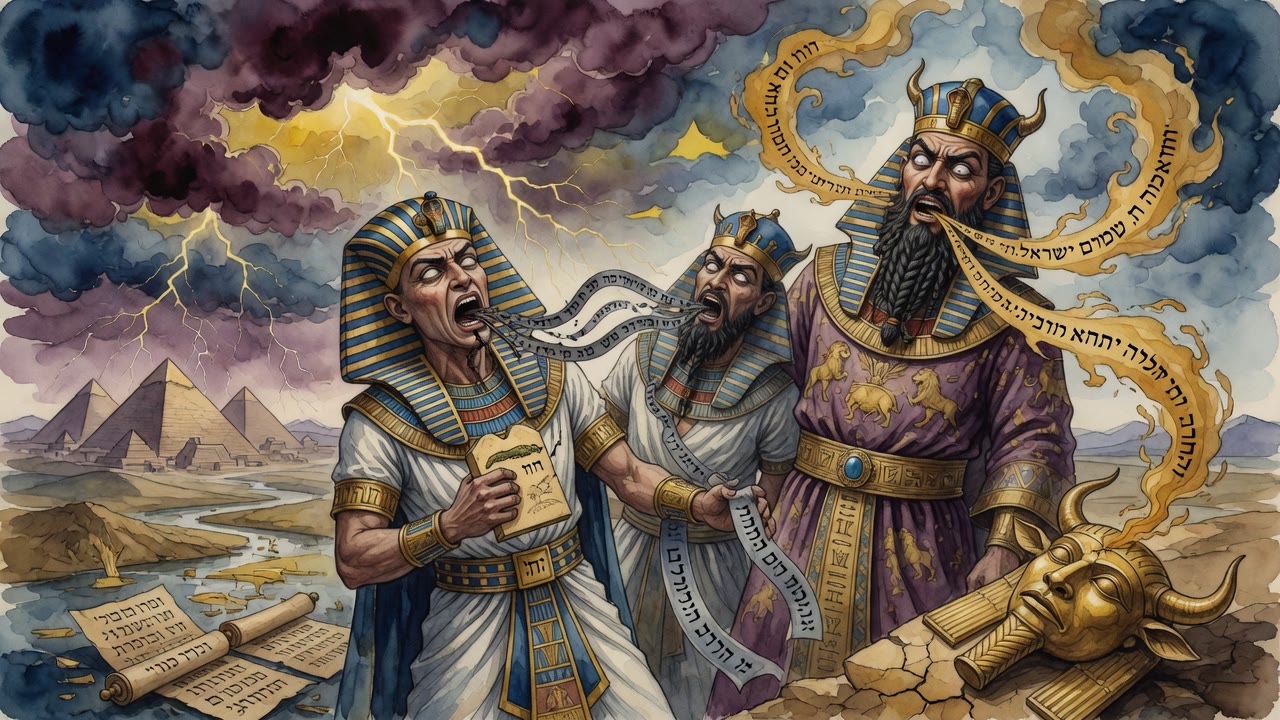
Four figures walked in the furnace. The king named the fourth a son of gods, and an angel flogged him until the words came out right.
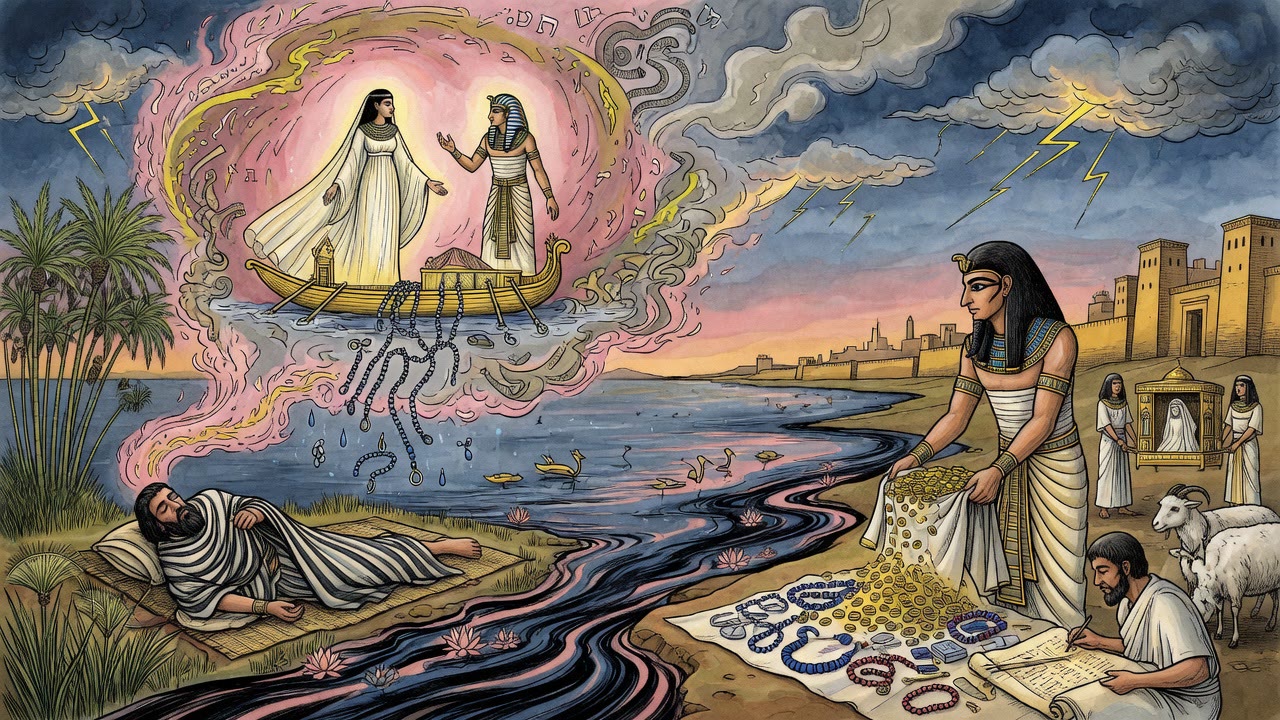
Hebron had no bread left in the famine. At a branch of the Nile, a palm spoke in Abraham's sleep and bargained for the cedar beside it.
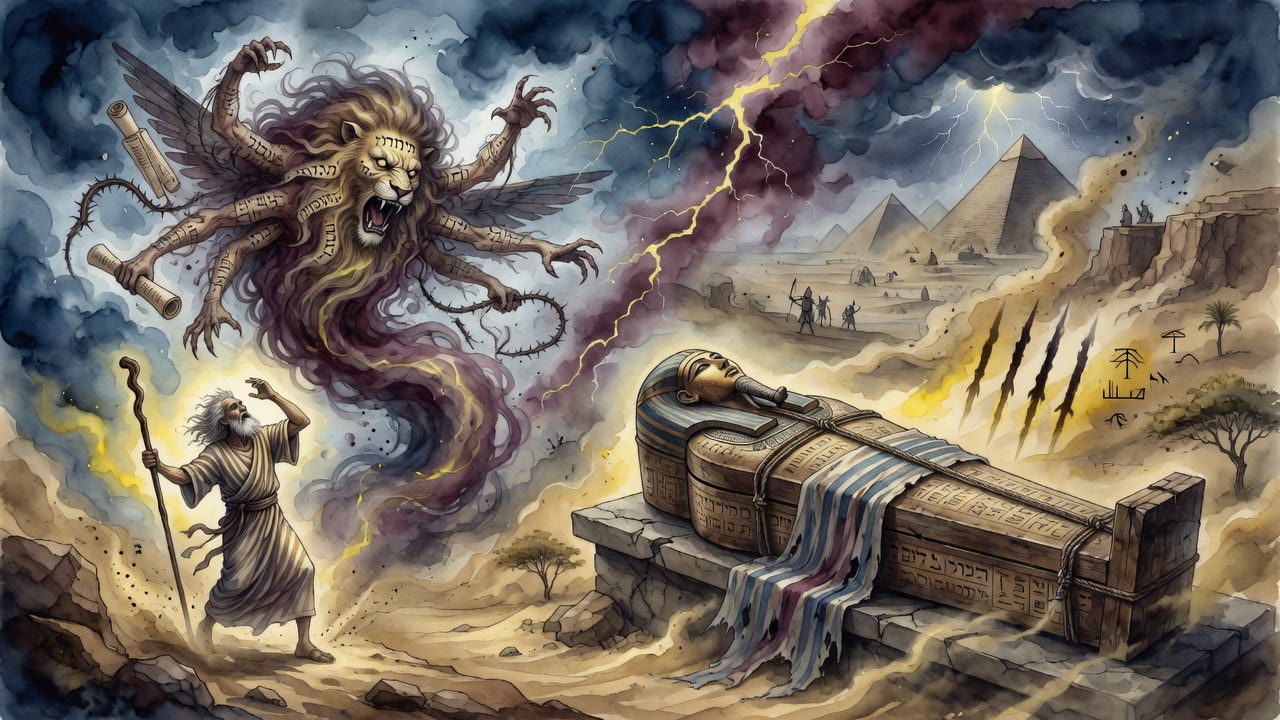
Zipporah already had the flint. Moses could not name what held his throat. Blood hit his feet, and the lodging place went still around the child.
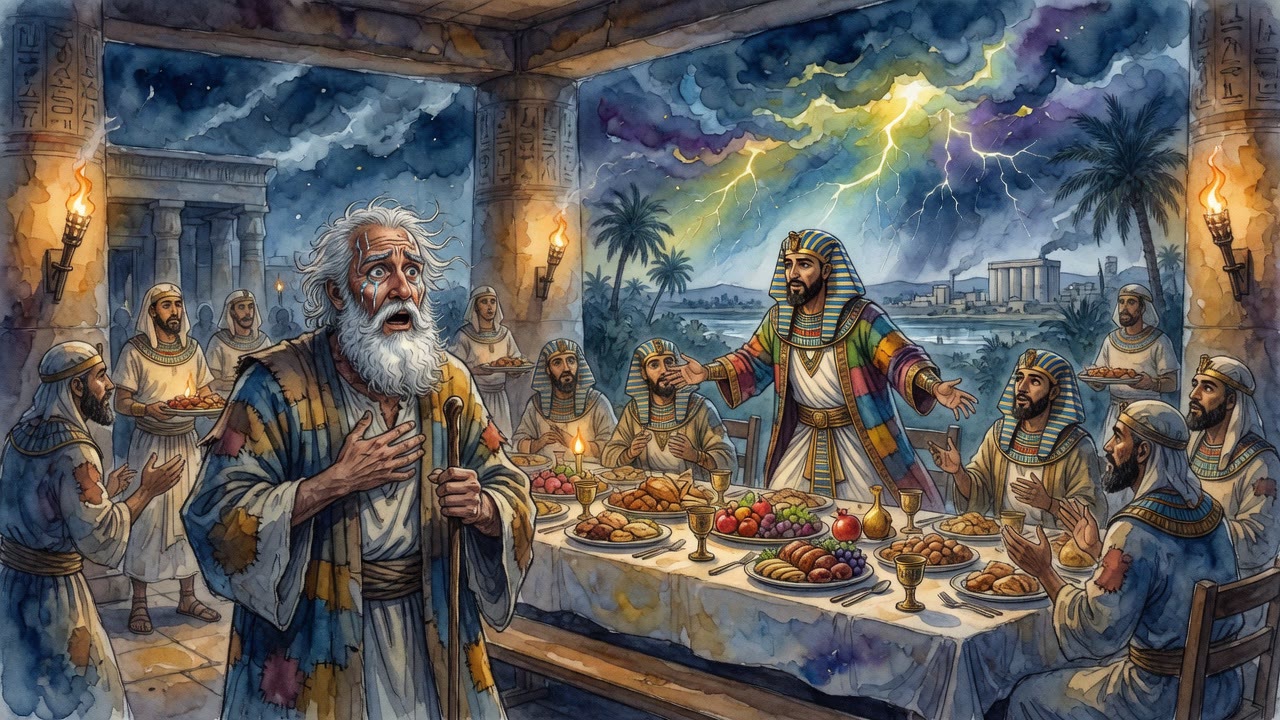
The coat had been enough to close the grave. In Goshen, Jacob sat at the table and watched Joseph eat bread like any living man.
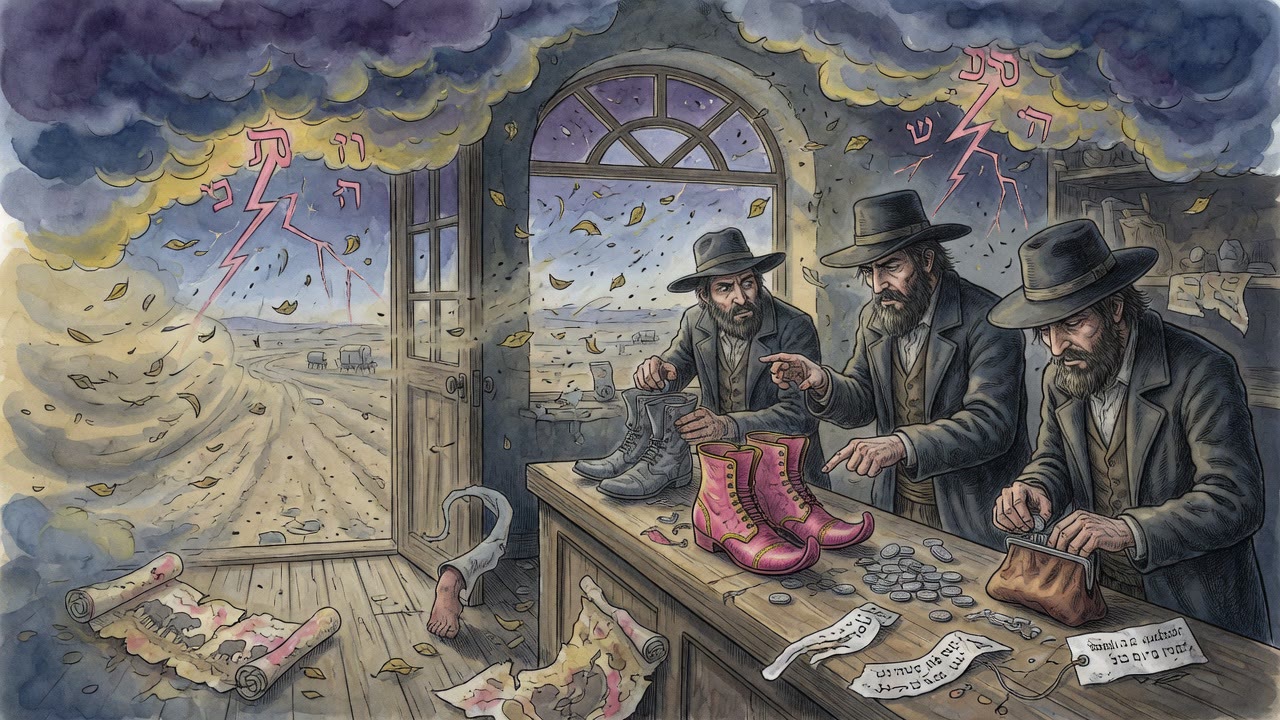
Joseph is sold for twenty silver pieces, his brothers divide the money and buy shoes, and the transaction echoes across a thousand years.
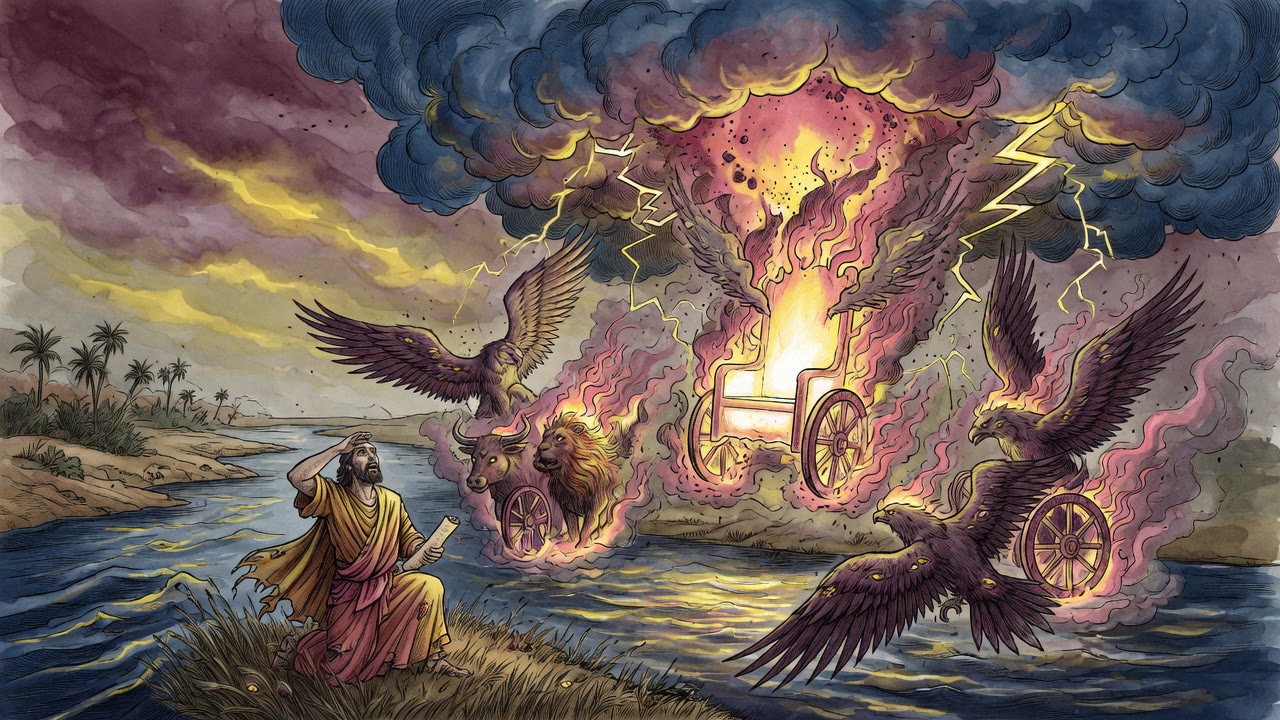
The butler forgot Joseph for two full years after the dream. The rabbis said that delay was no accident but a correction.
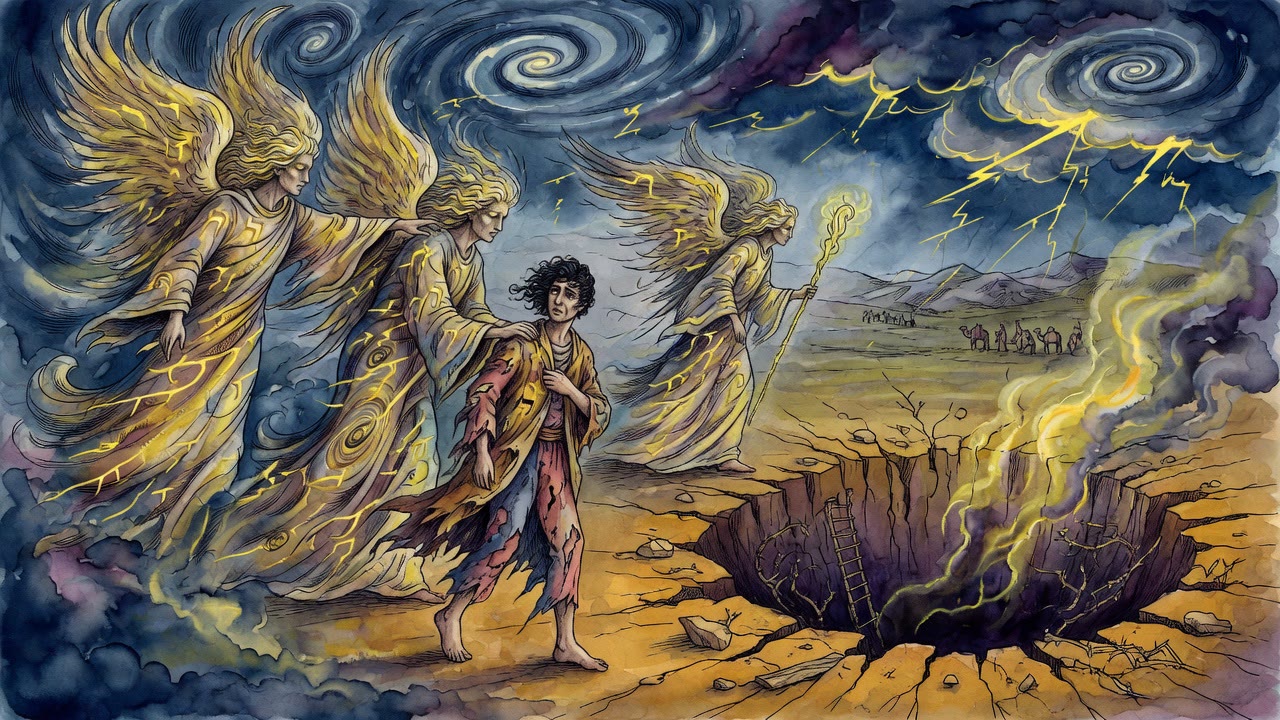
Joseph asked a stranger in an empty field where his brothers had gone. The man pointed him toward Dotan. The pit there was already waiting.
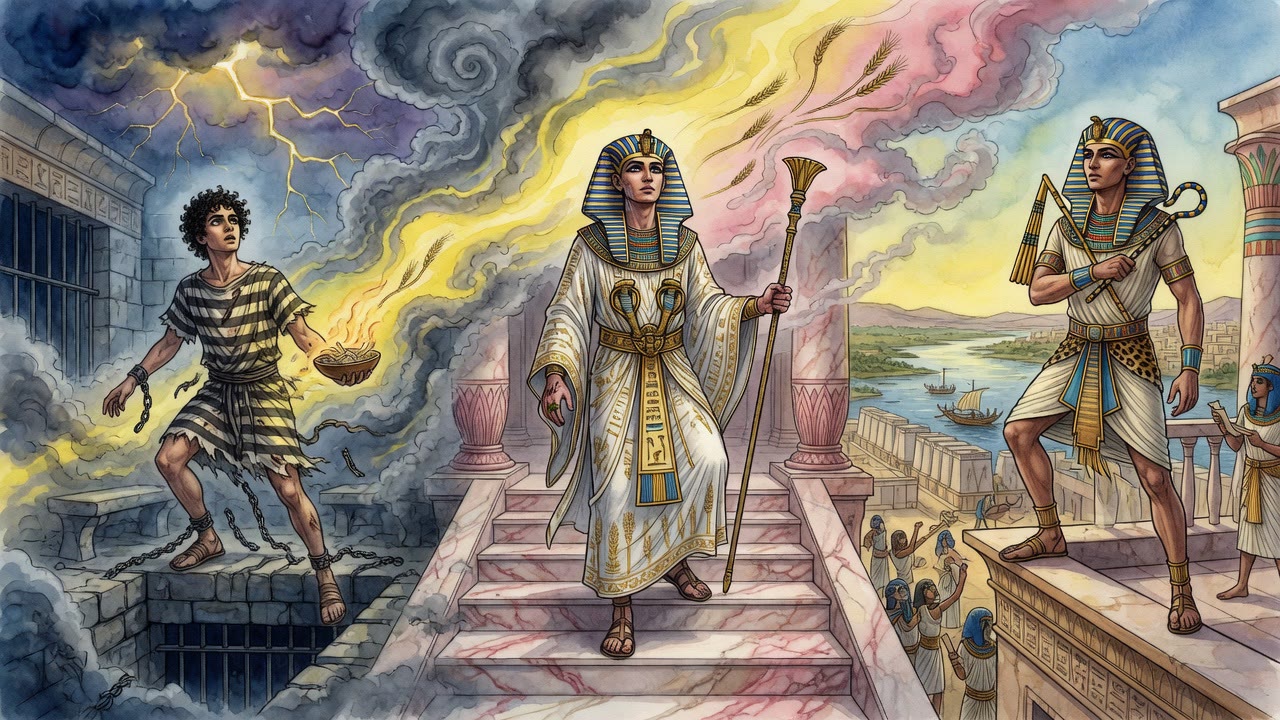
All Egypt was down at the river for the flood festival. Zuleika stayed home, perfumed the hall, and sat in the doorway Joseph had to walk through.
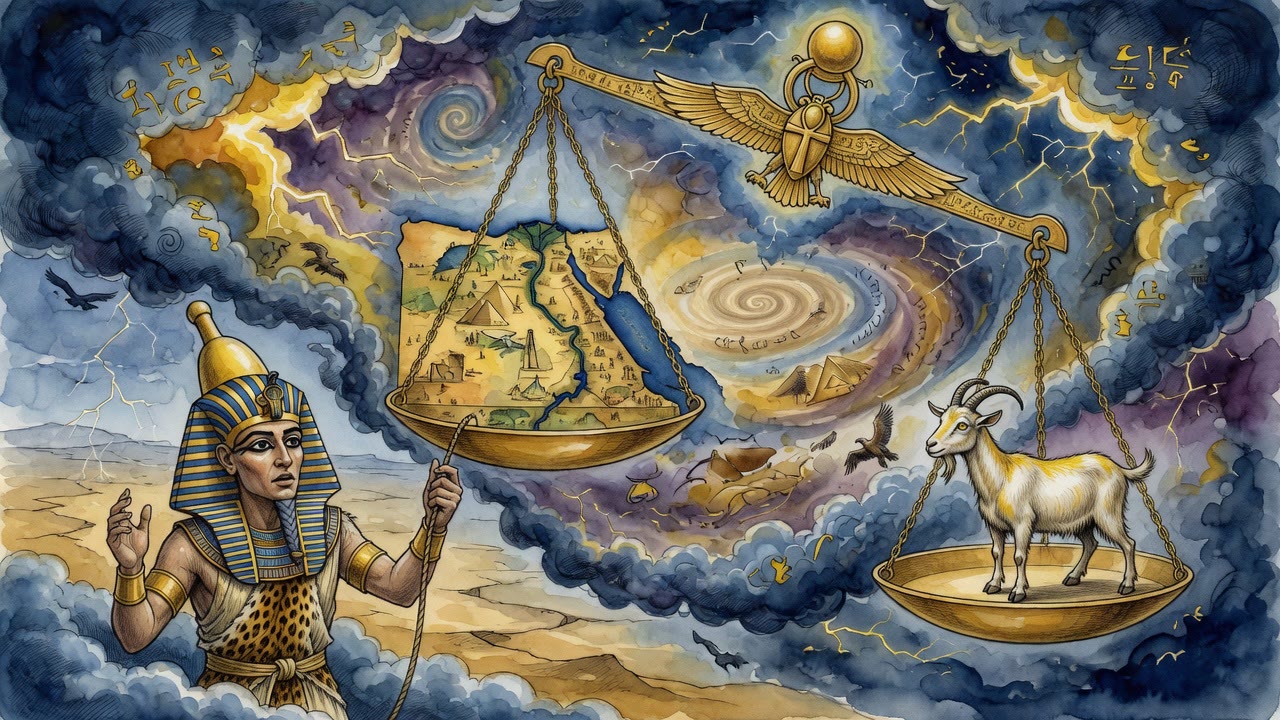
Pharaoh saw all Egypt weighed against a tender kid, and the kid sank the scale. Balaam turned the dream into a decree against Israel.
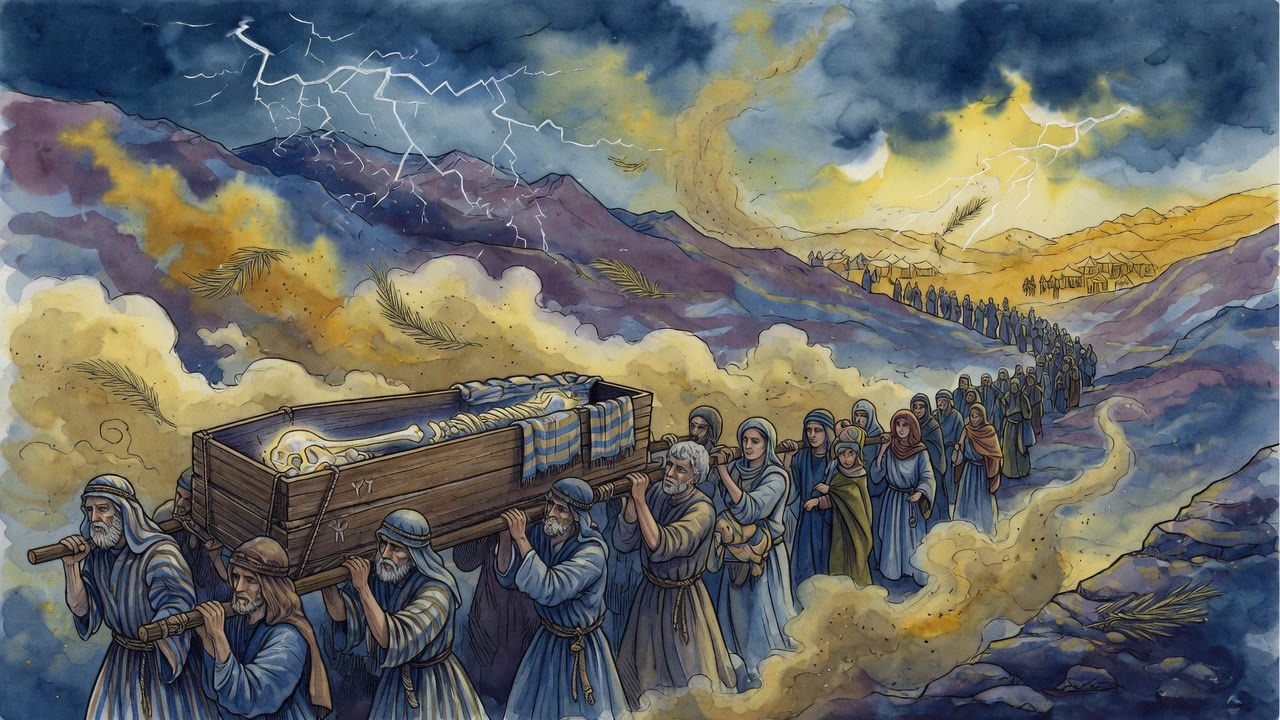
Joseph ruled Egypt and saved it from famine. His last act was extracting one oath: carry my bones out when you leave. The rabbis asked why Egypt was not enough.
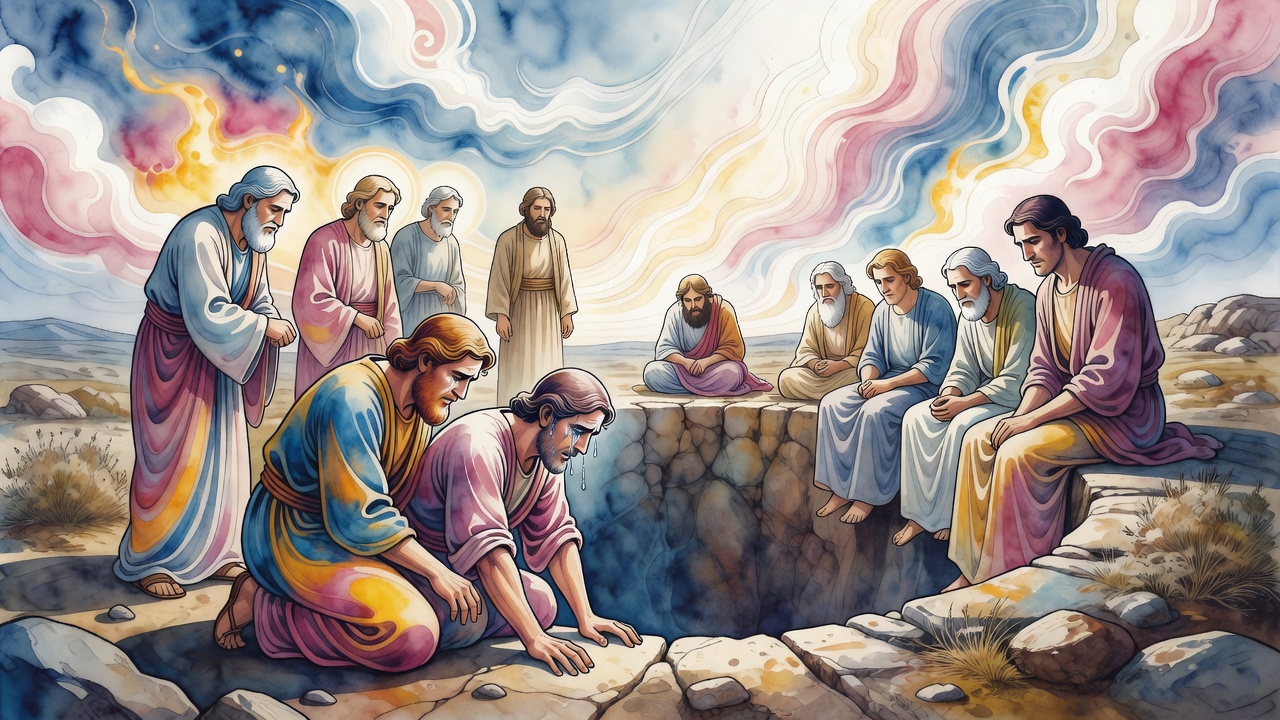
Reuben called Joseph's name into the pit. Nothing answered. He climbed down, searched the dark, and tore his clothes at the rim.
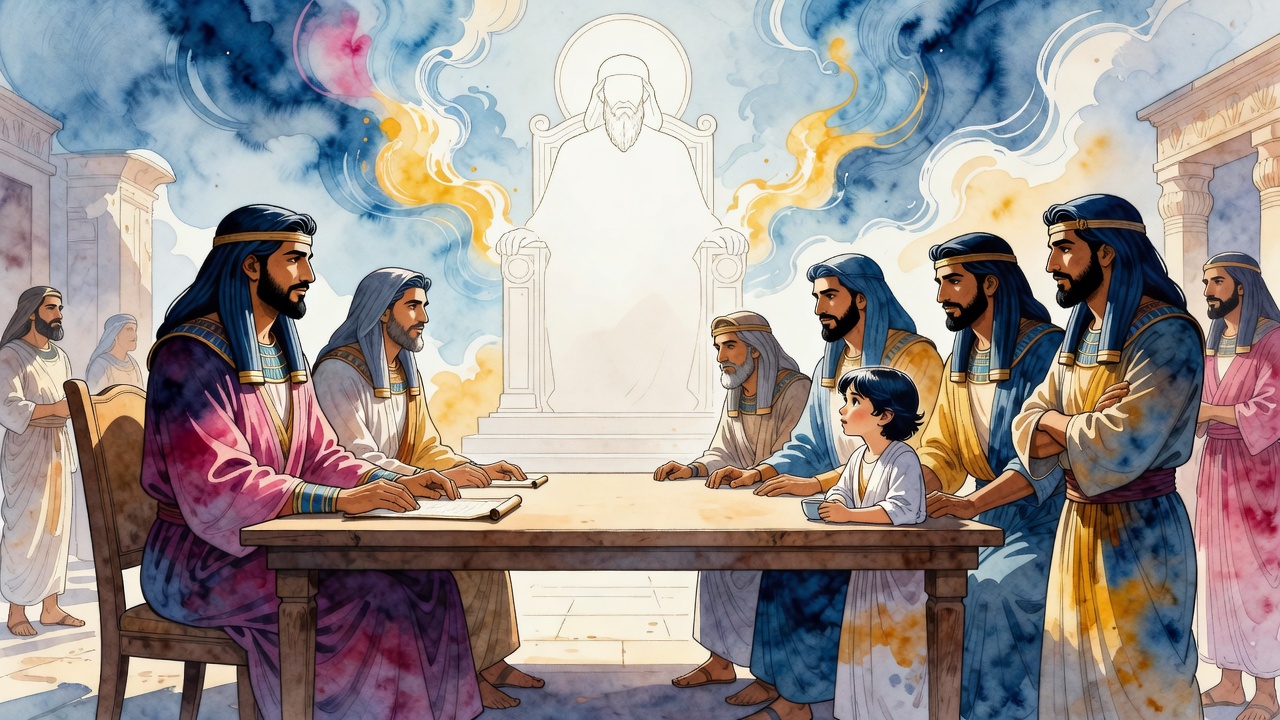
Joseph seated Egypt, himself, and his brothers apart, then listened for the truth. Benjamin would reveal whether the old cruelty had died.
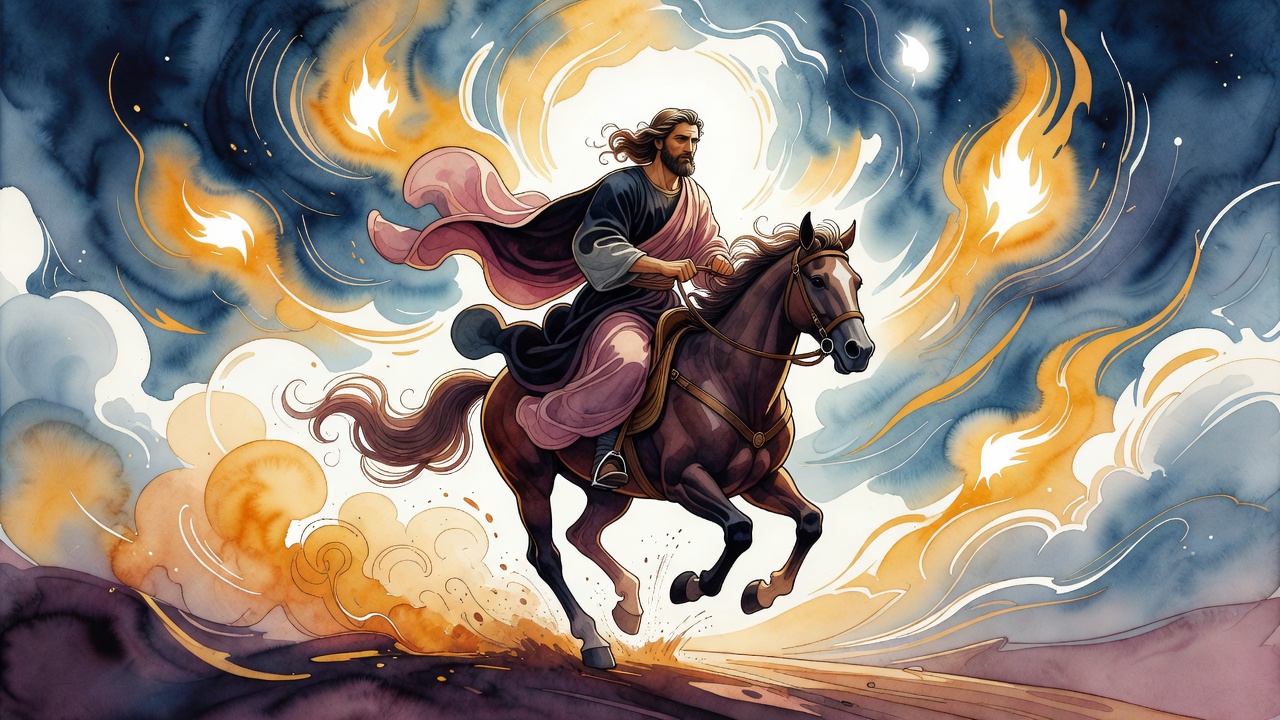
Joseph rode to Goshen when Jacob was dying with five anxieties he needed answered before his father was gone. He had carried them in silence for twenty years.
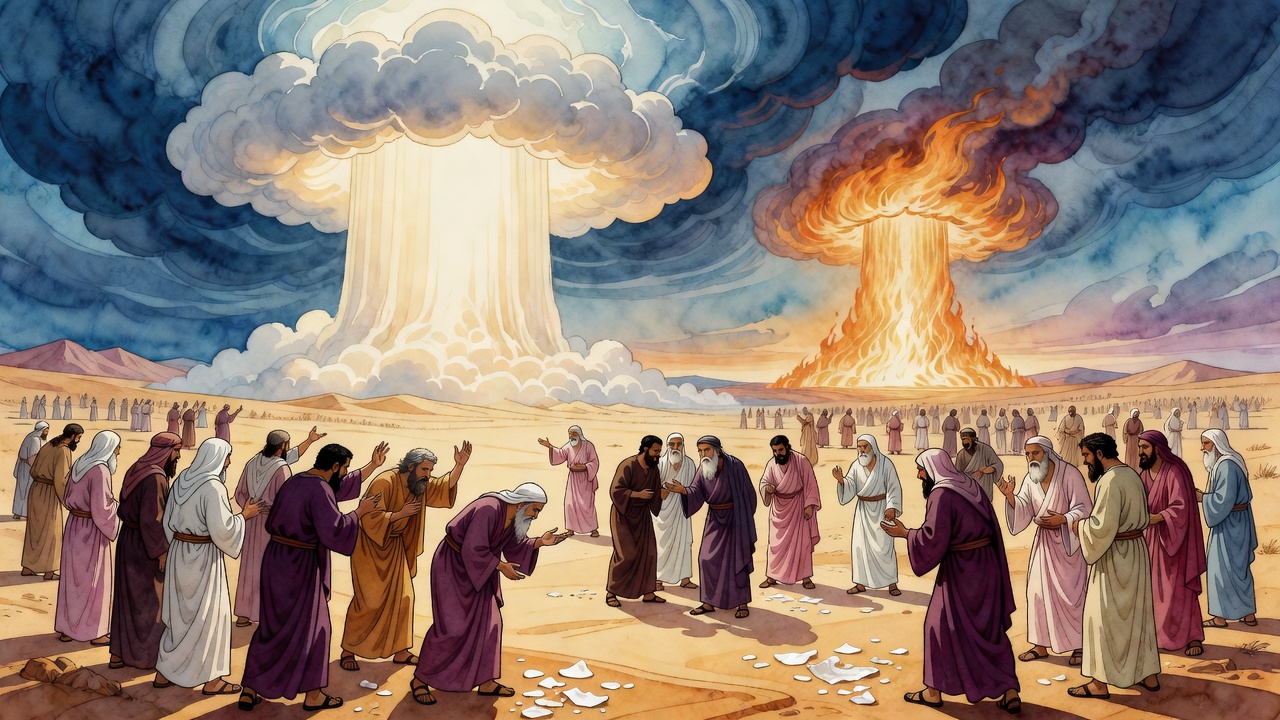
The bread came down with the dew in the exact right amount and rotted if anyone hoarded it. It bought them free mornings for forty years.
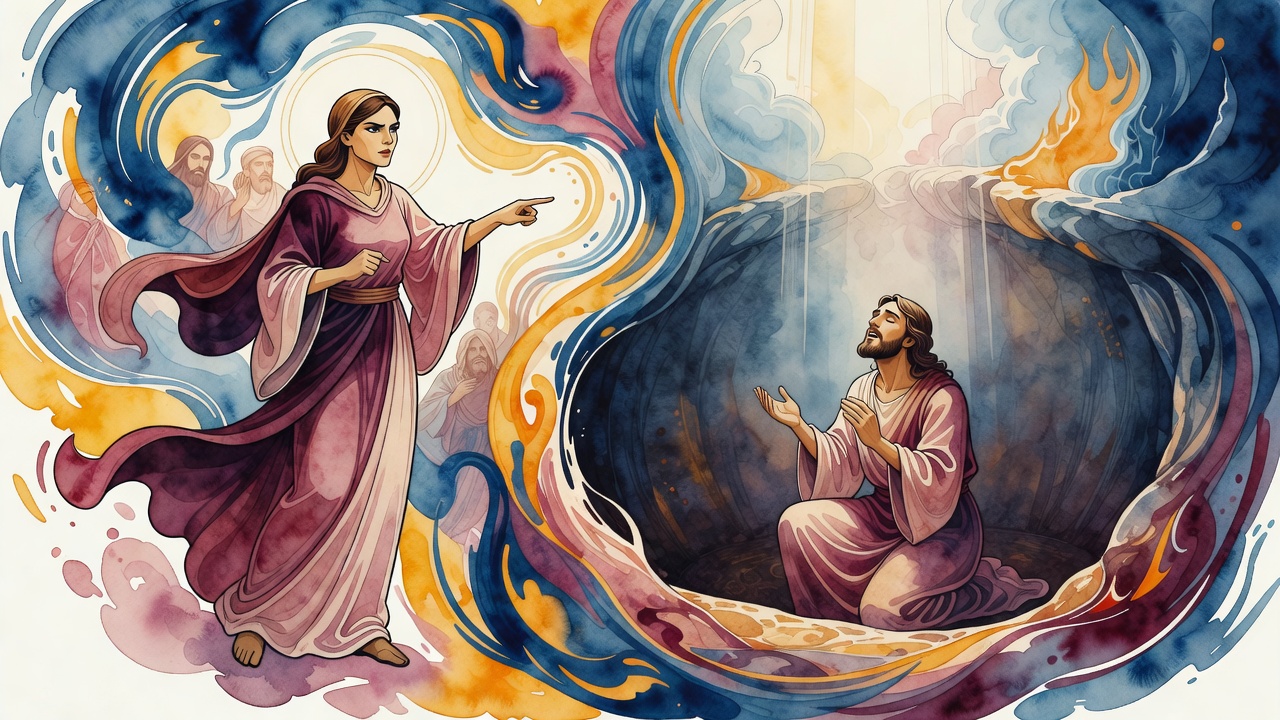
Potiphar's wife swore to make every man in Egypt hate Joseph. She had him flogged and imprisoned. Joseph prayed from the pit, and the answer took a decade.
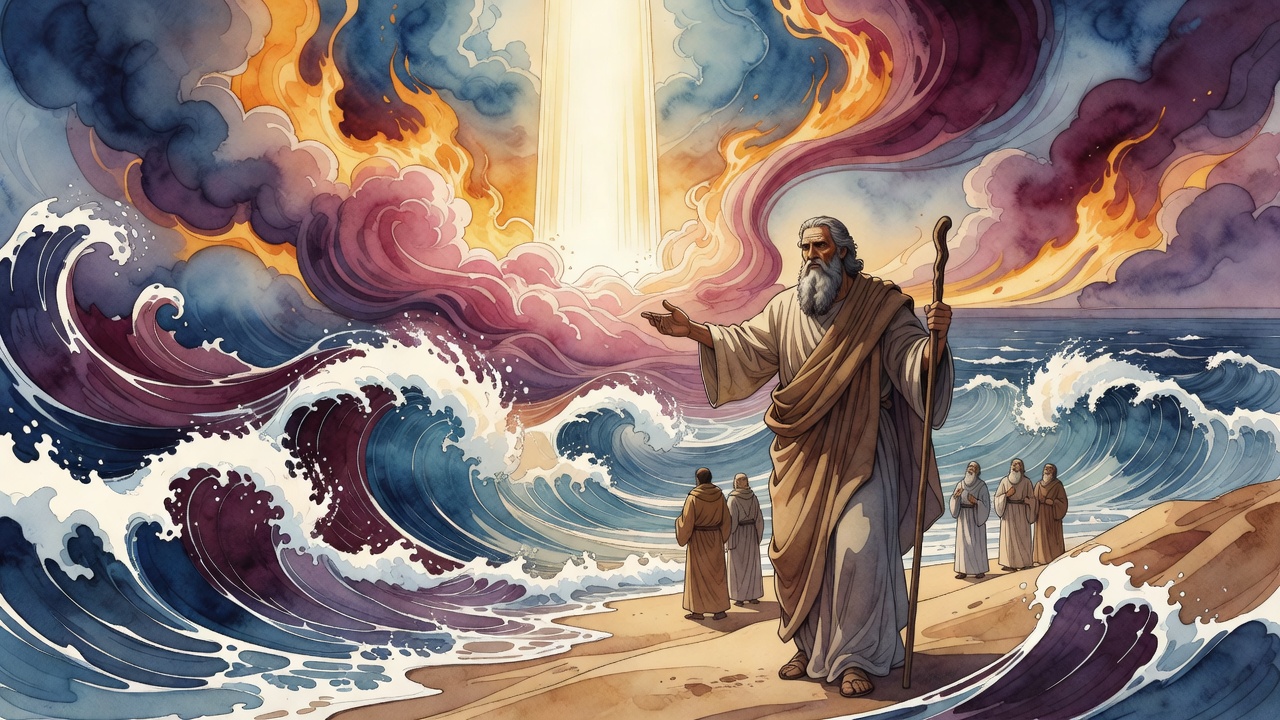
The water said it was three days older than Moses. He did not argue. He walked back to God with a complaint from the sea.
