485 myths · Page 3 of 17
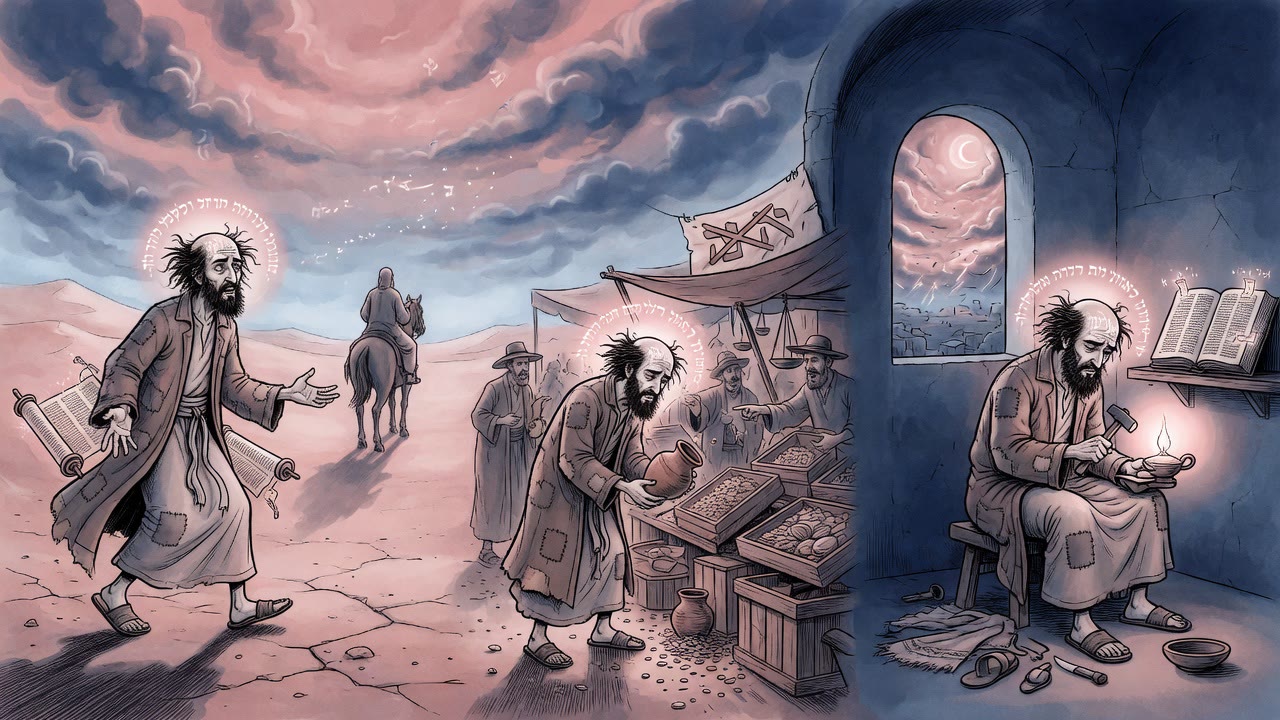
Zuleika tried to possess Joseph by force. Asenath fasted, cast off her idols, and waited until heaven remade her soul for covenant.
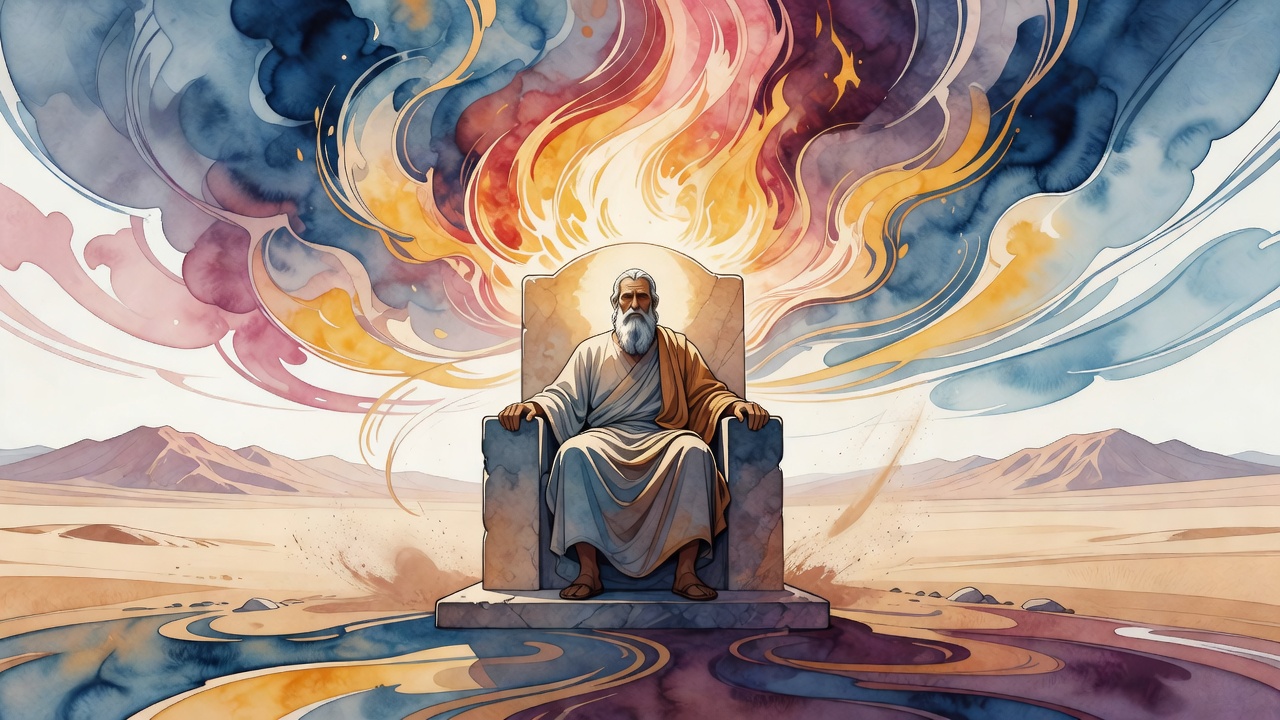
The plan came from a Hebrew fugitive. Every soldier had to raise a stork and starve it three days. The birds were loosed on the serpents guarding the city.
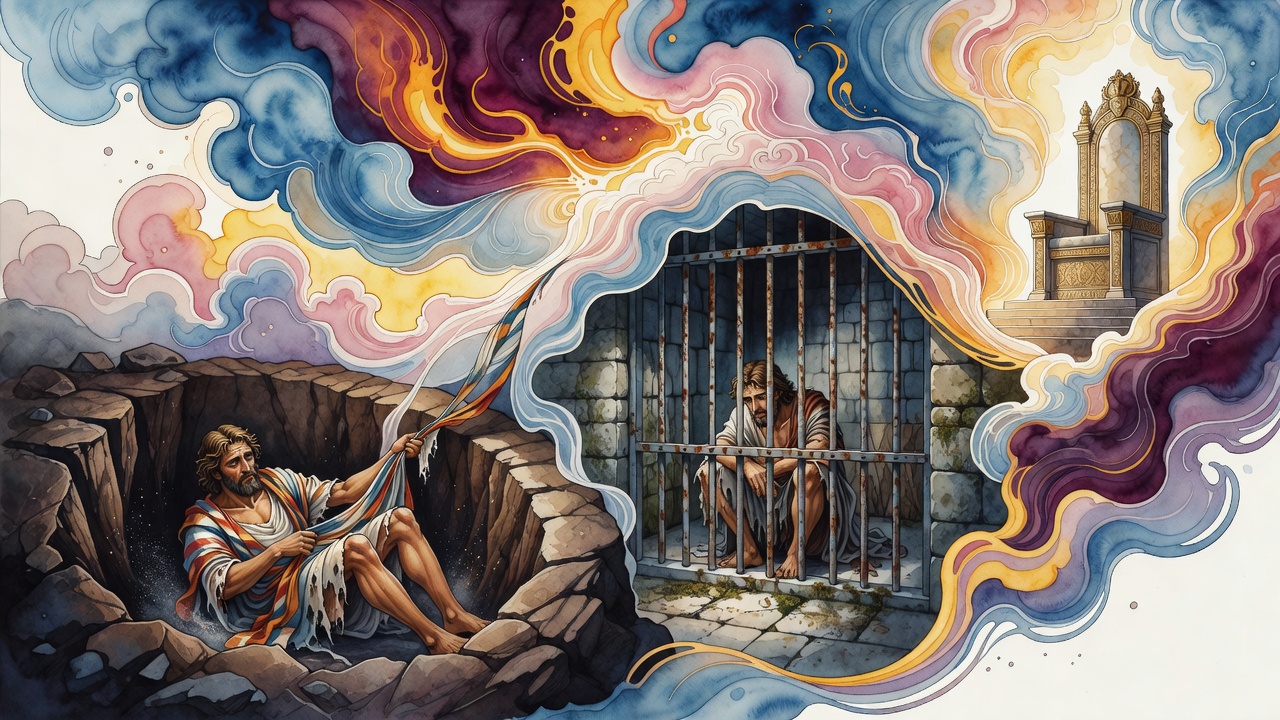
Potiphar's wife listed the punishments she would use on Joseph. Prison was one. He answered that God lets prisoners out, and then went to prison.
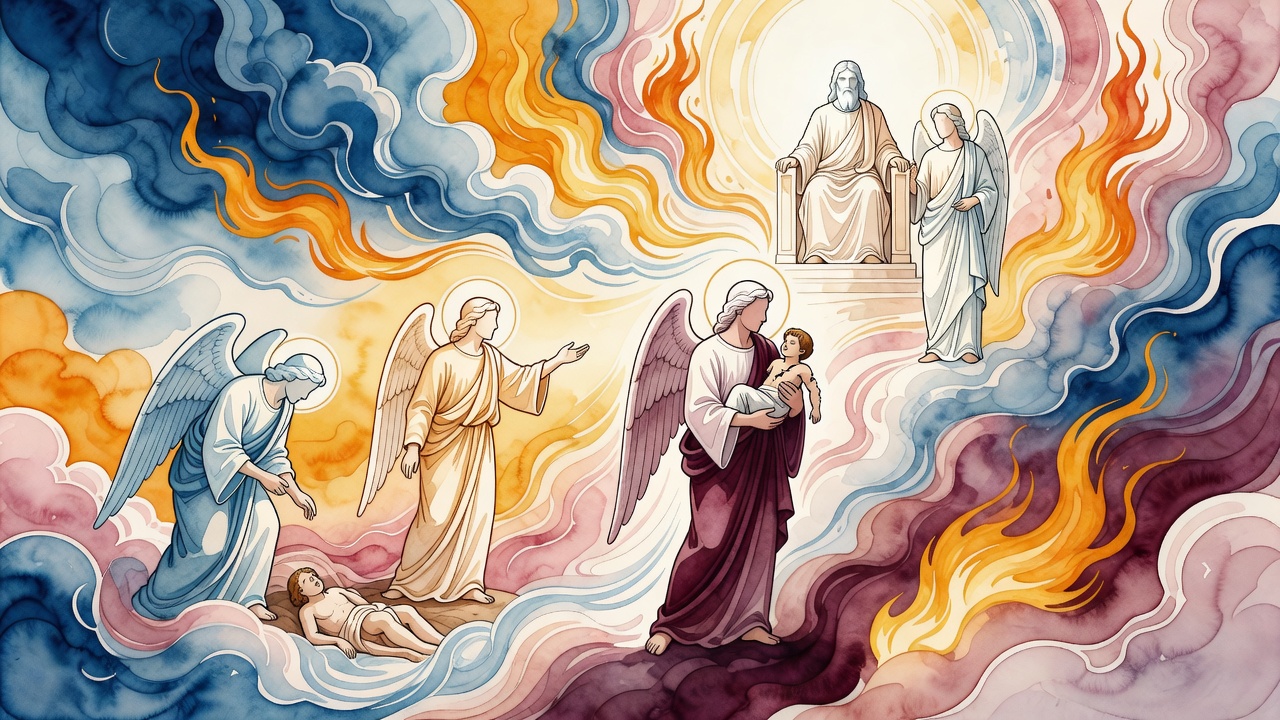
Rachel's heels were already cut by straw from the wilderness. She was still treading mortar when the child left her and stuck in the brick.
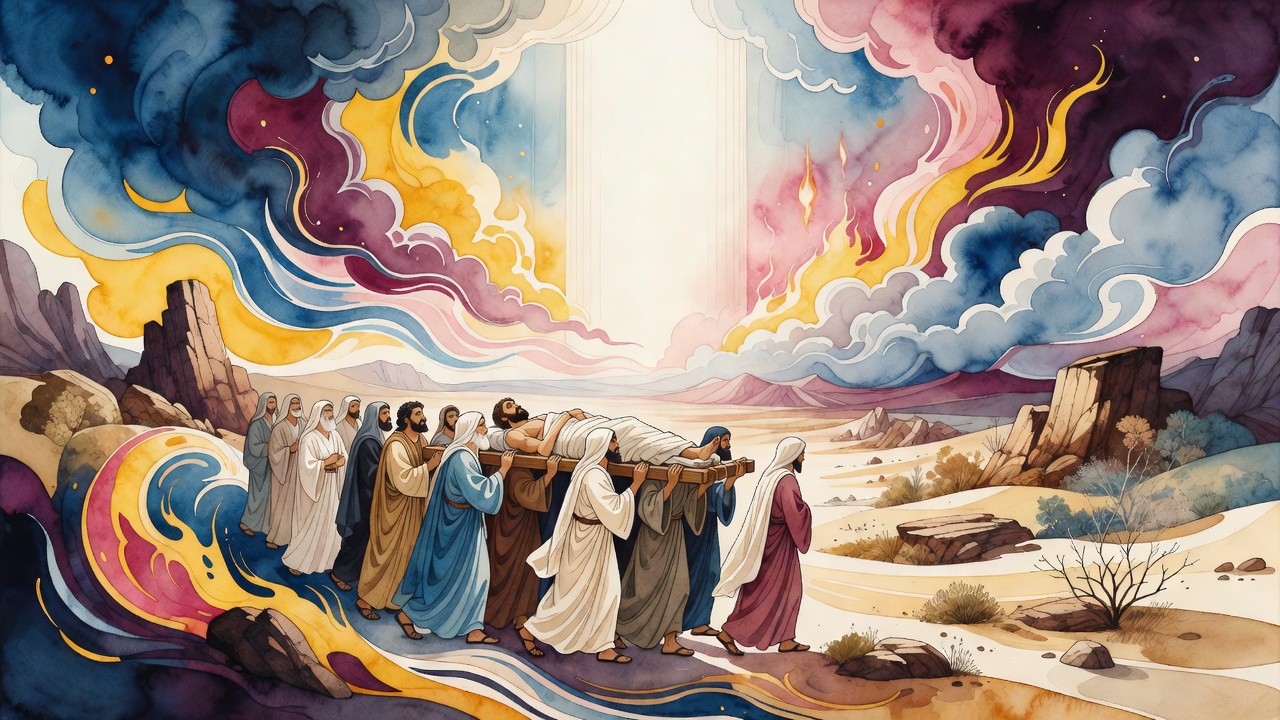
Jacob's body rode north on an ivory couch overlaid with gold. Canaanite kings saw the procession coming and thought an army had entered the land.
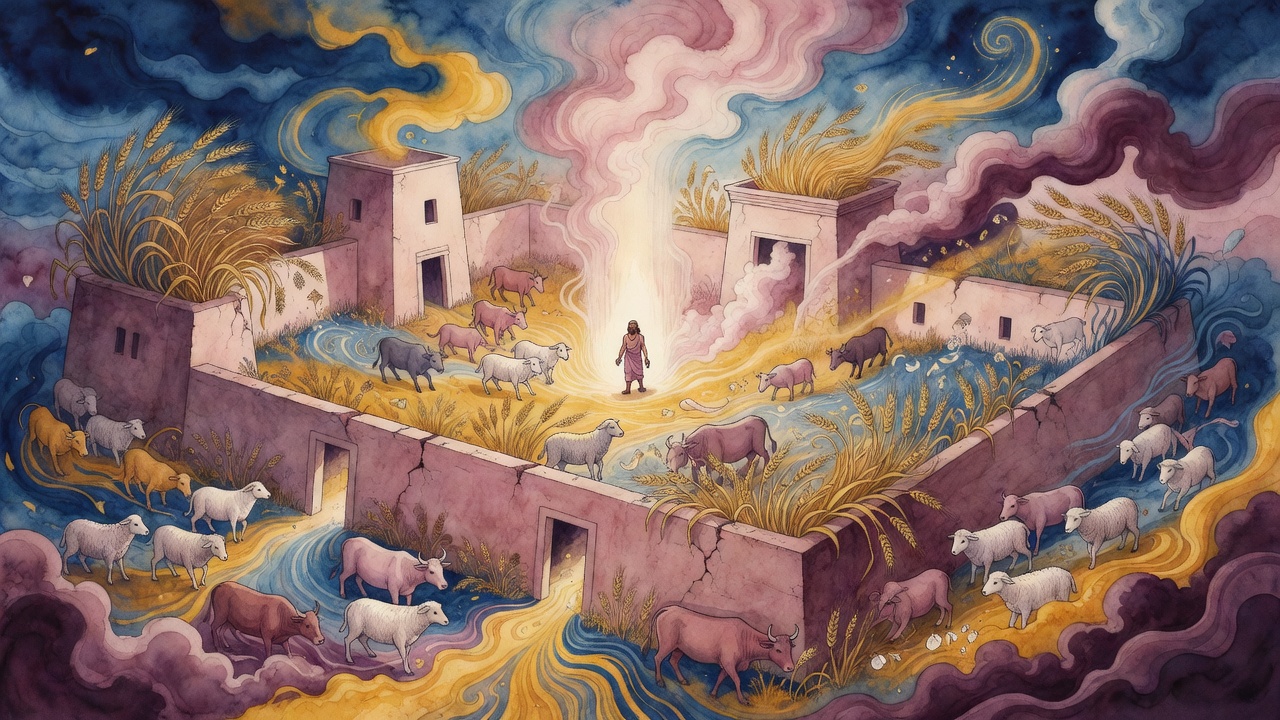
Potiphar asked for one wine, then another. The cup in Joseph's hand changed with the wish, and the master stopped counting his own stores.
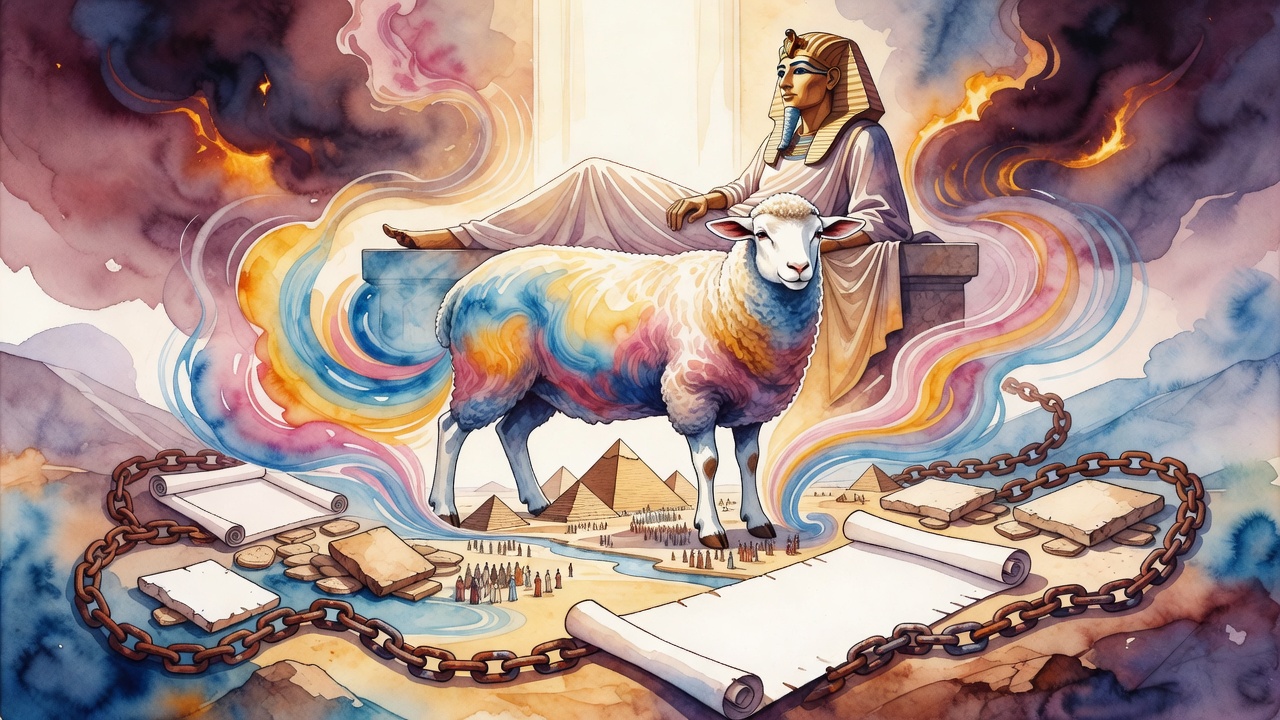
Pharaoh woke with Egypt still rising on the wrong side of a scale. By morning he wanted a law that would drown Hebrew boys.
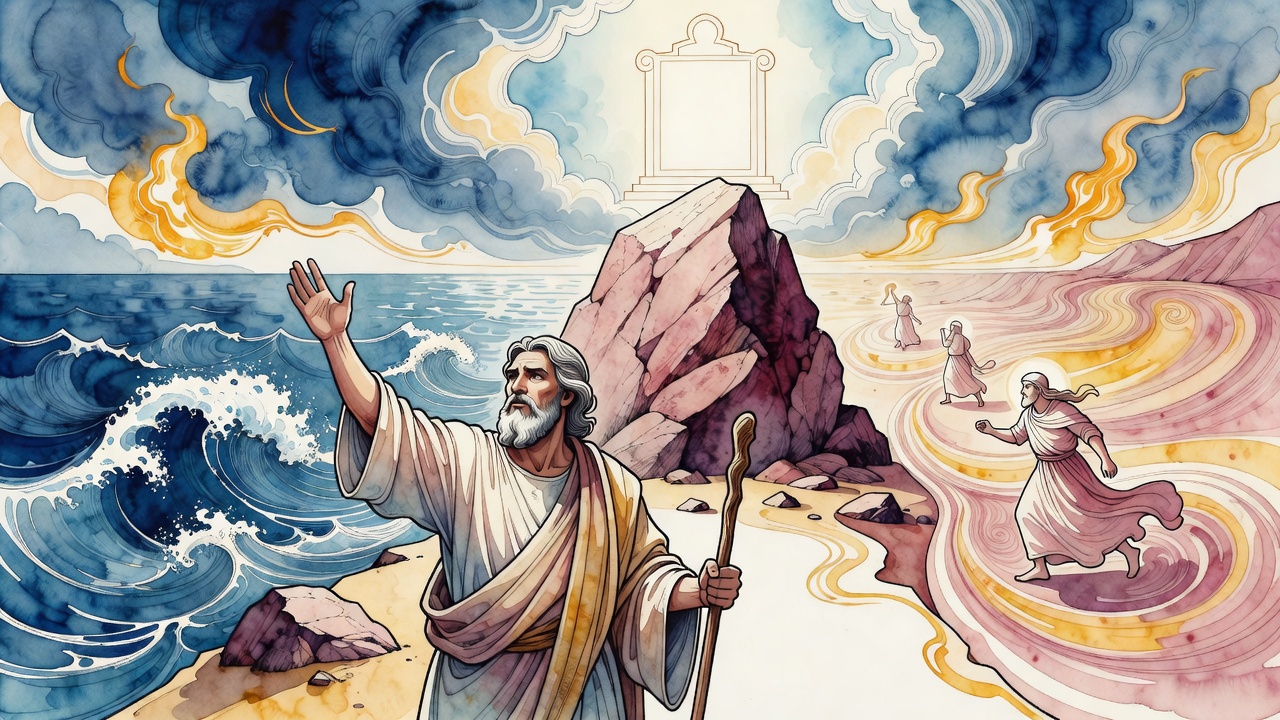
Egypt drowned Hebrew boys because God had sworn never to flood the world again. They thought the oath protected them. The same water came back over them.
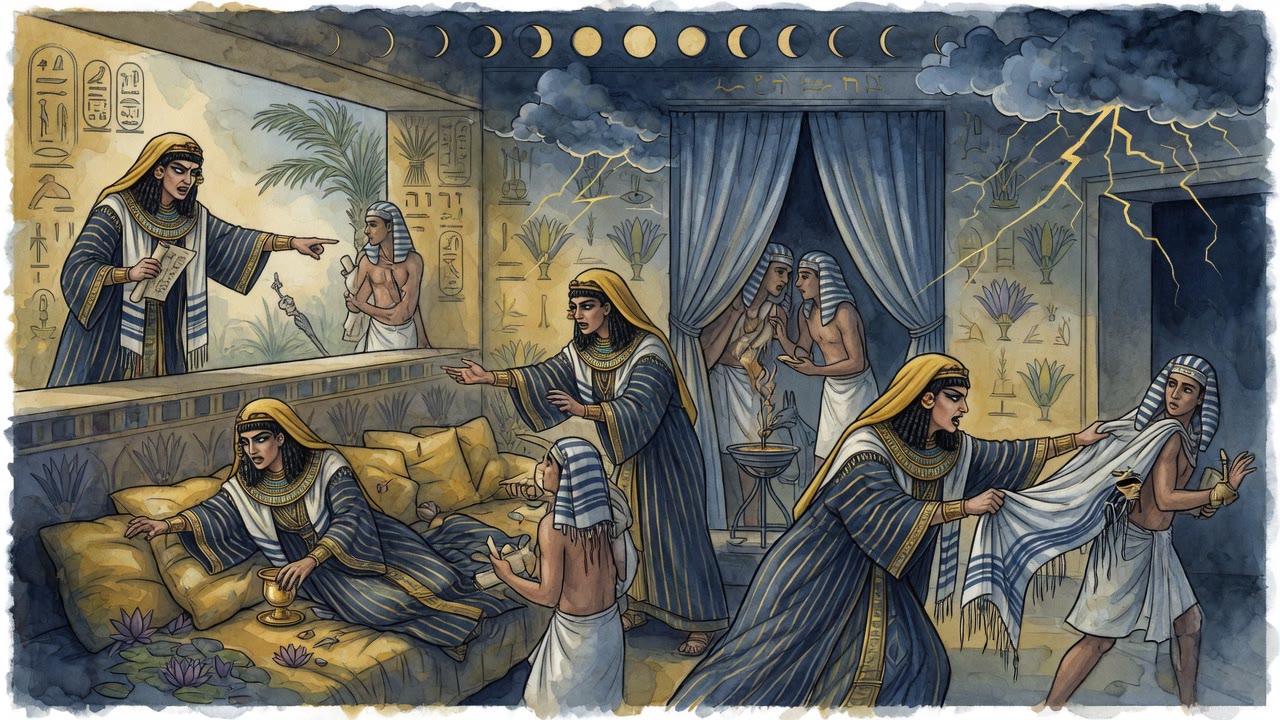
The second eunuch paid eighty gold pieces and lied that it had been a hundred. Joseph saw the cheat and kept his mouth shut.
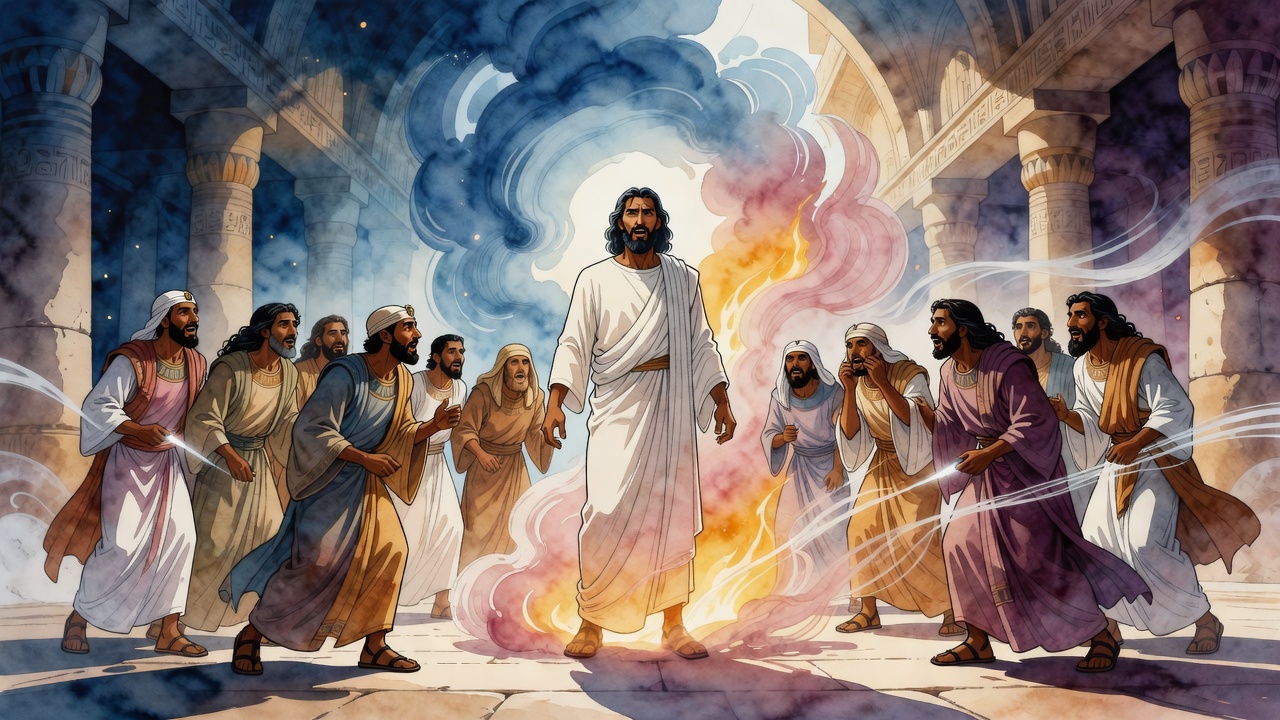
Joseph cleared the room, looked at eleven men from Canaan, and opened his mouth in a language no Egyptian viceroy should have known.
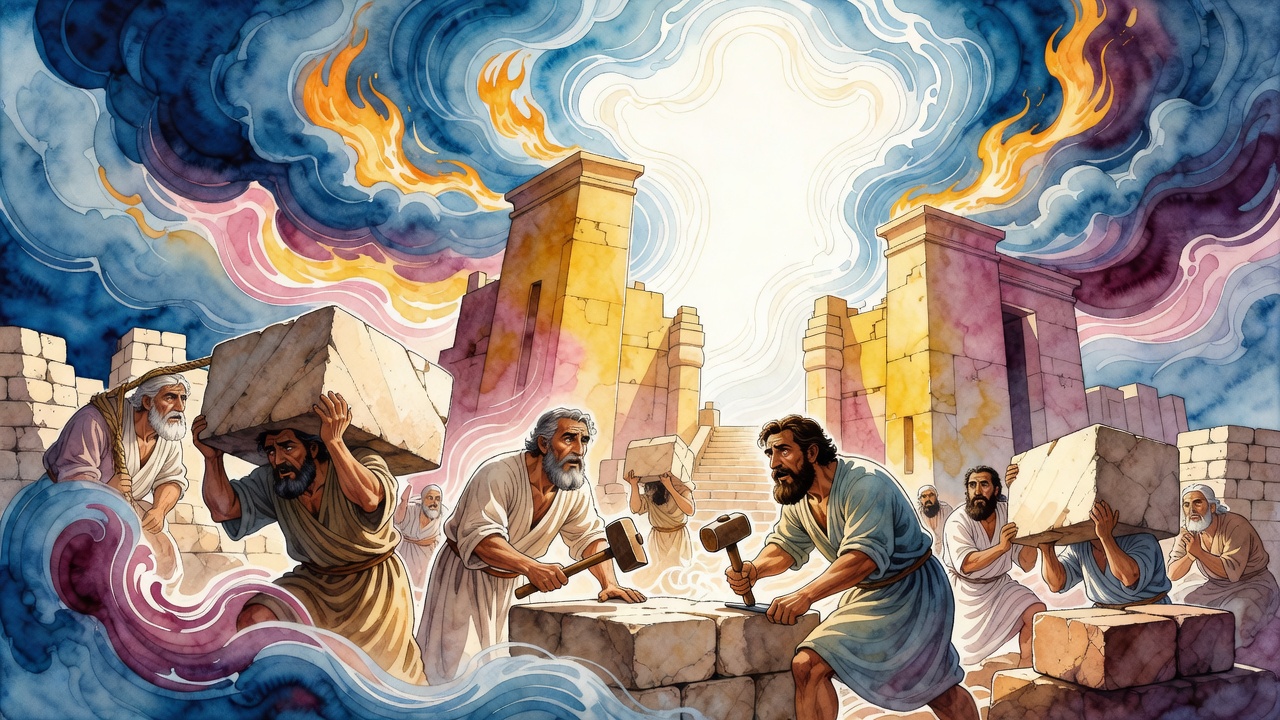
The magicians told Pharaoh his seven daughters would die young. He had been inside the dream. He ordered every magician in Egypt killed.
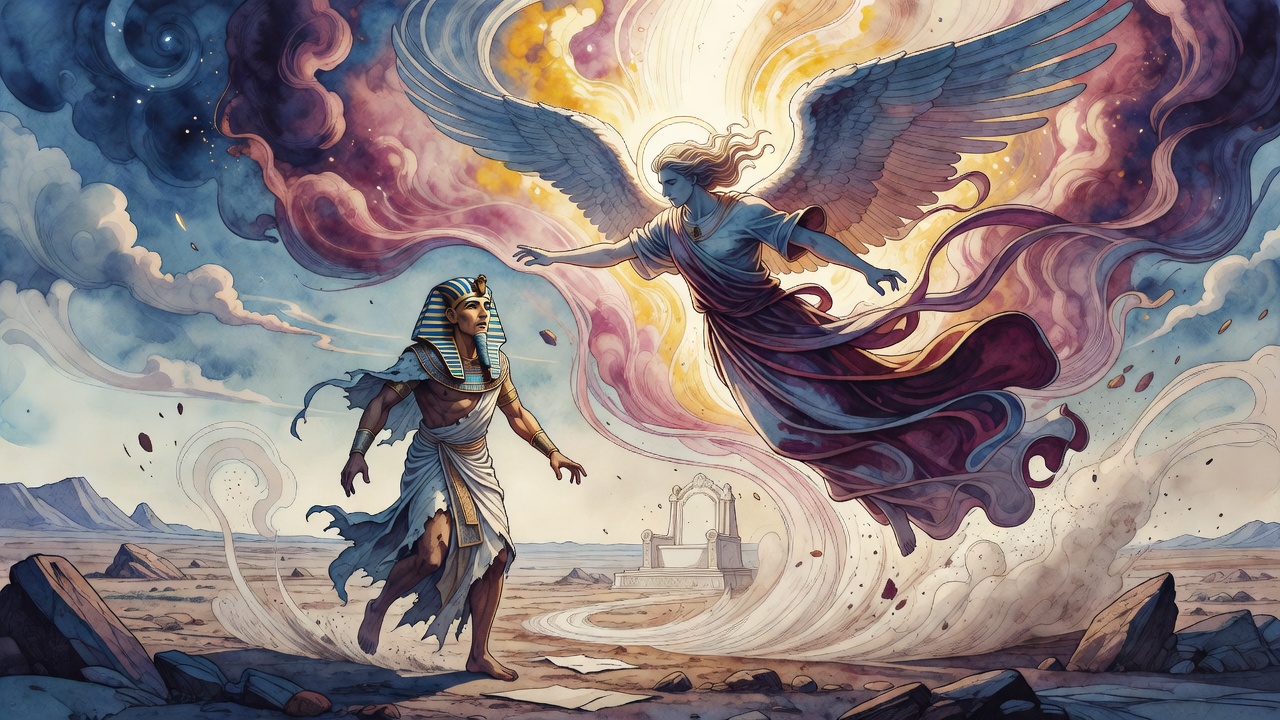
The last horse went under first. Pharaoh confessed into the wave, and Gabriel answered with an iron chain, not a rescue.
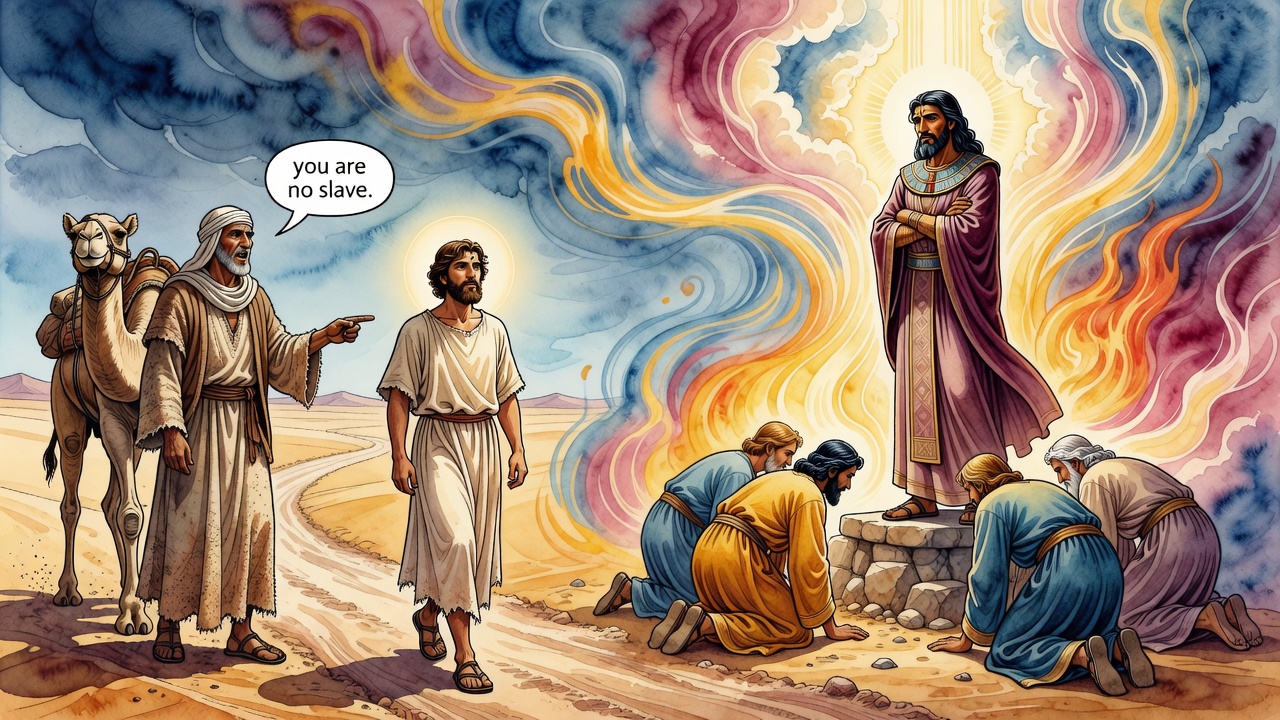
A Midianite trader spotted Joseph on the road and said: you are no slave. Years later, standing over his bowing brothers, he proved it.
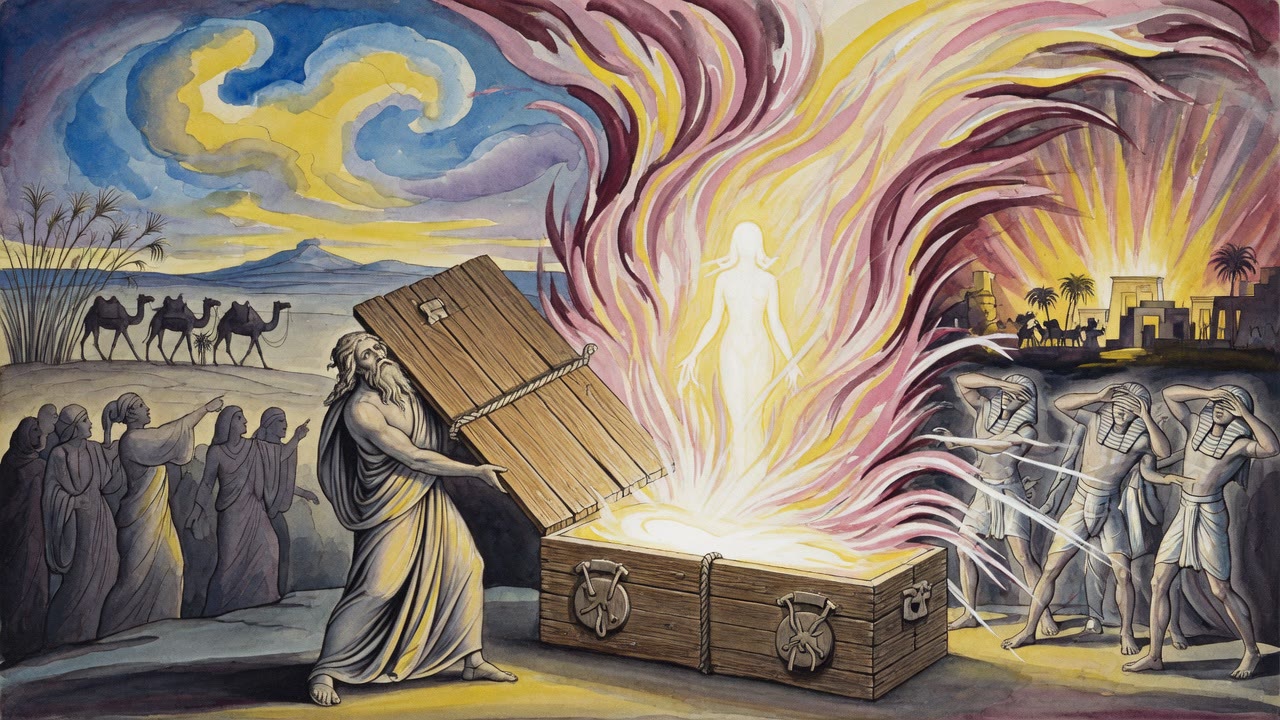
Abraham had been married to Sarah for years before her reflection in a stream stopped him. At the border he paid the tax on gems rather than open the lid.
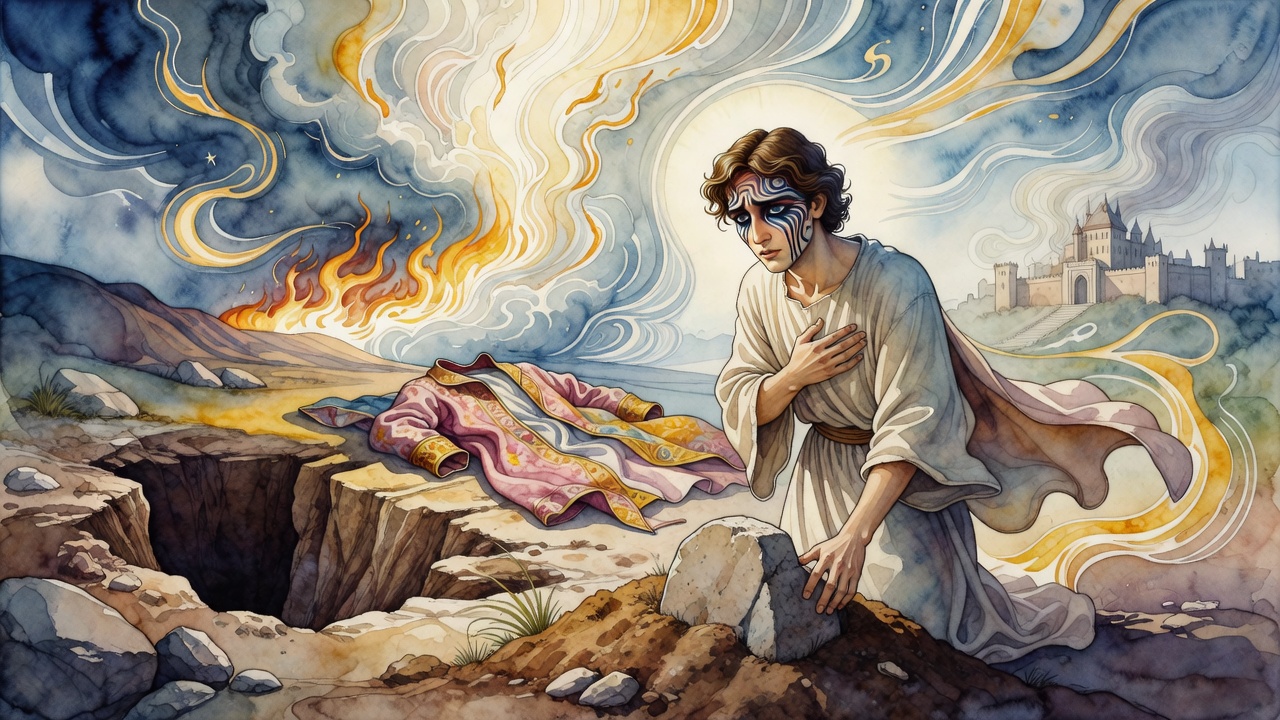
The traders waited in the road at Ephrath while Joseph threw himself on Rachel's stone and begged his dead mother to rise.
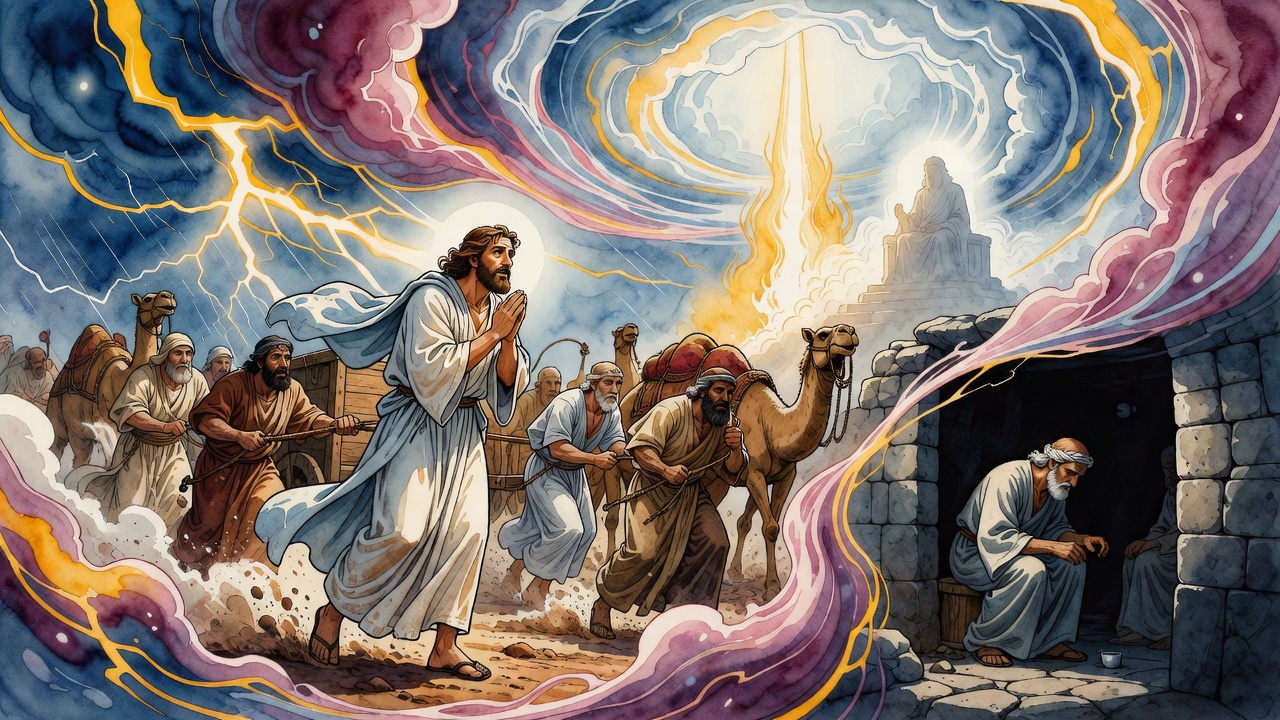
The butler tied a knot in his sash so he would remember the prisoner. An angel came and undid it, and two more years went by.
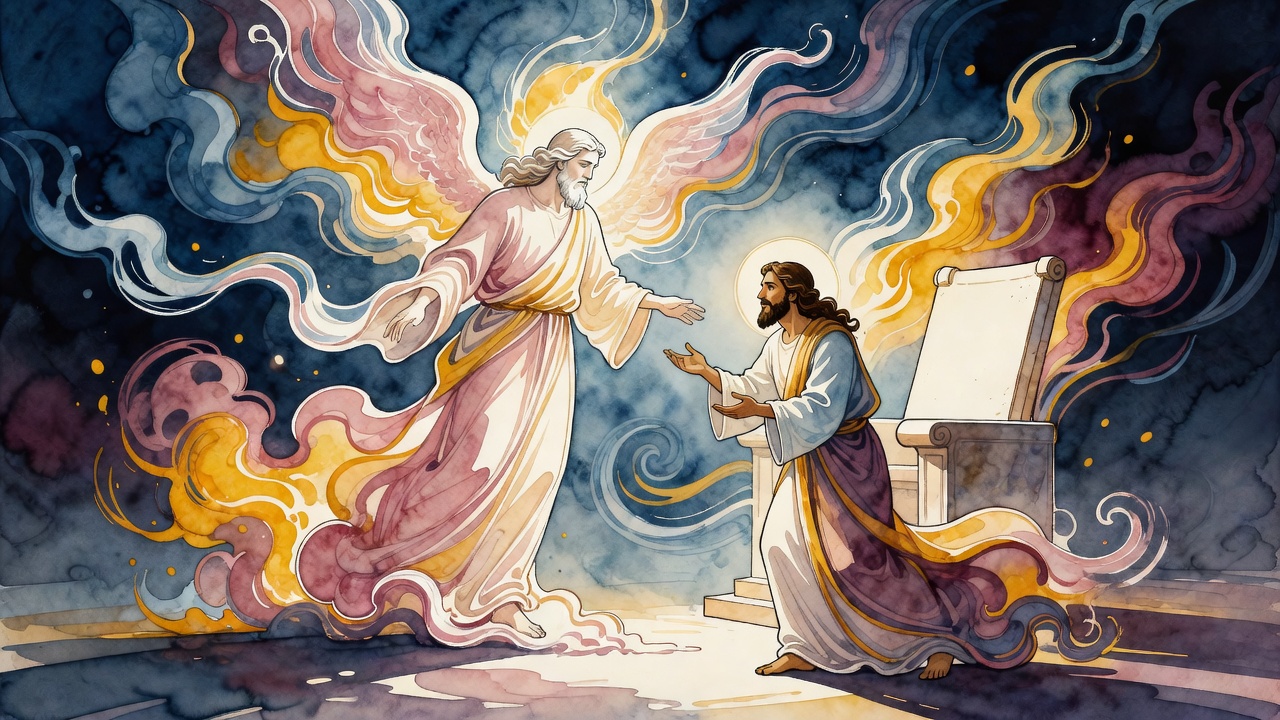
Pharaoh's throne sat atop seventy steps. A foreign prince could climb thirty-one, a petitioner three. Joseph came from the cell and climbed all seventy.
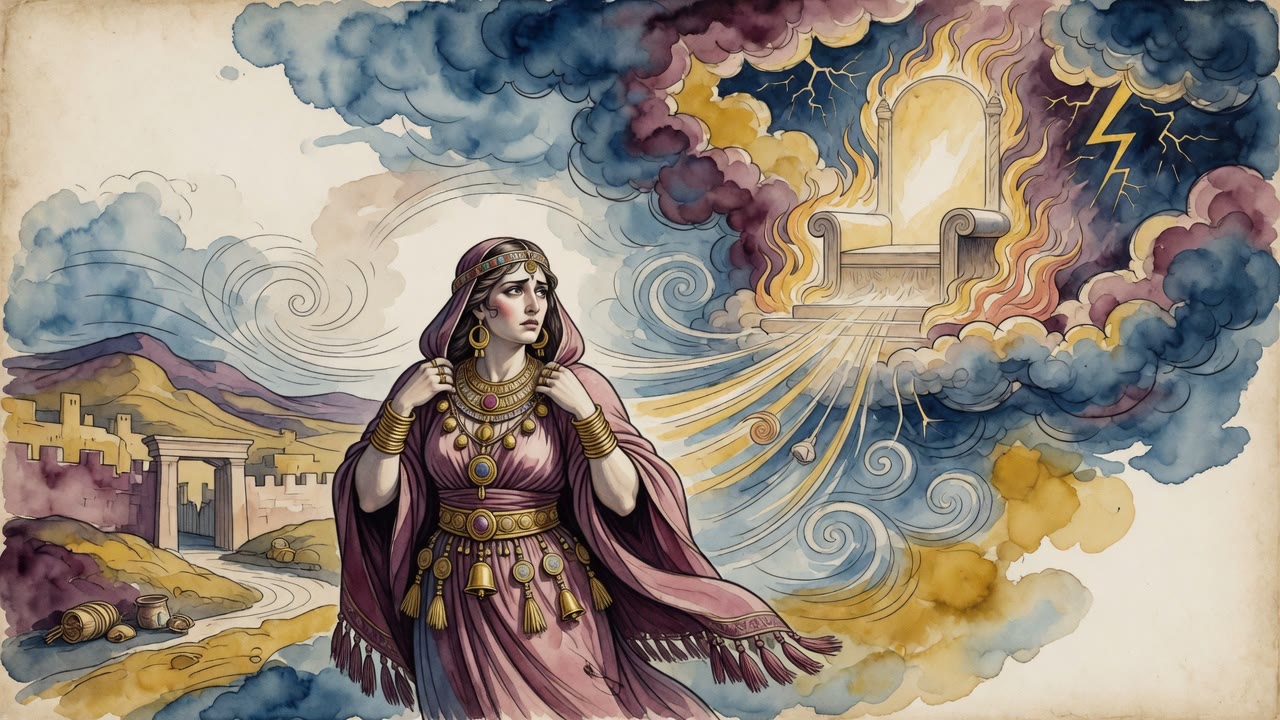
Reuben was Jacob's firstborn and should have led the tribes. The Book of Jubilees records the night that ended that possibility and what it cost him forever.
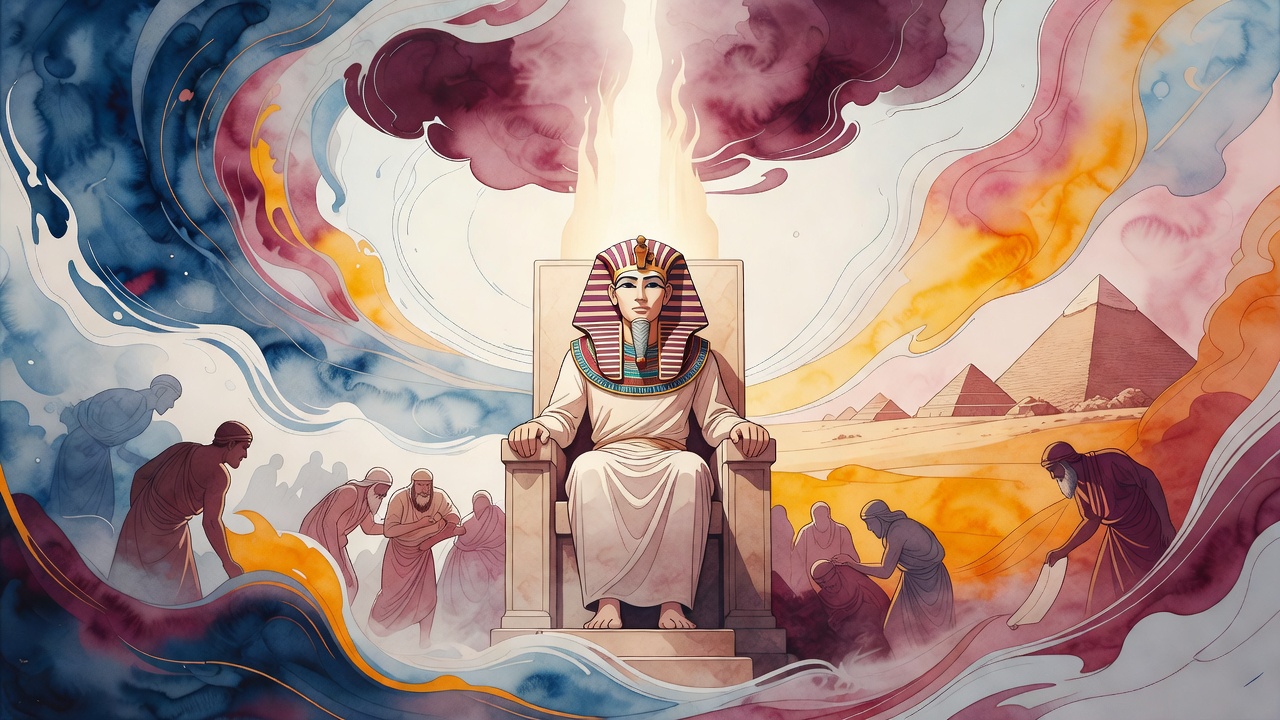
Joseph saved Egypt and Israel lived there in peace until a new Pharaoh rose who chose not to remember. The drowning decree came before the whips.
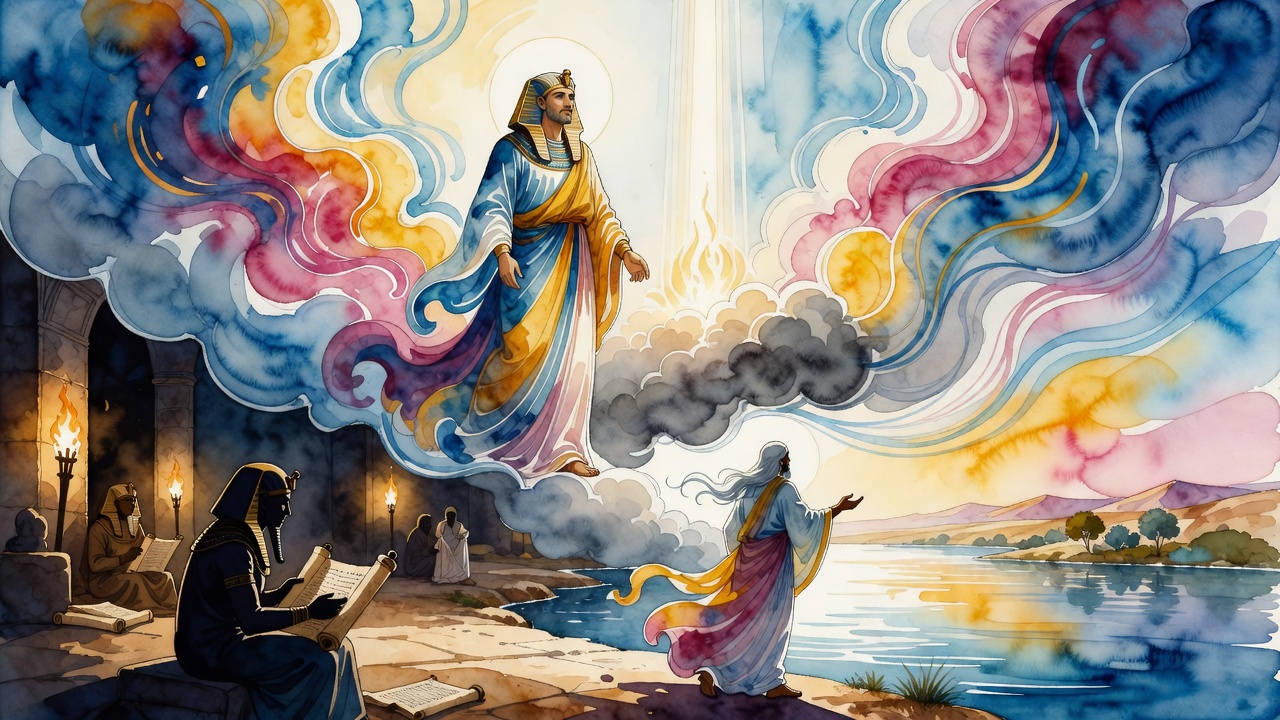
Before Egypt felt the first plague, Uzza stood in heaven's court while Pharaoh searched old records and Balaam chose the Nile.
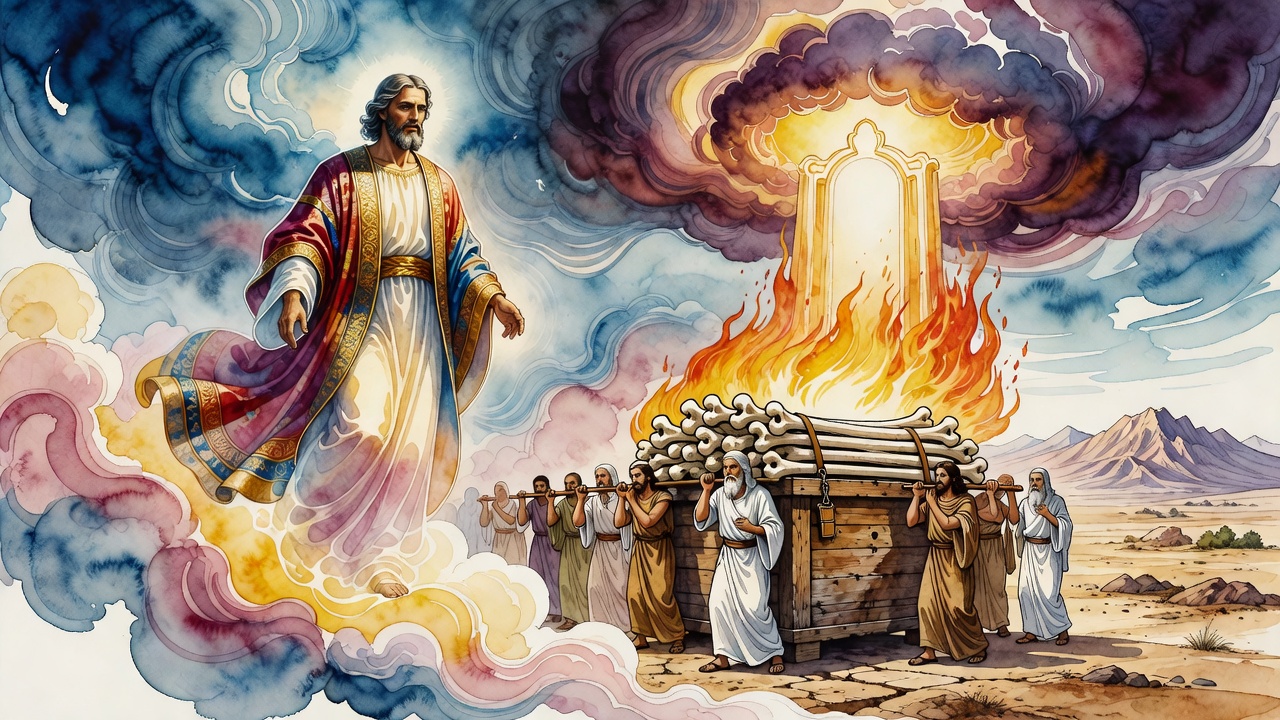
The brothers who sold him stood over the bed. He asked them for bones, not a tomb, because Egypt would trap his sons with honor.
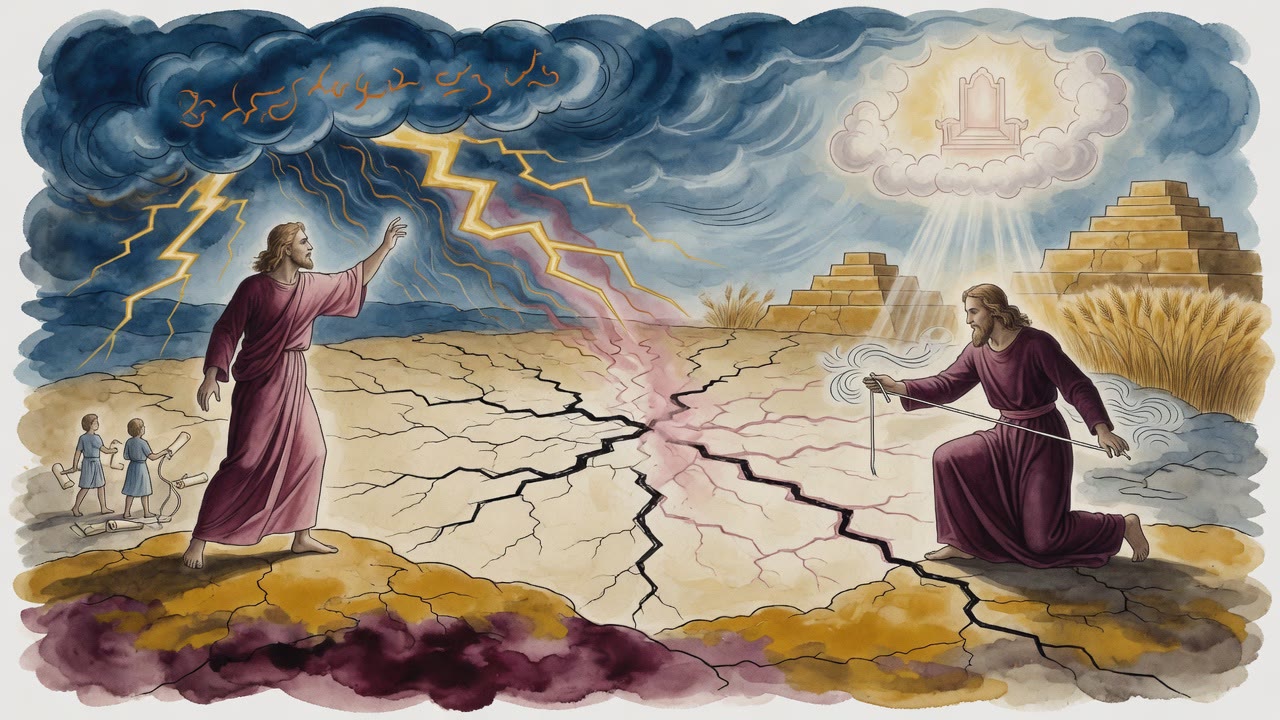
Noah bound his sons by an oath over lots from his chest. Cross a brother's line, he said, and the curse would last forever.
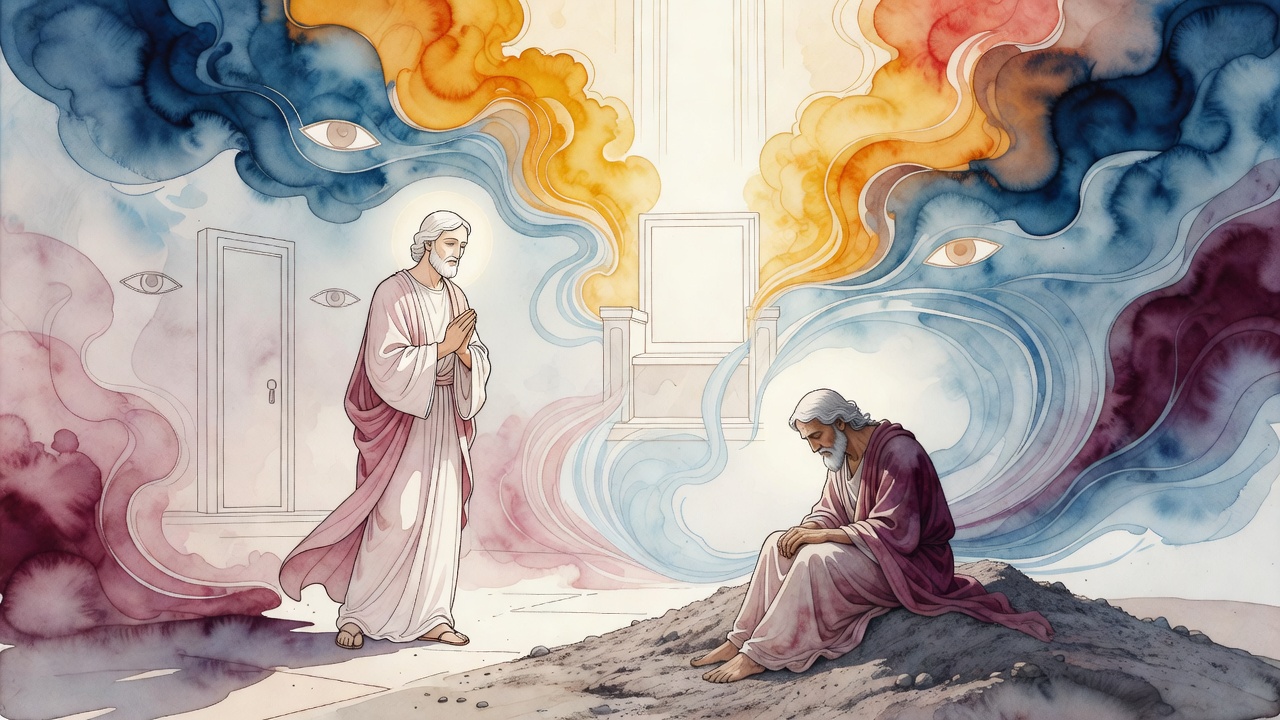
Joseph thanked God for a soft life in Egypt, but Jacob still sat in ashes. Heaven answered comfort with Zuleika's locked room and royal eyes.
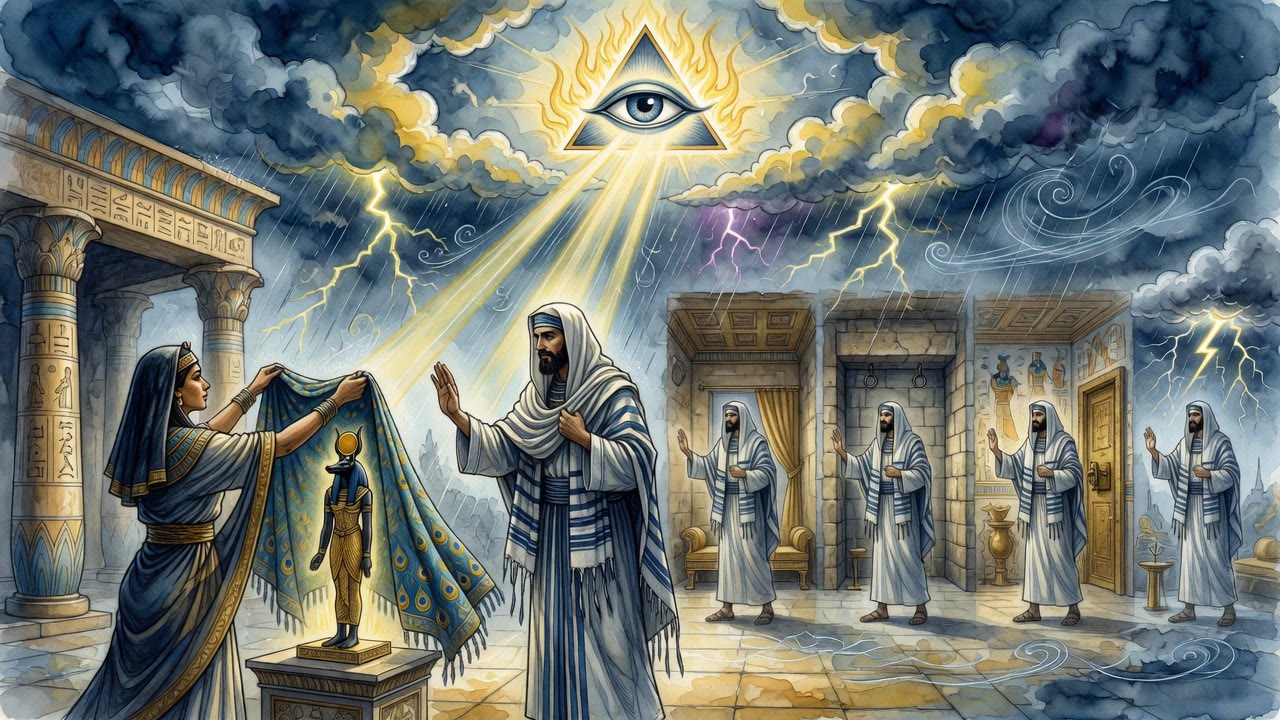
Zuleika covered her idol before approaching Joseph. He answered with five refusals, each one built for a room where power had closed the door.
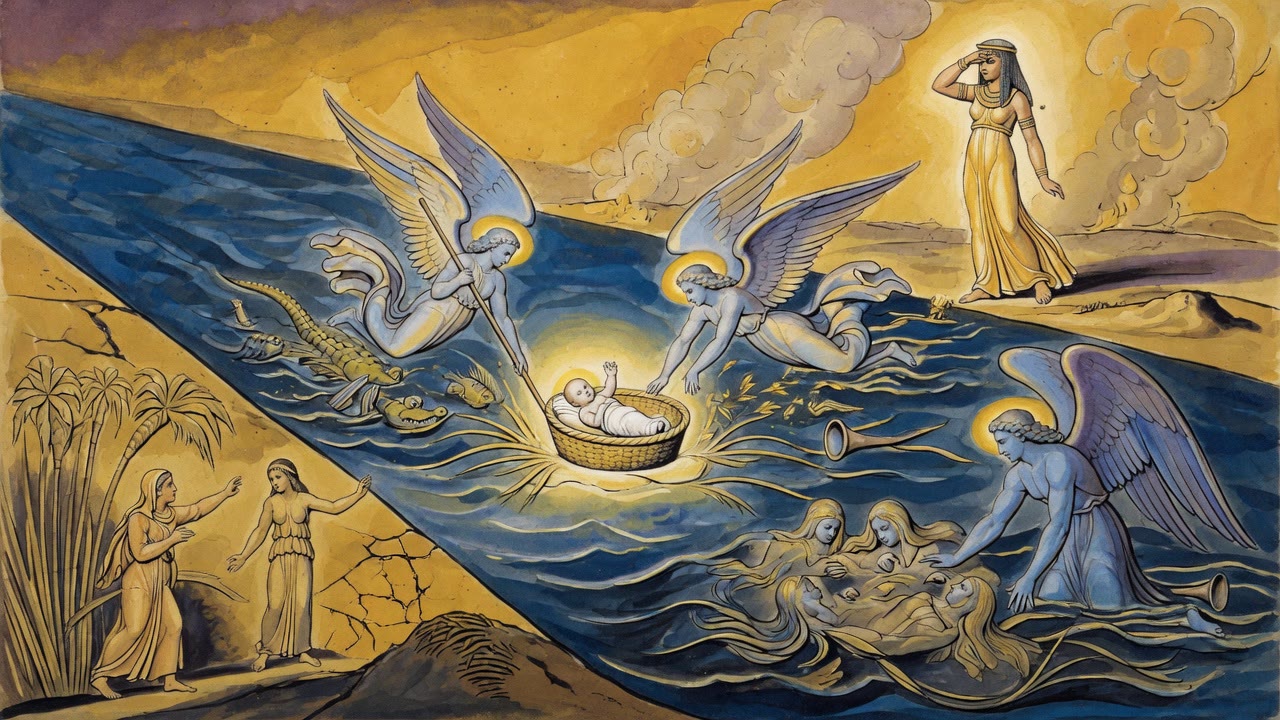
Scorching heat drove Pharaoh's daughter into the river, Gabriel buried the handmaids, and Miriam brought Moses back to his mother.

A wick of fire burned inside each hailstone. Egyptians cut meat from fallen cattle, and birds tore it from their hands on the road home.
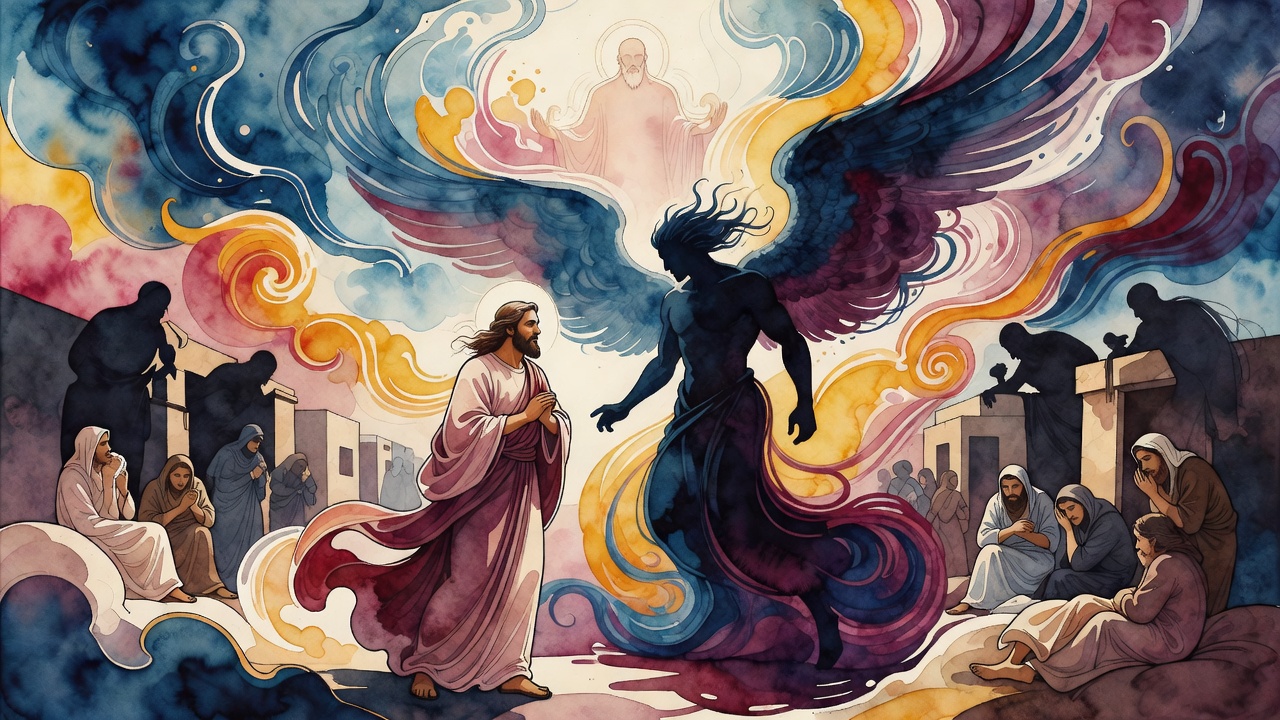
Egyptian parents hid their firstborn sons in Hebrew houses on the last night. By morning the Israelites woke beside the children's bodies.

Moses pleaded to enter Canaan by recalling the bush where he was sent. God answered by tracing Moses's mortality back to Eden and the first refusal.
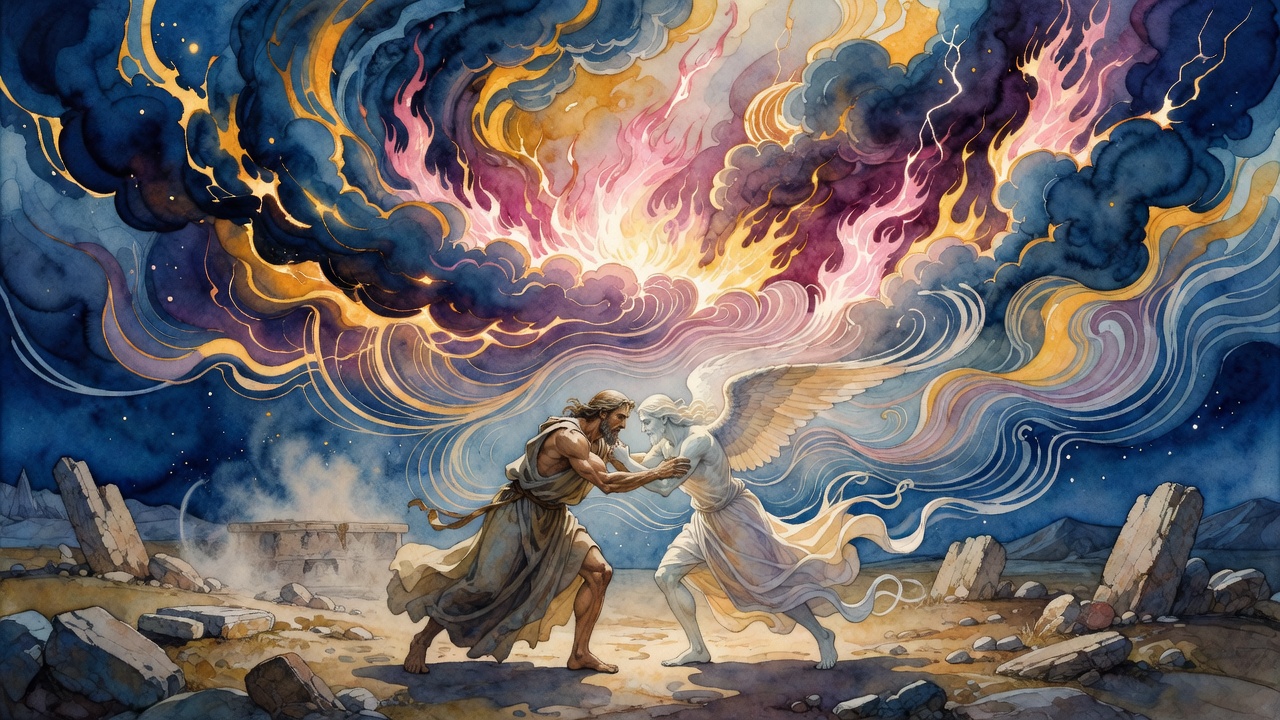
Jacob wrestles through the night over a forgotten tithe, a stolen blessing, and an angel whose first song waited since creation.
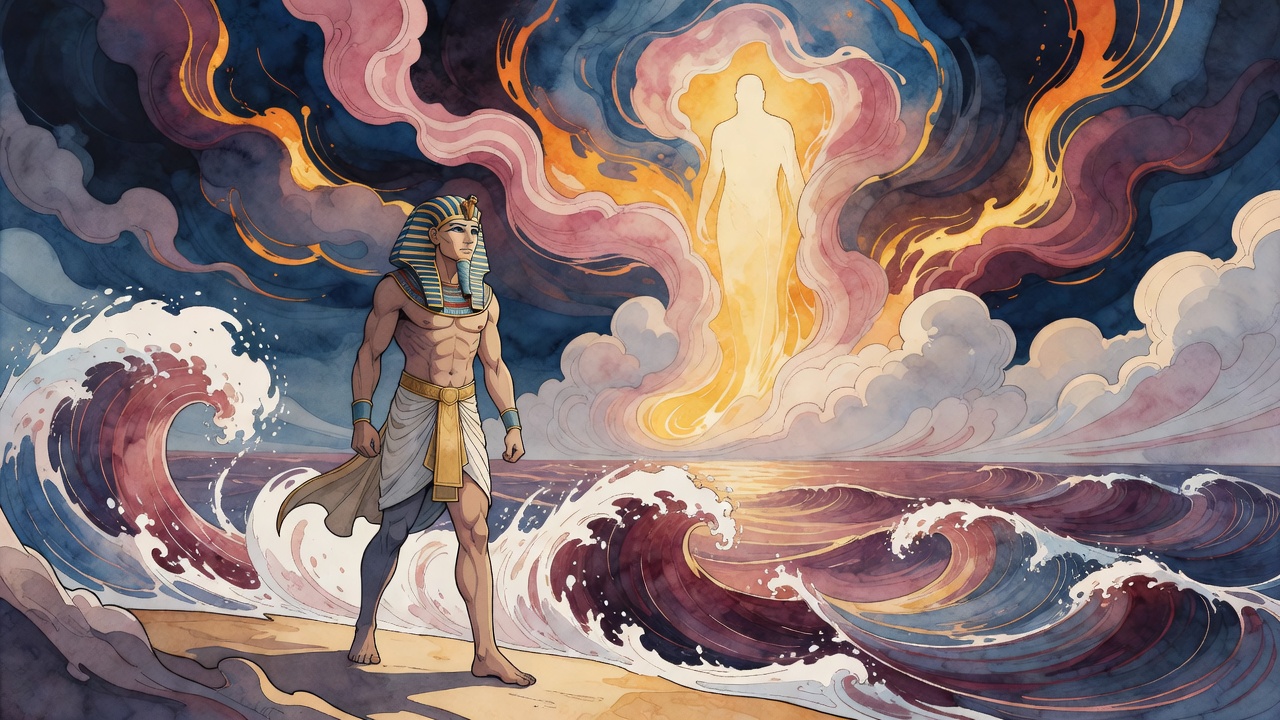
Mothers ran with lamps into rooms that had gone quiet. The king who signed the Nile decree still had breath in his chest.
