485 myths · Page 4 of 17
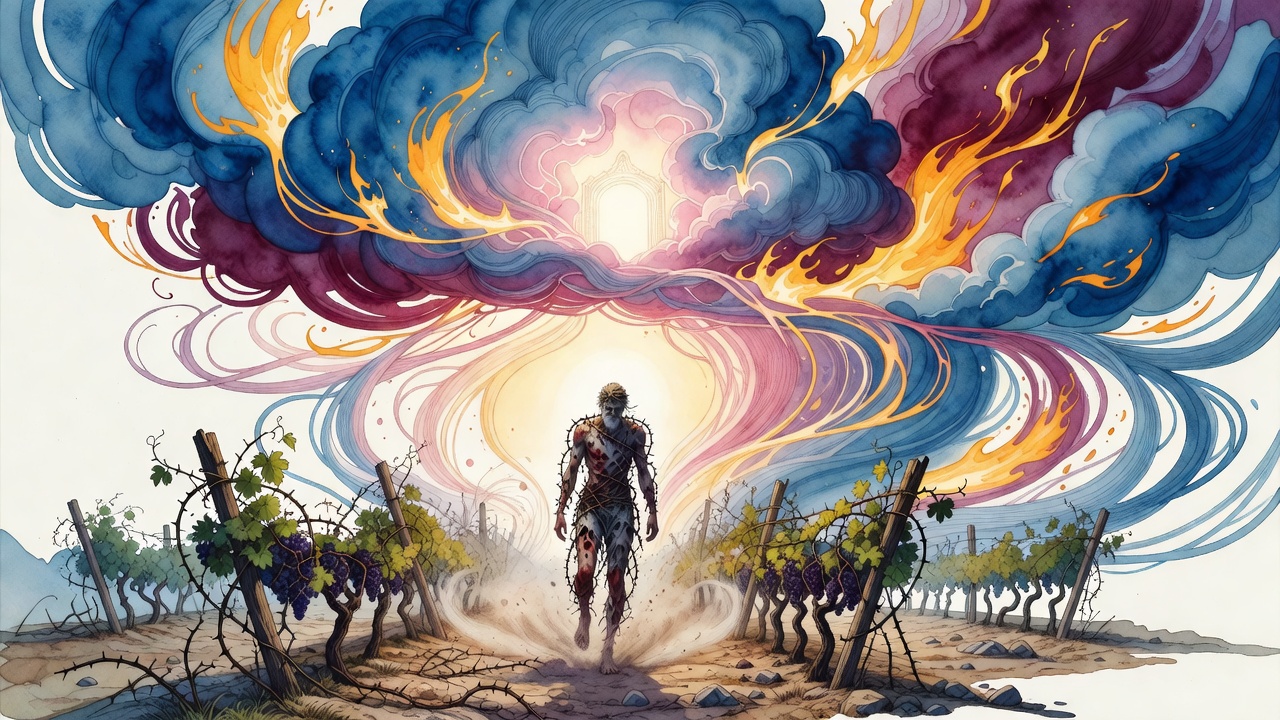
In the clay pits God did not wait for Israel to look like a nation. He called the bent workers His kin while the lash was still up.
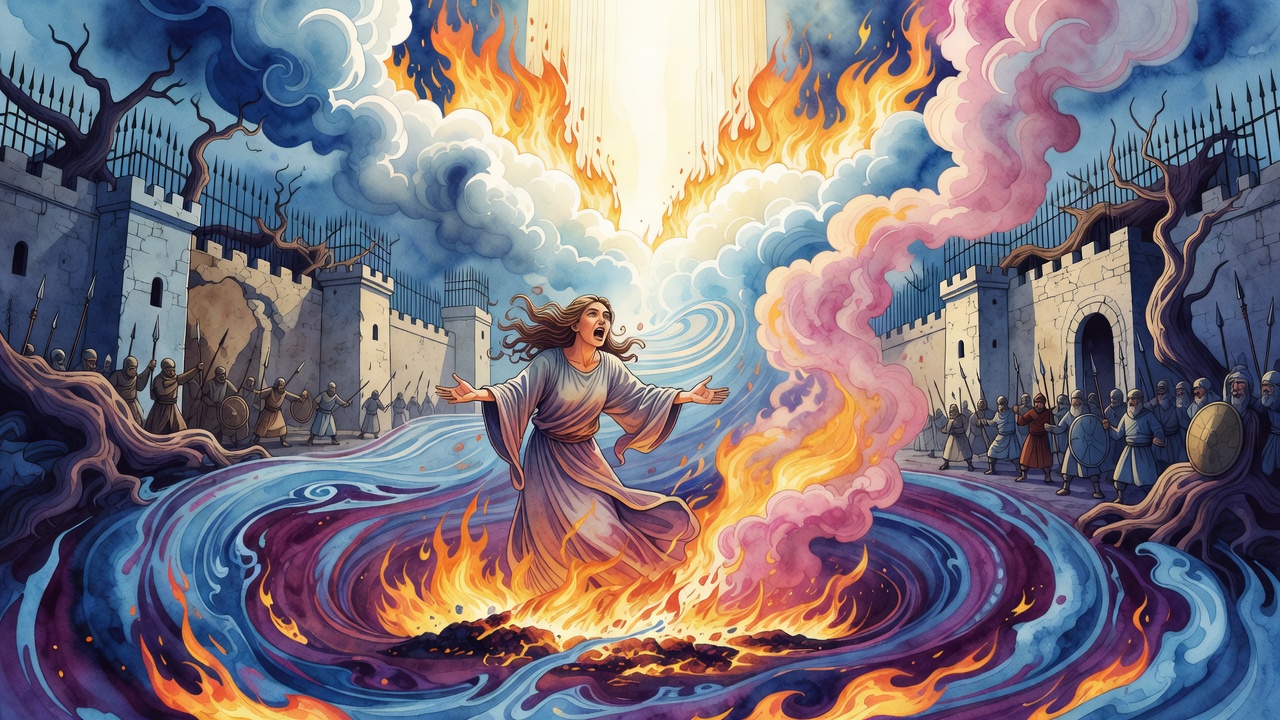
Peletith hid bread in her water bucket and carried it to the starving man in her street. Sodom burned her for feeding him.
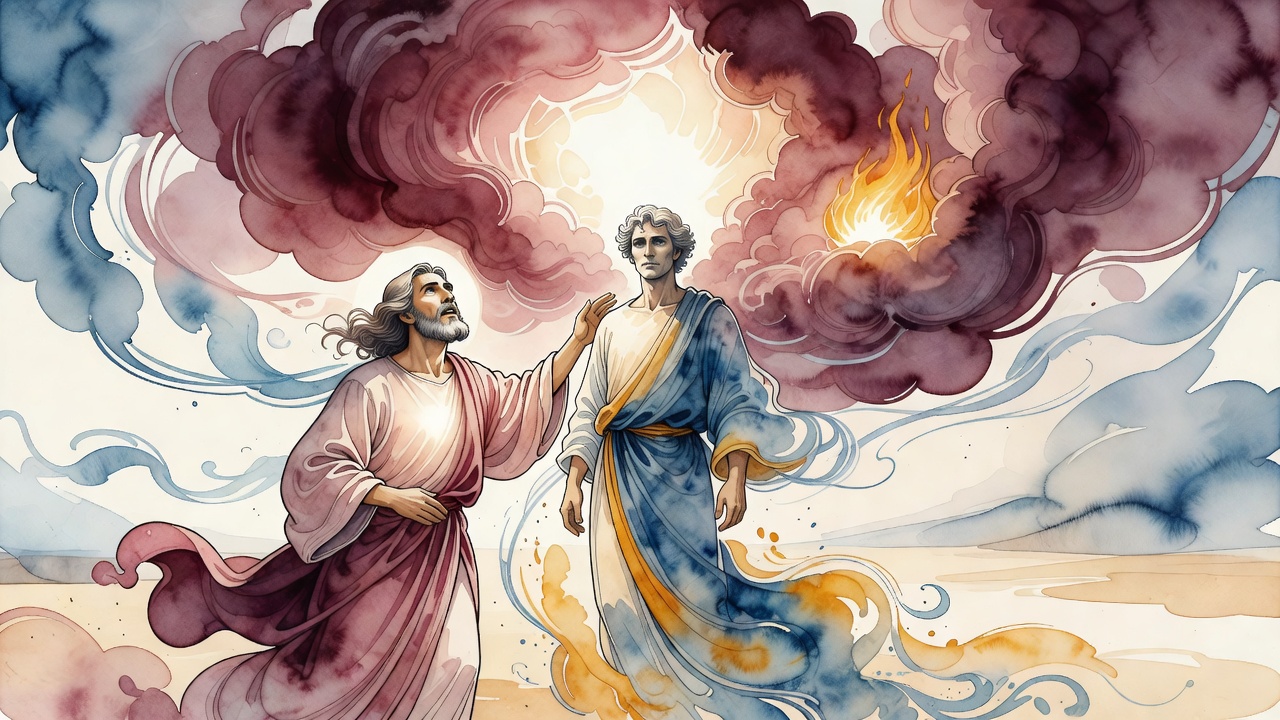
The last sacks were empty. Judah put his own life up for Benjamin, and Jacob still had to send the boy into Egypt. He prayed first.
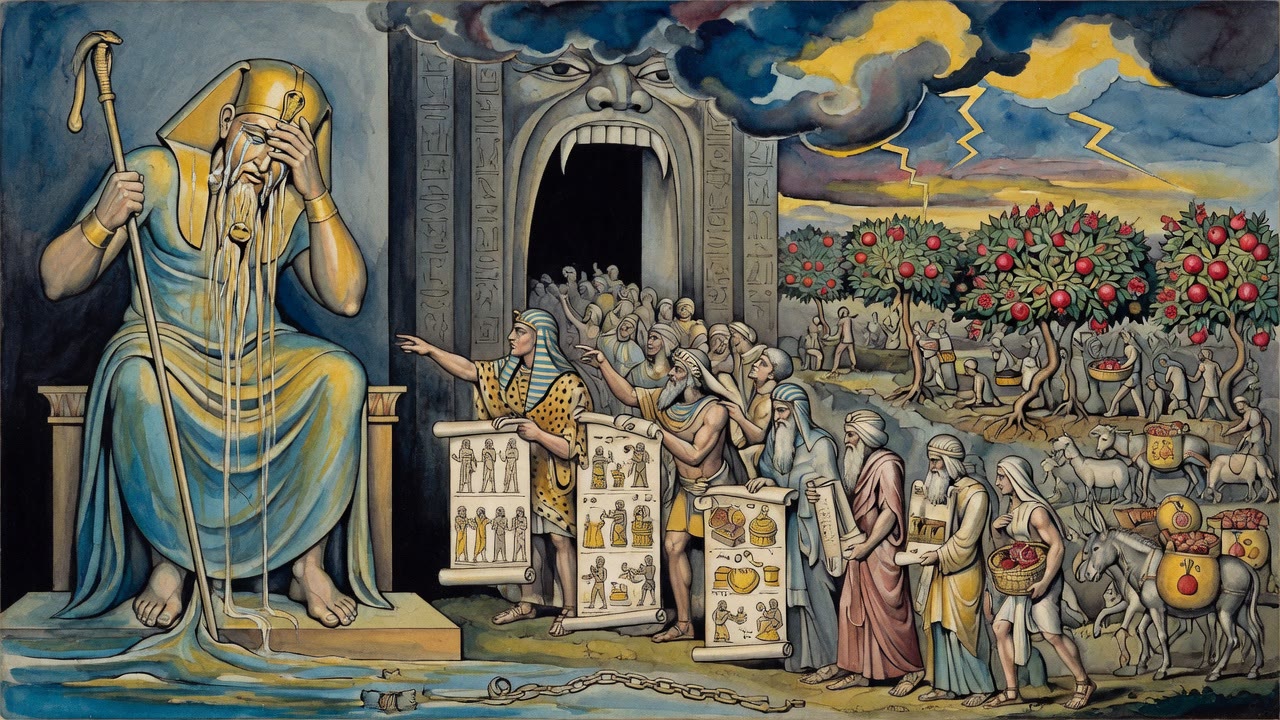
Pharaoh thought he was releasing slaves. His advisors catalogued what walked out, wise men, artisans, wealth, an orchard of pomegranates.
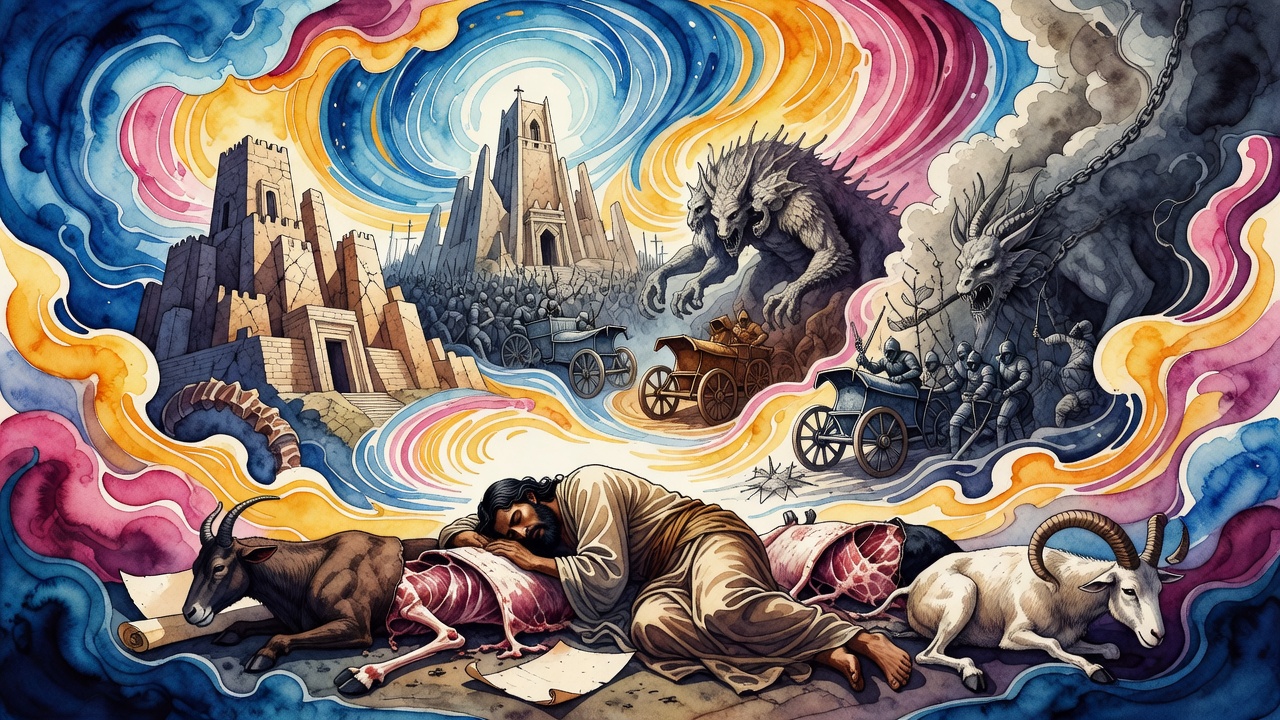
The furnace smoked. The torch burned. God asked Abram to choose Gehinnom or the stranger's rule for every child after him.
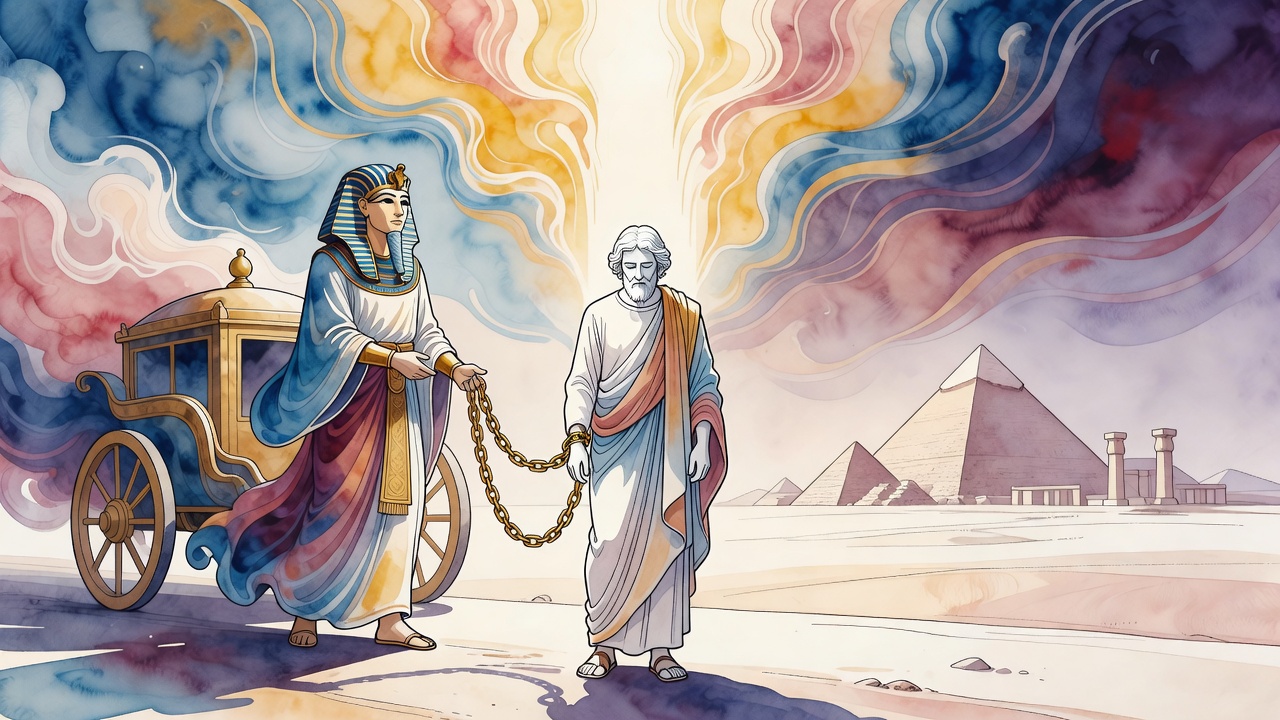
Pharaoh gave Joseph a gold chain, a chariot, and a new name. Joseph took none of it into himself. Egypt was at peace because of it.
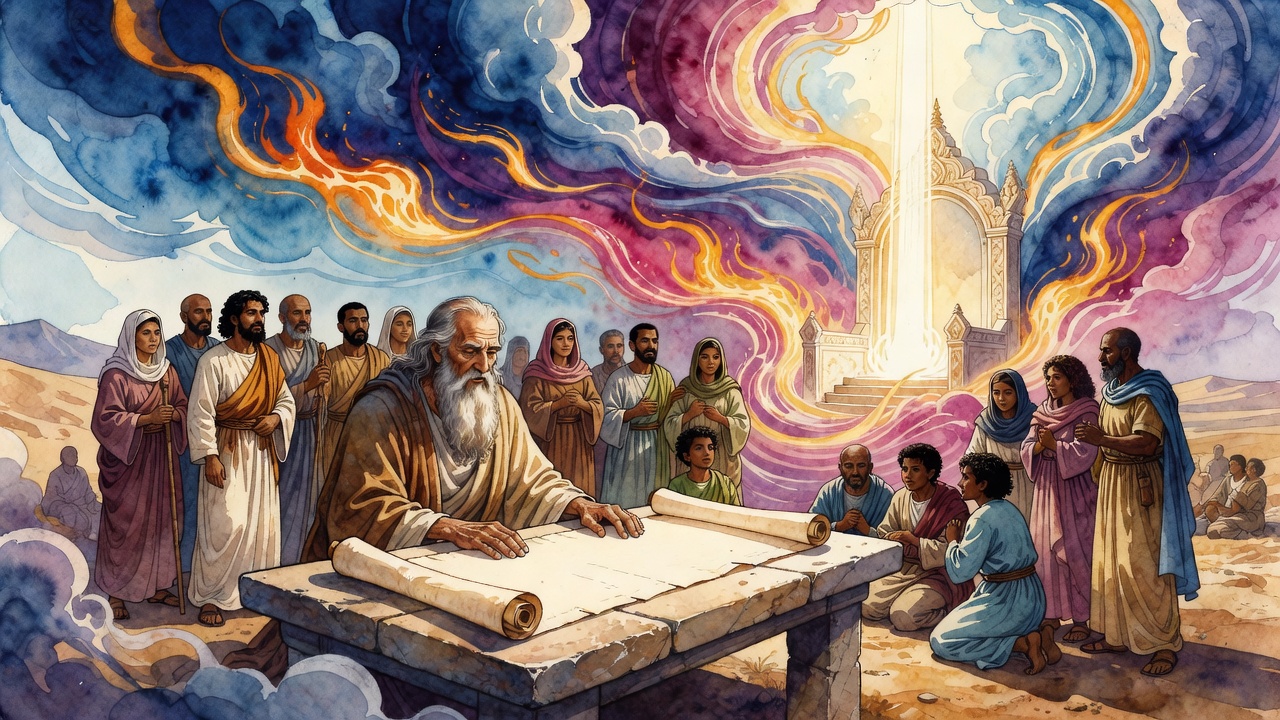
Jubilees counts every soul who descended with Jacob into Egypt. Seventy names, twelve tribes, one family mirroring the whole human world.
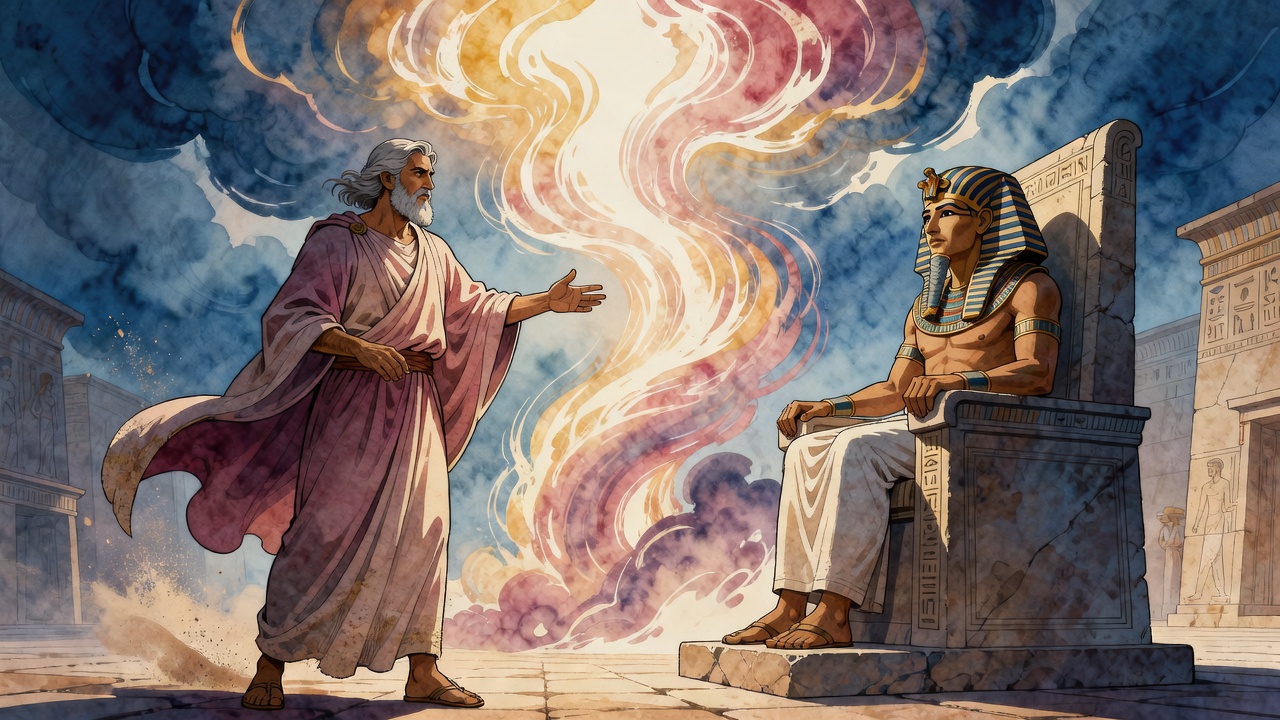
Moses warned Pharaoh before each plague. Ten warnings, ten refusals. Jubilees says the plagues were not punishment alone but a debt paid to Abraham.
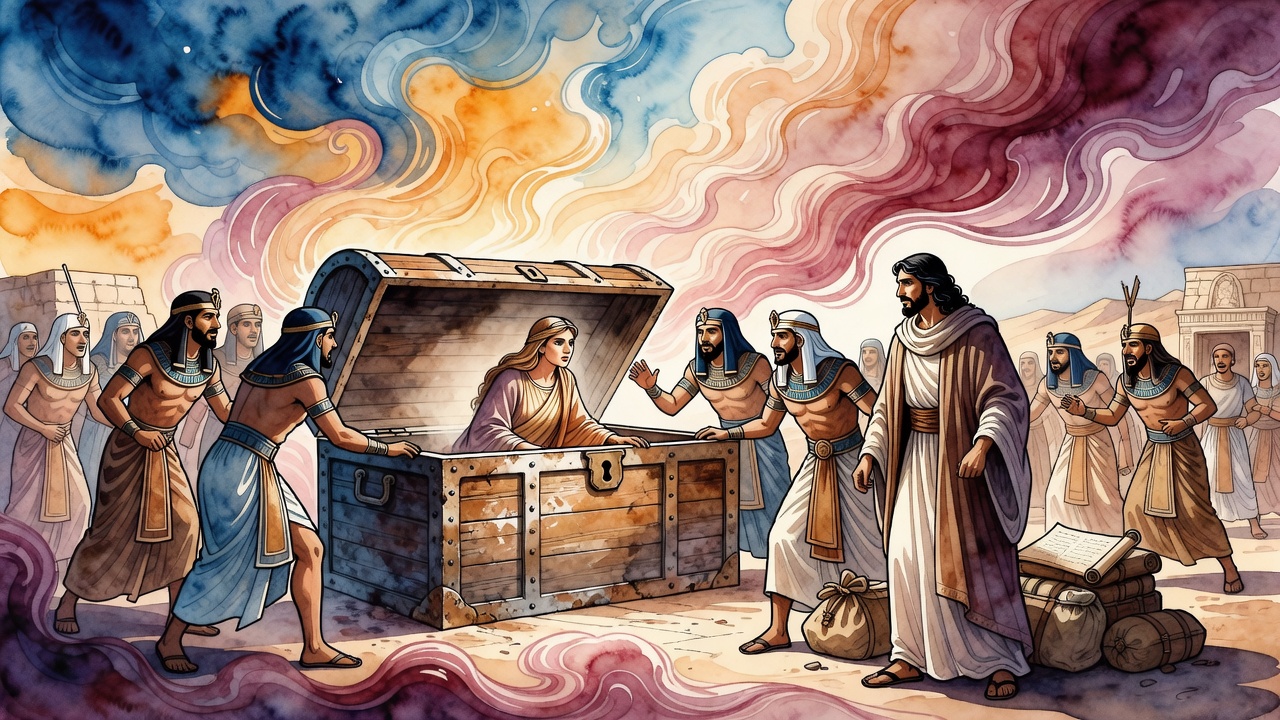
Clothing, Abram told the official at the border. He paid that toll, then the toll for silk, then more. Then the lock came off and light filled Egypt.
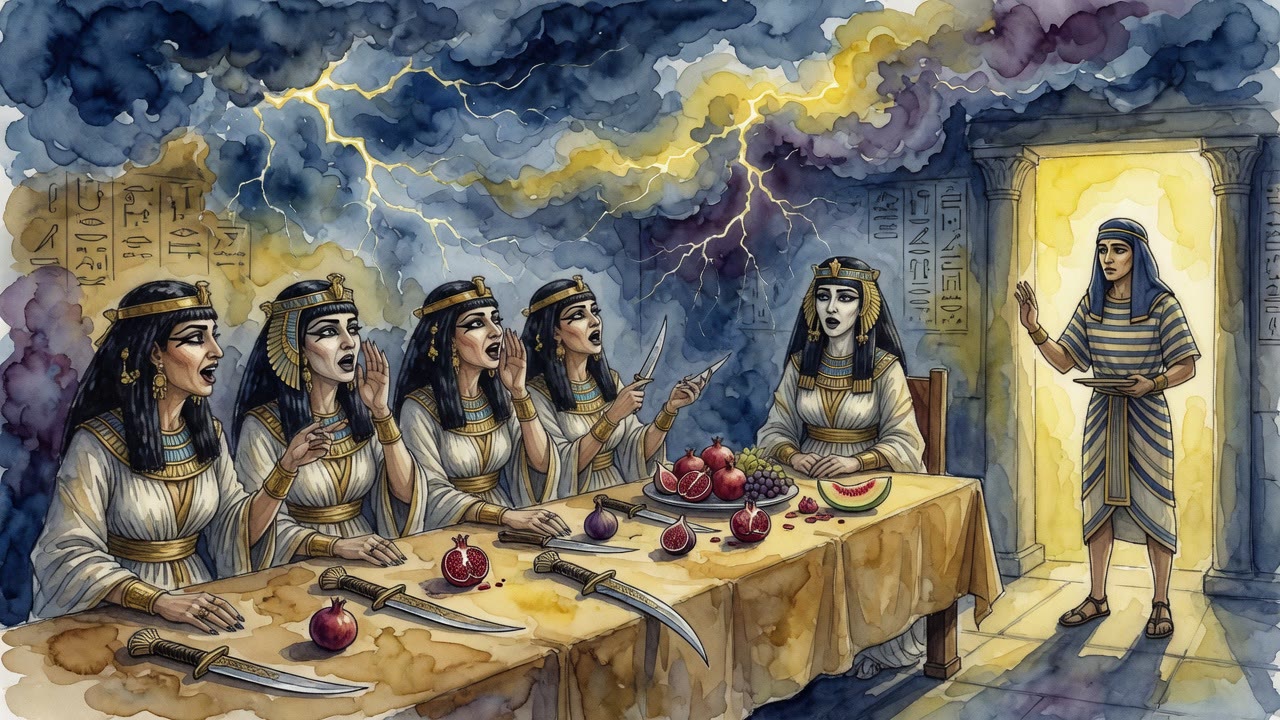
Egyptian noblewomen mocked Potiphar's wife for obsessing over a slave. She gave each guest a knife and an apple. Then Joseph walked in.
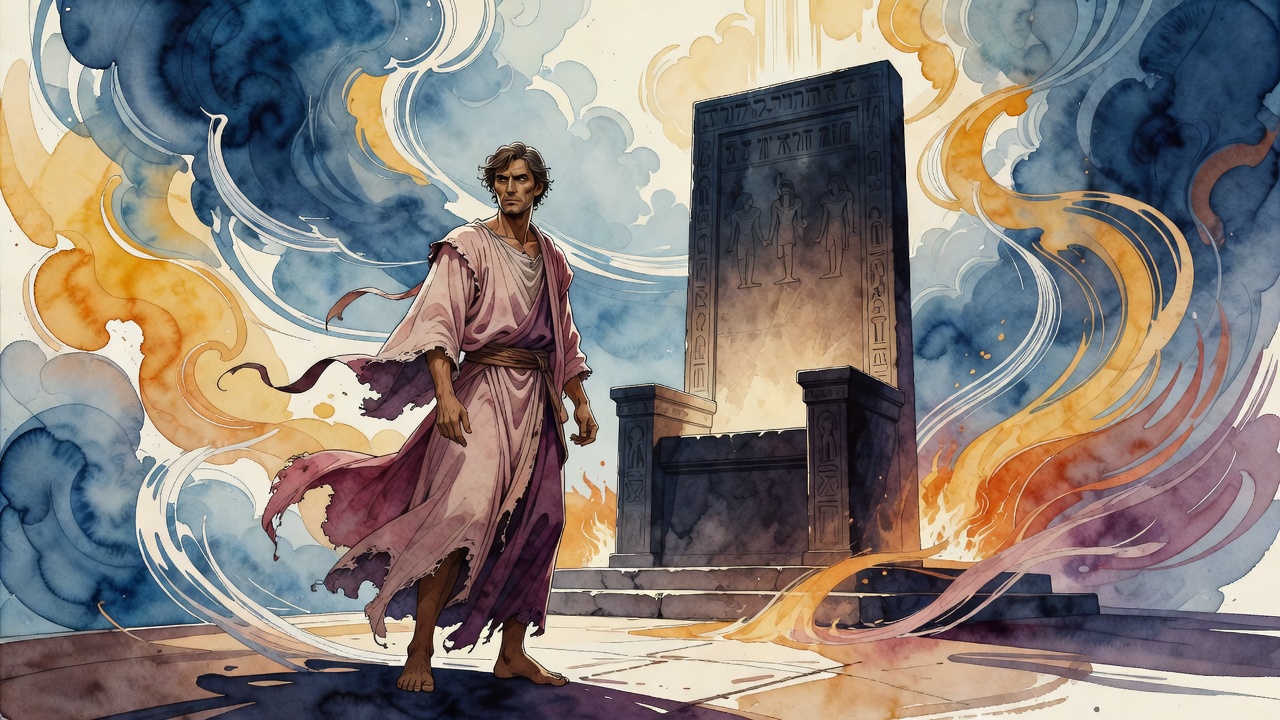
He arrived from Shinar with empty hands. Eight months later he paid the king in gold and a charger, and Egypt learned a new royal name.
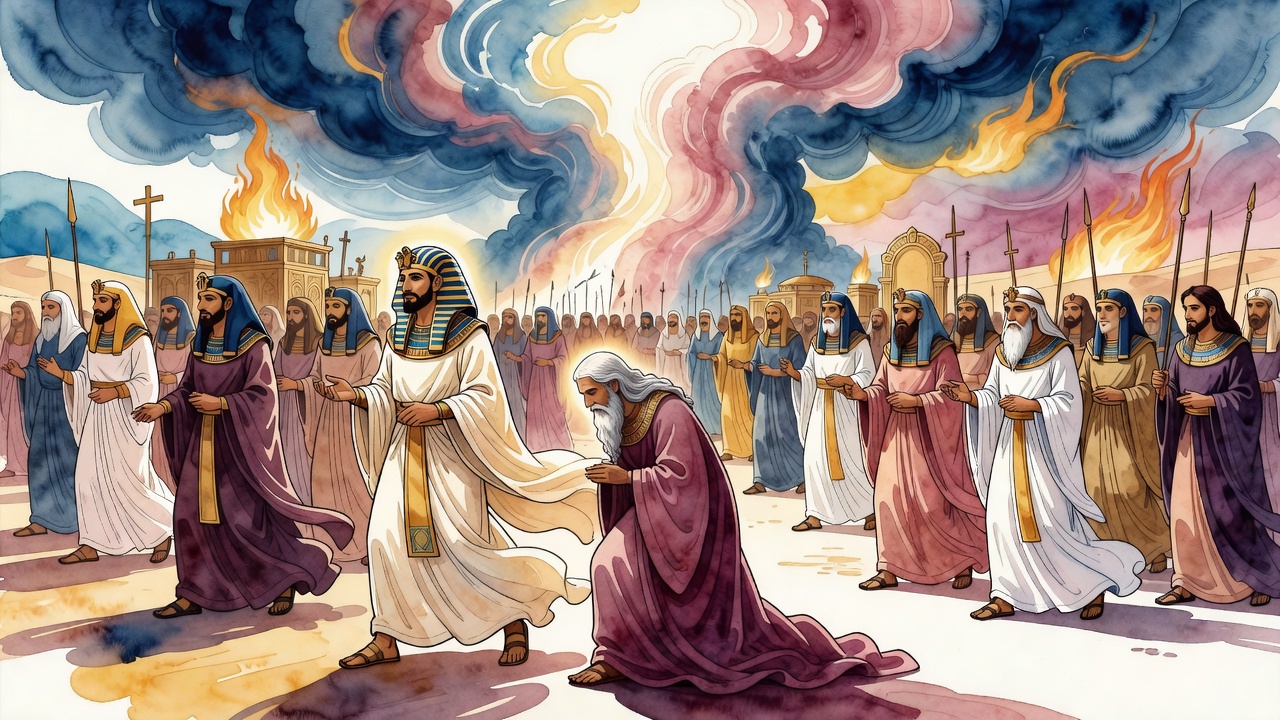
Joseph fell on his father's neck and wept. Jacob did not kiss him. He was in the middle of the Shema and he would not stop.
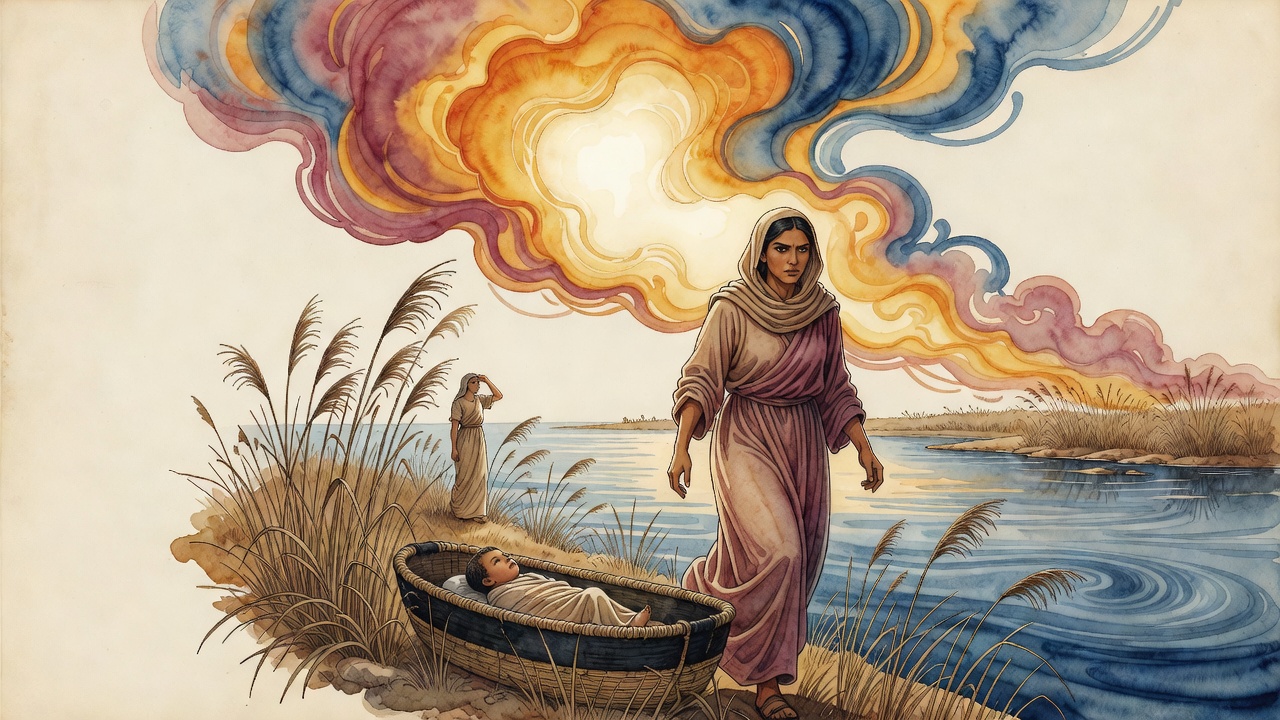
Jochebed pitched the outside only so her son would not breathe the smell of pitch. Then she set him in the Nile and walked away.
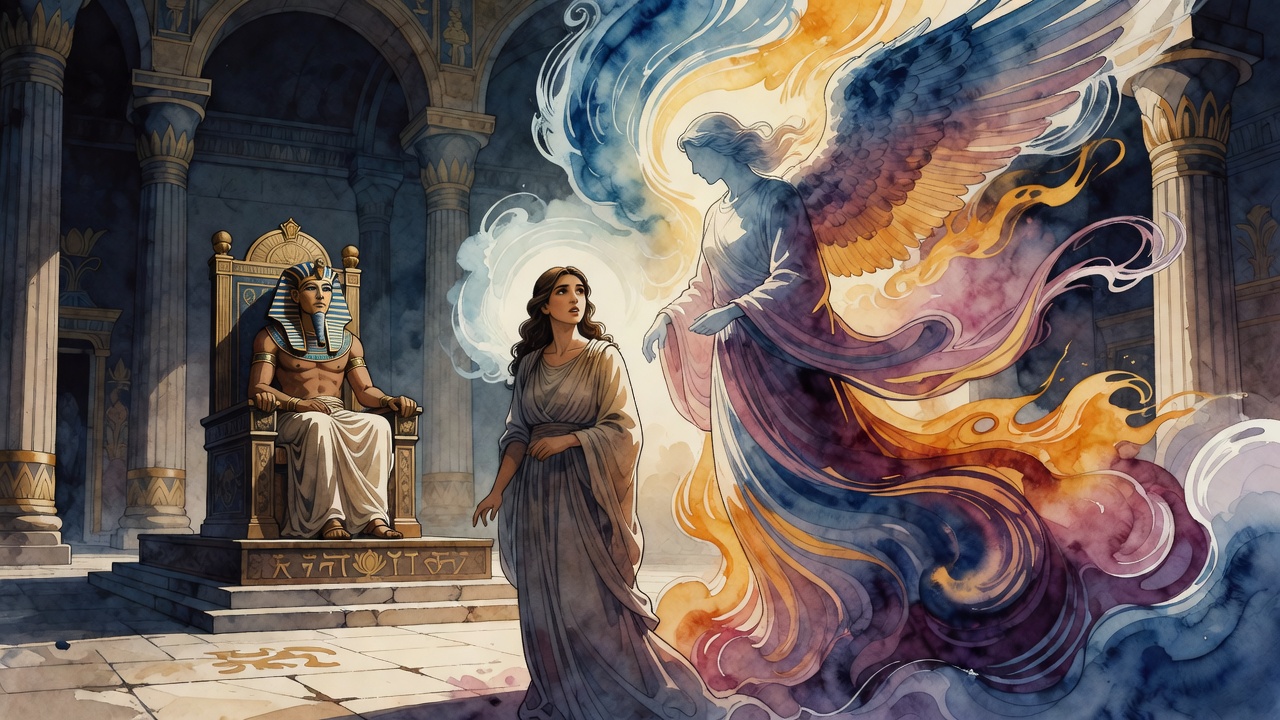
An angel appeared in Pharaoh's throne room while Sarah stood before the king. Only she could see him. He told her not to be afraid.
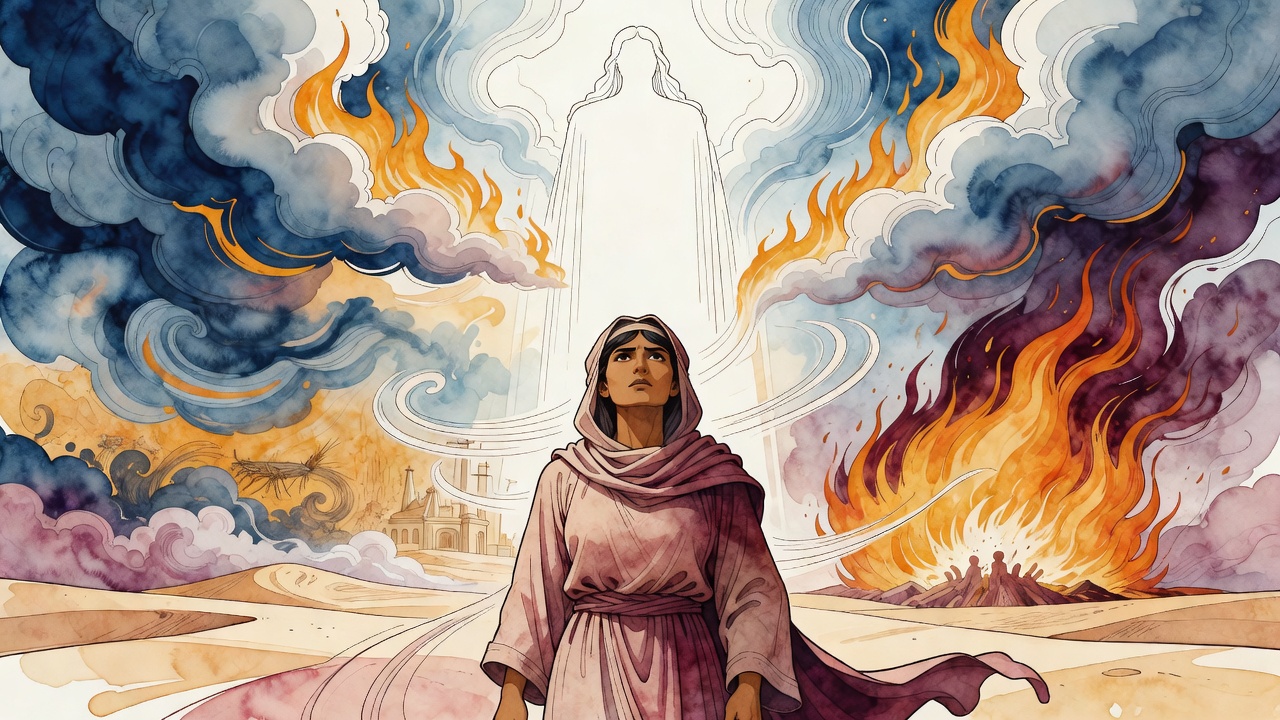
Hagar had watched Pharaoh's plague and the furnace miracle before she ever conceived. Her contempt came from drawing the wrong lesson from what she knew.
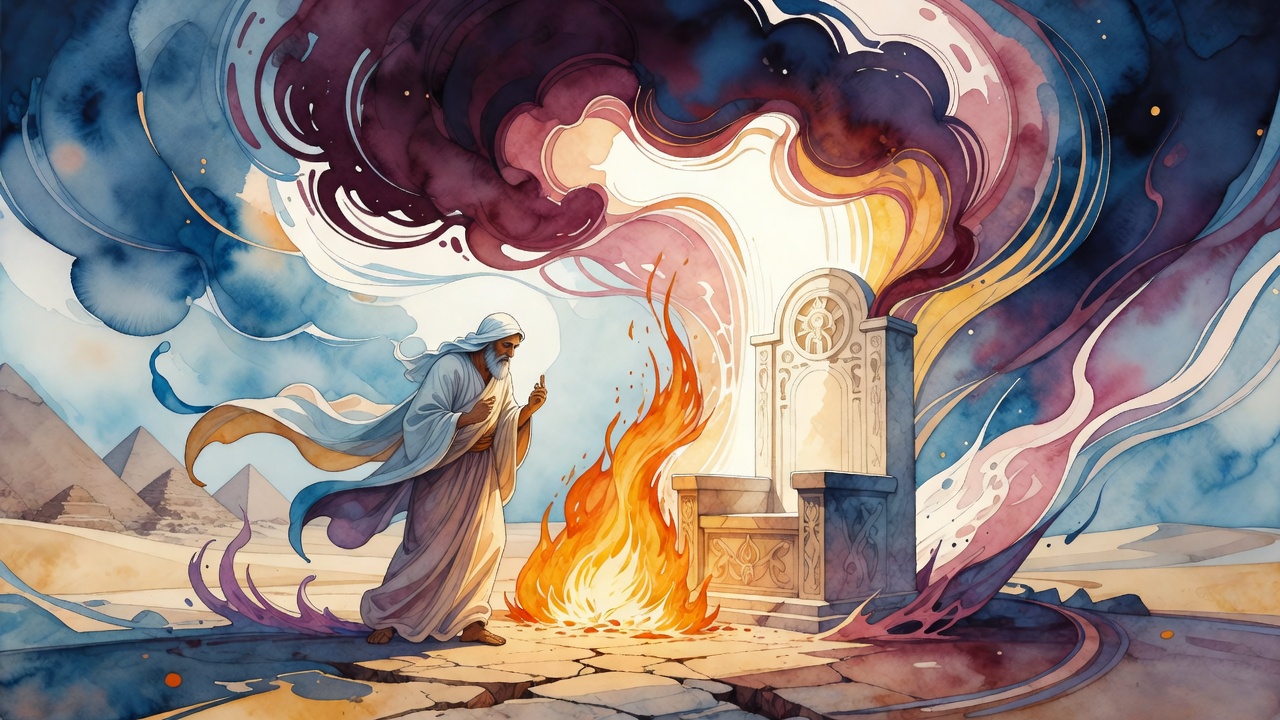
Lot survived Sodom not only because of Abraham's prayer. The tradition traces his rescue to a moment in Egypt when he stayed silent and heaven noticed.
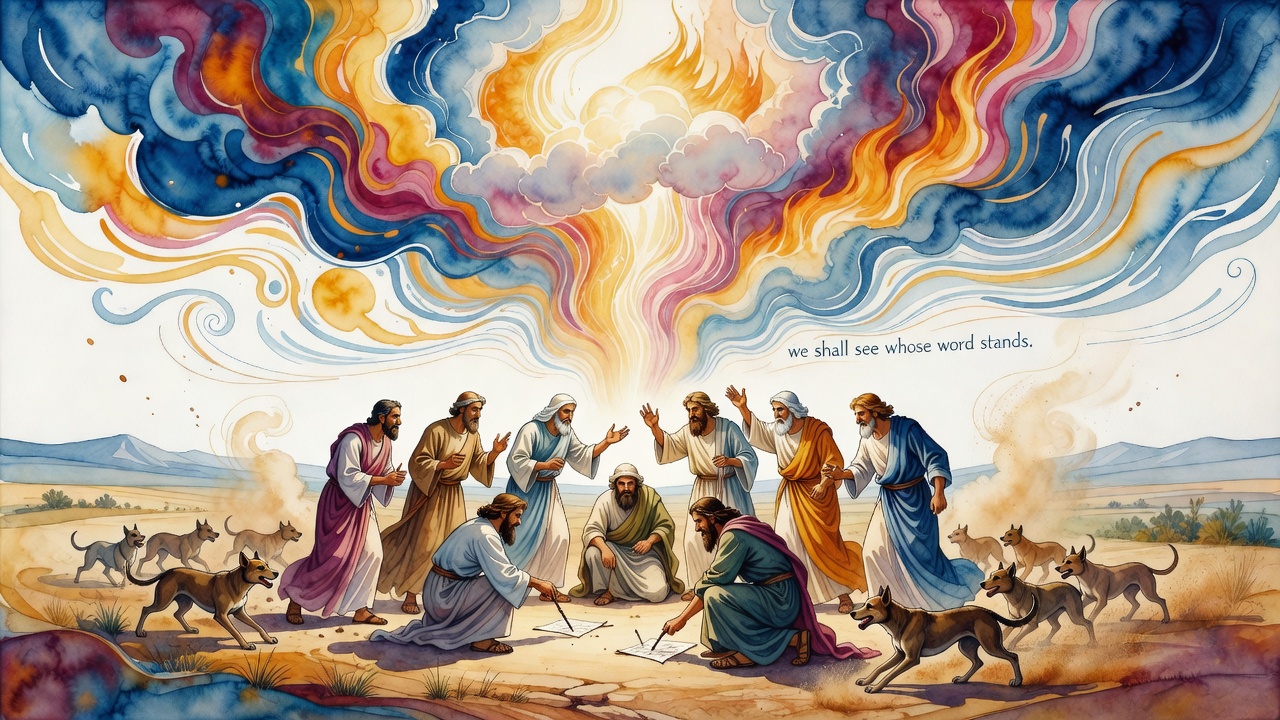
Before Joseph reached Dothan the brothers cycled through plans, including dogs. God heard every word and answered: we shall see whose word stands.
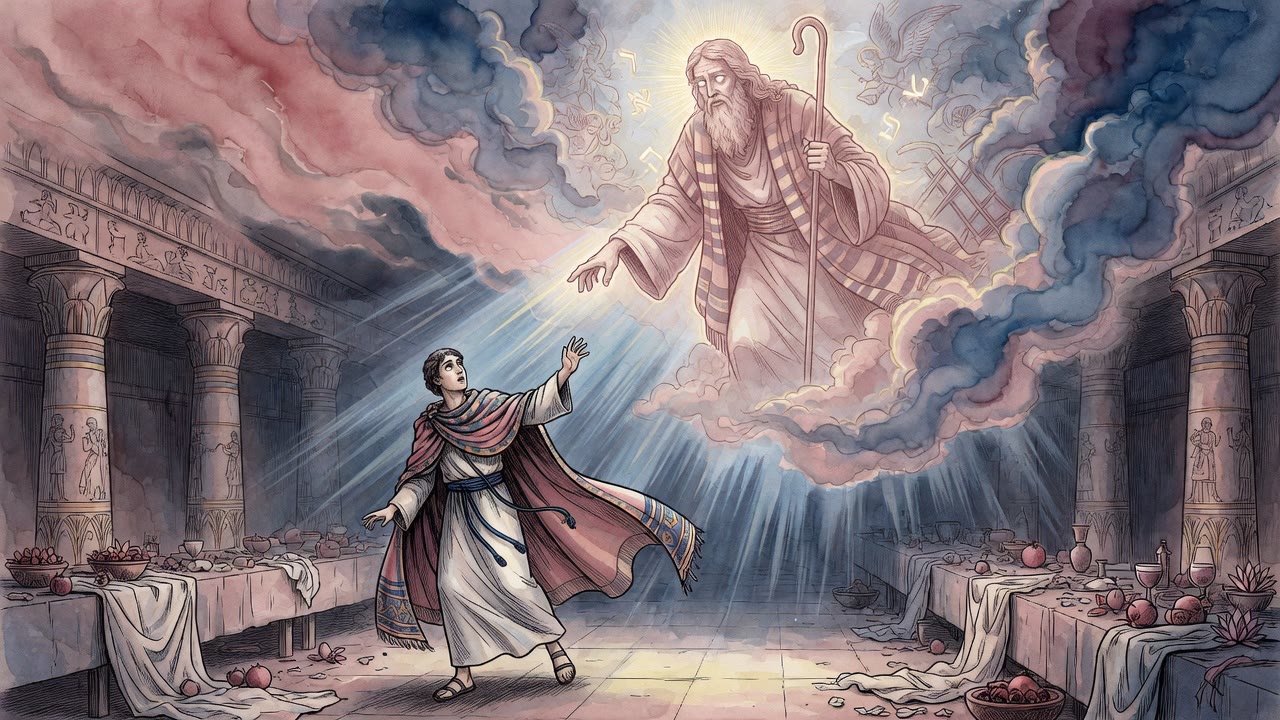
She praised his eyes in the Egyptian house. He told her they would look ghastly in the grave, and she came back the next morning anyway.
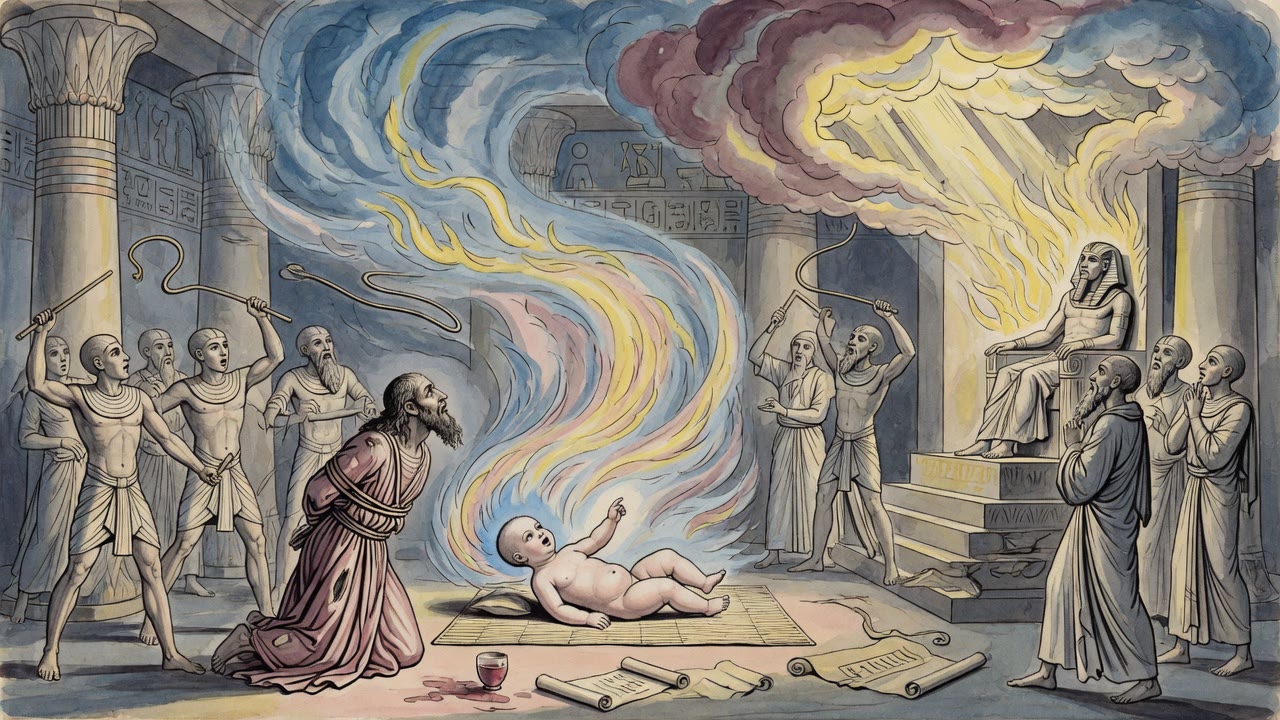
She changed out of her state robes, got back into the bed she had left that morning, and laid the torn coat down beside her. Then she called the house in.
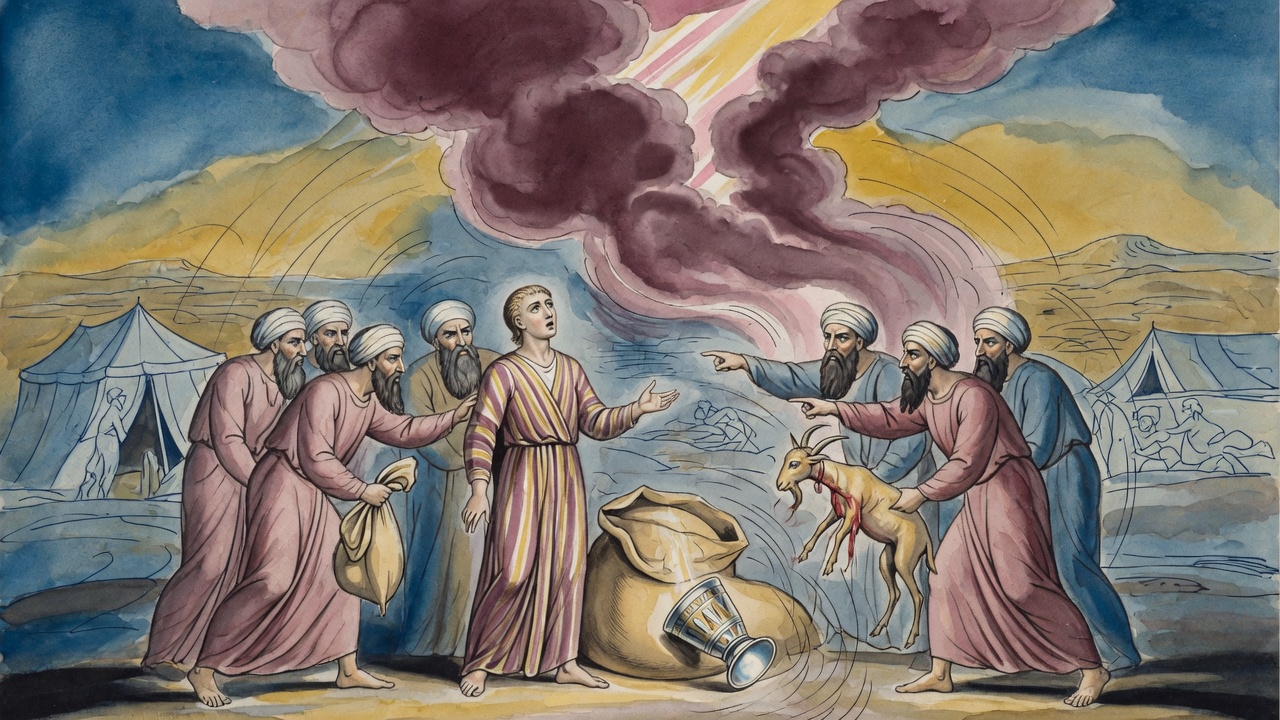
They called him thief, then they called his mother a thief. Benjamin asked about a kid of the goats and a coat soaked in blood.
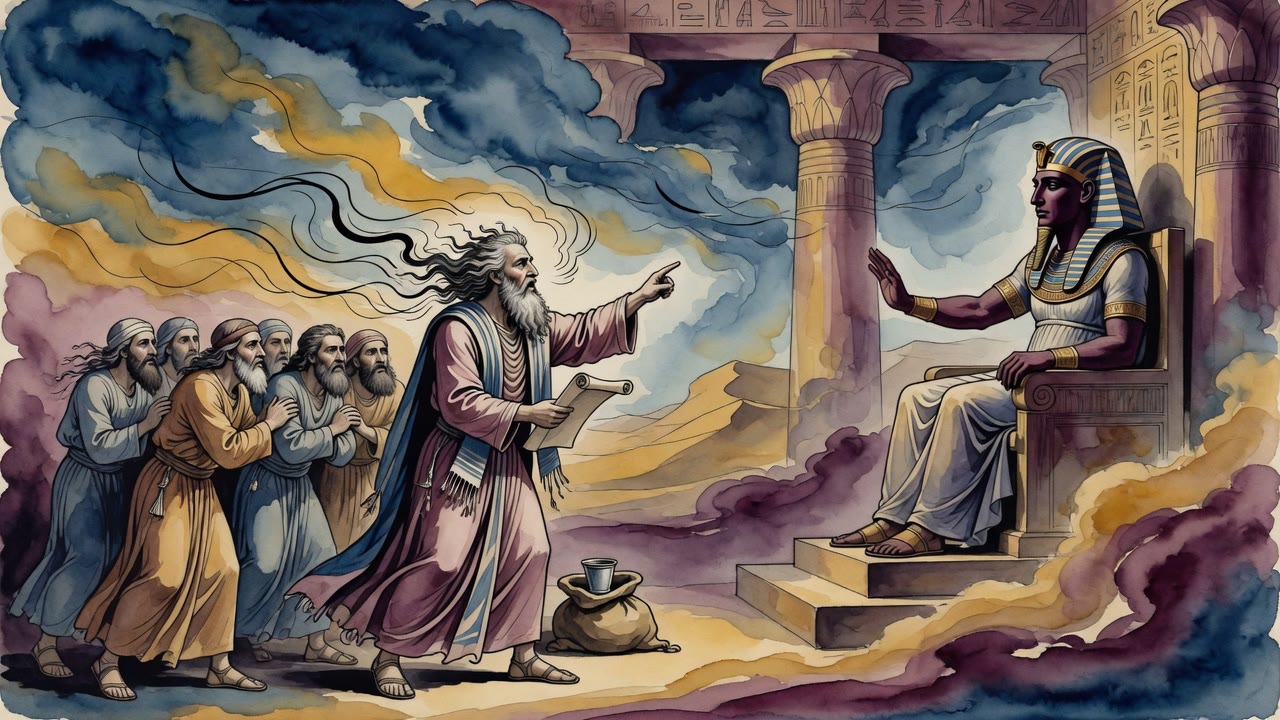
Standing before Egypt's Viceroy, Judah invoked the law of companions taken together. Joseph answered that only the one who stole should remain.
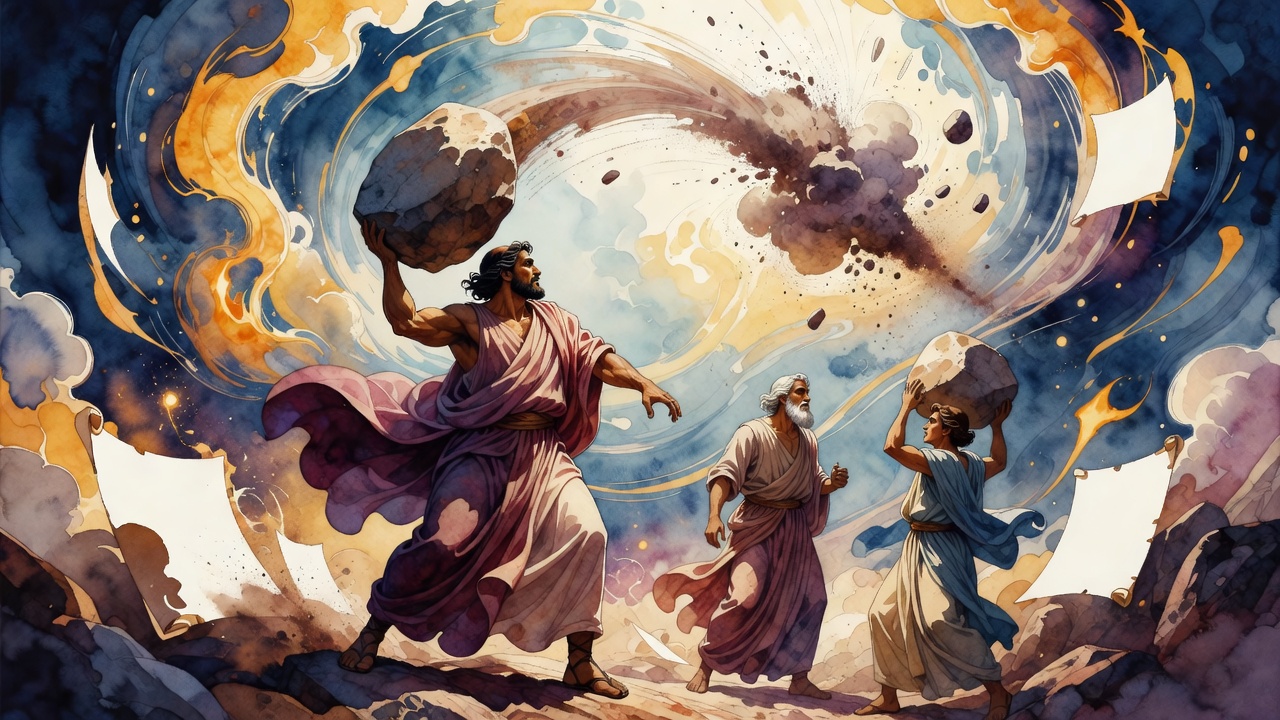
The viceroy would not give Benjamin back. Judah's mouth was empty. He reached for a stone that weighed four hundred shekels.
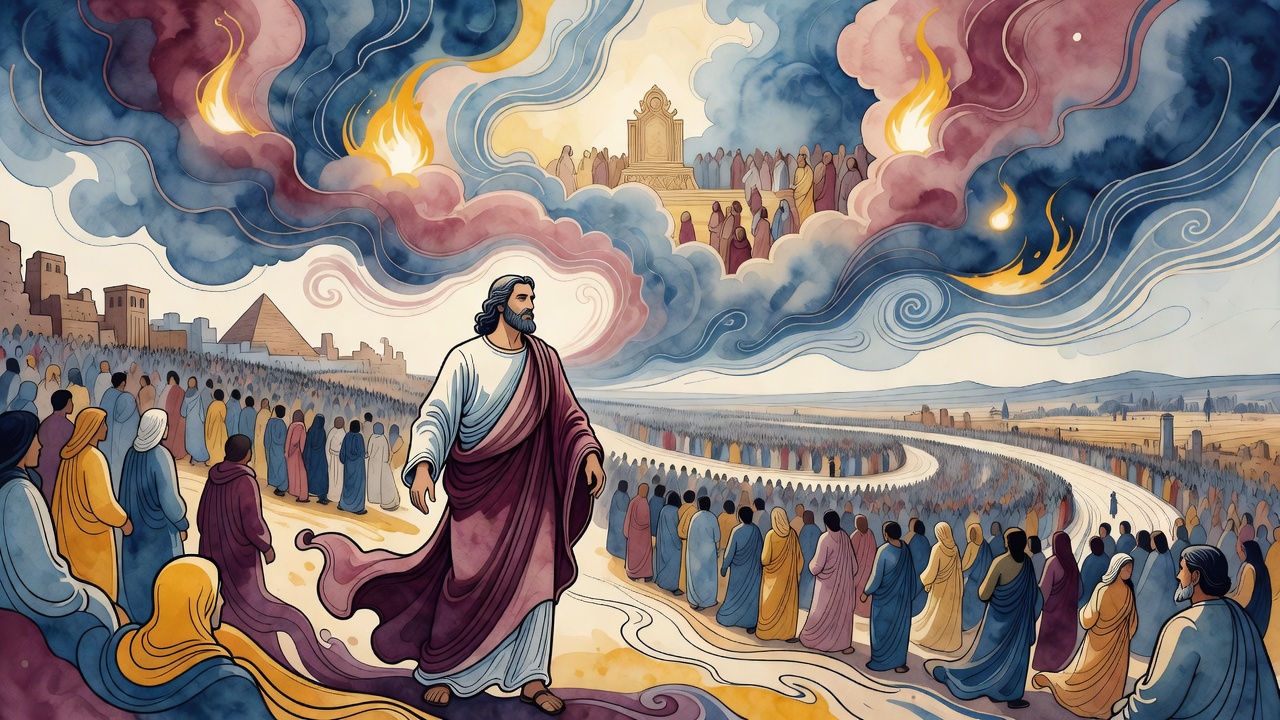
Egypt had sold him its silver, its cattle, and its fields. Then Joseph emptied its towns and moved the whole population, and his brothers never learned why.
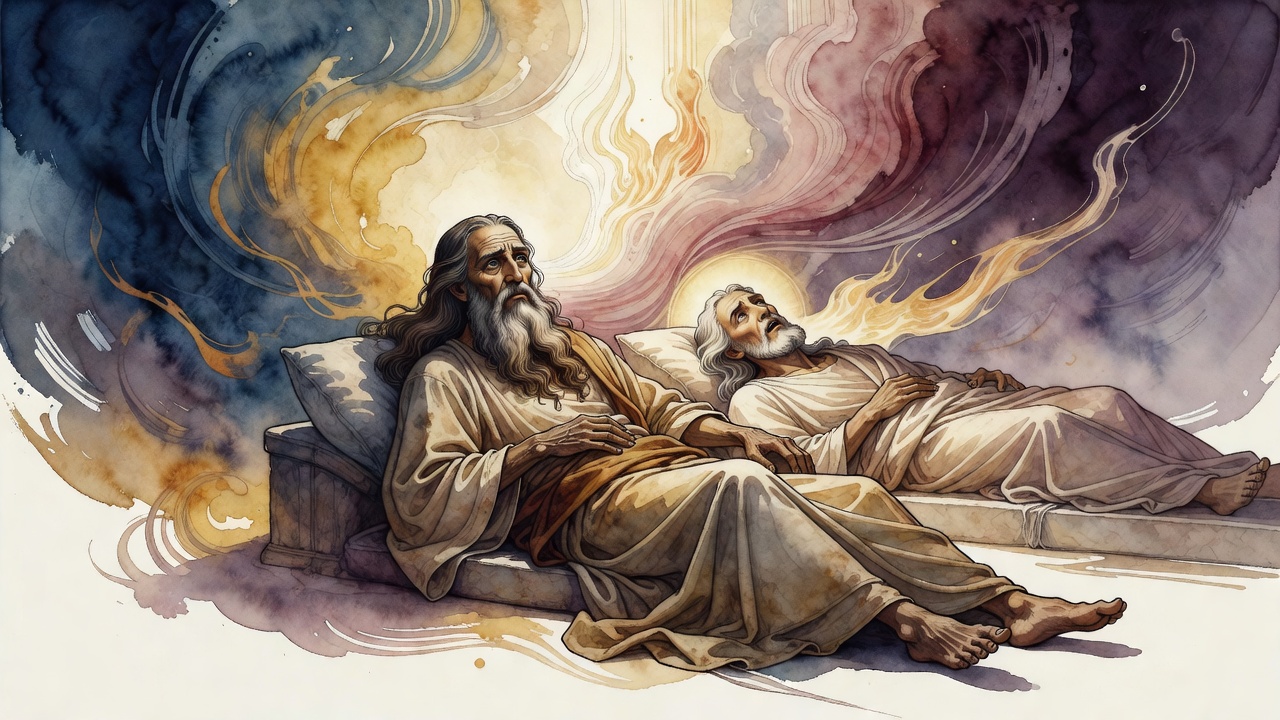
Judah's last words listed the lion he killed barehanded and the bear he flung off a cliff. Levi told his sons to teach their children to read the Torah.
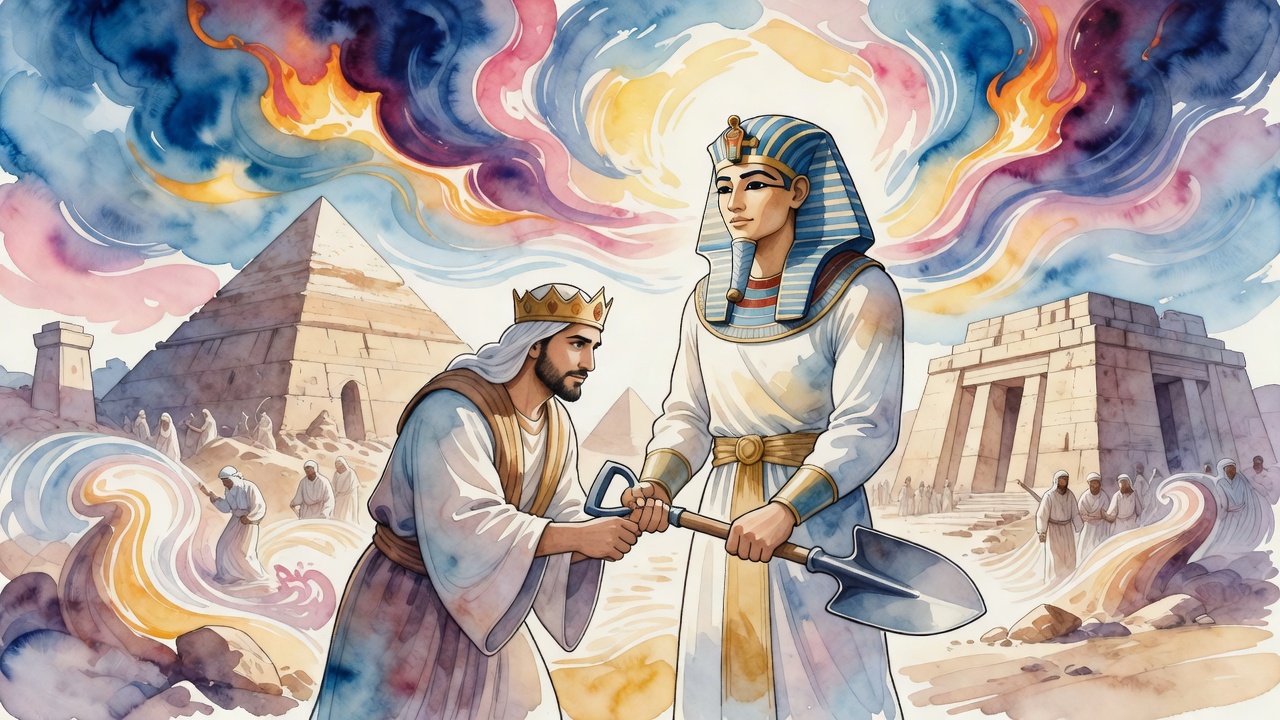
Pharaoh did not enslave Israel with chains. He did it with wages, flattery, and a shovel pressed into the hands of a willing king.
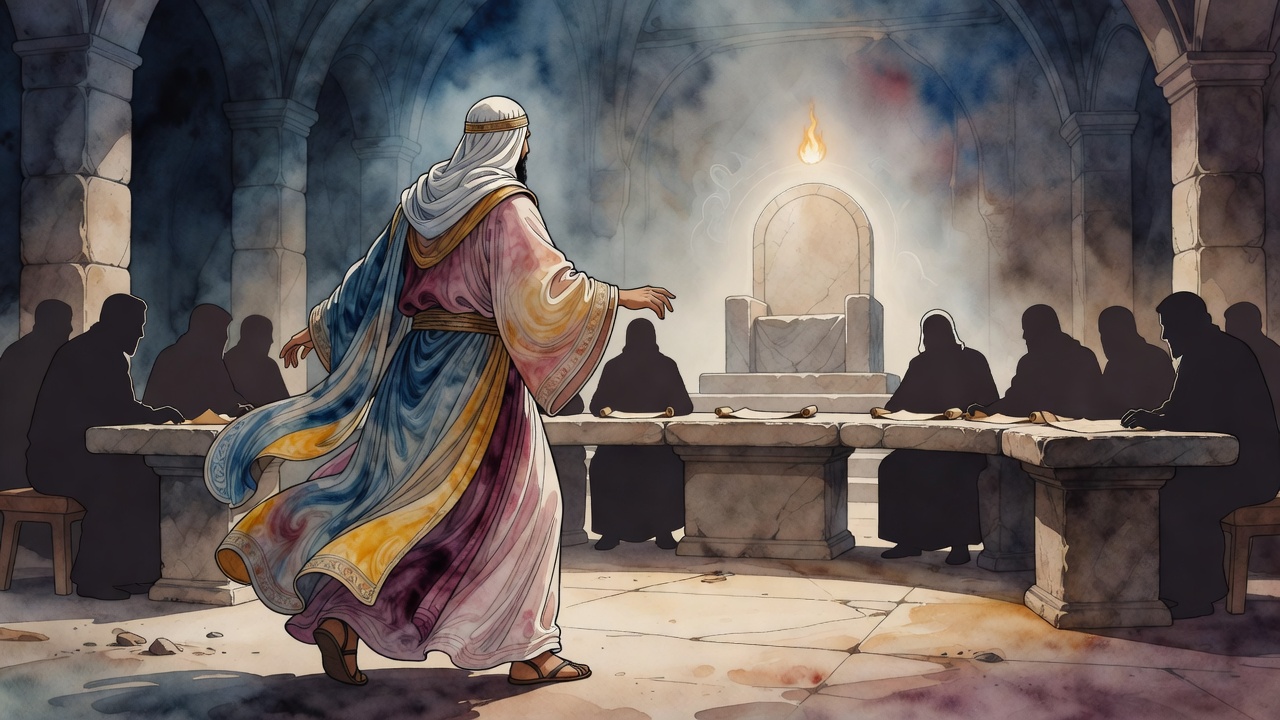
Balak wanted a plan against Israel. Reuel named four generations of rescue. The king still asked for a curse, so Reuel left the room.
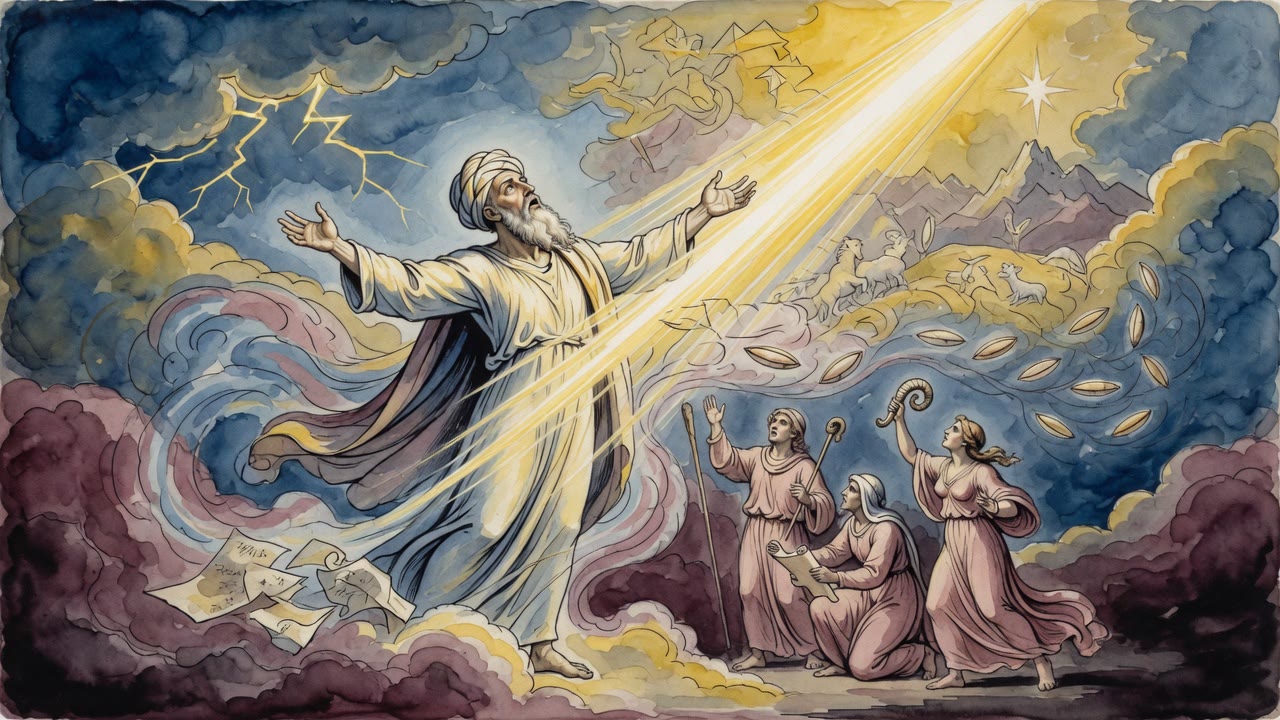
Before Moses was born, Balaam turned Pharaoh's nightmare into policy, changing fear of one child into a decree against a people.
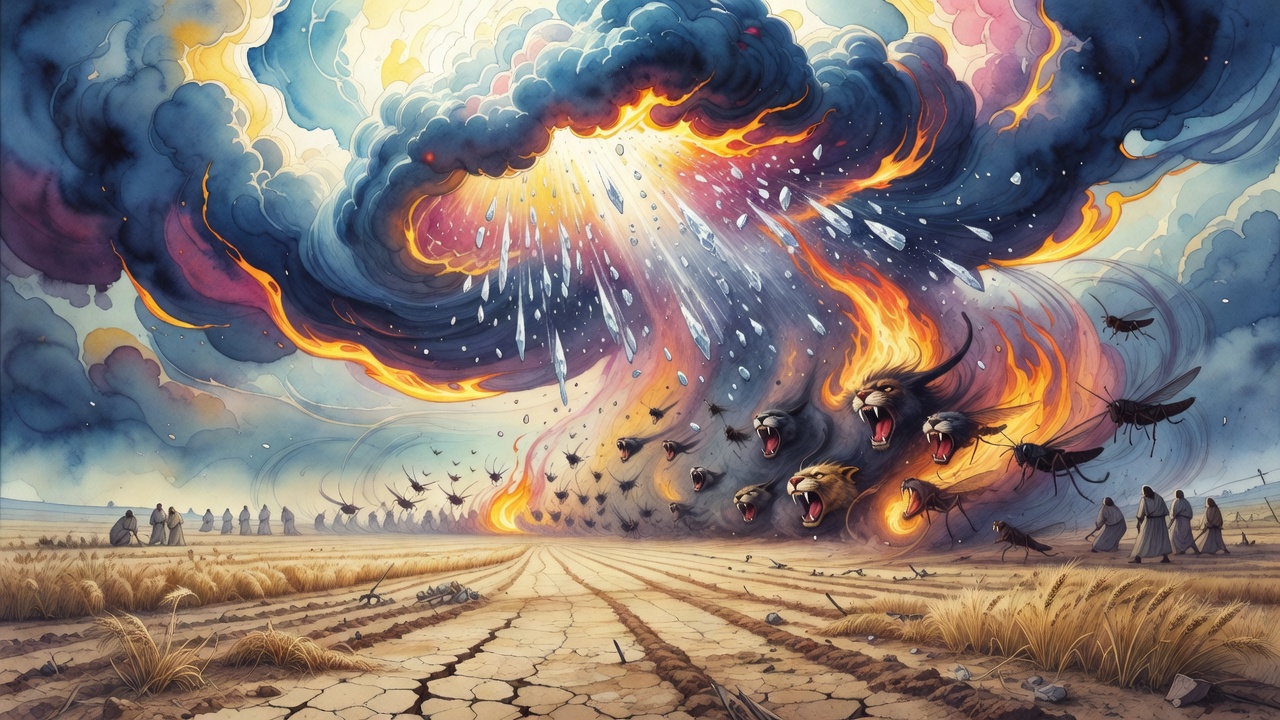
Israel had planted Egypt's orchards for years. Moses scratched a line on the palace wall. When the sun hit it, the hail came.
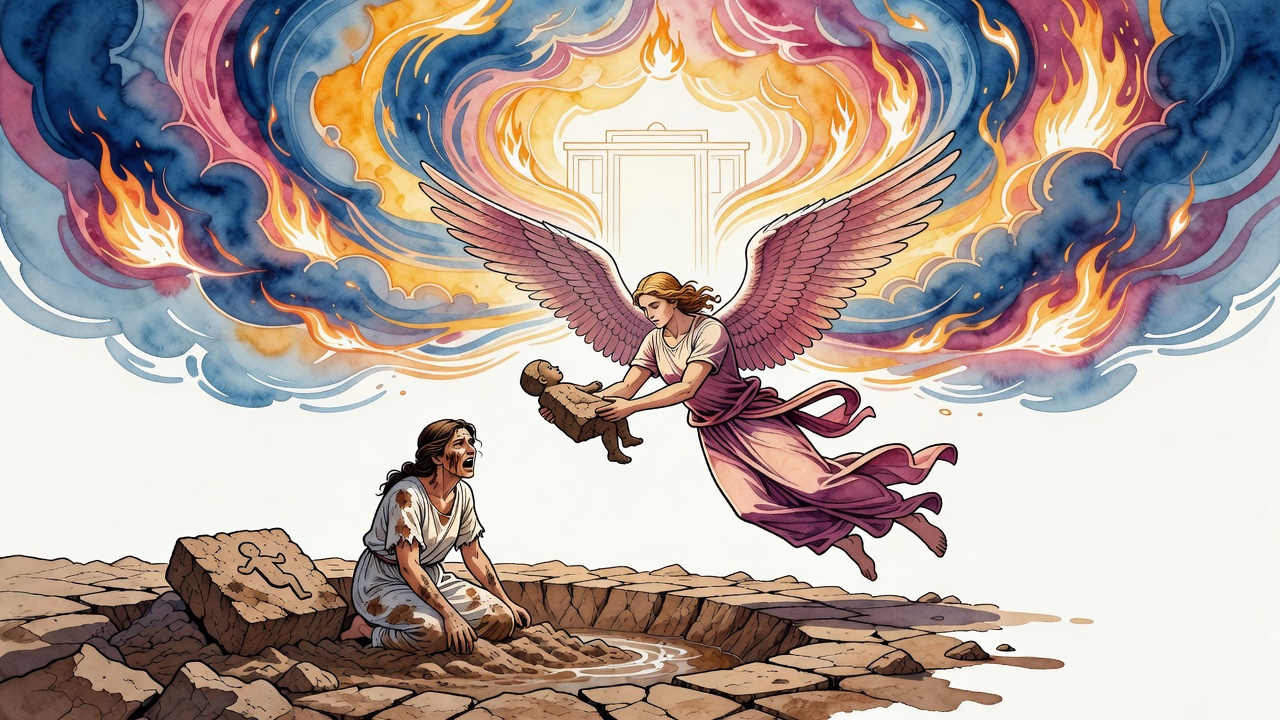
Rachel was treading clay for bricks when her labor came. The child dropped into the mud and sank. An angel went down after it.
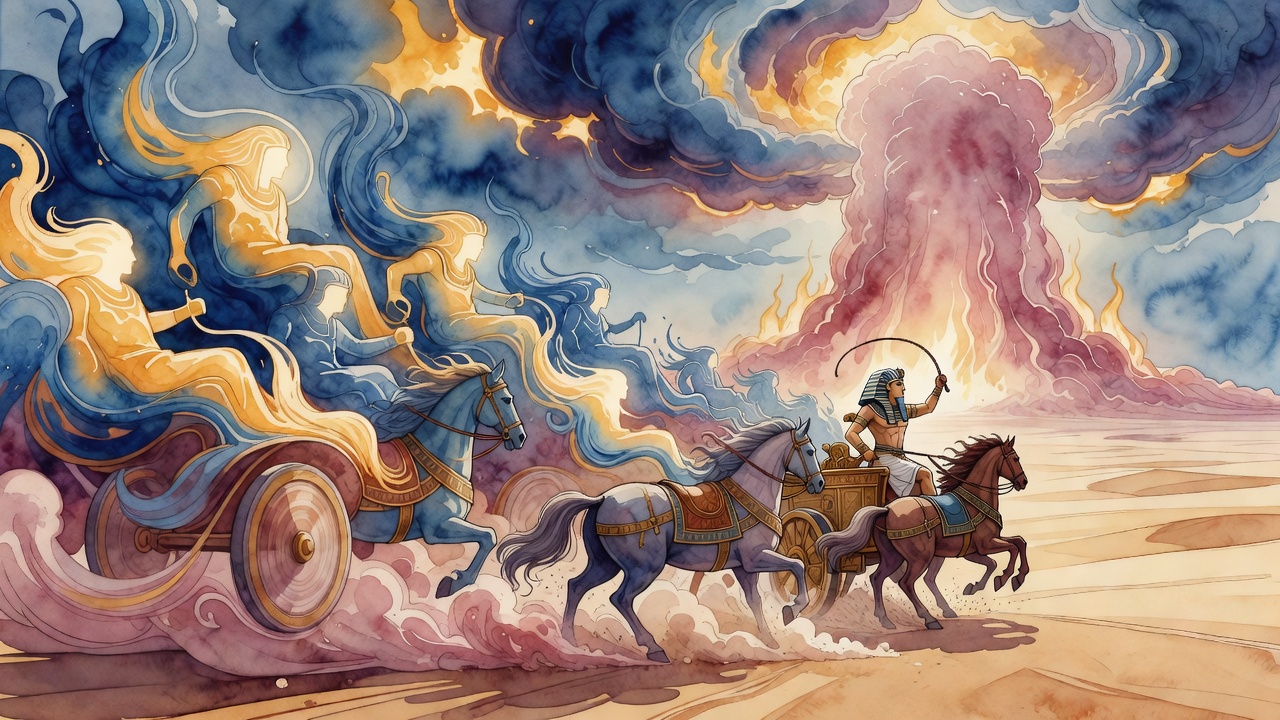
Pharaoh drove his own chariot toward Israel. Samael had already added six hundred supernatural chariots to lead the Egyptian vanguard.
