485 myths · Page 5 of 17
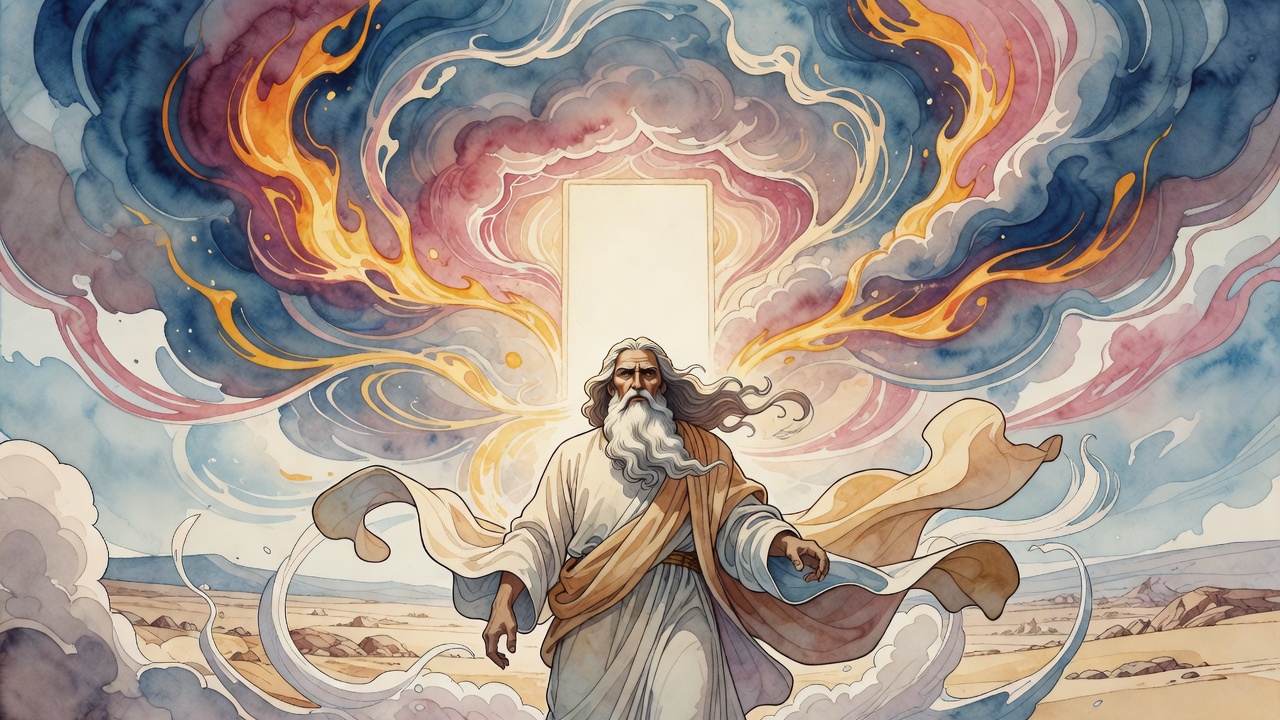
Moses had come to Midian as a fugitive. Jethro took him in, Zipporah married him, his sons were born there. He would not throw a stone into that well.
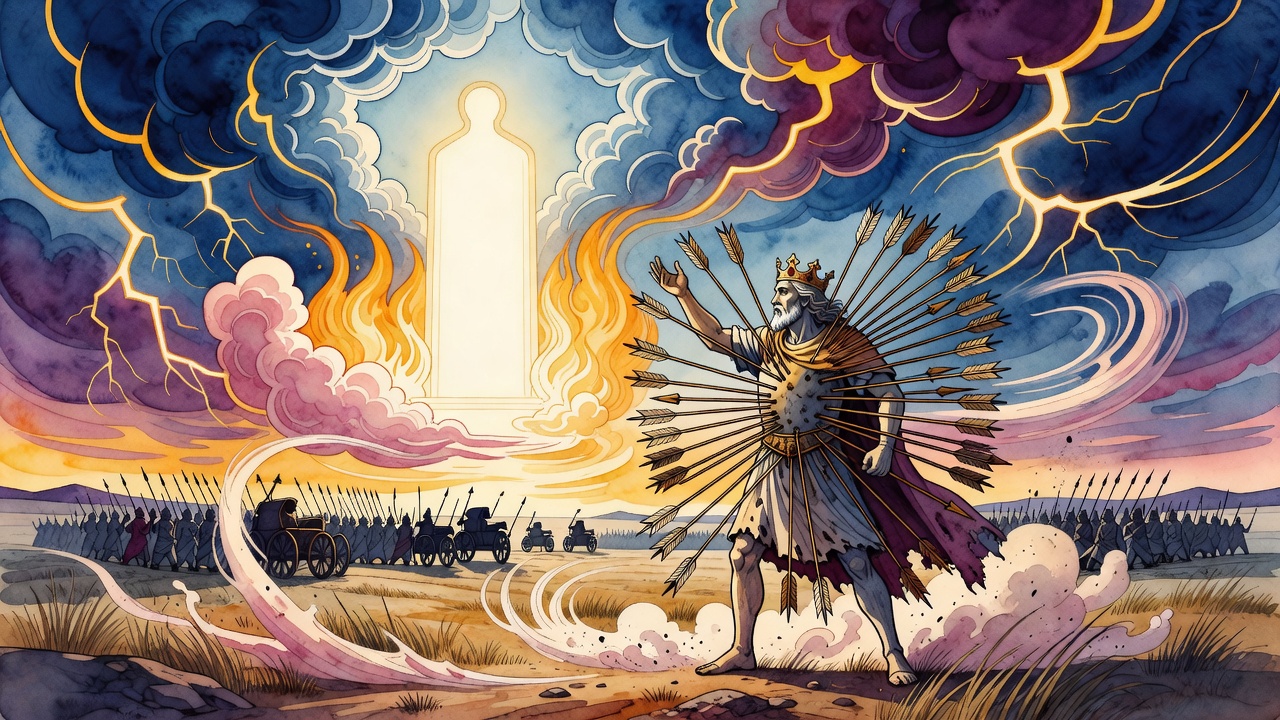
Pharaoh warned Josiah to step aside and let the Egyptian army pass. Josiah quoted Moses and refused. He was struck by three hundred arrows before nightfall.
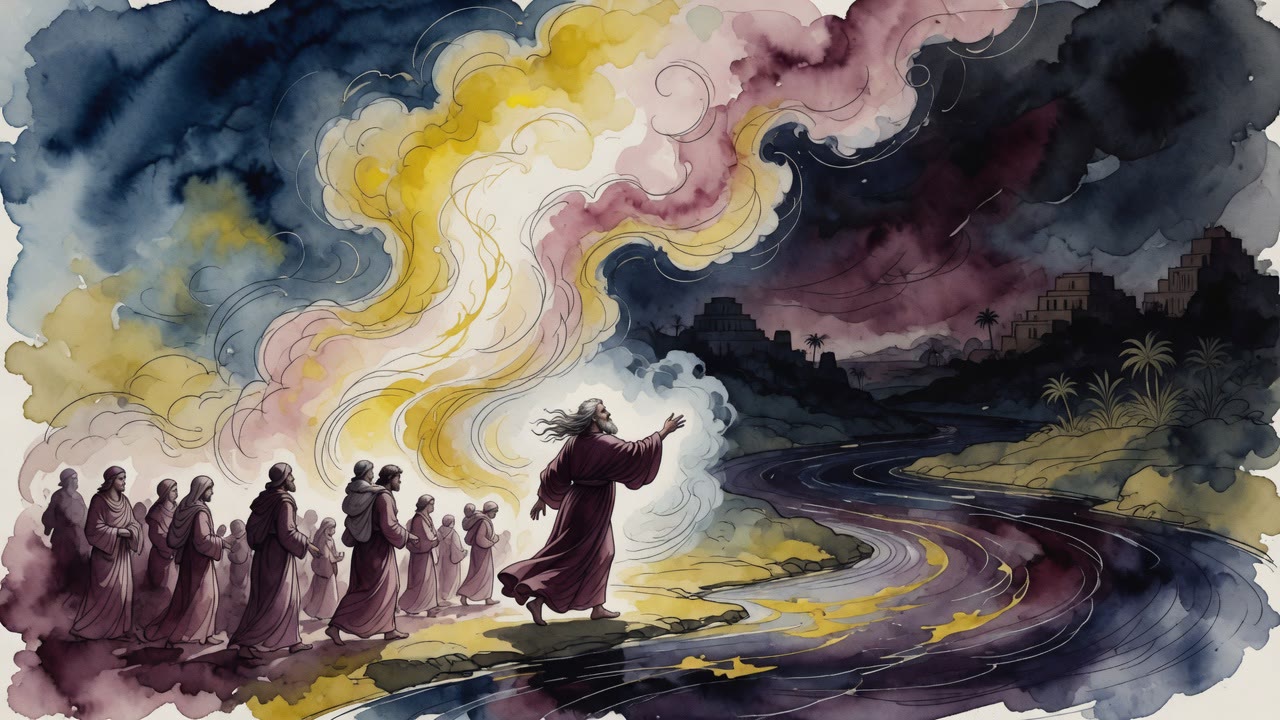
Pharaoh's fleet was sailing north to break the siege. Then God filled the water with drowned Egyptian ancestors, and the fleet turned back.
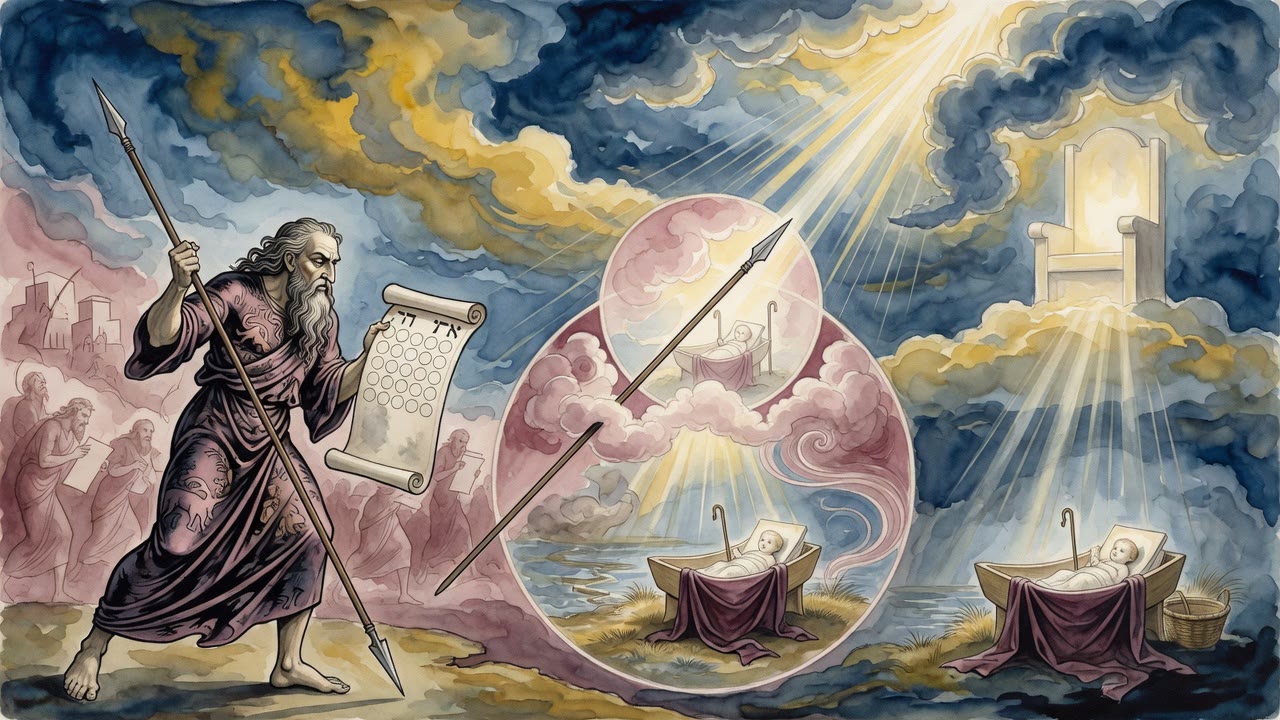
The advisors named the God who drowned Pharaoh. Haman pointed at the burned Temple and called heaven's silence proof.
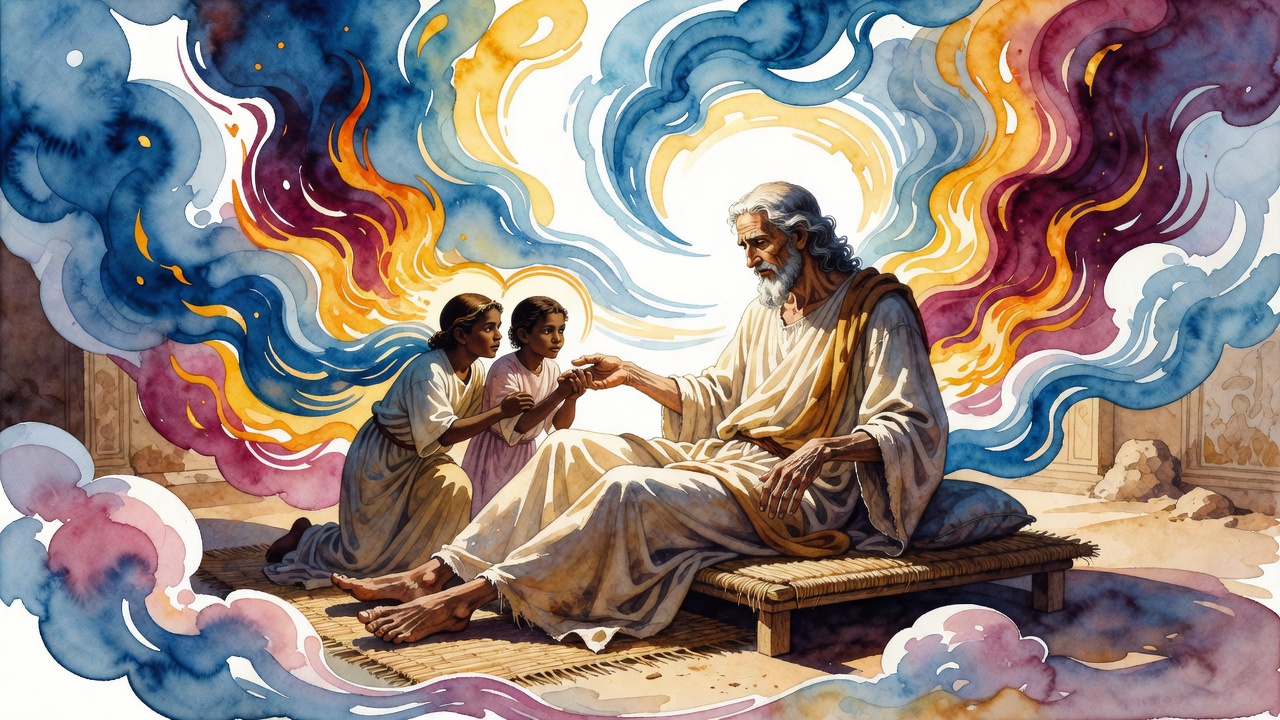
The firstborn was in the room. So was the son who would be king. Jacob sent for neither of them, because neither one could get a body past the border.

A Polish scholar compared his battle to Jacob's night fight with the angel. His enemy was not Esau but men who wanted to destroy the tradition from within.
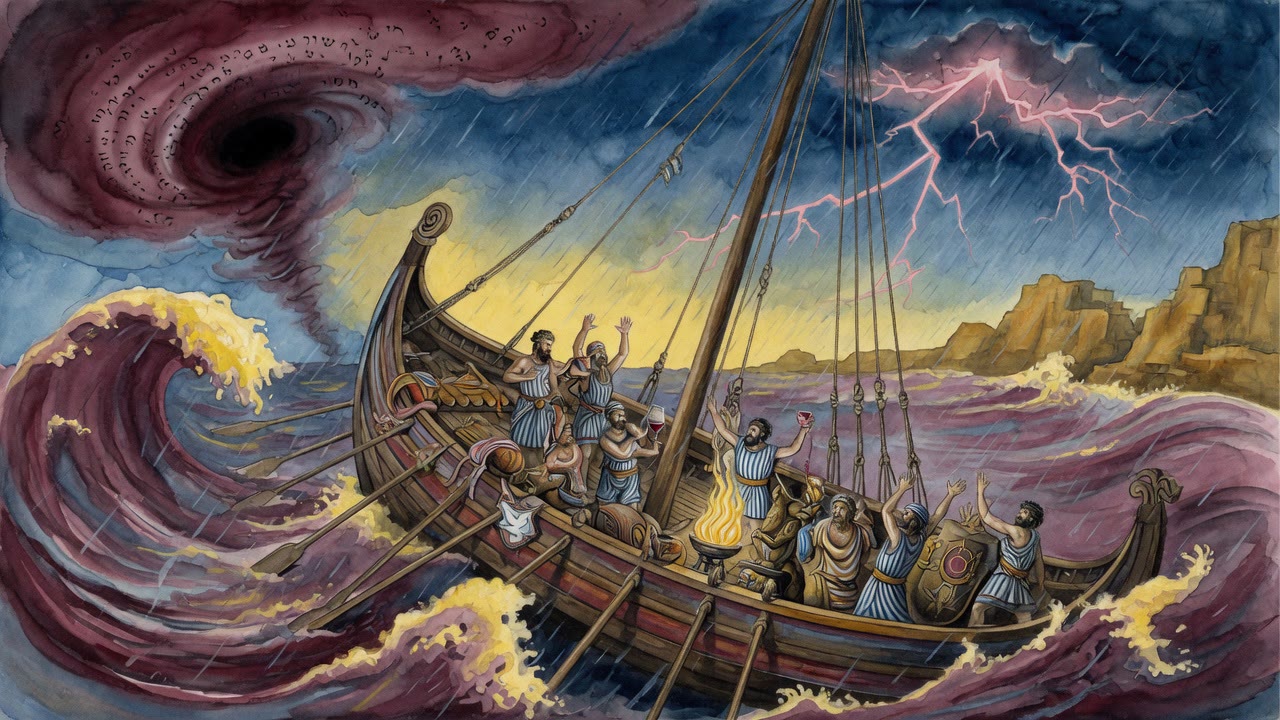
Jonah prays from the bowels of the fish. The Tikkunei Zohar hears the same prayer Israel prayed from the mud of Pharaoh's building projects.
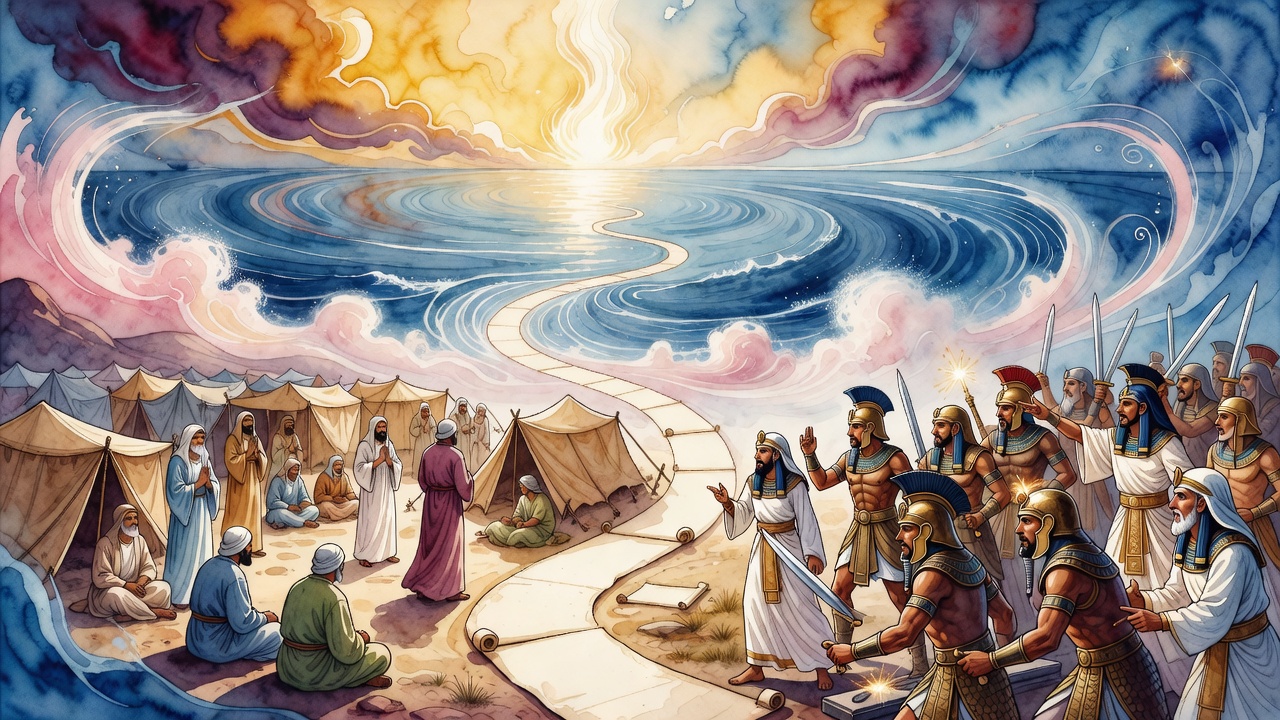
Egypt's envoys reached the camp at Ramses and said the three days were up. The argument lasted about a minute before somebody drew.
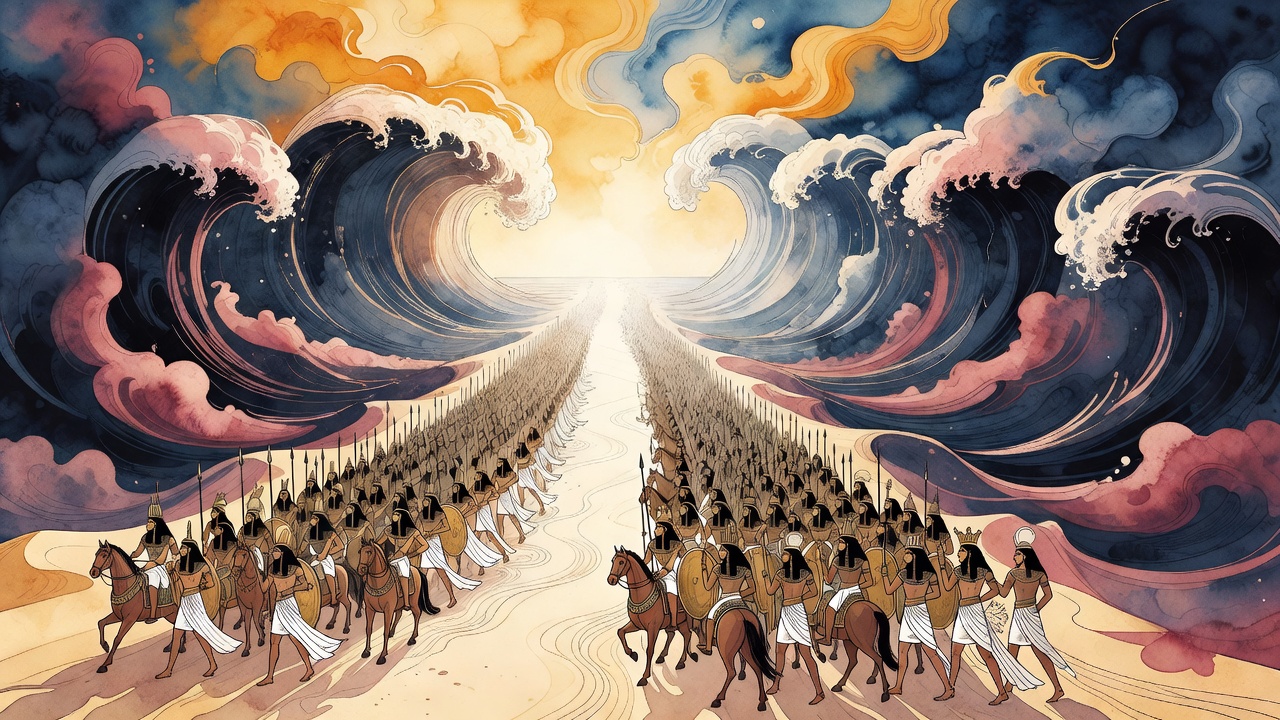
Israel stood with water ahead and chariots behind. Moses kept praying. God told him the sea would not wait on a longer speech.
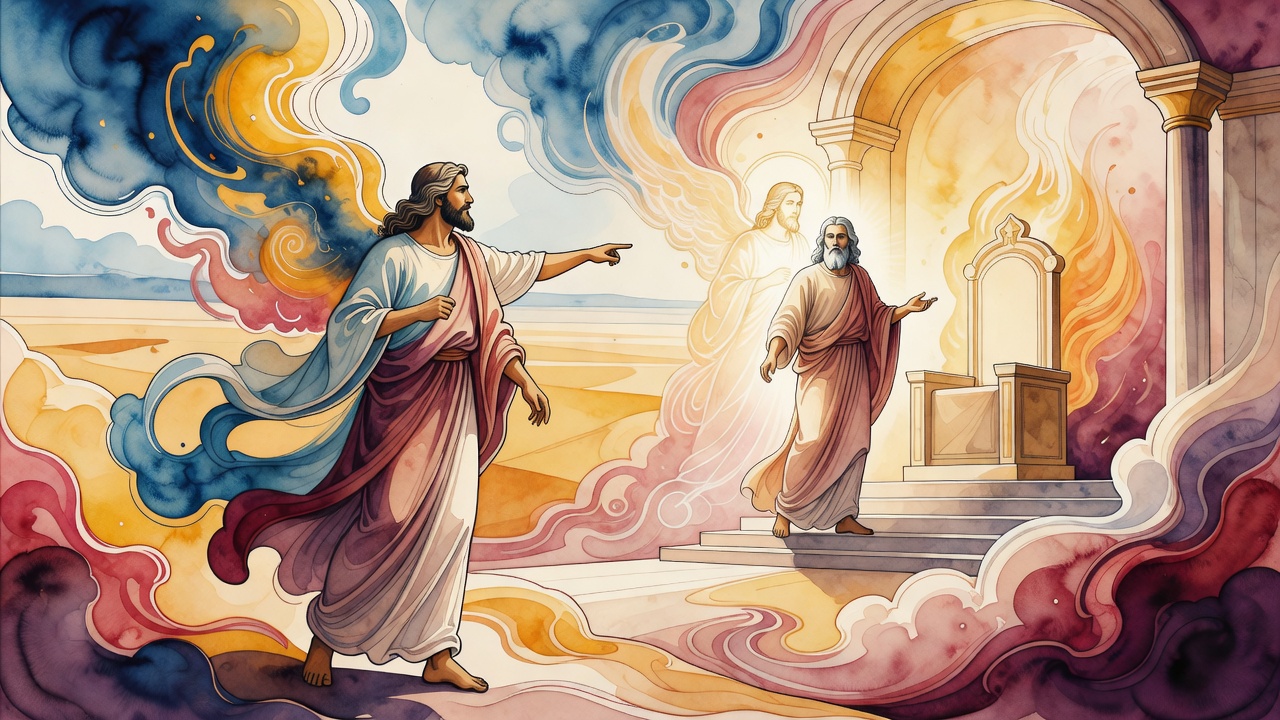
A man in the Shechem field sent Joseph toward Dothan. Joseph was seventeen. Thirteen years later Pharaoh put a ring on that same hand.
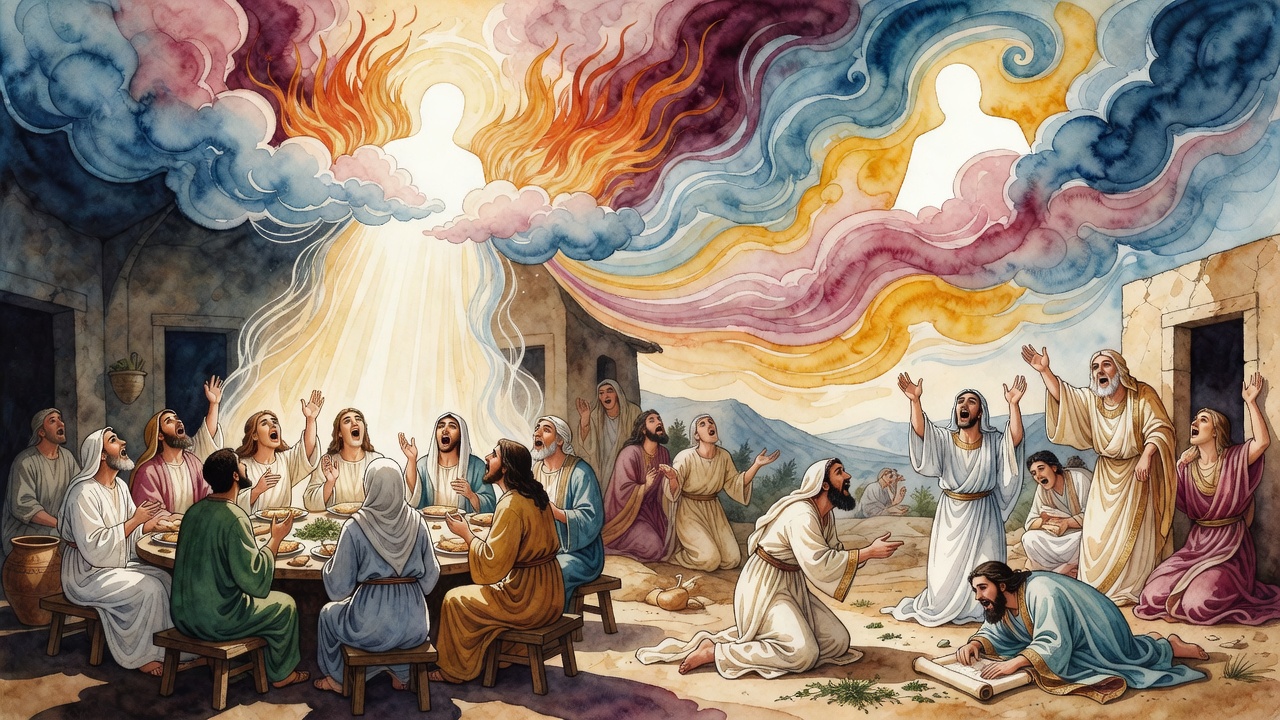
On the first Passover night, Israel ate and sang in their houses while Egypt screamed over the firstborn. The rabbis preserved both sounds at once.
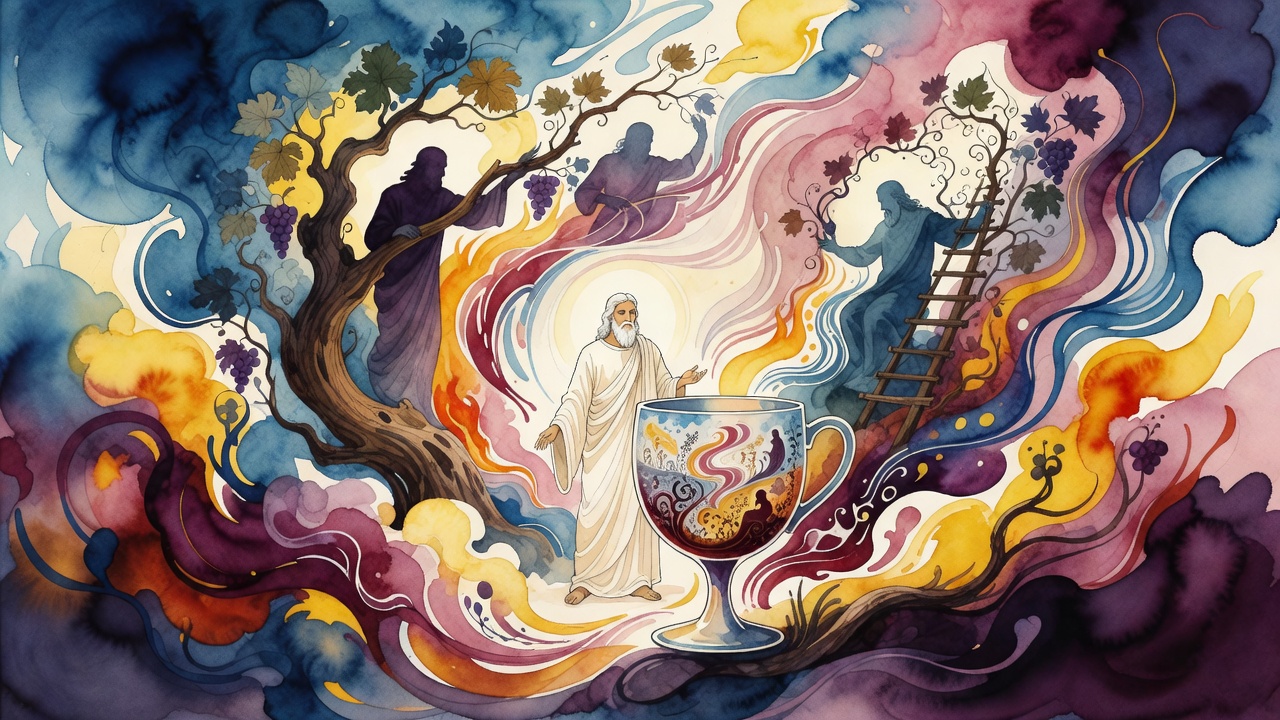
Two officers of Pharaoh woke up frightened. Joseph looked at their faces and asked why they seemed worse this morning than on all the mornings before.
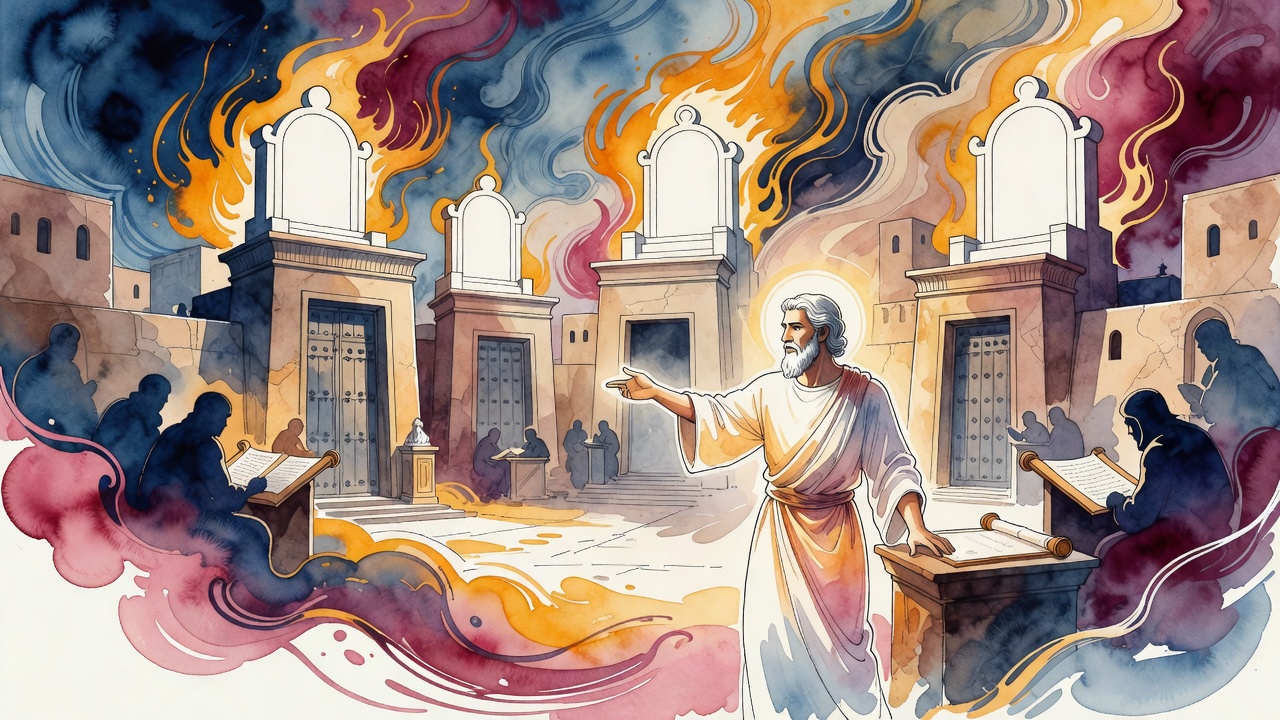
Genesis says Joseph's brothers did not recognize him in Egypt. The Aramaic tradition says Joseph spent years posting scribes at every gate to find them.
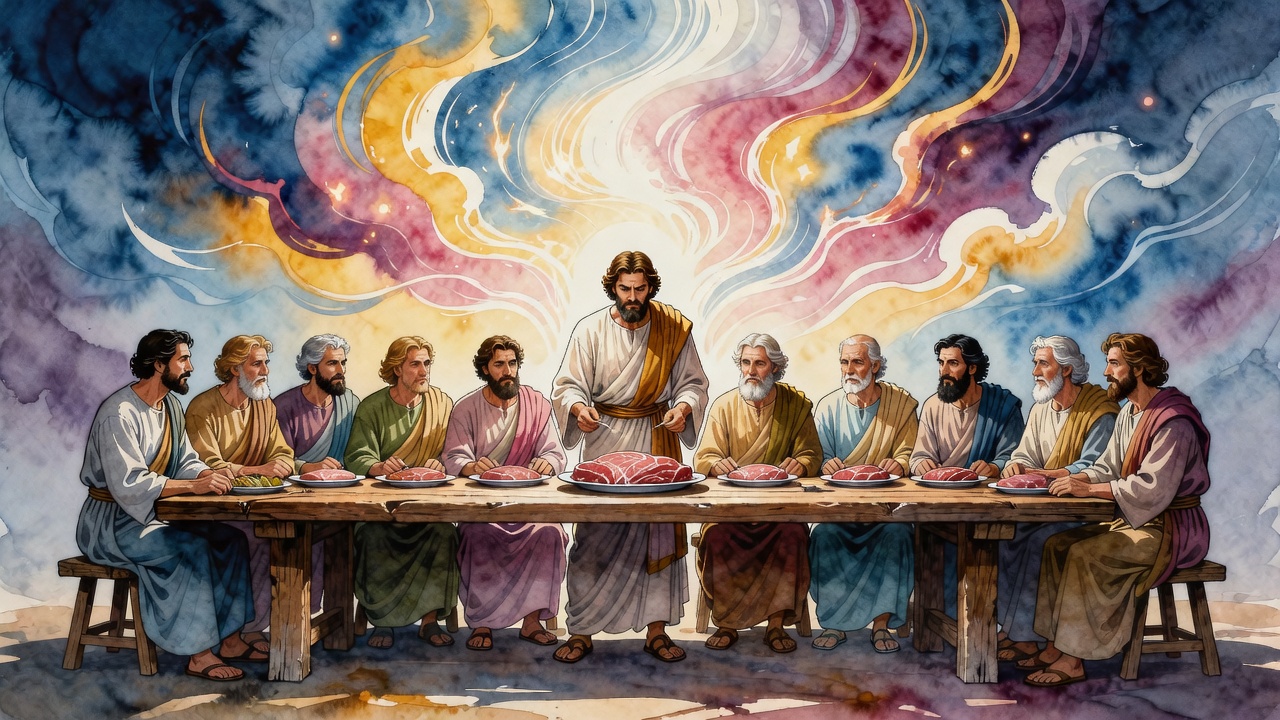
When Joseph's brothers returned with Benjamin, he prepared a feast with sinew removed from the meat and seated eleven men in exact birth order.

The Nile had carried his basket for seven days. When God sent blood and frogs, Moses would not raise the rod. Aaron struck the water instead.
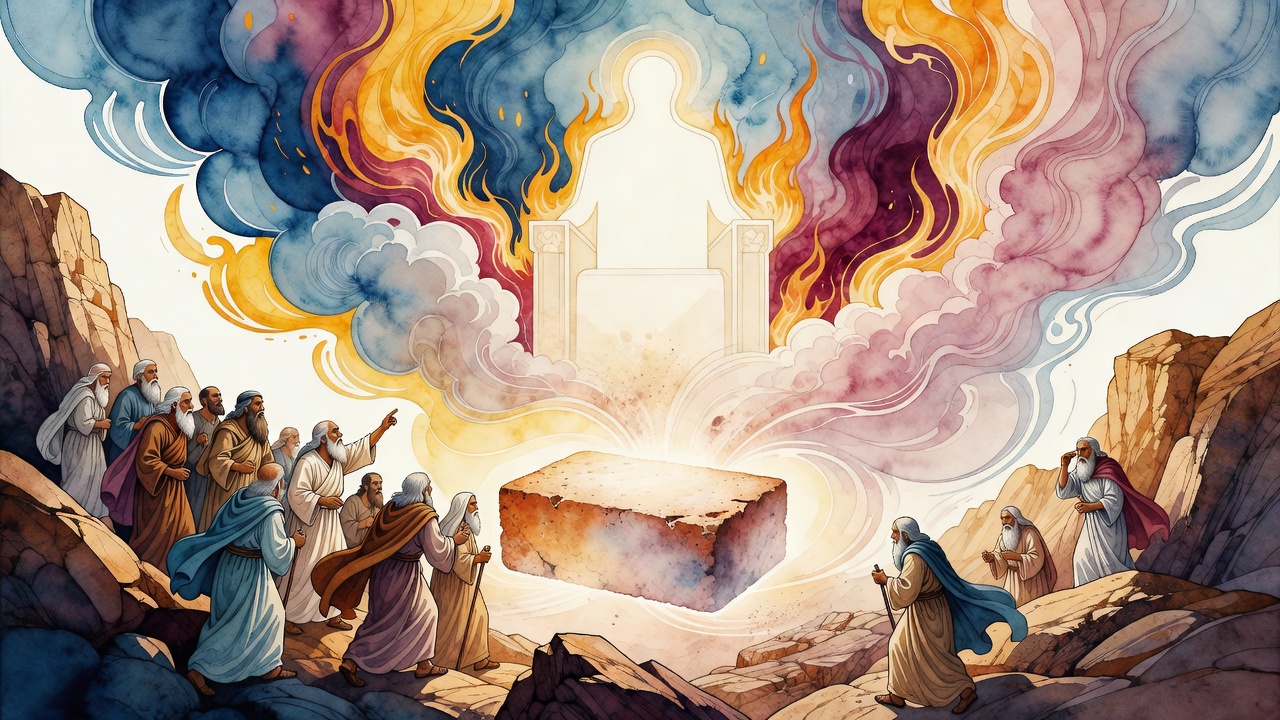
A woman went into labor while she was treading mortar for Pharaoh. The child came out into the brick mold, and an angel came down for the mold.
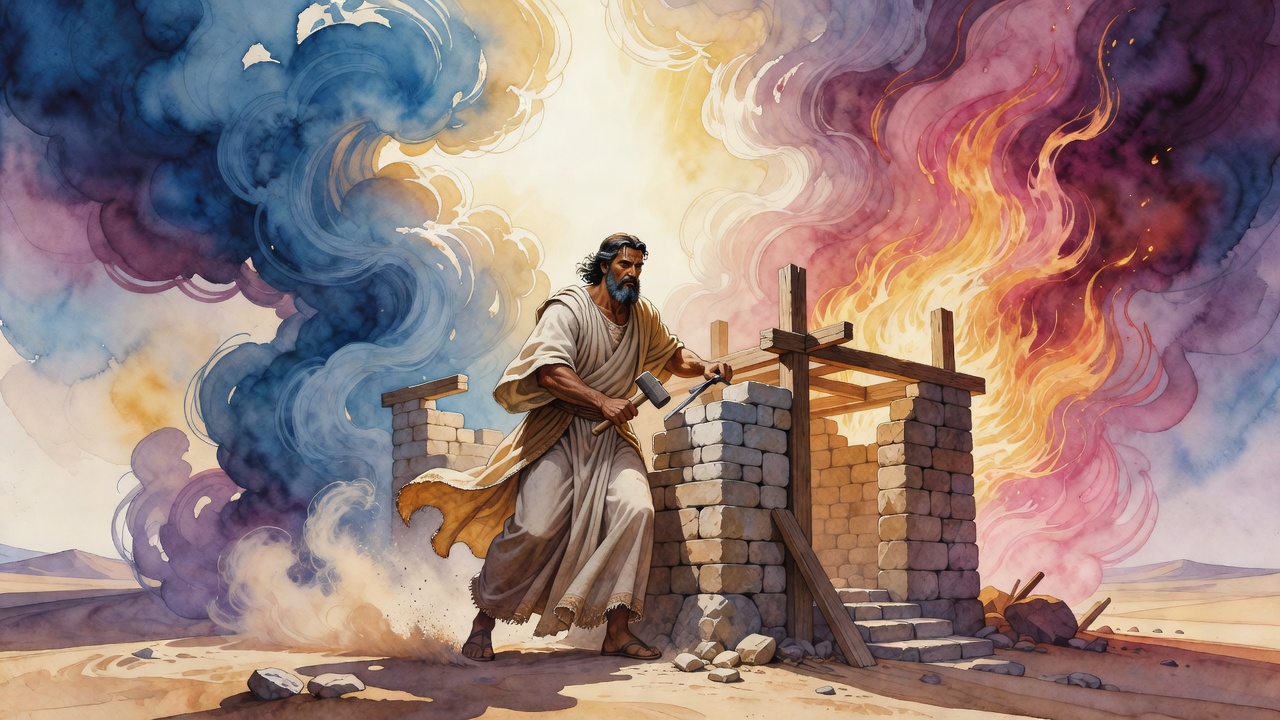
Jacob sent Judah ahead to Egypt before the family settled. Not to scout, not to cook. To build a house of Torah study before anyone else arrived.
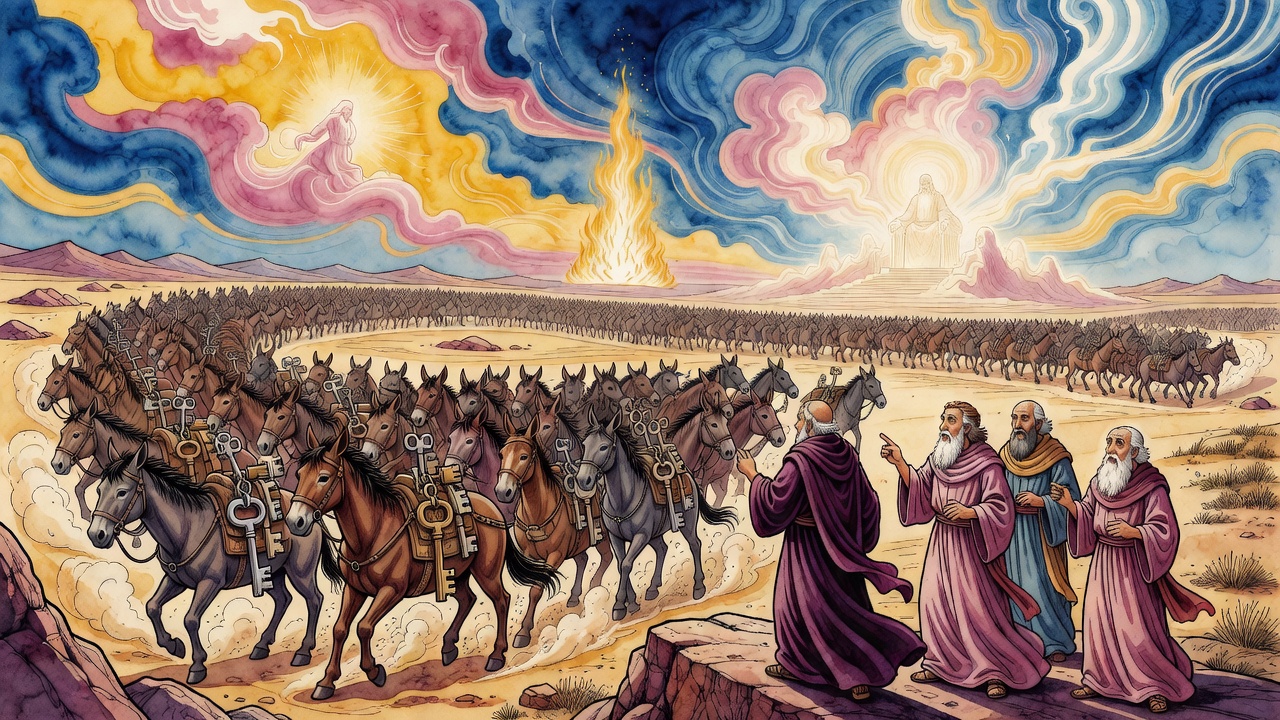
Three hundred white mules carried only the keys to his vaults. Korah came home shaved from the Levite rite, and his wife named it disgrace.
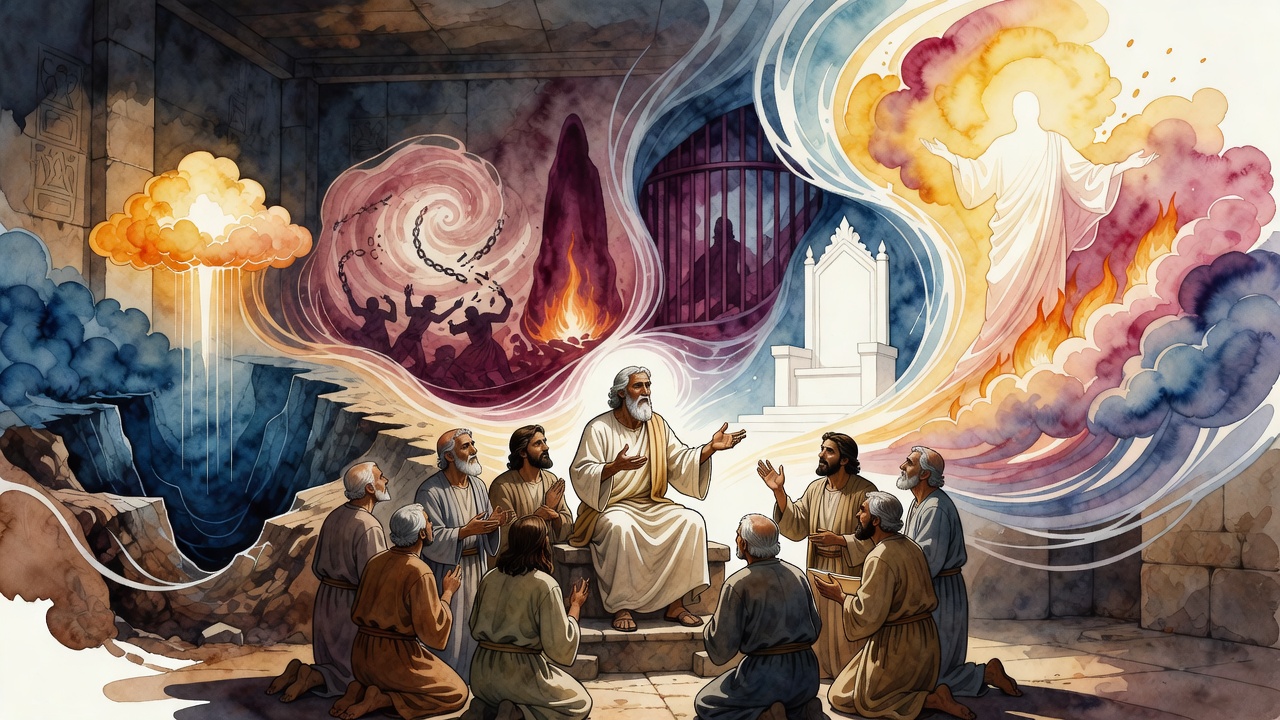
The woman of Memphis sent Joseph a dish laced with spells. He looked up and saw a figure standing behind the servant, holding out a sword.

Jacob engraved the child's whole history on a gold plate and hung it around her neck. Then he left her at the border of Egypt for somebody else to find.
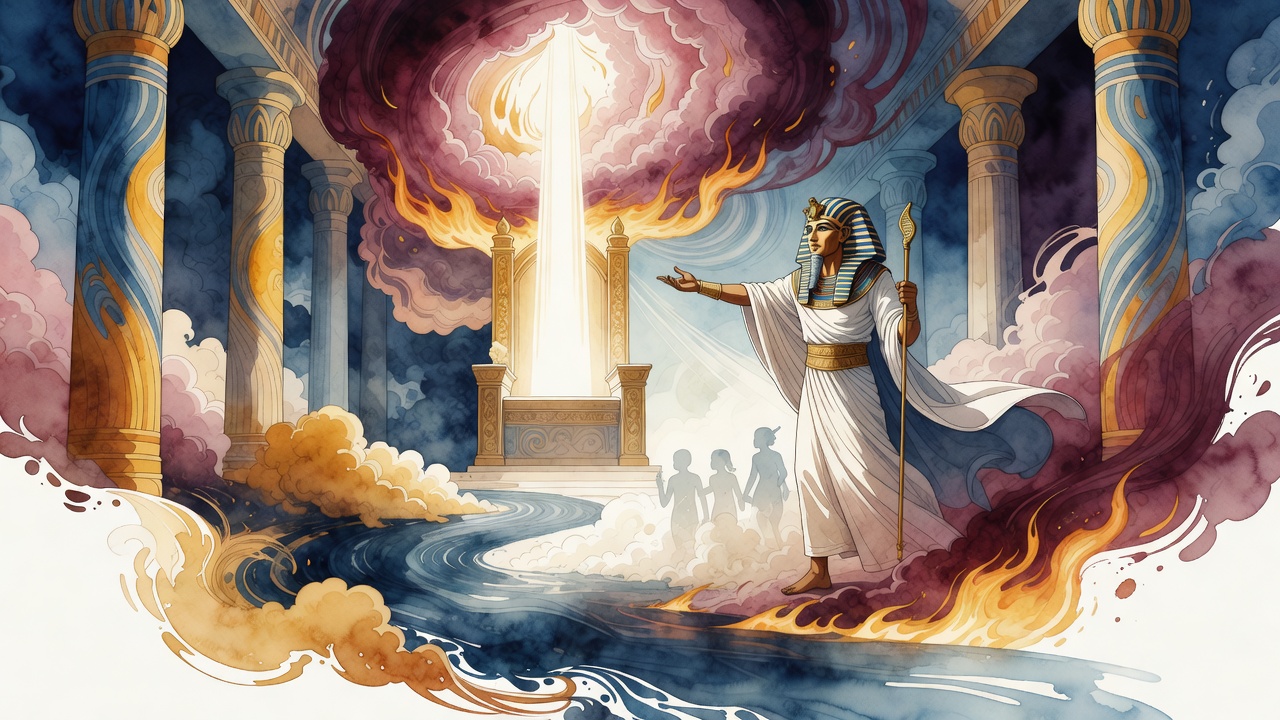
Pharaoh told Egypt he was a god who felt no human needs. Every morning he went down to the Nile alone to keep it up. One morning Moses was standing there.
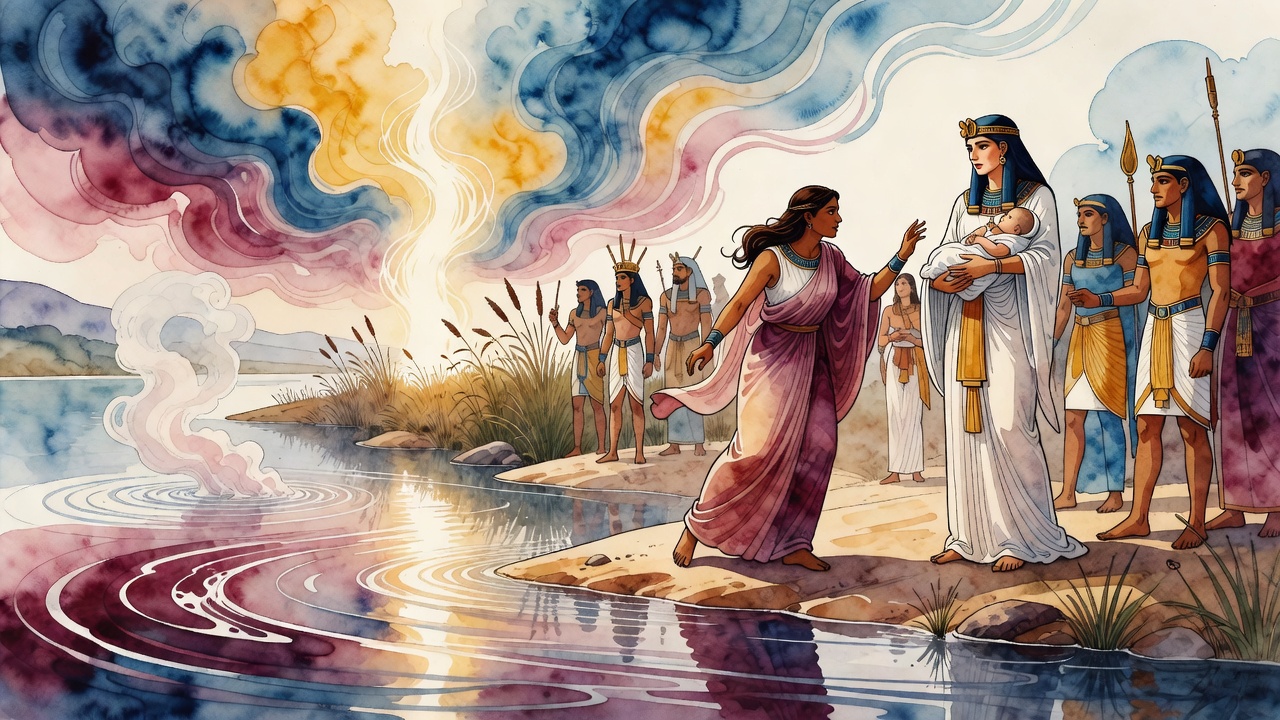
Pharaoh's daughter had a Hebrew infant who would not nurse and a line of Egyptian women who had all failed. A girl was watching from a distance.
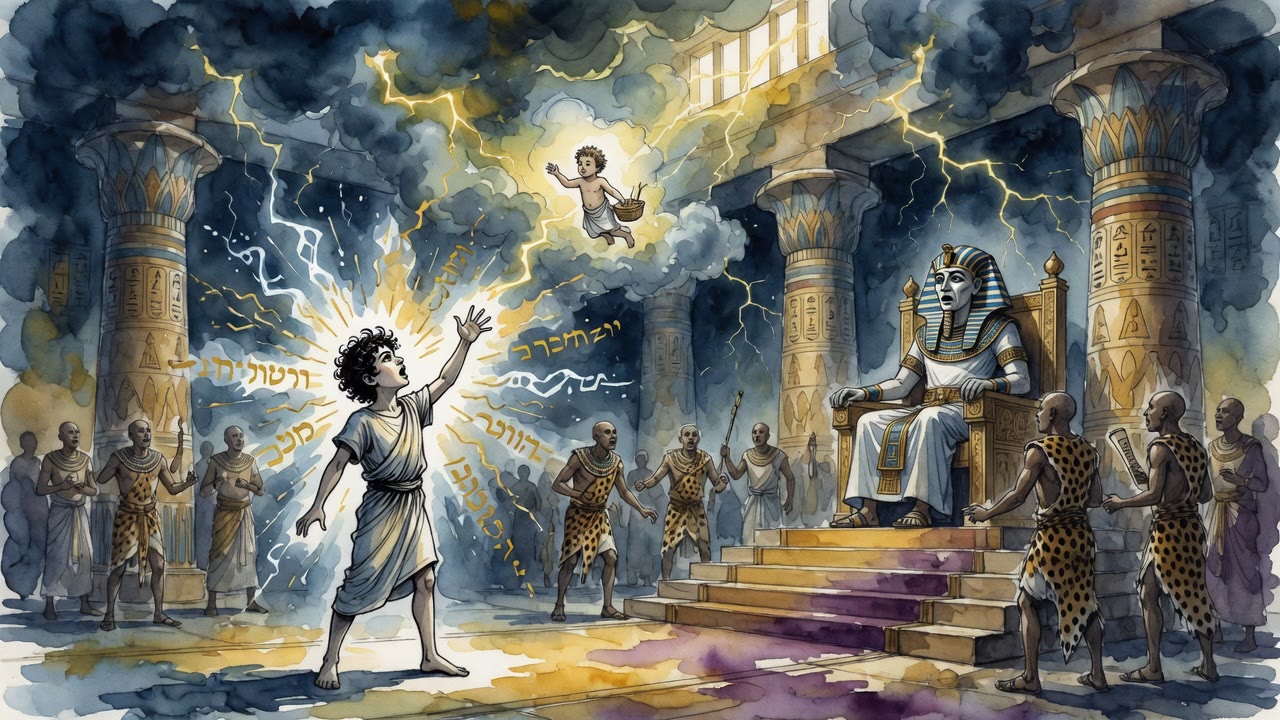
An old man hung merchants' scales in front of the throne, put every noble in Egypt in one pan and a baby goat in the other, and the goat went down.
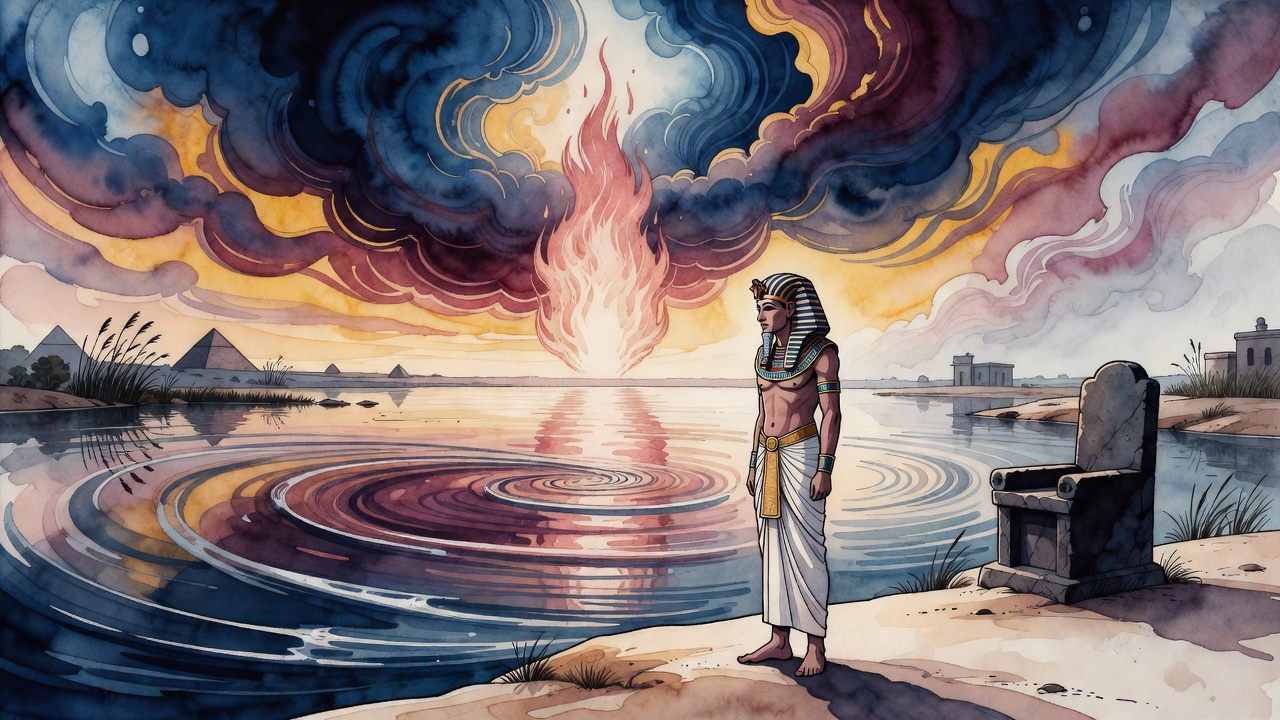
Before the court woke, Pharaoh walked to the Nile alone. A god, he told Egypt, does not need a bathroom at dawn.
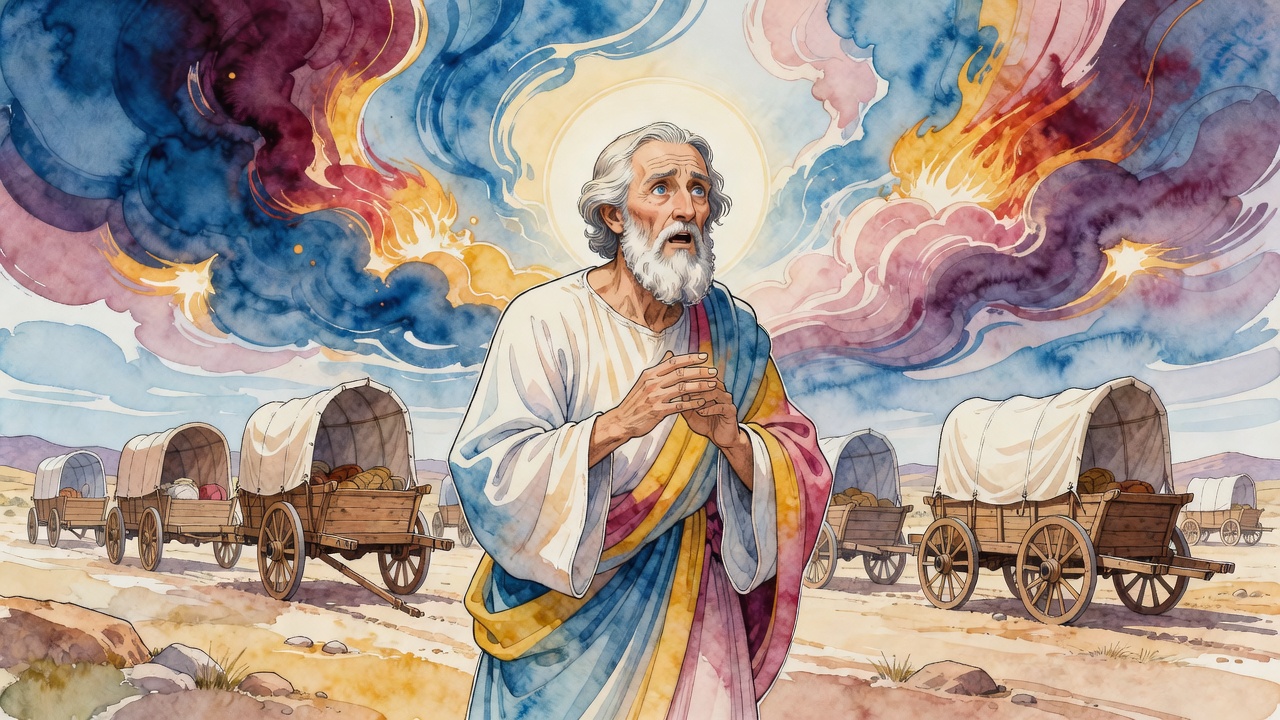
Jacob had not received prophecy in twenty-two years. When the wagons arrived from Egypt carrying proof that Joseph was alive, the spirit returned in an instant.
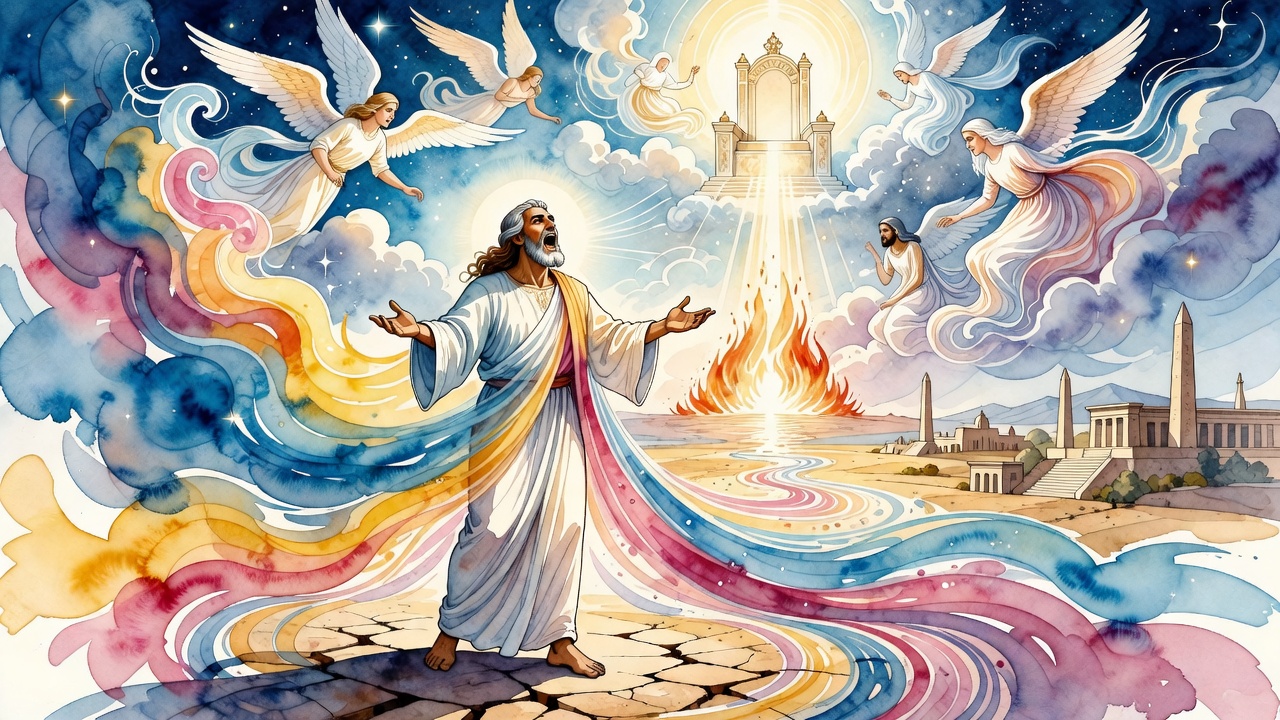
When Judah raised his voice in Egypt demanding Benjamin's release, the rabbis said his cry shook the earth and made the angels tremble in heaven.
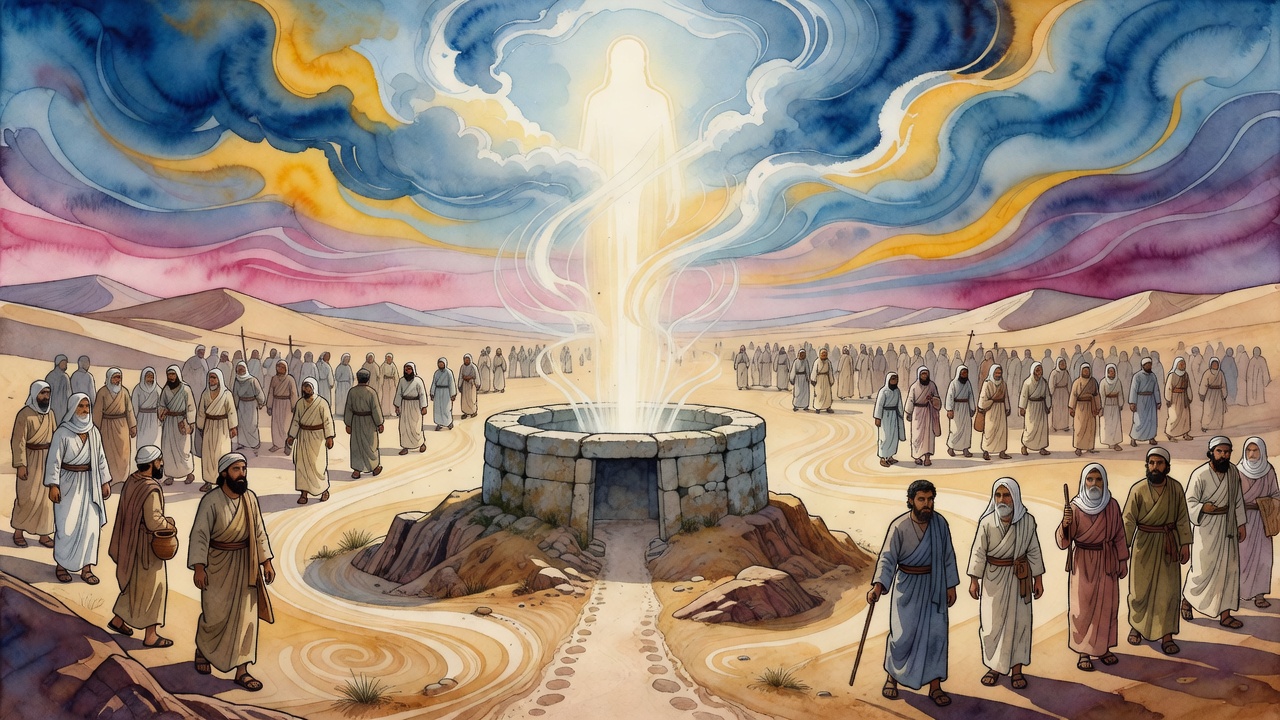
A well followed Israel forty years in the desert. The Talmud named whose merit sustained it. The morning after Miriam died the people found nothing to drink.
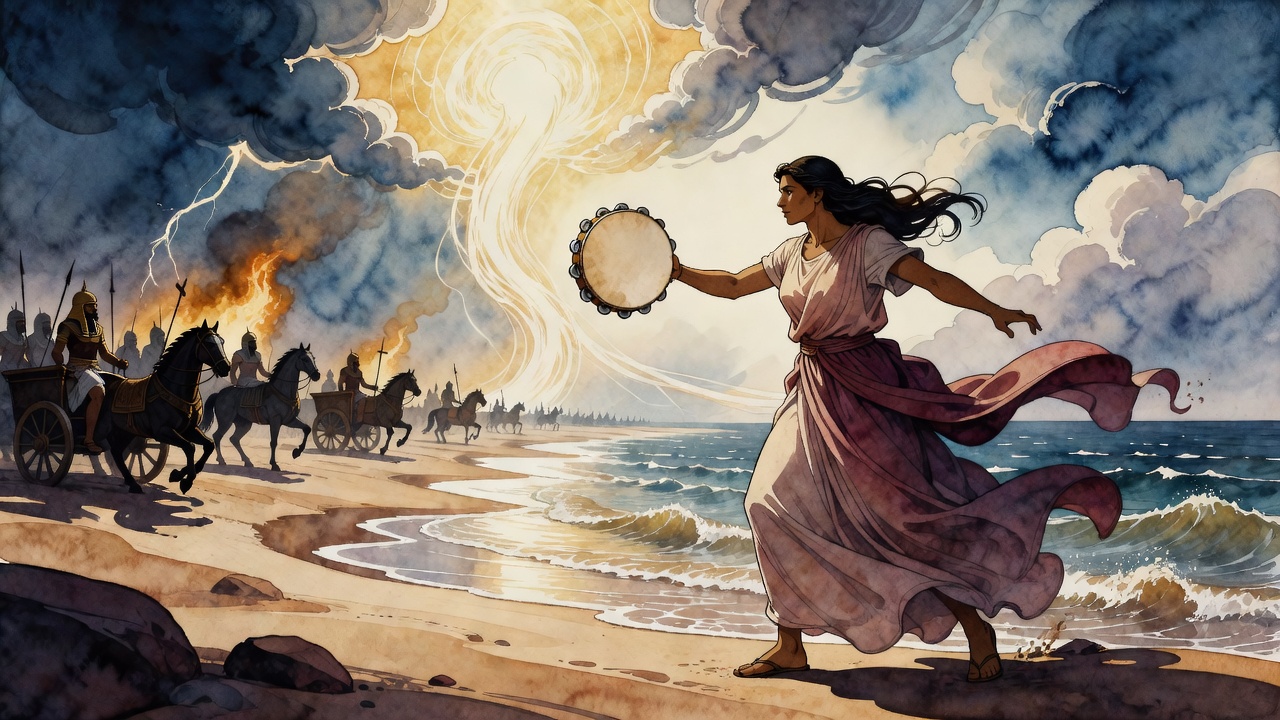
When Miriam led the women at the Red Sea, she had a tambourine ready. She packed it in Egypt while Pharaoh's army lived and the plagues were still running.
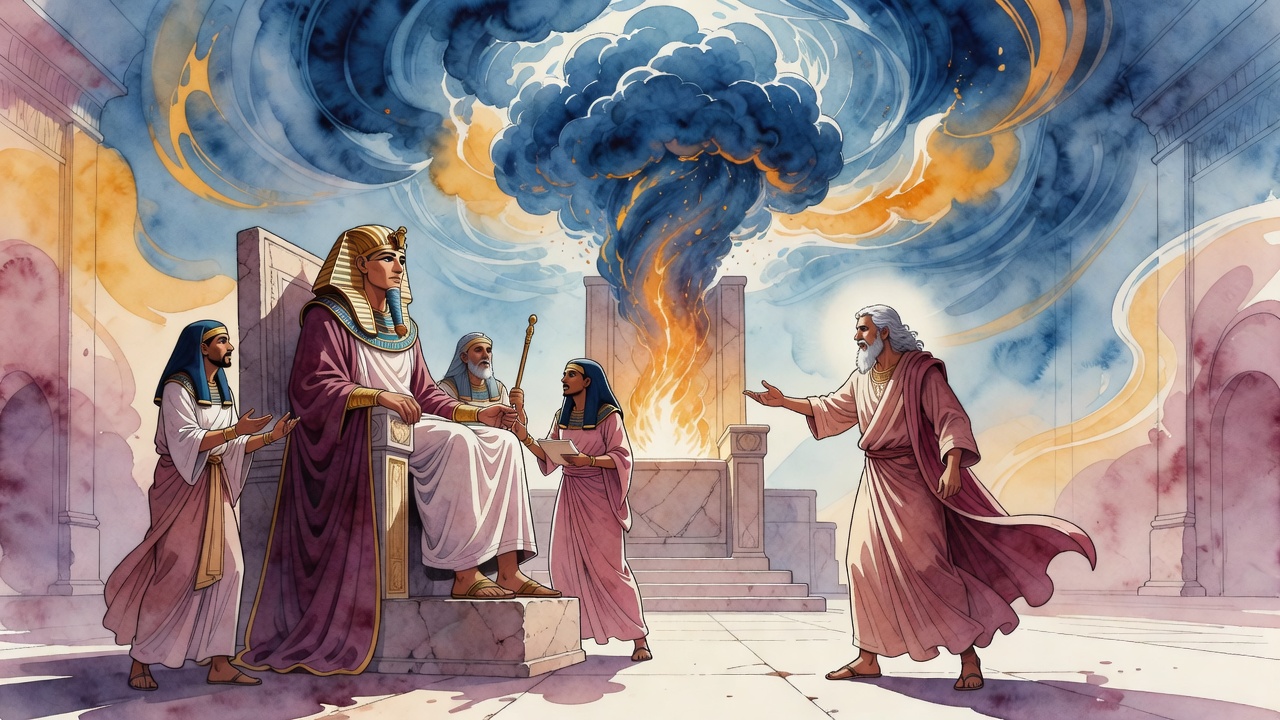
Three men were asked how to deal with the Hebrews. One gave the murderous answer, one shrugged, and one argued and left Egypt that day with a stolen staff.
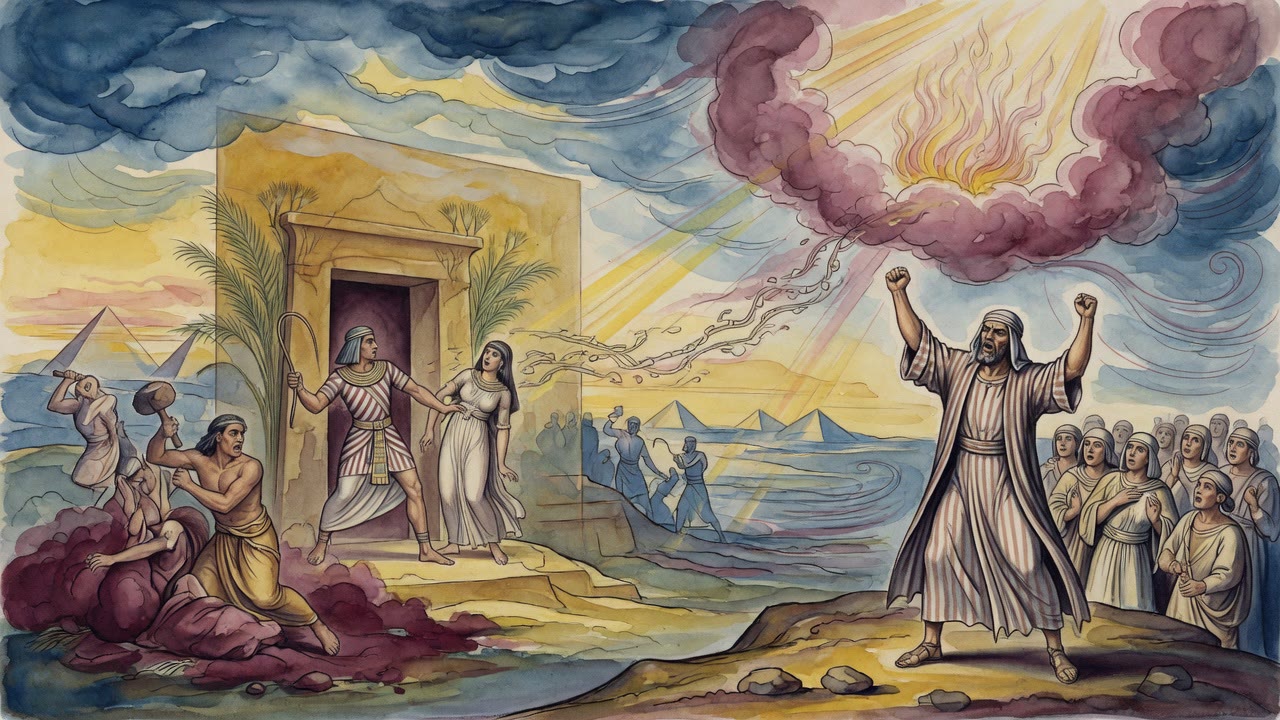
An Egyptian hid behind a ladder in Goshen before the husband left. Years later that woman's son stood in the camp and cursed the Name.
